What Are the Top Electric Hospital Bed Types in 2026? This question matters because patient safety, caregiver workload, and recovery needs vary widely. An Electric Hospital Bed can raise the backrest, support the knees, adjust overall height, and reduce awkward lifting. Some models also include side-rail alarms, integrated scales, exit detection, and emergency positioning.
Healthcare design researcher Roger Ulrich has observed, “The physical environment can influence patient outcomes.” His principle fits modern hospital-bed selection. A low electric bed may reduce injury risks during transfers. A five-function bed can provide finer positioning for critical care. Bariatric models offer wider platforms and stronger frames. Smart beds can share pressure, movement, and weight data with clinical teams.
Yet, no ranking is perfect. A feature-rich bed may create training demands, maintenance costs, or alarm fatigue. That matters. A quiet motor, washable mattress surface, and clear hand controls can be more valuable than an impressive specification sheet. Hospitals should compare beds through real workflows, not showroom demonstrations alone. Nurses can test braking, steering, rail movement, and emergency lowering beside a crowded bedside. Patients can reveal comfort problems that technical brochures overlook.
This guide examines the leading Electric Hospital Bed types expected in 2026. It considers function, clinical setting, patient mobility, infection-control needs, durability, and total ownership cost. Evidence should guide the decision. So should experience. The best bed is rarely the most expensive model. It is the one that safely supports patients and staff every day.
What Defines an Electric Hospital Bed in 2026?
What Are the Top Electric Hospital Bed Types in 2026?
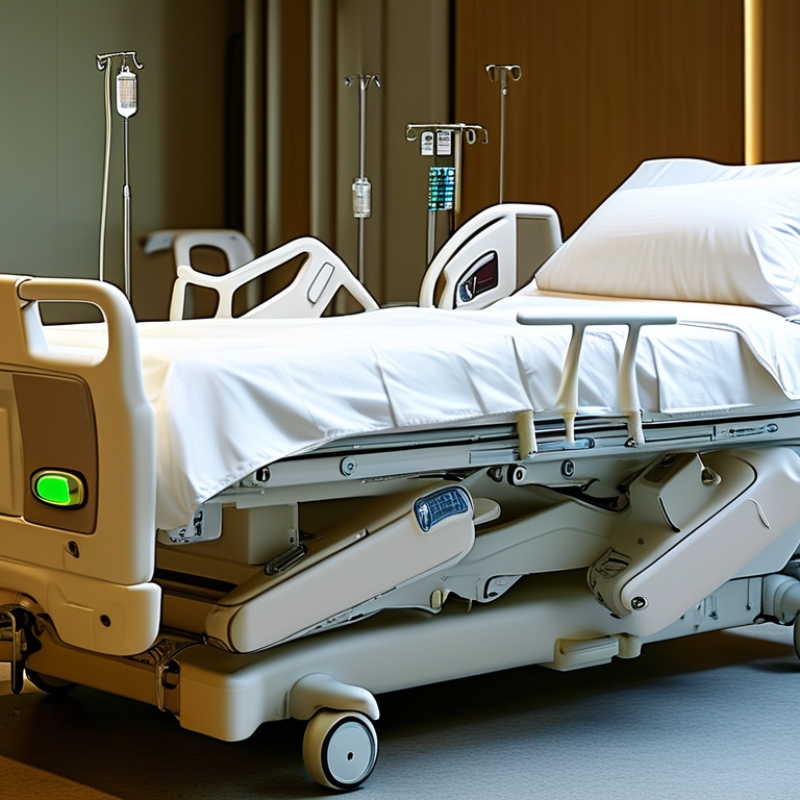
An electric hospital bed is defined by powered movement, not by its appearance. Motors adjust the backrest, knee section, and overall height. Many advanced beds also support Trendelenburg positioning, low-height access, and independent caregiver controls. These functions help nurses reposition patients with less physical strain. They also improve access during examinations, transfers, and emergency care.
The main 2026 types include ICU beds, low electric beds, bariatric beds, and adjustable home-care beds. ICU models usually combine frequent positioning, patient monitoring support, and side-rail safety features. Low beds reduce fall distance for vulnerable patients. Bariatric beds require stronger frames, wider sleeping surfaces, and clearly stated weight limits. A reliable bed should include lockable casters, emergency controls, battery backup, and easy-to-clean surfaces. Clinical engineering teams should verify load ratings and electrical safety before use.
Tips: Test every control with a staff member before patient placement. Check whether the lowest height suits the patient’s mobility. Confirm that cables stay clear of wheels and moving joints. Smart connectivity can be useful, but it should not replace direct observation. The definition is not perfect. A bed may offer impressive technology yet feel awkward during routine care. Staff feedback, maintenance records, and patient comfort should guide the final choice.
What Are the Top Electric Hospital Bed Types in 2026? - What Defines an Electric Hospital Bed in 2026?
| Electric Hospital Bed Type | Typical Clinical Use | Powered Adjustments | Typical Safe Working Load | Typical Deck Height Range | Common 2026 Features | What Defines the Electric Configuration |
|---|---|---|---|---|---|---|
| General Ward Full-Electric Bed | Medical-surgical wards, rehabilitation units, and general inpatient care. | Backrest, leg section, overall height, and often knee-break adjustment. | Approximately 180–250 kg, including the patient, mattress, and accessories. | Approximately 35–75 cm. | Hand control, nurse lockout, integrated battery backup, IV-pole compatibility, and under-bed clearance. | Multiple bed movements are produced by electric actuators and controlled through a patient or caregiver handset. |
| Low-Height Electric Bed | Falls-risk patients, older adults, rehabilitation, and long-term care. | Powered height, backrest, leg section, and sometimes knee-break adjustment. | Approximately 180–250 kg. | Approximately 20–60 cm, depending on the model and mattress height. | Very-low deck position, fall-prevention design, split side rails, locking casters, and optional exit alarms. | Electric height adjustment allows staff to position the bed low for fall-risk reduction and high for care procedures. |
| ICU and Critical-Care Electric Bed | Intensive care, respiratory care, complex monitoring, and high-acuity treatment. | Backrest, knee-break, height, Trendelenburg, and reverse Trendelenburg; some models provide lateral tilt. | Approximately 220–300 kg. | Approximately 35–80 cm. | CPR release, radiolucent back section, patient weighing, bed-exit monitoring, therapeutic positioning, and emergency battery operation. | Electric actuators provide rapid multi-positioning for airway management, procedures, mobilization, and pressure-injury prevention. |
| Bariatric Electric Bed | Patients requiring a wider sleeping surface and higher load capacity. | Powered backrest, leg section, bed height, and frequently Trendelenburg functions. | Approximately 300–450 kg; the exact rating must be verified for each configuration. | Approximately 40–80 cm. | Wider deck, reinforced frame, high-capacity casters, patient repositioning support, and optional width adjustment. | High-torque powered systems are designed to move and safely support heavier patient loads without relying on manual crank operation. |
| Pediatric Electric Bed | Children’s wards, pediatric surgery, and specialized pediatric care. | Backrest, leg section, height, and selected positioning functions appropriate to the child’s age and size. | Approximately 100–180 kg, depending on the bed category and intended patient group. | Approximately 40–75 cm. | Enclosed or high-safety side rails, tamper-resistant controls, smaller deck dimensions, and child-appropriate safety systems. | Motorized positioning is combined with controls and safeguards designed for pediatric patients and smaller body dimensions. |
| Electric Procedure and Recovery Bed | Post-anesthesia care, outpatient procedures, emergency assessment, and short-stay treatment. | Backrest, leg section, overall height, and procedure-specific positioning. | Approximately 180–250 kg. | Approximately 45–85 cm. | Fast height adjustment, removable or fold-down rails, central locking, oxygen-cylinder support, and easy-clean surfaces. | Electric movement enables rapid changes between examination, treatment, transfer, and recovery positions. |
| Electric Home-Care and Long-Term-Care Bed | Home nursing, hospice, residential care, and extended recovery. | Usually powered backrest and height; some versions also include powered leg or knee-break adjustment. | Approximately 150–250 kg. | Approximately 35–75 cm. | Compact footprint, transport-friendly design, removable rails, battery backup, caregiver handset, and low-noise operation. | Electrical controls reduce caregiver lifting and repositioning effort while supporting safer transfers and daily care. |
FAQS
Powered motors define it, not appearance. Motors adjust height, the backrest, and the knee section. Some models also support Trendelenburg positioning. These movements can reduce caregiver strain during transfers and examinations.
Common types include ICU beds, low beds, bariatric beds, and home-care beds. ICU beds support frequent repositioning and monitoring. Low beds reduce fall distance. Bariatric beds need wider surfaces and stronger frames.
It usually adjusts bed height, backrest angle, and knee position. This design suits general wards and routine recovery. Controls should be clear and easy to reach. Simple can be useful.
Five-function beds may add Trendelenburg positioning and independent height movement. These functions can support respiratory care, transfers, and repositioning. More functions do not always mean better care. Confusing controls can slow an emergency response.
Start with patient needs and daily workflow. Consider mobility, fall risk, body size, room layout, and transfer methods. Measure doorways, lift access, and outlet locations before ordering. Test the bed beside real equipment, not only in a showroom.
Important features include lockable casters, emergency controls, battery backup, and secure side rails. Cables should remain clear of wheels and moving joints. Inspect gaps around rails and the mattress platform. Fingers, tubing, or bedding may become trapped.
Low beds reduce the distance of a possible fall. They can help vulnerable patients exit more safely. Staff should check whether the lowest height suits the patient’s mobility. A low position is not automatically suitable.
Verify the safe working load, frame width, motor strength, and mattress compatibility. Confirm that doorways and lifting equipment provide enough space. A wider bed still needs dependable braking and stable movement. Weight limits require careful checking.
The platform should support pressure redistribution and routine repositioning. Smooth, easy-to-clean surfaces can support infection-control procedures. Removable parts need clear cleaning instructions. A stable mattress may still hinder a frail patient.
No. Connectivity may support monitoring and workflow, but it cannot replace bedside observation. Staff should verify readings, alarms, and patient comfort directly. A precise-looking reading can still be wrong. Calibration matters.
Conclusion
In 2026, an Electric Hospital Bed is defined by its powered adjustment systems, intelligent safety features, durable construction, and ability to support efficient patient care. Unlike manually operated beds, it allows caregivers to adjust the backrest, leg section, height, and overall position with minimal physical effort. Modern designs may also include integrated controls, weight monitoring, fall prevention functions, emergency positioning, and easy-to-clean surfaces. These beds are commonly classified by function, such as standard inpatient care, intensive care, bariatric support, pediatric care, rehabilitation, and specialized treatment.
The top electric hospital bed types differ according to patient needs, clinical conditions, weight capacity, mobility requirements, and the level of monitoring or emergency support required. Hospitals should compare adjustment range, stability, mattress compatibility, control accessibility, hygiene, maintenance demands, safety features, and total cost of ownership before selecting a model. The right choice should improve patient comfort, reduce caregiver strain, support clinical workflows, and remain practical for long-term daily use.