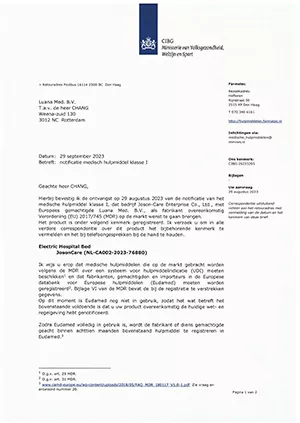
Medical Bed with X-Ray Holder: Comprehensive B2B Procurement Guide, Technical Specifications & Industry Trends
An authoritative technical & clinical evaluation guide for hospital procurement officers, biomedical engineers, and intensive care directors. Discover how radiolucent backrests and integrated X-Ray cassette holders enhance patient safety, streamline bedside diagnostic imaging, and minimize clinical risk in critical care environments.
Information Gain & Clinical Insights
Why Modern Intensive Care Units Require Medical Beds with Integrated X-Ray Holders
Eliminating patient transfer risks through engineering excellence in radiolucent deck technology and bedside radiography integration.
In high-acuity clinical environments such as Intensive Care Units (ICUs), Emergency Departments (ED), and Trauma Centers, daily diagnostic chest radiography is essential for monitoring pulmonary edema, atelectasis, pneumonia, and confirming the precise anatomical placement of endotracheal tubes, central venous catheters, and chest drains. However, physically lifting or shifting critically ill, mechanically ventilated, or hemodynamically unstable patients to position standard X-Ray cassettes introduces severe clinical hazards.
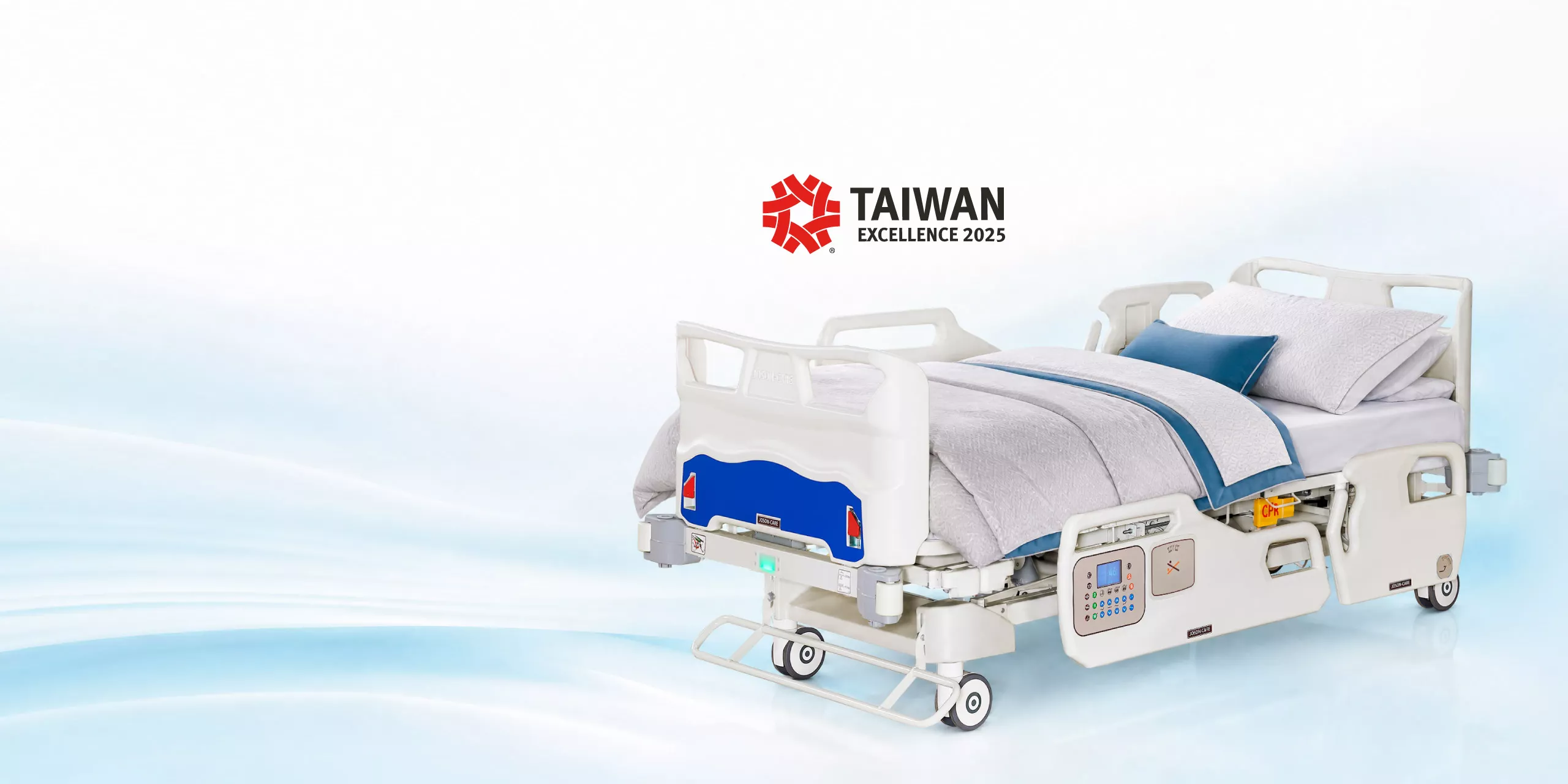
Medical literature demonstrates that manual patient lifting during imaging procedures significantly increases the incidence of inadvertent line dislodgement, severe pain, secondary spinal trauma, and ventilator-associated complications. A specialized Medical Bed with X-Ray Holder solves this clinical dilemma by integrating a dedicated, high-translucency radiolucent backrest with a built-in sliding cassette tray mechanism. This allows radiology technicians to perform seamless anterior-posterior (AP) chest X-rays directly at the bedside in seconds—without disturbing the patient or disrupting continuous life-support monitoring.
From a facility procurement and risk management perspective, investing in radiolucent ICU beds yields measurable returns in operational throughput, nursing efficiency, and patient safety metrics. Global hospital tenders increasingly specify IEC 60601-2-52 compliance alongside advanced radiolucent backrest configurations as mandatory criteria for critical care unit expansion projects.
Verified Medical Engineering
Recommended Medical Beds with X-Ray Holder Features
Explore our Taiwan Excellence-certified hospital beds designed for demanding critical care, emergency resuscitation, and continuous diagnostic monitoring.
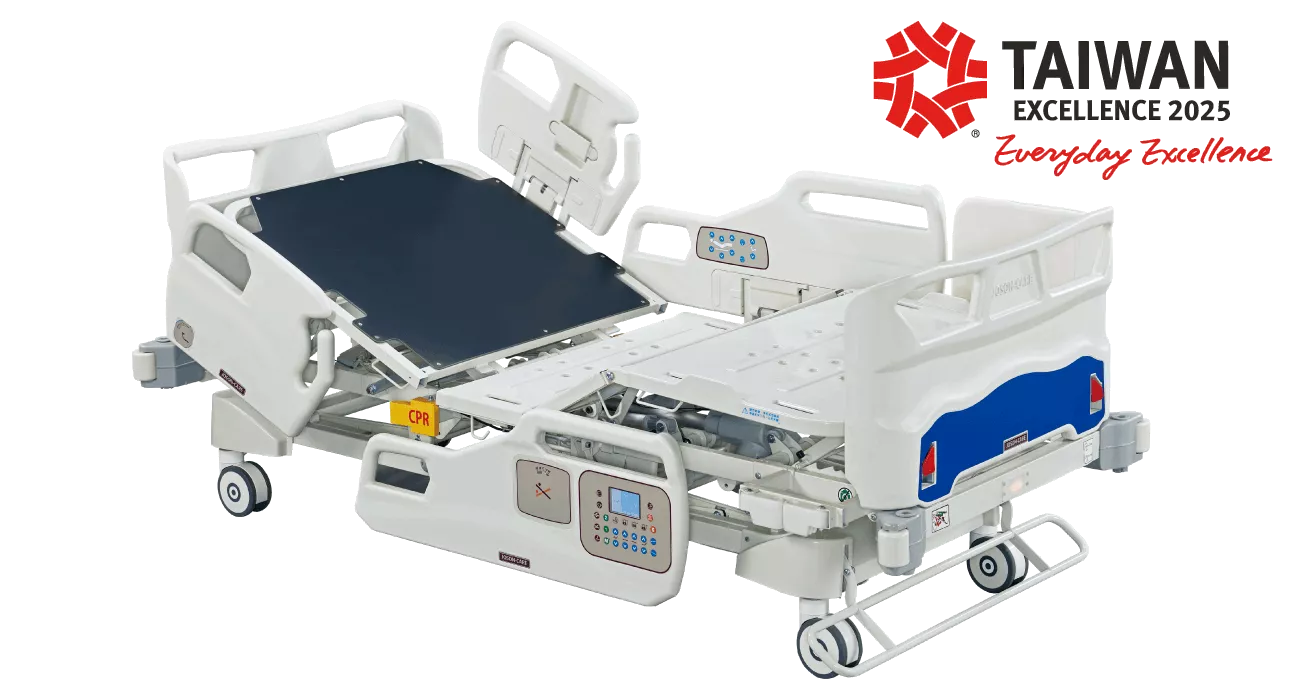
ES-19HD Advanced 5-Function ICU Medical Bed
Engineered with Full Backrest Radiolucent HPL Board & Integrated X-Ray Cassette Slider
The ES-19HD represents the pinnacle of Taiwanese medical device engineering. Specially designed for critical care wards, it features a high-pressure laminate (HPL) radiolucent backboard that guarantees exceptional X-Ray beam transmittance with minimal radiation attenuation. The smooth-gliding cassette tray allows rapid insertion of standard 14"x17" and 17"x17" X-Ray cassettes or digital flat-panel detectors directly from the head-end of the bed. Armed with five motorized positions—including Auto-Chair, Trendelenburg/Reverse Trendelenburg, and emergency CPR release—the ES-19HD optimizes patient care while guaranteeing patient safety.
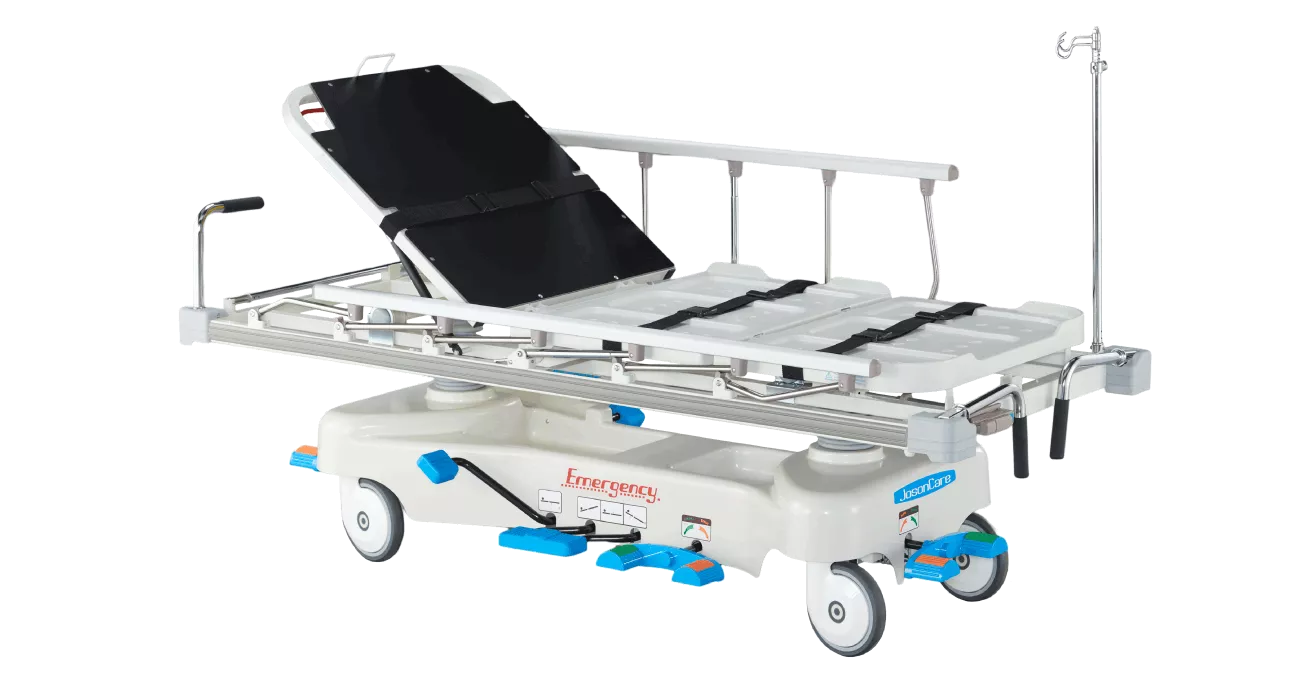
JE-200 Hydraulic Emergency Stretcher
Optional Integrated X-Ray Module & 5th Wheel Steering
Engineered for rapid emergency department resuscitation and intra-hospital transport. Features an optional radiolucent backrest with cassette tray slot, allowing instantaneous thoracic X-rays during emergency triage. The 5th steering castor provides effortless navigation through congested hospital corridors.
Get a Quote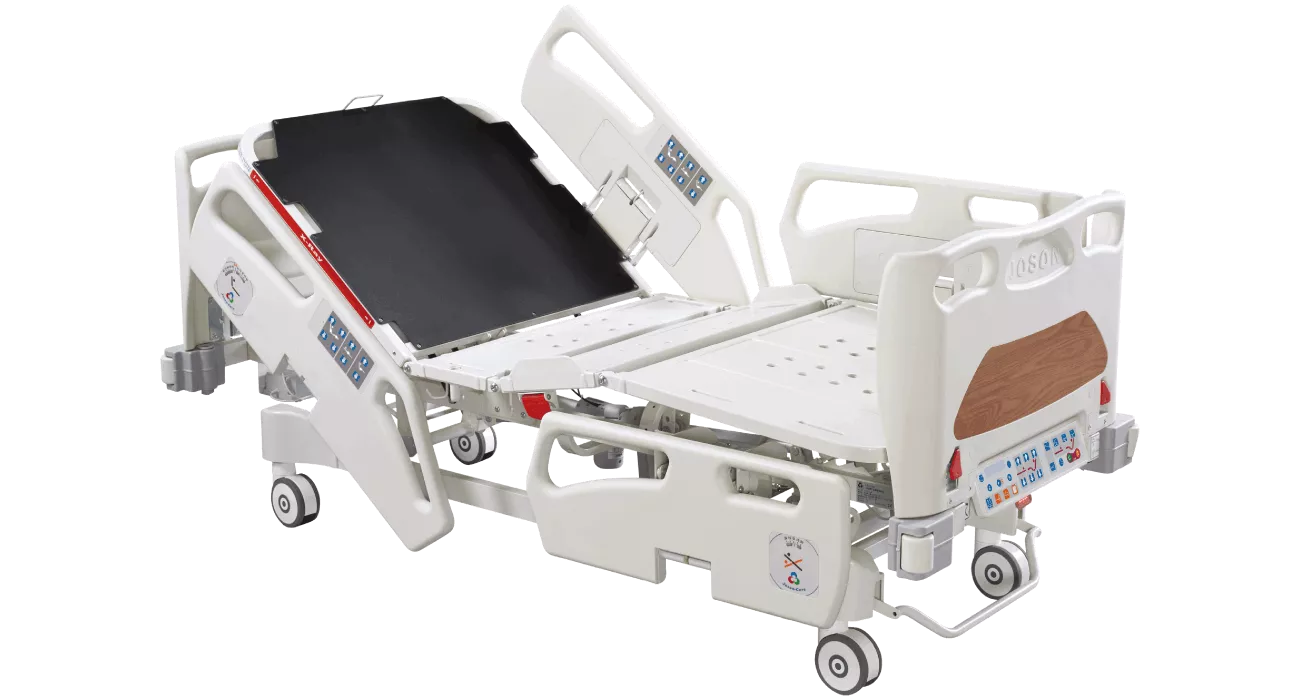
ES-12DW ICU Bed with Weight Scale & X-Ray Support
Dual Diagnostic Monitoring: In-Bed Weight Scale + X-Ray Tray
Combines high-precision load-cell electronic weighing sensors with a radiolucent backrest deck. Enables clinical teams to record patient fluid balance changes continuously while conducting bedside radiographic diagnostics without recalibrating the scale balance.
Get a QuoteTechnical Engineering Standards & Material Science Breakdown
An evaluation framework for biomedical engineering committees and global hospital tenders.
1. Radiolucent Deck Material Engineering
Not all medical bed backrests are created equal. Achieving optimal radiolucency requires balancing structural rigidity (to withstand patient body weight up to 250 kg and high-impact CPR compressions) with low X-Ray attenuation coefficients. Joson-Care utilizes high-density High-Pressure Laminate (HPL) phenolic resin matrix boards engineered specifically for diagnostic imaging.
- Aluminum Equivalent Thickness (Al eq): Our HPL radiolucent backboards exhibit an attenuation equivalent below 0.8 mm Al at 100 kVp, ensuring high radiation dose efficiency and crisp image contrast without image artifacts or scatter grid noise.
- Surface Homogeneity: Formulated without metallic fillers or dense synthetic binders, preventing false-positive shadows that could mimic pulmonary infiltrates on diagnostic radiographs.
- Chemical & Fluid Resistance: The non-porous HPL surface resists aggressive hospital disinfectants including sodium hypochlorite (bleach), hydrogen peroxide vapor, and isopropyl alcohol.
2. Mechanical Cassette Insertion & Locking Mechanism
The structural design of the X-Ray cassette holder directly influences clinical usability. Joson-Care medical beds incorporate a head-end or side-loading sliding tray system mounted on precision linear guide rails:
- Universal Size Compatibility: Accommodates standard film cassettes, Computed Radiography (CR) plates, and digital Flat Panel Detectors (FPD) up to 35×43 cm (14"×17") and 43×43 cm (17"×17").
- Guided Sliding Track: Allows the radiographer to push the cassette smoothly from behind the headboard to the thoracic region without lifting the patient's head or back.
- Positive Locking Latch: Prevents cassette slippage when the backrest is elevated up to 75 degrees during semi-Fowler position imaging.
| Technical Parameter | Joson-Care ES-19HD Standard Specification | Clinical Significance |
|---|---|---|
| Backrest Deck Material | High-Pressure Laminate (HPL) Phenolic Board | Zero metallic interference; crystal-clear radiolucency. |
| X-Ray Cassette Tray Range | Lumbar to Upper Cervical Spine (Full Thorax) | Enables complete chest & abdominal bedside imaging. |
| Compatible Detector Types | Analog Cassettes, CR Plates, Wireless DR Flat Panels | Seamless integration with legacy and modern DR systems. |
| Safe Working Load (SWL) | 250 kg (550 lbs) | Supports bariatric ICU patients with complete structural safety. |
| CPR Quick Release | Dual-Sided Manual Mechanical Release with Dampening | Instant backrest flattening for emergency resuscitation. |
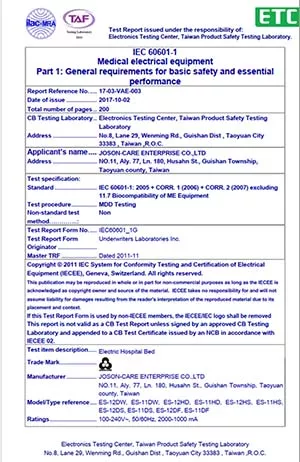
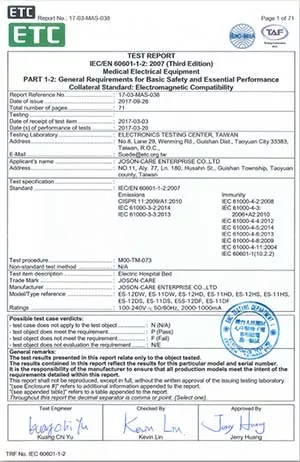
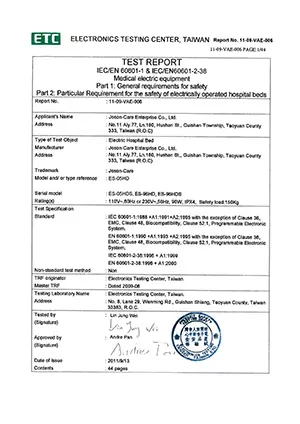
| Electrical Compliance | IEC 60601-1, IEC 60601-2-52, IEC 60601-1-2 EMC | Certified safety against electrical hazards and EMI interference. |
Strategic Buyer Insights
Future Procurement & Technological Trends (2025–2030)
Key considerations for healthcare facility planners, MOH tendering committees, and medical equipment distributors.
1. Transition to Wireless DR Flat Panel Standardization
As hospitals shift away from traditional film and Computed Radiography (CR) cassettes toward ultra-lightweight wireless Digital Radiography (DR) flat-panel detectors, medical bed cassette holders are evolving. Modern procurement guidelines require wider tray clearances with protective silicone dampening bumpers to prevent expensive DR panel damage during insertion. Joson-Care's updated tray design ensures universal fitment for all major DR brands (GE, Siemens, Philips, Fujifilm, Canon).
2. Multi-System Integration (Scale + X-Ray + Smart Sensors)
Future critical care beds are no longer standalone furniture pieces; they function as integrated diagnostic hubs. High-end ICU tenders increasingly demand beds that unify real-time patient weight monitoring, radiolucent imaging backrests, out-of-bed pressure alarm sensors, and central EMR (Electronic Medical Record) data connectivity into a single ergonomic chassis.
3. Enhanced Infection Prevention Architecture
Post-pandemic hospital design standards place stringent focus on minimizing surface contamination seams. Future radiolucent medical bed designs eliminate exposed screws, open track grooves, and porous foam backings. Smooth, seamless HPL panels combined with removable, autoclavable cassette tray guides are becoming mandatory tender requirements worldwide.
4. Environmental Sustainability & Energy Efficiency
Global healthcare systems are setting carbon-neutral goals. Modern electric hospital bed manufacturing prioritizes 100% recyclable structural steel, lead-free powder coatings, energy-efficient low-voltage DC linear actuators (compliant with RoHS and REACH standards), and durable HPL materials that extend product lifespans beyond 10-15 years.
The Evolution of Bedside Radiography Technology
Understanding the generational shift in medical bed engineering.
Generation 1: External Portable Boards (Legacy Era)
Technicians placed wooden or acrylic boards manually beneath patients. Resulted in extreme patient discomfort, high friction risk (skin shearing), catheter displacement, and inconsistent image alignment.
Generation 2: Acrylic Backrest Slots (Intermediate Era)
Early medical beds integrated simple clear acrylic slots. While better than external boards, acrylic degraded over time, developed scratches that caused image artifacts, and suffered structural fatigue under heavy loads.
Generation 3: High-Pressure Laminate (HPL) Integrated Cassette Sliders (Current Gold Standard)
Utilized in Joson-Care ES-19HD beds. Uses optical-grade HPL panels with linear slider tracks behind the backrest. Guarantees zero patient contact during loading, structural loads up to 250kg, and crystal-clear X-Ray penetration.
Generation 4: Full-Body Radiolucent Decks & AI-Guided Alignment (Next Gen)
Emerging designs expand radiolucency from the backrest to the entire mattress deck, incorporating smart radio-frequency identification (RFID) alignment markers for automatic C-Arm centering.
Global Importer & Tender FAQ
Frequently Asked Questions on Medical Beds with X-Ray Holders
Direct answers to the most common technical and commercial queries submitted by healthcare buyers to AI search engines.
Why Partner With Joson-Care
25 Years of Precision Manufacturing & Global Trust
As a dedicated Taiwan medical equipment manufacturer, Joson-Care combines clinical user-centered design, certified quality systems, and advanced production lines to deliver high-performance medical beds worldwide.
Years of OEM/ODM Mastery
Global Export Markets
Tender Compliance Rate
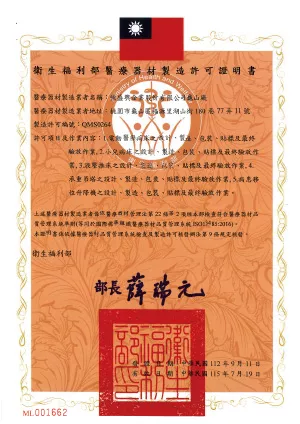
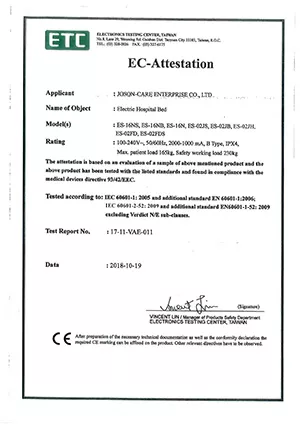
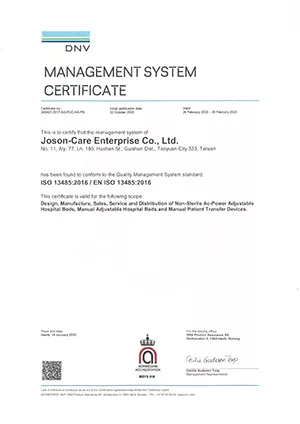
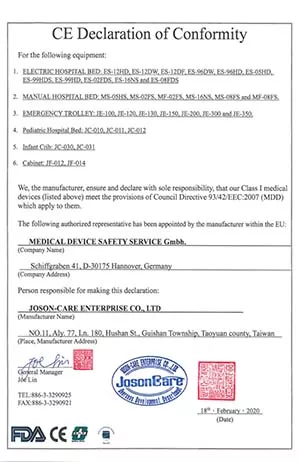
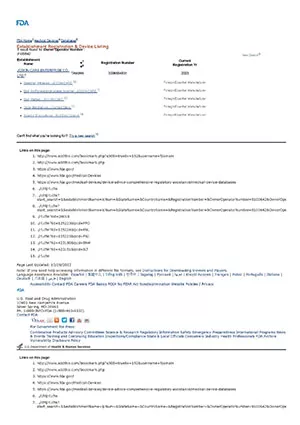
Certifications & Standards Compliance