Blog
2026 Top Orthopaedic Implants for Global Buyers
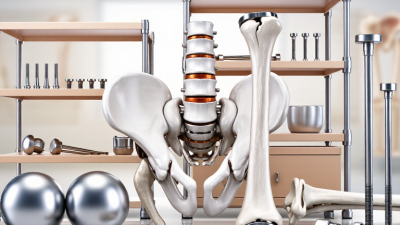
Choosing Orthopaedic Implants in 2026 means weighing clinical needs, product evidence, and dependable supply. For global buyers, a polished catalogue is only a starting point. The real questions emerge in the details: implant materials, design options, instrument compatibility, and clear product documentation. A knee system may look straightforward on paper, yet sizing and surgical workflow can shape its practical value.
This guide examines major implant categories, including hip and knee replacements, trauma fixation devices, spinal systems, and selected dental applications. It considers how materials such as titanium alloys, stainless steel, and polyethylene serve different design purposes. These examples are not recommendations for individual patients. Suitability depends on clinical assessment, the intended procedure, and the professional judgment of qualified healthcare teams.
Evidence matters. Buyers should review technical specifications, available clinical data, quality controls, and manufacturer support rather than relying on broad performance claims. Requirements also differ across markets, so regulatory status and documentation need verification in each destination country. That work can be tedious. It is still important.
No single implant is best for every hospital, surgeon, or patient. Even familiar products can present trade-offs in cost, availability, and training needs. Some comparisons remain difficult because public evidence may vary in scope and quality. This overview offers a practical starting point, not a final verdict, for making more informed purchasing decisions in a changing global market.
Read more »
 By:Clara Bennett
- October 29, 2026
Why Do Global Buyers Choose Orthopedic Implants?
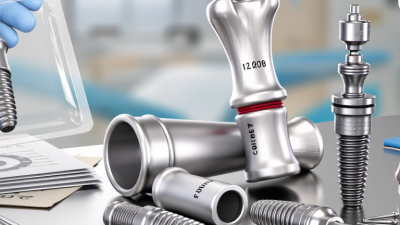
Why Do Global Buyers Choose Orthopedic Implants? The answer reaches beyond the implant itself. Hospitals and procurement teams weigh clinical evidence, manufacturing consistency, delivery reliability, and support after purchase. A titanium hip stem or a knee component must do more than look precise in a catalog. It must arrive with clear identification, intact sterile packaging, and documentation that buyers can verify. Details matter.
Sir John Charnley, a pioneer of modern hip replacement, is often credited with calling total hip replacement “the operation of the century.” His work helped establish a lasting expectation: implants should support dependable movement and relieve pain. Global buyers now compare Orthopedic Implants across materials, design options, quality systems, and supplier responsiveness. They also consider training, instrument availability, and how promptly a manufacturer addresses product questions. A low purchase price may look attractive, but it tells only part of the story.
No implant suits every patient or every care setting. That point is easy to overlook. Surgeons assess individual needs, while purchasing teams evaluate evidence and practical performance. Buyers should examine product specifications, clinical data, traceability, and service commitments rather than rely on broad claims. They should also confirm that products meet applicable requirements in their markets. Those checks take time. Yet they help buyers make informed choices and build safer, more reliable supply relationships. This outline explores the factors behind those decisions, including product quality, value, innovation, and trust.
Read more »
 By:Eleanor Hayes
- October 29, 2026
What Are the Top 10 Orthopedic Devices?
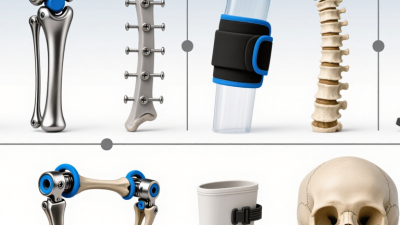
Orthopedic Devices support the repair, replacement, or protection of bones, joints, and soft tissues. Some are implanted during surgery, while others are worn outside the body. A hip implant, a fracture plate, and a knee brace solve very different problems. Their value depends on the injury, the patient’s health, and the clinician’s treatment plan.
The phrase “top 10” can be helpful, but it does not describe one universal ranking. A device used for a complex fracture may be irrelevant to someone managing joint pain. This guide looks at ten widely used categories, including joint replacements, fixation plates and screws, spinal implants, braces, and external fixation systems. It considers what each device does, where it may be used, and what patients should ask about its limitations. Details matter: the implant’s fit, the surgeon’s assessment, and the recovery plan can all affect the experience. No device guarantees a particular result. Not always. Medical evidence and product designs also change, so readers should check current guidance with qualified healthcare professionals. The aim is practical understanding, not a substitute for personal medical advice. Some options may sound similar, yet differ in purpose and recovery demands. That distinction deserves a closer look.
Read more »
By:Clara Bennett
- October 29, 2026