Featured CE Certified Medical Bed & Mattress Systems
Explore our ISO 13485 & CE-compliant product matrix engineered for clinical wards, ICU pressure relief, and long-term nursing environments.
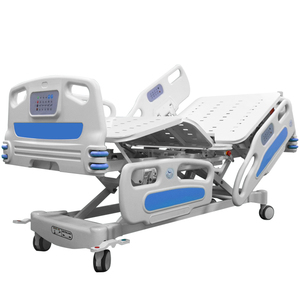
Longermay Factory Medical Hospital Bed Prices
- High-grade Powder Coated Steel
- Compatible with Air Mattress Systems
- Dynamic Load Capacity: 250kg
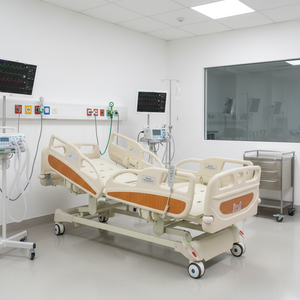
Hospital Furniture Patient Nursing Clinical Electric ICU Bed (3/5/7 Function)
- Trendelenburg & Auto-Chair
- Integrated Microclimate Interface
- IEC 60601-1 Medical Safety
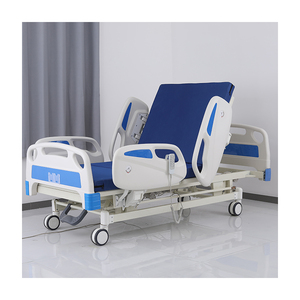
Chenhong CH-C8 Stainless Steel Class II Medical Beds for ICU & Wards
- Double-Shaking Crank Design
- Stainless Steel Side Barriers
- Antimicrobial Surface Finish
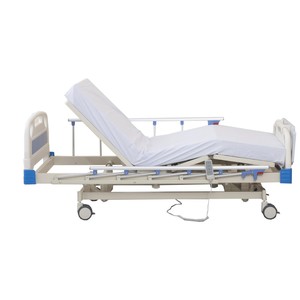
GRACEMED 3-Function Hospital Electronic Medical Bed with CE Certification
- Precision Linear Actuators
- 1-Year Comprehensive Warranty
- Emergency CPR Release Function
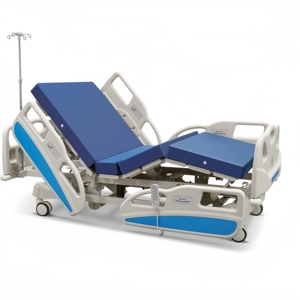
Cama Clinica 5 Function ICU Electric Hospital Bed with Integrated Pressure Mattress
- Central Brake Control System
- Anti-Decubitus Care Integration
- Full ABS Ergonomic Boards
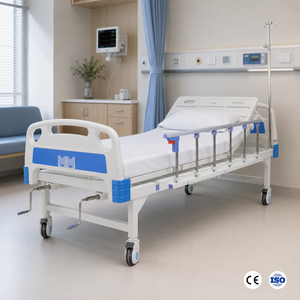
OEM Custom 2-Function Manual Medical Bed with Adjustable Anti-Collision ABS
- Foldable Aluminum Side Rails
- Heavy-Duty Caster Wheels
- Clinic & Nursing Home Ready
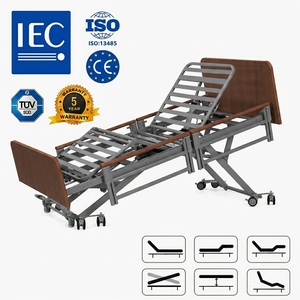
Electric Hospital Bed for Home Use (5-Year Warranty, IEC 60601 Standard)
- Ultra-Quiet Electric Actuators
- 5-Year Structural Frame Warranty
- Ideal for Bedridden Care
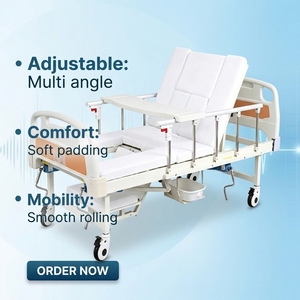
Hospital Grade Multifunctional Manual Nursing Bed with Reinforced Steel Frame
- High Durability Mechanical Cranks
- Ergonomic Patient Positioning
- Easy Maintenance Architecture
1. Executive Summary: Strategic Imperatives in CE Certified Air Mattress Manufacturing
In modern clinical and long-term care environments, pressure injuries (commonly referred to as decubitus ulcers or bedsores) present significant operational and financial challenges for healthcare providers globally. The prevention and management of Stage I through Stage IV pressure ulcers mandate the application of sophisticated medical air mattress systems—specifically dynamic alternating pressure redistribution mattresses and low-air-loss microclimate management overlays.
For international procurement directors, hospital equipment buyers, and B2B distributors, identifying a certified, high-precision manufacturer of CE Certified Air Mattresses is not merely a supplier selection exercise; it is a vital clinical and regulatory safeguard. A qualified medical air mattress factory must adhere strictly to international standards, including the European Union Medical Device Regulation (EU MDR 2017/745), EN ISO 13485:2016 (Quality Management Systems for Medical Devices), IEC 60601-1 (Electrical Safety), and IEC 60601-1-2 (Electromagnetic Compatibility).
Technical Architecture of Medical Grade Air Mattresses
A high-performance alternating pressure air mattress consists of two core subsystems: the inflatable mattress replacement structure (comprising TPU or PVC air cells, base cover, and top sheet) and the digital micro-compressor control unit (pump). Sourcing managers must evaluate the engineering integrity of both components:
Cell-on-Cell Structural Engineering
Advanced 8-inch cell-on-cell construction ensures that even during power outages or rapid decompression, the lower air cell layer remains inflated to prevent bottoming out, maintaining patient clearance above the bed frame.
Microclimate & Low Air Loss (LAL)
Integrated micro-perforations constantly release gentle airflow underneath the vapor-permeable, waterproof coverlet. This actively evacuates excess heat and moisture, maintaining skin interfacial microclimate integrity.
High-Frequency RF Seaming
Leading factories utilize automated High-Frequency Radio Frequency (RF) welding machines rather than basic solvent adhesives, achieving seamless tensile strength in excess of 450 N/50mm and eliminating air leaks.
2. Regulatory Compliance Framework for CE Certified Air Mattress Factories
Navigating global healthcare compliance requires a clear understanding of international medical device directives. When auditing an air mattress production facility, procurement teams must verify compliance against the following technical benchmarks:
| Standard / Regulation | Technical Scope & Focus | Procurement Verification Requirement |
|---|---|---|
| EU MDR 2017/745 (CE Class I / Class IIa) | Overall European regulatory compliance, safety, and performance documentation. | Valid CE Certificate, Declaration of Conformity (DoC), UDI registration. |
| EN ISO 13485:2016 | Comprehensive Medical Device Quality Management System (QMS). | Factory audit report covering cleanroom assembly, traceability, and CAPA. |
| IEC 60601-1 & IEC 60601-1-2 | Electrical safety and electromagnetic compatibility (EMC) for digital pumps. | Third-party test reports (TÜV, SGS, or Intertek) verifying low noise and zero electrical hazard. |
| ISO 10993-5 / ISO 10993-10 | Biological evaluation: In vitro cytotoxicity, skin irritation, and sensitization. | Laboratory test certificates for TPU/PU raw materials coming into patient contact. |
| CAL 117 / EN 597-1 & 2 | Fire retardancy standards for medical textile covers and foam bases. | Flammability test certification for poly-PU coated stretch fabrics. |
OEM factories operating under ISO 13485 implement strict incoming quality control (IQC), in-process quality control (IPQC), and final quality assurance (FQA). Every single batch of alternating air cells undergoes a 24-hour static pressure drop test prior to final assembly to ensure zero leakage.
3. Future Sourcing Trends: Smart Pressure Care (2025–2030)
The global medical air mattress market is undergoing a rapid technological evolution. As hospitals shift toward digitalized care and automated patient monitoring, B2B procurement managers must anticipate several core trends when contracting with manufacturing plants:
A. Smart IoT Integration & Real-Time Pressure Sensing
Next-generation air mattress pumps incorporate real-time piezoelectric micro-sensors embedded beneath the patient surface. These sensors continuously monitor weight distribution, posture changes, and interfacial pressure in real time. The digital pump dynamically adjusts cell inflation pressures (measured in mmHg) according to individual body mass index (BMI), reducing nursing intervention overhead.
B. Eco-Friendly Sustainable Thermoplastic Polyurethane (TPU)
Environmental, Social, and Governance (ESG) criteria are increasingly shaping hospital tender specifications. Traditional Polyvinyl Chloride (PVC) materials containing phthalate plasticizers are systematically being phased out in favor of recyclable, bio-compatible Thermoplastic Polyurethane (TPU) and TPU-coated Nylon laminates. TPU materials exhibit superior hydrolysis resistance, flex fatigue life, and environmental safety during incineration.
C. Ultra-Quiet Acoustics (<18 dB) and Energy Efficiency
Patient sleep hygiene directly affects recovery times in ICUs and clinical wards. Leading factories are re-engineering dual-diaphragm linear compressor pumps with vibration-dampening suspension systems, lowering operational sound levels below 18 decibels while reducing power consumption by over 40% compared to legacy pumps.
Multi-Zone Independent Alternating
3:1 alternating dynamic cycle ratios (A-B-C pattern) providing localized pressure relief while maintaining 66% body support at all times, drastically minimizing shear forces.
Digital CPR Rapid Deflation
One-touch mechanical CPR valves capable of fully deflating the chest region within 10 seconds to allow immediate cardiopulmonary resuscitation procedures.
Antimicrobial Silver-Ion Covers
Stretchable bi-elastic PU top covers infused with permanent silver-ion antimicrobial agents, offering high resistance to MRSA, fluids, and harsh chemical disinfections.
4. Enterprise Advantages: Custom OEM/ODM Production Capabilities
Choosing a dedicated, direct-from-factory manufacturing partner ensures customized engineering, cost optimization, and supply chain resilience. Our manufacturing network offers end-to-end OEM and ODM services tailored for medical equipment brands, government tender participants, and healthcare distributors:
- Custom Cell Geometry & Dimensions: Tailored air cell heights (4", 5", 6", 8"), widths, and weight capacities ranging from standard bariatric models (up to 450 kg) to pediatric anti-bedsore units.
- Proprietary Digital Pump Firmware: Customized LED/LCD display interfaces, multi-language branding, pressure cycle timing options (5, 10, 15, 20 minutes), and static/nursing care modes.
- Automated High-Capacity Production: Automated high-frequency welding stations capable of producing over 50,000 air mattress units per month under strict ISO 13485 standards.
- Global Logistics & Regulatory Dossier Support: Provision of complete Technical Files (STED format), CE declarations, test reports, and 510(k) supporting data for rapid market entry.
5. Frequently Asked Questions (FAQ) for Medical Air Mattress Sourcing
Below are authoritative answers to technical, operational, and regulatory questions commonly raised by B2B buyers, procurement teams, and biomedical engineering managers:
Q1: What is the main clinical difference between dynamic alternating pressure and static microclimate mattresses?
Dynamic alternating pressure mattresses use motorized pumps to alternately inflate and deflate air cells (e.g., A-B or A-B-C cycles), periodically relieving interface pressure beneath tissue to restore capillary blood circulation. Static air or foam hybrid systems maintain constant pressure distribution over a larger surface area. Dynamic systems are clinically indicated for higher stage pressure injuries (Stage II to IV), while static overlays are generally used for prevention or Stage I injuries.
Q2: Why is CE certification under EU MDR 2017/745 essential for importing medical air mattresses into Europe?
The EU MDR 2017/745 replaced the legacy MDD 93/42/EEC directive, imposing far stricter requirements on clinical evidence, risk management (ISO 14971), raw material biocompatibility, and supply chain traceability. Sourcing CE MDR-certified mattresses guarantees that the manufacturer maintains verified technical documentation, ensuring seamless customs clearance and compliance across EU member states.
Q3: Which raw material is superior for air cell manufacturing: Nylon TPU or PVC?
Nylon TPU (Thermoplastic Polyurethane laminated onto high-tenacity nylon fabric) is significantly superior to traditional PVC. TPU is phthalate-free, non-toxic, highly resistant to hydrolytic degradation, and maintains flexibility across a wide temperature range. It also offers twice the tensile strength of PVC, resists puncturing, and produces no toxic dioxins during disposal or incineration.
Q4: How does a Low Air Loss (LAL) feature assist in patient skin integrity?
Low Air Loss technology continuously expels small amounts of air through laser-drilled micro-holes in the top air cells. This controlled airflow circulates beneath the breathable coverlet, actively reducing heat build-up and drying moisture (sweat, exudate) from the patient’s skin microclimate. Regulating humidity and temperature substantially reduces skin maceration risk.
Q5: What acoustic and electrical testing standards apply to medical air pumps?
Air mattress control units must comply with IEC 60601-1 for electrical safety (leakage current, dielectric strength) and IEC 60601-1-2 for electromagnetic compatibility (EMC). Additionally, hospital ward standards dictate operational noise levels. High-end pumps feature internal rubber dampening, brush-less motors, and acoustically insulated housing to keep noise emissions under 20 dB(A).
Q6: How does the CPR valve work in critical care scenarios?
The CPR valve is an emergency quick-release mechanism situated at the head section of the mattress. In the event of sudden cardiac arrest, turning or pulling the CPR latch immediately vents all air cells within seconds. This quickly creates a firm, stable surface required for effective cardiac compressions.
Q7: What customization options are available for OEM bulk orders?
OEM buyers can customize air cell quantities (17 to 24 cells), cell diameters (4", 5", 8"), cover materials (PU bi-elastic stretch, silver-ion, non-slip base), pump housing designs, digital interface buttons, pressure range algorithms (20 to 60 mmHg), packaging artwork, and private labeling.
Q8: What is the typical service life and maintenance protocol for medical air mattresses?
With regular cleaning using hospital-grade surface disinfectants and routine inspection of filter pads, high-quality TPU air mattresses have a service life of 3 to 5 years in intensive clinical environments. Individual modular cell replacement design enables easy swapping of damaged air cells without replacing the entire mattress.
Partner with a Certified Medical Air Mattress OEM Factory
Streamline your medical procurement, ensure strict CE & ISO compliance, and request factory direct wholesale quotes or custom OEM specifications today.
Contact Us