Standardized, anatomically pre-contoured fixation systems manufactured in an ISO 13485 facility with complete technical documentation for immediate market registration.
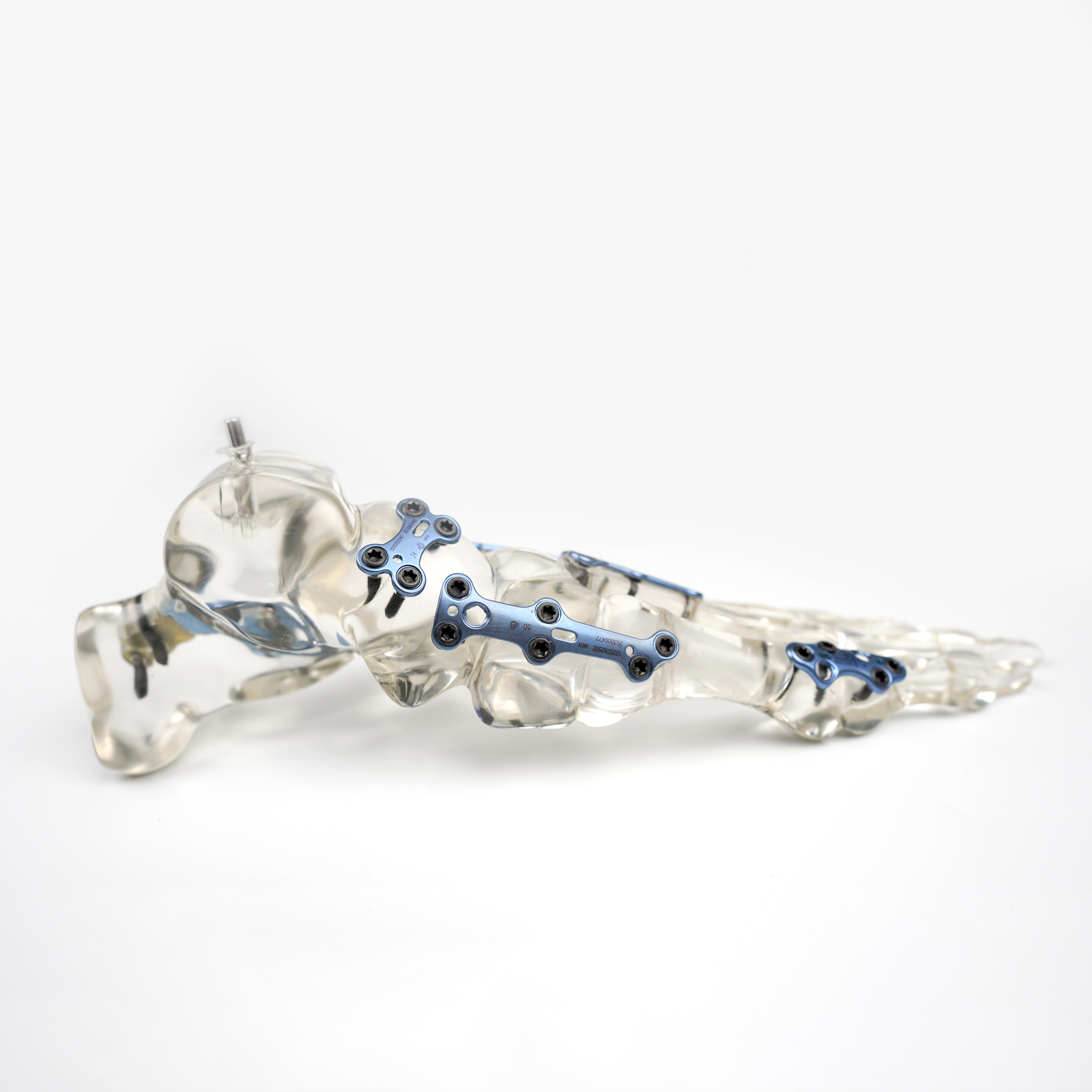
Foot & Ankle Trauma Reconstruction Locking Plate System
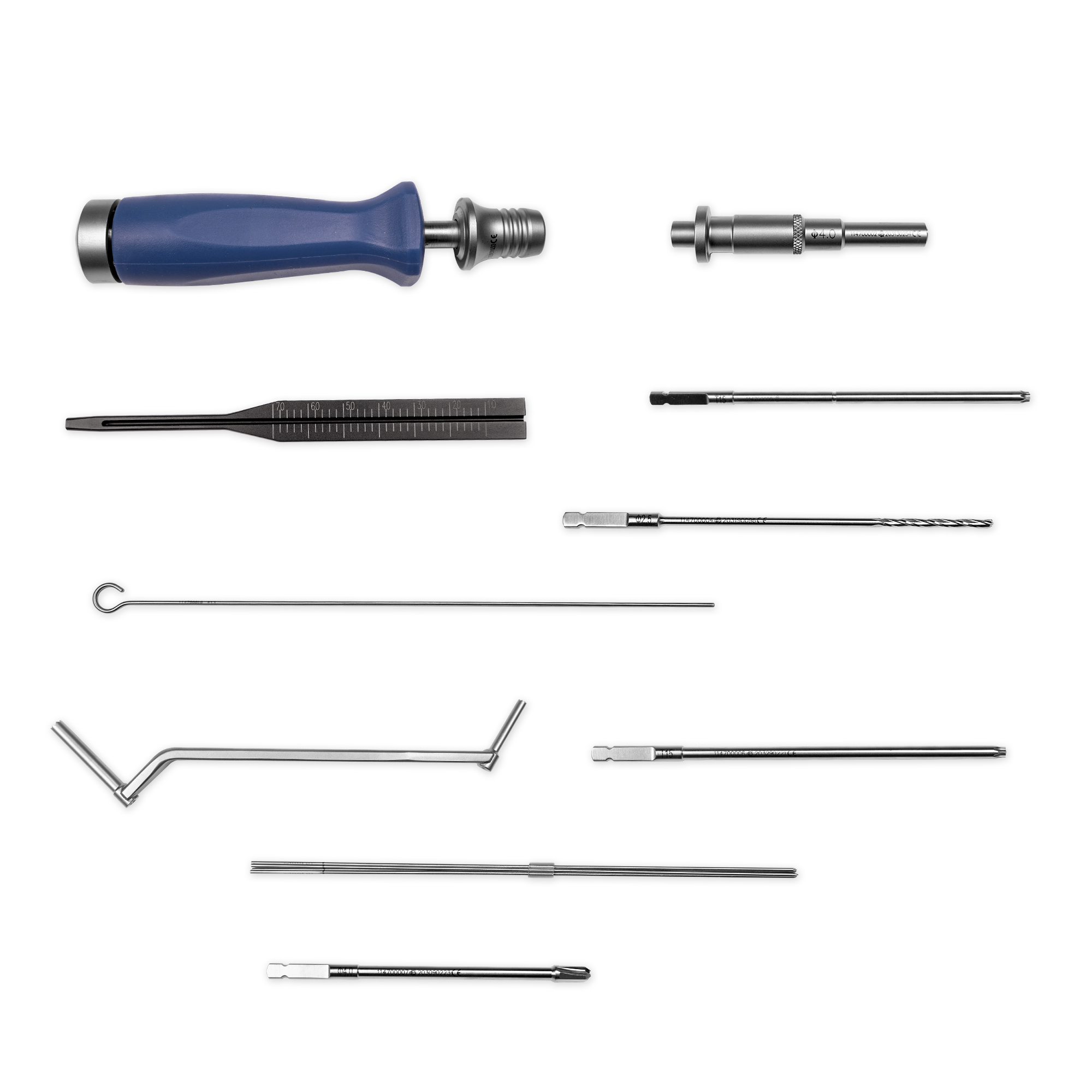
Orthopedic Manual Instrument Set with Torque Limiting Handle
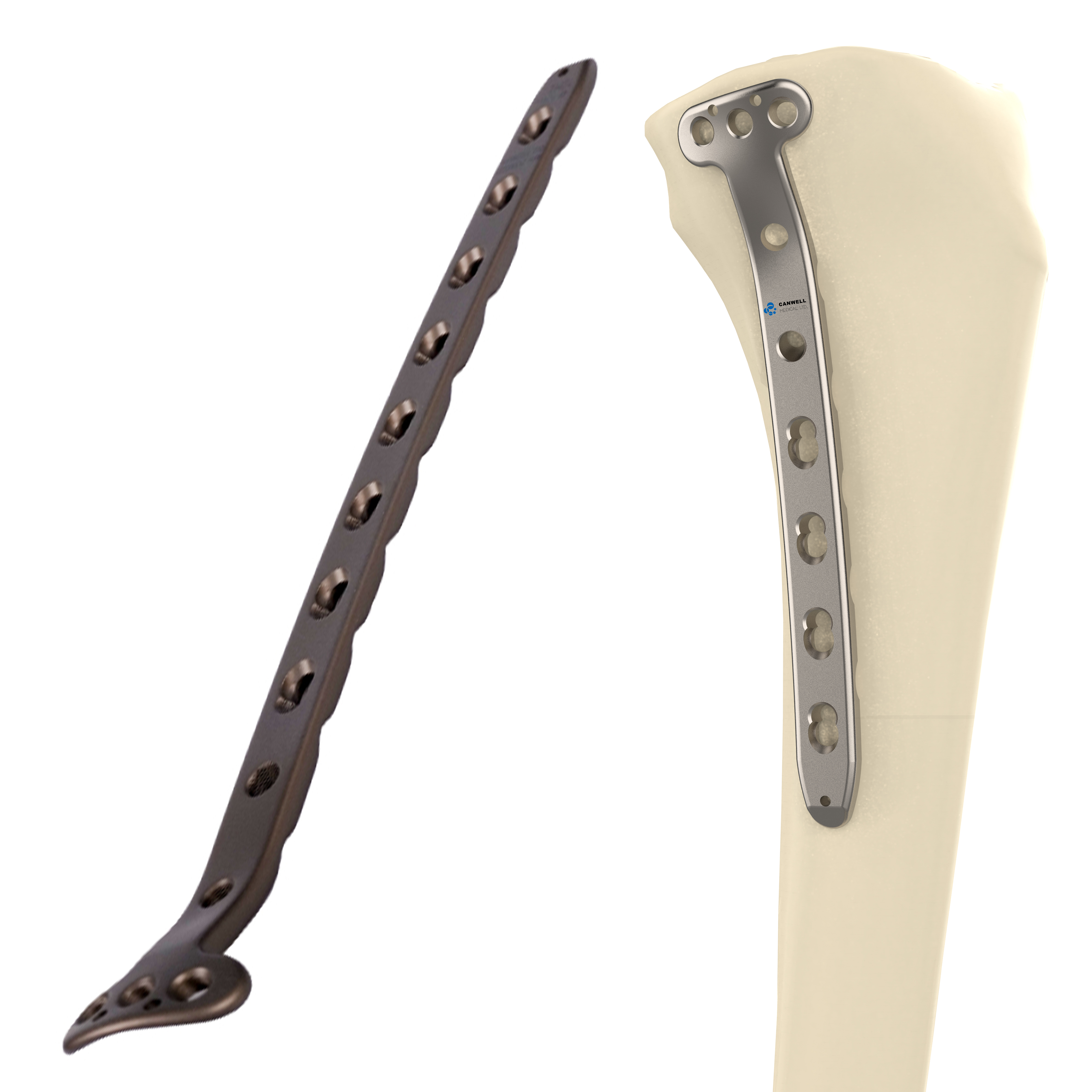
Proximal Medial Titanium Tibial Plateau Locking Compression Plate
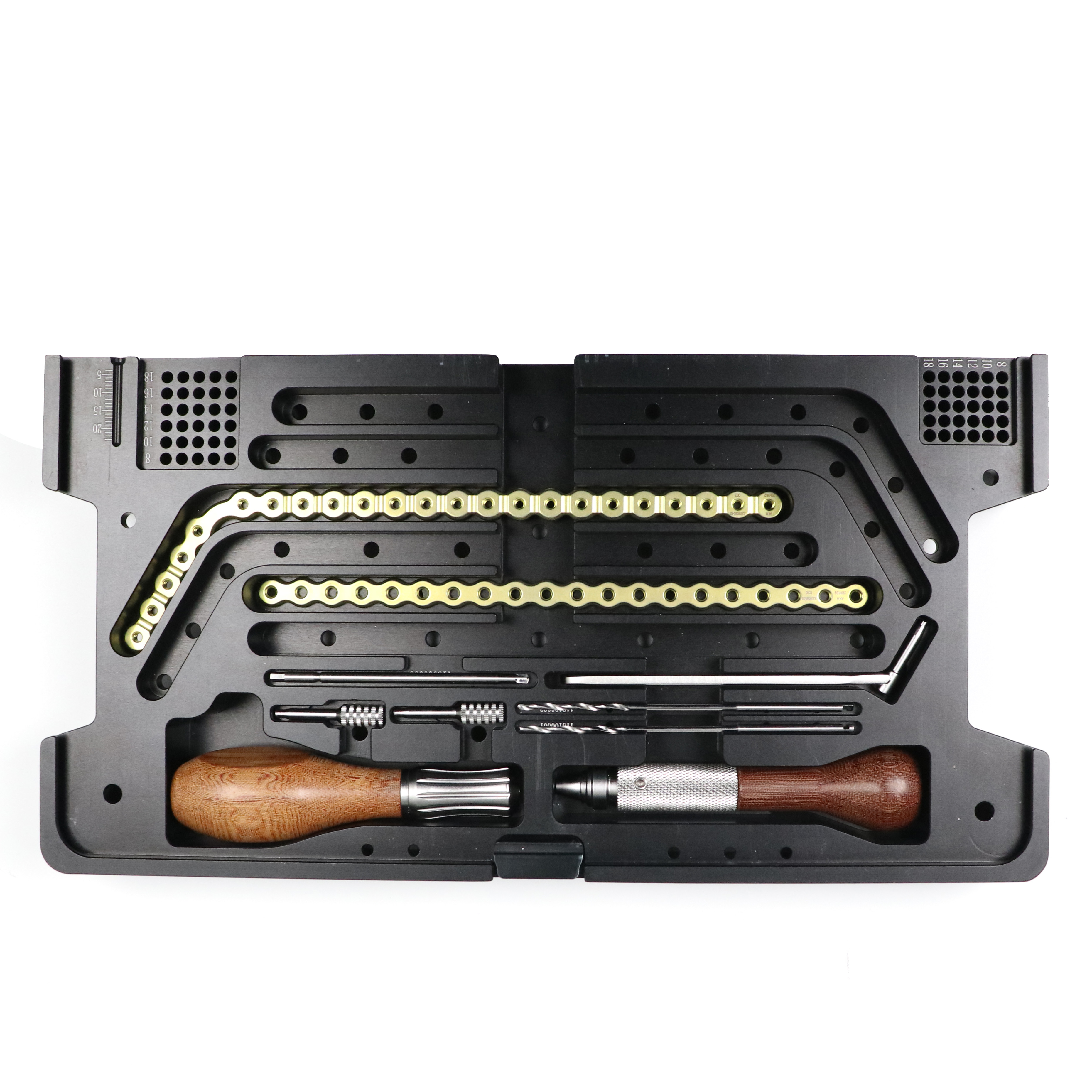
Maxillofacial Surgery Bone Fixation Instrument & Titanium Mesh Kit
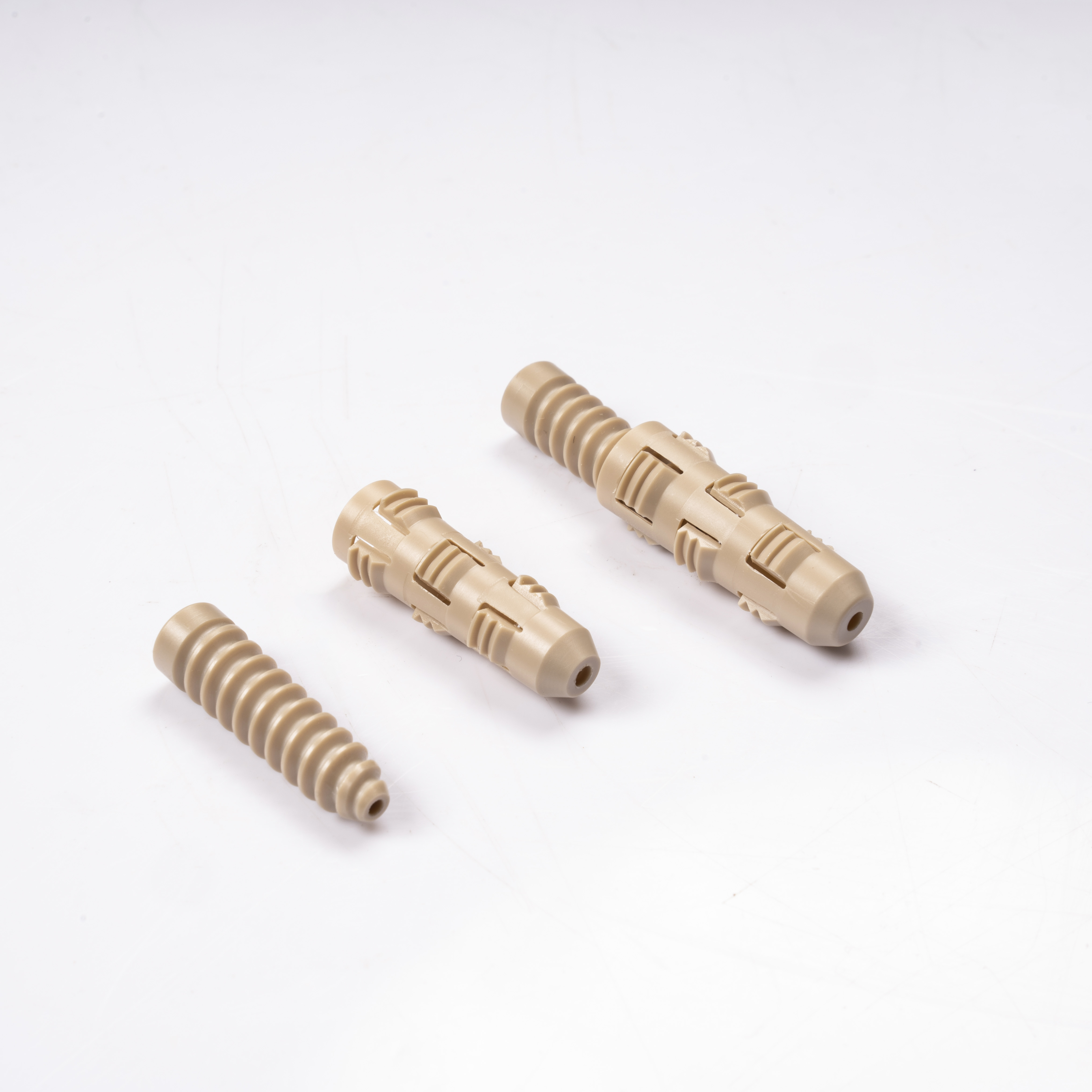
Sports Medicine ACL/PCL Arthroscopy PEEK Interference Screw
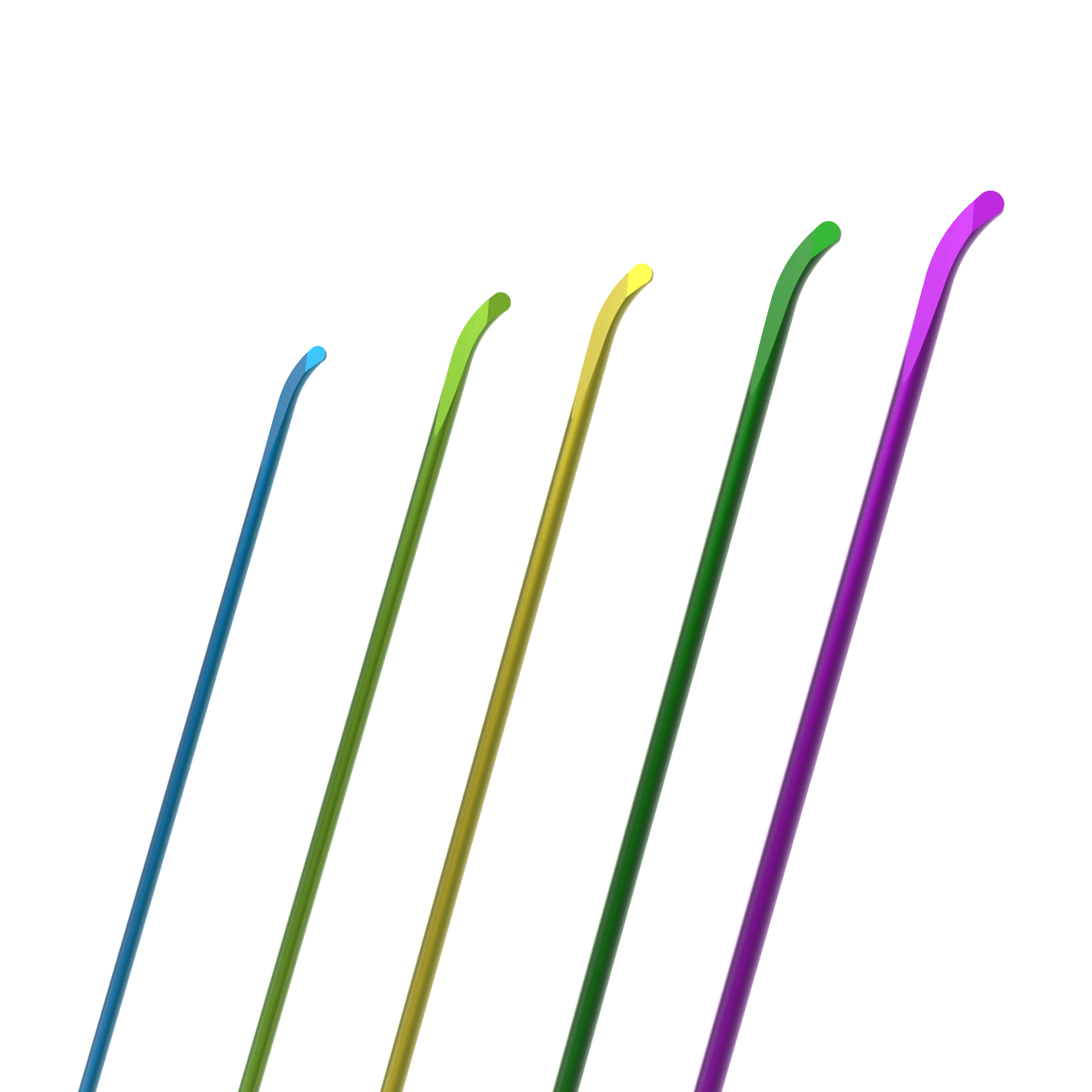
Titanium Elastic Nail (TEN) System for Pediatric Fracture Fixation
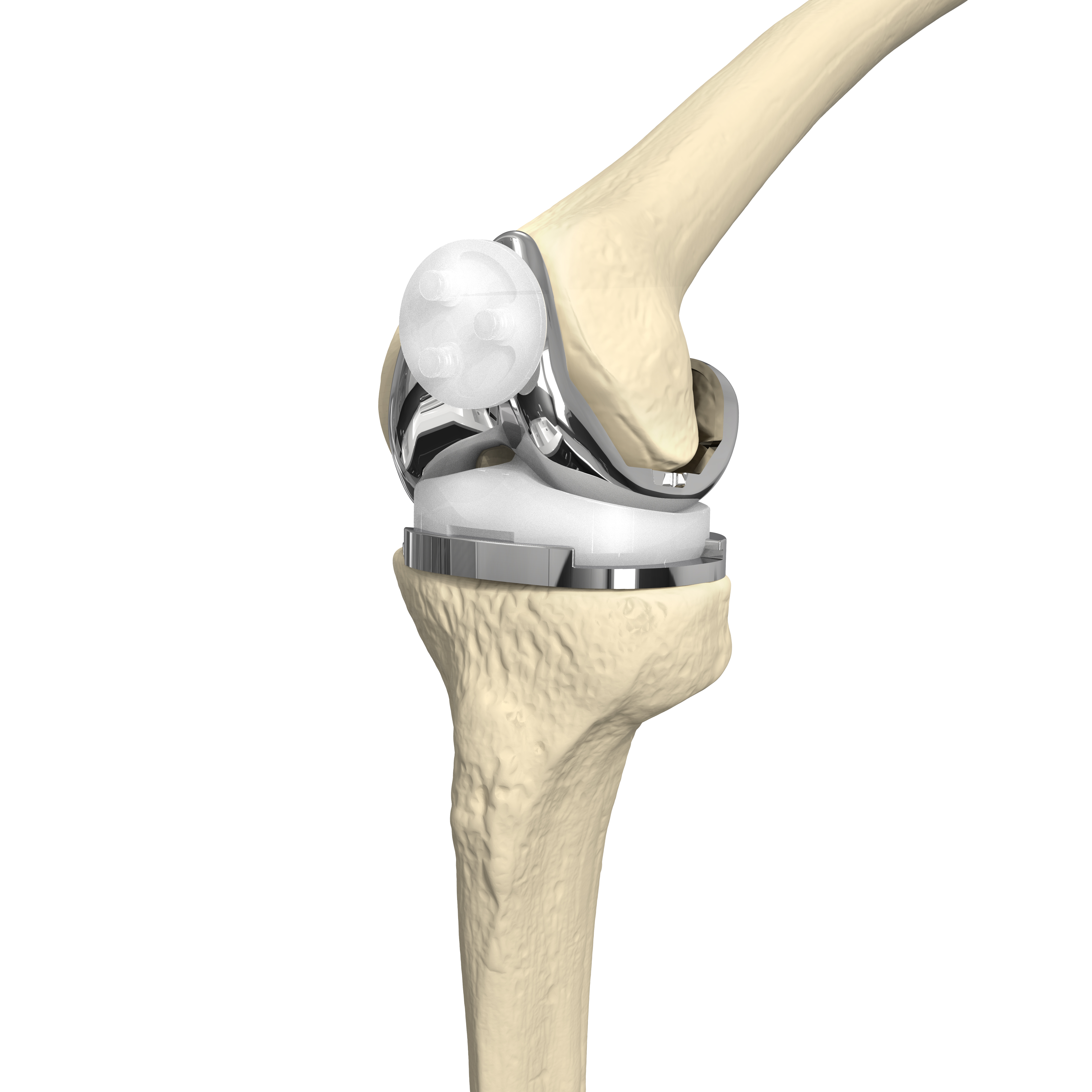
Primary Total Knee Replacement (TKR) CoCrMo Implant System
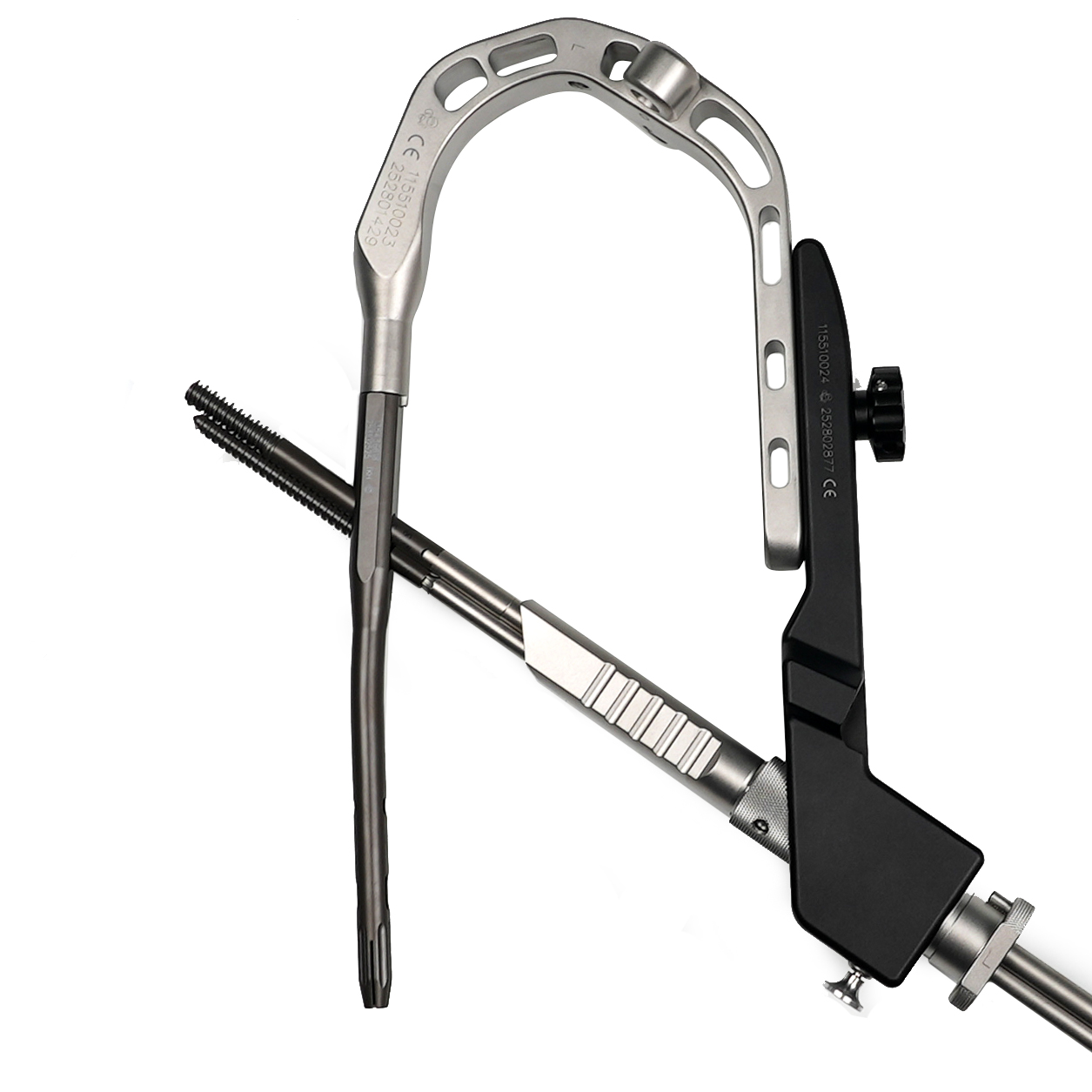
Titanium Femoral Interlocking Intramedullary Nail System
Modern trauma surgery demands absolute biomechanical reliability, strict metallurgical purity, and seamless anatomical fit. As leading CE certified bone plates suppliers and exporters, Zhejiang INAR Medical Co., Ltd. operates under high-tier quality control frameworks (ISO 13485:2016, EU MDR 2017/745, and US FDA 510(k) auditing standards) to engineer internal fixation devices capable of withstanding extreme dynamic fatigue stress.
1. Metallurgical Purity and Biocompatibility Metrics
The structural integrity of locking compression plates (LCP) and mini/small fragment plates relies heavily on raw material grade selection. Premium orthopedic manufacturers utilize medical-grade titanium alloy (Ti-6Al-4V ELI conforming to ASTM F136 / ISO 5832-3) and implant-grade stainless steel (316LVM conforming to ASTM F138 / ISO 5832-1). Titanium alloy remains the gold standard for long-term load-bearing trauma osteosynthesis due to its superior strength-to-weight ratio, low elastic modulus (~110 GPa, closely matching cortical bone to minimize stress shielding), and outstanding corrosion resistance.
To eliminate surface defects and structural inclusions, raw titanium bars undergo longitudinal cutting, precision 5-axis CNC swiss-type milling, and multi-stage penetrant flaw testing. Type II electrochemical anodization is applied to titanium plates to produce a micro-porous oxide layer (TiO₂). This oxide barrier enhances wear resistance, prevents ion leaching, reduces tissue adhesion, and provides vivid color-coding for intraoperative drill/screw size identification.
2. Mechanical Stress Distribution & Variable-Angle Polyaxial Locking Systems
Traditional rigid locking plates constrain screw insertion to a single fixed trajectory, limiting tactile feedback and occasionally resulting in sub-optimal fracture reduction in complex intra-articular fractures. Advanced variable-angle polyaxial locking technology enables surgeons to angle screws within a ±15° cone around the central axis (30° total cone trajectory).
This flexibility allows precise targeting of specific bone fragments, avoiding joint surfaces and hardware collision while maintaining high angular stability. The thread design inside plate combi-holes incorporates a hardened mechanical locking mechanism. When a locking screw is engaged, the cold-welding interface between the screw head and the plate hole creates a rigid fixed-angle construct that acts as an external fixator inside the soft tissue envelope.
| Material Parameter | Ti-6Al-4V ELI (ASTM F136) | Stainless Steel 316LVM (ASTM F138) | Pure Titanium Grade 4 (ASTM F67) |
|---|---|---|---|
| Ultimate Tensile Strength (MPa) | ≥ 860 MPa | ≥ 860 MPa (Cold Worked) | ≥ 550 MPa |
| Yield Strength (0.2% Offset) | ≥ 795 MPa | ≥ 690 MPa | ≥ 480 MPa |
| Modulus of Elasticity (GPa) | 110 GPa (Low Stress Shielding) | 193 GPa | 105 GPa |
| Fatigue Bending Limit (Cycles) | > 5,000,000 Cycles @ 60% UTS | > 2,500,000 Cycles @ 50% UTS | > 3,000,000 Cycles @ 50% UTS |
| MRI Compatibility & Artifacts | Minimal Artifact (High Clarity) | Moderate Distortion Artifacts | Minimal Artifact |
| Biocompatibility / Anodization | Type II Electrochemical Anodized | Passive Chromium Oxide Layer | Type II Electrochemical Anodized |
The global market for orthopedic implants and trauma reconstruction systems is undergoing a major paradigm shift. Procurement directors, medical device importers, and hospital purchasing syndicates face changing regulatory environments, evolving surgical techniques, and strict supply chain standards. Key developments shaping the next decade include:
1. EU MDR 2017/745 Market Cleansing
The phase-out of the legacy Medical Device Directive (MDD 93/42/EEC) in favor of the rigorous European Medical Device Regulation (EU MDR) is restructuring global supply chains. Manufacturers without robust clinical evaluation reports (CER), post-market clinical follow-up (PMCF) protocols, and Unique Device Identification (UDI) tracking are losing market access. Procurement teams are prioritizing suppliers with confirmed MDR audit roadmaps.
2. Anatomical Pre-Contouring & MIPO Design
Modern trauma surgery heavily favors Minimally Invasive Plate Osteosynthesis (MIPO). Pre-contoured locking plates—specifically engineered for distal radius, proximal humerus, distal tibia, and clavicle anatomies—reduce intraoperative bending, minimize surgical duration, preserve periosteal blood supply, and significantly lower non-union rates.
3. Biodegradable & Antibacterial Surfaces
Research into bioabsorbable implants (such as PLGA interference screws and magnesium alloy plates) and nanostructured antibacterial surface coatings (such as silver-ion plasma spraying and zinc-doped TiO₂ anodization) is moving from laboratory research to commercial deployment, mitigating secondary implant removal surgeries and hospital-acquired infections (SSI).
4. Vendor Consolidation & Turnkey Modular Kitting
Hospitals are moving away from piecemeal sourcing and adopting unified modular kit procurement. Importers prefer OEM partners who supply bone plates alongside matching color-coded drill bits, depth gauges, torque-limiting screwdrivers, and reusable aluminum sterilization trays, ensuring full intraoperative compatibility.
Zhejiang INAR Medical Co., Ltd. is an SGS-verified orthopedic implant and surgical instrument manufacturer with over 22 years of production expertise. Operating from a modern 29,523 m² facility with a workforce of 632 skilled staff, INAR Medical integrates research, toolmaking, CNC machining, surface treatment, quality testing, and aseptic packaging under one audited roof.
Complete 13-Stage Quality Control & Manufacturing Protocol
Unlike regional trading intermediaries, INAR Medical maintains direct ownership over every critical phase of production, avoiding third-party quality discrepancies and ensuring strict adherence to mechanical tolerances (down to ±0.005mm):
Ultrasonic flaw detection and chemical composition spectrographic verification for every incoming titanium bar.
Automated high-speed precision sawing to prepare billet blanks for CNC lathe feed.
Precision machining of anatomical plate contours, screw holes, and internal locking threads.
Multi-stage mechanical deburring and mirror polishing to remove micro-burrs and sharp stress risers.
De-greasing and cavitation cleaning to eliminate residual cutting fluids and particulates.
Controlled aluminum-oxide blasting to achieve uniform surface roughness for bio-integration.
100% fluorescent dye penetrant inspection under UV light to detect micro-fractures.
Electrochemical Type II anodization for protective oxidation and intraoperative color distinction.
Final pyrogen-free purified water rinsing cycle inside cleanroom prep zone.
High-precision fiber laser etching of item codes, lot numbers, dynamic GS1 UDI matrix codes, and logos.
3D coordinate measuring machine (CMM) dimensional validation and optical pitch verification.
Class 7 ISO cleanroom double-pouch blister sealing for pre-sterilized or non-sterile packaging configurations.
Essential regulatory, technical, and commercial answers for orthopedic distributors, hospital purchasing officers, and private label OEM brand owners.
Which regulatory certifications do INAR Medical bone plates and instruments hold?
Can Zhejiang INAR Medical provide full OEM / ODM customization for private label brands?
What raw material grades are guaranteed for your titanium bone plates?
How are biomechanical fatigue and plate-screw engagement validated?
What are the standard Minimum Order Quantities (MOQs) and delivery lead times for wholesale export?
What packaging options are offered for international logistics and sterile supply chains?
Partner with a Trusted CE Certified Bone Plate Exporter
Whether you are preparing a national health tender submission, expanding your regional orthopedic distribution portfolio, or establishing a private label OEM production line, our technical team provides immediate support.
Send an Inquiry