Ulna Volar Variable Angle Locking Plate: Biomechanical Innovations, Clinical Application & Global Sourcing Trends
An in-depth analysis of polyaxial locking constructs, anatomically pre-contoured distal ulna systems, regulatory compliance frameworks, and full-process OEM/ODM manufacturing capability by Zhejiang INAR Medical Co., Ltd.
Why the Ulna Volar Variable Angle Locking Plate Redefines Distal Forearm Reconstruction
Fractures of the distal ulna—frequently occurring in conjunction with complex distal radius injuries or high-energy wrist trauma—present distinct anatomical and biomechanical challenges. Fixed-angle locking plates often struggle to achieve optimal subchondral screw placement without intra-articular trajectory penetration or mechanical impingement against the distal radioulnar joint (DRUJ).
The Ulna Volar Variable Angle Locking Plate represents a major leap in trauma implants. By combining pre-contoured anatomical geometry tailored to the volar surface of the distal ulna head and neck with polyaxial (variable angle) locking hole technology, surgeons gain multi-directional trajectory freedom within a ±15° cone around the central axis of each screw hole.
This dynamic locking mechanism enables micro-adjustments during surgery. Practitioners can specifically target smaller distal articular fragments, bypass existing hardware (such as distal radius radial styloid plates), and secure optimal bone stock purchase in osteoporotic or comminuted distal bone fragments.
- Polyaxial locking screw flexibility within a 30° total trajectory cone
- Anatomical contouring minimizes the need for intraoperative plate bending
- Tapered ultra-low-profile distal edges suppress soft-tissue and flexor tendon friction
- High structural rigidity using medical-grade Titanium Alloy (Ti-6Al-4V ELI)
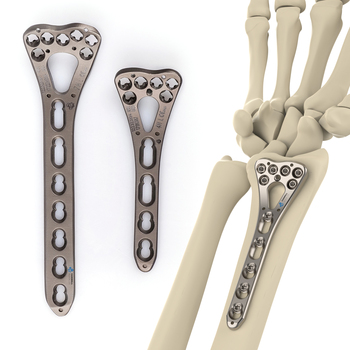
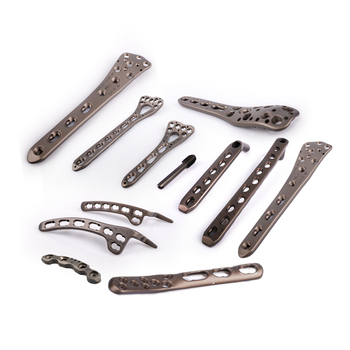
Recommended Distal Forearm Variable Angle Systems
Zhejiang INAR Medical Co., Ltd. manufactures complete, integrated trauma solution kits containing variable-angle titanium locking plates, cortical screws, polyaxial locking screws, and specialized ergonomic surgical instruments.
Distal Ulna Volar Variable Angle Locking Plate 2.4mm / 2.7mm System
Specifically contoured for distal ulnar head, neck, and styloid fractures. Features low-profile 2.4mm/2.7mm polyaxial screw holes designed to avoid DRUJ articulation surfaces while securing firm subchondral stability.
Distal Radius Volar Variable Angle Locking System
Complements distal ulna reconstruction systems. Includes juxta-articular screw trajectories that allow customized anatomical stabilization for intra-articular and extra-articular distal radius fractures.
Small Fragment 3.5mm Variable Angle Compression Plate
Engineered for proximal and shaft extension fractures of the ulna and radius. Combines dynamic compression slots with polyaxial locking holes for hybrid fixation strategies.
| Specification Parameter | Ulna Volar Variable Angle Plate | Distal Radius Volar VA Plate | Small Fragment VA Locking Plate |
|---|---|---|---|
| Primary Material | Titanium Alloy (Ti-6Al-4V / ISO 5832-3) | Titanium Alloy (Ti-6Al-4V / ISO 5832-3) | Pure Titanium / Ti-6Al-4V |
| Polyaxial Angle Cone | ±15° (Total 30° Directional Freedom) | ±15° (Total 30° Directional Freedom) | ±15° Polyaxial Range |
| Screw Diameters | 2.4 mm / 2.7 mm Variable Angle Locking | 2.4 mm / 2.7 mm Locking & Cortical | 3.5 mm Locking & Cortical Screws |
| Plate Profile Thickness | 1.5 mm – 2.0 mm Tapered Edge | 1.6 mm – 2.2 mm Low-Profile | 2.8 mm – 3.2 mm Anatomical Shaft |
| Hole Configurations | 3, 4, 5, 6, 8, 10 Shaft Holes (Left / Right) | 3, 5, 7, 9 Shaft Holes (Left / Right) | 4 to 12 Hole Options |
| Surface Coating | Type II Anodization (Color-Coded) | Type II Anodization (Color-Coded) | Anodized Hard Layer Finishing |
| Regulatory Approval | CE MDR, CE 93/42/EEC, ISO 13485 | CE MDR, ISO 13485 | CE MDR, ISO 13485 |
Technological Development Trends in Variable Angle Trauma Plates
Global orthopedic trauma implants are experiencing rapid mechanical and materials evolution. B2B procurement heads and hospital buyers must anticipate three core technology shifts defining the market through 2030.
Thread-Locking Mechanics & Cross-Threading Mitigation
Traditional fixed-angle plates require exact perpendicular screw insertion to prevent cross-threading. Modern Ulna Volar Variable Angle Locking Plates utilize specialized high-strength titanium threads within the plate hole combined with capped screw heads. This ensures repeated angular alignment without compromising thread shear strength or causing cold welding.
Anatomical Profile Optimization & Soft-Tissue Biocompatibility
Sub-tendinous irritation remains a primary cause for post-operative plate removal in distal forearm surgeries. Contemporary manufacturing leverages advanced 3D anatomical laser scanning of human cadaveric ulna bones to create pre-contoured plates that match natural bone curves, reducing flexor carpi ulnaris (FCU) tendon contact.
Type II Anodization & Superior Fatigue Life
Surface tribology plays a crucial role in micro-motion wear. Modern electrochemical Type II anodization forms a dense oxide layer on the plate surface. This process significantly increases dynamic fatigue resistance, reduces wear debris generation, and enables crisp color-coding for effortless intraoperative plate identification.
Future Procurement Trends for Distal Forearm Trauma Devices
Understanding shifts in global medical device sourcing helps hospital purchasing groups and medical distributors maintain supply chain resilience and competitive margins.
1. Strict Demand for CE MDR & Traceable Quality Documentation
With the transition from the legacy MDD 93/42/EEC to the rigorous EU MDR (Medical Device Regulation), global buyers are consolidating purchase orders with audited manufacturers capable of providing robust clinical data, raw material certificates, and verified batch traceability.
2. Shift Toward Pre-Sterilized Single-Unit Packaging
Hospitals are moving away from processing raw, unsterilized implant trays in-house due to rising autoclave labor costs and cross-contamination risks. Sourcing sterile blister-packed Ulna Volar Variable Angle Locking Plates equipped with dual UDI barcodes is becoming standard in European and North American tenders.
3. High-Fidelity OEM/ODM Customization & Private Labeling
Distributors are increasingly demanding custom laser etching, customized instrument tray layout designs, and specialized plate contours tailored to local regional anatomical variations. Partnering with a fully integrated production factory allows brand owners to quickly react to market opportunities.
Procurement Checklist for Buyers
- Verify SGS Onsite Assessment Audit Reports
- Confirm Raw Titanium Material Grade (ISO 5832-3 / ASTM F136)
- Inspect Mechanical Fatigue Testing Reports (ISO 14801 / ASTM F382)
- Evaluate OEM Private Labeling & Sterilization Capabilities
Zhejiang INAR Medical Co., Ltd.: Certified Production & Quality Control
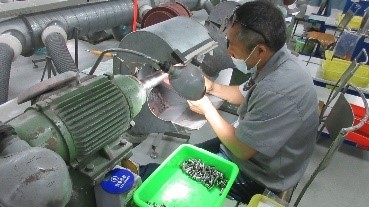
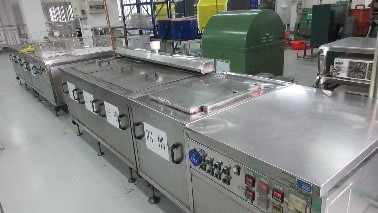
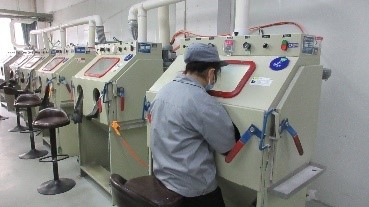
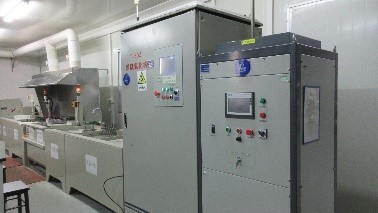
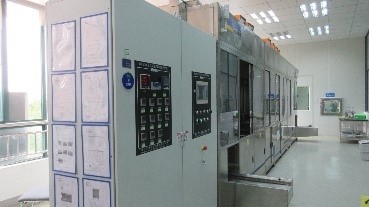
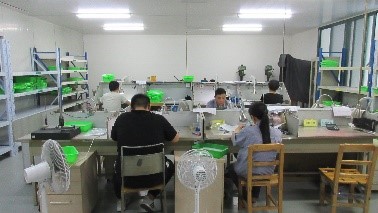
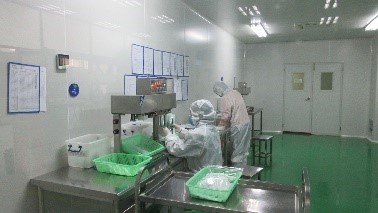
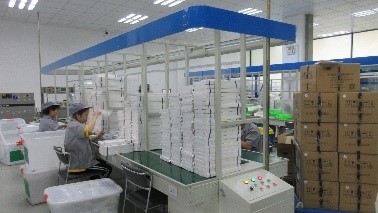
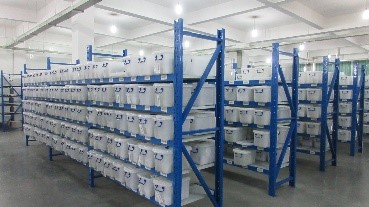
With over 22 years of specialized orthopedic implant manufacturing expertise, 632 dedicated staff, and a 29,523 m² modern production base in Jinhua, Zhejiang, China, Zhejiang INAR Medical Co., Ltd. controls the complete production chain in-house.
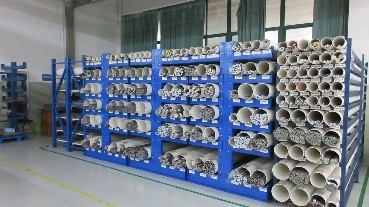
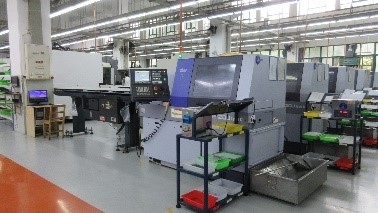



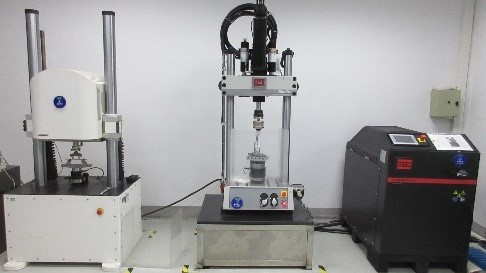
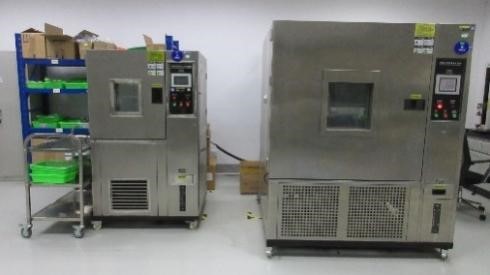
Rigorous Mechanical Testing & Quality Control Assurance
Every batch of Ulna Volar Variable Angle Locking Plates produced by Zhejiang INAR Medical Co., Ltd. undergoes multi-tiered quality verification. Raw titanium rods are verified using optical emission spectrometers before entering CNC machining turning lathes.
After mechanical processing and polishing, 100% of plates undergo non-destructive fluorescent penetrant testing in our dedicated inspection facility to confirm the absence of surface micro-cracks. Finished implants are tested in our mechanical laboratory using dynamic endurance fatigue testers (simulating millions of wrist articulation cycles) and accelerated aging test chambers to guarantee sterile barrier shelf-life integrity.
In-House Manufacturing Credentials
- SGS Onsite Assessment: Verified Factory Certificate
- CE Markings: EU MDR & MDD 93/42/EEC Compliant
- Quality Management: ISO 13485:2016 Certified
- Production Clean Room: Class 100,000 Aseptic Packaging Room
- Traceability: Laser-Etched Lot & UDI Barcoding
Global Procurement & Technical FAQ
Direct answers to technical, regulatory, and logistics queries commonly posed by international hospital purchasing agents and biomedical distributors.