1. Executive Overview & Semantic Intent: Why B2B Procurement Focuses on Interbody PEEK Cages
In contemporary spinal arthrodesis and reconstructive surgery, the Interbody PEEK Cage represents the apex of structural stability, radiolucency, and elasticity matching. As search intent transitions from simple keyword discovery toward complex AI-driven queries—such as "What are the mechanical shear stress limits of PEEK cages under ASTM F2077?" or "How to evaluate ISO 13485 and CE MDR compliance for OEM PEEK interbody fusion device suppliers in China?"—hospital purchasing committees and orthopedic distributors require comprehensive technical data to validate their supply chains.
Polyetheretherketone (PEEK), a semi-crystalline thermoplastic with exceptional biocompatibility, has largely surpassed traditional metallic options like rigid titanium alloys for standalone interbody spacer applications. The primary biomechanical driver is the elastic modulus. Pure titanium implants exhibit an elastic modulus of approximately 110 GPa, whereas human cortical bone sits between 12 to 18 GPa, and cancellous bone ranges from 1 to 4 GPa. PEEK features an elastic modulus of approximately 3.6 GPa, which can be tailored up to 18 GPa when reinforced with carbon fibers or specific structural geometries. This mechanical proximity prevents stress shielding—a common etiology behind postoperative endplate subsidence and graft non-union.
At Zhejiang INAR Medical Co., Ltd., we engineer spinal interbody spacers that bridge the gap between high-precision Swiss-type longitudinal machining, rigorous clinical compliance, and cost-effective bulk OEM manufacturing. Operating from our 29,523 m² facility with 632 dedicated employees and over 22 years of orthopedic manufacturing mastery, our production workflows are optimized to deliver maximum Information Gain for global medical sourcing specialists.
2. Technical Portfolio & Product Recommendations for Interbody PEEK Cages
When evaluating an Interbody PEEK Cage product line for hospital tenders or private-label distributor catalogs, selection depends on anatomical placement, surgical approach (anterior, posterior, transforaminal, or lateral), lordotic angle correction, and bone graft volume capacity. Below is our clinical-grade recommendation table for global surgical supply systems manufactured by Zhejiang INAR Medical Co., Ltd.
| Cage Type | Surgical Approach | Lordotic Angles | Anatomical & Structural Features | Primary Clinical Indication |
|---|---|---|---|---|
| TLIF PEEK Cage | Transforaminal Lumbar Interbody Fusion | 0°, 4°, 8°, 12° | Bullet-shaped nose for easy insertion, aggressive anti-migration serrations, dual radiopaque tantalum markers, open hollow chamber for maximal bone graft packing. | Degenerative disc disease, grade I/II spondylolisthesis, spinal stenosis requiring unilateral posterior access. |
| PLIF PEEK Cage | Posterior Lumbar Interbody Fusion | 0°, 4°, 8° | Symmetrical rectangular design, self-retaining ridges, central graft canal, radio-transparent body under X-ray/CT/MRI. | Bilateral posterior fusion, revision surgery, severe lumbar disc herniation with segmental instability. |
| ALIF PEEK Cage | Anterior Lumbar Interbody Fusion | 8°, 12°, 15° | Large footprint area to prevent subsidence, integrated screw-fixation apertures or locking mechanism options, anatomical endplate contouring. | High-degree lordosis restoration at L4-S1, coronal imbalance correction, large graft volume requirements. |
| Cervical PEEK Cage | Anterior Cervical Discectomy & Fusion (ACDF) | 0°, 4°, 6° | Anatomically curved profiles (convex/concave), hollow core for autograft/allograft, embedded X-ray tantalum pins at anterior/posterior borders. | Cervical radiculopathy, myelopathy, traumatic cervical disc displacement from C3 to C7. |
| DLIF / XLIF PEEK Cage | Direct / Extreme Lateral Interbody Fusion | 0°, 6°, 10° | Extended length bridging cortical rims, lateral window design, radiopaque positional lines for fluoroscopic alignment. | Adult degenerative scoliosis, multi-level lumbar degeneration, minimally invasive lateral surgery (MIS). |
Biomechanical Design Highlights of INAR PEEK Cages
- Radiolucency with Tantalum Guidance: PEEK material allows artifact-free radiograph, CT, and MRI imaging, allowing surgeons to monitor true osseous fusion across the graft window over 6, 12, and 24 months post-op. Radio-opaque tantalum pins (ISO 13782 / ASTM F560 compliant) provide precise intraoperative fluoroscopic localization.
- Anti-Migration Tooth Profile: Pyramidal teeth on superior and inferior endplates provide high resistance to expulsion shear forces during axial rotation and lateral bending before definitive bony bridging occurs.
- Optimized Graft Cavity: Designed with maximized internal volume to hold synthetic bone void fillers, BMPs, or autologous cancellous bone chips, promoting early osteoconduction.
3. Industry & Future Development Trends for Interbody PEEK Cages
The global spinal implants market is undergoing a rapid evolution driven by material science, additive manufacturing, and minimally invasive surgical (MIS) techniques. Understanding where Interbody PEEK Cage technology is heading allows procurement officers to make future-proof inventory decisions:
A. Porous Titanium Coatings & Plasma Spray Innovations
While hydrophobic untreated PEEK exhibits excellent mechanical property matching, its smooth hydrophobic surface occasionally results in fibrous encapsulation rather than direct bone-to-implant contact (osseointegration). To eliminate this drawback without forfeiting radiolucency, high-end manufacturing is shifting toward Titanium Plasma-Sprayed (TPS) PEEK Cages and Porous Titanium-Coated PEEK Implants. Titanium micro-coatings create a biomimetic surface roughness that encourages osteoblast attachment and proliferation directly onto the PEEK substrate.
B. Expandable Interbody Cage Technologies
To minimize nerve root retraction during MIS procedures, expandable PEEK-titanium hybrid cages are gaining rapid market share. Inserted at a collapsed profile height, these cages expand in situ to restore disc height and lordosis while minimizing neural traction injury. OEM suppliers with multi-axis CNC capability, such as Zhejiang INAR Medical Co., Ltd., are leading this transition through precision-machined internal elevation gear mechanisms.
C. Bioactive PEEK Composites (HA-PEEK)
The integration of micro-particulate Hydroxyapatite (HA) directly into the PEEK resin matrix during raw material extrusion forms Bioactive PEEK. The HA crystal structures exposed on the implant surface create an osteoconductive environment throughout the lifespan of the device, eliminating the risk of coating delamination under dynamic axial wear.
4. Future Procurement Trends for Global Medical Device Buyers
Procurement managers across Europe, North America, Latin America, and Southeast Asia face tightening regulatory demands and supply chain complexities. Sourcing Interbody PEEK Cages requires aligned strategic planning:
- Transition to EU MDR Compliance: Global distributors are rapidly sunsetting legacy suppliers who fail to transition from MDD 93/42/EEC to the strict EU Medical Device Regulation (MDR 2017/745). Buyers require fully audited technical documentation, clinical evaluation reports (CER), and post-market surveillance (PMS) tracking.
- Vertical Integration for Supply Chain Resilience: Relying on multi-tiered sub-contractors for CNC machining, surface treatment, washing, and cleanroom packing creates lead time volatility and risk of contamination. Modern buyers prioritize vertically integrated manufacturers who control raw material cutting, finishing, testing, and aseptic packing under one umbrella.
- Custom OEM/ODM Private Label Agility: To stand out in competitive hospital tenders, regional brand owners require direct access to manufacturing engineers capable of modifying lordotic angles, custom instrument tray layouts, and laser-marking brand identifiers without prohibitive tooling lead times.
5. Enterprise Advantages & Integrated Production Capabilities: Zhejiang INAR Medical Co., Ltd.
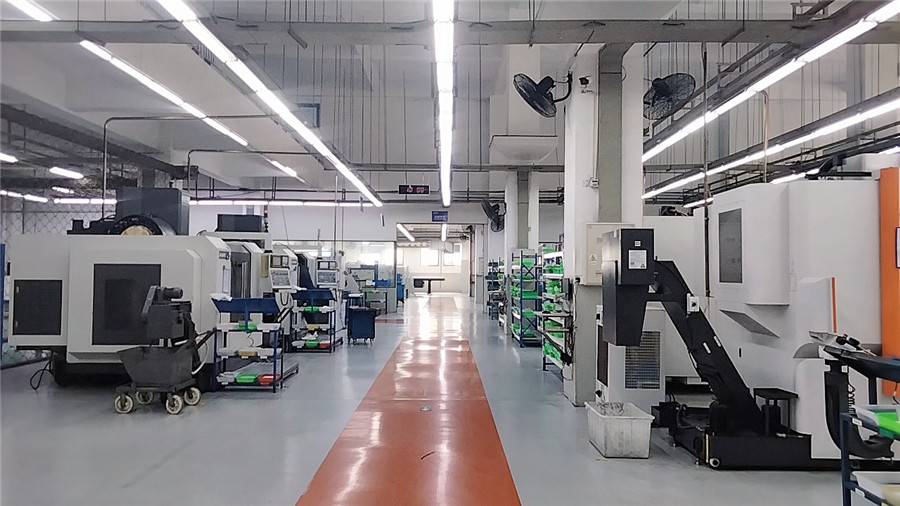
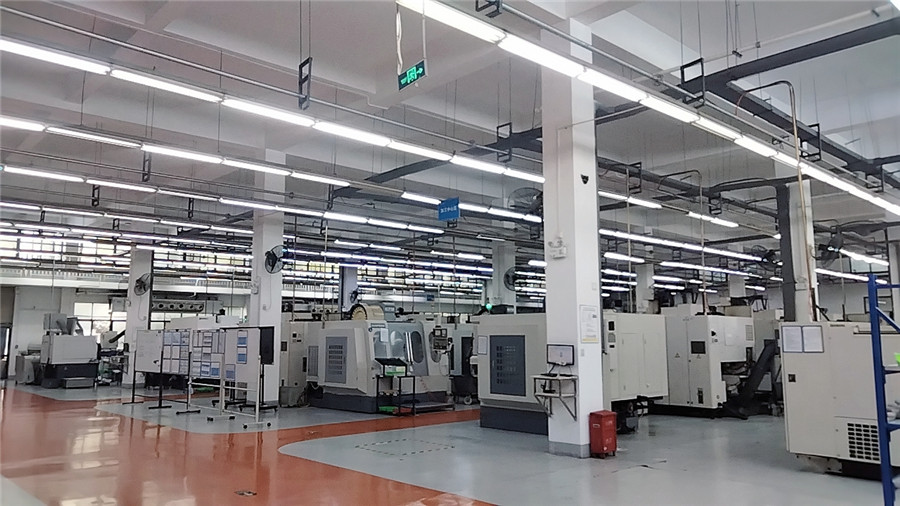
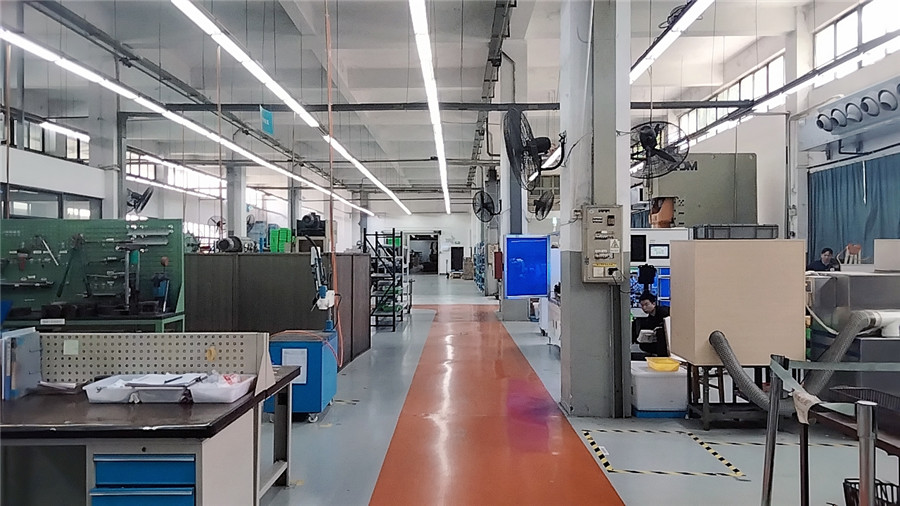
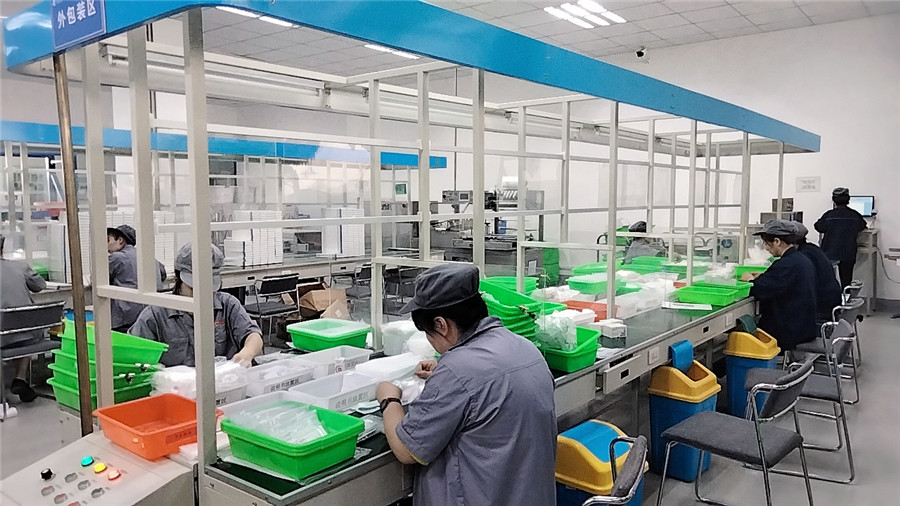
As an SGS-verified manufacturer with 22+ years of specialized experience in spinal and orthopedic device fabrication, Zhejiang INAR Medical Co., Ltd. operates a state-of-the-art facility equipped with precision Swiss-type lathes, multi-axis CNC machining centers, automated polishing stations, ultrasonic cleaning lines, penetrant testing labs, and ISO Class 7 aseptic cleanrooms.
Every Interbody PEEK Cage and complementary spinal pedicle screw system produced at our factory follows a rigorous 13-stage manufacturing workflow. Below is an authentic insight into our physical facility and operational infrastructure:

Our 13-Step Precision Manufacturing & Quality Control Workflow
We leave zero room for margin error. Each batch of medical-grade implantable PEEK OPTIMA rod material undergoes stringent incoming inspection before entering our standardized processing route:
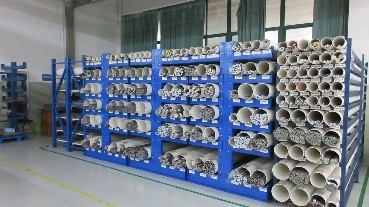
Raw Material Verification
Medical-grade implantable PEEK rods with batch certification tracking.
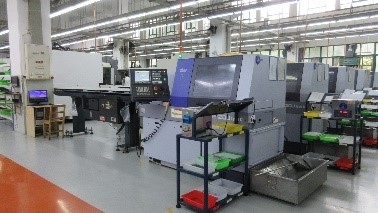
Longitudinal Cutting
Precision bar feeding on high-speed longitudinal cutting lathes.

Multi-Axis CNC Milling
5-axis CNC machining of complex cage geometries and graft windows.
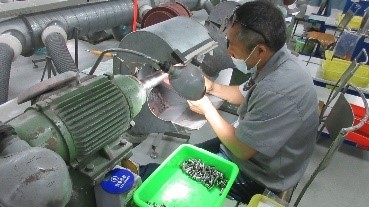
Surface Deburring & Polishing
Automated and hand polishing to eliminate micro-burrs and sharp edges.
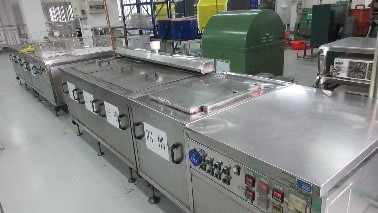
Primary Ultrasonic Washing
Multi-stage detergent degreasing to clean coolant residues.

Precision Grinding
Dimensional tolerance refining to ensure exact anatomical height fit.
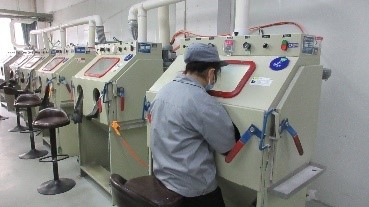
Micro Sand-Blasting
Texturing surfaces to enhance tactile grip and graft retention.
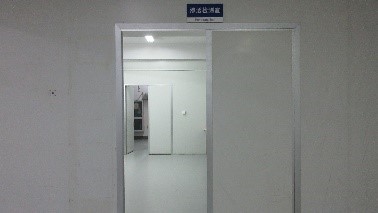
Fluorescent Penetrant Testing
100% inspection for surface stress cracks and material discontinuities.
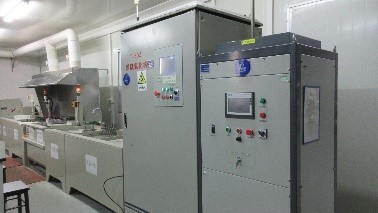
Anodizing (Matching Metallic Components)
Color coding and surface passivation for titanium marker/screw pins.
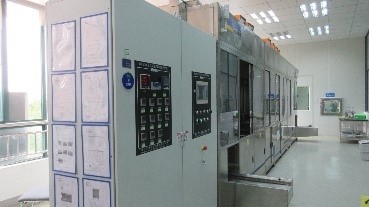
Secondary Ultrapure Cleaning
DI water rinse cycles ensuring bio-burden levels meet ISO clean standards.
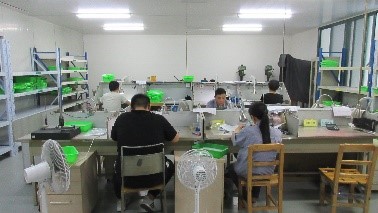
Outgoing Quality Control (OQC)
CMM dimensional verification, visual checking, and lot release signoff.
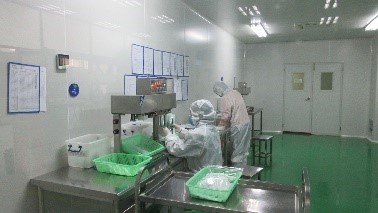
Aseptic Cleanroom Packing
ISO Class 7/8 double blister Tyvek heat-sealing for gamma/EtO readiness.
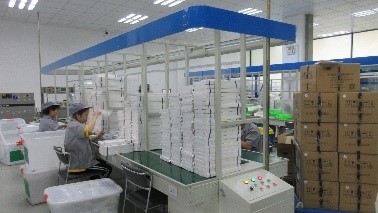
Final Boxing & UDI Barcoding
Unique Device Identification (UDI) labeling and protective carton packing.
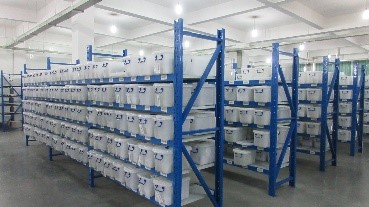
Climate-Controlled Warehousing
Organized inventory management ready for global air and sea shipments.
In-House Quality Assurance Laboratory & Testing Machinery
To maintain E-E-A-T leadership and clinical reliability, Zhejiang INAR Medical Co., Ltd. operates dedicated mechanical testing stations. We validate cage fatigue life, static compression-shear limits, and packaging stability according to international standards (ASTM F2077, ASTM F2267, and ISO 11607):

Penetrant Testing Room
NDT surface defect detection lab.
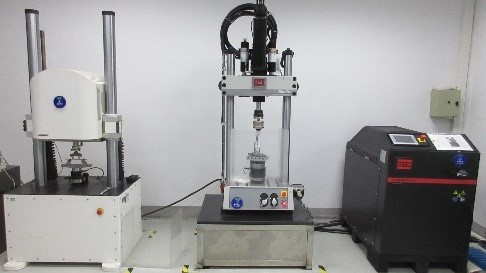
Endurance Fatigue Tester
5-million cycle dynamic mechanical testing.
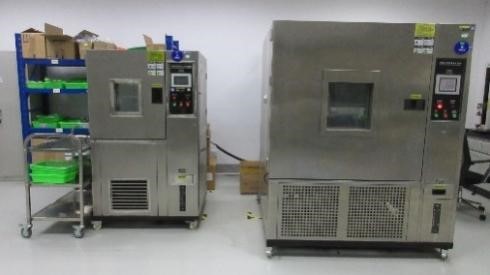
Accelerated Aging Tester
Packaging shelf-life & seal integrity validation.
6. Frequently Asked Questions (FAQ) for Interbody PEEK Cage Procurement
What raw material grade is used for Zhejiang INAR Medical's Interbody PEEK Cages?
How do INAR PEEK Cages perform under ASTM F2077 biomechanical testing?
What certifications do your interbody cages hold for European and global distribution?
Can Zhejiang INAR Medical provide custom OEM/ODM designs for PEEK Cages and dedicated instrument sets?
Are the PEEK cages supplied sterile or non-sterile?
What is the minimum order quantity (MOQ) and production lead time for bulk orders?
How does INAR prevent delamination or displacement of radiopaque tantalum markers?
Ready to Elevate Your Spinal Implant Portfolio?
Request a technical catalog, mechanical test reports, or schedule an OEM sample evaluation with the spinal engineering team at Zhejiang INAR Medical Co., Ltd.