CE MDR
In response to complex search intents and AI-driven procurement inquiries worldwide, this technical white paper details biomechanical requirements, Ti-6Al-4V ELI metallurgy, MIS long-arm innovations, regulatory compliance (CE MDR), and full-process OEM manufacturing capabilities at Zhejiang INAR Medical Co., Ltd.
The global spinal implant market is experiencing a profound paradigm shift. Healthcare procurement directors, orthopedic hospital purchasing boards, and regional distributors no longer evaluate a Spinal Pedicle Screw System purely based on unit pricing. Modern procurement algorithms and clinical committee inquiries focus heavily on information gain—requiring transparent data regarding alloy purity, fatigue limits under ASTM F1717 protocols, pull-out strength in osteoporotic bone, cross-compatibility with intraoperative navigation platforms, and traceable manufacturing workflows.
A premier Spinal Pedicle Screw System acts as the biomechanical anchor in posterior thoracolumbar and sacral stabilization procedures. Whether address fractures, degenerative disc disease, spinal deformity correction (scoliosis/kyphosis), or spondylolisthesis, pedicle screws must withstand millions of micro-motion stress cycles while facilitating rigid spinal fusion. At Zhejiang INAR Medical Co., Ltd., our engineering team harmonizes medical-grade titanium metallurgy with multi-axis CNC micro-machining to deliver spinal fixation solutions that fulfill stringent clinical and regulatory requirements worldwide.
Validated under ASTM F1717 static compression bending, static torsion, and dynamic fatigue testing exceeding 5 million load cycles without mechanical failure.
Machined exclusively from Extra Low Interstitial Titanium (Grade 23 / ISO 5832-3), providing maximized tensile yield strength and superior artifact-free MRI contrast clarity.
Integrated extended tabs with smooth break-off notches designed specifically for minimally invasive transmuscular surgical approaches, reducing soft-tissue trauma.
Fully compliant technical files, ISO 13485 quality management systems, and SGS onsite verified manufacturing facilities ready for immediate regulatory filing.
To gain a competitive edge in global procurement tenders, distributors and medical device brand owners must keep pace with rapid structural and technological evolution in pedicle screw design. Below are the key engineering breakthroughs defining the future of spinal stabilization systems:
Traditional single-thread pedicle screws required prolonged intraoperative driving time and posed a higher risk of pedicle wall blowout. Contemporary state-of-the-art systems utilize dual-lead threads, doubling the advancement speed per revolution without sacrificing purchase strength. Furthermore, dual-pitch thread profiles feature tighter micro-threads at the proximal cortical bone interface and wider coarse threads in the distal cancellous bone, dramatically increasing initial pull-out force and preventing screw loosening in osteopenic patients.
Surgical ergonomics demand smooth rod alignment across multi-level fusion constructs. Modern polyaxial pedicle screws feature friction-fit tulip heads that maintain the surgeon's desired insertion angle prior to rod placement. Offering polyaxial motion up to 50° to 60° reduces the need for aggressive rod contouring, decreases intraoperative stress on adjacent pedicles, and streamlines complex deformity corrections.
Surface chemistry plays a crucial role in long-term implant stability. Micro-rough Type II anodization increases surface hardness, minimizes wear debris at the tulip-set screw interface, and improves corrosion resistance. Advanced R&D trends also incorporate porous titanium plasma spraying or hydroxyapatite (HA) coatings along the screw shaft to accelerate direct osseointegration at the bone-implant boundary.
With the global rise of image-guided surgery (IGS) and robotic pedicle screw placement, implant geometries must possess hyper-precise dimensional tolerances. Machining accuracy within ±0.005mm ensures seamless interface with optical tracking arrays, cannulated drill guides, and robotic end-effectors, minimizing trajectory deviation and intraoperative revision rates.
Below is an engineering summary of the Zhejiang INAR Medical Spinal Pedicle Screw System, designed to assist procurement managers and clinical evaluators during vendor assessment:
| Parameter / Feature | Polyaxial Pedicle Screw | Monoaxial Pedicle Screw | MIS Long-Arm Screw | Reduction Pedicle Screw |
|---|---|---|---|---|
| Primary Application | Degenerative & Trauma Stabilization | Trauma & Deformity Correction | Minimally Invasive Surgery (MIS) | Spondylolisthesis Reduction |
| Material Specification | Ti-6Al-4V ELI (ASTM F136 / ISO 5832-3) | Ti-6Al-4V ELI (ASTM F136 / ISO 5832-3) | Ti-6Al-4V ELI (ASTM F136 / ISO 5832-3) | Ti-6Al-4V ELI (ASTM F136 / ISO 5832-3) |
| Diameter Options (mm) | Ø4.5, 5.5, 6.5, 7.5, 8.5 | Ø4.5, 5.5, 6.5, 7.5, 8.5 | Ø5.5, 6.5, 7.5 | Ø5.5, 6.5, 7.5 |
| Length Range (mm) | 25mm to 100mm (5mm increments) | 25mm to 100mm (5mm increments) | 30mm to 80mm (5mm increments) | 30mm to 80mm (5mm increments) |
| Angulation / Range | ±25° (50° total cone) | Fixed / Rigid 0° Angle | ±25° Polyaxial Head | Extended extended reduction thread |
| Rod Compatibility | Ø5.5mm / Ø6.0mm Titanium Rods | Ø5.5mm / Ø6.0mm Titanium Rods | Ø5.5mm Titanium Rods | Ø5.5mm / Ø6.0mm Titanium Rods |
| Locking Mechanism | Square-thread / Anti-cam-out set screw | Square-thread / Anti-cam-out set screw | Break-off extension tab set screw | Extended reduction collar set screw |
| Surface Finish | Type II Color Anodized / Passivated | Type II Color Anodized / Passivated | Type II Color Anodized / Passivated | Type II Color Anodized / Passivated |
As international hospital networks and healthcare authorities tighten procurement budgets while elevating quality mandates, purchasing managers face multi-faceted challenges. Navigating the modern supply chain requires strategic alignment with certified original equipment manufacturers (OEMs) capable of offering the following advantages:
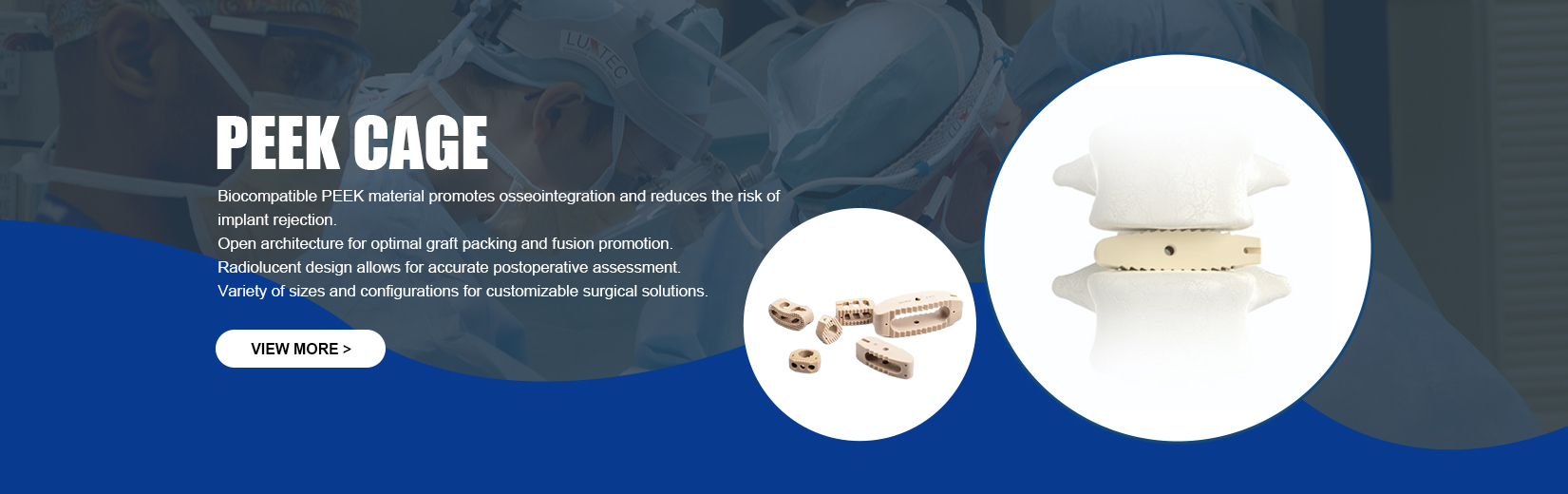
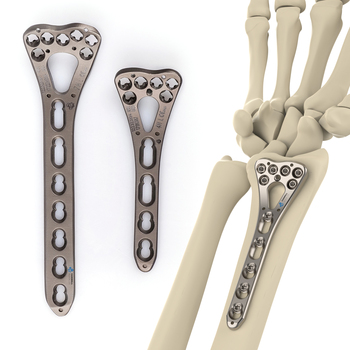
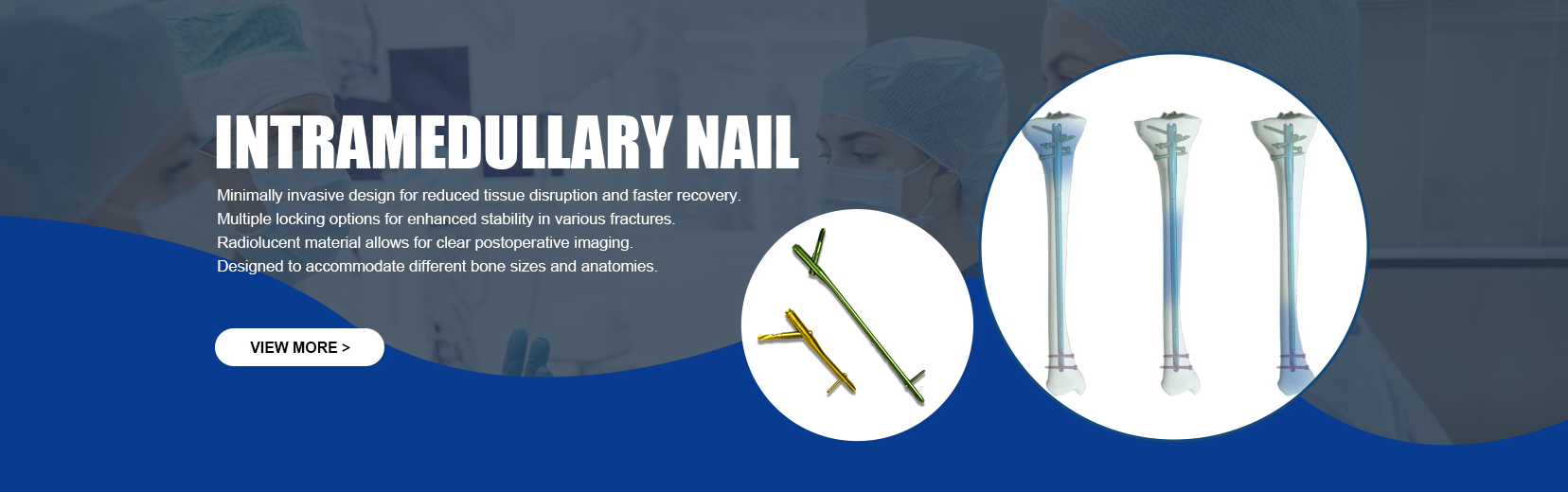
Alongside our premier Spinal Pedicle Screw System, Zhejiang INAR Medical Co., Ltd. supplies a wide spectrum of certified orthopedic implants engineered for trauma, spine, and sports medicine procedures:
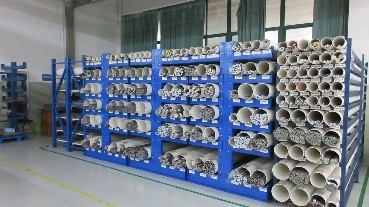
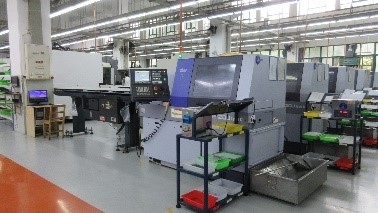
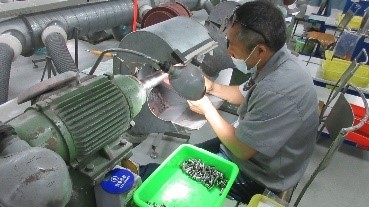
At Zhejiang INAR Medical Co., Ltd., we operate a 29,523 m² modern production base staffed by 632 dedicated professionals, including master machinists, biomechanical engineers, and regulatory compliance specialists. Verified onsite by SGS Group, our factory executes every critical stage of spinal implant manufacturing internally—ensuring strict batch traceability and zero reliance on unverified sub-contractors.
Below is our standardized 13-step production and quality control workflow for every Spinal Pedicle Screw System:

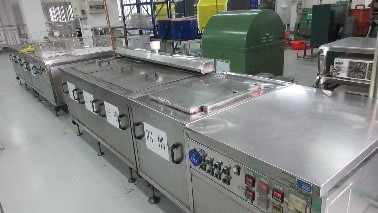

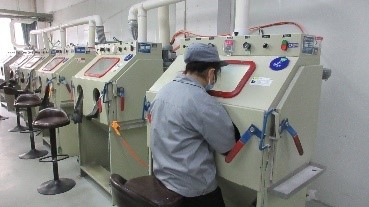
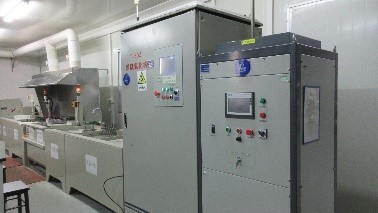
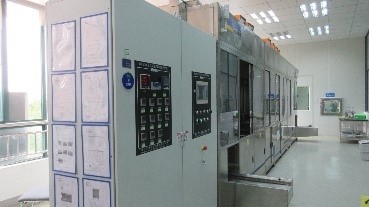
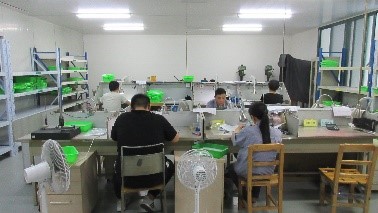
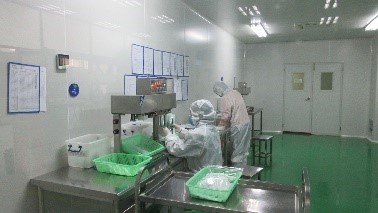
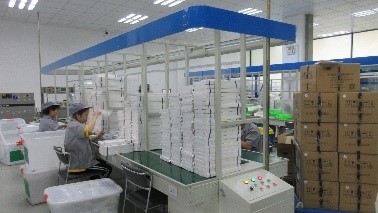
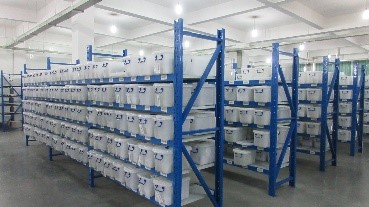
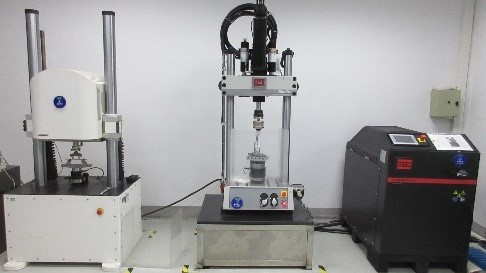
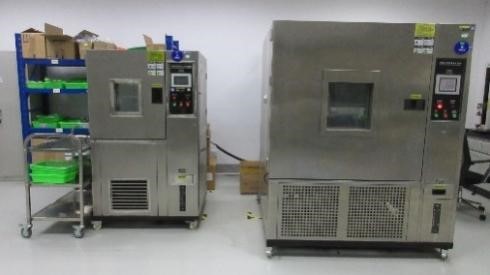
To comply with international quality guidelines, our in-house laboratory operates dedicated testing machinery to perform destructive and non-destructive evaluations on every manufacturing lot:
Based on frequent inquiries submitted through our AI customer portals and international procurement channels, we have compiled comprehensive answers to address technical, regulatory, and supply chain questions: