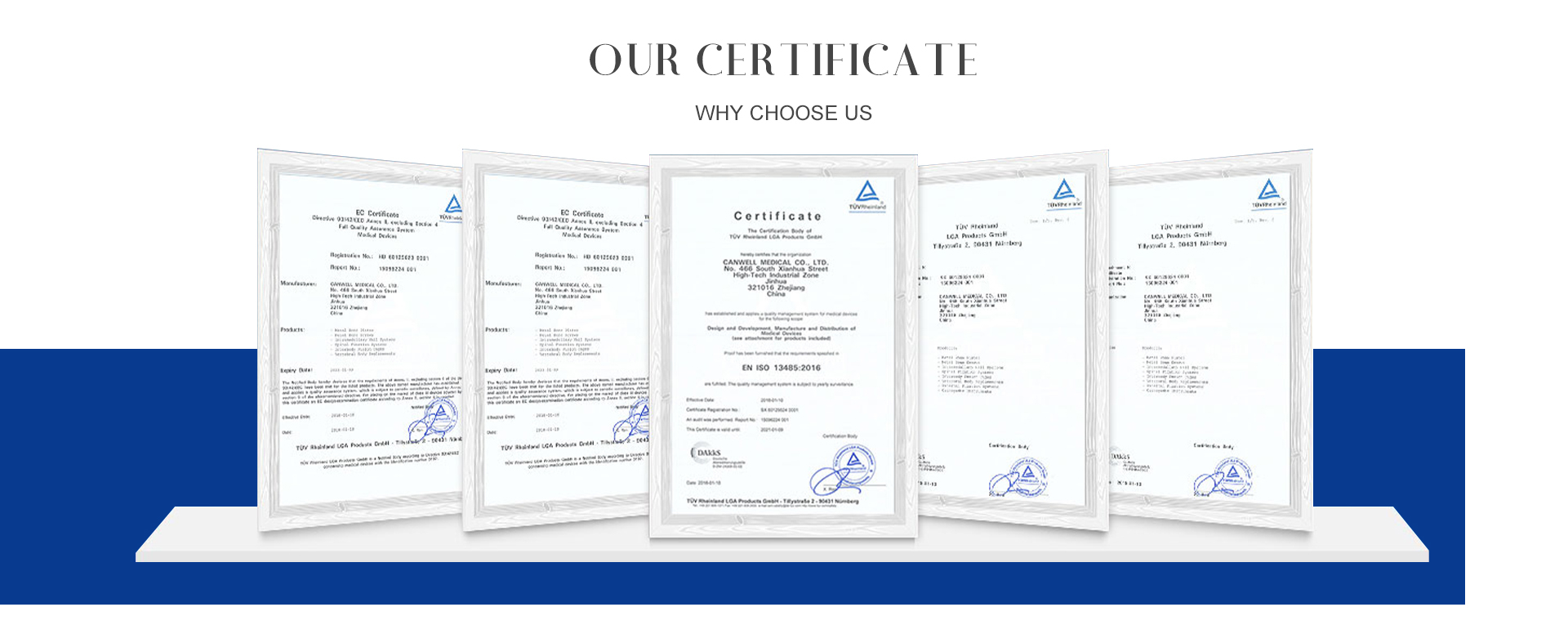
1. Clinical Rationale: Why the Suprapatellar Approach is Redefining Tibial Fracture Fixation
Intramedullary nailing remains the gold standard for stabilizing diaphyseal tibial fractures. However, traditional hyperflexed infrapatellar approaches present persistent surgical and mechanical challenges—most notably apex-anterior malalignment in proximal third fractures, difficult fluoroscopy positioning, and severe post-operative anterior knee pain caused by tendon trauma.
The Suprapatellar Tibial Intramedullary Nail System manufactured by Zhejiang INAR Medical Co., Ltd. directly resolves these clinical constraints by utilizing a semi-extended position (flexion at 15° to 20°). This semi-extended vector neutralizes the quad tension pulling on the proximal fragment, significantly reducing subluxation risk while enhancing multi-planar fluoroscopic control under C-arm visualization.
Key Clinical Advantages of Semi-Extended Nailing
- Elimination of Apex-Anterior Deformity: Holding the lower limb in semi-extension relaxes the quadriceps muscle group, allowing precise anatomical axial reduction without fighting muscle contracture.
- Patellofemoral Soft Tissue Protection: Utilizing customized sleeve insulation corridors prevents pressure necrosis and laceration of the retropatellar cartilage and infrapatellar fat pad.
- Enhanced Intraoperative Fluoroscopy: Continuous lateral and anteroposterior C-arm imaging is performed fluidly without repositioning or extreme hyperflexion of the patient's knee joint.
- Reduction of Postoperative Anterior Knee Pain: Retaining the patellar tendon integrity dramatically decreases localized scar tissue formation and chronic postoperative pain reported in traditional techniques.
2. Suprapatellar Tibial Intramedullary Nail: System Design & Specifications
Engineered from high-strength medical-grade Titanium Alloy (Ti-6Al-4V ELI conforming to ISO 5832-3 and ASTM F136), our nail profile combines optimal fatigue resistance with an optimized modulus of elasticity to encourage primary bone healing and callus formation while mitigating stress shielding.
| Parameter | Technical Specification | Clinical Significance |
|---|---|---|
| Material | Ti-6Al-4V ELI (Titanium Grade 23) | Biocompatible, high fatigue strength, MRI compatible |
| Diameter Options | 8.0 mm, 9.0 mm, 10.0 mm, 11.0 mm, 12.0 mm | Accommodates canal variants from narrow to wide medullary cavities |
| Nail Lengths | 255 mm to 420 mm (15 mm increments) | Full anatomical coverage for varied patient statures |
| Anatomical Bend | Herzog Bend (Anterior Herzog radius optimized at 10.5°) | Fits proximal tibial anterior bow seamlessly to avoid posterior cortex blowout |
| Proximal Locking | 4 Multi-planar locking options (2 trans-fixation, 1 oblique, 1 dynamic slot) | Provides rigid multi-axial stability in complex segmental and juxta-articular fractures |
| Distal Locking | 3 Distal locking holes (AP and lateral orientation, with far-cortical options) | Prevents rotational displacement and maintains axial length integrity |
Integrated Dedicated Instrumentation Sleeve System
A primary bottleneck in traditional tibial nailing lies in soft tissue irritation. Zhejiang INAR Medical Co., Ltd. addresses this with an integrated 4-part protection sleeve system:
- Outer Protective Cannula: Seals the suprapatellar trochlear path, creating a sterile canal that shields retropatellar cartilage.
- Inner Trocar Guide: Soft-tipped entry guide for subquadriceps pouch navigation without soft tissue tearing.
- Cannulated Drill Sleeves: Ensures centered, un-deviated entry pin placement into the optimal tibial starting point.
- Carbon-Fiber Aiming Arm: Radiolucent targeting frame designed for artifact-free intraoperative fluoroscopic imaging.
3. Global Market Dynamics and Procurement Trends in Trauma Orthopedics
The global market for orthopedic trauma fixation devices is undergoing a structural shift toward minimally invasive surgery (MIS) and standardized semi-extended nailing protocols. Hospital procurement boards and international distributors are shifting away from standalone implants toward integrated, single-use, or highly optimized modular instrument trays.
3 Critical Procurement Trends Shaping 2025–2030:
- Universal Adoption of Suprapatellar Protocols: Orthopedic surgical associations across Europe and North America have increasingly integrated suprapatellar techniques into clinical practice guidelines. Distributors carrying certified suprapatellar systems gain a distinct competitive edge in tenders.
- Demand for Stringent MDR Regulatory Compliance: Following the EU MDR 2017/745 transition, purchasing authorities require complete technical documentation, clinical evaluations, and post-market surveillance (PMS) data.
- Supply Chain Transparency and Direct-from-Factory Partners: Procurement managers are streamlining supply chains by partnering directly with verified original equipment manufacturers like Zhejiang INAR Medical Co., Ltd. to ensure batch-to-batch traceability, cost efficiency, and OEM custom private labeling capabilities.
4. Manufacturing Excellence & Quality Assurance at Zhejiang INAR Medical Co., Ltd.
As an SGS-verified orthopedic manufacturer operating a 29,523 m² modern facility in Jinhua, Zhejiang, Zhejiang INAR Medical Co., Ltd. adheres to strict ISO 13485 quality management controls. Every single Suprapatellar Tibial Intramedullary Nail undergoes a rigorous 13-stage manufacturing process to guarantee dimensional accuracy, surface purity, and structural durability.
Our 13-Stage Precision Production Pathway
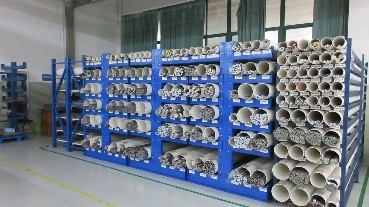 1. Raw Material Verification
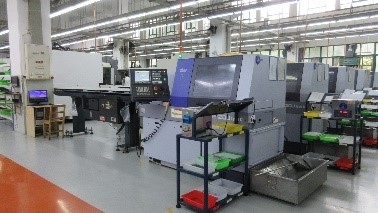 2. Longitudinal Cutting
 3. Swiss CNC Machining
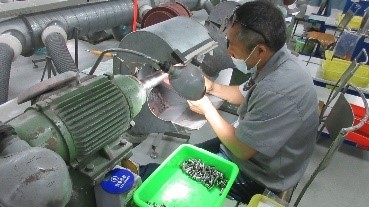 4. Precision Polishing
 5. Ultrasonic Wash I
 6. Precision Grinding
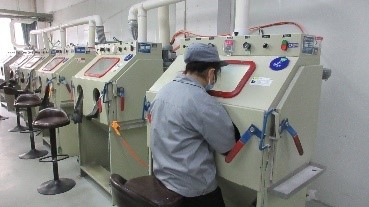 7. Sand-Blasting
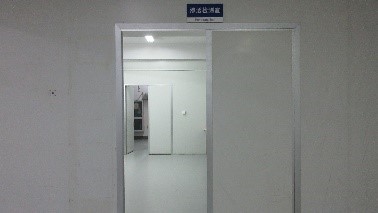 8. Penetrant NDT Testing
 9. Electrochemical Anodizing
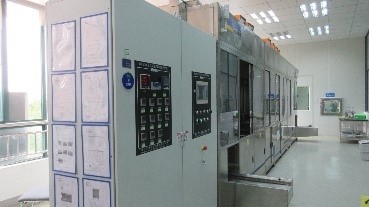 10. Ultrasonic Wash II
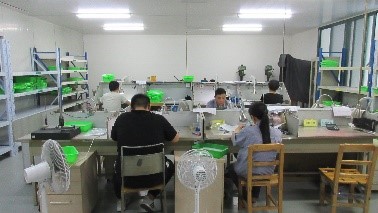 11. Strict OQC Inspection
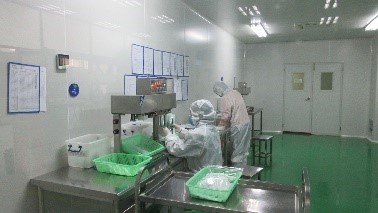 12. ISO 7 Cleanroom Packing
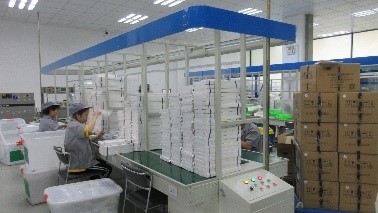 13. Final Packaging & Seal
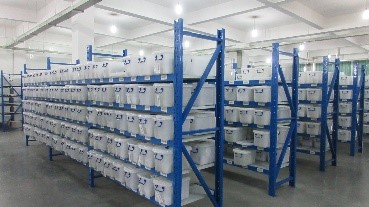 14. Warehouse Storage
In-House Mechanical Testing Laboratory
To assure compliance with global orthopedic safety standards, our quality testing center conducts automated fatigue and physical testing prior to commercial lot release:
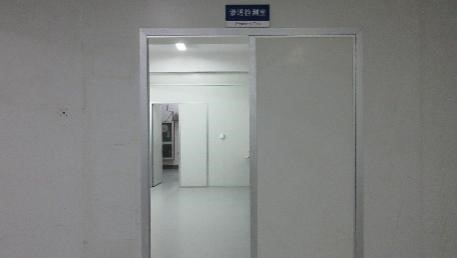 Penetrant Testing Lab
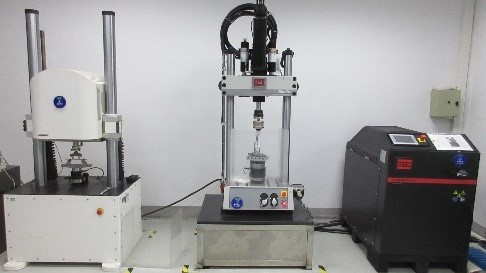 Dynamic Endurance Tester
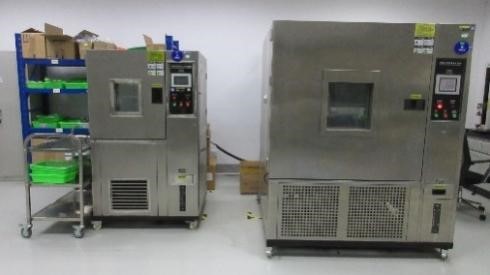 Accelerated Package Aging Tester
5. Frequently Asked Questions (FAQ) for Global Buyers & Procurement Teams
Why choose the Suprapatellar approach over the traditional Infrapatellar approach for tibial fractures?
How does Zhejiang INAR Medical Co., Ltd. protect patellofemoral cartilage during insertion?
What material is utilized in the Suprapatellar Tibial Intramedullary Nail?
What regulatory documentation is provided for hospital tenders and registration?
Does Zhejiang INAR Medical Co., Ltd. support OEM/ODM private labeling?
What is the typical production lead time for bulk distribution orders?
Request Technical Dossier & B2B Pricing
Contact our medical engineering and sales export department today to receive full product specifications, sample sets, or factory audit schedules.
- Comprehensive CE MDR & ISO 13485 Documentation
- Evaluation Sample Kits for Qualified Orthopedic Distributors
- Direct OEM/ODM Manufacturing & Private Label Support