1. Executive Overview & Biomechanical Foundations of Intramedullary Nailing
The Orthopedic Interlocking Nail System represents the golden standard in modern trauma surgery for load-bearing long bone fractures. Designed for internal fixation of femoral, tibial, and humeral diaphyseal and metaphyseal fractures, intramedullary nails operate on the principle of load-sharing rather than load-bearing. Unlike eccentric fixation devices such as extramedullary locking compression plates, an intramedullary nail aligns along the central neutral axis of the bone canal. This axial positioning minimizes bending moments, decreases stress shielding, and promotes rapid periosteal callus formation through controlled micromotion.
Modern interlocking technology incorporates proximal and distal transverse locking screws passed through cannulated or solid nail shafts. These locking screws fix the nail to the cortical bone, effectively controlling rotational torque, preventing axial shortening, and maintaining anatomical length during the fracture healing cycle. Global healthcare systems and orthopedic trauma centers demand systems that balance biomechanical fatigue resistance with intraoperative versatility and low complication rates.
At Zhejiang INAR Medical Co., Ltd., our engineering teams synthesize clinical feedback, finite element analysis (FEA), and advanced CNC manufacturing to yield interlocking nail systems optimized for surgical efficiency and long-term implant survival. By examining both biomechanical requirements and supply chain factors, this guide addresses the primary technical and commercial questions raised by international procurement managers and healthcare tenders.
Key Information Gain: Stress Distribution & Axial Load Sharing
Intramedullary nails reduce mechanical stress concentrations by up to 42% compared to lateral locking plates under combined torsional and axial loads. The inclusion of multi-planar static and dynamic locking options permits surgeons to tailor rigidity based on fracture geometry (AO/OTA classification 11, 12, 31, 32, 41, 42).
2. Recommended Orthopedic Interlocking Nail Systems
To satisfy varied anatomical and clinical scenarios, Zhejiang INAR Medical Co., Ltd. supplies a comprehensive series of anatomically contoured intramedullary nails. Each system is designed with specific radius of curvature (ROC), distal targeting mechanisms, and surface passivation treatments.
Femoral Interlocking Nailing System
Designed for retrograde and antegrade insertion in diaphyseal and subtrochanteric femoral fractures. Features an anatomical 1.5m radius of curvature to minimize anterior cortex impingement.
- Material: Titanium Alloy (Ti-6Al-4V ELI) / Stainless Steel 316L
- Diameter Range: 9.0 mm to 12.0 mm (1.0 mm increments)
- Length Range: 320 mm to 440 mm
- Locking Options: Static, Dynamic, and Reconstruction Modes
Tibial Interlocking Nailing System
Supports suprapatellar, infrapatellar, and retropatellar surgical approaches. Optimized proximal bend angles facilitate insertion while maintaining proximal fragment fixation.
- Material: Ti-6Al-4V ELI (ASTM F136)
- Diameter Range: 8.0 mm to 11.0 mm
- Length Range: 270 mm to 420 mm
- Design: Fully cannulated for guide wire insertion, multi-planar distal locking
PFNA / Proximal Femoral Nail System
Engineered specifically for trochanteric fractures (AO 31-A1/A2/A3). Employs a helical blade or lag screw mechanism to optimize osteoporotic bone anchorage and reduce cut-out risks.
- Material: Medical Grade Titanium Alloy
- Proximal Angle: 125° / 130° CCD options
- Blade/Screw Lengths: 75 mm to 120 mm
- Feature: Anti-rotation stabilization for osteoporotic fractures
Technical Comparison Table
| System Category | Primary Material Specs | Biomechanical Indication | Locking Screw Mechanism | Sterilization & Regulatory Standard |
|---|---|---|---|---|
| Femoral Interlocking Nail | Ti-6Al-4V ELI / SS 316L VM | Diaphyseal & Subtrochanteric Fractures | Multi-planar (Proximal 120° / Distal Transverse) | CE MDR 2017/745, ISO 13485, Non-Sterile / Sterile Pack |
| Tibial Interlocking Nail | Ti-6Al-4V ELI (ASTM F136) | Diaphyseal, Metaphyseal, Intra-articular extension | Suprapatellar & Infrapatellar multi-angle screws | CE MDR, FDA 510(k) Ready, ISO 13485 |
| Humeral Interlocking Nail | Ti-6Al-4V ELI / SS 316L | Proximal & Shaft Humeral Fractures | Ascending/Descending oblique & transverse locking | CE Marked, ISO 13485 Certified |
| Proximal Femoral Nail (PFNA) | High-Strength Titanium Alloy | Intertrochanteric & Pertrochanteric Fractures | Helical Blade with compaction interface | CE MDR 2017/745, ISO 13485 |
3. Future Procurement Trends in Global Orthopedic Trauma Tenders
The global procurement landscape for trauma implants is undergoing systemic structural changes driven by regulatory updates, clinical preference evolution, and hospital budget optimizations. Procurement officers must align their sourcing strategies with four core market trends over the next five to ten years:
- Universal Shift Towards Titanium Alloys (Ti-6Al-4V ELI): While Stainless Steel 316L remains a cost-effective option for price-sensitive regional tenders, global healthcare institutions are standardizing on Titanium Grade 5 (Ti-6Al-4V ELI). Titanium offers a lower modulus of elasticity (110 GPa vs 200 GPa for Stainless Steel), bringing it closer to human cortical bone (15-30 GPa). This significantly reduces stress shielding and enhances MRI/CT compatibility by minimizing metallic artifacts.
- Demand for Anatomically Pre-Contoured and Suprapatellar Instrumentation: Suprapatellar tibial nailing has surged in preference due to reduced retrocatheter quadriceps morbidity and simplified intraoperative fluoroscopy. Importers and distributors must ensure that their OEM suppliers provide lightweight, radiolucent, carbon-fiber targeting carbon jigs capable of assisting precise distal freehand locking and proximal instrument guidance.
- Strict Regulatory Enforcement (EU MDR 2017/745 & National Approvals): Regulatory scrutiny has escalated globally. Tenders in Europe, Latin America (ANVISA), the Middle East (SFDA), and Southeast Asia require comprehensive Clinical Evaluation Reports (CER), ISO 13485 quality management systems, full raw material batch traceability, and validated biocompatibility testing (ISO 10993 series). Uncertified vendors face immediate tender exclusion.
- Supply Chain Transparency and Direct-from-Manufacturer OEM Customization: Third-party trading entities are increasingly bypassed in favor of vertically integrated manufacturers like Zhejiang INAR Medical Co., Ltd. Direct manufacturer partnerships allow customized color-anodization, specialized laser etching, tailored instrument tray layouts, and guaranteed supply continuity.
4. Industry Development Trends & Surgical Innovations
Technological advancement in intramedullary fixation extends beyond the nail implant itself, incorporating smart surgical tools, digital imaging integration, and advanced surface science:
- Electromagnetic and Radiation-Free Distal Targeting Systems: Distal locking screw placement historically required repeated fluoroscopic exposure (the "freehand" technique), exposing surgical staff and patients to ionising radiation. Modern systems utilize electromagnetic tracking sensors embedded in distal aiming arms, enabling precise blind-locking without real-time X-ray guidance.
- Antibacterial and Bioactive Surface Coatings: Infection management in open long bone fractures remains a major challenge. Emerging development trends focus on applying silver nanoparticle coatings, hydroxyapatite (HA) plasma spraying, or antibiotic-eluting polymer surfaces directly onto titanium nails to prevent bacterial adhesion and biofilm formation.
- Dynamic Telescoping and Expandable Intramedullary Designs: To enhance torsional rigidity without requiring transverse locking screws in specific pediatric or osteoporotic applications, expandable hydraulic nails and dynamic compression mechanisms are continuously refined.
5. Enterprise Advantages & Precision Manufacturing Capabilities
At Zhejiang INAR Medical Co., Ltd., quality is built into every phase of manufacturing. Spanning over 29,523 m² of specialized production space, our plant integrates Swiss-type CNC lathes, multi-axis machining centers, precise chemical finishing stations, and cleanroom packaging facilities. Below is the verified step-by-step production flow executing under strict ISO 13485 and CE quality standards:
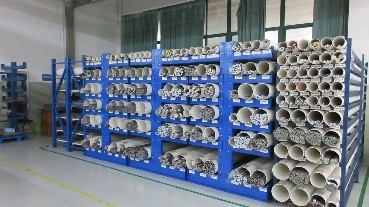
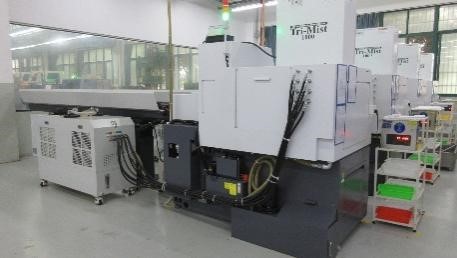
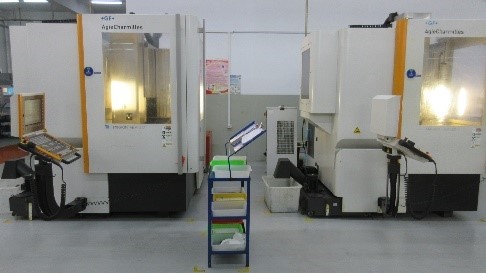
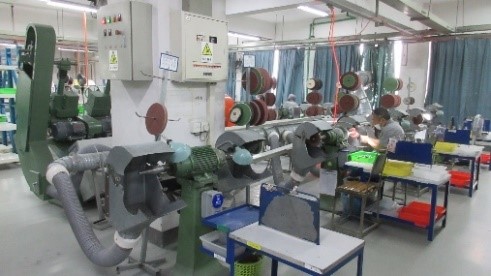
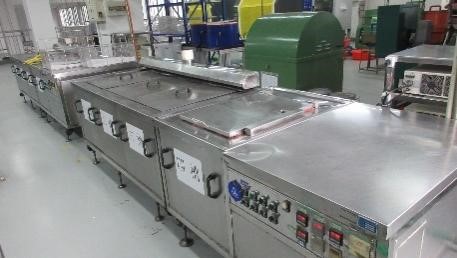
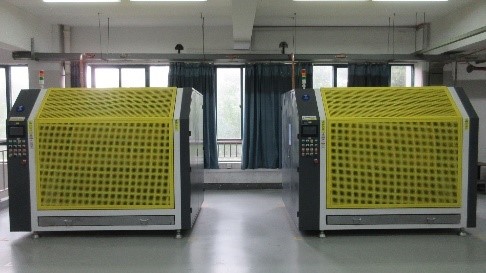
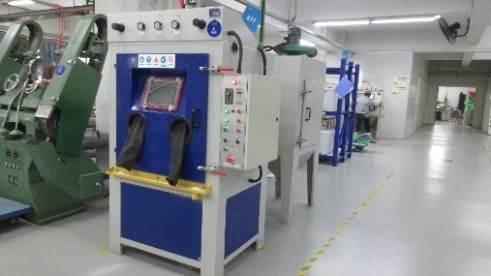
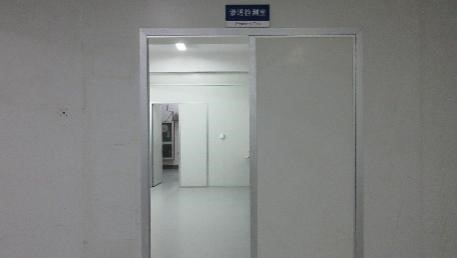
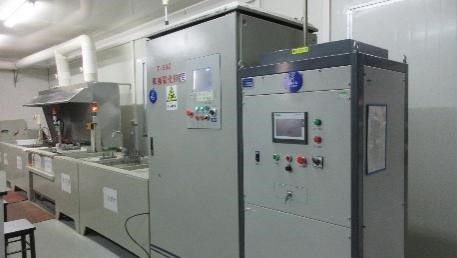
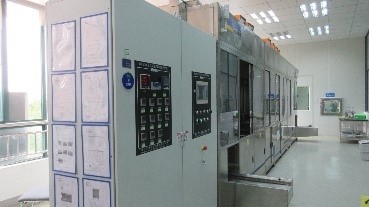
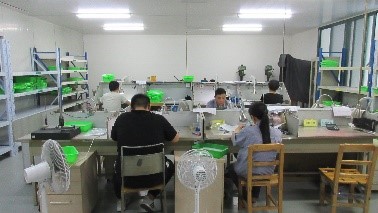
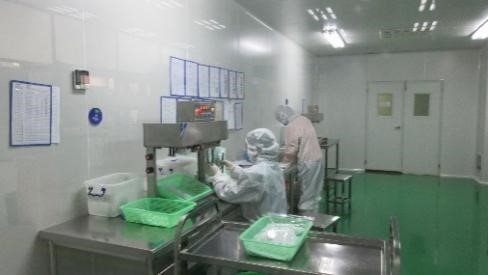
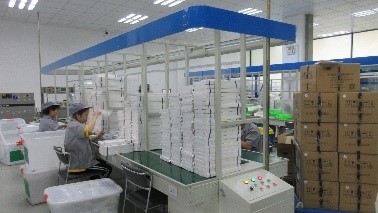
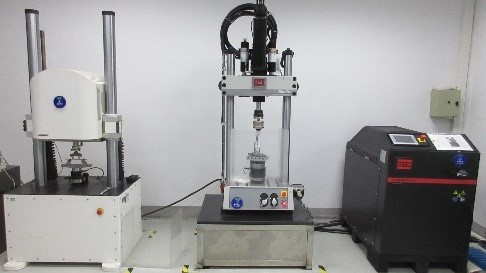
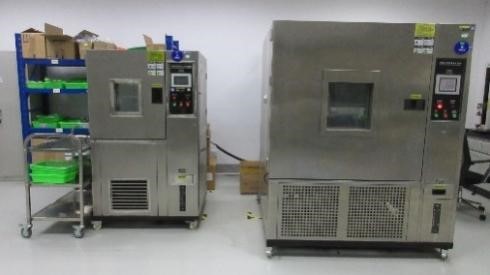
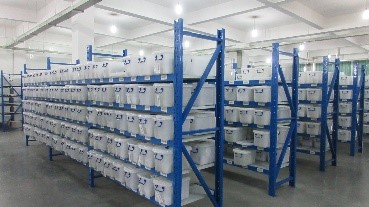
Our commitment to clinical reliability is backed by in-house endurance testers and aging test chambers, validating that every batch of intramedullary nails withstands cyclic bending forces exceeding 5,000,000 cycles without fatigue failure. Furthermore, Zhejiang INAR Medical Co., Ltd. maintains complete traceability from mill test certificates (MTC) to final boxed delivery.