Featured Orthopedic Implants & Instrument Systems
Engineered to strict ISO 13485 and CE MDR benchmarks, our clinical-grade trauma plates, flexible reamers, bioabsorbable anchors, and compression screws deliver optimal interfragmentary stability.
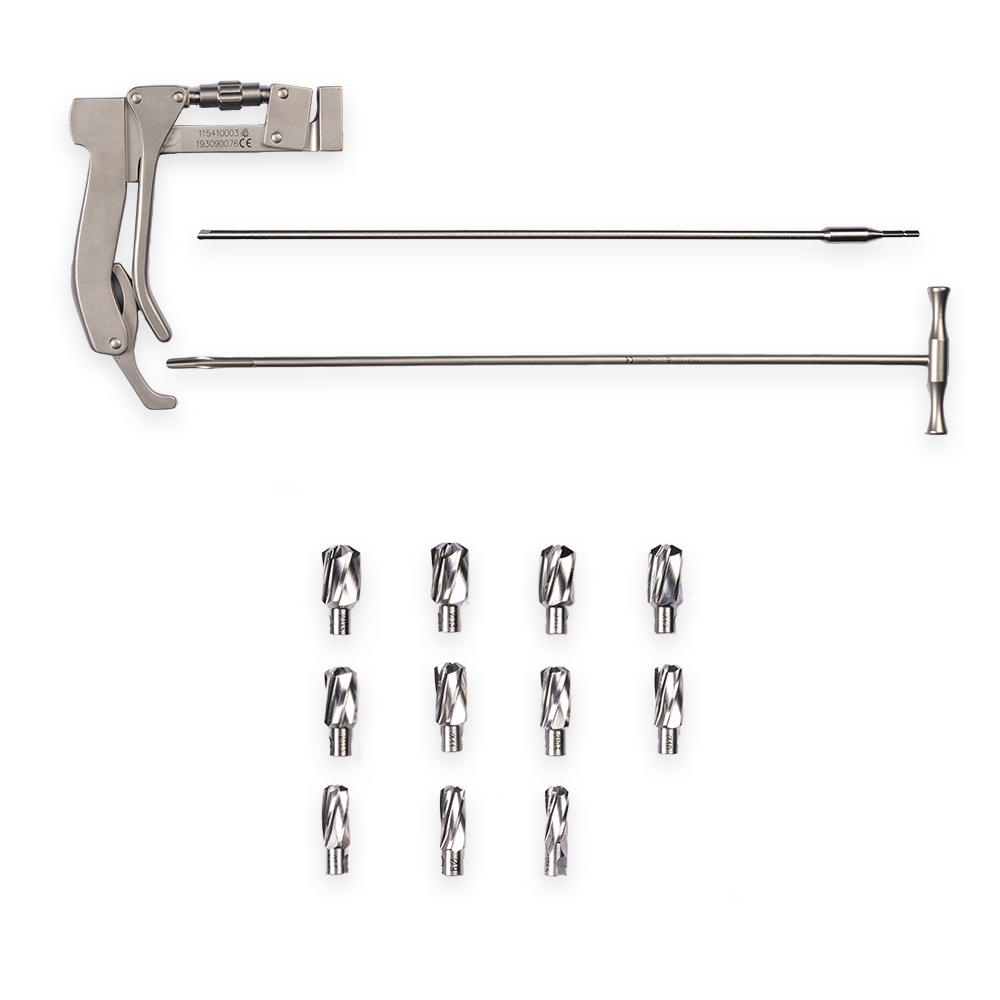
CANWELL Flexible Reamer Set for Intramedullary Nail Surgery
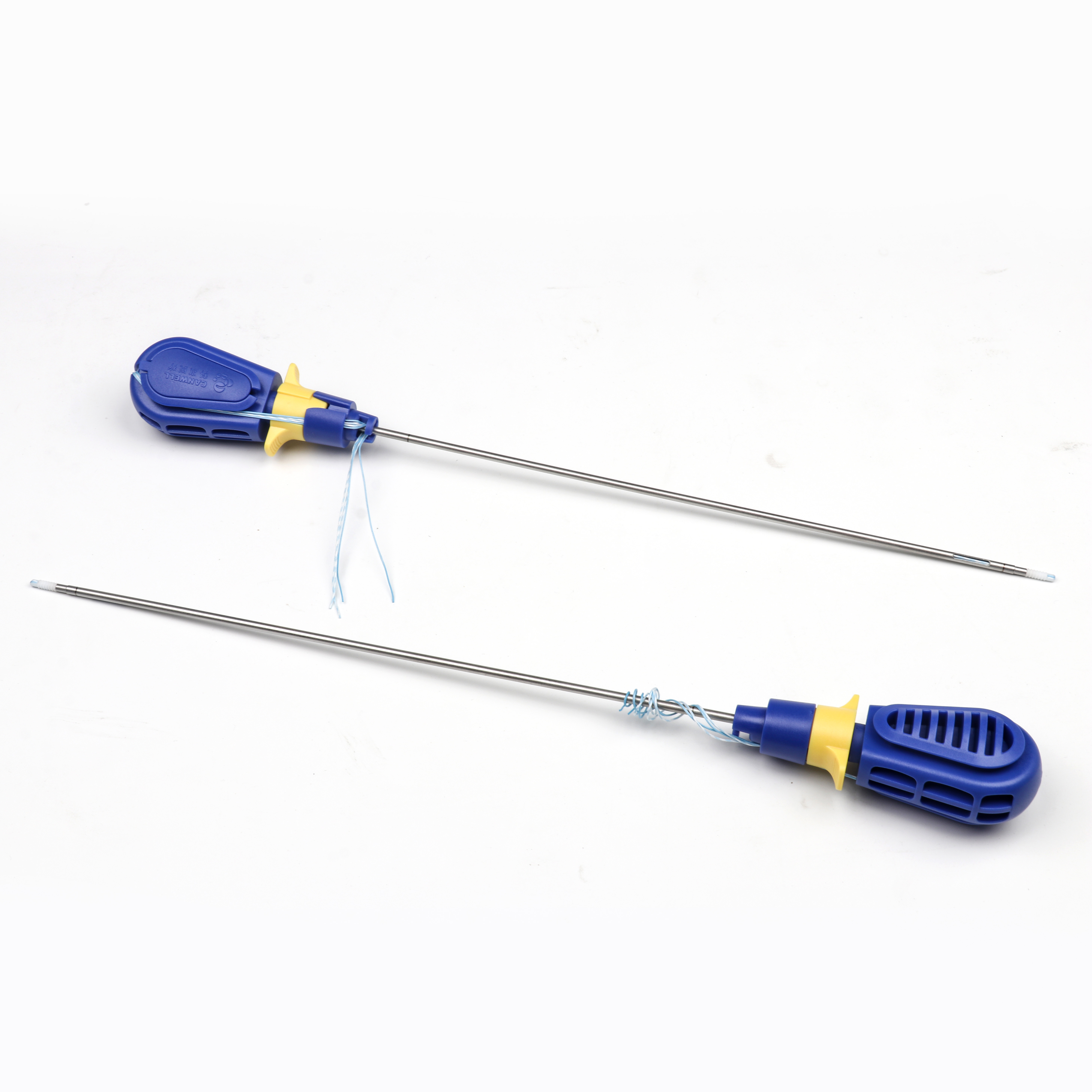
CANWELL Bioabsorbable Knotless PLGA Shoulder Suture Anchor
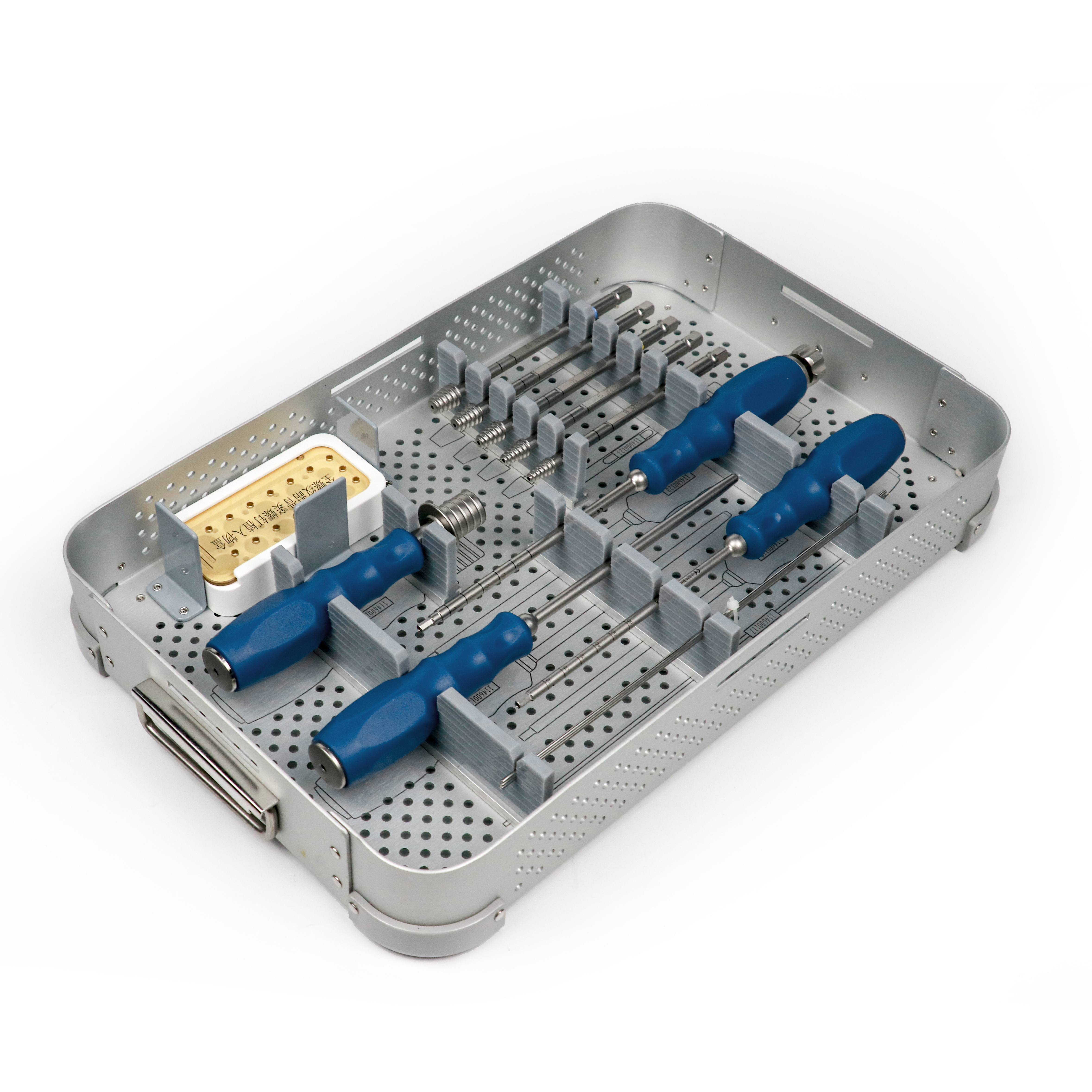
CANWELL Titanium Sinus Tarsal Locking Screw Implant (2.4/2.7mm)
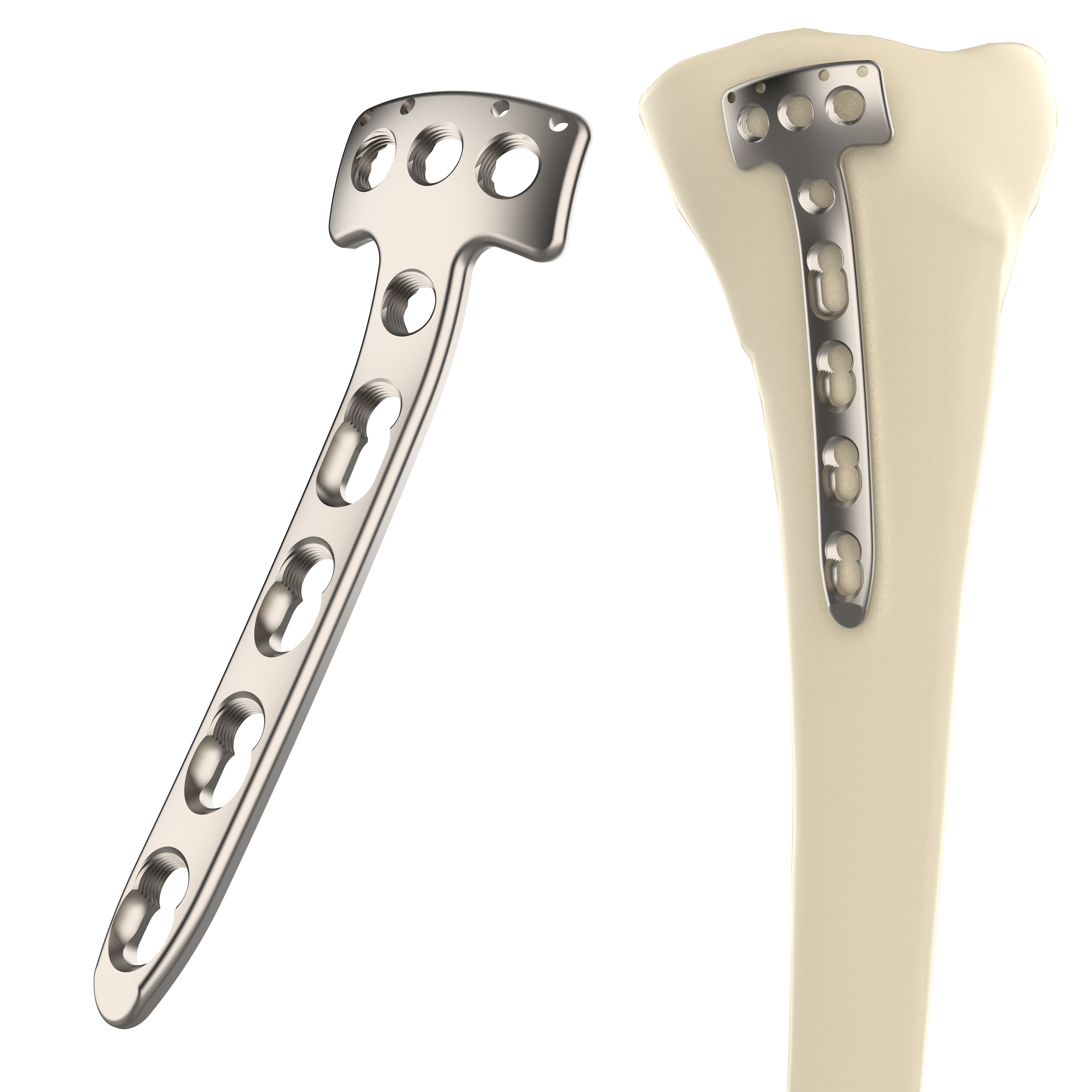
CANWELL Titanium Proximal Middle Tibial Locking Plate ORIF System
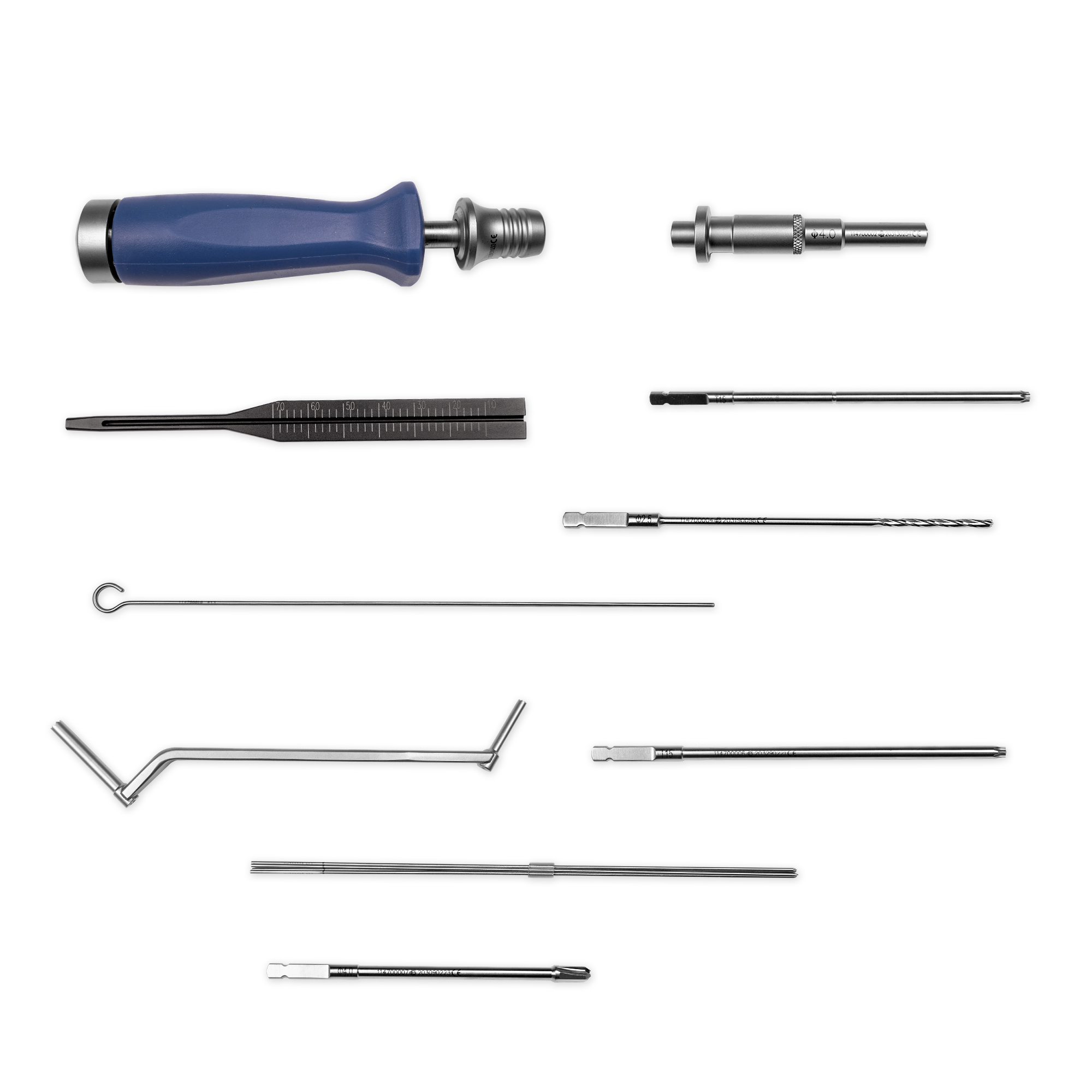
CANWELL Torque Limiter Quick Coupling Handle Instrument Set
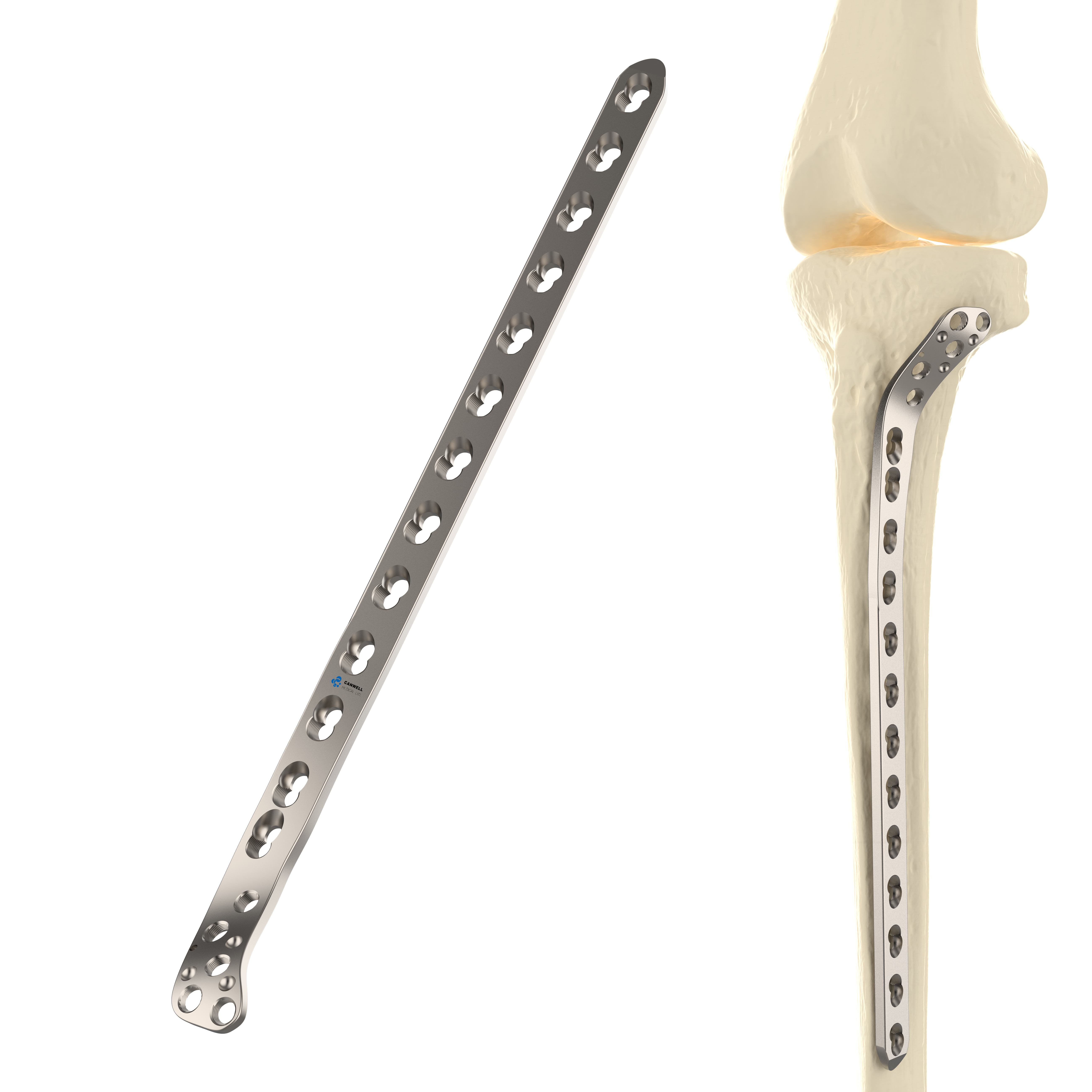
CANWELL Proximal Lateral Tibial Locking Plate (5.0mm Screw)
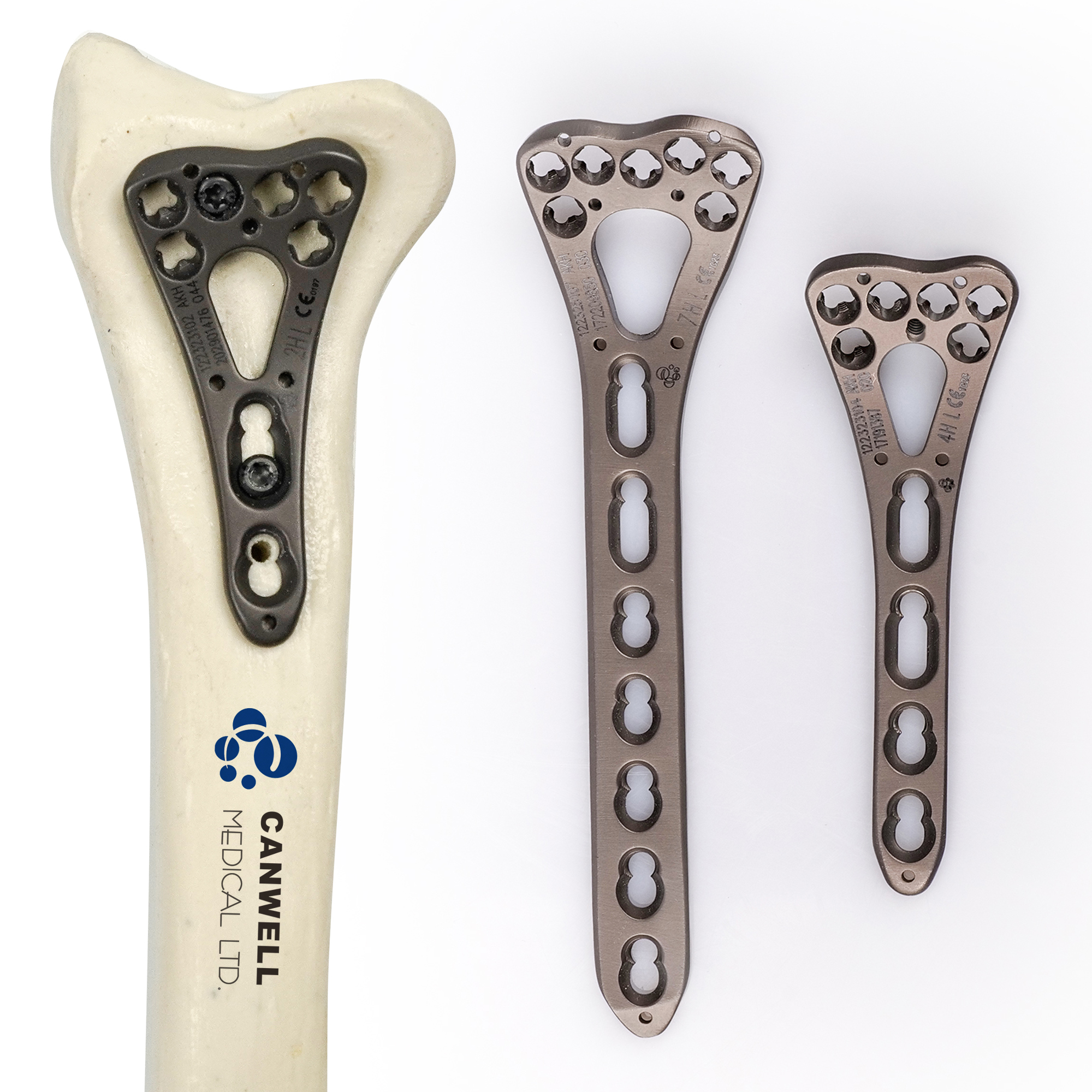
CANWELL 2.4/2.7mm VA Titanium Distal Palmar Radius Volar Locking Plate
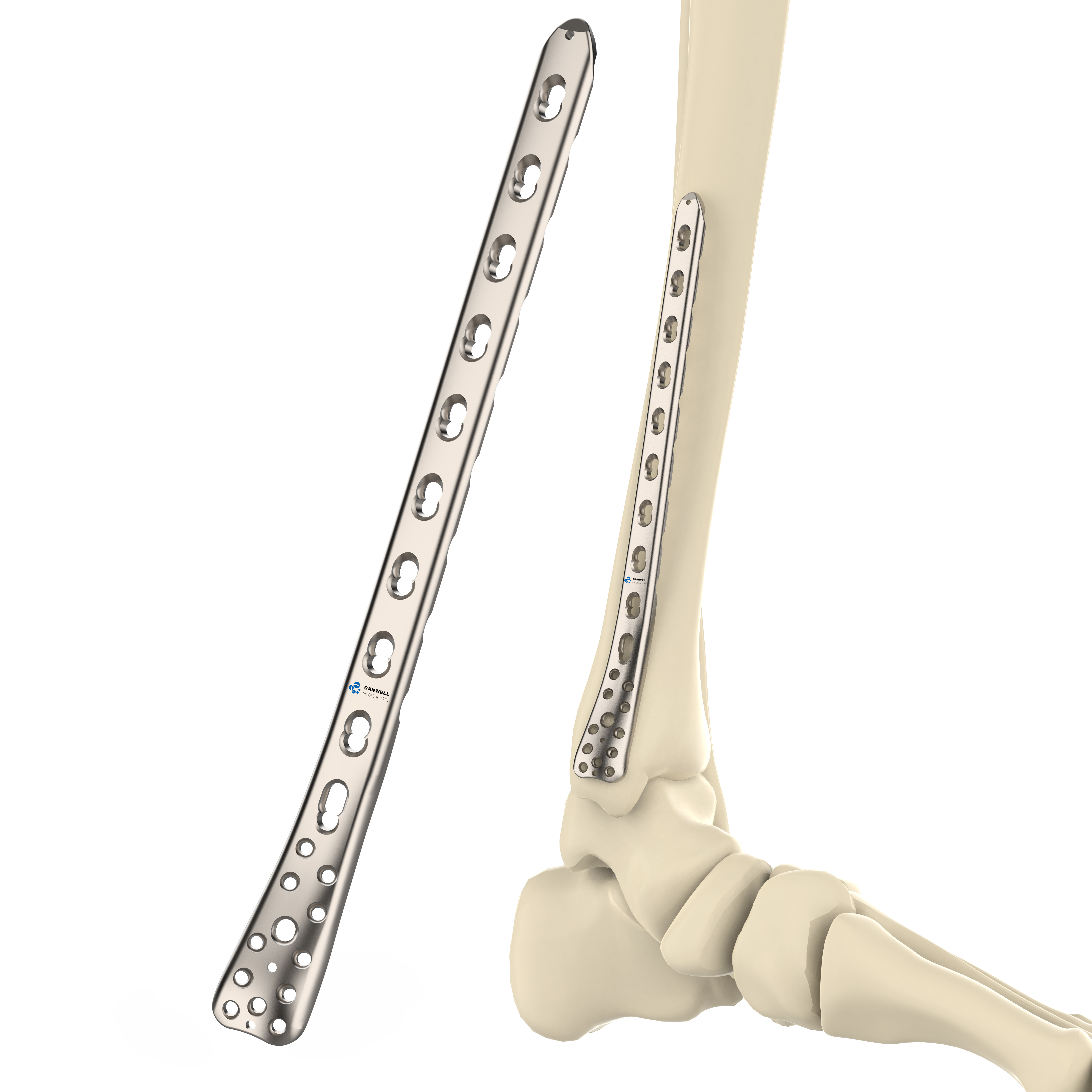
CANWELL Distal Tibial Metaphyseal Compression Locking Plate System
Why Global Health Procurement Groups Partner with Us
Operating from our 29,523 m² modern manufacturing hub in Zhejiang, INAR Medical & CANWELL integrate precision Swiss-type CNC machining, ISO Class 7 cleanroom packaging, and comprehensive regulatory clearance.
EU MDR & CE Certification
All compression screw systems, trauma plates, and intramedullary nails strictly comply with EU Medical Device Regulation (MDR 2017/745) and Directive 93/42/EEC, complete with Full Quality Assurance System certification.
Precision Metallurgy (Ti-6Al-4V ELI)
Forged from ultra-pure Titanium Alloy (ASTM F136 / ISO 5832-3) and Implant-grade Stainless Steel (316LVM / ASTM F138), delivering superior tensile yield strength and dynamic fatigue resistance under cyclic biomechanical load.
OEM/ODM Custom Engineering
Full-suite white-label solutions, including custom pitch differential geometry, specialized anodizing color coding, laser marking, and pre-sterilized double-blister aseptic packaging for regional distributor brands.
Biomechanical Mechanics of Headless Cannulated Compression Screws
An authoritative technical analysis for orthopedic surgeons, biomedical engineers, and hospital procurement committees.
Interfragmentary Compression Kinetics & Pitch Differential Design
In modern trauma and extremity reconstructive surgery, rigid osteosynthesis relies heavily on the clinical application of Headless Cannulated Compression Screws (HCCS). Unlike traditional headed bone screws that generate compression via the countersinking of a screw head against the outer cortex, headless compression screws achieve controlled axial loading entirely within the bone envelope through differential thread pitch design.
The primary biomechanical formula governing interfragmentary compression in a variable-pitch bi-threaded headless screw is dictated by the mathematical variance between the leading (distal) thread pitch and trailing (proximal) thread pitch:
When the distal thread engages the far osteotomy fragment, its wider thread pitch advances the screw faster into the distal cancellous bone per revolution than the fine proximal thread advances through the near cortex. As a result, each 360-degree rotation draws the distal bone fragment toward the proximal fragment, generating predictable, uniform interfragmentary compression across the fracture gap without leaving hardware prominence in soft tissue or articular cartilage zones.
Metallurgical Integrity & Surface Passivation
Our primary implant portfolio utilizes medical-grade Ti-6Al-4V ELI (Extra Low Interstitial, ASTM F136) titanium alloy. The ELI grade limits interstitials such as oxygen, nitrogen, and iron, yielding superior fracture toughness and high cyclic endurance compared to standard Grade 5 titanium. To prevent fretting corrosion and tissue adhesion, all titanium screws undergo Type II Electrochemical Anodization, forming an inert, dense titanium oxide passivation layer (TiO2) that enhances biocompatibility and osseous integration.
- Cannulation Center-Bore Accuracy: Drilled via high-precision gun-drilling lathes maintaining concentricity tolerances within ±0.01mm, preventing guide-wire binding or axial deviation during intraoperative insertion.
- Torque Drive Geometry: Hexalobular (Torx) recessed drive mechanisms distribute driver torque evenly across six contact lobes, significantly minimizing driver cam-out and stripping risks during dense cortical insertion.
- Reverse-Cutting Flutes: Self-tapping self-clearing flutes at both distal and proximal tips reduce insertion torque and facilitate straightforward, minimally invasive removal if required post-healing.
Clinical Indications Across Anatomical Regions
Headless cannulated compression screws are specifically indicated for articular and intra-articular fractures where countersunk hardware is mandatory to avoid soft tissue impinement or cartilage damage:
Hand & Wrist Surgery
Scaphoid waist nonunions, intra-articular distal radius fracture fragments, metacarpal head fractures, and carpometacarpal (CMC) arthrodesis.
Foot & Ankle Reconstruction
Chevron/Lapidus bunionectomies, distal hallux valgus osteotomies, talonavicular fusion, calcaneonavicular cohesion, and Lisfranc joint fixations.
Elbow & Shoulder Trauma
Radial head osteochondral fractures, capitellum fracture osteosynthesis, and coracoid graft fixation in Bristow-Latarjet procedures.
Pediatric & Knee Trauma
Osteochondritis dissecans (OCD) lesion reattachment, femoral condyle fractures, and intercondylar eminence avulsions.
Implant Technical Matrix
Summary of engineering dimensions for cannulated compression screw series:
Quality Control Workflow
Every batch produced in our Zhejiang facility undergoes a mandatory 13-stage manufacturing validation protocol:
- Spectrometric Raw Material Bar Stock Verification
- Swiss CNC Precision Longitudinal Lathe Turning
- High-Speed Deep Hole Gun Drilling (Cannulation)
- Ultrasonic Cleaning & Degreasing Stage I
- Precision Thread Grinding & Deburring
- Dye Penetrant Non-Destructive Testing (NDT)
- Anodization Color Coding & Oxide Layer Thickness Test
- Ultrasonic Cleaning Stage II (Pyrogen-free)
- 100% Optical CMM Dimensional Inspection
- Mechanical Fatigue & Torque-to-Failure Testing
- ISO Class 7 Cleanroom Double-Blister Aseptic Seal
- EO/Gamma Sterilization Validation
- Outgoing Quality Control (OQC) Batch Release
Comparison Matrix: Compression Screws vs Standard Orthopedic Screws
To assist hospital procurement boards and clinical evaluators, the table below highlights the mechanical, operational, and clinical differences between screw designs:
| Implant Screw Type | Compression Mechanism | Soft Tissue Profile | Primary Clinical Indication | Biomechanical Advantage |
|---|---|---|---|---|
| Headless Cannulated Compression Screw (HCCS) | Differential Thread Pitch (Proximal vs. Distal) | Fully Embedded / Zero Prominence | Scaphoid waist, Intra-articular fusions, Osteotomies | Preserves articular cartilage; permits early post-op motion; eliminates hardware pain. |
| Standard Cannulated Cortical Screw | Screw Head Lagging against Outer Cortical Wall | Headed Prominence outside Bone Surface | Femoral neck fractures, Tibial plateau compression | High initial lag-screw force in thick cortical bone, but requires removal if soft tissue irritates. |
| Partially Threaded Cancellous Screw | Smooth Shaft Gliding with Thread Engagement in Far Fragment | Headed Prominence | Metophyseal fractures, Calcaneal trauma | Simple insertion technique; strong pullout strength in porous cancellous bone structures. |
| Variable Pitch Bioabsorbable Screw (PLGA) | Differential Pitch with Progressive Polymer Degradation | Absorbed within 12–24 months | ACL/PCL ligament reconstruction, Arthroscopic fixation | Negates secondary removal procedures; zero interference with future MRI artifact imaging. |
Future Trends in Orthopedic Compression Screw Manufacturing
Navigating the next 5–10 years: Bioresorbable polymers, 3D-printed porous structures, smart implants, and changing regulatory mandates for global distributors.
1. Shift to Bioabsorbable & Magnesium Alloys
While Titanium Ti-6Al-4V remains the benchmark for heavy weight-bearing zones, sports medicine and small-bone osteotomies are rapidly transitioning toward PLGA (Poly(lactic-co-glycolic acid)) and bio-absorbable Magnesium-Zinc-Calcium alloys. These materials maintain mechanical integrity during critical bone healing (6–12 weeks) before safely degrading into natural body metabolites, ending hardware removal surgeries.
2. 3D-Printed Trabecular Thread Profiles
Additive Manufacturing (SLM/EBM 3D printing) enables the creation of compression screws with solid structural cores surrounded by porous trabecular titanium surfaces (50–70% porosity, 300–500µm pore size). This macro-porous architecture accelerates osteoblast migration and direct bone-ingrowth, drastically increasing long-term pullout strength in osteoporotic bone.
3. Stringent Global Compliance (MDR & UDI)
Global health authorities are enforcing strict Unique Device Identification (UDI) laser coding and post-market clinical follow-up (PMCF) under EU MDR 2017/745. Importers must align with fully verified primary manufacturers capable of providing complete Technical Documentation Files (TDF), biocompatibility dossiers (ISO 10993), and full batch traceability from raw ingot to sterile field.
Frequently Asked Questions (FAQ)
Key technical inquiries from medical device distributors, hospital purchasing managers, and OEM partners.
Partner with a Certified Compression Screws Manufacturer
Whether you require standard factory stock, tender bidding compliance files, or custom OEM compression screw development, our senior biomedical engineering team is prepared to assist you.