Featured Surgical Implants & Instrument Systems
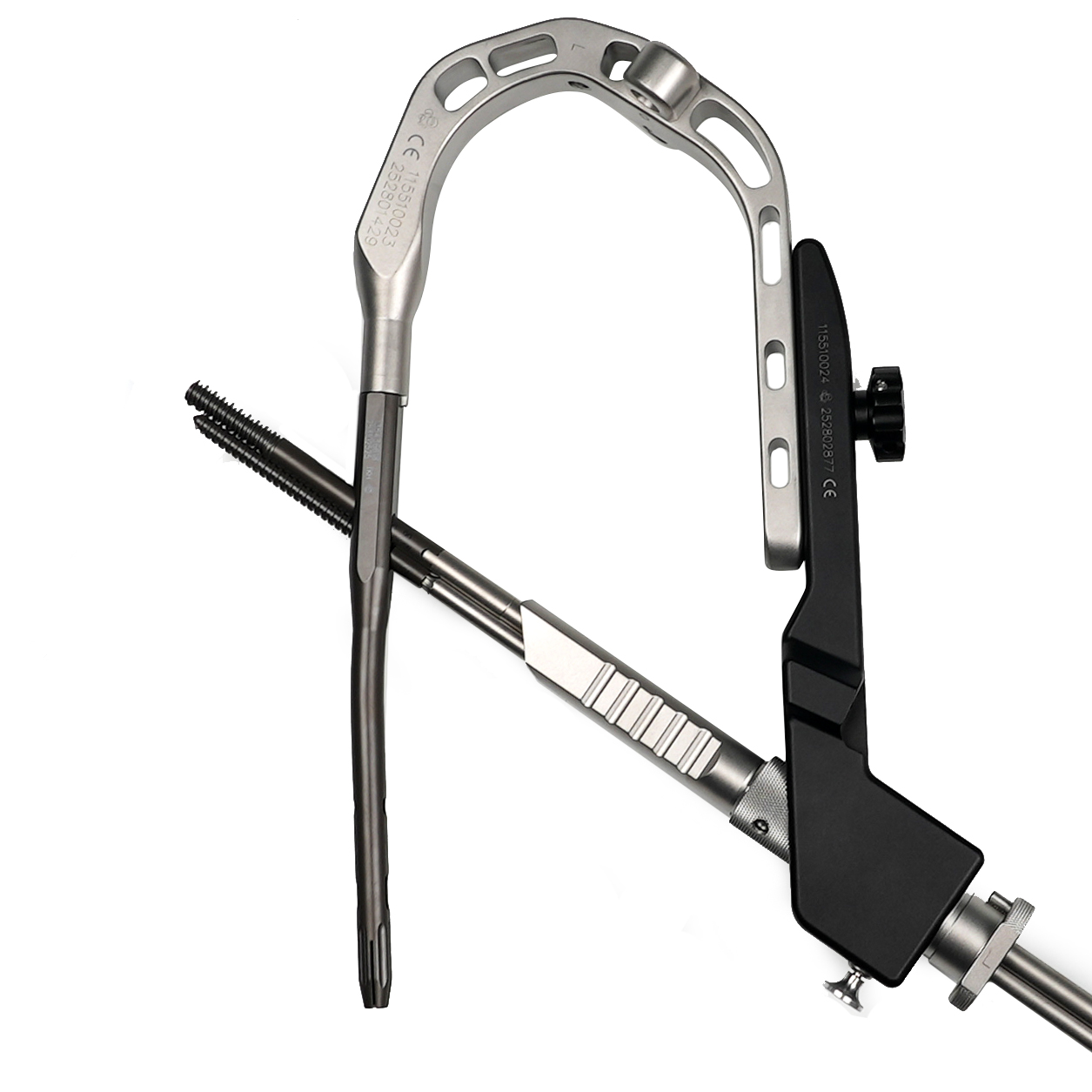
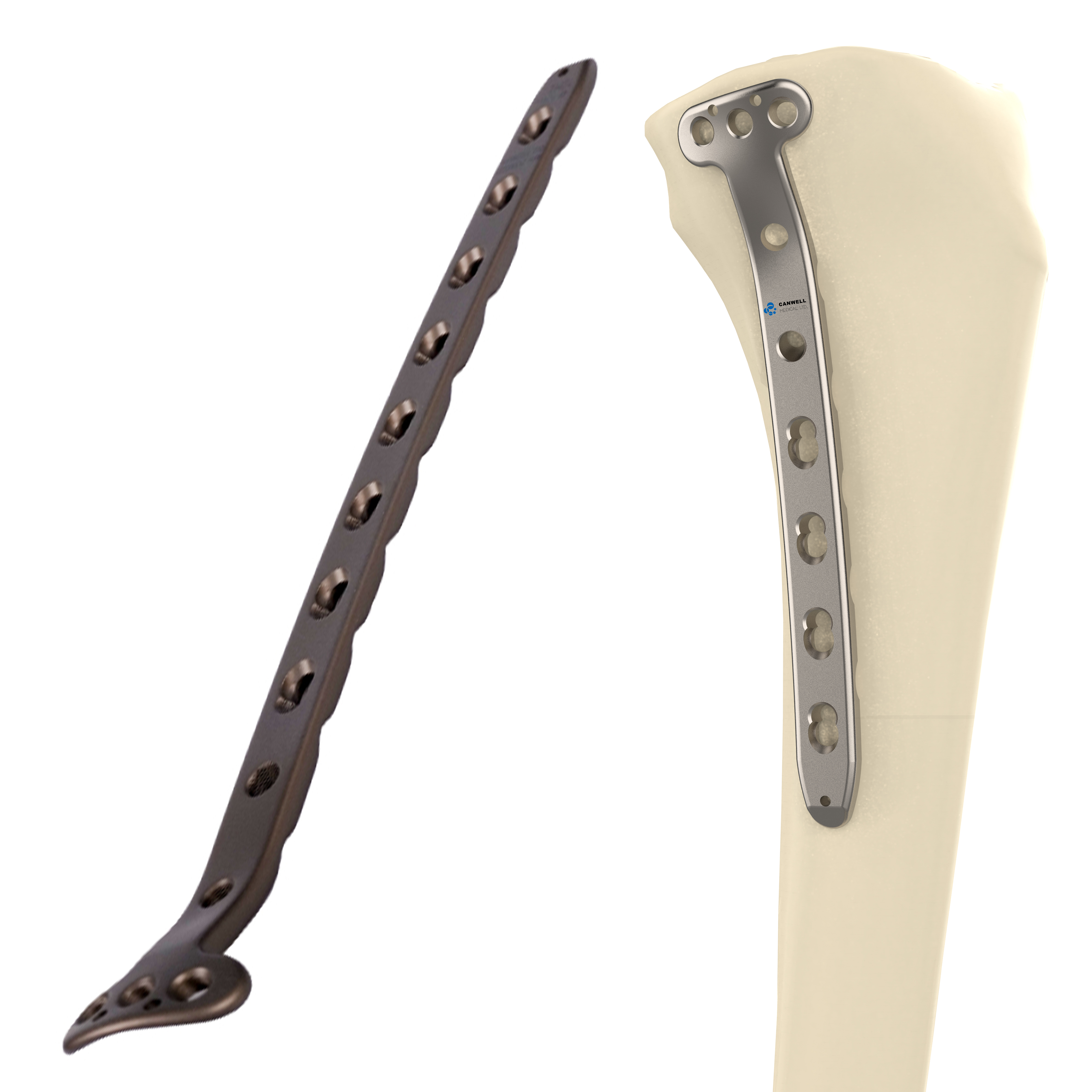
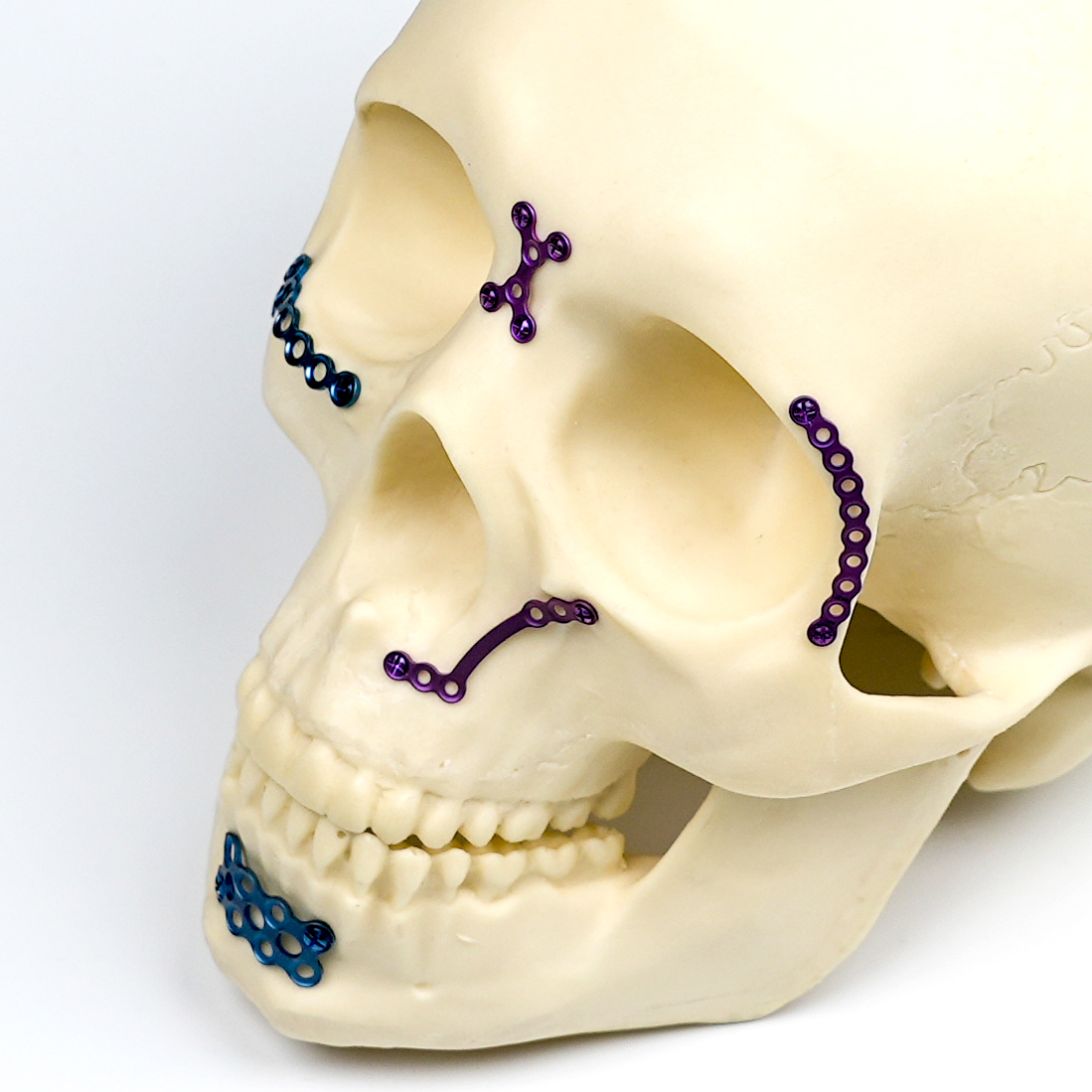
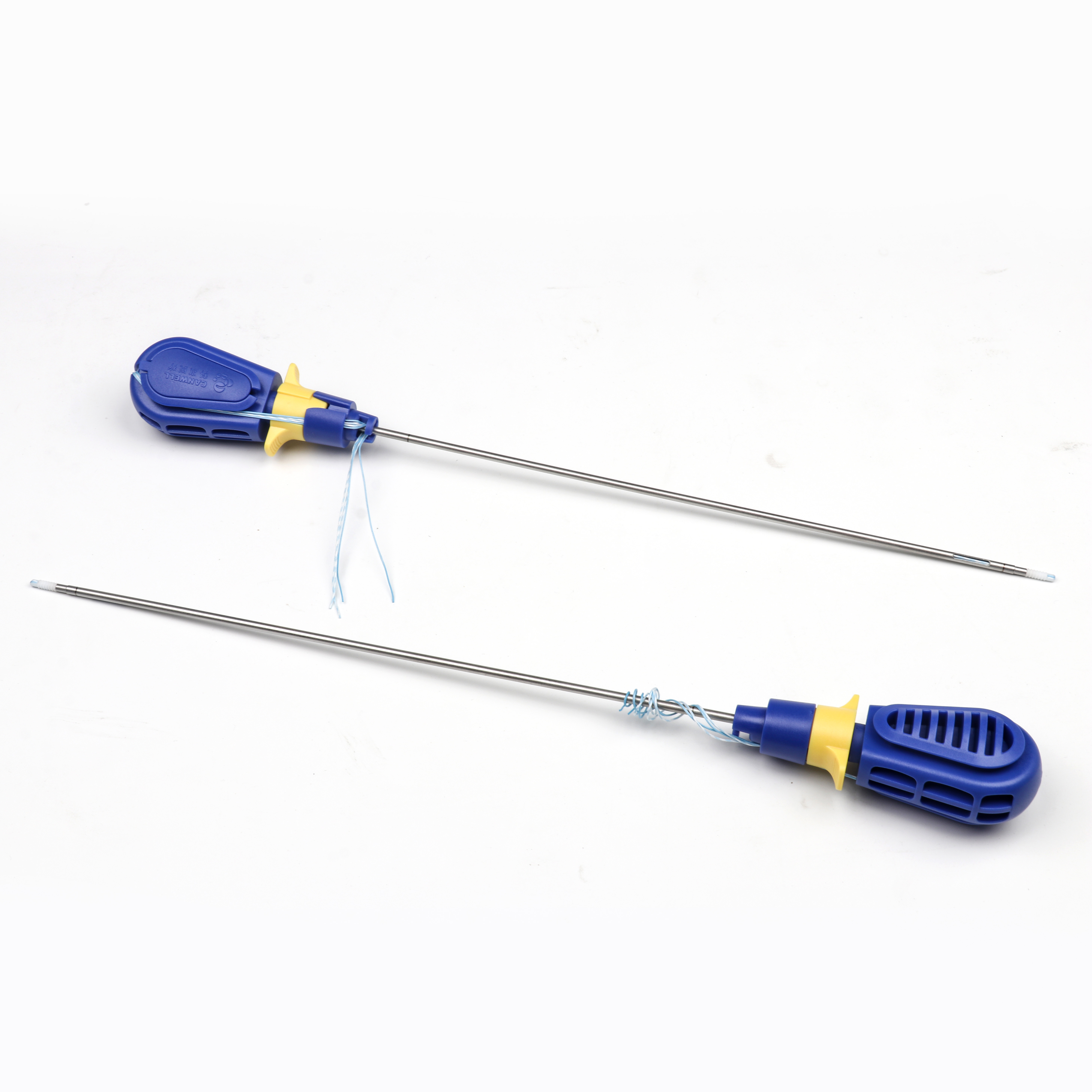
Explore our CE-certified trauma plates, interlocking intramedullary nails, arthroscopy fixations, and spinal stabilization systems engineered for clinical accuracy.
Biomechanical Engineering of Monoaxial Pedicle Screw Systems
In modern spinal instrumentation, the monoaxial pedicle screw remains the gold standard for rigid posterior fixation, particularly in complex deformity corrections, thoracolumbar fractures, and spondylolisthesis cases where absolute sagittal alignment and rigid rotational stability are non-negotiable. Unlike polyaxial pedicle screws, which introduce a spherical head articulation that allows multi-directional motion prior to set-screw tightening, monoaxial pedicle screws establish a fixed, perpendicular relationship between the screw head tulip and the threaded shank body.
This structural rigidity directs corrective force vectors straight through the pedicle axis into the vertebral body. For surgical procedures addressing severe idiopathic scoliosis, kyphotic deformities, and traumatic vertebral collapse, monoaxial architecture provides unmatched lever-arm power during derotation and translational maneuvers. When a spinal surgeon applies corrective force via the longitudinal rod, the rigid monoaxial junction guarantees zero torque dissipation at the screw-head interface, ensuring predictable anatomical reduction and immediate construct stiffness.
Rigid Lever-Arm Mechanics
Direct transference of derotation torque without motion play at the screw head, critical for scoliosis axial correction.
Pull-Out Resistance
Optimized buttress thread profile designed to maximize interface stress distribution in cancellous pedicular bone.
Low-Profile Tulip Geometry
Engineered to minimize soft tissue impingement while maintaining anatomical contouring flexibility.
From a metallurgical perspective, our factory utilizes high-grade Ti-6Al-4V ELI (Extra Low Interstitial, ASTM F136) titanium alloy. This material selection delivers an optimal combination of high fatigue strength, bio-compatibility, and reduced magnetic susceptibility for postoperative MRI imaging contrast clarity. By controlling interstitial oxygen and nitrogen levels during vacuum arc remelting (VAR), the titanium stock exhibits superior elongation and fracture toughness, effectively resisting micro-fretting corrosion under high cyclic fatigue loading.
Technical Specifications & Architectural Comparison
To assist hospital procurement teams, regulatory officers, and orthopedic importers in selecting the exact pedicle screw geometry for regional tenders, the table below provides a comprehensive engineering comparison between standard Monoaxial, Polyaxial, and Cannulated Monoaxial Pedicle Screws manufactured at our facility.
| Design Metric | Standard Monoaxial Pedicle Screw | Polyaxial Pedicle Screw | Cannulated Monoaxial Screw (MIS) |
|---|---|---|---|
| Primary Indication | Deformity correction, Trauma, Spondylolisthesis | Degenerative lumbar spine, Multi-level fusion | Minimally Invasive Surgery (MIS), Percutaneous |
| Head Angular Motion | Fixed 0° Rigid Junction | Omni-directional ±22° to ±28° | Fixed 0° Rigid Junction with Inner Lumen |
| Torque Transmission | 100% Direct Transverse/Sagittal Force | Dampened by Spherical Head Joint | 100% Direct Vector via K-Wire Guidance |
| Material Grade | Ti-6Al-4V ELI (ASTM F136) / ISO 5832-3 | Ti-6Al-4V ELI (ASTM F136) | Ti-6Al-4V ELI (ASTM F136) |
| Thread Profile | Dual-Core / Variable Pitch Cancellous Thread | Dual-Thread / Standard Pitch | Self-Tapping Cannulated Dual-Lead Thread |
| Fatigue Limit (ASTM F1717) | Exceeds 5.0 Million Cycles at 350N Load | Exceeds 5.0 Million Cycles at 280N Load | Exceeds 5.0 Million Cycles at 320N Load |
| Available Diameters | 4.5mm, 5.5mm, 6.5mm, 7.5mm, 8.5mm | 4.5mm, 5.5mm, 6.5mm, 7.5mm | 5.5mm, 6.5mm, 7.5mm |
Our engineering division employs Swiss-type 5-axis CNC machining centers capable of micron-level tolerances (±0.005mm). The set-screw internal drive features a specialized Torx / Star Drive configuration. This prevents driver cam-out and stripping during high-torque final tightening (typically calibrated to 10-12 Nm via calibrated torque limiters), guaranteeing a locked construct that completely eliminates set-screw back-out over long-term mechanical strain.
Why Partner with Zhejiang INAR Medical Co., Ltd.
Backed by over two decades of precision orthopedic manufacturing, our 29,523 m² facility delivers turnkey solutions for medical device brands, OEM buyers, and regional hospital distributors.
SGS-Verified & CE Certified
Our production facilities have undergone complete onsite supplier assessment by SGS Group. Product lines hold verified CE marking under EU MDR and 93/42/EEC directives.
End-to-End In-House Production
From raw titanium stock longitudinal cutting to 5-axis CNC machining, ultrasonic washing, anodizing color-coding, and aseptic packing—100% of critical processes remain in-factory.
13-Step Quality Assurance Cycle
Every implant lot passes penetrant testing for surface micro-fissures, optical coordinate measuring machine (CMM) dimensional checks, fatigue endurance testing, and final OQC inspection.
Flexible OEM & ODM Customization
Full private-label customization including custom thread pitches, personalized laser marking, color-coded anodized finishes, and customized surgical instrument tray kits.
Global Procurement Trends in Spinal Internal Fixation (2025–2030)
The international landscape for spinal surgery devices is undergoing a structural paradigm shift driven by stringent regulatory compliance mandates, cost-containment pressure from healthcare payers, and supply chain consolidation. Key purchasing managers and medical device importers must navigate several critical market forces when structuring long-term supplier agreements:
1. EU MDR Regulatory Bottlenecks & Certified Alternative Sourcing: The transition from the MDD (93/42/EEC) to the European Union Medical Device Regulation (EU MDR 2017/745) has created unprecedented supply delays and registration backlogs among European legacy manufacturers. Healthcare procurement groups in Latin America, Southeast Asia, and the Middle East are increasingly turning to certified high-precision manufacturers in Asia who hold active CE certifications, transparent technical documentation (Technical Documentation Files & Clinical Evaluation Reports), and audited ISO 13485 quality management systems to guarantee uninterrupted supply chains.
2. Standardized Instrument Kit Modularity: Hospital operating rooms are demanding consolidated, color-coded surgical instrument sets that minimize sterilization tray volume and streamline nurse turnover times. Modern monoaxial pedicle screw systems are now bundled with universal rod pushers, quick-connect T-handle screwdrivers, counter-torque wrenches, and self-holding tap sleeves designed for both open posterior approaches and mini-open procedures.
3. Rise of Pre-Sterile Single-Pack Packaging: While reusable bulk tray shipments historically dominated the market, hospital purchasing committees are accelerating the adoption of individually packaged, gamma-sterilized pedicle screws. Single-pack sterile barrier packaging reduces hospital autoclave utility costs, eliminates cross-contamination liability, and provides full barcode traceability directly into patient Electronic Health Records (EHR).
Emerging Innovations & Next-Generation Development Trends
Looking toward the future of spinal reconstruction, manufacturing engineering is expanding beyond static implant mechanics into bio-active integration, robotic surgical navigation compatibility, and radiolucent hybrid materials:
Bio-Active Hydroxyapatite (HA) Coatings
Plasma-sprayed HA crystalline surface coatings on pedicle screw threads accelerate early osteointegration in osteoporotic bone, substantially decreasing post-surgical screw loosening rates.
Robotic & Optical Navigation Readiness
Pedicle screws integrated with high-precision optical tracking arrays and standardized driver registration geometries enable sub-millimeter placement accuracy under AI-driven surgical robotics.
Additive 3D Porous Titanium Structures
Direct Metal Laser Sintering (DMLS) allows for pedicle screws engineered with solid load-bearing inner cores and outer 3D porous lattice layers that mimic native trabecular bone architecture.
As a leading orthopedic manufacturer, Zhejiang INAR Medical Co., Ltd. actively invests in advanced surface functionalization technologies and automated optical inspection systems to ensure that our distributor partners remain at the absolute forefront of spinal implant technology.
Frequently Asked Questions for B2B Importers
Direct answers to technical, regulatory, and logistics queries frequently raised by medical device buyers and procurement managers.
Which regulatory certifications back your monoaxial pedicle screw systems?
What titanium grade is used for monoaxial pedicle screw production?
Do you offer OEM private-label production and custom instrument tray design?
How does your quality lab validate mechanical implant safety?
What are the minimum order quantities (MOQ) and sample lead times?
How can global buyers verify your factory credentials and audit production lines?
Request Complete Product Catalogs & Technical Dossiers
Partner with an SGS-verified orthopedic manufacturer. Download our complete product catalog, surgical technique guides, and regulatory compliance documents today.