Featured CE Marked Orthopedic Implants
Full-traceability titanium and PEEK implants designed for ORIF procedures, long-bone fracture repair, and complex joint reconstruction.
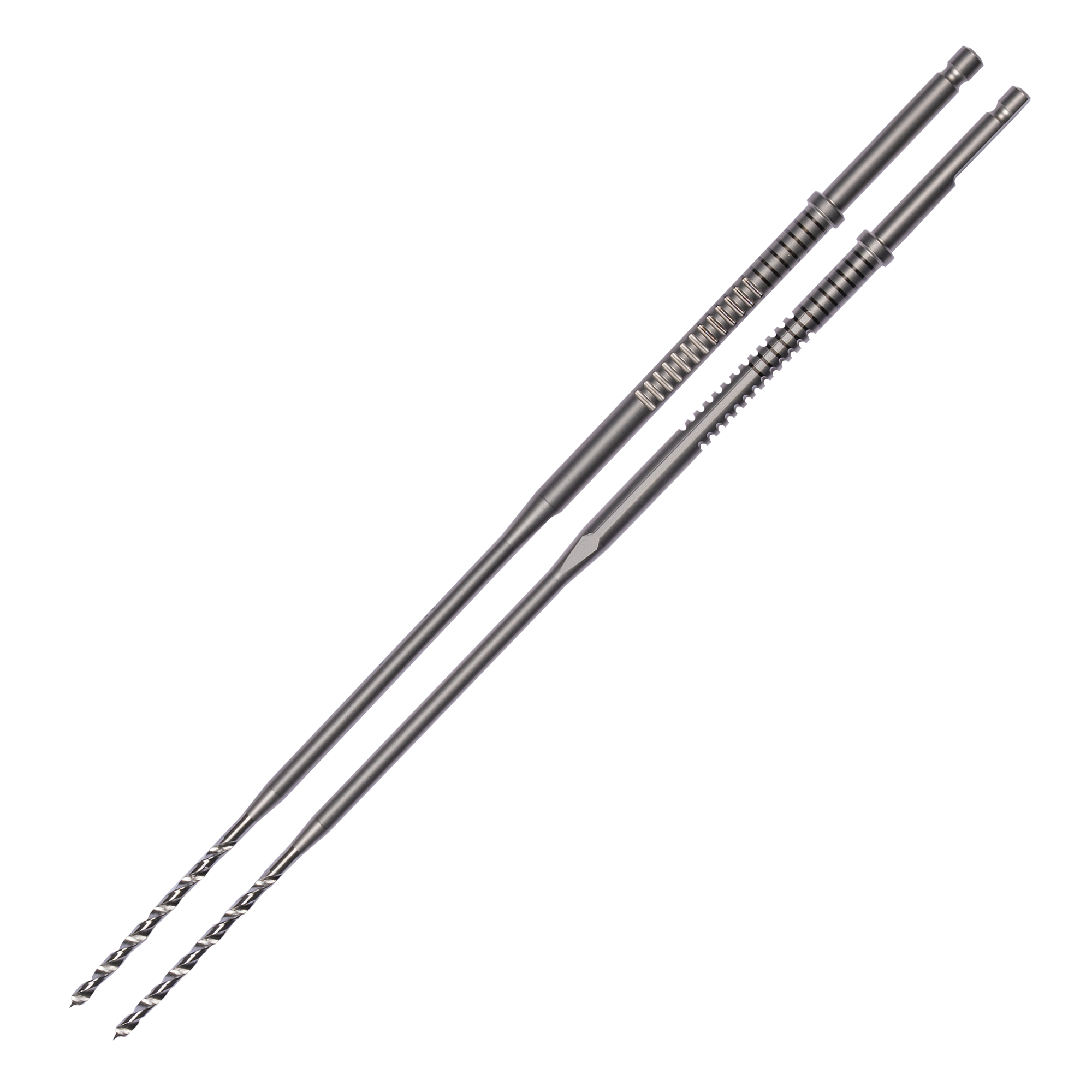
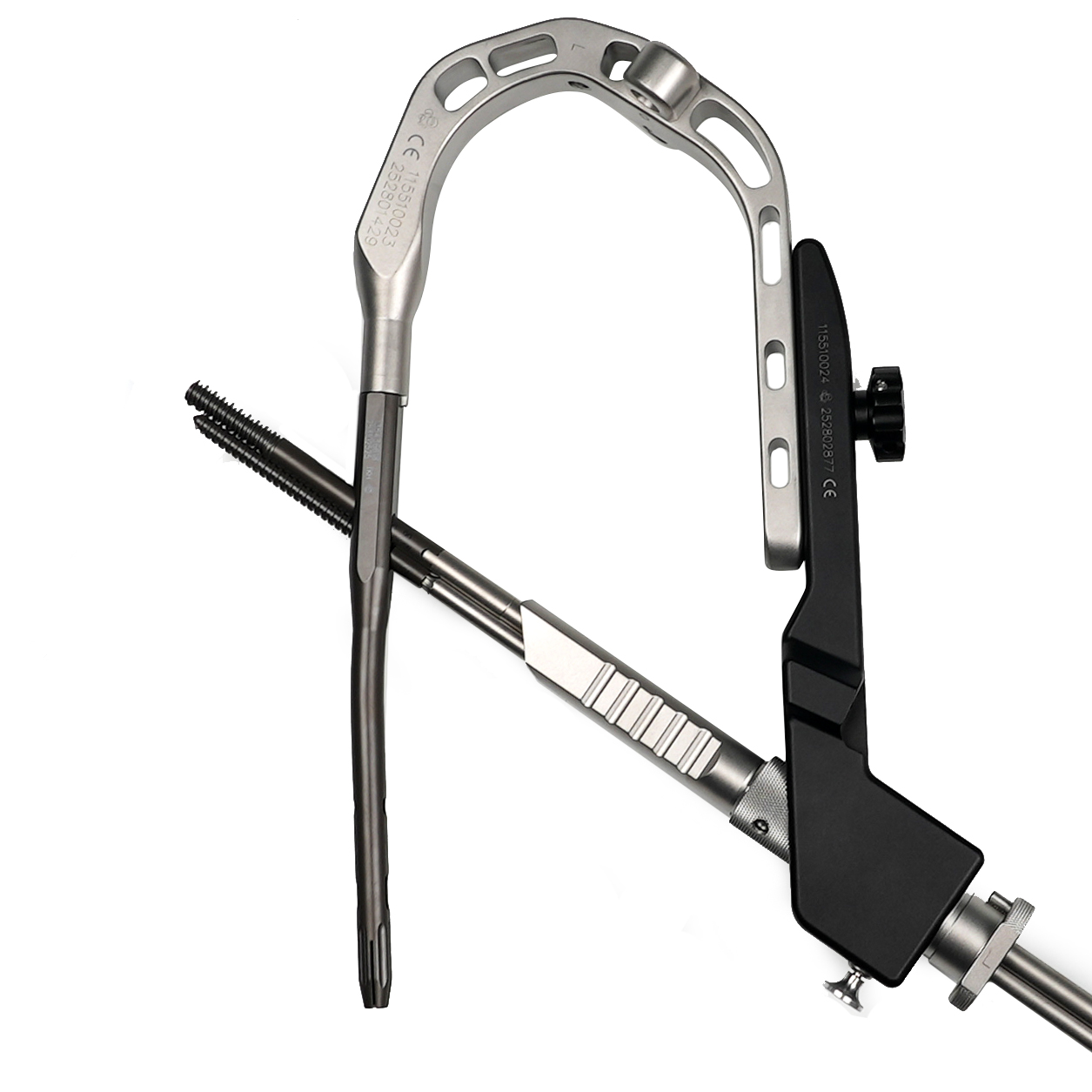
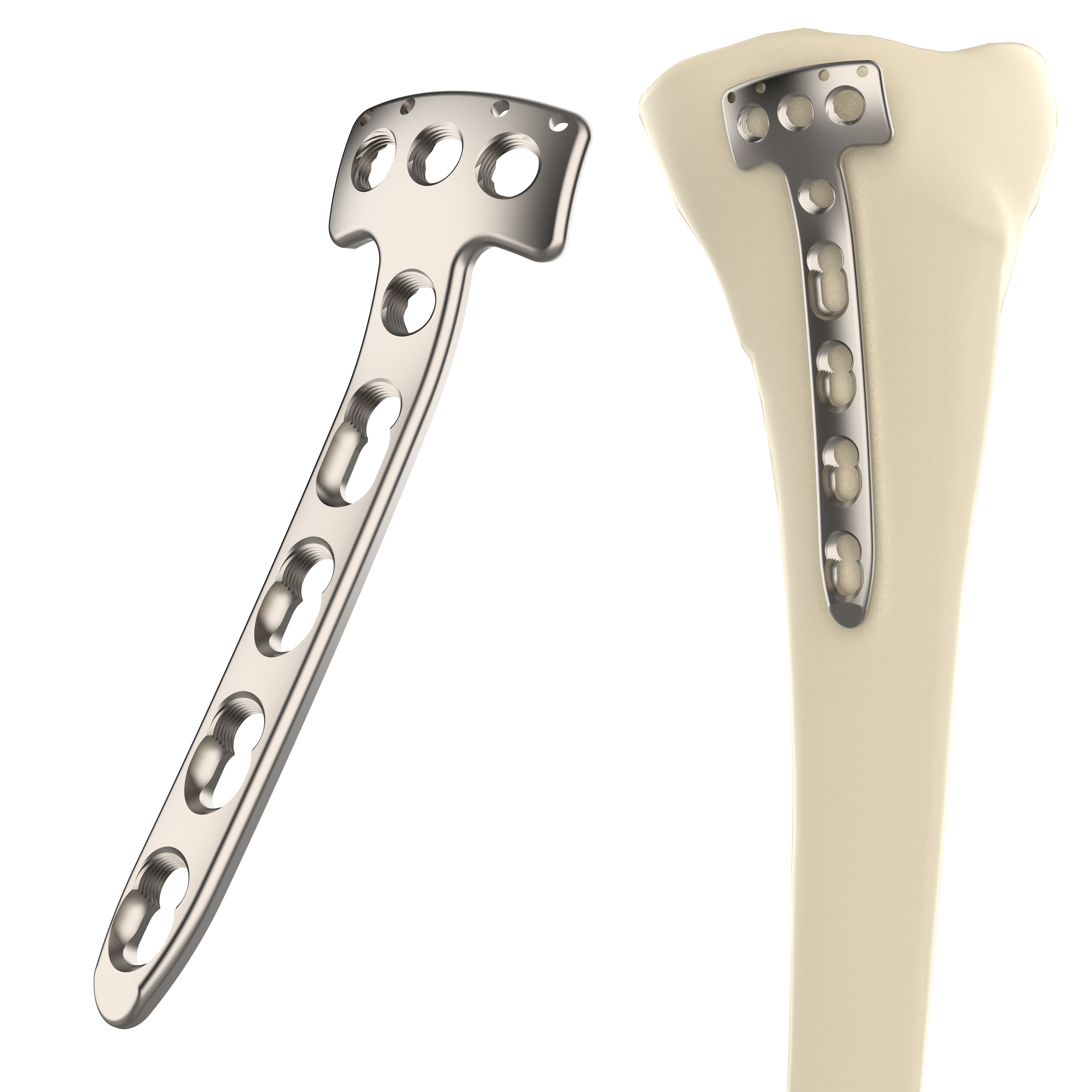
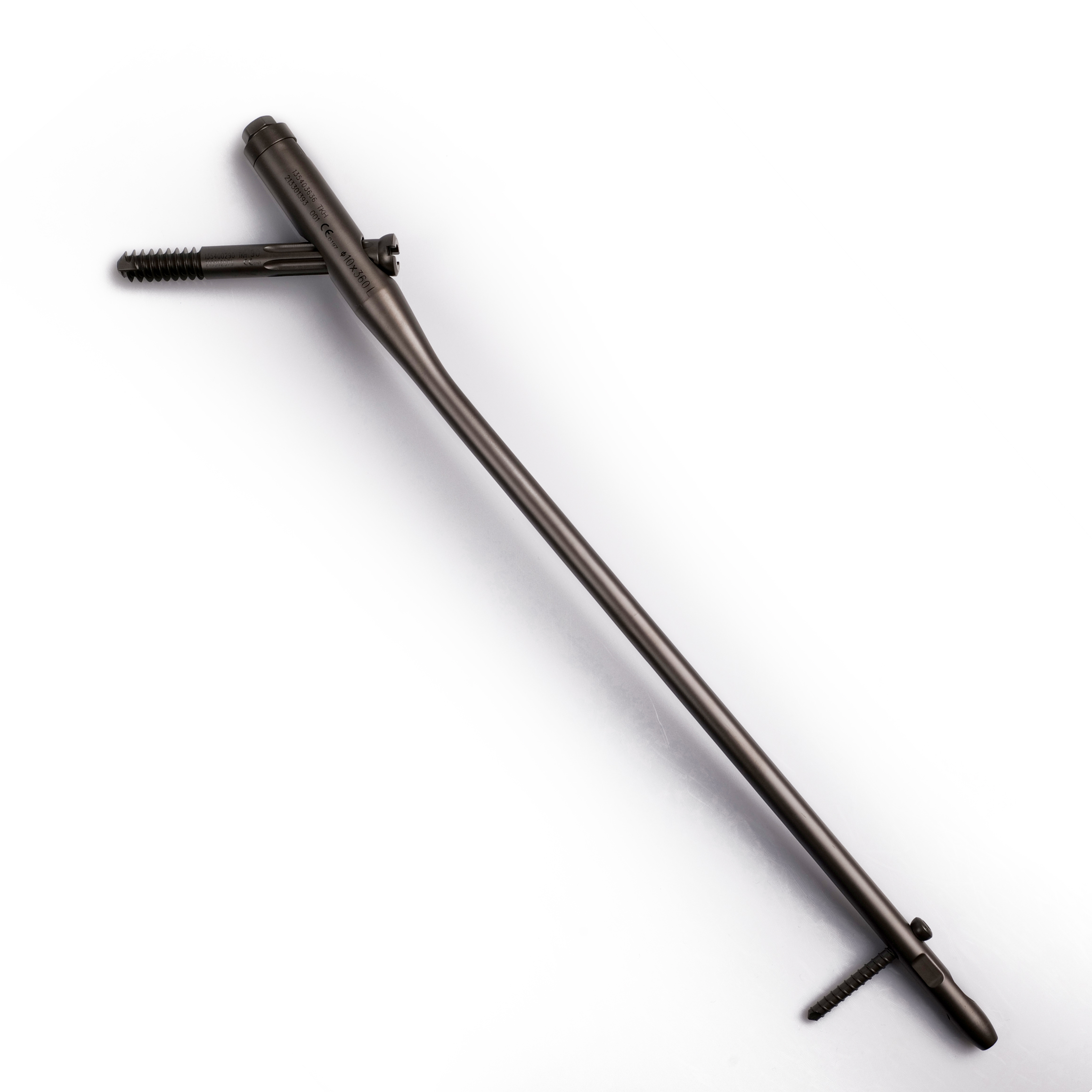
Global Regulatory Standards & Metallurgical Integrity in Orthopedic Manufacturing
In the highly regulated landscape of modern surgical device manufacturing, obtaining and maintaining CE Certification under the EU Medical Device Regulation (MDR 2017/745) and the traditional Medical Device Directive (MDD 93/42/EEC) represents the gold standard for clinical safety, biocompatibility, and biomechanical endurance. For global orthopedic distributors, hospital procurement committees, and contract brand owners, sourcing certified medical devices from accredited manufacturers is paramount to eliminating regulatory liability and ensuring zero intraoperative failure rates.
1. Metallurgy & Material Science Standards
Modern orthopedic devices demand rigorous metallurgical selection. Our manufacturing facilities utilize exclusively implant-grade materials verified by independent lab spectro-analysis:
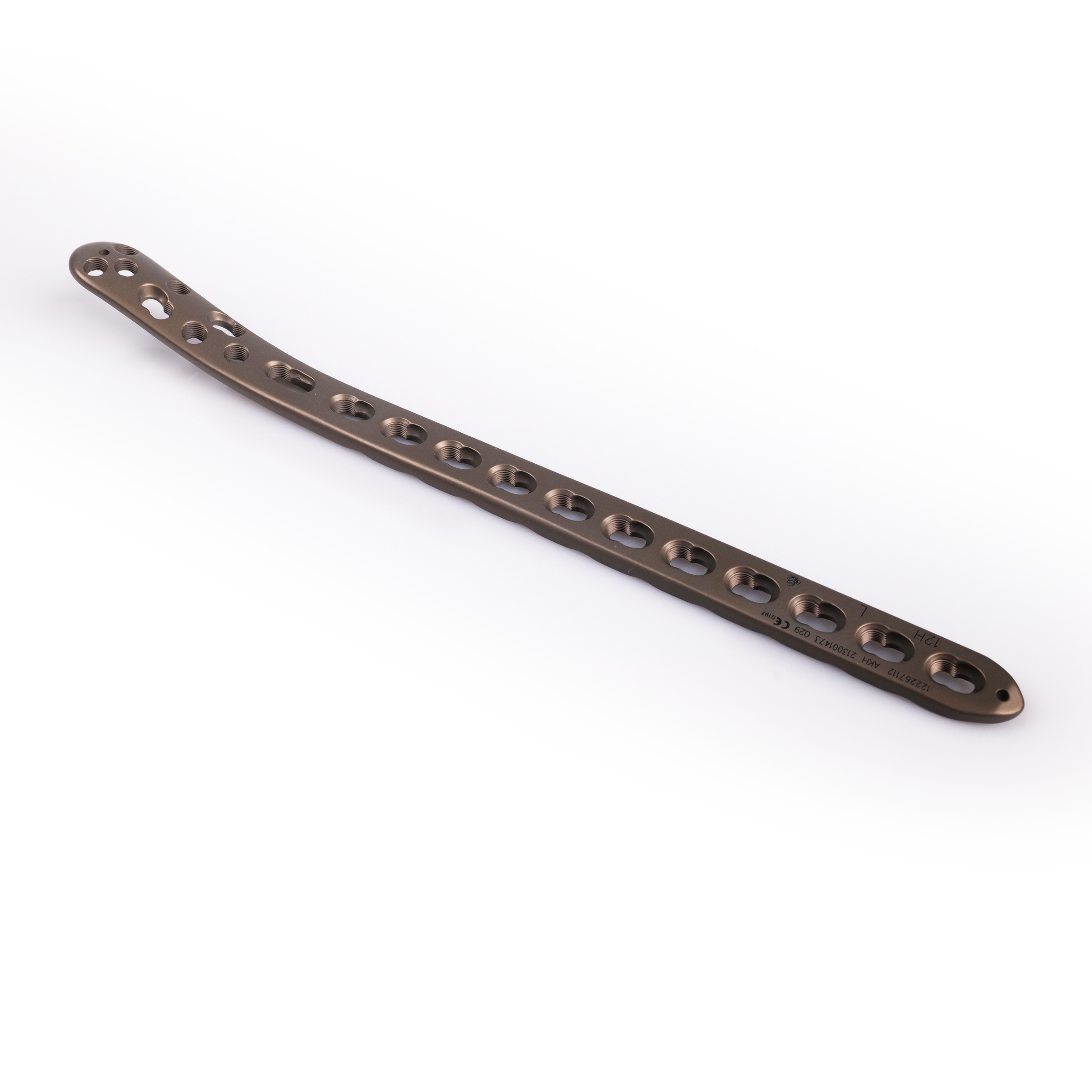
- Titanium Alloy (Ti-6Al-4V ELI / ASTM F136): Offers optimal elastic modulus closer to human cortical bone, reducing stress shielding while maximizing tensile yield strength (>860 MPa). Perfect for trauma locking compression plates and intramedullary nails.
- PEEK-OPTIMA® (Polyetheretherketone): Radiolucent polymer engineered for interbody spinal fusion cages. Provides radiolucency under X-ray/CT for post-operative fusion assessment without artefact distortion.
- PLGA (Poly-L-lactide-co-glycolide): Bioabsorbable polymer matrix engineered for ACL/PCL interference screws, absorbed predictably by body tissue within 18–24 months without dynamic osteolysis.
- Ultra-High Molecular Weight Polyethylene (UHMWPE): Employed in double-arm meniscus suture needles and soft-tissue anchor constructions for supreme abrasion resistance and tensile durability.
2. Biomechanical Fixation Engineering
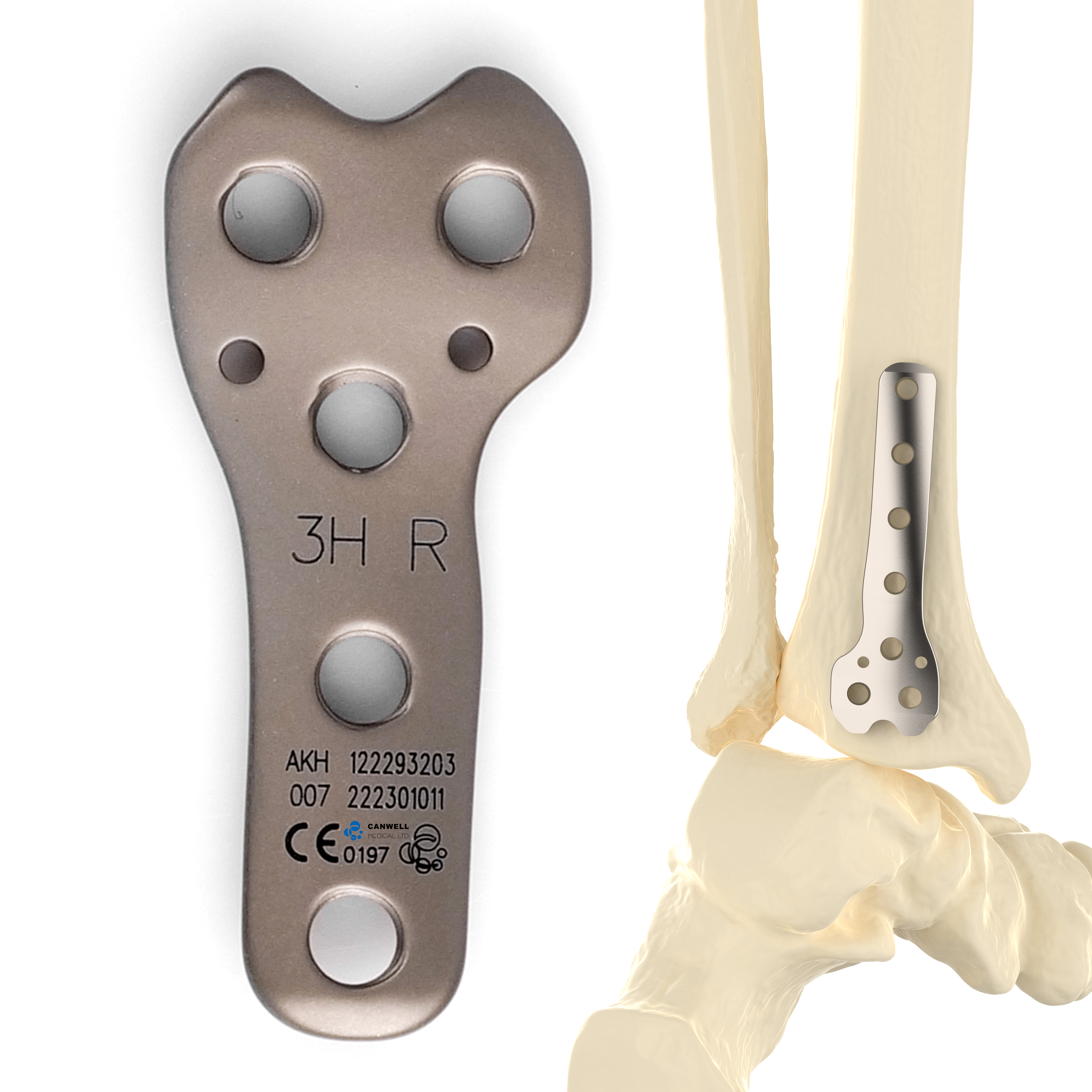
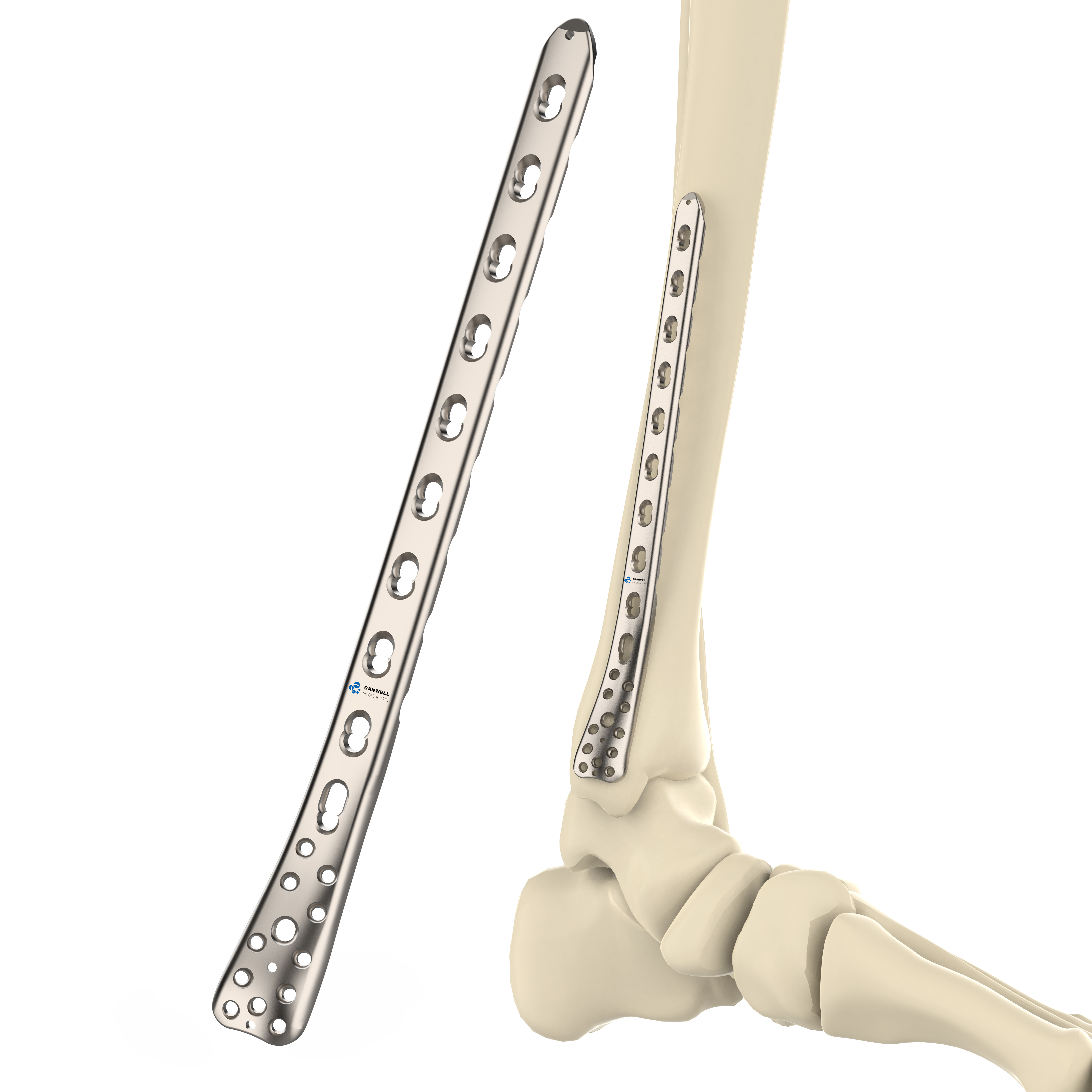
The shift from traditional anatomical dynamic compression plates to Variable-Angle Volar and Locking Compression Plate (LCP) Systems has fundamentally altered fracture fixation dynamics. Locking screw-to-plate interfaces create a rigid threaded construct, transferring mechanical loads across the fracture gap without relying on plate-to-bone periosteal compression. This preserves microvascular blood supply, accelerates primary callus formation, and dramatically reduces non-union rates in osteoporotic bone.
Enterprise Manufacturing Infrastructure
Operating from Jinhua, Zhejiang, China—Zhejiang INAR Medical Co., Ltd. integrates 22+ years of surgical manufacturing history with rigorous third-party audited quality control.
SGS Onsite Verified Quality
Our 29,523 m² facility has passed comprehensive onsite supplier audits by SGS Group. Full compliance with ISO 13485 medical device quality management standards ensures total traceability from ingot to sterile packaging.
CE MDR Compliance & DoC
Featured trauma locking plates, pedicle screws, and sports medicine devices hold active CE certifications under EU MDR / 93/42/EEC, complete with Declarations of Conformity and technical dossiers ready for local regulatory submission.
Full OEM/ODM Customization
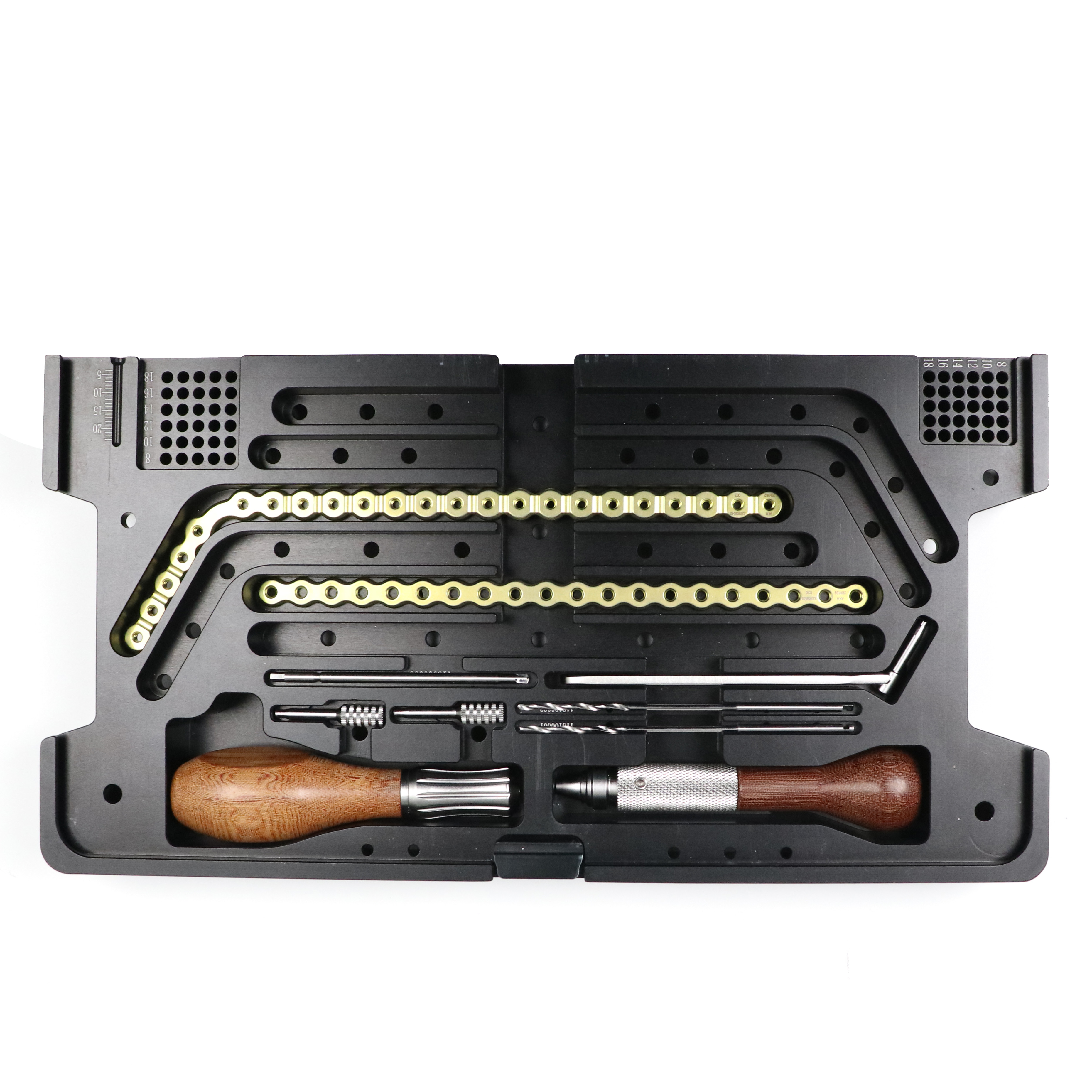
We provide end-to-end contract manufacturing including custom anatomical plate contouring, proprietary laser marking (UDI compliance), anodized color coding, and custom stainless-steel instrument tray kits.
13-Step Precision Manufacturing Process
From certified bar stock to Class 7 cleanroom aseptic sealing—every stage is executed entirely in-house without outsourcing.
Future Procurement & Technology Trends in Global Orthopedics
The international market for orthopedic implants is undergoing a rapid transition driven by demographic aging, expanding healthcare access in emerging economies, and technological breakthroughs in surgical techniques. Strategic procurement teams must position their supply chains to align with three critical vectors:
1. Rise of Minimally Invasive Surgery (MIS) & Suprapatellar Nailing
Traditional open reduction internal fixation (ORIF) is increasingly superseded by MIS techniques. In tibial fracture management, Suprapatellar Tibial Intramedullary Nailing has demonstrated significant clinical superiority over infrapatellar approaches. By inserting the nail through a semi-extended knee position, surgeons minimize quadriceps trauma, prevent anterior knee pain, and achieve superior fracture reduction under fluoroscopic control. Manufacturers capable of delivering complete MIS instrument sets alongside anatomically shaped nails hold a decisive competitive advantage.
2. Bioabsorbable Matrices & Soft Tissue Arthroscopy
In sports medicine, surgeon preference is shifting dramatically from metallic interference screws toward PLGA bioabsorbable screws and UHMWPE suture anchors. The eliminate the necessity for secondary metal removal procedures and mitigate post-operative MRI artifact issues. Sourcing partners must verify that bioabsorbable polymers maintain structural fixation integrity for at least 12 weeks post-op while demonstrating predictable hydrolytic degradation over time.
3. Supply Chain Localization & Regulatory Traceability (UDI Requirements)
Under EU MDR and US FDA regulations, global distributors require Unique Device Identification (UDI) laser-etched directly onto every plate, nail, and screw. Procurement managers are actively consolidating vendor lists, favoring integrated manufacturers who provide turn-key regulatory dossiers, ISO 14644-1 cleanroom packaging, and transparent batch-level manufacturing history to streamline local hospital registration.
Orthopedic Implants Procurement FAQ
Detailed technical and commercial answers addressing common inquiries from hospital buyers, importers, and OEM brand partners.
Which certifications do your orthopedic implants and factory hold?
Our featured trauma locking plates, intramedullary nails, PEEK interbody cages, and sports medicine implants carry official CE Marking under EU MDR (2017/745) and/or Medical Device Directive 93/42/EEC. Our production site in Jinhua, Zhejiang has undergone rigorous onsite supplier assessment by SGS Group, and our quality management system is certified to ISO 13485 standards. Full Declarations of Conformity (DoC) and lab test reports are supplied upon request.
What materials are used in your trauma and spinal implant production?
We strictly utilize certified medical-grade raw materials: Titanium Alloy (Ti-6Al-4V ELI conforming to ASTM F136 / ISO 5832-3), Pure Titanium (Grade 2/4 for mesh and specific plates), Implant-grade PEEK-OPTIMA® for spinal interbody cages, bioabsorbable PLGA for ACL/PCL interference screws, and UHMWPE for arthroscopic meniscal suture repair devices. Material batch certificates (Mill Test Certificates) accompany every export batch.
Do you offer custom OEM / ODM contract manufacturing and private labeling?
Yes. With 22+ years of manufacturing expertise and 632 technical staff, we offer full OEM/ODM capabilities. This includes custom implant contouring based on 3D CAD drawings or clinical samples, customized anodization colors, high-resolution laser-etched private branding with UDI barcodes, and custom-designed stainless steel instrument sterilization trays.
How is product quality tested and validated prior to dispatch?
Quality control follows a strict 13-stage process. Every production run undergoes raw material spectro-analysis, CMM 3D dimensional verification, 100% UV dye penetrant surface flaw testing, and multi-frequency ultrasonic washing. Our in-house biomechanical laboratory operates multi-axis dynamic fatigue endurance testers (ASTM F382/F543) and accelerated packaging aging chambers to ensure zero defects.
What are your typical order lead times and export logistics capabilities?
Standard catalog products are dispatched within 14–21 days. Custom OEM/ODM runs typically require 30–45 days depending on tooling complexity. We provide both non-sterile bulk packaging and double-blister sterile pouch packaging (EO sterilized) prepared inside our ISO Class 7 cleanrooms, complete with export-ready commercial packaging, customs documentation, and HS coding support.
Accelerate Your Orthopedic Supply Chain
Partner with an SGS-verified, CE-certified manufacturer. Contact our medical device engineering team today for technical catalogs, sample evaluation packages, and tailored OEM quotations.