Featured CE Certified Pediatric & Medical Beds
Direct factory supply of medical-grade pediatric ward beds, electric ICU care units, and specialized nursing beds engineered for clinical safety and patient comfort.
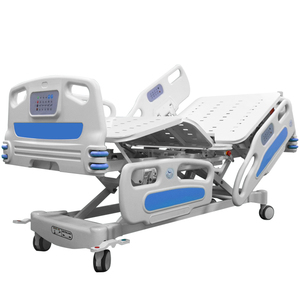
Longermay Factory Medical Hospital Bed
- CE & ISO 13485 Certified
- High-durability pediatric safety rails
- Precision height & position control
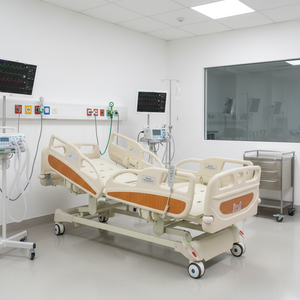
3/5/7 Function Electric Clinical ICU Bed
- Multi-function electric linear actuators
- Trendelenburg & Reverse positioning
- Zero-gap anti-entrapment side rails
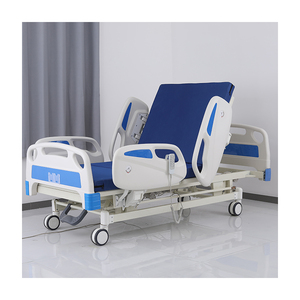
CH-C8 Stainless Steel Ward Medical Bed
- Class II medical device compliant
- Heavy-duty double-shaking manual system
- Sanitary stainless steel construction
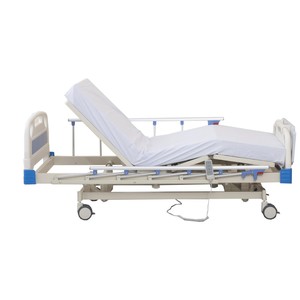
GRACEMED 3-Function Electronic Medical Bed
- Whisper-quiet L&K electric motor drive
- CE Certified & 1-Year factory warranty
- Smooth ergonomic backrest adjustment
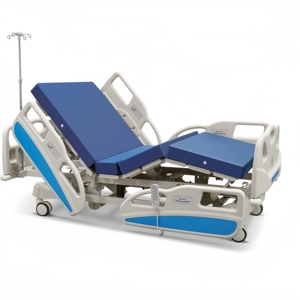
5-Function ICU Electric Bed with Mattress
- Full CPR emergency release button
- Medical-grade antimicrobial mattress
- Central control locking caster system
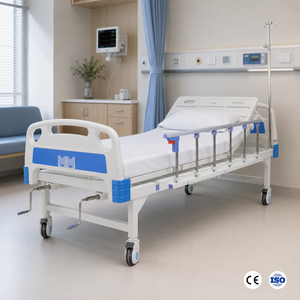
2-Function Manual Bed with ABS Headboard
- Anti-collision removable ABS headboards
- Collapsible aluminum alloy side guardrails
- Cost-effective clinic ward solution
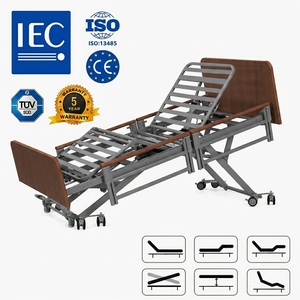
IEC 60601 Certified Home & Nursing Care Bed
- Compliant with IEC 60601 safety standards
- Ideal for pediatric long-term rehabilitation
- Low-height design preventing accidental falls
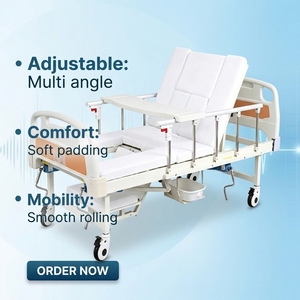
Multifunctional Steel Manual Nursing Bed
- Heavy-gauge cold-rolled steel frame
- Electrostatic powder-coated surface
- Dual crank mechanical mechanism
Executive Summary: The Critical Role of CE Certification in Pediatric Hospital Infrastructure
In pediatric healthcare environments—ranging from General Pediatric Wards to High-Acuity Pediatric Intensive Care Units (PICU)—the physical bed is far more than a piece of clinical furniture. It is a vital medical device designed to safeguard vulnerable young patients, prevent accidental trauma, support continuous therapeutic interventions, and facilitate nursing efficiency. Sourcing pediatric beds requires medical device procurement officers, hospital architects, and B2B buyers to navigate stringent safety standards, complex mechanical specifications, and strict international regulatory frameworks.
Under the European Union Medical Device Regulation (EU MDR 2017/745), pediatric hospital beds must undergo rigorous conformity assessments to earn the CE Mark. Unlike standard adult hospital beds, pediatric care equipment requires specialized safety engineering to eliminate risks of head, neck, and limb entrapment, accidental falls, and chemical toxicity from surface coatings. Certified manufacturers must comply not only with general medical electrical equipment standards (IEC 60601-1) but also with specific pediatric standards such as EN 50637 (Particular requirements for the basic safety and essential performance of medical beds for children).
Key Procurement Insight: Non-compliant pediatric beds represent one of the highest clinical liability factors in pediatric wards due to limb entrapment and fall risks. Partnering with ISO 13485 certified factories that provide full CE documentation and EN 50637 compliance verification is mandatory for international hospital tenders.
Key Product Development & Engineering Trends in Pediatric Medical Beds
The pediatric hospital bed market is undergoing a rapid evolution driven by biomedical engineering advancements, human-factors design, and digital clinical integration. Qualified OEM/ODM manufacturers are focusing on four foundational pillars of innovation:
Anti-Entrapment Side Rail Engineering
To comply with EN 50637, side rail bar spacing is engineered to strictly under 60 mm (to prevent limb slipping) and gaps between moving parts are held below 120 mm. Full-length transparent acrylic or high-impact ABS side barriers provide 360-degree patient visibility while completely eliminating gap-related pinch hazards.
Pediatric ICU Functionality & CPR Rapid Release
Advanced PICU beds incorporate 5-function electric adjustment capabilities—Backrest, Knee-rest, Vertical Height, Trendelenburg, and Reverse Trendelenburg—driven by IPX4 waterproof linear actuators (such as Linak or L&K). Dual-side manual mechanical CPR release levers ensure instantaneous flat positioning during critical cardiac care events.
Infection Control & Non-Toxic Powder Coatings
Pediatric patients have delicate immune systems. Leading factories utilize non-porous, antibacterial electrostatic powder coatings resistant to hospital-grade chemical disinfectants (such as sodium hypochlorite and quaternary ammonium compounds). Smooth seam welding prevents bacterial harbor sites.
Integrated Smart Weight Scales & Telemetry
Accurate medication dosing in pediatric critical care depends directly on precise body weight measurements. Next-generation pediatric beds feature built-in strain-gauge weight sensor systems integrated into the bed frame, allowing real-time monitoring without distressing or transferring the young patient.
Child-Centric Ergonomics & Visual De-Stigmatization
Modern pediatric medical furniture integrates soothing pastel color palettes, soft rounded ABS profiles, and transparent side panels. This child-friendly aesthetic reduces anxiety during hospitalization while maintaining complete clinical functionality for nursing personnel.
Future Procurement Trends for Global Pediatric Healthcare Systems
As global healthcare expenditures grow and hospital tender specifications become increasingly rigorous, procurement managers must analyze structural market shifts. Over the 2025–2030 forecast window, several strategic trends will redefine pediatric bed purchasing decisions:
- Transition from Manual Cranks to Fully Electric Actuators: Even in developing healthcare markets, hospital tenders are rapidly replacing manual crank pediatric beds with electric models to improve nurse ergonomics, decrease physical strain, and enable precise patient positioning at the push of a button.
- Total Cost of Ownership (TCO) Prioritization: Buyers are moving beyond initial unit purchase price. Modern procurement models calculate long-term costs involving spare parts availability, motor MTBF (Mean Time Between Failures), modular component swappability, and warranty coverage.
- Harmonization with ISO 13485 Certified Factories: Government tenders increasingly mandate direct audit access to manufacturing facilities. Distributors and hospital groups prefer working directly with established original equipment manufacturers (OEMs) that hold comprehensive ISO 13485 QMS certifications.
- Modular Customization (OEM/ODM): Hospital layouts vary significantly across geographical regions. Procurement teams seek factories capable of tailoring bed dimensions, rail mechanisms, central braking systems, and voltage specifications (110V/220V) to local healthcare standards.
Technical Specification Matrix: Pediatric Bed Configurations
To aid procurement planning, the following comparative engineering matrix outlines the technical distinctions across standard pediatric bed categories offered by certified manufacturers:
| Feature / Specification | Manual 2-Function Pediatric Bed | Electric 3-Function Pediatric Bed | Advanced 5-Function PICU Bed |
|---|---|---|---|
| Primary Application | General Pediatric Wards / Outpatient Clinics | Inpatient Pediatric Wards / Step-Down Units | Pediatric Intensive Care Unit (PICU) |
| Drive Mechanism | Dual Mechanical Cranks with Over-load Protection | Low-Voltage Electric Actuators (Linak / L&K) | Quad Linear Actuators with Battery Backup |
| Safe Working Load (SWL) | 150 kg – 180 kg | 180 kg – 220 kg | 220 kg – 250 kg |
| Safety Standard Compliance | CE, ISO 13485, EN 60601-2-52 | CE, IEC 60601-1, EN 50637 compliant | CE, EU MDR 2017/745, IEC 60601-2-52/52 |
| Side Rail Configuration | Collapsible Aluminum Alloy Rails | 4-Piece Drop-Down ABS / Acrylic Barriers | Seamless Transparent Acrylic / ABS Full Enclosure |
| Braking System | Individual Diagonal Caster Brakes (125mm) | Central Control Pedal Locking System | Dual-Pedal Central Locking with Steering Castor |
| Specialized Functions | Manual Backrest & Leg Elevation | Electric Height, Back, and Leg Adjustment | Trendelenburg / Rev. Trend, CPR Release, Weight Scale |
Enterprise Manufacturing Architecture & Quality Assurance
When sourcing pediatric medical beds from Taiwan or top-tier global factories, evaluating manufacturing infrastructure and quality assurance systems is paramount. Established leaders like Joson-Care Enterprise Co., Ltd. (founded in 2000) exemplify the rigorous quality architecture required for high-stakes medical device production:
Rigorous 30+ Point Quality Inspection Protocol
From raw cold-rolled steel inspection and robotic MIG welding to high-pot electrical safety testing and dynamic weight fatigue testing, every single bed undergoes over 30 quality control checks and 15 destructive stress tests before factory dispatch.
Full International Certification Suite
Products conform strictly to ISO 13485 Quality Management Systems, FDA Registrations, European CE Markings, and IEC 60601 electrical safety certifications, ensuring seamless regulatory registration for tender submissions worldwide.
Taiwan Excellence Engineering Heritage
With over 25 years of specialized medical bed manufacturing, engineering teams utilize state-of-the-art tooling to deliver high precision, smooth actuation mechanisms, long service life, and winner-level innovations recognized by the Taiwan Excellence Awards.
Global OEM/ODM Customization & Supply Chain Support
Exporting to over 65 countries worldwide, factory teams offer comprehensive OEM branding, custom dimensional engineering, localized voltage configurations, and rapid spare-parts replacement support for international distributors.
Frequently Asked Questions (FAQ) for Pediatric Bed Procurement
Below are expert answers to critical questions commonly raised by medical device buyers, tender committees, and healthcare distributors during the evaluation of pediatric bed manufacturers:
What specific standards define CE Certification for pediatric hospital beds?
How do manufacturers prevent limb and head entrapment in pediatric beds?
What electric motor brands are recommended for high-frequency clinical environments?
Can pediatric beds be customized for specific OEM tender requirements?
What is the typical manufacturing lead time and minimum order quantity (MOQ)?
What warranty and spare parts support should hospital buyers expect?
Request Complete Technical Specifications & Wholesale Pricing
Contact our engineering and sales consultation team today to receive fully compliant CE certification test reports, OEM/ODM tender documentation, and factory-direct catalogs.