Precision Tibial & Trauma Fixation Implants
SGS-verified, CE MDR certified surgical systems engineered for proximal, distal, and shaft tibial osteosynthesis.
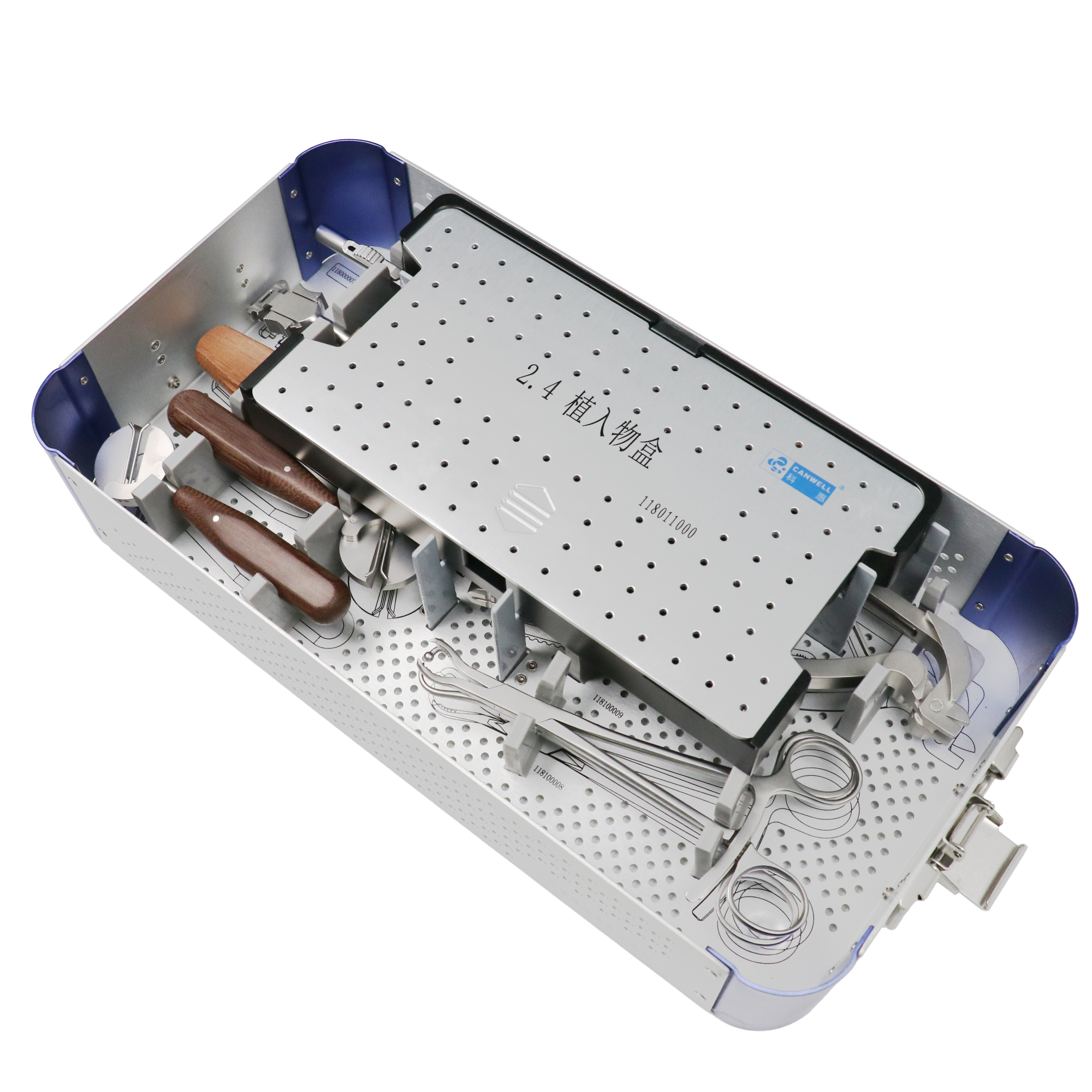
CANWELL Oral and Maxillofacial Surgery Instruments Set Cranium Maxillofacial Surgery Kit Bone Screwdriver Factory Price
View Details ➔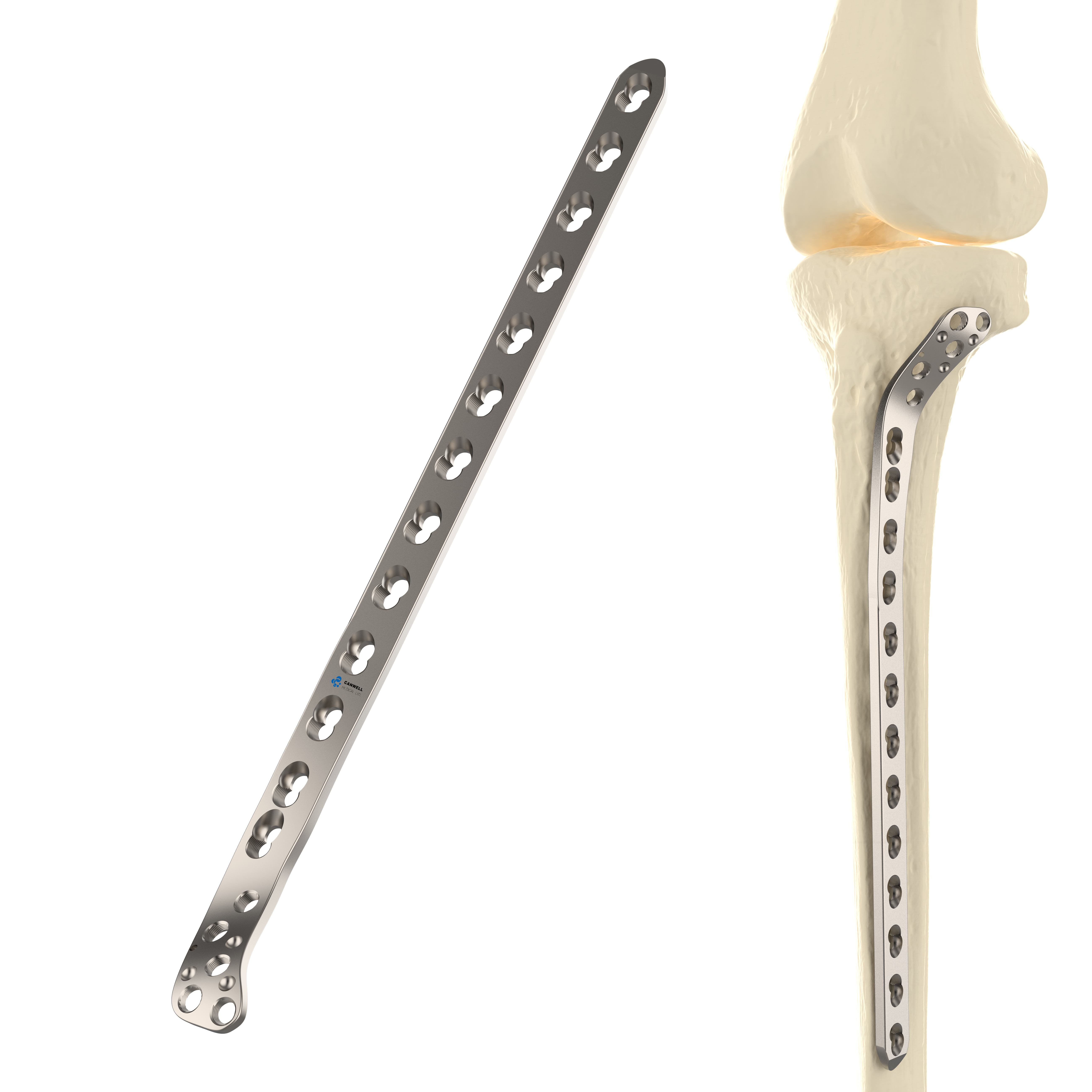
CANWELL Proximal Lateral Tibial Locking Plate Orthopedic Trauma Implant Hospital Bone Plate 5.0mm Screw Orthopedic Manufacturer
View Details ➔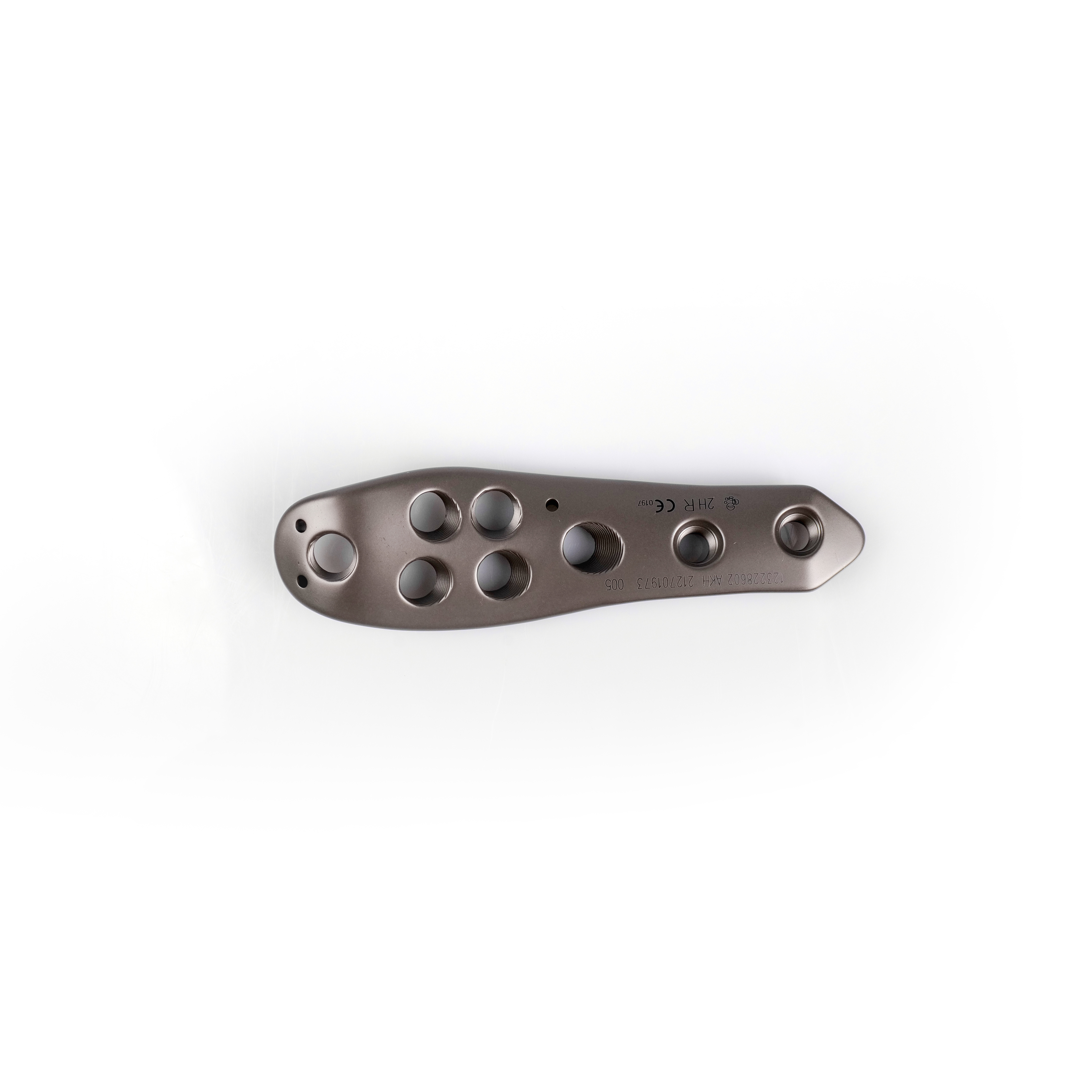
CANWELL Titanium Tibia Locking Plate Price Factory Distal Femur Lateral Distal Femoral Outer Side Orthopedic Implant Lock Plates
View Details ➔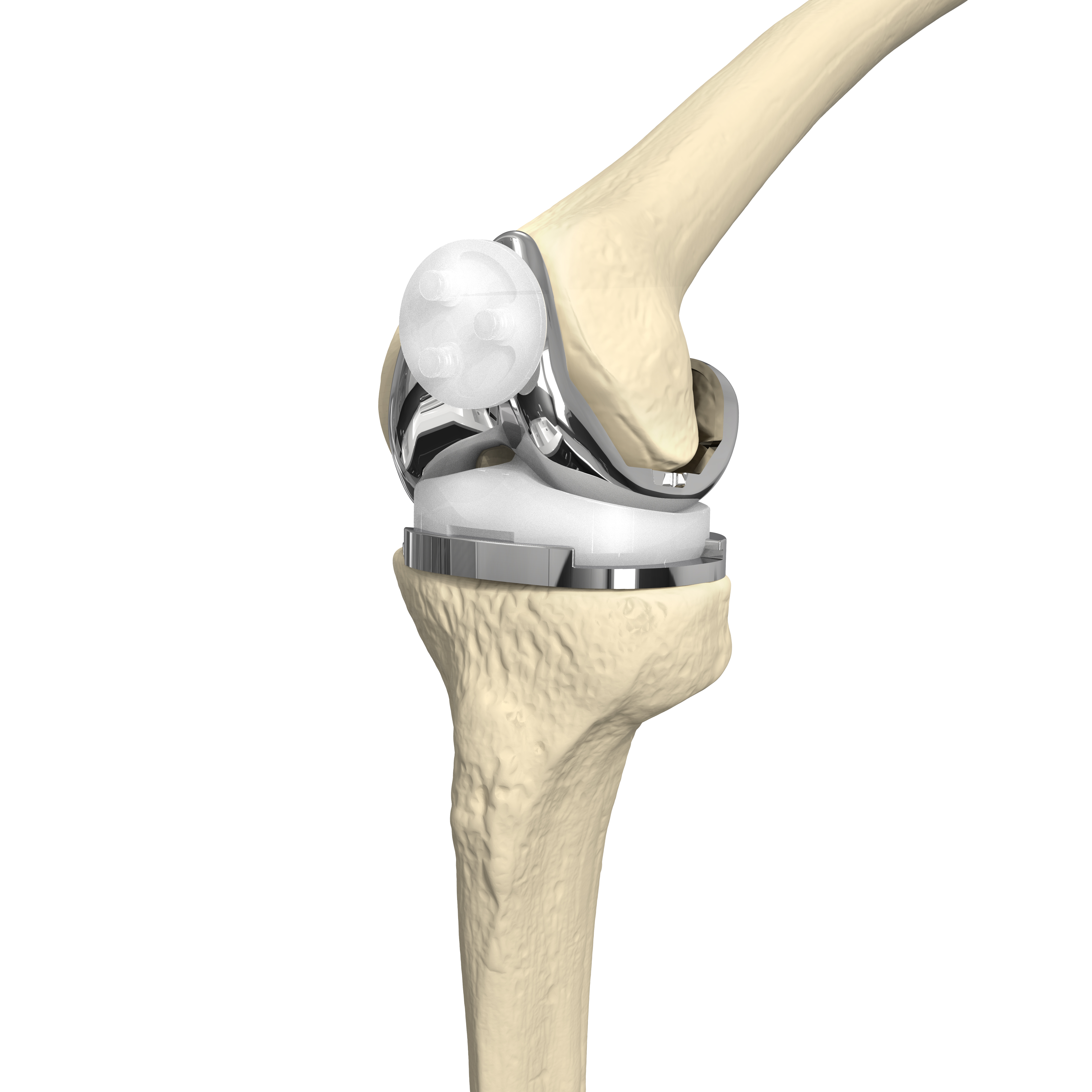
CANWELL CE Certified Arthroplasty Artificial Knee Joint CoCrMo Alloy Orthopedic Implants Primary Total Knee Replacement Kit
View Details ➔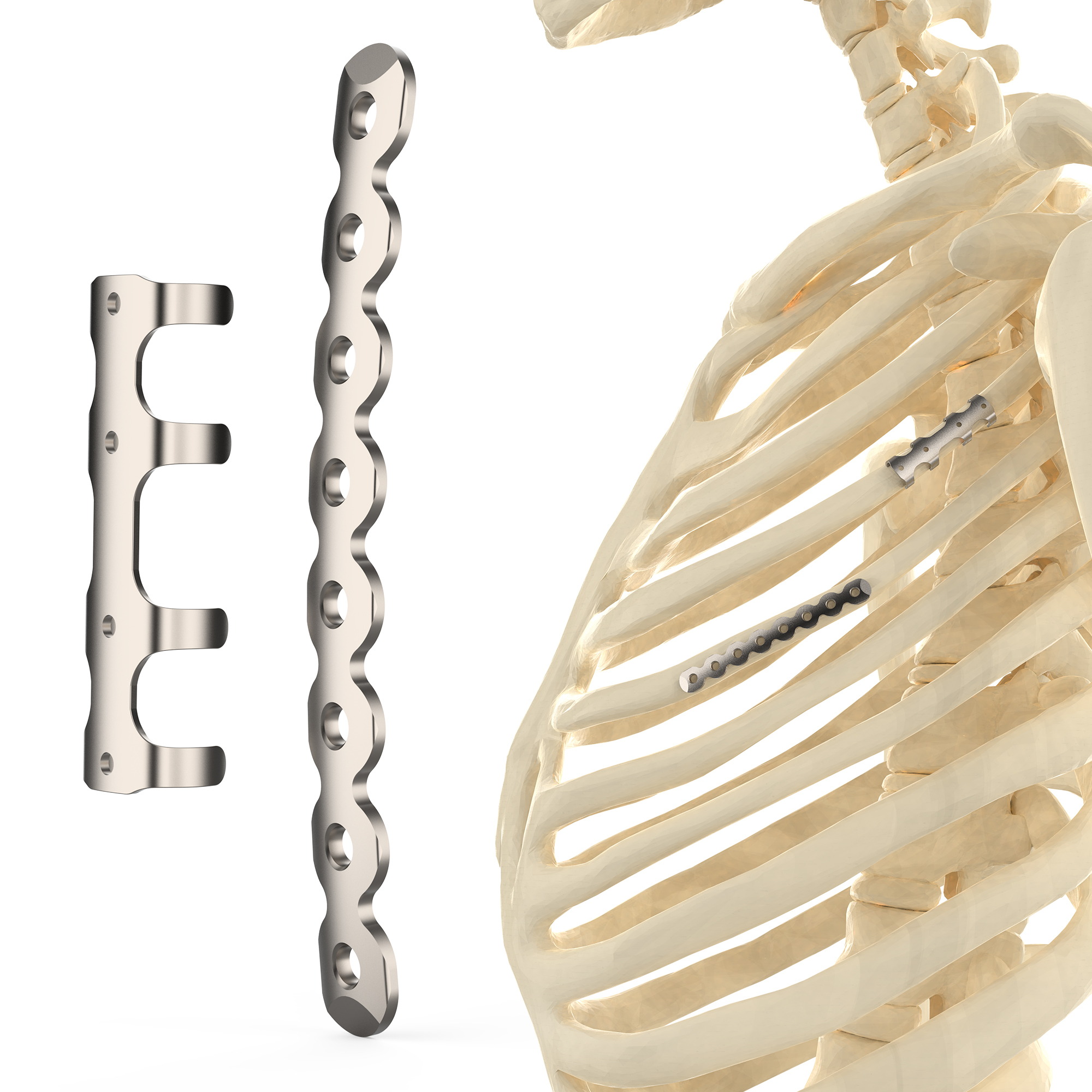
CANWELL Titanium Rib Locking Plate Bone Fixation Orthopedic Trauma Implant for Fracture Surgery CE ISO
View Details ➔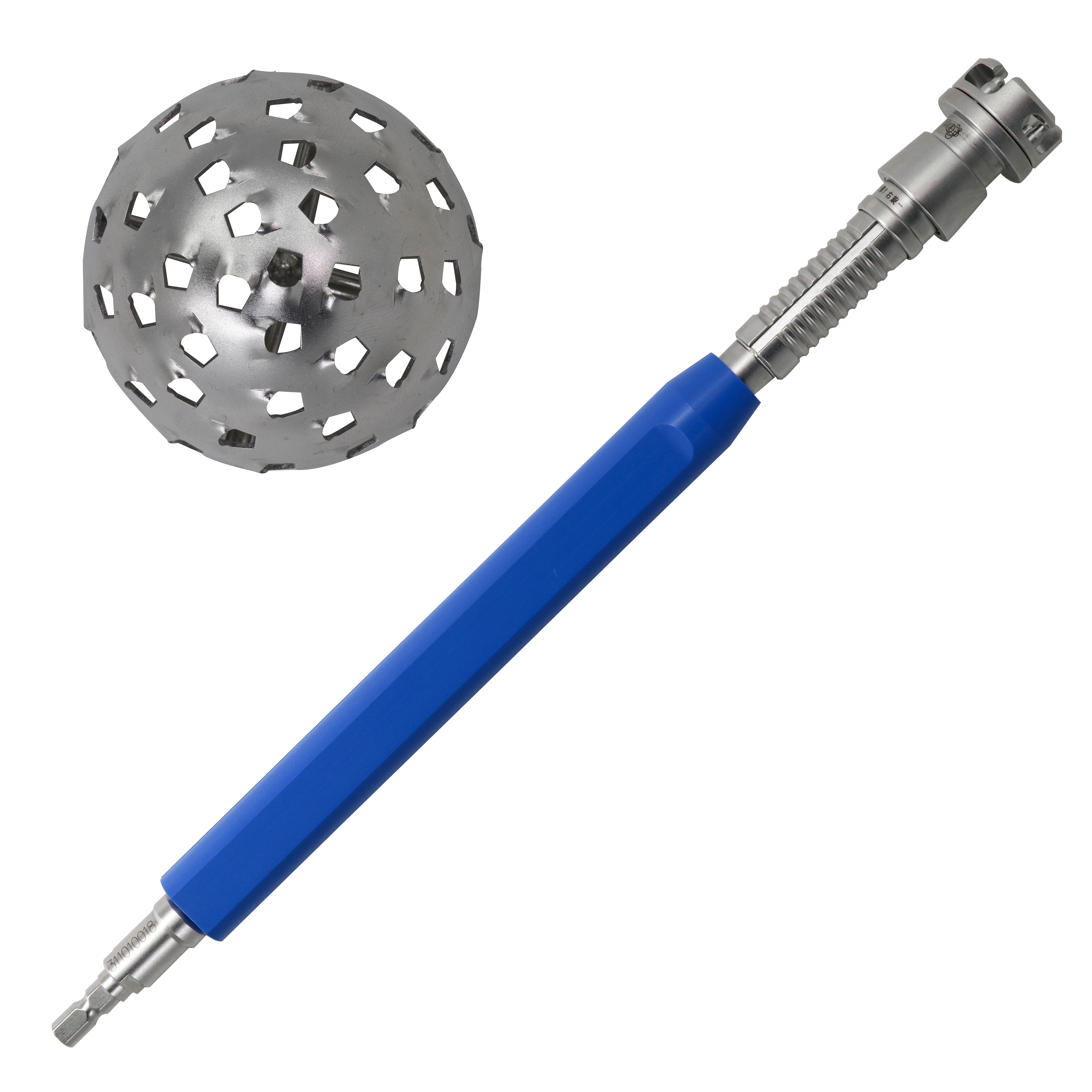
CANWELL Acetabular Reamers High Precision Hip Instrument Set Arthroplasty Total Hip Replacement Orthopedic Surgery Tools
View Details ➔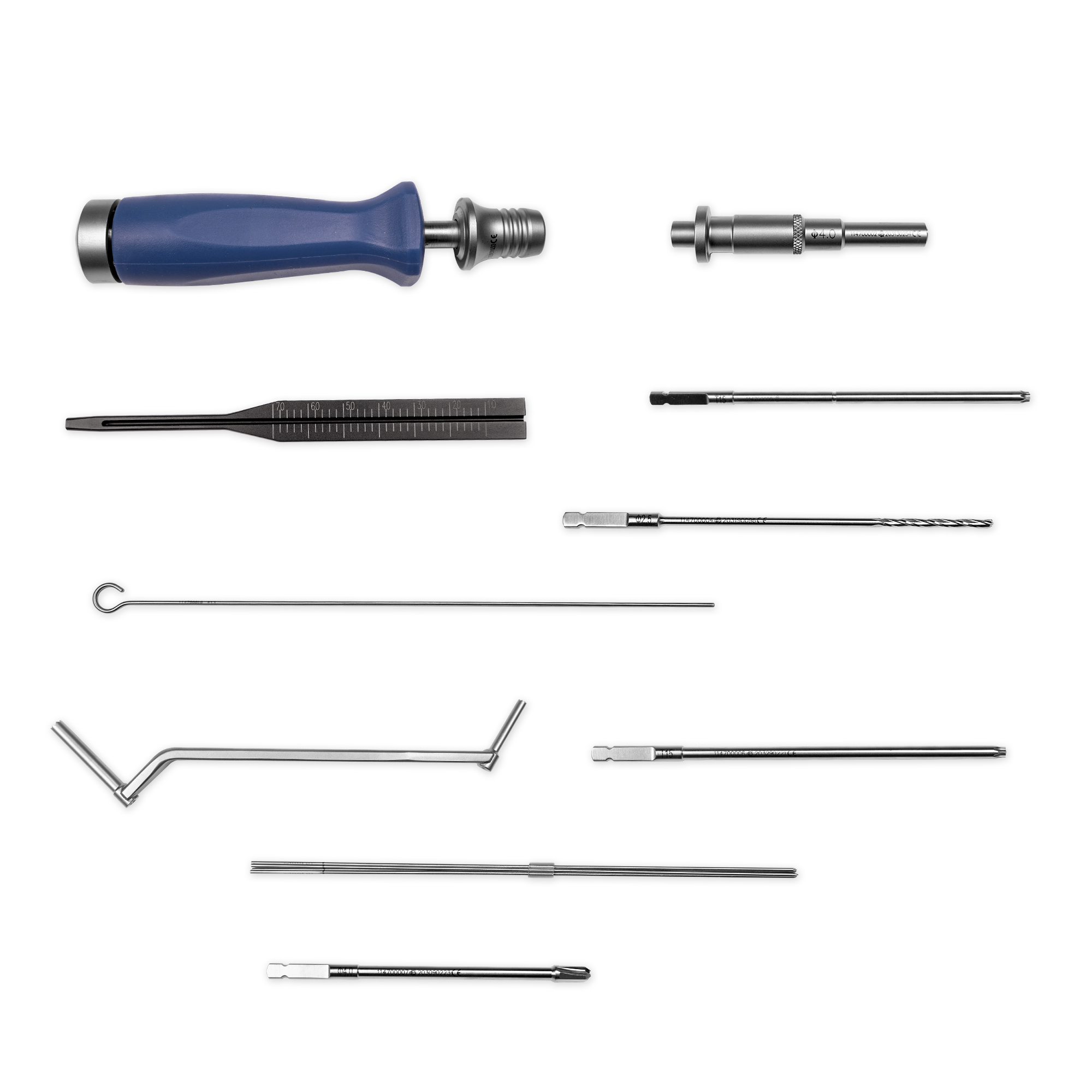
CANWELL Medical Orthopedic Instrument Set Manual Metal Torque Adapter Quick Coupling Handle Torque Limiter Ratchet Handle
View Details ➔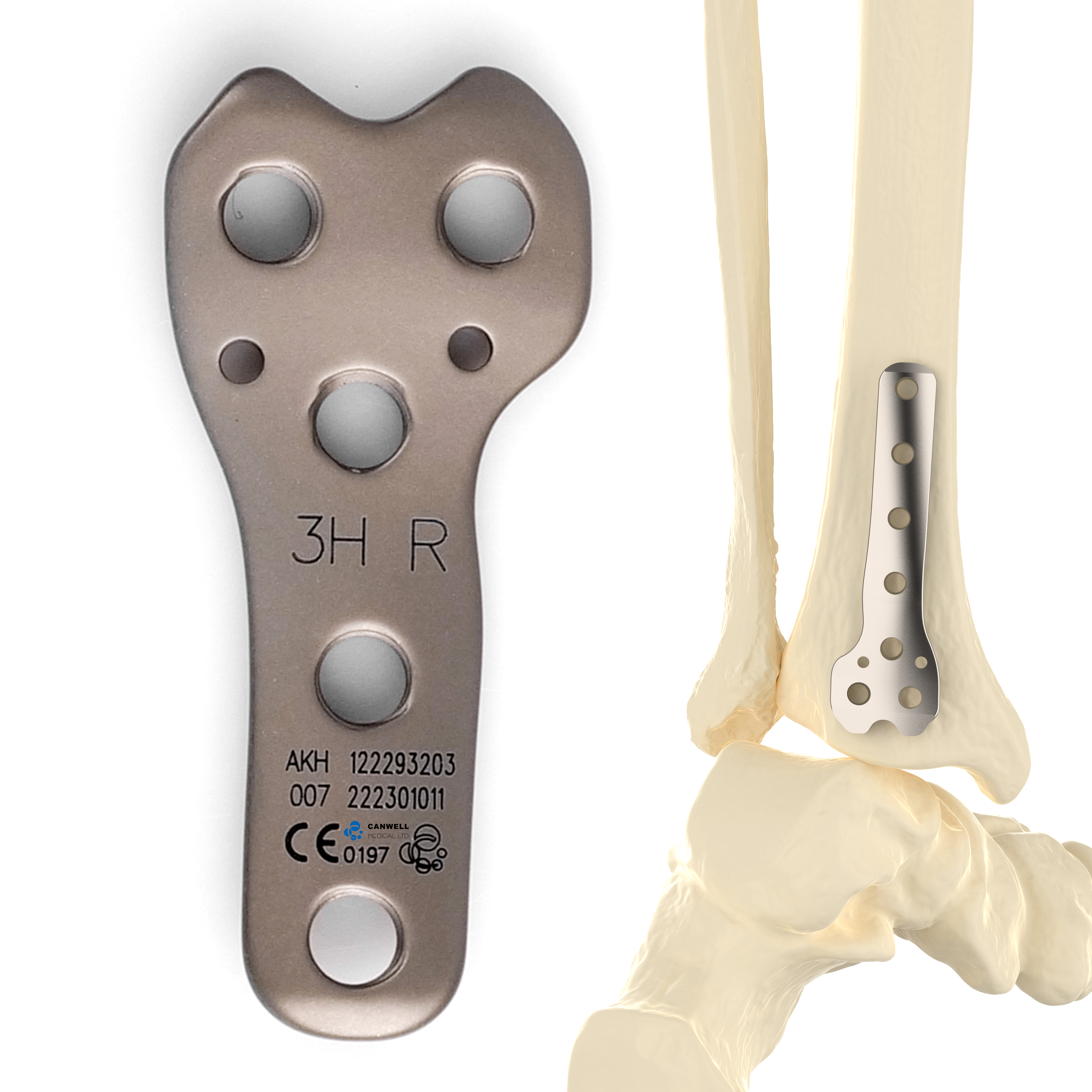
CANWELL Distal Tibial Titanium Locking Plate Posterior Limb Compression Orthopedic Trauma Fracture Implant CE OEM
View Details ➔Biomechanical Mechanics & Materials Science in Tibial Osteosynthesis
An authoritative technical analysis for hospital procurement committees, orthopedic surgeons, and medical device importers.
The human tibia bears up to 4.5 times the total body weight during normal gait cycles, making tibial fracture internal fixation one of the most demanding biomechanical challenges in orthopedic trauma surgery. High-energy intra-articular fractures (Schatzker Types I–VI) and complex metaphyseal-diaphyseal disruptions require internal fixation constructs that combine anatomical contouring, dynamic angular stability, and superior fatigue endurance strength.
As a specialized CE Certified Tibia Plates Manufacturer & Exporter, Zhejiang INAR Medical Co., Ltd. (operating in alignment with CANWELL manufacturing standards) engineers state-of-the-art proximal lateral tibial locking plates, medial distal tibial compression plates, and anterior/posterior tibia fracture systems. Modern internal fixation has evolved from rigid compressive stabilization (AO principles) toward elastic biological fixation designed to preserve periosteal blood supply while preventing secondary collapse under axial loading.
1. Material Metallurgy: Ti-6Al-4V ELI (ISO 5832-3) vs. Stainless Steel (ISO 5832-1)
Modern tibial fracture management relies primarily on Grade 5 Extra Low Interstitial Titanium Alloy (Ti-6Al-4V ELI / ASTM F136). Compared to conventional 316L medical stainless steel, Ti-6Al-4V ELI exhibits a modulus of elasticity (approx. 110 GPa) significantly closer to human cortical bone (18–22 GPa). This dramatic reduction in elastic mismatch reduces stress shielding, promotes early micro-motion callos formation, and lowers risk of peri-implant refracture post-removal.
- Biocompatibility & Corrosion Resistance: Titanium naturally forms a passive titanium oxide (TiO2) surface layer, yielding zero allergic sensitization and minimal ion release over long-term implantation.
- Radiolucency & Artifact Reduction: Titanium plates produce dramatically fewer artifacts under Magnetic Resonance Imaging (MRI) and Computed Tomography (CT) scans, enabling clear postoperative soft-tissue and joint-surface evaluations.
- Anodization Type II & Type III Treatment: Electrochemical anodization creates an anti-galling surface layer on screw threads, reducing cold-welding risks during multi-axial locking screw insertion.
| Biomechanical Property | Ti-6Al-4V ELI (Titanium Grade 5) | 316L Medical Stainless Steel | Clinical / Surgical Impact |
|---|---|---|---|
| Elastic Modulus (GPa) | 110 GPa | 210 GPa | Titanium minimizes stress shielding and bone resorption. |
| Yield Strength (MPa) | ≥ 795 MPa | ≥ 690 MPa | Higher resistance to plastic deformation under dynamic load. |
| Fatigue Resistance Cycles | > 10,000,000 cycles (ASTM F382) | > 5,000,000 cycles | Prevents implant fatigue failure during non-union/delayed union. |
| MRI / CT Compatibility | Low Artifact Distortions | High Image Artifact Distortions | Allows superior postoperative soft-tissue and articular imaging. |
2. Biomechanical Fixation Mechanisms: Fixed-Angle vs. Polyaxial Variable-Angle Locking
The primary structural failure mode in metaphyseal tibial fractures is screw back-out and angular collapse under varus load. Our CE-marked proximal and distal tibia plates feature patented Combi-Holes that integrate conventional dynamic compression unit (DCU) slots with threaded locking bushings.
By locking the threaded screw head directly into the internal plate threading, the plate-screw assembly creates a fixed-angle construct. Mechanics shift from friction-dependent plate-to-bone compression (which strips periosteal vascularity) to an internal fixator load-sharing framework. Furthermore, our 3.5mm/5.0mm variable-angle locking plates allow up to ±15° polyaxial trajectory control, allowing surgeons to target specific osteochondral fragments without compromising construct stiffness.
Why Global Importers Partner with INAR & CANWELL
End-to-end orthopedic manufacturing, stringent ISO 13485 quality controls, and full regulatory dossier support.
EU MDR & CE Certification
Full compliance with European Union Medical Device Regulation (EU MDR 2017/745) and 93/42/EEC. Technical Documentation, STED, and Clinical Evaluation Reports (CER) ready for instant national registration.
29,523 m² State-of-the-Art Plant
SGS onsite-verified production equipped with 5-axis DMG MORI CNC Swiss lathes, ultrasonic automated washing tunnels, electro-chemical anodizing stations, and ISO Class 7 cleanrooms.
Complete OEM / ODM Flexibility
Customized anatomical plate contours, private-label laser marking, custom anodization color coding, and tailored surgical instrument trays designed for seamless hospital tender fulfillment.
Future Global Procurement Trends in Tibia Fracture Systems
Anticipating regulatory, technological, and supply chain shifts driving the trauma implant market over the next decade.
1. Transition to Minimally Invasive Surgical (MIS) Targeting
Global orthopedic procurement is shifting heavily toward plates compatible with Percutaneous Periosteal Plate Osteosynthesis (PPO). Modern tibia plate sets must include carbon-fiber or radiolucent targeting guides that allow percutaneous slide insertion, dramatically reducing soft-tissue stripping, infection rates, and operating room times.
2. Stringent Regulatory Barriers & Supply Chain Audit
With the expiration of transition periods under EU MDR, uncertified low-tier manufacturers are being disqualified from hospital tenders worldwide. Importers are consolidating suppliers, favoring fully integrated manufacturers with in-house mechanical fatigue labs (ASTM F382 bending & torsion testers) and complete UDI (Unique Device Identification) compliance.
3. Smart Consignment & Color-Coded Modular Trays
Hospital inventory efficiency requires standardized color coding for drill bits, taps, and screwdrivers corresponding to screw diameters (e.g., Magenta for 3.5mm locking screws, Gold for 5.0mm cortex screws). Distributors prioritize suppliers offering custom anodization and modular sterilizing trays that streamline central sterile services (CSSD).
4. Demand for Hybrid Bio-Interactive Surface Coatings
Next-generation tibial trauma plates are incorporating advanced surface treatments, such as antibacterial silver-ion physical vapor deposition (PVD) and porous plasma-sprayed titanium coatings, designed to mitigate nosocomial surgical site infections and improve soft-tissue envelope attachment.
Frequently Asked Procurement & Technical Questions
Clear, authoritative answers addressing regulatory, quality control, shipping, and OEM customization queries.
Which regulatory certifications do INAR & CANWELL tibia plates carry for European & global markets? +
What OEM/ODM private-label customization options are available for trauma plate sets? +
How does your factory control mechanical fatigue quality and surface integrity for bone plates? +
What is the typical lead time for bulk B2B orders and sample evaluation sets? +
Are surgical instrument sets supplied alongside tibial plate implants? +
How do you assist international distributors with local medical device registration? +
Accelerate Your Orthopedic Supply Chain Today
Request our comprehensive 2025 Orthopedic Trauma & Tibia Fixation Product Catalog, CE dossiers, and OEM pricing structures. Connect directly with our clinical export engineering team.