Featured Orthopedic Trauma & Bone Screw Implants
Explore precision-engineered orthopedic implants manufactured under ISO 13485 and EU MDR compliance standards.
1. The Global Landscape of Bone Screw Manufacturing & China's Export Leadership
In modern orthopedic traumatology and reconstructive surgery, the bone screw represents the quintessential mechanical interface between internal fixation devices and human osseous tissue. Whether securing rigid internal compression across cortical fractures, anchoring complex anatomically contoured locking plates, or stabilizing spinal constructs via pedicle screw systems, the structural integrity, surface finish, thread design, and metallurgical purity of bone screws directly determine surgical efficacy and patient healing outcomes.
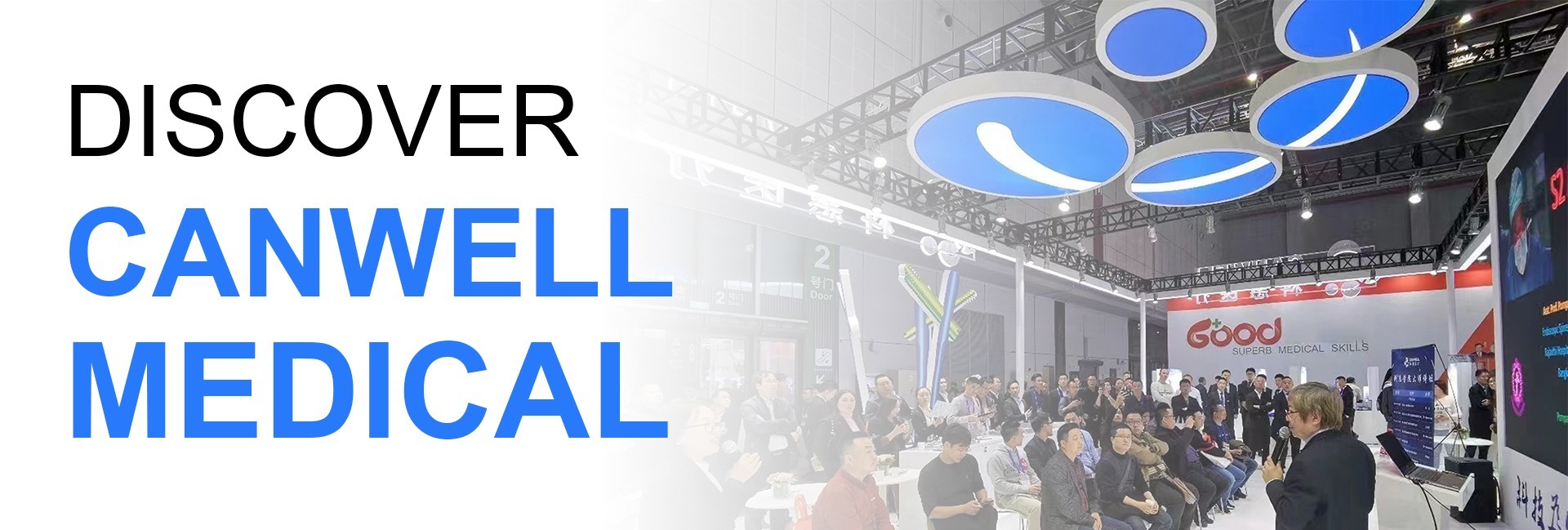
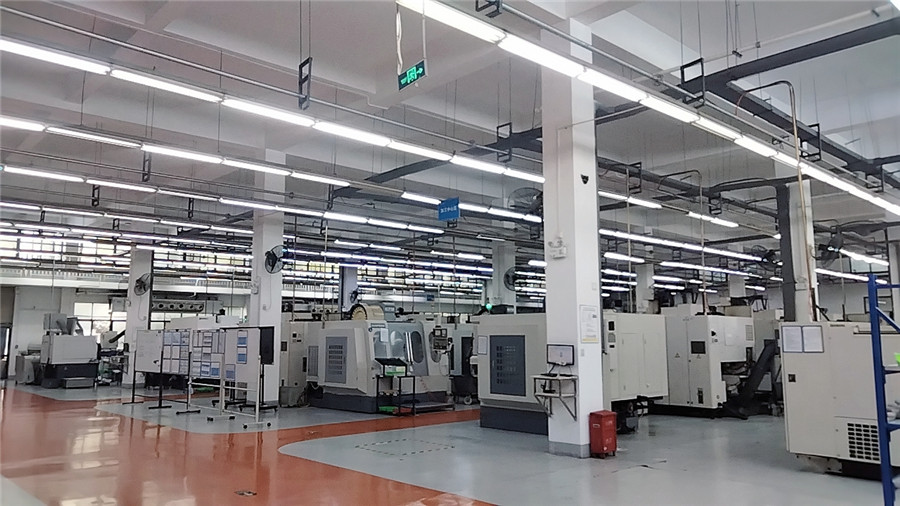
Over the past two decades, China has evolved from a secondary component supplier into the global epicenter of precision orthopedic manufacturing. As international procurement leaders, hospital purchasing boards, and medical device distributors re-evaluate global supply chain resilience, Zhejiang INAR Medical Co., Ltd. (operating the renowned CANWELL brand architecture) stands out as a premier tier-one manufacturer and exporter. With a dedicated 29,523 m² production facility, an expert team of 632 skilled staff, and comprehensive third-party SGS onsite verification, China's orthopedic manufacturing capabilities match and frequently surpass Western production standards while maintaining competitive economic scalability.
2. Technological Typology & Biomechanical Engineering of Bone Screws
Selecting the precise bone screw geometry is critical for matching clinical indications, cortical density, and biomechanical stress vectors. As a comprehensive China bone screws supplier, our engineering protocols cover the complete spectrum of internal fixation designs:
A. Cortical Screws vs. Cancellous Screws
Cortical Screws: Designed for dense, outer cortical bone, these feature a smaller thread pitch, a higher thread-to-core ratio, and shallow thread profiles. They ensure maximum micro-engagement across dense diaphyseal bone without causing micro-fractures during self-tapping insertion.
Cancellous Screws: Tailored for porous, spongy metaphyseal and epiphyseal bone structure, cancellous screws incorporate a deep, wide thread profile and a larger pitch distance. This maximized surface area exerts superior compressive force across less dense bone trabeculae.
B. Locking Screws & Variable-Angle (VA) Technology
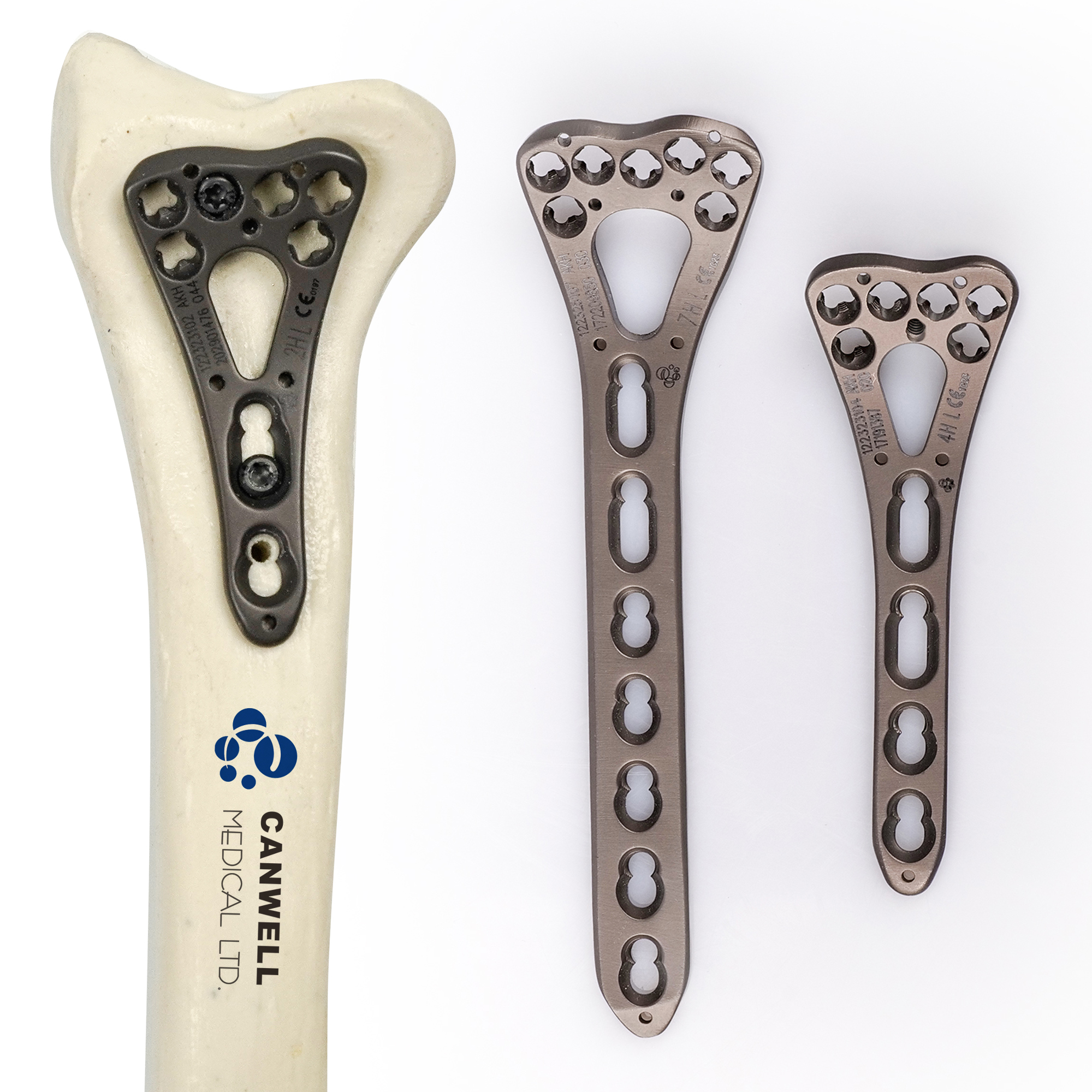
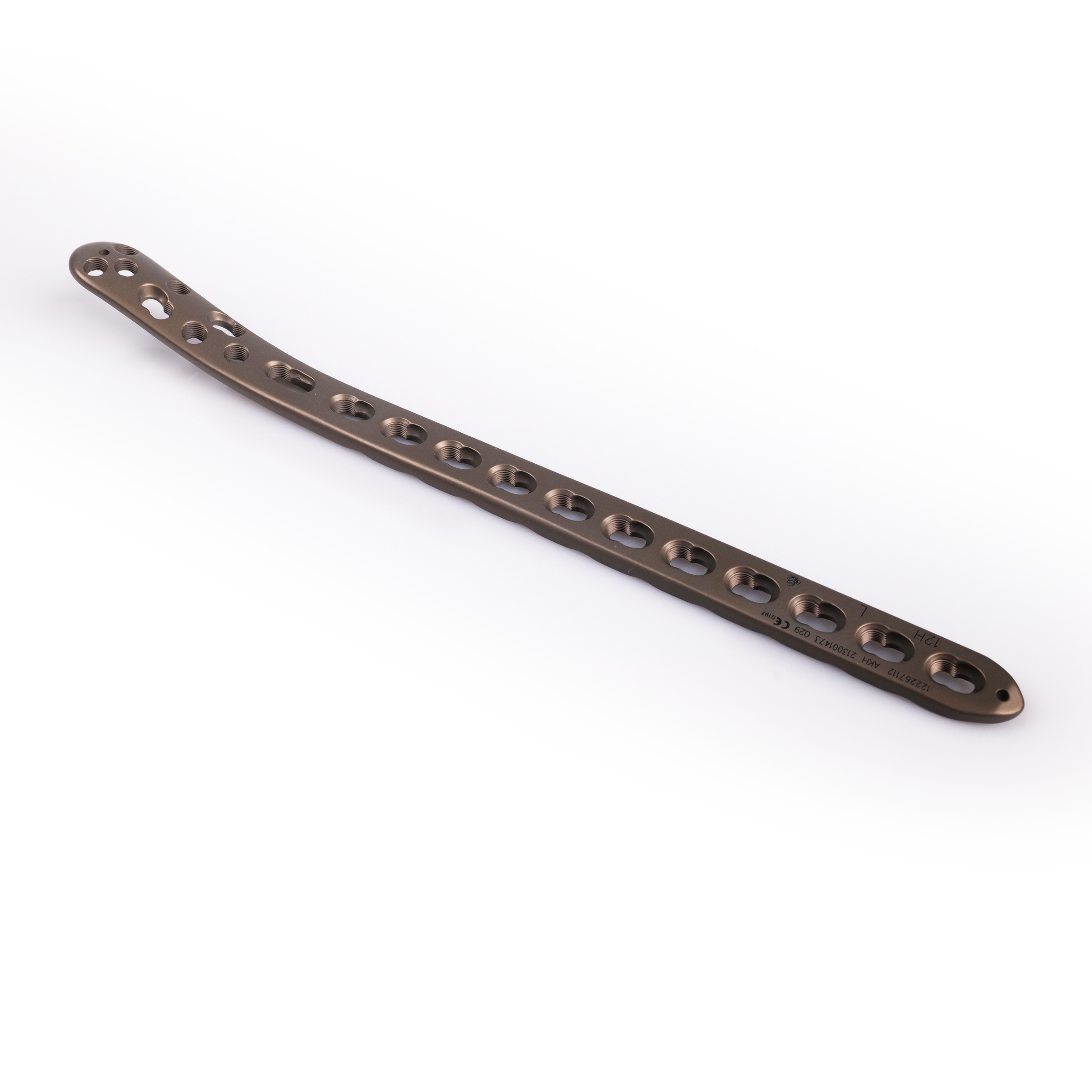
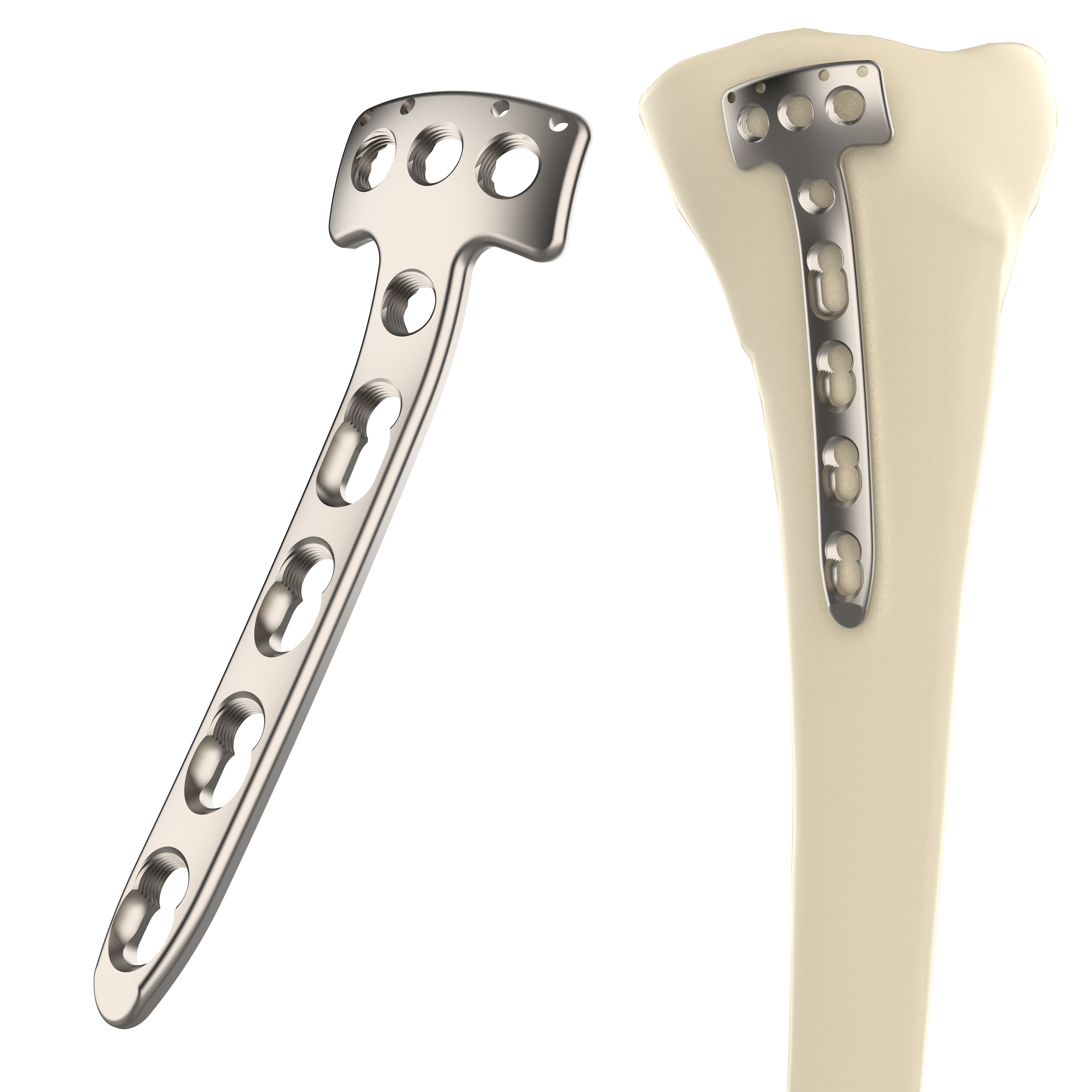
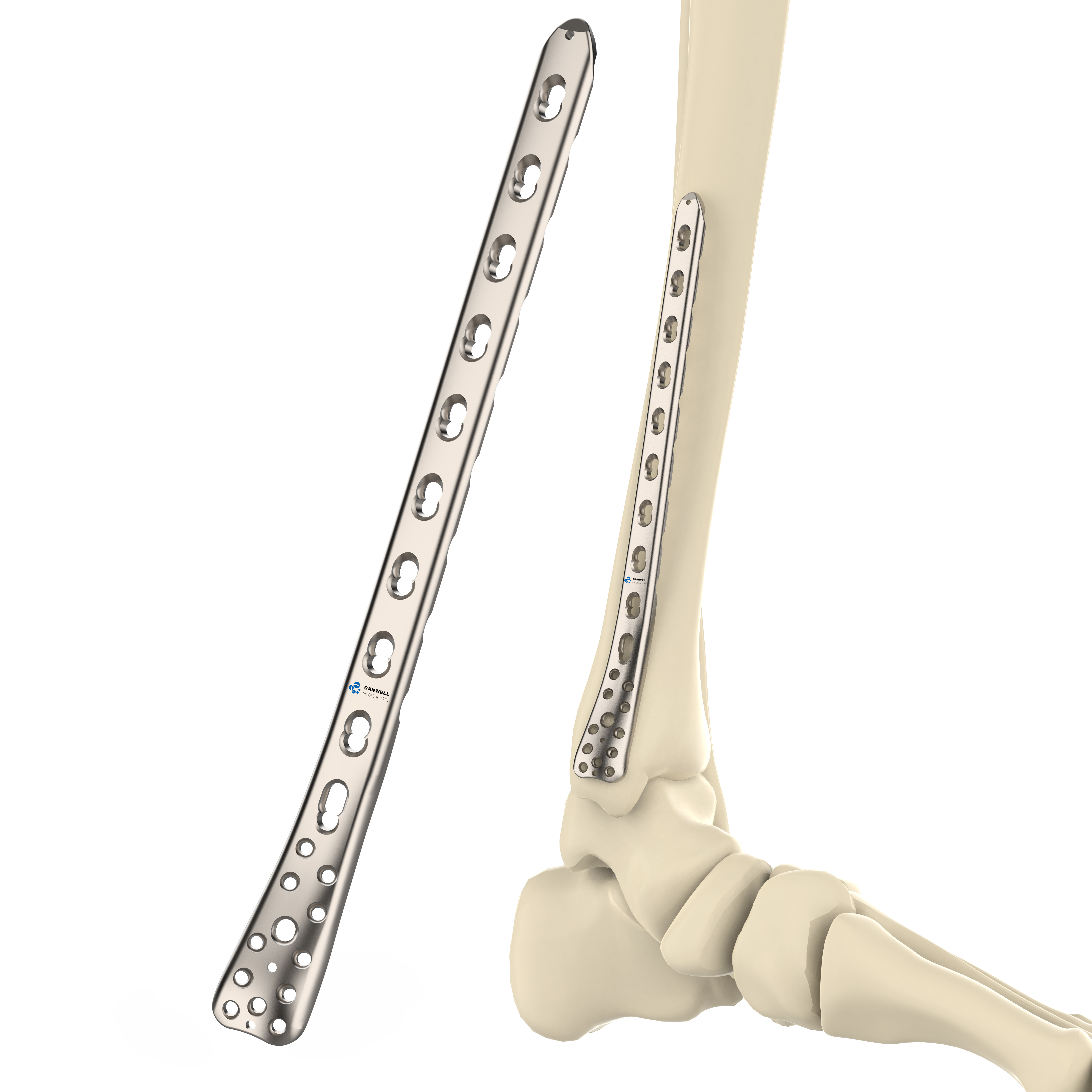
Unlike conventional non-locking screws that rely on friction between the plate and bone surface, locking screws feature threaded heads that mechanically engage with matching threaded holes inside anatomically contoured locking compression plates (LCP). This creates a fixed-angle construct that acts as an internal flexural frame, mitigating loss of reduction and minimizing periosteal blood supply disruption. Our CANWELL 2.4/2.7mm VA Titanium Distal Radius Volar Locking Systems permit polyaxial screw trajectory variations up to ±15 degrees, allowing surgeons to target specific articular fragments without compromising head-locking thread security.
C. Headless Cannulated Compression Screws (HCCS)
Utilized extensively in scaphoid fractures, intra-articular osteochondral fixation, and small bone arthrodesis, headless cannulated screws are threaded at both distal and proximal ends with differential thread pitches. As the screw advances over a precision guide wire, the differential pitch draws the bone fragments together, generating high dynamic interfragmentary compression while remaining fully buried beneath cartilage surfaces to eliminate soft tissue impingement.
D. Bioabsorbable PLGA & Radiolucent PEEK Interference Screws
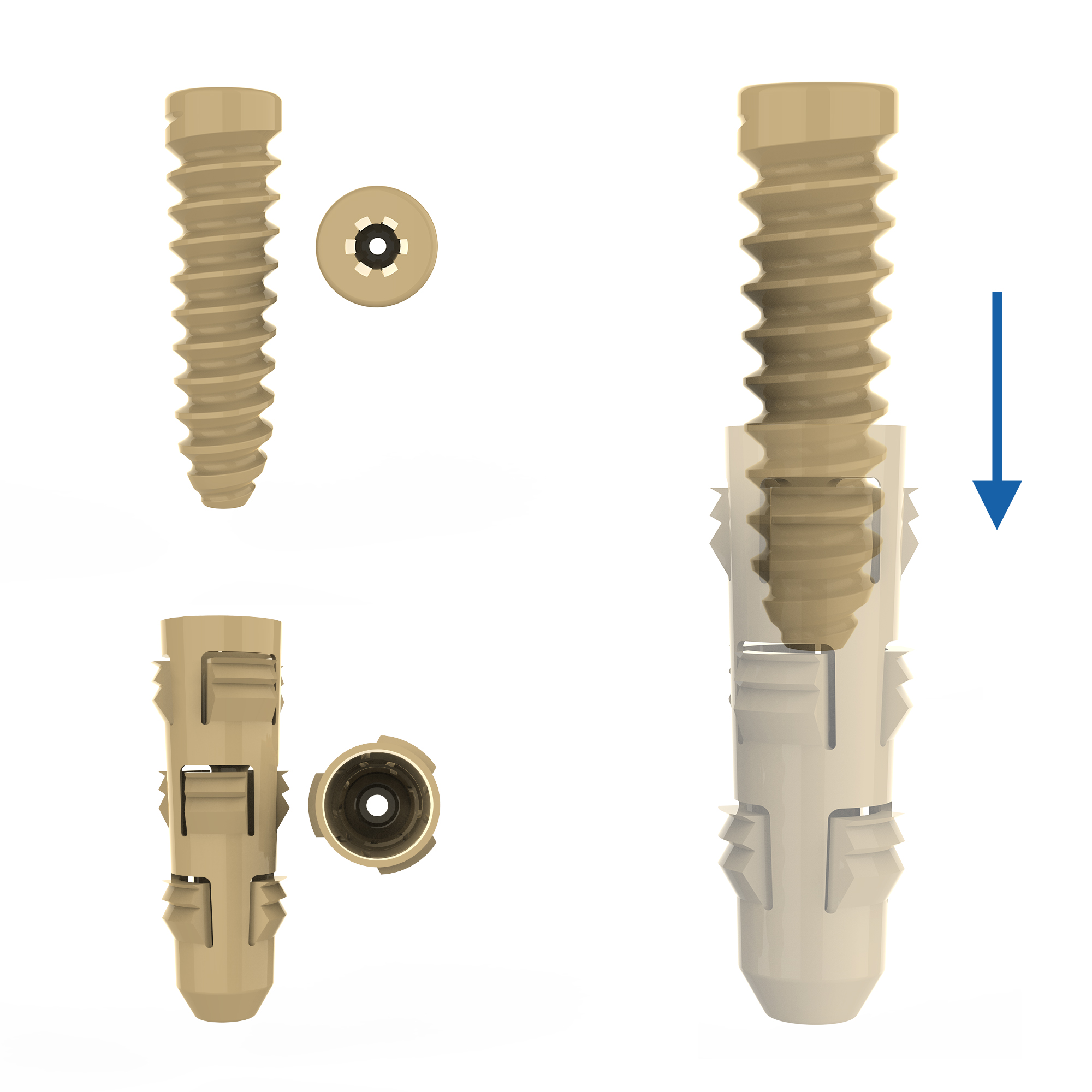
In sports medicine reconstruction (ACL/PCL ligament replacement), metal screws introduce MRI distortion and often require revision surgeries for removal. Our advanced sports medicine product line integrates bioabsorbable Poly(lactic-co-glycolic acid) (PLGA) screws that gradually hydrolyze into non-toxic metabolic byproducts over 12–24 months as native bone bridges the tunnel, alongside Polyether ether ketone (PEEK) interference screws providing permanent radiolucent stability.
3. Enterprise Manufacturing Strengths & Quality Assurance Architecture
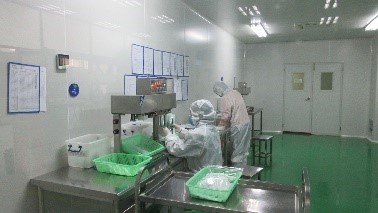
To secure long-term global contracts with medical device distributors and healthcare authorities, manufacturing credibility must be proven through rigorous empirical processes. Zhejiang INAR Medical Co., Ltd. implements a closed-loop quality control framework spanning thirteen distinct production phases:
1. Raw Material Traceability: Every batch of Grade 5 Titanium Alloy (Ti-6Al-4V ELI, ASTM F136) and Stainless Steel (316LVM, ASTM F138) undergoes optical emission spectroscopy and mechanical tensile testing upon arrival.
2. Swiss Lathe CNC Machining: Ultra-precise multi-axis CNC machines cut, thread, and drill bone screws in a single pass to prevent concentricity errors and burr formation.
3. Two-Stage Ultrasonic Decontamination: Implants pass through multi-chamber ultrasonic washing to eliminate residual cutting fluids, microscopic particles, and metallic dust.
SGS Onsite Verified
Production facility, legal compliance, and manufacturing capacity fully audited by SGS Group with public inspection documentation.
CE MDR Compliance
Product lines carry valid CE certifications under EU MDR (2017/745) and Medical Device Directive 93/42/EEC for friction-free global distribution.
Full OEM/ODM Ecosystem
Private-label laser marking, electrolytic color-anodization coding, customized thread profiles, and matched instrument kit manufacturing.
4. Technological Trends Reshaping Bone Screw Sourcing (2025–2030)
Strategic procurement directors must anticipate shifts in orthopedic implant technology to maintain market competitiveness. The next decade will be defined by three distinct industrial trends:
Trend 1: Surface Nano-Engineering & Hydroxyapatite (HA) Coatings
Plain titanium implants are increasingly being enhanced with bio-active coatings. Electrochemical micro-arc oxidation (MAO) and hydroxyapatite (HA) plasma spraying generate porous nanoscale surface structures that accelerate osteointegration, reducing early-stage implant loosening in osteoporotic patients.
Trend 2: Additive Manufacturing (3D Printing) & Custom Porous Threads
While traditional Swiss lathe turning remains the gold standard for standard bone screws, electron beam melting (EBM) and direct metal laser sintering (DMLS) 3D printing now enable integrated screws with solid structural cores surrounded by porous titanium scaffold threads, promoting direct inward bone ingrowth.
Trend 3: Supply Chain Unification & Integrated Instrument Kits
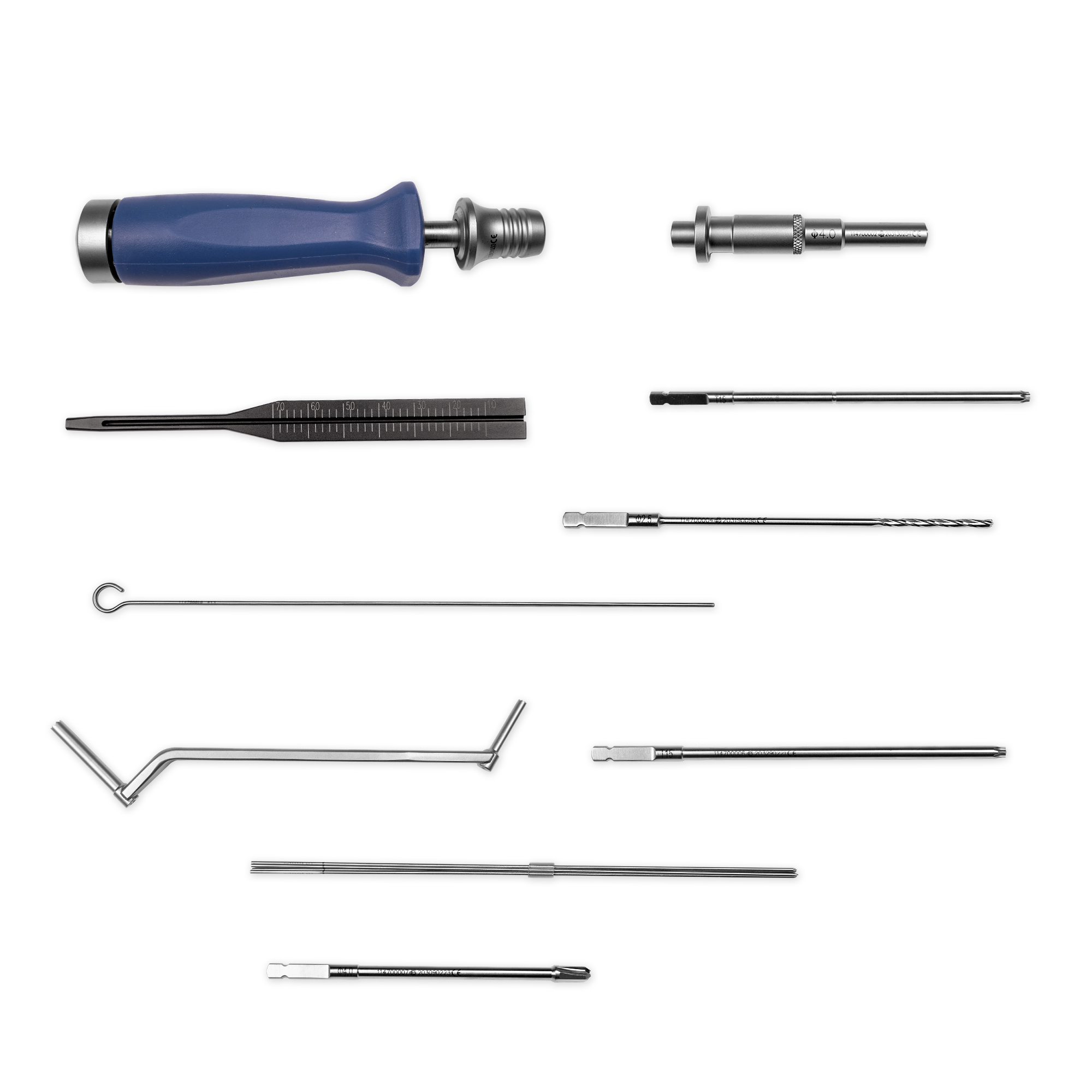
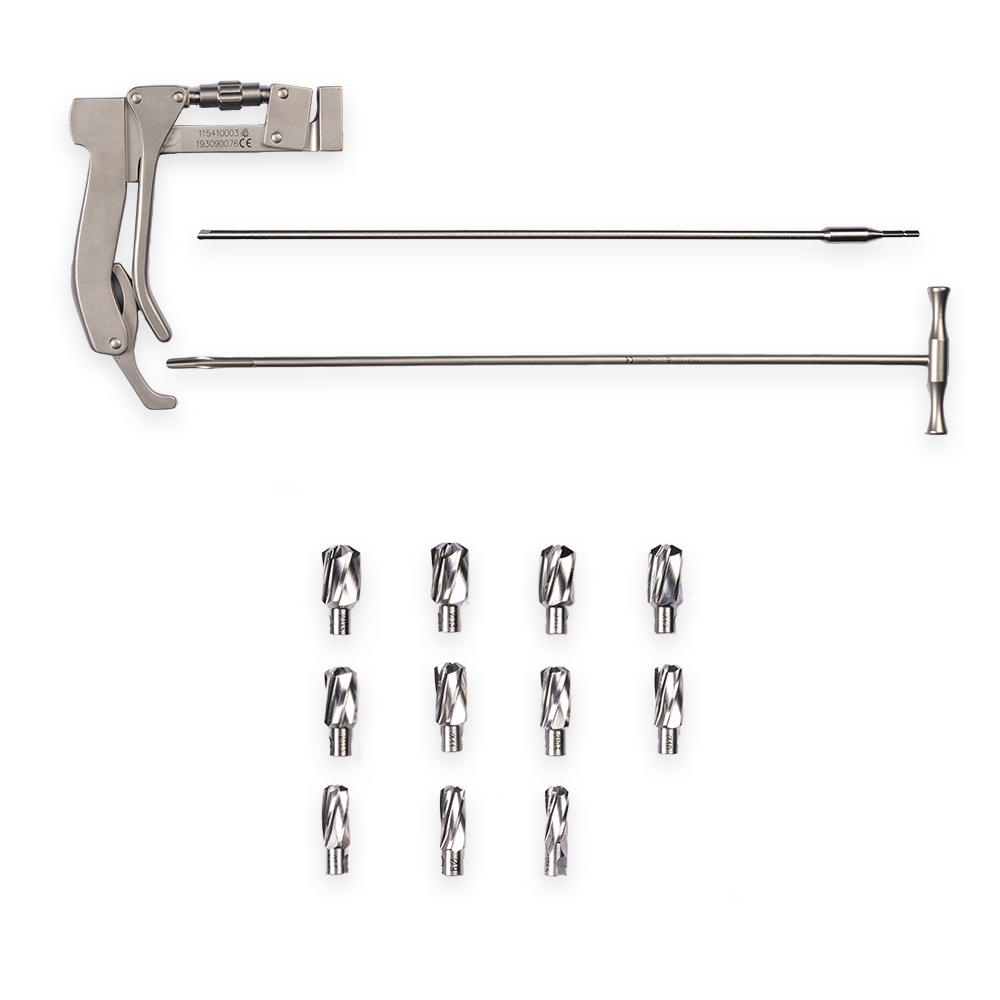
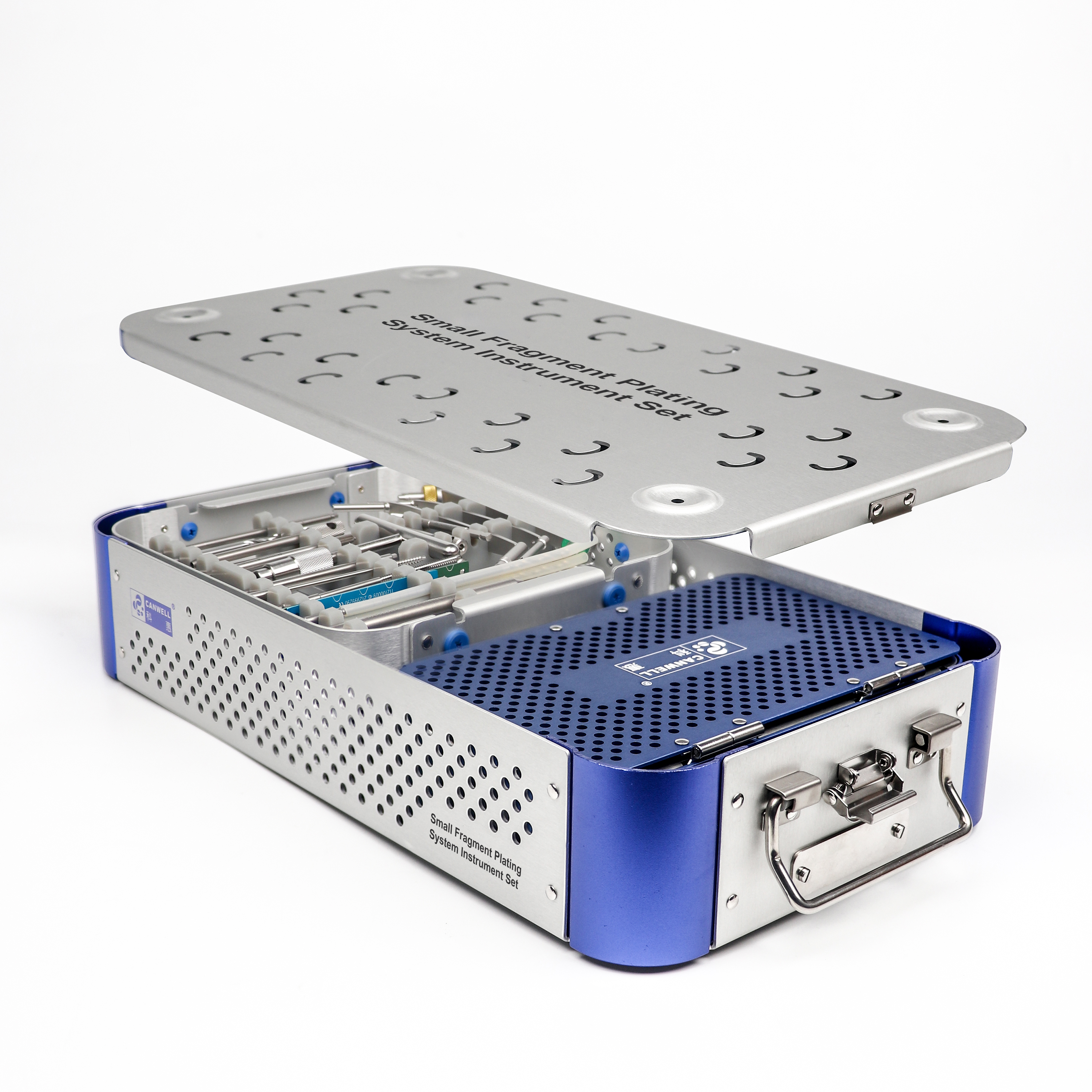
Distributors no longer seek standalone screw suppliers. Modern hospital tenders require unified implant-instrument ecosystems. Offering torque-limiting handles, color-coded quick-coupling drivers, and custom autoclavable aluminum trays alongside the screw system is now a non-negotiable procurement standard.
5. Future Sourcing Strategy & Risk Mitigation for Global Importers
Navigating global healthcare procurement requires balancing cost-efficiency against regulatory compliance and quality assurance. Importers partnering with Chinese manufacturers should enforce a strict three-tier verification protocol:
- Regulatory Technical File Review: Request full biocompatibility test reports (ISO 10993 series), dynamic fatigue shear data, and sterile barrier packaging integrity validation.
- Onsite / Virtual Production Audit: Inspect the manufacturer's cleanroom air particle counts (ISO 14644-1), water purification systems for final washing, and non-destructive penetrant testing facilities.
- Batch Traceability & OQC Certification: Ensure every shipped box contains material certificates linking the finished serial numbers back to raw titanium ingot melt numbers.
Frequently Asked Questions (FAQ) for Procurement Teams
Technical answers to key inquiries raised by hospital buyers, orthopedic importers, and regulatory managers.
Which regulatory certifications do INAR/CANWELL orthopedic bone screws hold?
What medical-grade materials are used for your bone screw manufacturing?
1. Titanium Alloy (Ti-6Al-4V ELI / ISO 5832-3 / ASTM F136): The primary material for trauma locking screws, distal radius plates, and pedicle screws offering high strength-to-weight ratio and optimal bio-compatibility.
2. Medical-Grade Stainless Steel (316LVM / ISO 5832-1 / ASTM F138): For cost-effective trauma fixation plates and manual instrument sets.
3. PEEK (Polyether ether ketone): For radiolucent spinal interbody cages and ACL interference screws.
4. PLGA (Poly-lactic-co-glycolic acid): For bioabsorbable ligament fixation screws.
Do you provide OEM and ODM customization services for private label brands?
How does your factory ensure thread quality and prevent screw stripping?
What is your typical production lead time and order fulfillment process?
How are bone screws packaged for sterile and non-sterile delivery?
Partner with China's Leading Bone Screws Manufacturer
Request technical white papers, full product catalogs, CE documentation, or customized OEM/ODM quotation plans from our senior engineering team today.
Contact Us