Premier Orthopedic Trauma & Interlocking Nailing Systems
Explore our certified titanium and stainless steel intramedullary systems, anatomical locking plates, and precision surgical instrumentation trays engineered for superior clinical outcomes.
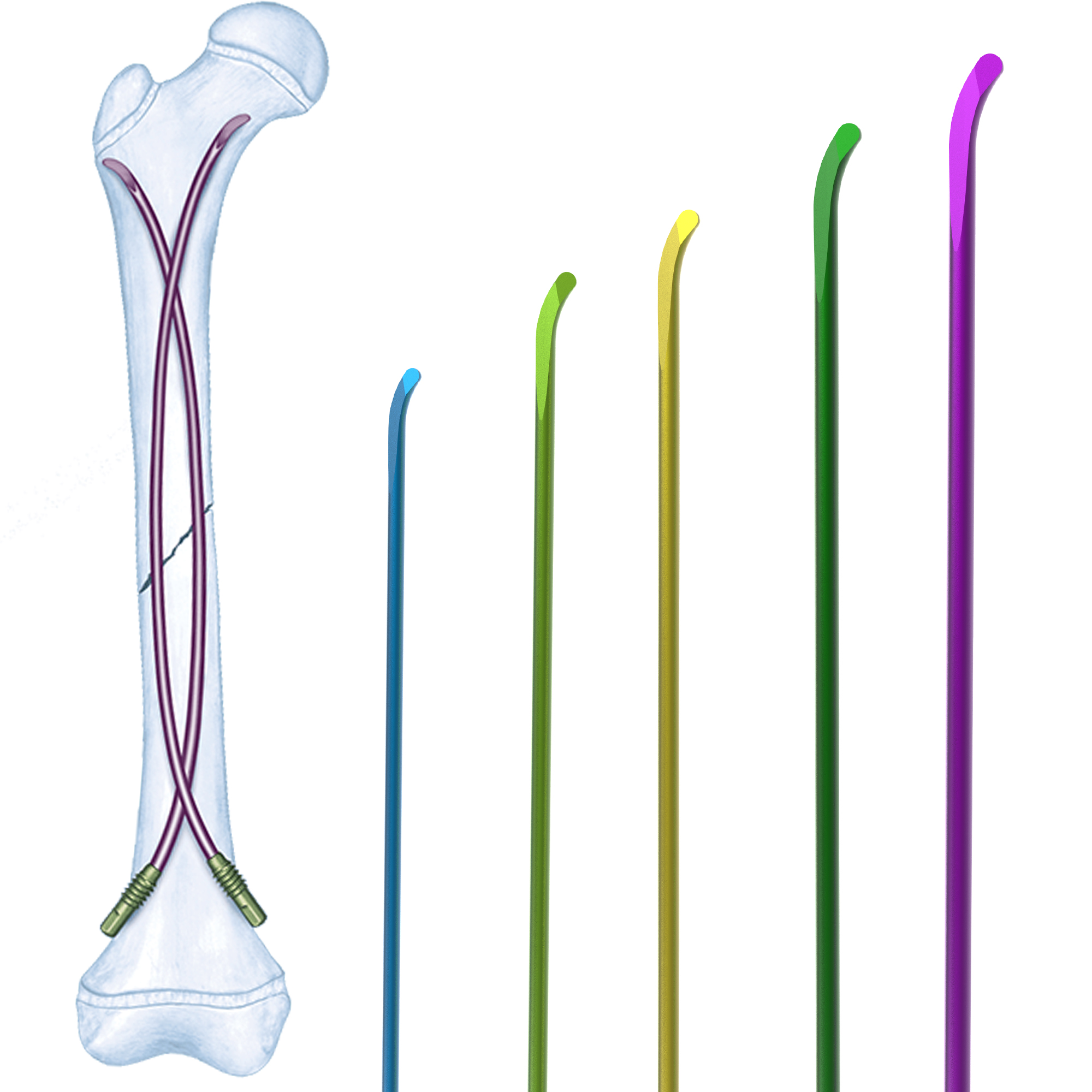
Titanium Elastic Stable Intramedullary Nail (TEN)
Designed for pediatric long bone fractures and small canal diaphyseal stabilization. Provides optimal flexible micro-motion load sharing.
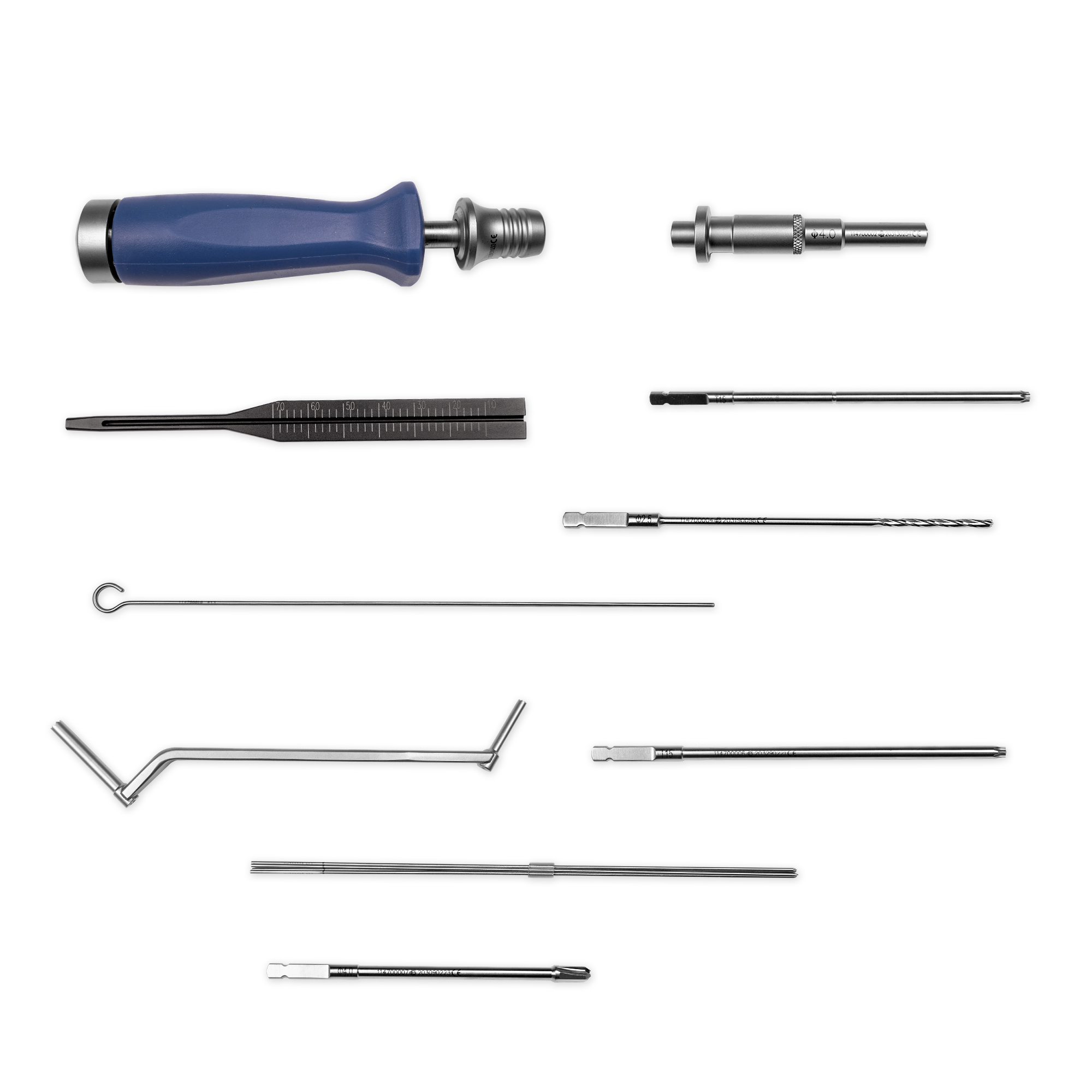
Orthopedic Manual Metal Torque Limiter & Ratchet Handle
High-precision quick-coupling torque adapter set. Prevents over-tightening during locking screw placement in intramedullary nailing.
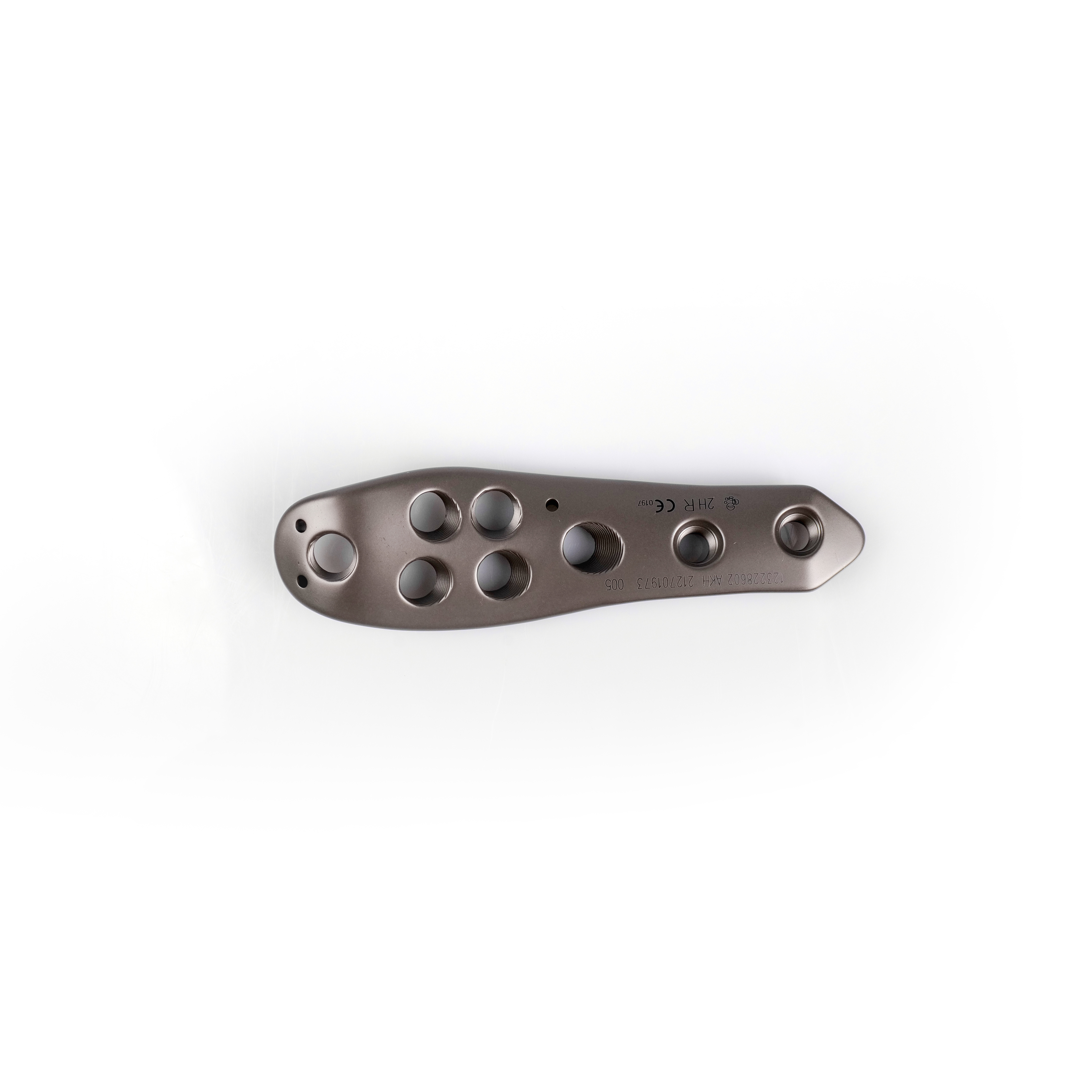
Titanium Distal Femoral & Tibial Outer Side Locking Plate
Anatomically pre-contoured fracture fixation plates featuring multi-planar locking technology for complex distal metaphyseal fractures.
Titanium Sinus Tarsal Locking Screw System (2.4/2.7mm)
Class II orthopedic micro-screws specifically calibrated for foot and ankle trauma reconstruction and small fragment rigid fixation.
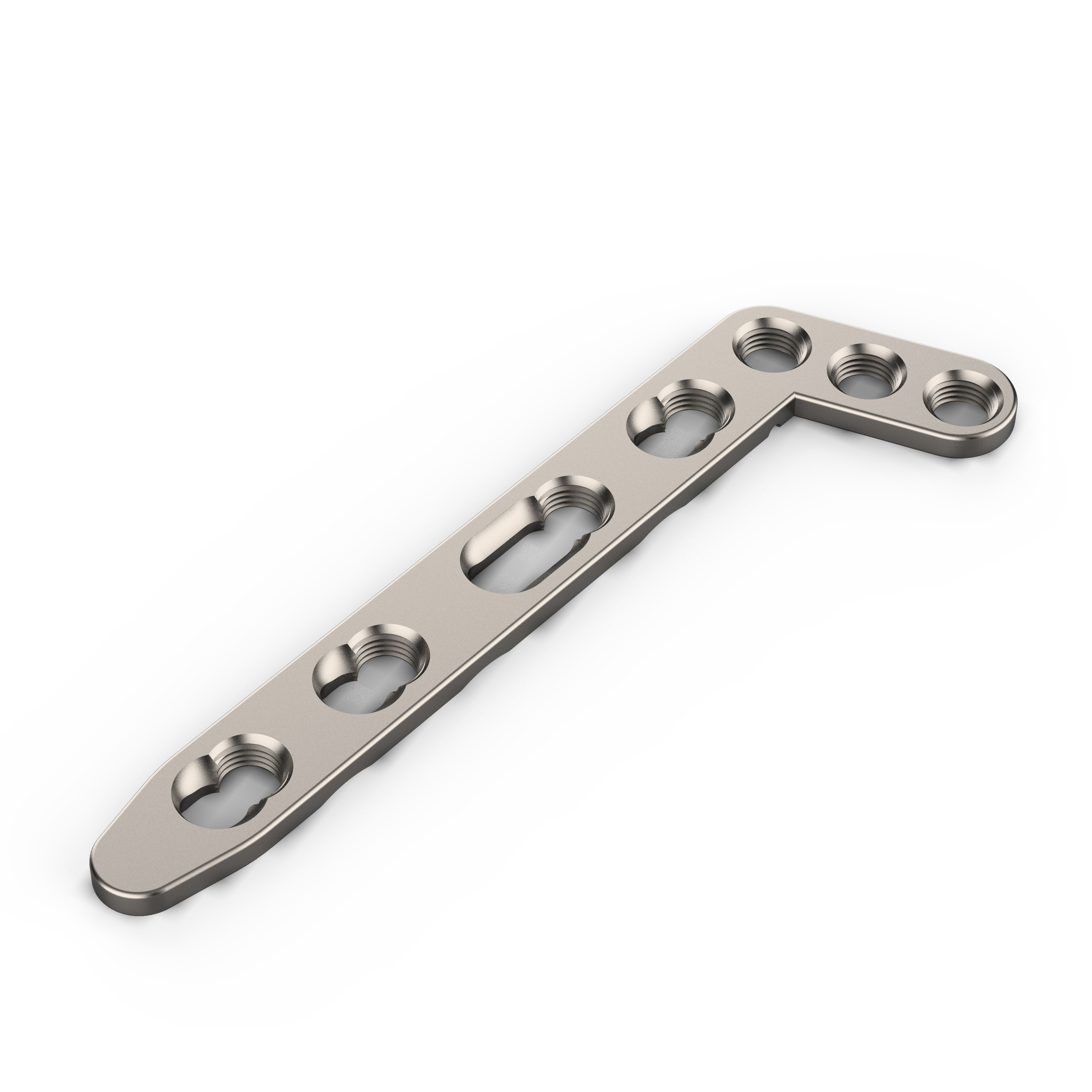
Distal Radius Dorsal Oblique Volar Titanium Locking Plate
Low-profile titanium implant optimized for intra-articular and extra-articular distal radius fracture alignment and stable healing.
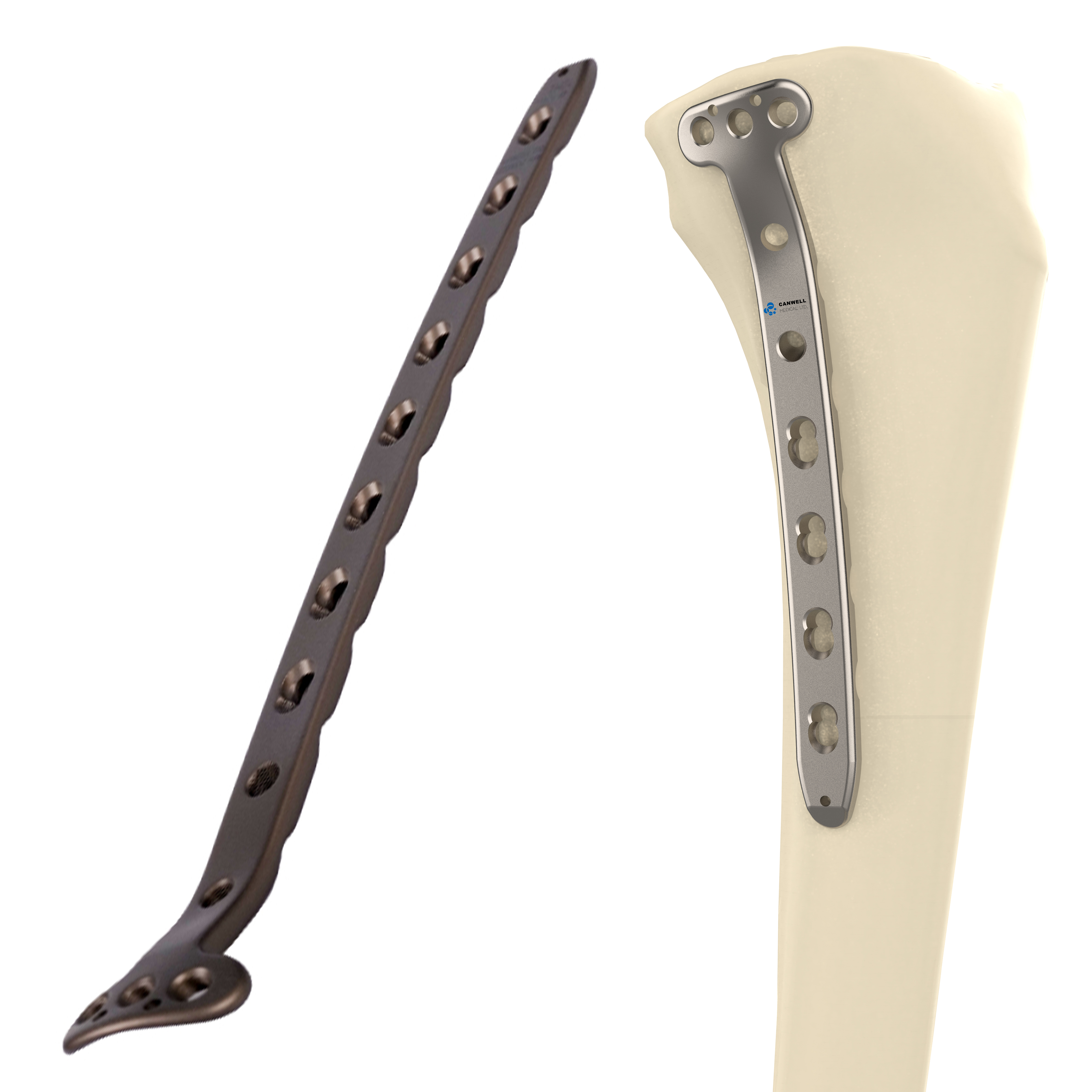
Proximal Medial Titanium Tibial Plateau Locking Compression Plate
Precision-engineered for tibial plateau fracture repair, delivering anatomical buttressing and resistance against varus collapse.
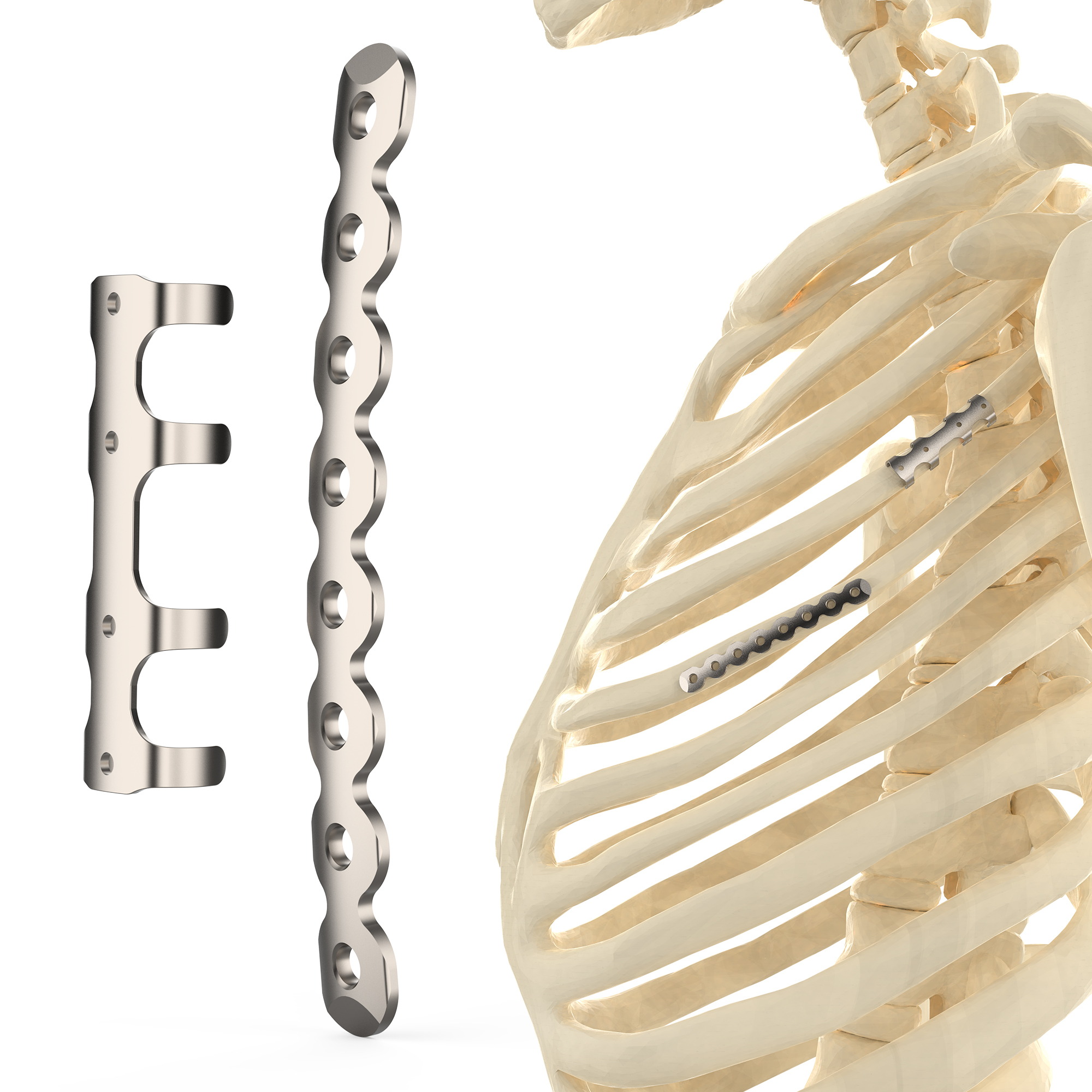
Titanium Rib Fracture Stabilization Locking Plate Implant
Ultra-thin, malleable titanium rib fixation system engineered to restore chest wall integrity with minimal soft tissue disruption.
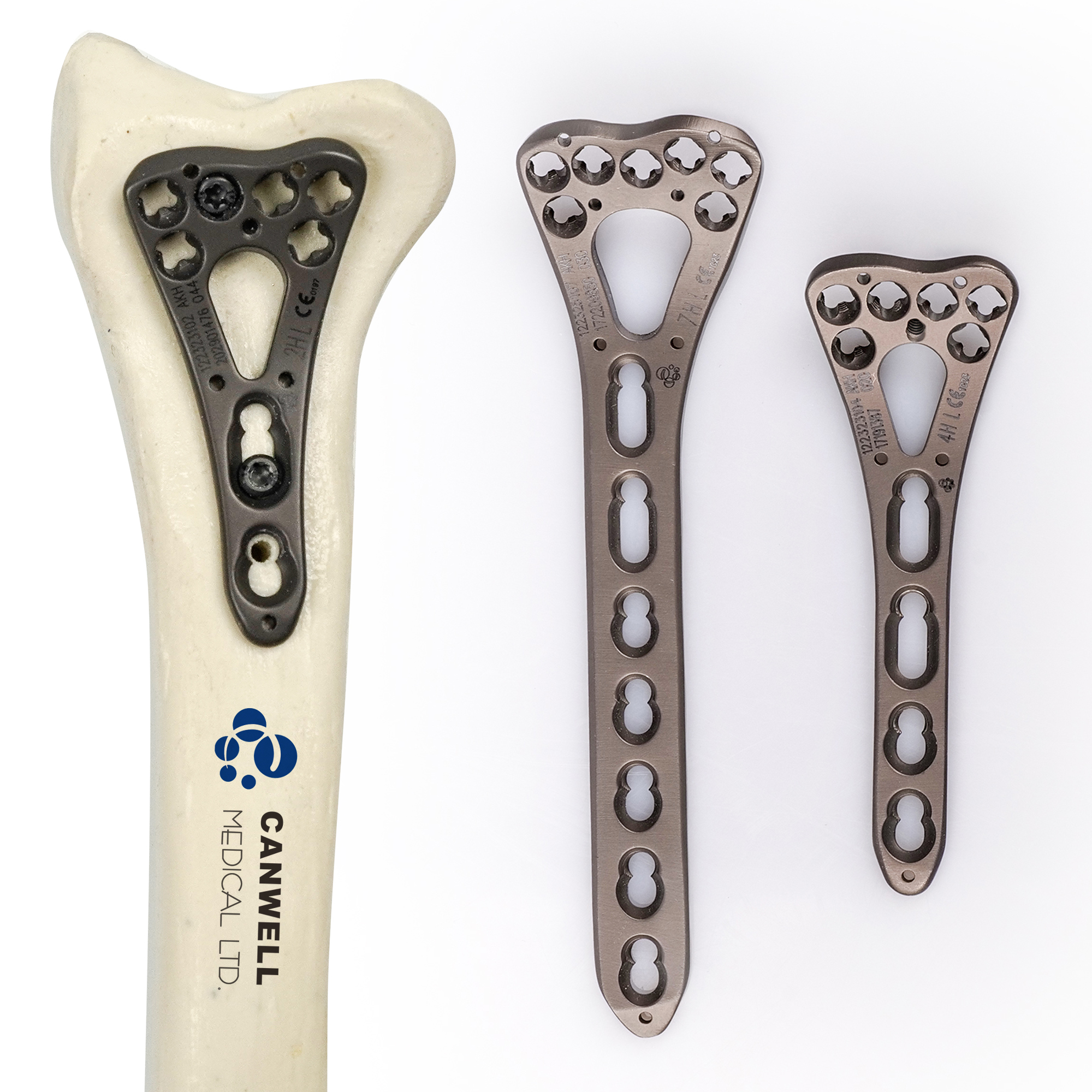
2.4 / 2.7mm VA Titanium Distal Palmar Volar Wrist Locking Plate
Variable-angle locking construct offering 15-degree polyaxial screw trajectories for customized articular surface reconstruction.
Future Procurement Trends in Global Intramedullary Nailing Systems
The global orthopedic trauma device sector is undergoing a profound paradigm shift. Hospital procurement committees, surgical directors, and international medical device distributors are increasingly transitioning from legacy stainless steel implants to high-grade Ti-6Al-4V ELI (Titanium Alloy ISO 5832-3) interlocking intramedullary nails. Driven by stringent regulatory changes—such as the European Union’s Medical Device Regulation (EU MDR 2017/745)—procurement teams are prioritizing suppliers with end-to-end quality management systems and verified biocompatibility standards.
Key procurement vectors reshaping the market through 2030 include:
1. Suprapatellar Tibial Access Dominance
Clinical preference is rapidly migrating toward suprapatellar entry techniques over traditional infrapatellar approaches. Suprapatellar nailing maintains the knee in semi-extension, simplifying fluoroscopic imaging, preventing recurvatum deformity, and dramatically reducing postoperative anterior knee pain.
2. Multi-Planar Polyaxial Distal Locking
Modern trauma surgery demands dynamic load distribution. Advanced intramedullary nails now feature dynamic compression slots alongside multi-planar angle-stable locking options to minimize stress shielding and promote robust periosteal callus formation.
3. Carbon-Fiber Radiolucent Instrumentation
High-volume surgical centers mandate carbon-fiber distal targeting arms. Radiolucent targeting guides eliminate intraoperative radiopaque interference, drastically reducing X-ray exposure times for surgical teams and increasing screw insertion accuracy.
4. Uncompromised Traceability & Cleanroom Sterilization
Global distributors are eliminating cross-contamination risks by requiring pre-sterilized, single-pack blister-encapsulated implants featuring unique device identification (UDI barcode systems) directly laser-etched onto every nail and locking screw.
Biomechanical Engineering & Technological Evolution of Chinese Intramedullary Implants
Intramedullary nailing represents the gold standard for diaphyseal long-bone fracture stabilization (femur, tibia, and humerus). Grounded in the principles of Wolff's Law, intramedullary implants act as internal splints, sharing mechanical axial loads with the host cortical bone rather than shielding it entirely. This controlled axial micro-motion stimulates rapid endochondral ossification.
As China’s leading orthopedic manufacturer, Zhejiang INAR Medical Co., Ltd. (CANWELL Medical) has engineered proprietary biomechanical advancements into our interlocking nail architectures:
- Optimized Anatomic Curvature Radii: Our femoral intramedullary nails feature an anatomically matched anterior bow radius (R1.5m to R2.0m), eliminating the risk of anterior cortical perforation during insertion in varied patient populations.
- Cannulated Deep-Hole Gun-Drilling: Utilizing advanced Swiss-type CNC deep-hole gun-drilling systems, our nails maintain perfectly concentric inner cannulation channels, allowing smooth insertion over 3.0mm ball-tipped guide wires without structural flaring or wall thinning.
- Pediatric Elastic Stable Intramedullary Nailing (TEN): Designed specifically for pediatric long-bone fractures, our Titanium Elastic Nails leverage symmetrical elastic flexural anchoring. By establishing a balanced three-point mechanical stability within the medullary canal, TEN implants preserve the growth plate (physeal protection) while facilitating early mobilization.
- Surface Anodization & Electrochemical Passivation: Type II electrochemical titanium anodization creates an ultra-dense, anti-galling titanium oxide superficial barrier. This process increases fatigue strength limits under cyclic bending loads and prevents cold-welding between locking screws and the nail body during hardware removal.
Enterprise Manufacturing Superiority & Quality Assurance
Inside Zhejiang INAR Medical Co., Ltd. — Verified by SGS Onsite Assessment, Powered by 22+ Years of Orthopedic Innovation
Operating from a state-of-the-art 29,523 m² manufacturing facility staffed by 632 dedicated medical device specialists, INAR Medical (CANWELL) delivers vertically integrated OEM and ODM manufacturing services for tier-one global healthcare brands and government procurement tenders.
Our 13-Stage Precision Manufacturing Workflow:
Raw Material Verification
100% spectral analysis, ultrasonic flaw detection, and tensile testing of medical-grade Titanium Alloy (Ti-6Al-4V ELI) bar stock.
Swiss CNC Machining
Multi-axis Swiss longitudinal turning and 5-axis CNC milling achieve micro-meter tolerances (±0.005mm) across complex geometries.
Surface Grinding & Polishing
Automated mechanical deburring and mirror polishing eliminate micro-notches, raising fatigue endurance limits under dynamic loads.
Ultrasonic Cleaning I & II
Multi-stage automated ultrasonic washing removes non-polar machining oils, particulate matter, and surface residuals.
Fluorescent Penetrant Testing
100% non-destructive fluorescent dye penetrant inspection detects potential superficial cracks or material micro-discontinuities.
Class 100,000 Aseptic Packaging
Final cleaning, visual OQC inspection, blister thermoforming, and cleanroom heat-sealing conducted under strict ISO 13485 controls.
Frequently Asked Questions (FAQ) for Global Buyers
Detailed insights on regulatory compliance, OEM customization, biomechanical material selection, and international shipping logistics.
1. What regulatory certifications do INAR / CANWELL intramedullary nails hold for European and global markets?
Our intramedullary nail systems and trauma locking plates are certified under European Medical Device Regulation (EU MDR 2017/745) and Medical Device Directive (93/42/EEC). Our manufacturing plant operates strictly under ISO 13485:2016 quality management systems and has successfully passed onsite physical audits conducted by SGS Group. Full technical dossiers (STED), Risk Management files (ISO 14971), Biocompatibility reports (ISO 10993), and Certificates of Analysis (CoA) are available to support national health authority registrations globally.
2. What are the key material advantages of Ti-6Al-4V ELI over Stainless Steel 316L in intramedullary nailing?
While 316L Stainless Steel offers cost efficiency, Ti-6Al-4V ELI (Extra Low Interstitial, Grade 5 Titanium) provides a modulus of elasticity (~110 GPa) significantly closer to human cortical bone (~18 GPa) than stainless steel (~210 GPa). This vastly reduces stress shielding, promotes natural fracture healing, increases dynamic fatigue strength, and ensures complete MRI and CT artifact compatibility for postoperative diagnostic evaluation.
3. Can you manufacture custom private-label OEM intramedullary nails and specialized surgical instrument trays?
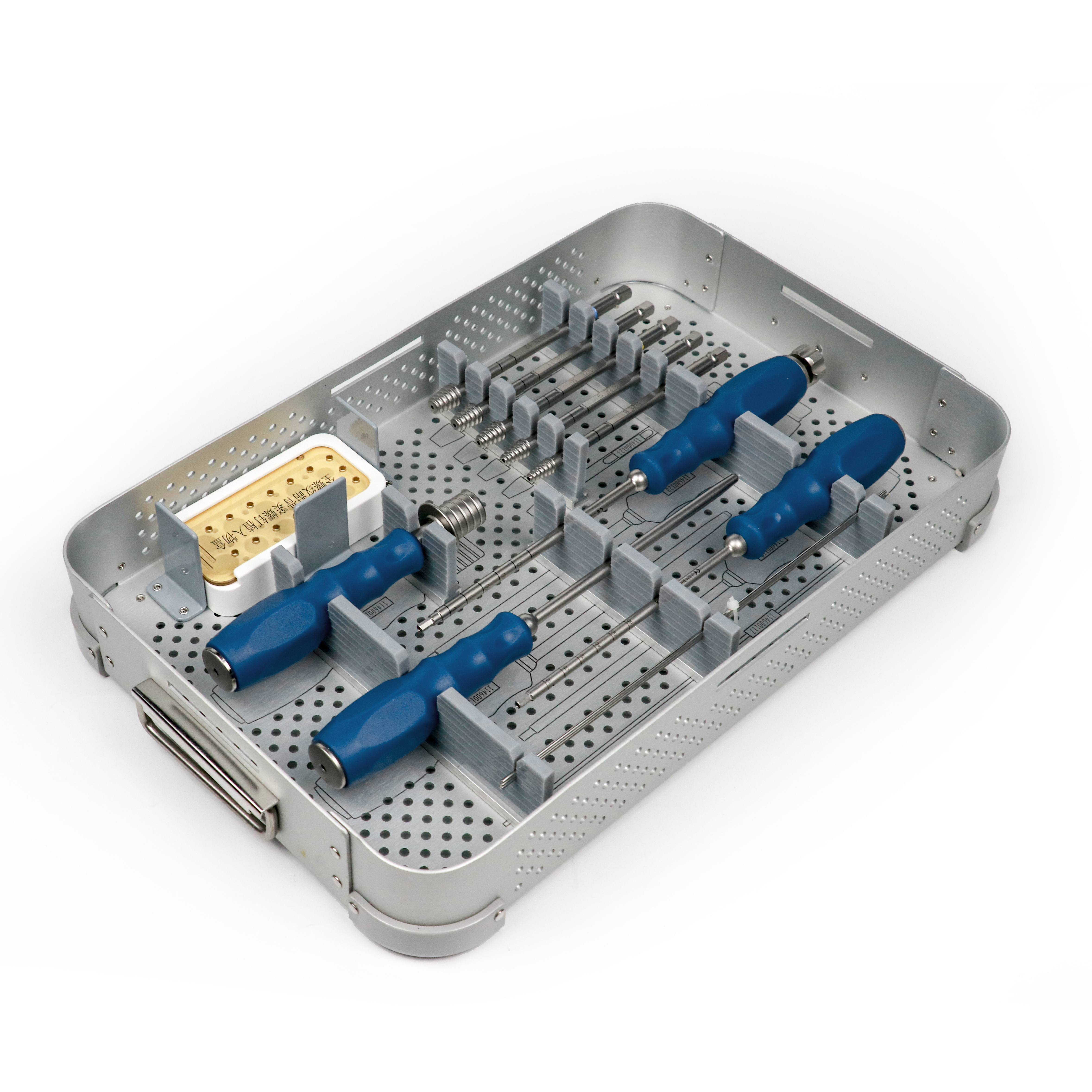
Yes, full OEM and ODM customization is our core enterprise competency. We offer tailored laser-marking (private brand logos, UDI matrices, lot numbers), custom anodization color-coding (gold, blue, green, magenta), specific nail length/diameter variations, and custom stainless steel or aluminum surgical instrument sterilization trays built to exact distributor specifications.
4. How does your facility ensure the mechanical reliability and fatigue resistance of intramedullary implants?
Every batch of intramedullary nails undergoes rigorous mechanical testing in accordance with ASTM F1264 and ISO 14801 standards. Our in-house quality control laboratory performs 4-point static bending tests, dynamic fatigue endurance testing (up to 5 million stress cycles without structural failure), torque-to-failure testing on locking screws, and 3D coordinate measuring machine (CMM) dimensional verification.
5. What is the typical lead time for international B2B bulk orders and sample evaluations?
Standard catalog products are stocked for immediate sample dispatch within 3 to 5 business days. Mass production lead times for standard distributor orders range between 15 to 30 calendar days. Custom OEM orders requiring new mold tooling, specialized CNC programming, or custom instrument tray fabrication typically deliver within 35 to 45 days, supported by expedited global air freight or containerized sea transport.
Partner with China's Foremost Intramedullary Nailing System Manufacturer
Direct factory pricing, complete regulatory registration support, uncompromised Swiss-CNC manufacturing precision, and flexible OEM/ODM capabilities for global distributors.