Featured Bone Fixation & Trauma Products
Precision-engineered titanium and stainless steel internal fixation systems evaluated for critical clinical performance, mechanical endurance, and anatomical adaptability.
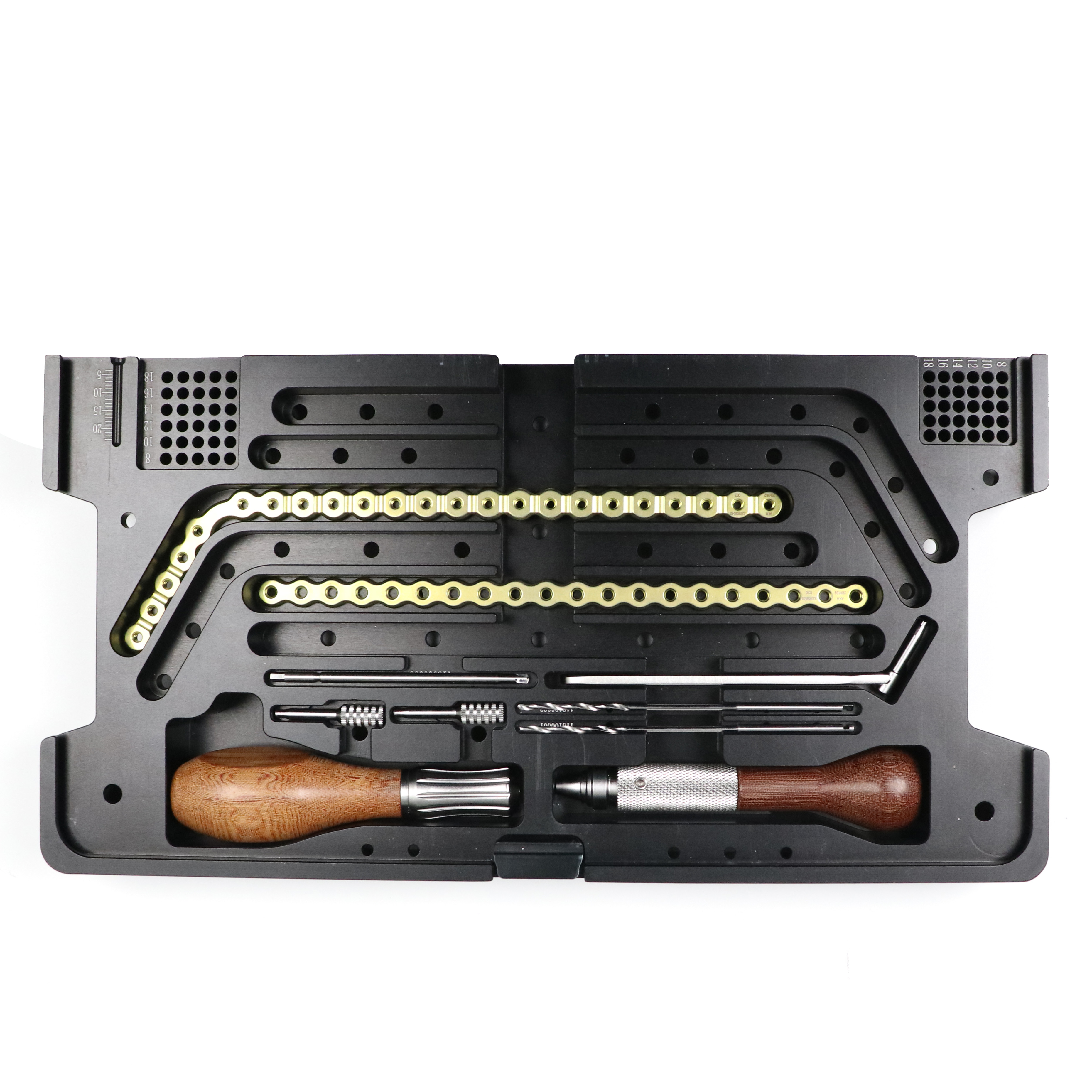
CANWELL Maxillofacial Surgery Instrument Set & Titanium Mesh Plate
View Specifications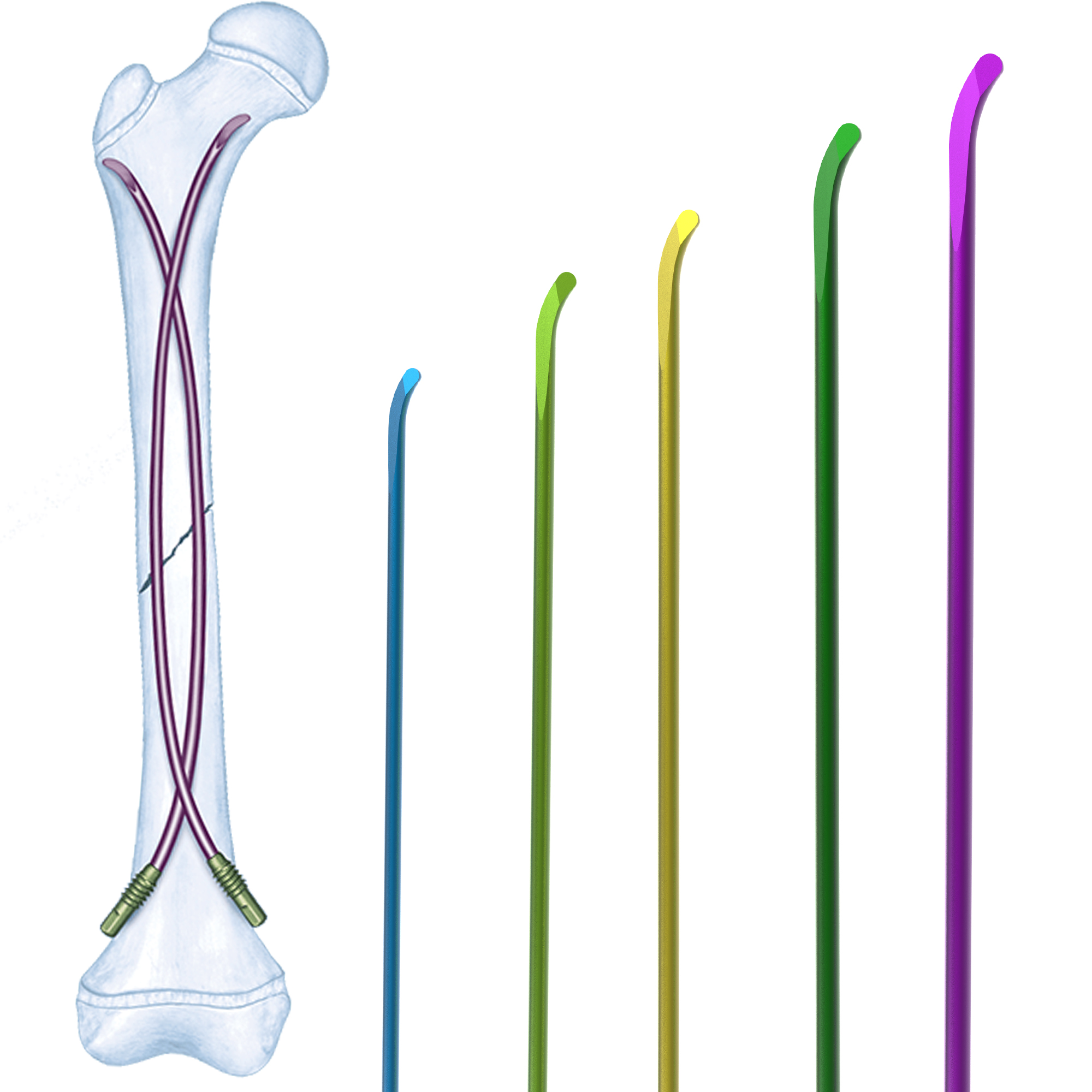
Titanium Elastic Stable Intramedullary Nail (TEN) System
View Specifications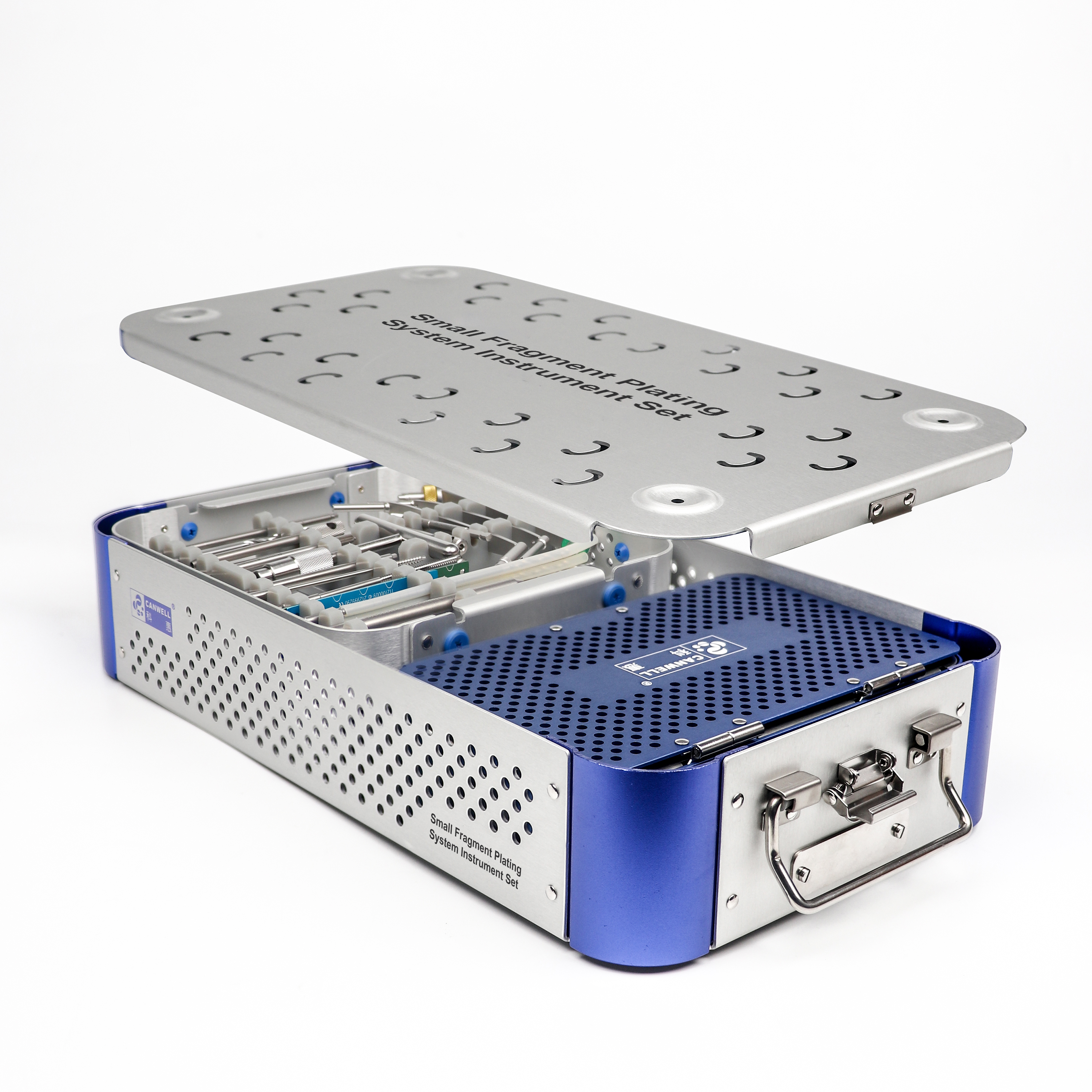
Small Fragment Orthopedic Surgical Instrument Kit
View Specifications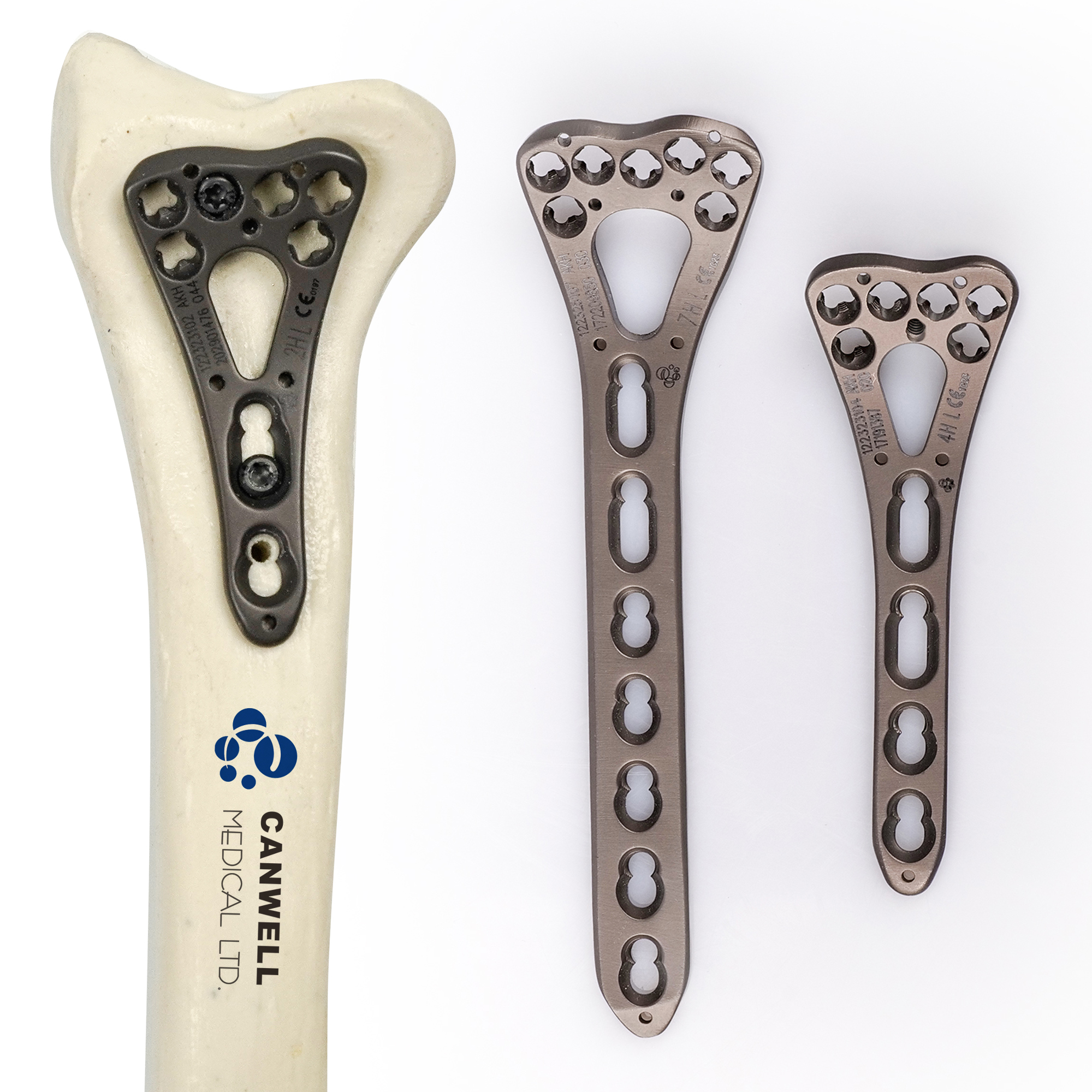
2.4 / 2.7mm Variable-Angle Titanium Distal Radius Volar Locking Plate
View Specifications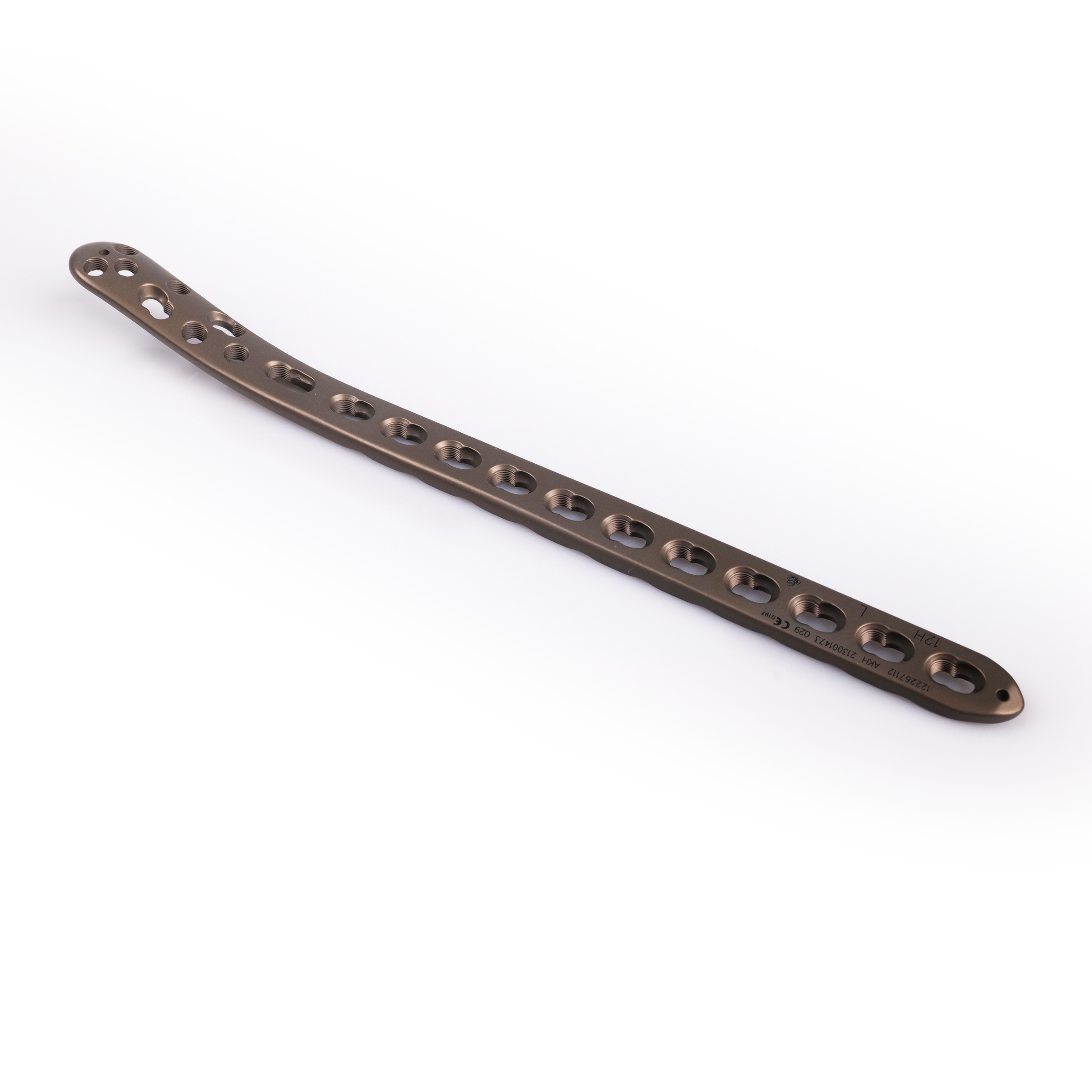
Distal Medial Tibial Locking Plate System (Titanium)
View Specifications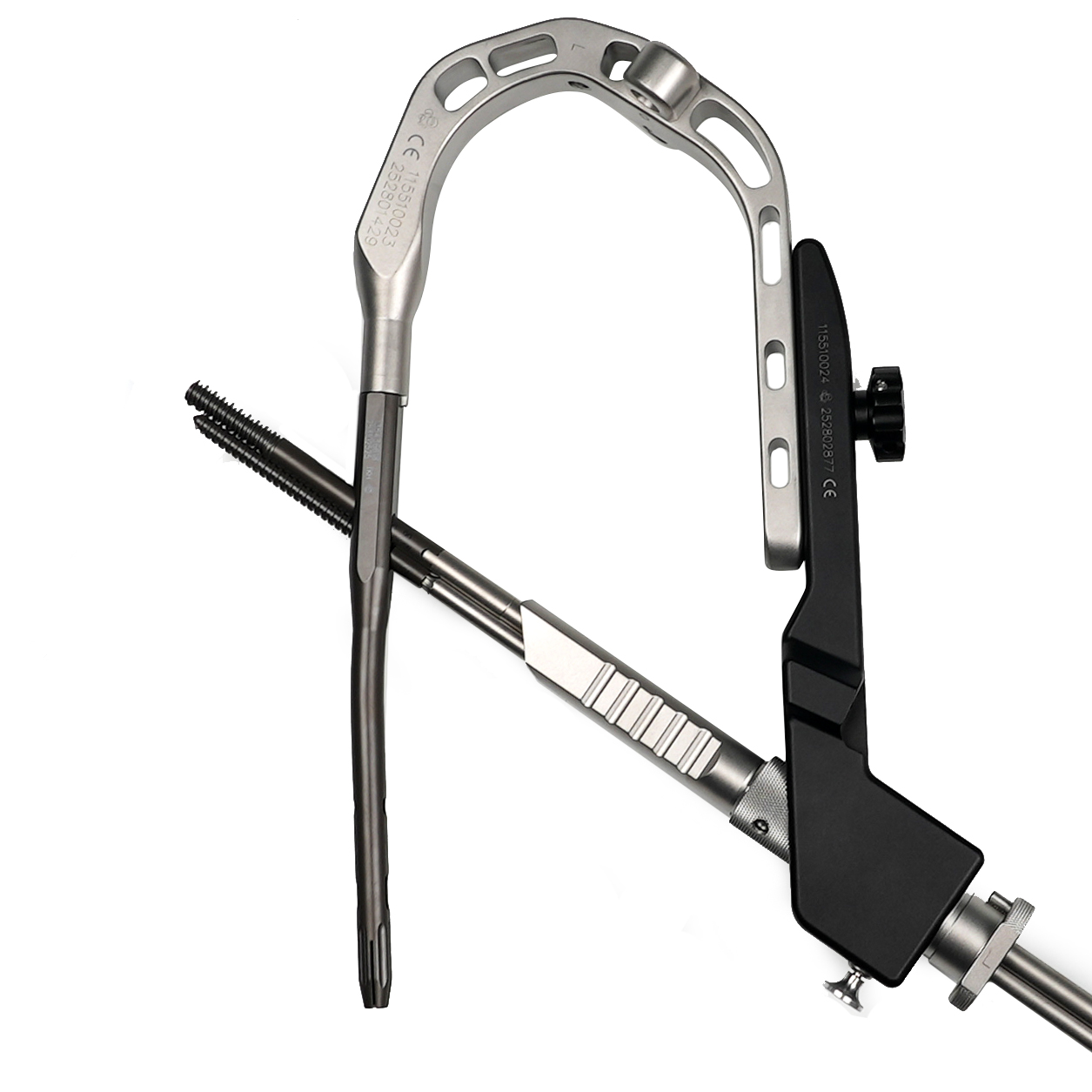
Titanium Femoral Interlocking Intramedullary Nail System
View Specifications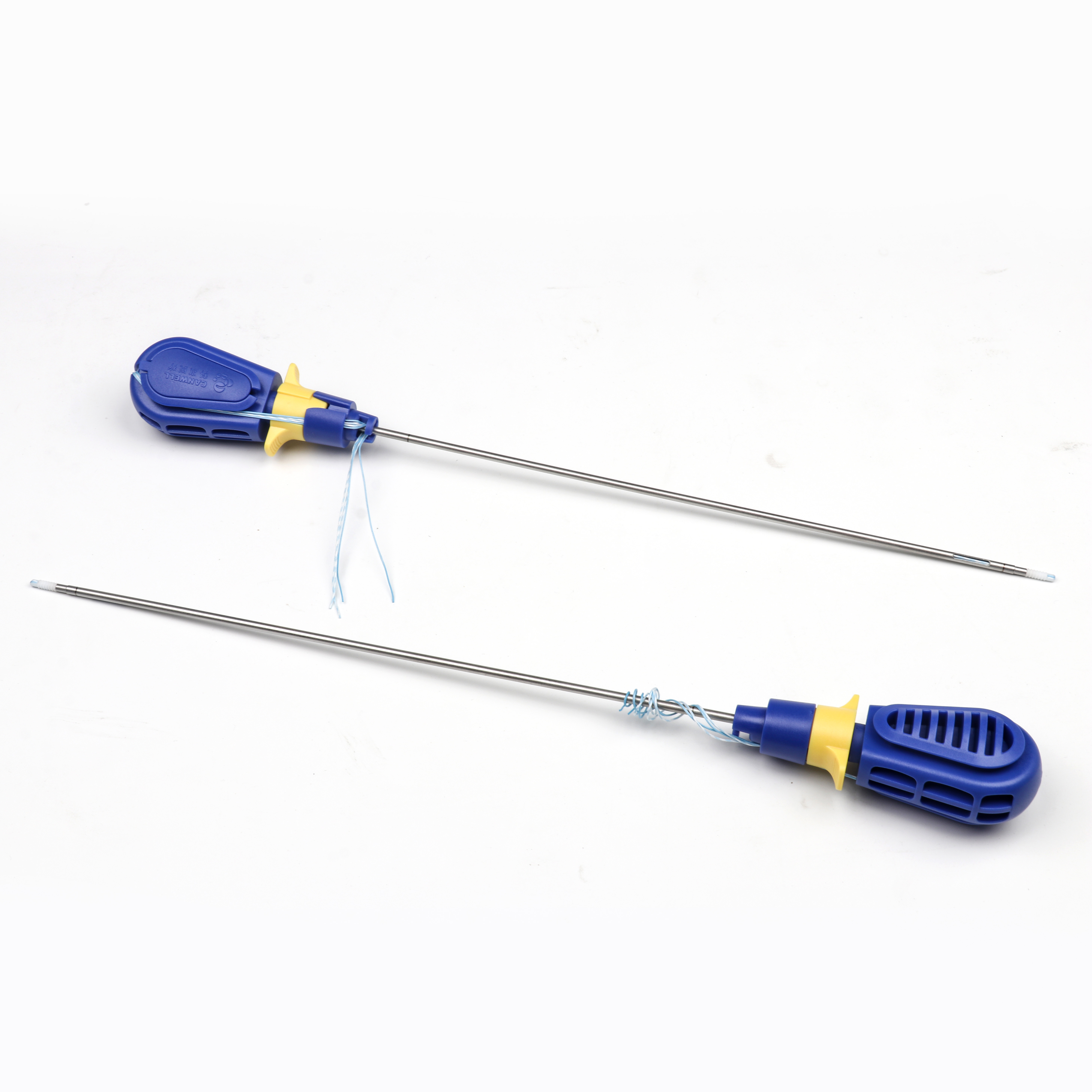
Bioabsorbable Knotless PLGA Suture Anchor for Rotator Cuff Repair
View Specifications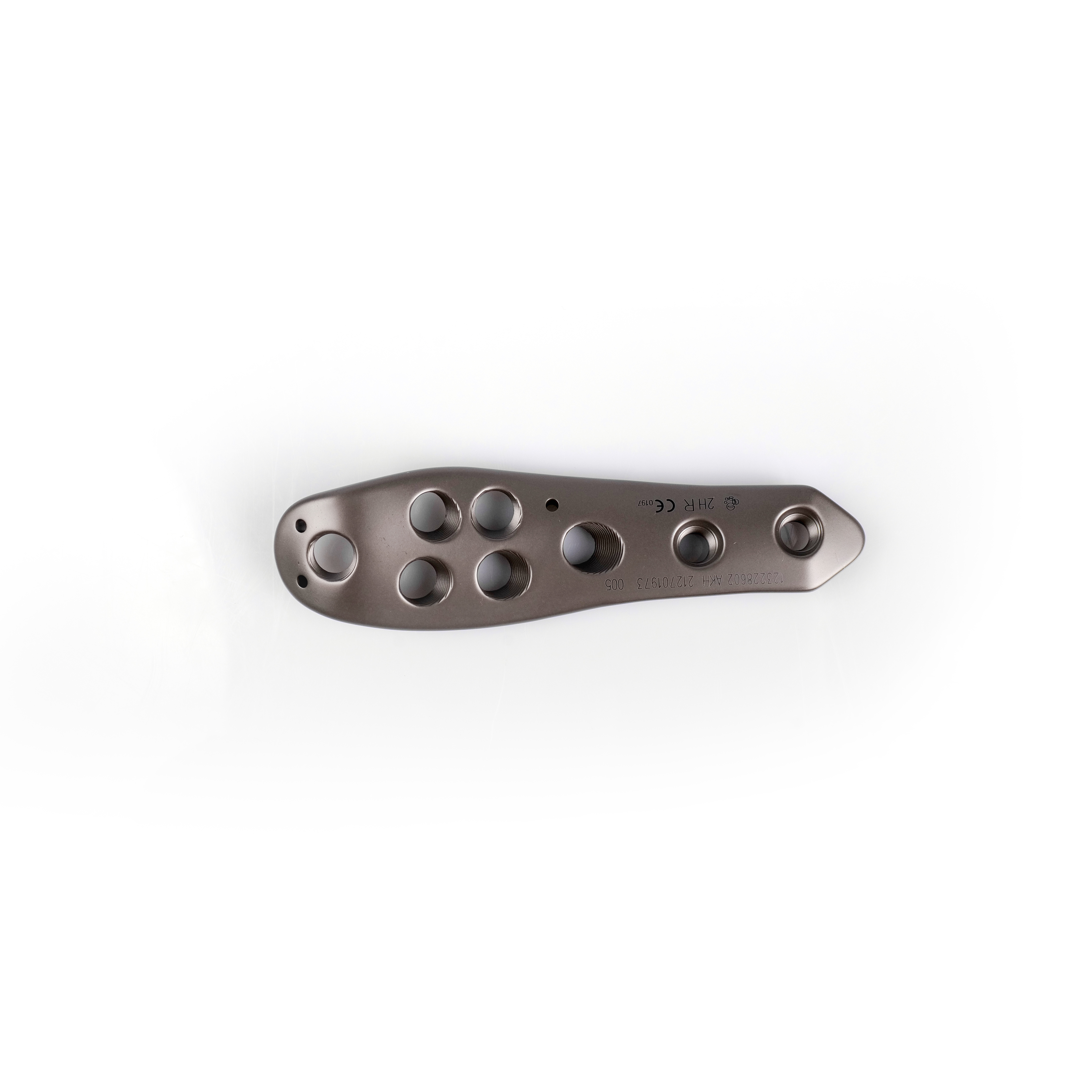
Distal Lateral Femoral Titanium Locking Compression Plate
View SpecificationsManufacturing Capacity & Industrial Authority
Verified quantitative infrastructure parameters driving global B2B procurement security for orthopedic distributors, hospital networks, and brand owners.
1. Metallurgical Standards & Precision CNC Machining in Chinese Bone Plate Manufacturing
In the contemporary landscape of global traumatology and orthopedic surgery, bone fixation plates serve as critical structural constructs that bear severe dynamic loads while facilitating secondary bone healing via biological internal fixation. Leading Chinese orthopedic manufacturers, anchored by state-of-the-art facilities like Zhejiang INAR Medical Co., Ltd. (CANWELL Orthopedics), have elevated production paradigms from basic copy-machining to original biomechanical engineering and alloy optimization.
The primary metallic substrate for high-tier trauma locking plates is extra-low interstitial medical-grade titanium alloy—Ti-6Al-4V ELI (ASTM F136 / ISO 5832-3)—alongside high-purity cold-worked stainless steel (ASTM F138 / ISO 5832-1). Titanium ELI offers a reduced modulus of elasticity (~110 GPa) compared to stainless steel (~200 GPa), effectively diminishing stress shielding effects against human cortical bone (~18 GPa) while promoting necessary axial micro-motion for periosteal callus formation.
Surface Passivation & Anodization
Type II electrochemical anodization establishes a dense, bio-inert titanium oxide (TiO2) layer that mitigates ion leaching, increases fretting wear resistance at the screw-plate interface, and enables visual color-coding for surgical efficiency.
13-Stage Quality Control Protocol
From optical emission spectroscopy of incoming raw bar stock to automated penetrant testing, double ultrasonic cleaning cascades, and 100% outgoing coordinate measuring machine (CMM) dimensional verification.
2. Anatomical Classification & Mechanics of Locking Compression Plates (LCP)
Modern traumatology relies on specialized plate geometry tailored to anatomical topography and fracture classification (AO/OTA system). China's premier manufacturers produce diverse plate configurations categorized by mechanical load distribution and localized anatomical contours:
-
•
Variable-Angle Locking Compression Plates (VA-LCP): Feature specialized threaded combo-holes that allow locking screws to be angled up to ±15° off-axis. This multi-axial trajectory flexibility enables surgeons to capture small periarticular bone fragments and avoid pre-existing implants or joint spaces (e.g., Distal Radius Volar Plates and Distal Tibial Plates).
-
•
Limited-Contact Dynamic Compression Plates (LC-DCP): Designed with undercut relief notches along the undersurface, restricting plate-to-bone contact area by up to 50%. This structure preserves periosteal blood supply, accelerating primary bone healing and decreasing cortical necrosis under the plate.
-
•
Anatomically Pre-Contoured Periarticular Systems: Machined to mimic complex surface geometries of distal femoral, proximal tibial, and proximal humeral zones. Anatomical matching reduces intraoperative bending adjustments, minimizing material fatigue degradation associated with cold-working stress.
In fixed-angle locking systems, the stability of the construct relies on the rigid mechanical engagement between the threaded screw head and the matching female threads of the plate hole. This converts the plate into an internal-external fixator, where stability does not depend on friction between the plate and bone, maintaining reduction even in osteoporotic bone tissue.
3. Industry Development Trends: Additive Manufacturing, Surface Functionalization & Bioresorbables
The orthopedic device sector in China is undergoing a structural transition driven by clinical demand for smart implants, personalized reconstructive medicine, and bioresorbable fixation substrates. Forward-thinking manufacturers are actively investing R&D capital into three main technology domains:
Selective Laser Melting (SLM) & 3D Porous Structures
Metal 3D printing enables the fabrication of patient-specific implants (PSI) with controlled porous trabecular titanium lattice geometries (pore sizes 300–600 μm, porosity 60–80%). This architecture matches natural bone modulus (~3 GPa) and drastically enhances osseointegration through cell ingrowth.
Antibacterial & Osteoinductive Nano-Coatings
To combat Implant-Associated Infections (IAI) and osteomyelitis, modern bone plates are incorporating micro-arc oxidation (MAO) combined with silver/copper ion plasma immersion or hydroxyapatite (HA) nanoparticle coatings, ensuring dual localized antimicrobial protection and accelerated osteoblast proliferation.
Bioresorbable PLGA & Magnesium Alloys
In sports medicine anchors and pediatric fracture fixation (TEN nails), bioabsorbable poly(lactic-co-glycolic acid) [PLGA] and high-purity magnesium-zinc alloys eliminate the requirement for secondary implant removal procedures, degrading harmlessly into non-toxic metabolic byproducts as native bone remodels.
4. Global Procurement & Supply Chain Dynamics for Medical Importers
International medical device procurement groups, national healthcare importers, and brand owners are re-evaluating their vendor ecosystems. Working directly with top-tier Chinese orthopedic original equipment manufacturers offers distinct strategic advantages:
Turnkey Regulatory STED Support
Leading factories provide complete Summary Technical Documentation (STED) dossiers compliant with EU MDR 2017/745 Annex II/III, ISO 14971 Risk Management reports, and biological evaluation files (ISO 10993) to accelerate national health registration (FDA, ANVISA, COFEPRIS, SFDA).
Complete OEM/ODM Kitting Capabilities
Modern buyers demand fully customized implant systems including laser-engraved batch UDI (Unique Device Identification), custom color anodization, custom-milled aluminum sterilization trays, and specialized ergonomic surgical instrument kits.
Supply Chain Resilience & TCO Optimization
Consolidating trauma locking plates, intramedullary nails, spinal pedicle screws, and sports medicine devices under a verified manufacturer lowers Total Cost of Ownership (TCO) by 35–50% while guaranteeing predictable lead times and consistent lot-to-lot mechanical performance.
Frequently Asked Questions for Importers
Clear, authoritative technical answers addressing regulatory compliance, material traceability, OEM customization, and quality auditing for B2B orthopedic buyers.
Partner with China's Premier Orthopedic Implant Factory
Access our comprehensive 2025 product catalog, technical STED dossiers, sample evaluation kits, and factory-direct wholesale pricing schedules today.
Get Catalog