Medical Device OEM/ODM Whitepaper
China Top Cervical Cages Manufacturers & Exporters
Precision Biomechanical Engineering, PEEK & 3D Porous Titanium Innovations for Global Spine Surgery Tenders
Featured Surgical Implants & Instrument Systems
SGS-assessed and CE-compliant orthopedic systems manufactured under strict ISO 13485 quality protocols.
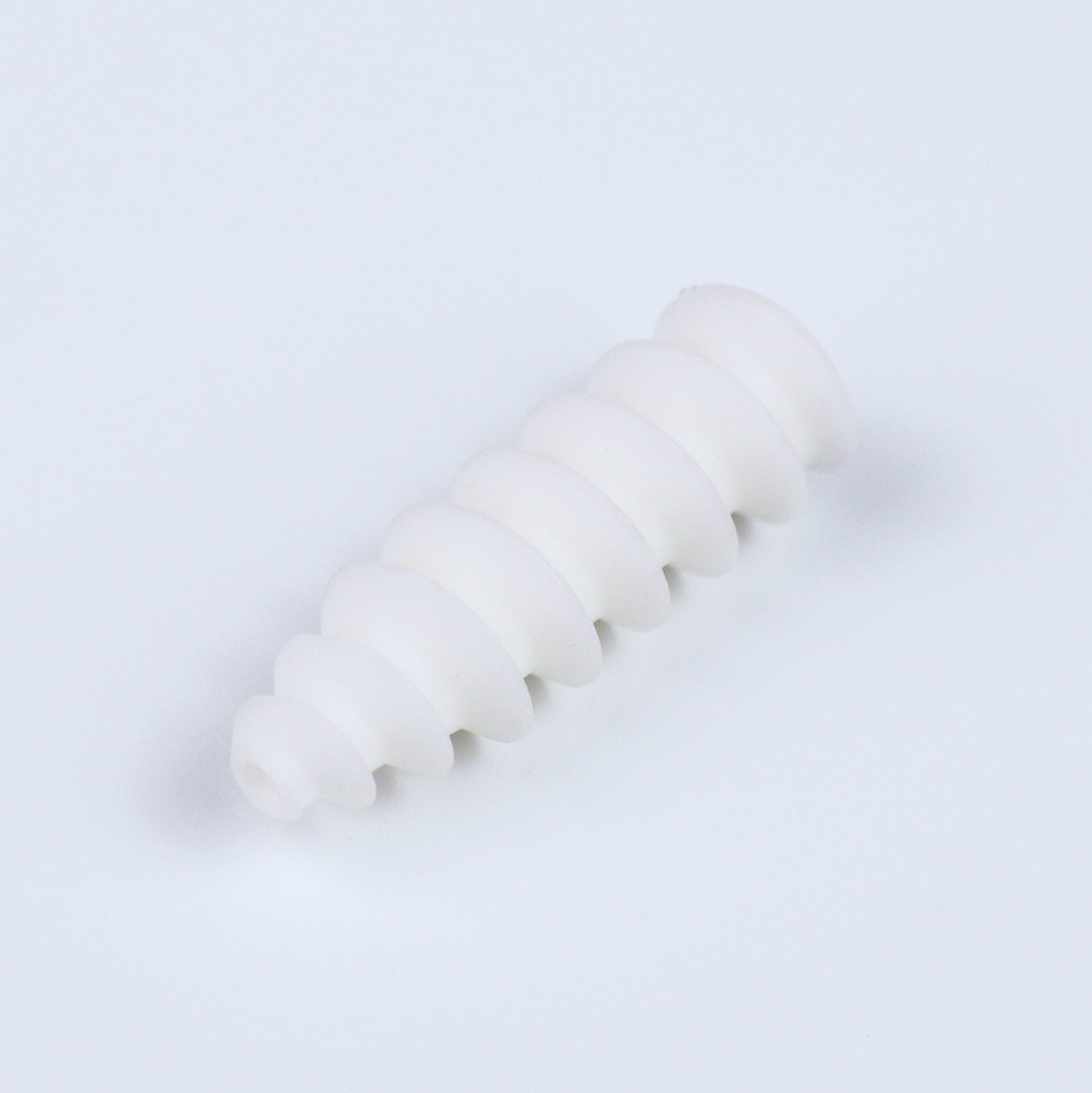
CANWELL Biodegradable Acl Interference Screw PLGA ACL/PCL Reconstruction Arthroscopy Surgery Orthopedic Implants CE
View Details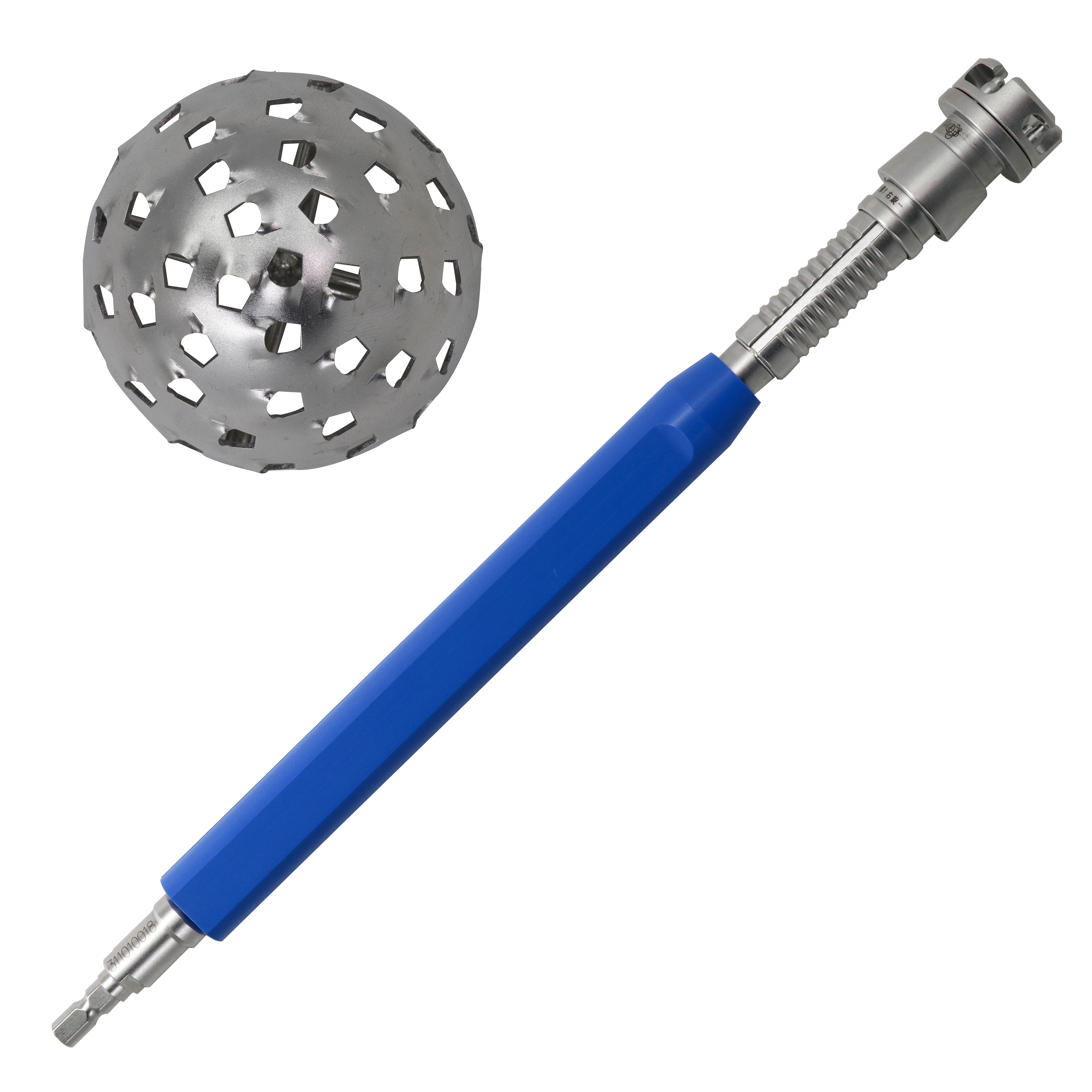
CANWELL Acetabular Reamers High Precision Hip Instrument Set Arthroplasty Total Hip Replacement Orthopedic Surgery Tools
View Details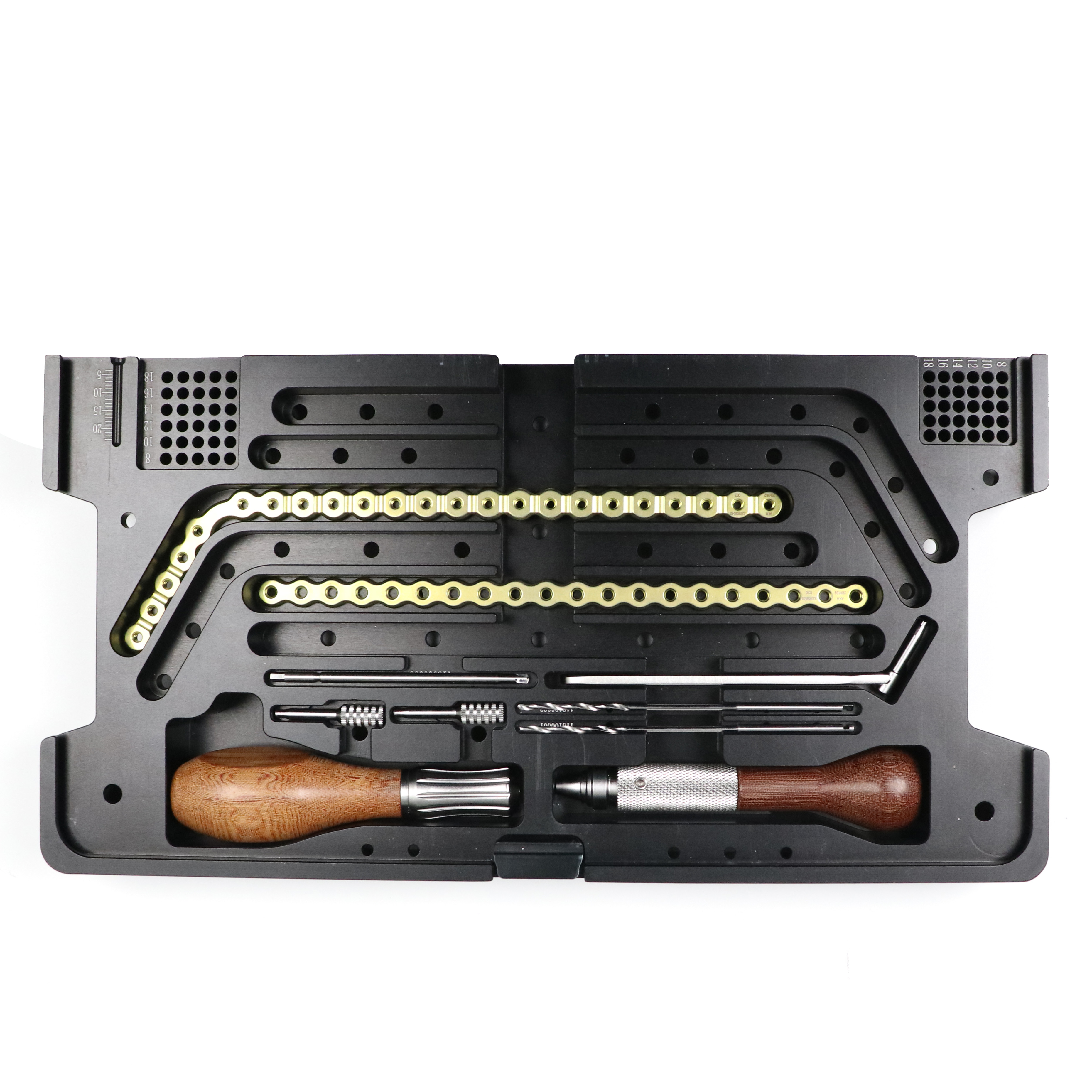
CANWELL Maxillofacial Surgery Instrument Set Maxillofacial Drill Surgery Kit Bone Fixation Screwdriver Titanium Mesh Plate
View Details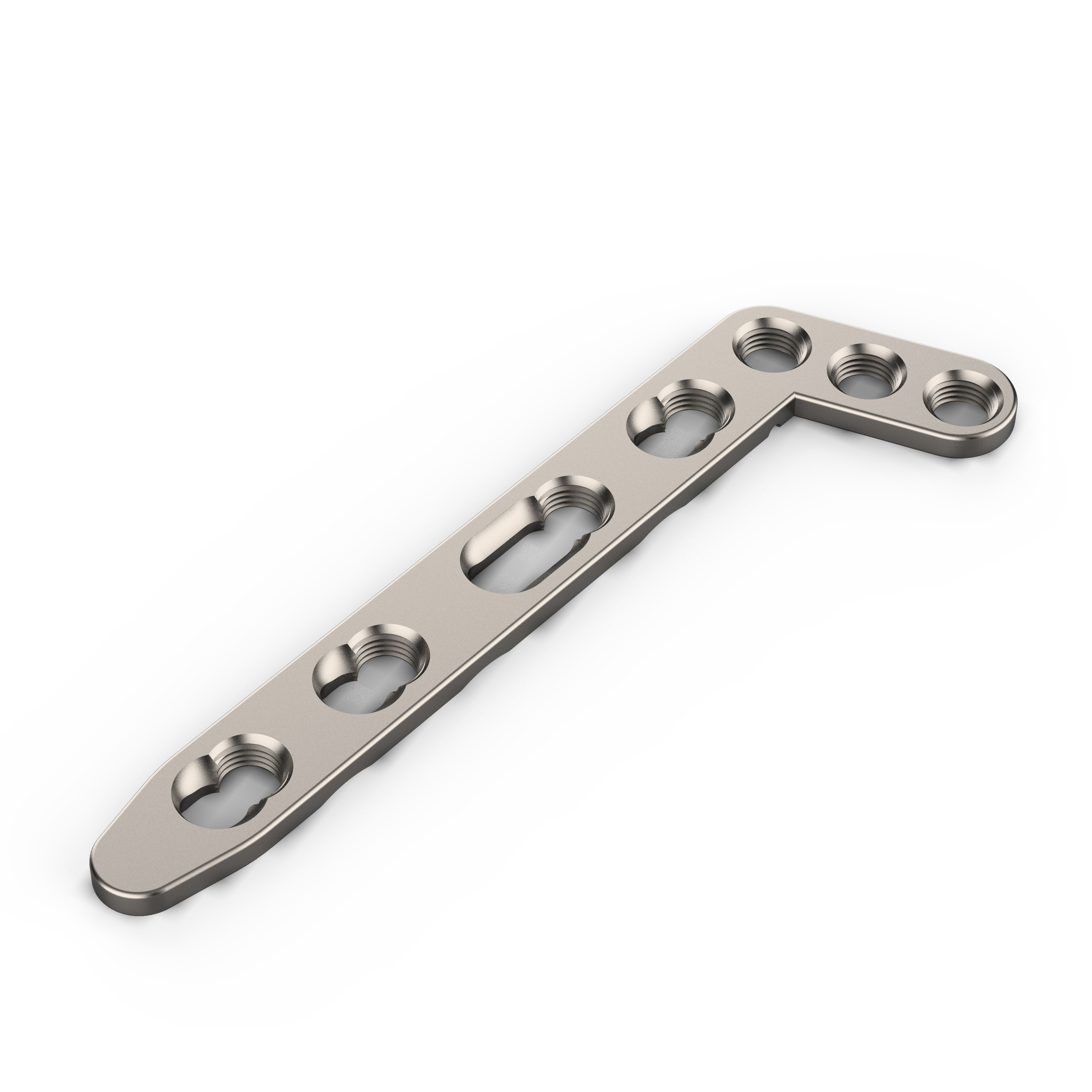
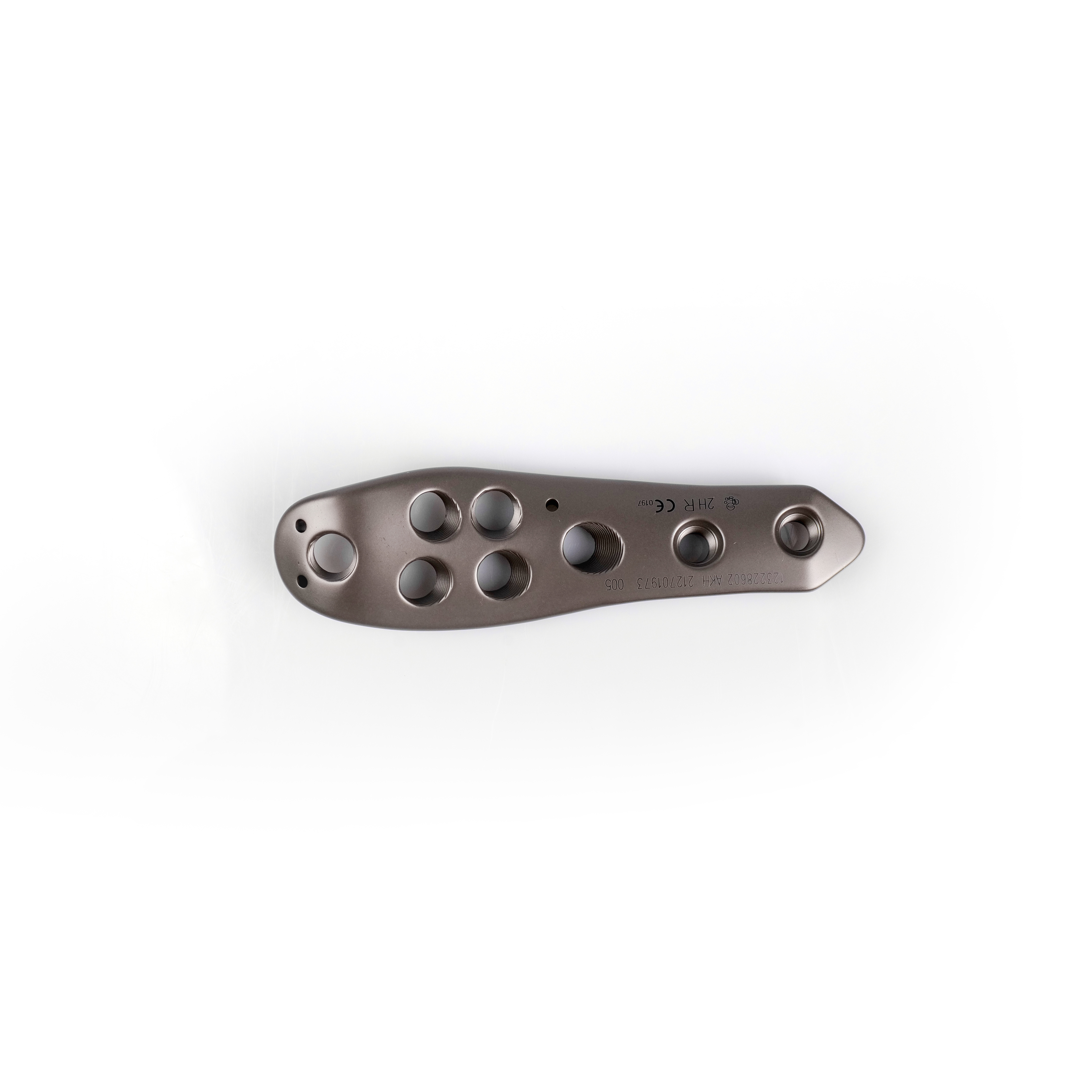
CANWELL Distal Radius Dorsal Titanium Locking Plate 3 Holes Oblique Volar Wrist Orthopedic Trauma Implant Bone Fracture Class
View Details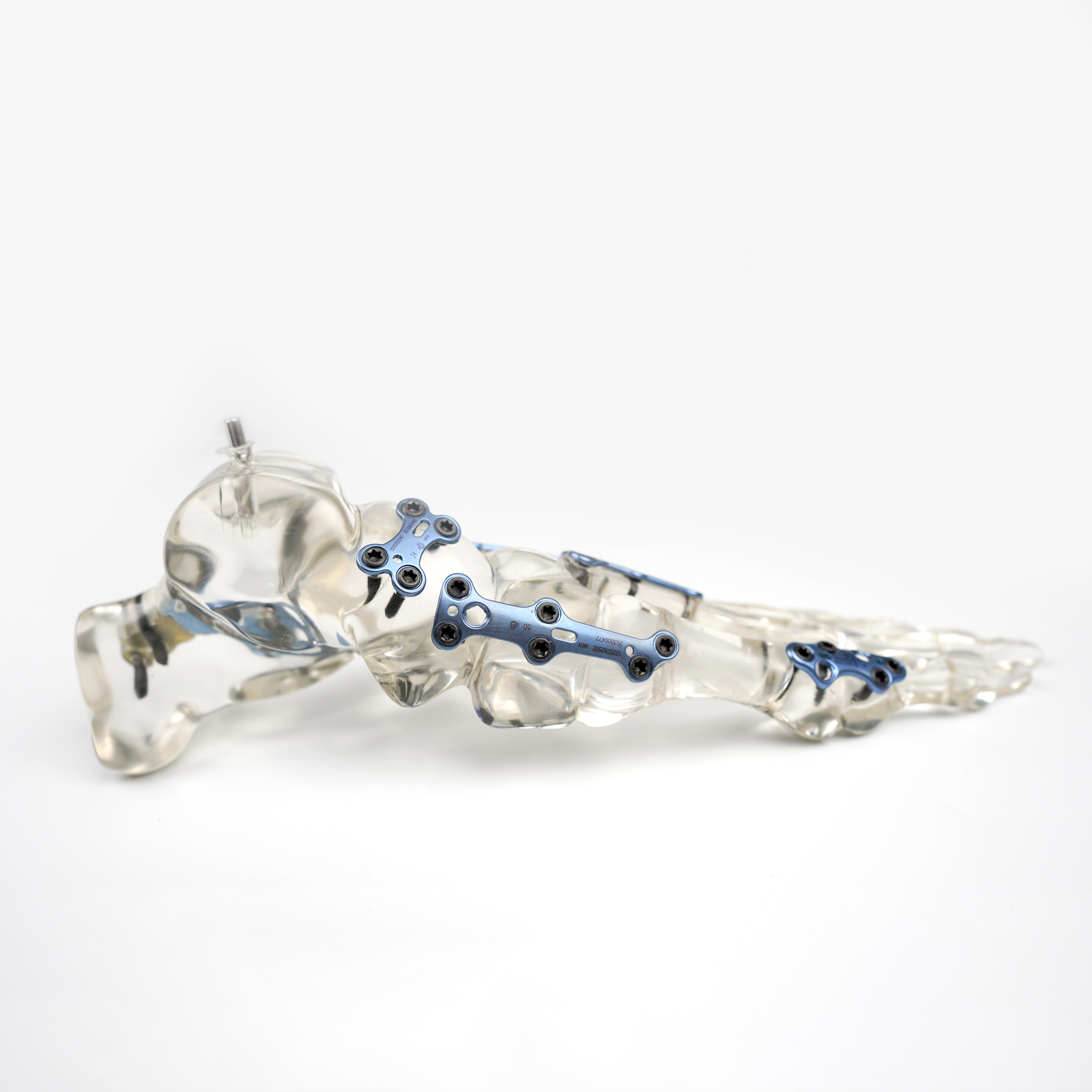
Orthopedic Implants for Foot and Ankle System Hind Foot Reconstruction Trauma Implants Locking Plate
View Details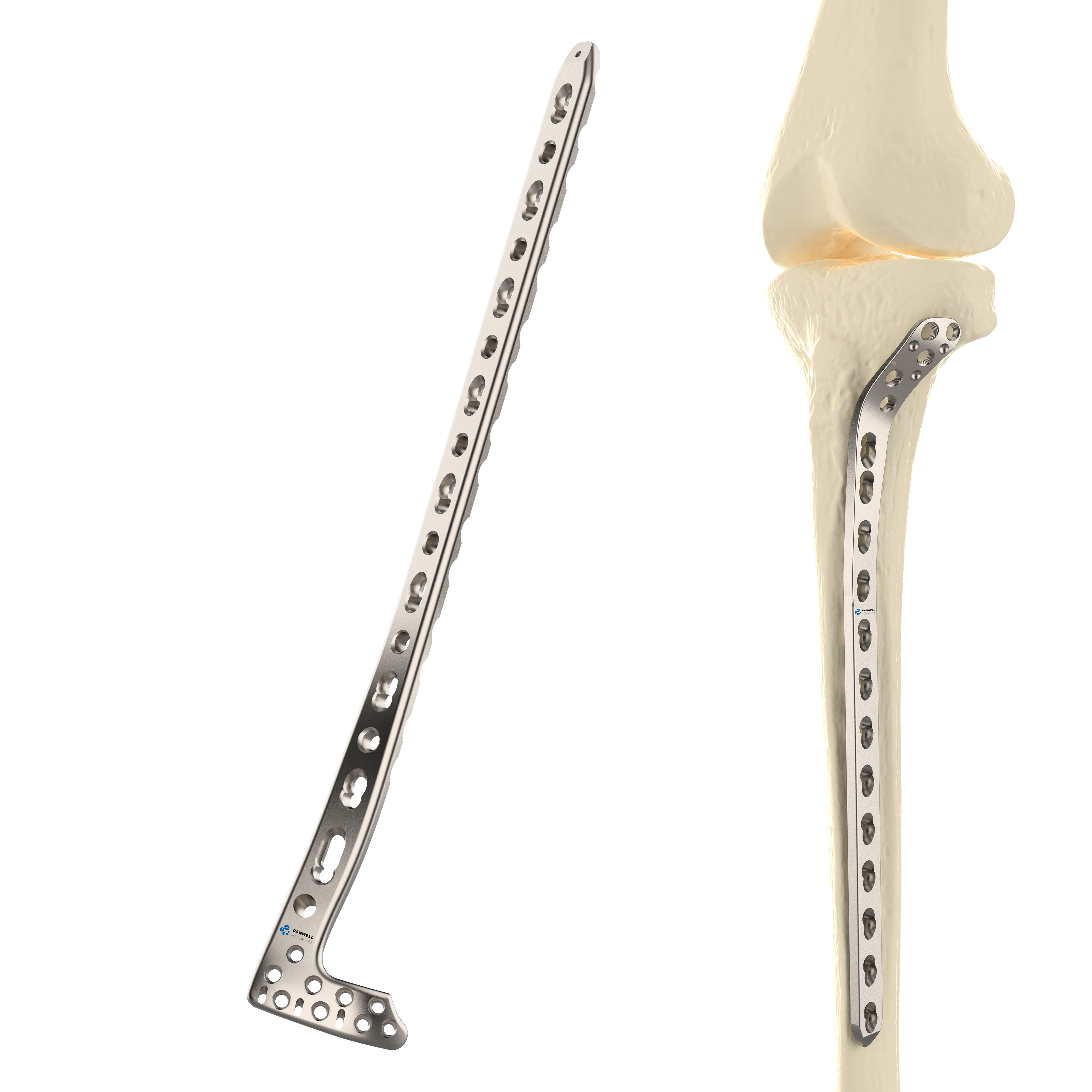
CANWELL Distal Tibial Low Profile Locking Plate Titanium Metaphyseal Compression Fixation System Orthopedic Trauma CE ISO
View Details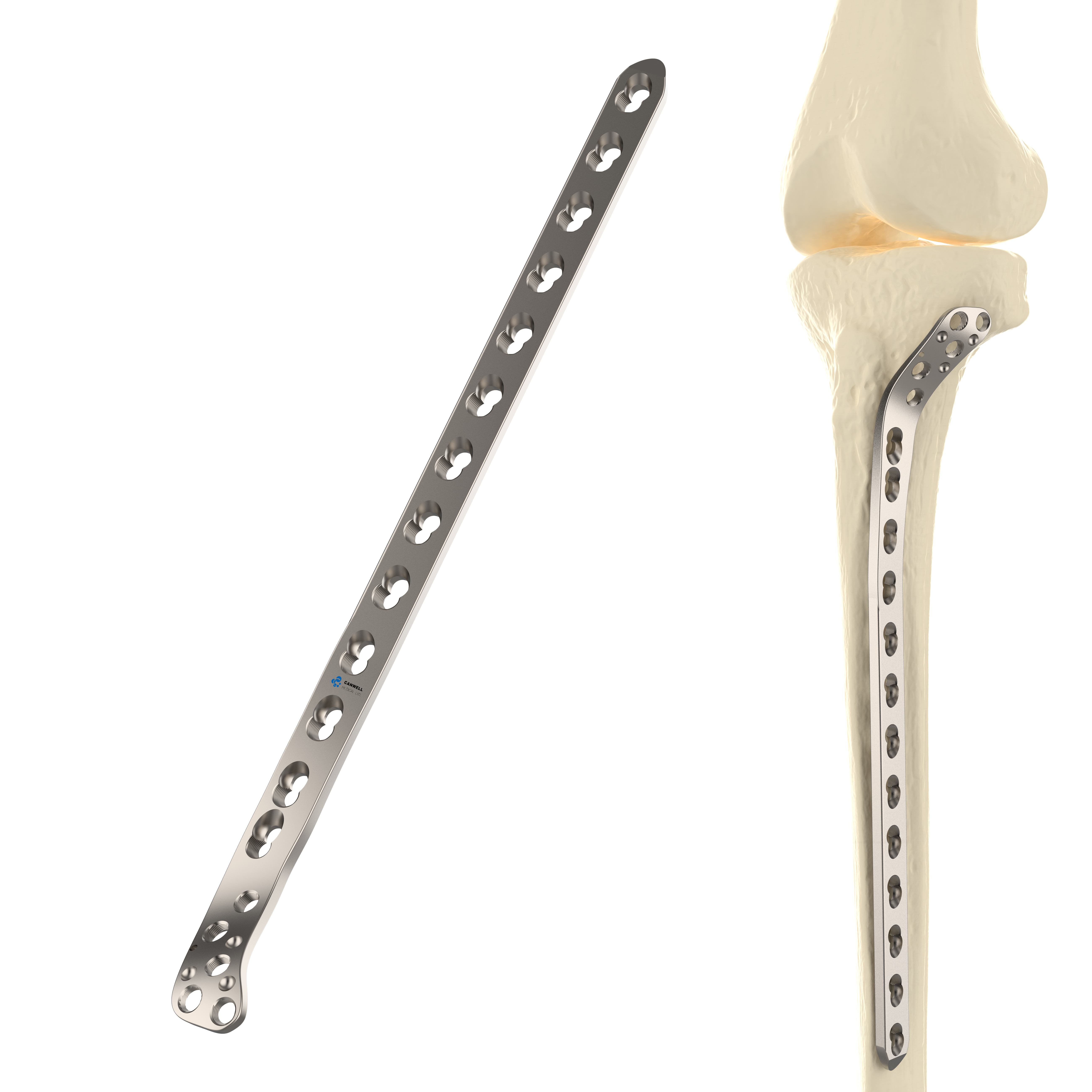
CANWELL Proximal Lateral Tibial Locking Plate Orthopedic Trauma Implant Hospital Bone Plate 5.0mm Screw Orthopedic Manufacturer
View Details22+
Years Industry Leadership
632
Skilled Workforce & Engineers
29,523 m²
Modern Production Footprint
SGS / CE
MDR Verified Certification
Executive Summary: The Evolving Landscape of Chinese Spine Implant Manufacturing
Anterior Cervical Discectomy and Fusion (ACDF) remains the gold standard surgical intervention for cervical degenerative disc disease, cervical spondylotic myelopathy, and radiculopathy. As global demand for high-performance spinal fusion devices escalates, Zhejiang INAR Medical Co., Ltd. (incorporating CANWELL manufacturing frameworks) has emerged as a globally recognized leader among China Cervical Cages Manufacturers & Exporters.
Operating a vertically integrated 29,523 m² production facility staffed by 632 dedicated medical device specialists, INAR Medical bridges the critical gap between biomechanical precision engineering and scalable manufacturing. Sourcing orthopedic implants internationally requires strict adherence to European CE MDR (Medical Device Regulation), US FDA guidelines, and ISO 13485 standards. This technical procurement report outlines the metallurgical, biomechanical, regulatory, and supply chain considerations essential for hospital procurement boards, orthopedic brand owners, and medical device importers.
Key Procurement Insight: Sourcing cervical interbody cages requires evaluating modulus-matching capability, radiolucency, graft lumen volumetric efficiency, and structural resistance to axial fatigue under cyclic spine loading (ASTM F2077 / ASTM F2267 standard compliance).
1. Biomechanical Engineering & Material Science in Cervical Fusion
The primary clinical objective of a cervical interbody cage is to restore intervertebral disc height, maintain cervical lordosis, provide immediate mechanical stability, and facilitate solid bone arthrodesis. The structural integrity of interbody implants hinges directly on material selection and anatomical geometry.
Polyetheretherketone (PEEK) vs. Trabecular 3D Titanium Implants
Historically, autologous iliac crest bone graft was replaced by metallic cages. Modern spinal arthrodesis leverages medical-grade PEEK (Invibio® PEEK-OPTIMA) and porous 3D-printed Titanium Alloys (Ti-6Al-4V ELI):
- PEEK Interbody Cages: PEEK possesses an elastic modulus of approximately 3.6 GPa, closely approximating human cortical bone (12–18 GPa) compared to traditional solid titanium (110 GPa). This modulus parity minimizes stress shielding at the vertebral endplates, reducing the incidence of post-operative cage subsidence. Furthermore, PEEK is radiolucent, enabling unobstructed radiographic and CT artifact-free evaluation of bone graft bridging. Integrated Tantalum markers allow precise intraoperative fluoroscopic positioning.
- 3D-Printed Porous Titanium Cages: Utilizing Selective Laser Melting (SLM) technology, modern titanium cervical cages incorporate interconnected pore structures (pore sizes of 300–600 μm and porosity levels of 60–70%). This biomimetic geometry promotes osteoblast migration, vascularization, and direct osseointegration across the implant interface.
Stress-Shielding Prevention
Optimized stiffness prevents endplate micro-fractures, maintaining long-term intervertebral space height post-ACDF.
Maximized Graft Aperture
Engineered with oversized central hollow chambers to maximize bone graft packing volume and accelerate fusion rates.
Anti-Migration Pyramidal Teeth
Bi-directional surface serrations firmly anchor into the superior and inferior vertebral endplates, resisting expulsion.
2. Technical Comparison Matrix: Cervical Interbody Systems
To assist clinical procurement officers in standardizing hospital tenders, the table below provides an engineering benchmark of interbody cage modalities engineered by leading Chinese exporters:
| Specification Parameter | Standard PEEK Cervical Cage | Zero-Profile Integrated Cage | 3D Porous Titanium Cage |
|---|---|---|---|
| Primary Material | Invibio PEEK + Tantalum Markers | PEEK / Ti Alloy + Locking Screws | Ti-6Al-4V ELI (SLM Printed) |
| Elastic Modulus | ~3.6 GPa (Close to cortical bone) | 3.6 GPa Cage / 110 GPa Screws | ~4.5 GPa (Cellular Porous Structure) |
| Fixation Mechanism | Requires Auxiliary Anterior Plate | Integrated Standalone Screws/Blades | Requires Auxiliary Anterior Plate |
| Radiolucency | 100% Radiolucent (X-ray transparent) | Radiolucent body with radiopaque screws | Semi-radiopaque with minimal CT artifact |
| Dysphagia Reduction | Standard profile (Plate dependent) | Maximum (No prominent anterior plate) | Standard profile (Plate dependent) |
| Mechanical Testing | ASTM F2077 Static/Dynamic Compression | ASTM F2077 & ASTM F2267 Shear | ASTM F2077 & Micro-CT Porosity Audit |
3. Global Sourcing Trends in Cervical Fusion Technologies (2025–2030)
As healthcare procurement shifts toward value-based purchasing, major buyers across Europe, Latin America, the Middle East, and Southeast Asia are evaluating OEM partners based on four structural market trends:
A. Rise of Standalone Zero-Profile Integrated Cervical Systems
Conventional ACDF involves placing an interbody cage followed by an anterior cervical plate secured with bone screws. While effective, anterior plate prominence can cause soft-tissue irritation, leading to post-operative dysphagia. Modern trends favor Zero-Profile Integrated Cervical Cages, which combine a PEEK or Titanium cage body with internal self-locking screws or titanium retention clips. This low-profile construct sits entirely within the intervertebral disc space, dramatically shortening operative time and reducing dysphagia incidence.
B. Patient-Specific 3D Printing & Custom Lordotic Profiles
Standard cervical cages provide fixed lordotic angles (typically 0°, 4°, or 8°). Advanced medical device manufacturing now incorporates automated CNC and additive manufacturing processes capable of outputting hyper-customized lordotic profiles (up to 12° or anatomically contoured footprints) to accommodate severe cervical deformity corrections.
C. Regulatory Harmonization & EU MDR Tightening
With the transition from the old MDD (93/42/EEC) to the stringent EU MDR (2017/745), international distributors must partner with Chinese manufacturers capable of providing complete Technical Documentation (STED dossiers), Clinical Evaluation Reports (CER), and transparent 100% batch traceability. Sourcing from accredited facilities like Zhejiang INAR Medical mitigates regulatory registration risks in global export markets.
4. Precision Manufacturing Protocols & Quality Lifecycle
Producing surgical implants capable of enduring millions of load cycles within the human body requires uncompromising industrial discipline. Zhejiang INAR Medical Co., Ltd. enforces a audited 13-stage manufacturing lifecycle:
- Raw Material Traceability: Exclusive utilization of certified medical-grade titanium alloy bars and PEEK polymers with complete heat-lot material certificates.
- 5-Axis CNC Machining: High-precision Swiss-type longitudinal cutting and multi-axis CNC machining centers deliver complex surface teeth, screw threads, and locking keyways within sub-micron tolerances.
- Ultrasonic Aqueous Washing & Surface Passivation: Automated multi-stage ultrasonic wash lines remove all residual machining oils, followed by penetrant testing to verify absolute surface integrity.
- Anodizing & Surface Treatment: Type II titanium anodization enhances corrosion resistance and enables color coding for intuitive intraoperative instrument identification.
- Cleanroom Class 100,000 Aseptic Packaging: Implants undergo final inspection, primary double-sterile pouch sealing, and protective box packaging inside validated cleanroom environments.
5. Procurement FAQ: Essential Information for International Buyers
Which regulatory certifications do INAR / CANWELL orthopedic implants hold? +
Our complete range of trauma locking plates, intramedullary nails, spine systems, and interbody PEEK cages are manufactured under ISO 13485 Quality Management Systems. Our core product lines hold CE marking under EU MDR and MDD 93/42/EEC regulations. Full technical dossiers, declarations of conformity (DoC), and SGS onsite assessment reports are provided to qualified distribution partners.
Can you provide custom OEM / ODM private labeling for cervical cage systems? +
Yes. We offer comprehensive OEM and ODM capabilities. This includes customized interbody cage footprints, custom lordosis angles, proprietary laser logo marking, custom anodization colors for instrument sets, and tailored graphic sterilization trays built according to your CAD drawings or clinical specifications.
What static and dynamic mechanical tests validate your spine cages? +
Every cervical interbody cage design undergoes rigorous mechanical testing in accredited laboratories pursuant to ASTM F2077 (Static and Dynamic Axial Compression, Torsion, and Shear Testing of Interbody Fusion Devices) and ASTM F2267 (Measuring Load-Induced Subsidence of Interbody Fusion Devices). Test reports demonstrating compliance over 5,000,000 fatigue cycles are available upon request.
What is the standard production lead time and minimum order quantity (MOQ)? +
For standard catalog items, typical lead times range from 15 to 30 days depending on order volume. For custom OEM/ODM orders requiring dedicated tooling or custom CNC programming, sample lead times are typically 30–45 days. We offer flexible tiered MOQ structures to support distributor product registration and market entry phases.
How does INAR Medical ensure quality control during high-volume production? +
Quality control is integrated at every workstation. We employ 3D coordinate measuring machines (CMM), optical comparators, surface roughness meters, and automated penetrant flaw detection. 100% of finished implants undergo Outgoing Quality Control (OQC) inspection prior to cleanroom primary packaging.
Partner with China's Premier Orthopedic Manufacturer
Expand your hospital portfolio with high-precision, CE-marked cervical cage systems and trauma solutions directly from our SGS-verified facility.
Inquire Now