Featured Orthopedic Trauma & Surgical Solutions
Precision-engineered titanium implants and dedicated surgical instrumentation for global hospital tenders and orthopedic distributors.
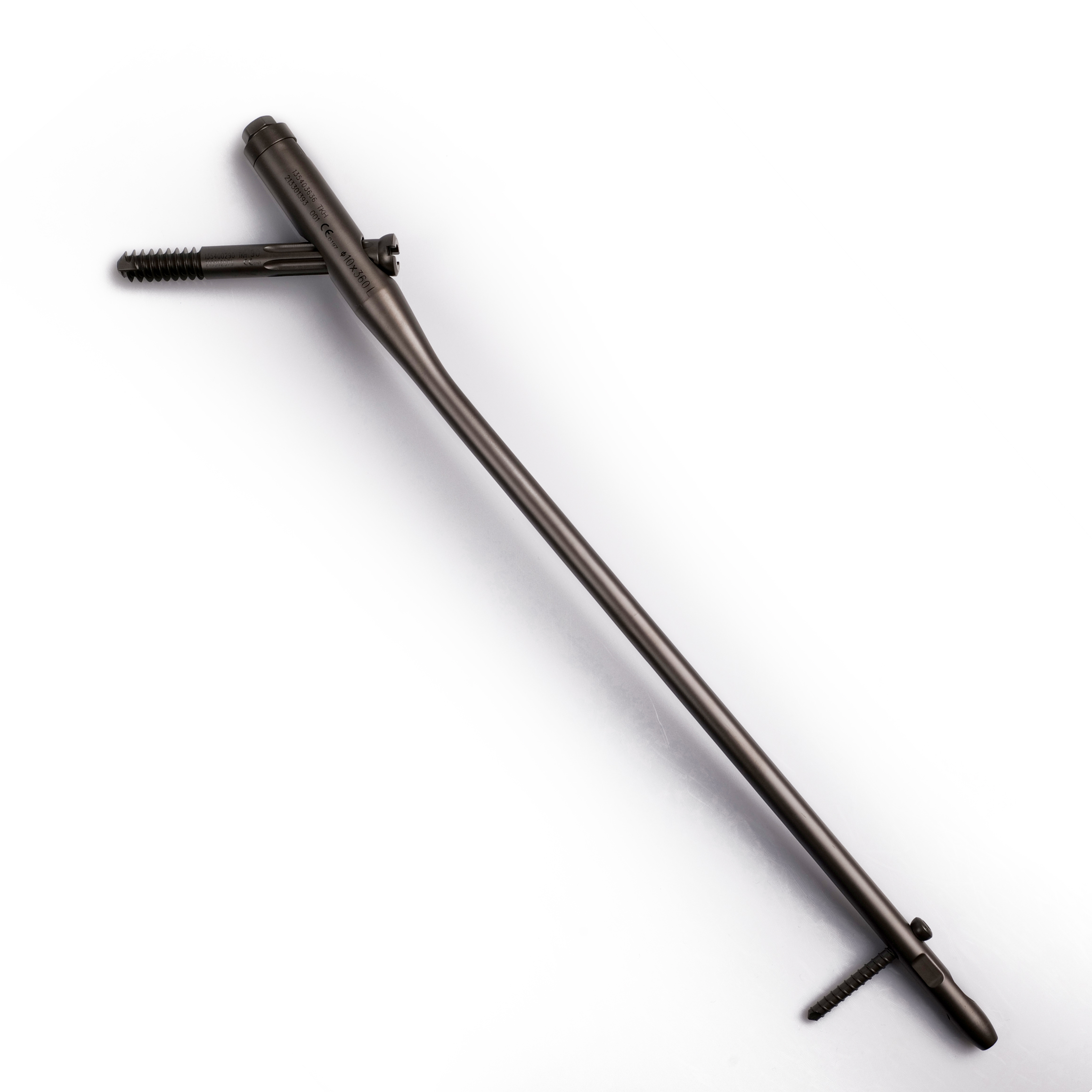
CANWELL Titanium Femoral Intramedullary Nails Interlocking Nail PFNA
View Product Details →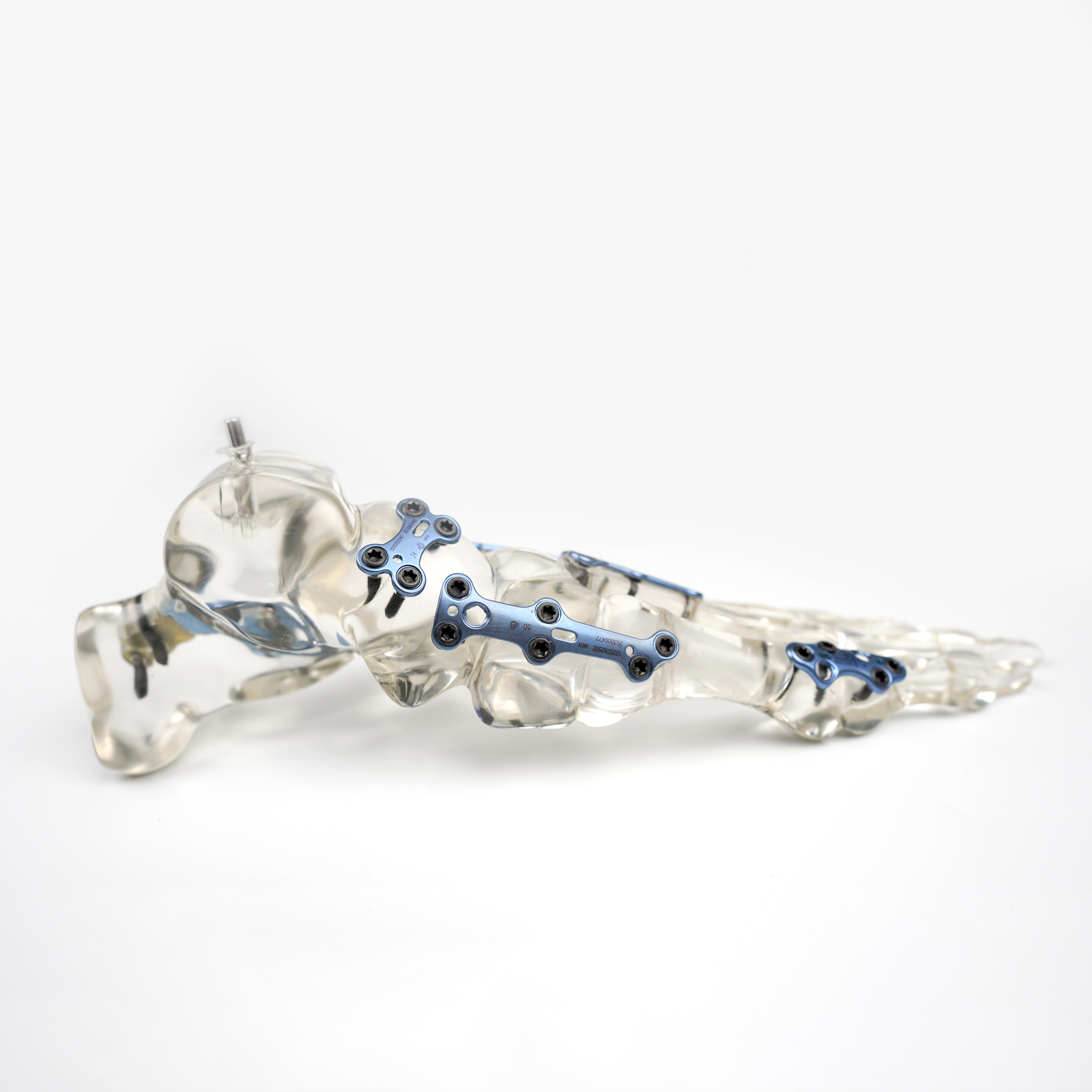
Orthopedic Implants for Foot and Ankle System Hind Foot Locking Plate
View Product Details →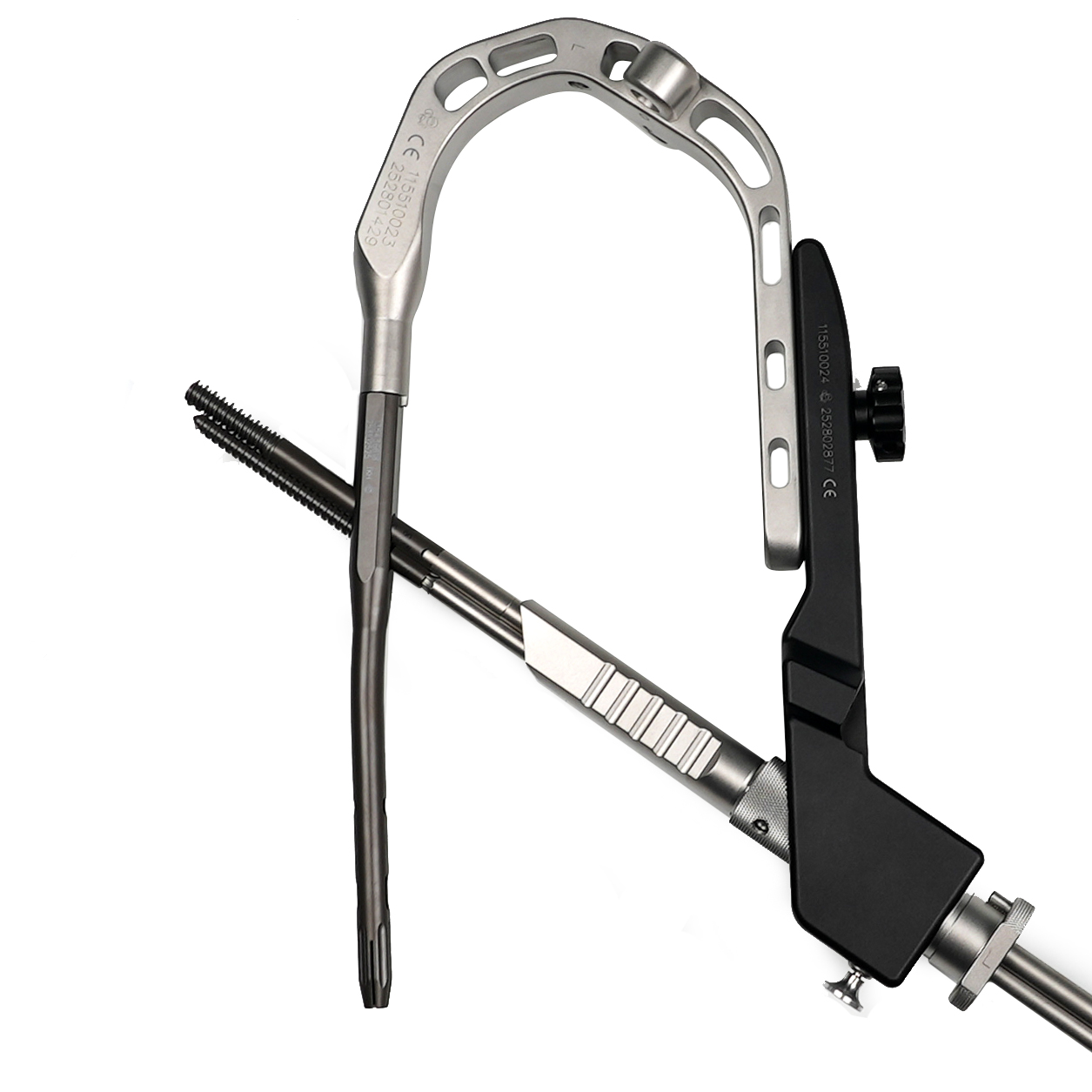
CANWELL Titanium Femoral Interlocking Intramedullary Nails System
View Product Details →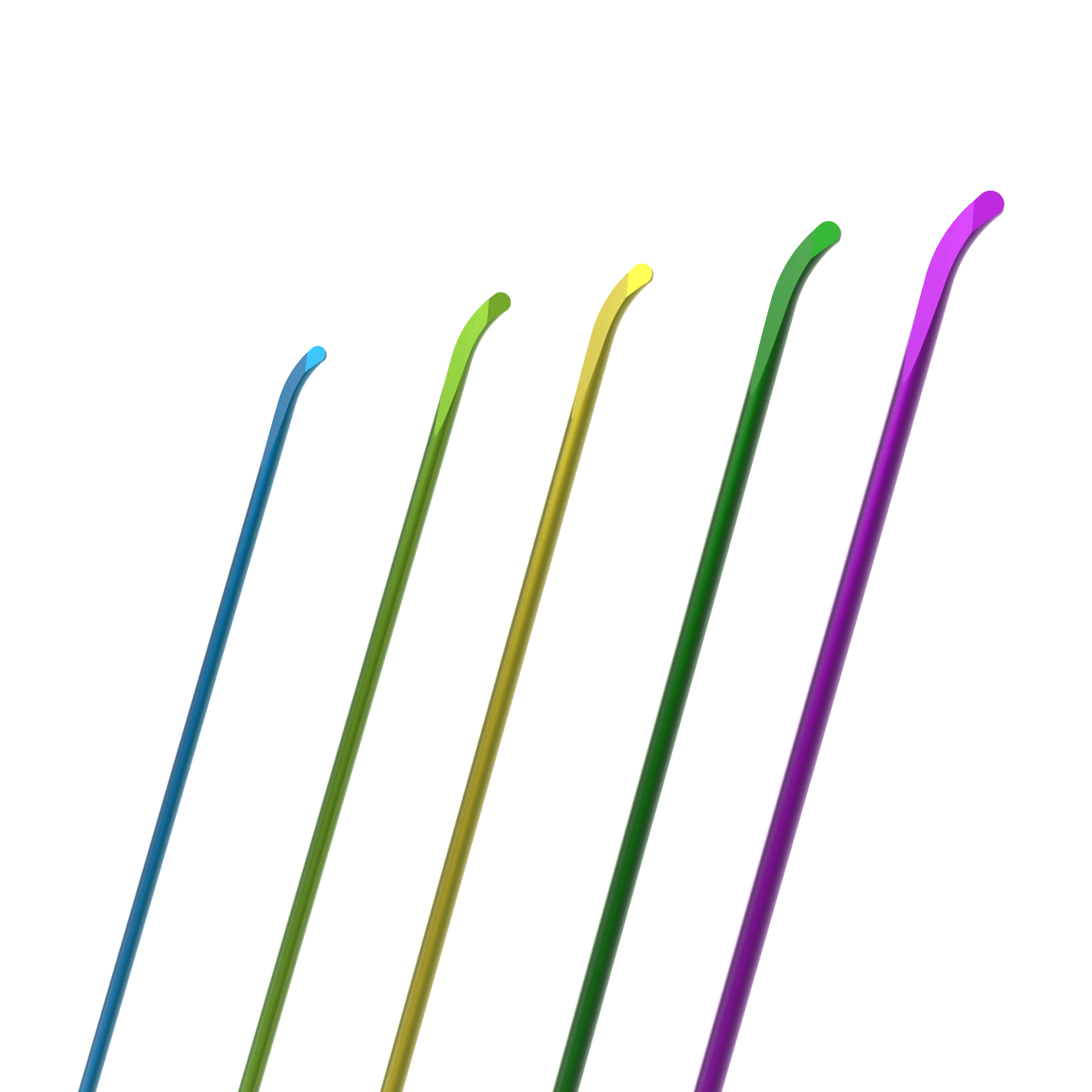
CANWELL Titanium Elastic Nail (TEN) Instrument Set for Pediatric Fractures
View Product Details →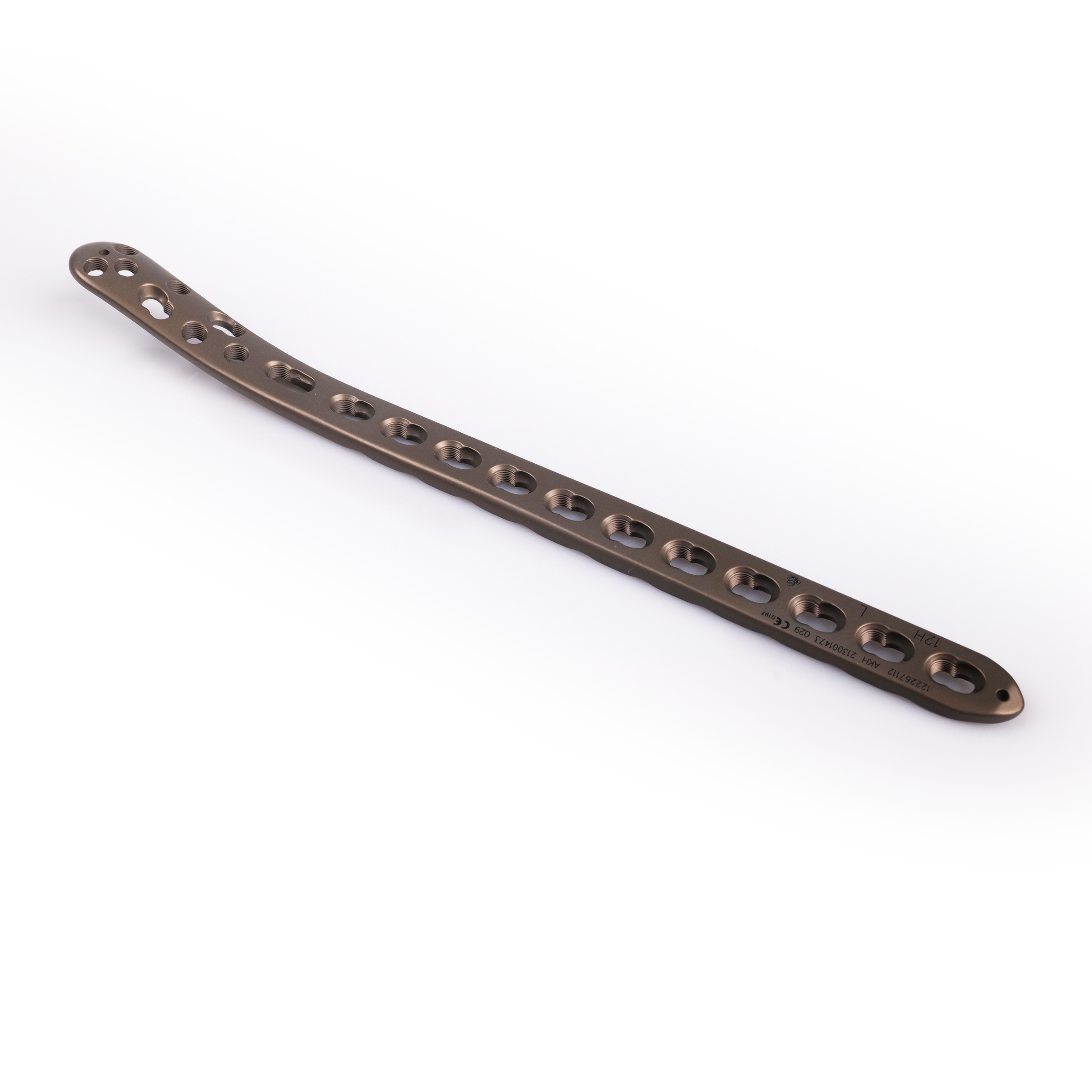
CANWELL Distal Medial Tibial Locking Plate Titanium Trauma Implant
View Product Details →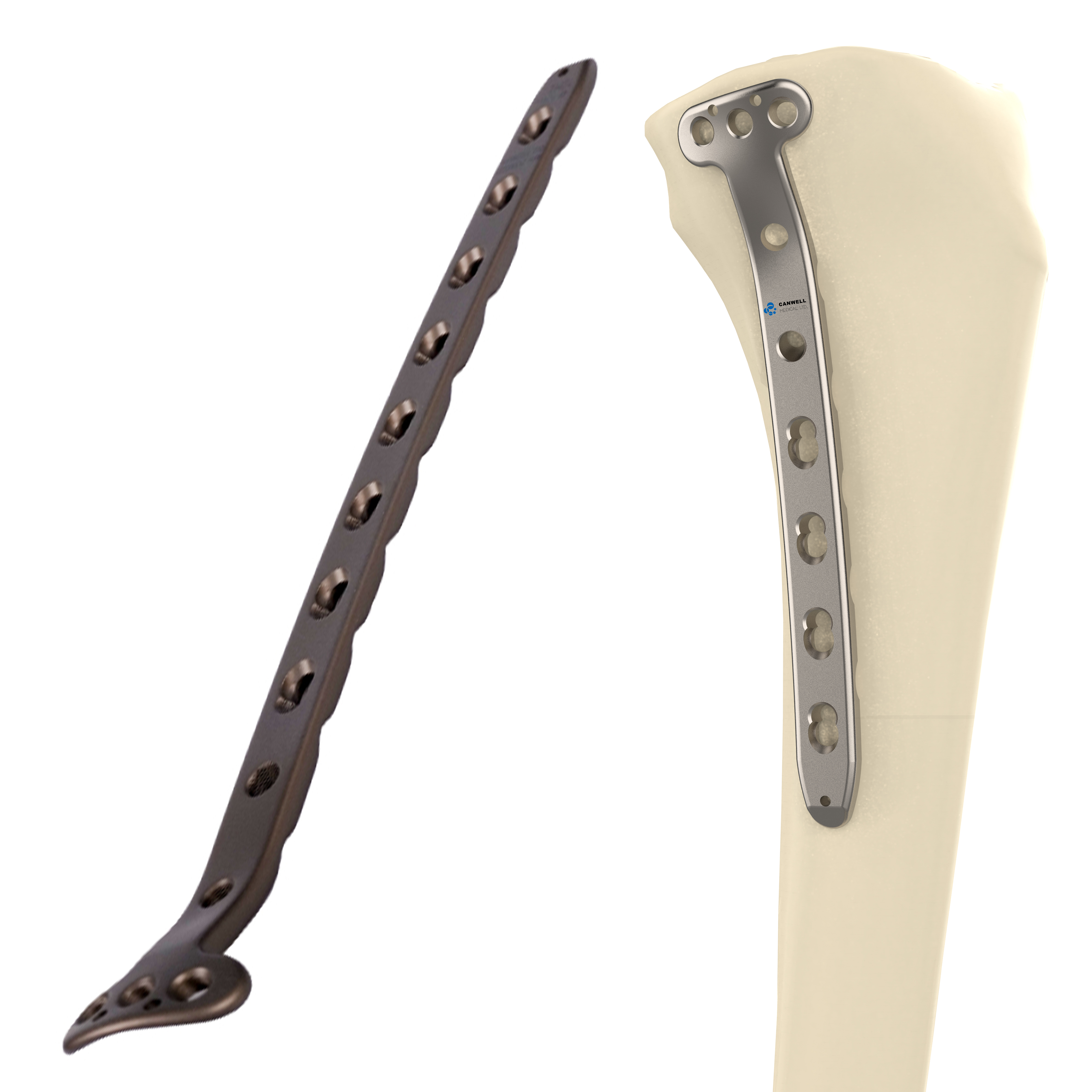
CANWELL Proximal Medial Titanium Tibial Locking Plate Knee Trauma
View Product Details →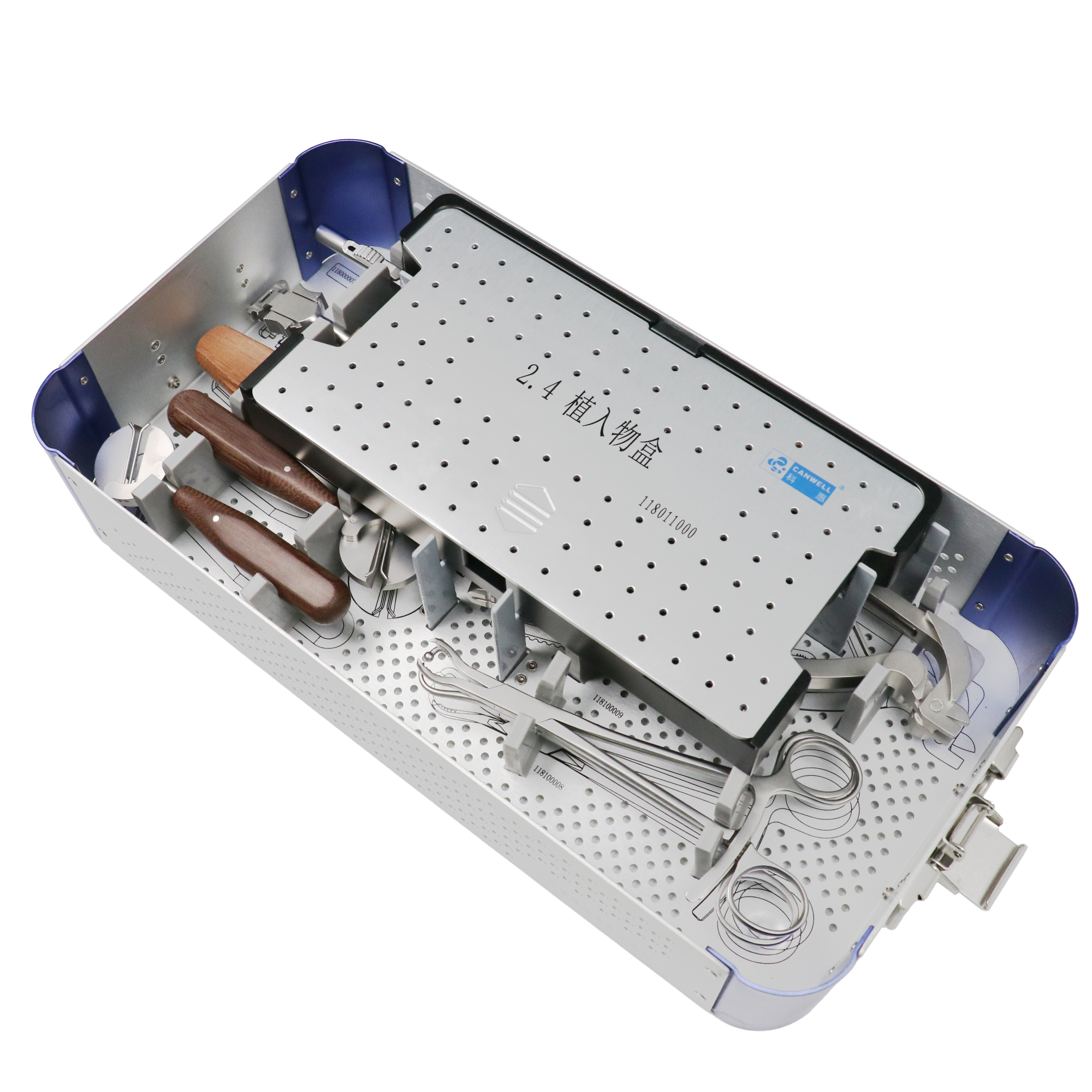
CANWELL Oral and Maxillofacial Surgery Instruments Set & Kit
View Product Details →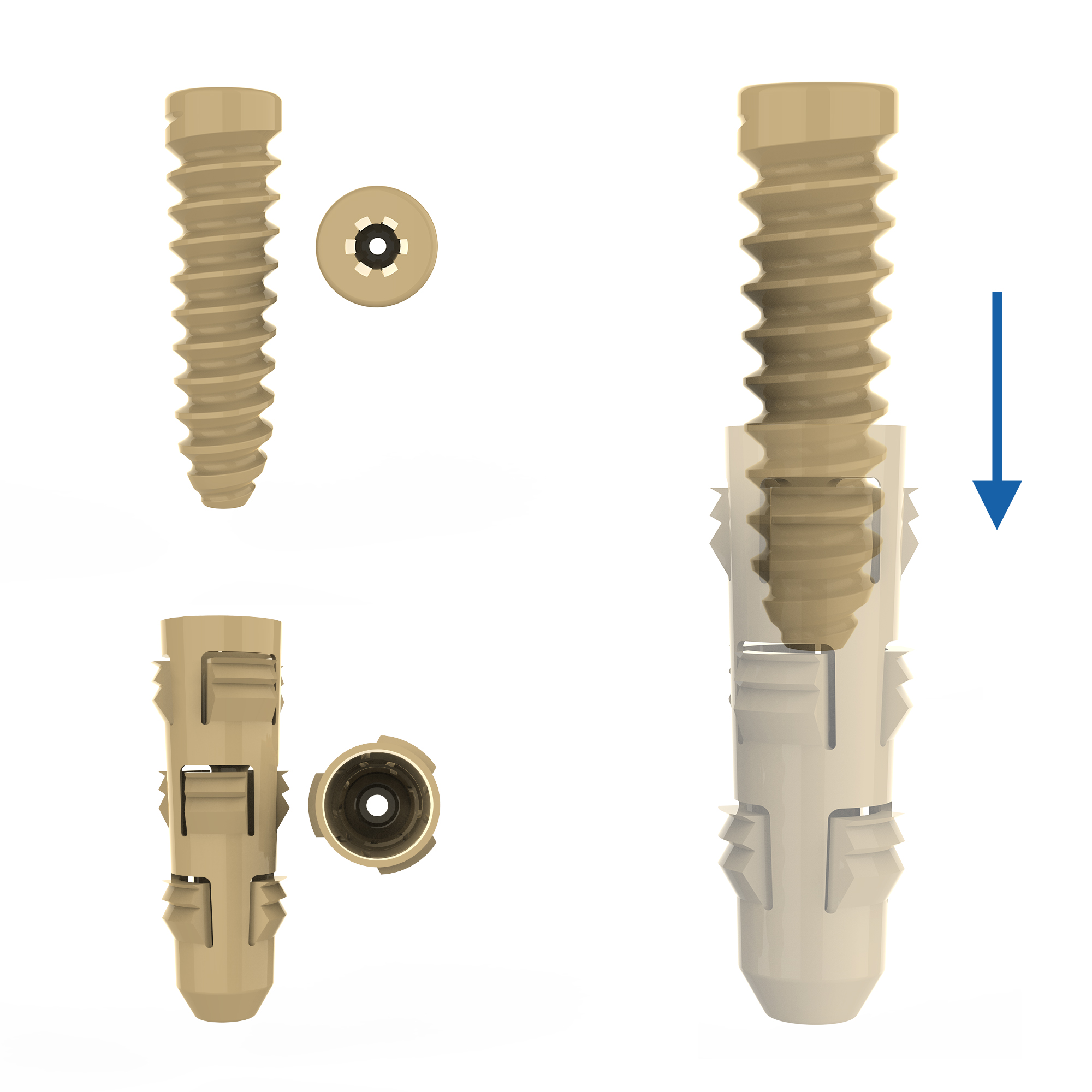
CANWELL Bioabsorbable PEEK/PLGA Interference Screw for ACL Reconstruction
View Product Details →Biomechanics & Metallurgy of Modern Intramedullary Nailing
A comprehensive comparative evaluation of load-bearing mechanics, fatigue resistance, and anatomic curvature matching in femoral osteosynthesis.
In complex orthopedic trauma management, particularly diaphyseal and trochanteric femoral fractures, intramedullary (IM) nailing remains the recognized gold standard for surgical fixation. As a primary China top femoral nails factory & exporter, Zhejiang INAR Medical Co., Ltd. combines advanced metallurgical science with high-precision Swiss-type CNC machining to engineered internal fixation systems that meet rigorous international clinical demands. Understanding the structural shift from open plate osteosynthesis to closed load-sharing intramedullary fixation requires a granular analysis of mechanical stress distribution, rotational stability, and cortical contact mechanics.
Anatomic Sagittal Bow Matching
Traditional straight nails created elevated anterior cortical impingement risks. Modern INAR femoral nails incorporate an optimized radius of curvature (R1500mm to R2000mm) engineered precisely via 3D multi-ethnic morphological database scanning to prevent distal anterior perforation.
Helical Blade Compaction Mechanics
In proximal femoral nail antirotation (PFNA) configurations, replacing standard lag screws with a compacted helical blade compresses osteoporotic cancellous bone rather than removing it, increasing cut-out resistance by over 48% under cyclical axial torque.
Ti-6Al-4V ELI Alloy Fatigue Life
Utilizing Extra Low Interstitial Grade 5 Titanium (ASTM F136), our intramedullary implants offer an ultimate tensile strength exceeding 860 MPa while maintaining lower modulus of elasticity closer to human cortical bone to minimize stress shielding.
| Biomechanical Parameter | Standard Lag Screw Interlocking Nail | INAR Advanced PFNA Helical Blade System | Distal/Proximal Femoral Locking Plates |
|---|---|---|---|
| Load Distribution Pattern | Centratized Load Sharing | Optimal Load Sharing & Compaction | Eccentric Load Bearing (Higher Bending Moment) |
| Cancellous Bone Retention | Reamed / Cut Away by Thread Drilling | Bone Compacted Radial Density (+48%) | N/A (Periosteal Screw Fixation Only) |
| Dynamic Compression Range | Static / Manual Oval Dynamic Slots | Integrated Controlled Dynamic Sliding | Fixed Angle / Rigid Locking |
| Invasive Surgical Profile | Minimally Invasive (MIS) | Ultra-MIS / Reduced Blood Loss | Extensive Soft Tissue Dissection |
| Fatigue Resistance (ASTM F1264) | > 1.0 x 10^6 cycles at 1200N | > 2.5 x 10^6 cycles at 1500N | > 0.8 x 10^6 cycles at 1000N |
Femoral Nailing Sourcing & Technological Trends
Key strategic insights for medical device procurement teams, hospital purchasing managers, and brand distributors.
1. Shift Towards Suprapatellar & Antegrade Universal Trays
Surgical trends indicate a rapid movement from traditional infrapatellar insertion to suprapatellar approaches for tibial and distal femoral nailing. This approach maintains the knee in semi-extension, reducing quadriceps tension and facilitating fluoroscopic imaging. Importers are increasingly prioritizing supply partners who can provide multi-functional, carbon-fiber radiolucent insertion instruments that accommodate both antegrade and retrograde techniques within a single modular tray.
2. Stringent EU MDR & Global Regulatory Harmonization
With the EU MDR (2017/745) transition, Class III trauma implants face unprecedented technical documentation requirements, clinical evaluation reports (CER), and post-market clinical follow-up (PMCF) scrutiny. Leading Chinese exporters are differentiating themselves by providing complete technical dossiers, full material traceability from raw titanium ingot to sterile barrier packaging, and certified ISO 13485 quality systems to help distributors clear regulatory hurdles effortlessly.
3. Surface Physics & Anodization Innovations
Beyond traditional mechanical machining, surface modifications such as Type II Electrochemical Anodization are becoming baseline criteria for high-end procurement. Type II anodization hardens the titanium oxide layer, reducing titanium ion release, dramatically improving wear resistance at the nail-screw interface, and preventing cold welding during hardware removal procedures.
4. Custom OEM/ODM Private Labeling & Agile Production
Global distributors are moving away from stock commodity purchasing towards private-label custom branding. Demand is soaring for OEM partners capable of laser-marking customized UDI barcodes, custom color-coding internal instrument trays, and tailoring nail dimensions to specific regional anatomical profiles (such as shorter femoral lengths or exaggerated anterior bows for specific target populations).
Zhejiang INAR Medical Manufacturing Infrastructure
Empowering international brands and medical tenders with end-to-end manufacturing integrity.
As an SGS-verified custom orthopedic implant and surgical instrument manufacturer located in Jinhua, Zhejiang, China, Zhejiang INAR Medical Co., Ltd. operates a sprawling 29,523 m² integrated production campus. Backed by 22+ years of orthopedic engineering heritage and a workforce of 632 skilled technicians, engineers, and quality assurance specialists, INAR Medical provides an unmatched supply chain foundation for trauma, spine, and sports medicine devices.
Swiss CNC Machining Precision
Our facility houses high-precision longitudinal cutting lathes and multi-axis CNC machining centers capable of drilling deep, perfectly concentric cannulated holes through solid titanium bars with micrometer-level tolerances.
13-Step In-House Quality Control
From raw material verification to longitudinal cutting, CNC milling, polishing, ultrasonic washing, sand-blasting, penetrant surface testing, anodizing, OQC inspection, and Class 100,000 aseptic cleanroom packing—100% of processes are performed in-house.
Advanced Validation Testing
Our on-site mechanical testing laboratory operates dynamic endurance fatigue testers, packaging aging testers, and axial torque measuring systems to validate every production lot against ASTM F1264 and ISO 14801 standards.
Frequently Asked Questions for Sourcing & Procurement
Answers to common technical, regulatory, and commercial inquiries from global medical importers.
What certifications do INAR Medical femoral nails and trauma implants carry? +
Can you manufacture custom intramedullary nails under OEM / ODM private labeling? +
What medical-grade raw materials are utilized in your intramedullary nail manufacturing? +
How does INAR ensure batch-to-batch quality and defect prevention? +
What are the standard lead times and Minimum Order Quantities (MOQ) for distributor orders? +
Partner with China's Premier Femoral Nails Manufacturer
Request a comprehensive product catalog, technical dossier, or a customized OEM pricing quotation from our senior orthopedic export engineering team.
Send an Inquiry