Featured Orthopedic Trauma Implants & Systems
Certified CE/ISO medical-grade titanium locking plates, intramedullary instruments, and precision reconstructive systems direct from our audited manufacturing facility.
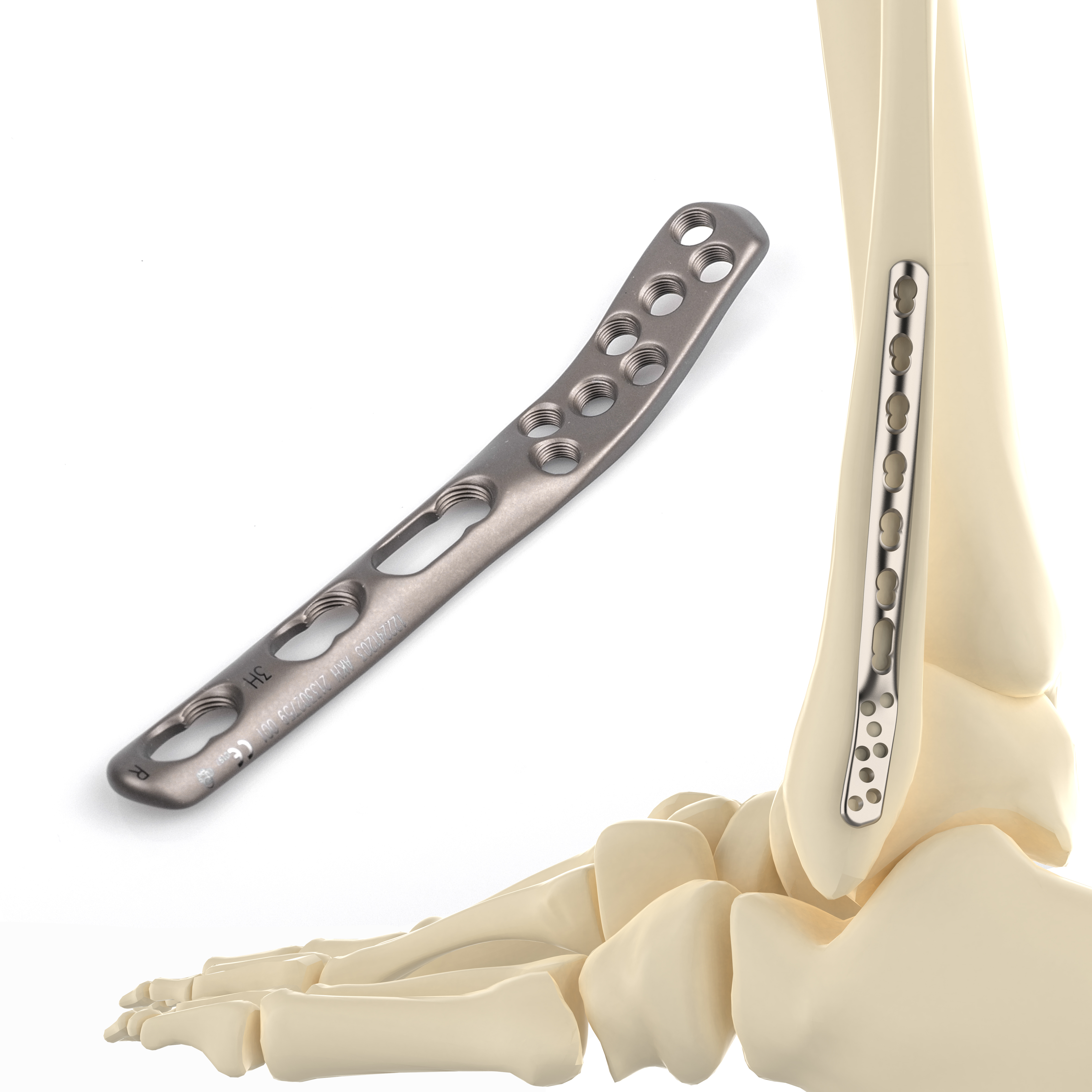
CANWELL Titanium Posterolateral Distal Fibula Locking Plate 2.7/3.5mm System
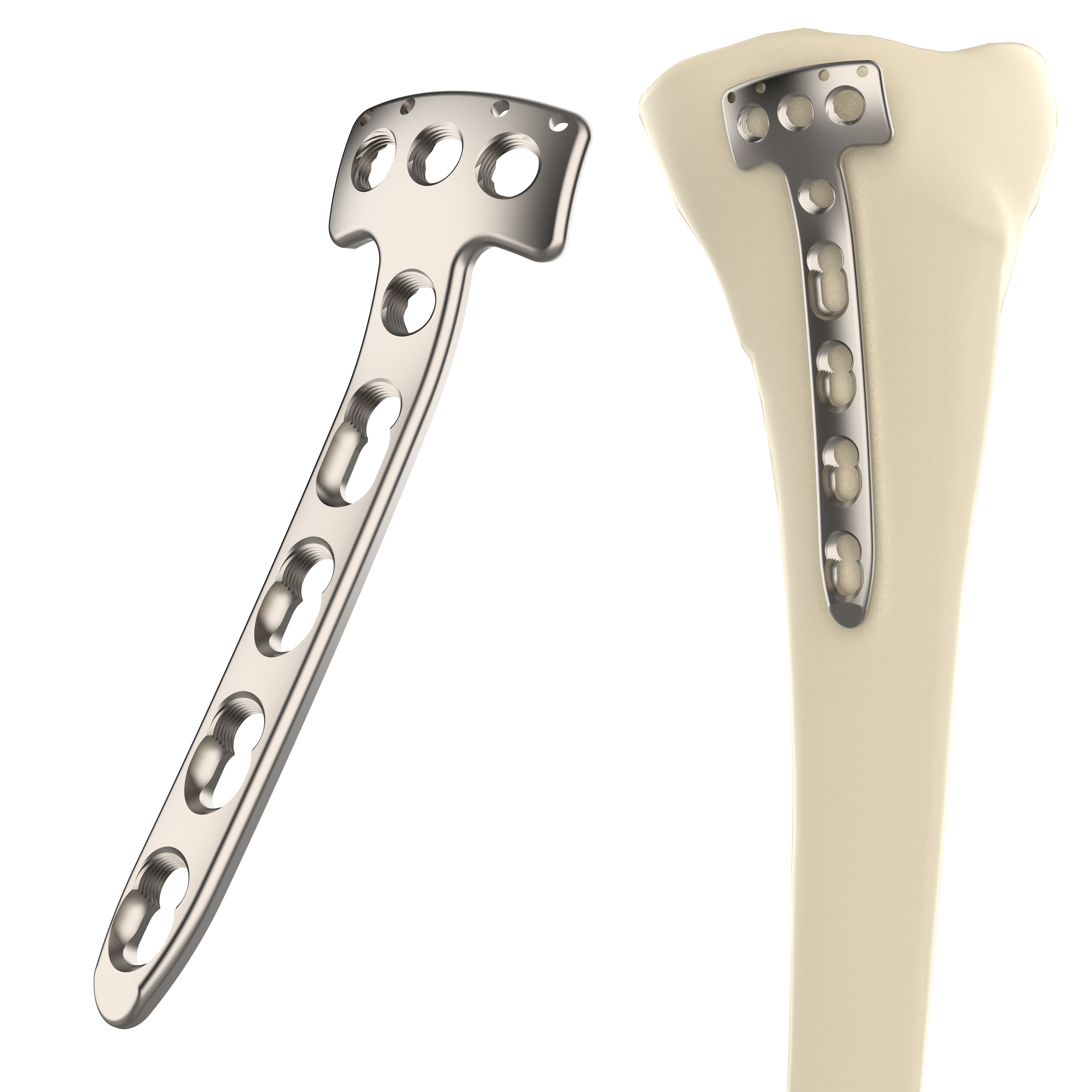
CANWELL Titanium Proximal Middle Tibial Locking Plate ORIF Surgery
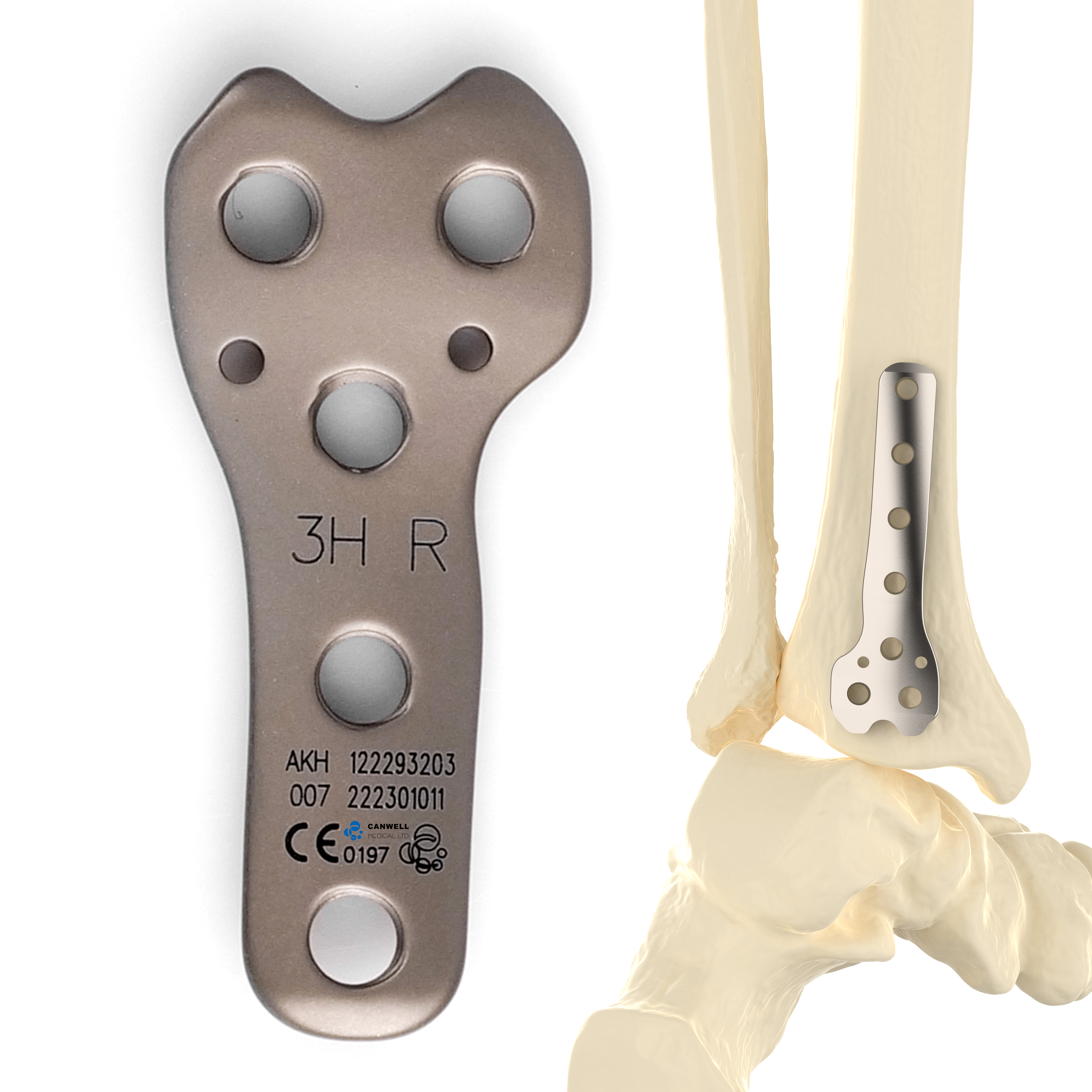
CANWELL Distal Tibial Titanium Locking Plate Posterior Limb Compression
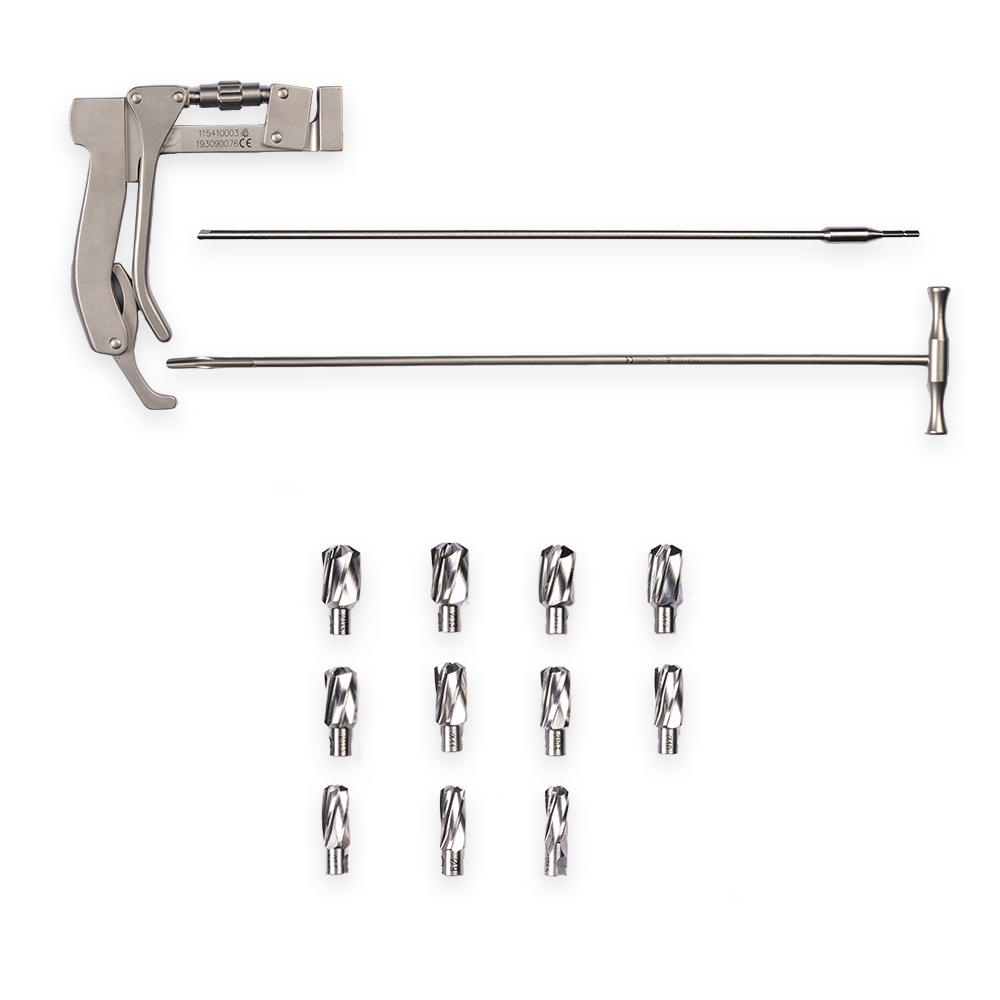
CANWELL Orthopedic Flexible Reamer Set for Intramedullary Surgery
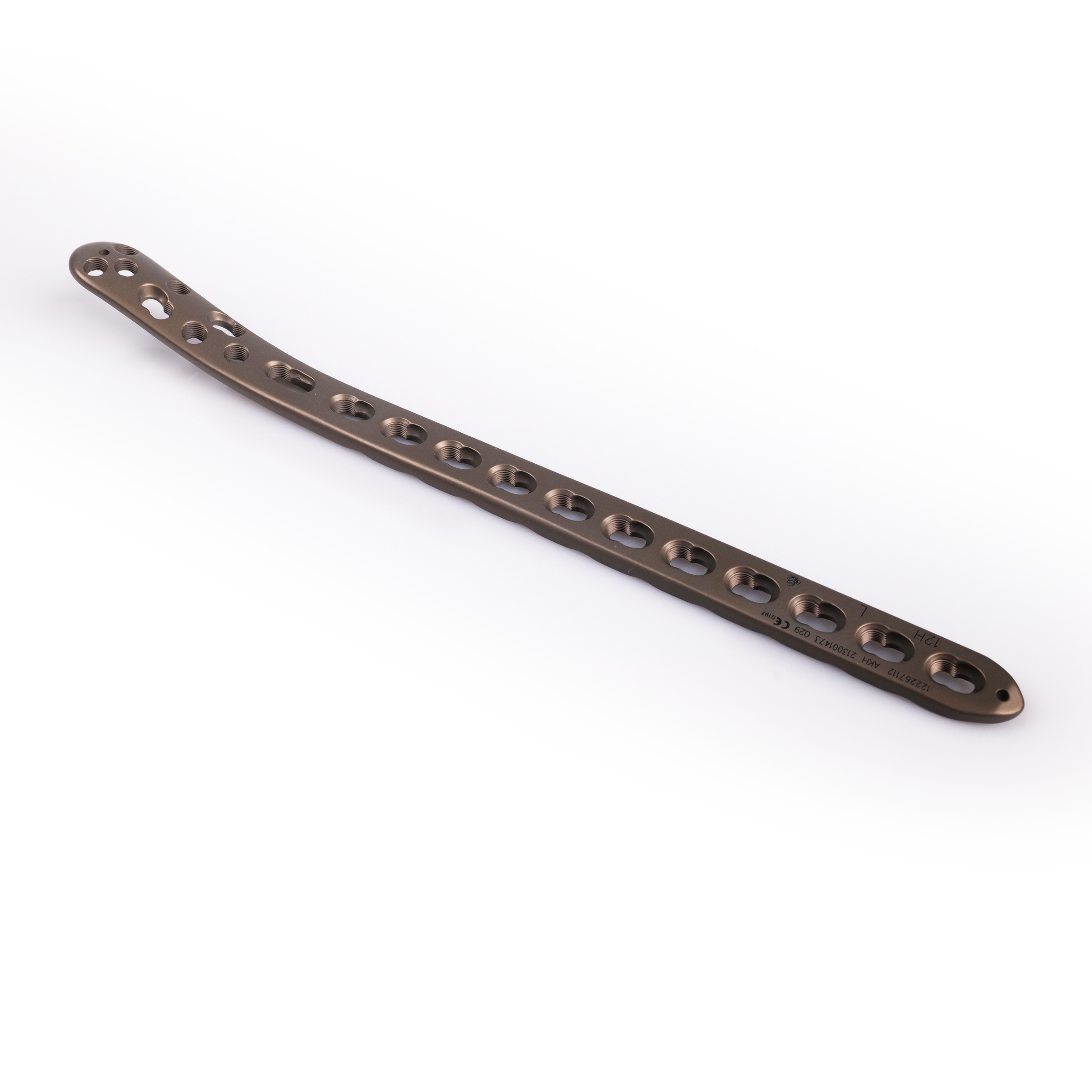
CANWELL Distal Medial Tibial Locking Plate Titanium Trauma Implant
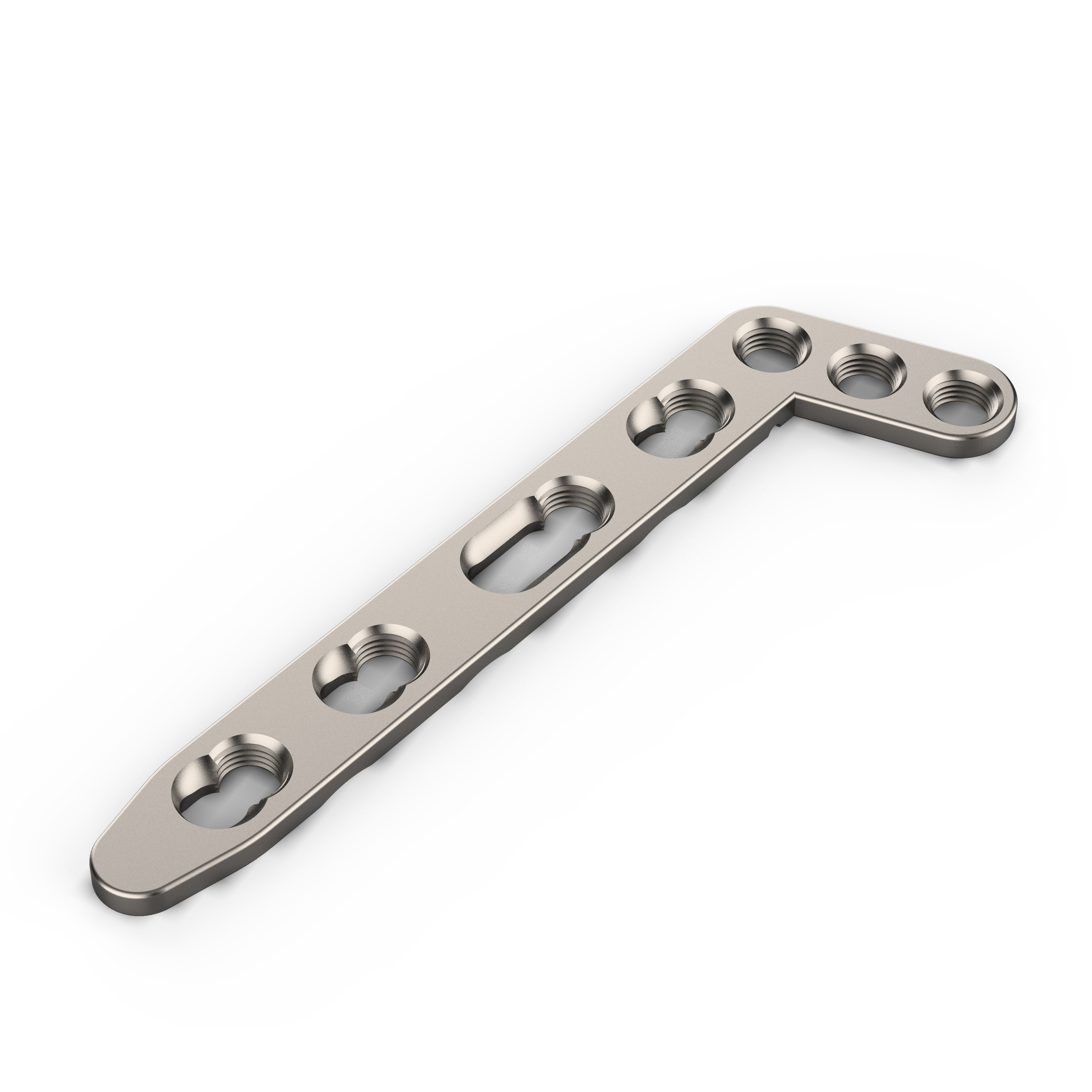
CANWELL Distal Radius Dorsal Titanium Locking Plate Wrist Fracture
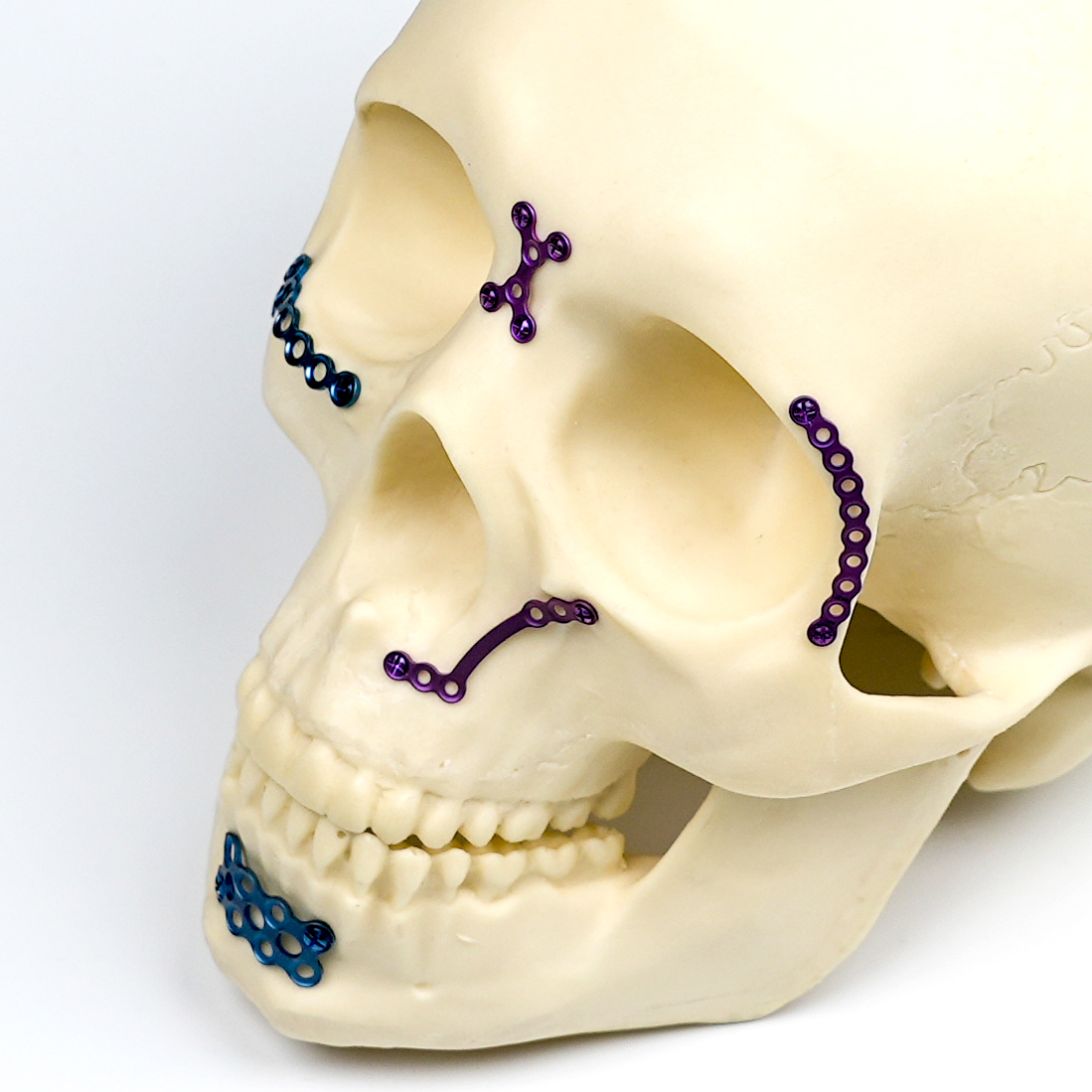
CANWELL CMF Titanium Maxillofacial Plate and Screw System Oral Surgery
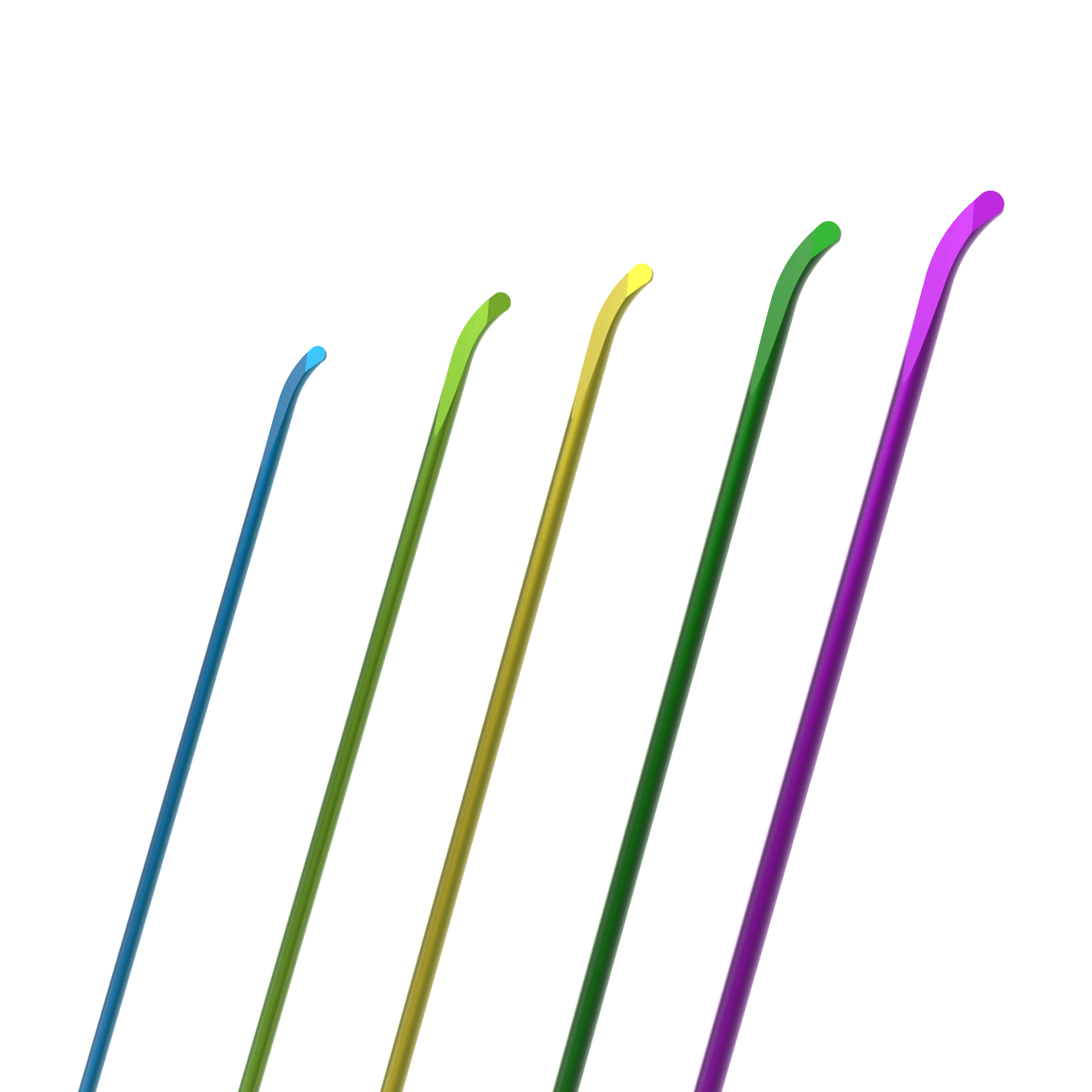
CANWELL Titanium Elastic Nails Instrument Set for Pediatric Fixation
1. Clinical Biomechanics & Anatomical Engineering of Fibula Fixation
In modern orthopedic trauma surgery, fractures of the lateral malleolus and distal fibula constitute one of the most frequently encountered lower-extremity injuries. Fracture patterns, classified predominantly under the Danis-Weber system (Types A, B, and C) or the Lauge-Hansen classification, demand rigid mechanical stability to restore anatomical joint congruity and preserve tibiofibular syndesmotic integrity. As China’s premier trauma implant manufacturer, our engineering matrix focuses on mitigating soft-tissue disruption while optimizing biomechanical torsional rigidity.
Traditional non-locking tubular plates often suffer from screw back-out, structural deformation under high torsional stress, and soft-tissue irritation due to excessive profile height. The development of our Posterolateral and Lateral Distal Fibula Locking Compression Plate (LCP) Systems represents a paradigm shift. Utilizing anatomically pre-contoured profiles constructed from medical-grade Titanium Alloy (Ti-6Al-4V ELI / ASTM F136), our plates match the natural dynamic contours of the distal fibular shaft and lateral malleolus, drastically reducing the clinical necessity for intraoperative bending.
Our posterolateral distal fibula plates are engineered specifically for anti-glide plating or posterolateral fixation strategies. Biomechanical fatigue testing demonstrates that posterolateral placement offers superior mechanical resistance against shear forces during ankle joint load-bearing when compared to standard lateral fixation. Featuring thin distal margins (tapered to 1.5mm) and rounded contour edges, these implants safeguard delicate periosteal vascularization and diminish overall post-operative tissue complications.
Distal Fibula Locking System Structural Comparison
| Implant System Parameter | Posterolateral Distal Fibula Locking Plate | Lateral Distal Fibula Locking Plate | 1/3 Tubular Compression Plate |
|---|---|---|---|
| Primary Indication | Weber B/C Fractures, Posterolateral Shear | Transverse Distal Fibula / Comminuted Fractures | Simple Non-Displaced Shaft Fractures |
| Raw Material Grade | Ti-6Al-4V ELI / 316L Stainless Steel | Ti-6Al-4V ELI / 316L Stainless Steel | Pure Titanium / 316L SS |
| Profile Thickness Edge | 1.5mm Tapered Distal to 2.0mm Shaft | 1.8mm Distal to 2.5mm Shaft | 1.0mm Uniform Profile |
| Screw Compatibility | 2.7mm Locking / 3.5mm Cortex & Combi-Holes | 2.7mm Distal / 3.5mm Proximal Screws | 3.5mm Cortex Screws Only |
| Syndesmotic Fixation Integration | Dedicated Angled Syndesmotic Holes | Multi-Angle Combi-Holes | Standard Screw Hole Placement |
| Fatigue Resistance (ASTM F382) | > 1,000,000 Cycles @ 280N Load | > 1,000,000 Cycles @ 260N Load | ~ 500,000 Cycles @ 180N Load |
2. Metallurgical Mastery & 13-Stage Precision Manufacturing
Operating out of a 29,523 m² audited manufacturing complex staffed by 632 medical device professionals, our production facility adheres to strict ISO 13485 and European MDR regulatory standardizations.
5-Axis Swiss CNC Machining
Utilizing high-precision multi-axis Haas and Citizen CNC centers, we achieve micron-level tolerance (+/- 0.005mm) on thread pitch, combi-holes, and contoured locking grooves.
Anodization Type II & Type III
Surface treatment involves electrochemical anodization to create an oxide anti-friction layer, increasing surface fatigue resistance, improving biocompatibility, and enabling vibrant color-coding.
NDT Penetrant & Fatigue Testing
Every single production batch undergoes ASTM E1417 fluorescent penetrant flaw testing to detect micro-cracks, combined with rigorous cyclic bending fatigue verification under ASTM F382 protocols.
The 13-Step Traceable Manufacturing Pipeline
To guarantee complete reliability in clinical environments, our China facility implements a strict 13-station zero-defect production methodology:
- Raw Material Verification: Spectral analysis & ultrasonic flaw detection of certified Ti-6Al-4V ELI bar stock.
- Longitudinal Bar Cutting: Precision length slicing using high-speed automated saws.
- 5-Axis CNC Milling: Automated shape milling, dynamic combi-hole drilling, and screw thread tapping.
- Surface De-burring & Polishing: Automated mechanical media tumbling to eliminate high-stress concentration edges.
- Ultrasonic Multi-Stage Washing I: Solvent degreasing and ultrasonic particulate decontamination.
- Micro-Grinding & Profiling: Precision hand-finishing of anatomic curve transitions by master craftsmen.
- Controlled Sand-Blasting: Uniform surface texturing for targeted mechanical finish consistency.
- Fluorescent Penetrant Testing (NDT): 100% surface integrity check for microscopic material fissures.
- Electrochemical Anodization: Titanium color-coding (Gold for 2.7mm, Blue for 3.5mm systems).
- Ultrasonic Multi-Stage Washing II: Ultrapure pyrogen-free water rinsing cycles.
- Final Outgoing Quality Control (OQC): Optical CMM dimensional verification and thread gauge inspection.
- Aseptic Cleanroom Packaging: Sealed in ISO Class 7 cleanrooms using double-pouch Tyvek barrier packaging.
- Sterile Ready Storage: Barcode-tracked warehouse storage ready for immediate global logistics dispatch.
3. Global Sourcing Trends & Next-Gen Fibula Plate Procurement
The global market for orthopedic trauma implants is undergoing rapid structural evolution driven by stringent international regulatory updates, hospital cost-containment initiatives, and shifting clinical preferences toward minimally invasive surgery (MIS). Procurement directors, hospital purchasing committees, and medical device distributors must navigate several pivotal trends when partnering with OEM/ODM factories in China:
A. EU MDR (2017/745) & Global Compliance Alignment
With the sunsetting of the European MDD directive, regulatory authorities demand stringent clinical evaluation reports (CER), post-market clinical follow-up (PMCF), and complete material origin traceability. Top-tier Chinese manufacturers are leading this transition by providing turnkey CE MDR technical documentation and SGS-audited site verification certificates to expedite distributor registration worldwide.
B. Modular Instrument Trays & Customized OEM Branding
Hospitals are moving away from monolithic implant inventories toward compact, single-procedure modular surgical tray kits. Factory customization now includes customized anodized color-coding, laser-engraved brand logos, customized screw rack layouts, and ergonomically optimized silicone-handled drivers designed to reduce surgical setup times.
C. Polyaxial Locking Technology Integration
Future fibular trauma systems are transitioning from monoaxial threaded locking holes to advanced polyaxial (variable-angle) locking mechanisms. This permits surgeons to angle 2.7mm cortical screws up to 15 degrees in any direction, facilitating optimal fracture fragment targeting, avoiding intra-articular penetration, and optimizing syndesmotic screw trajectory.
4. Why Leading Global Distributors Partner With Our Factory
Providing a robust supply chain solution that combines direct factory pricing with uncompromised Swiss-tier manufacturing quality and comprehensive regulatory back-up.
SGS Onsite Audited Facility
Our manufacturing plant has undergone full third-party physical assessment by SGS Group. Certified cleanroom standards, automated machinery, and raw material chemical certificates are fully open for distributor inspection.
End-to-End OEM / ODM Customization
From initial CAD engineering drawings to rapid prototyping within 10 days, we deliver tailored plate geometries, specialized screw threads, and custom surgical instrument sets built to your exact brand specifications.
Rapid Global Export Logistics
With over 13 years of specialized international export experience across 80+ nations, our supply chain guarantees expedited air/sea shipping, customs clearing support, and protective packaging.
Frequently Asked Technical & Purchasing Questions
Key answers for orthopedic importers, regulatory affairs teams, and hospital procurement managers.
Request a Direct OEM Factory Quote & Technical Sample Kit
Connect with our senior orthopedic engineering team today. Get wholesale volume pricing, sample evaluation sets, complete CE technical documentation, and full OEM catalog access.