Featured Orthopedic Implants & Fixation Systems
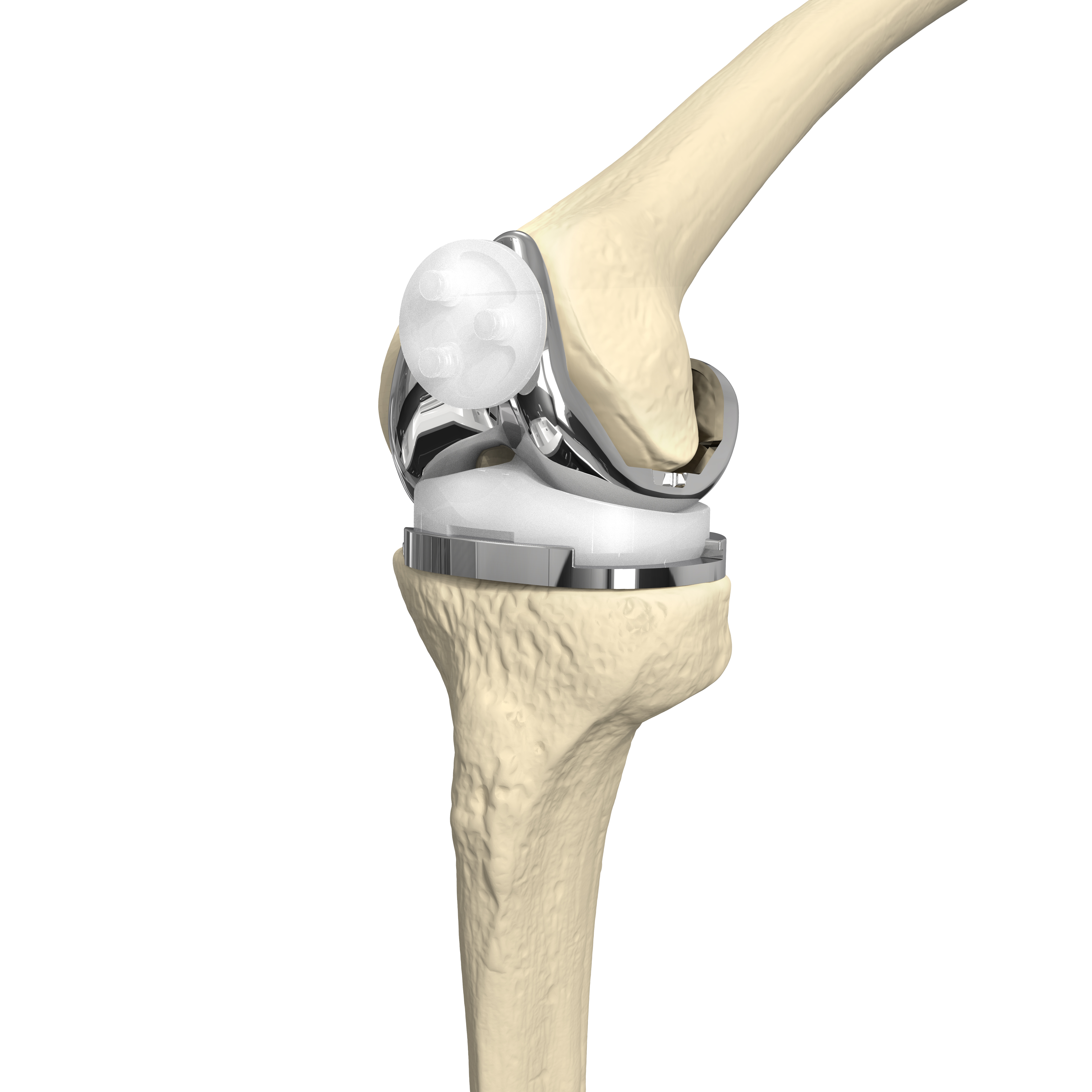
Precision-engineered trauma locking plates, surgical power tools, CMF systems, and arthroplasty solutions certified under CE (MDR) and ISO 13485.
Industrial Assessment: China’s Leading Fracture Plate Manufacturing Ecosystem
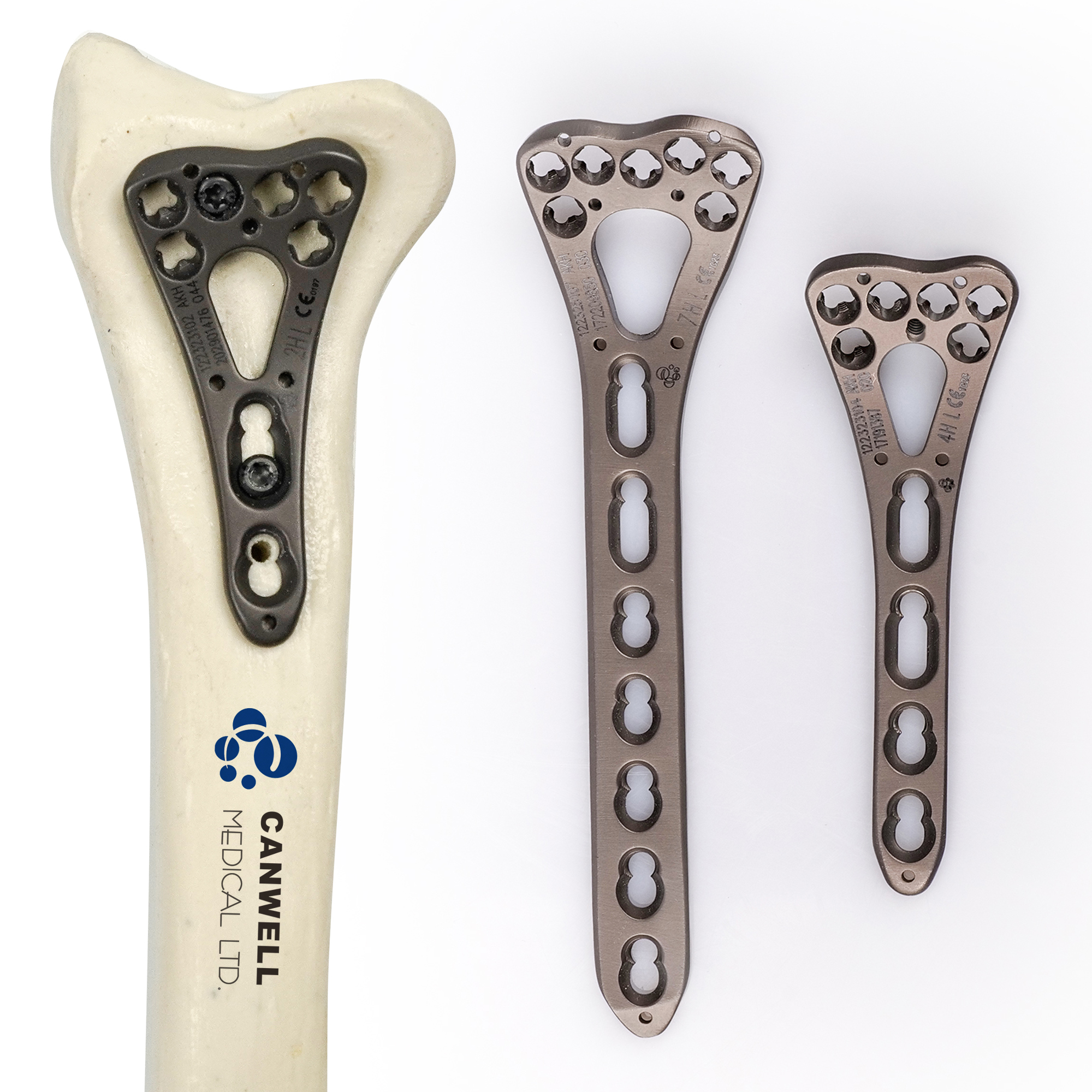
The global orthopedic trauma device market has undergone a structural transformation over the past decade, with Chinese orthopedic original equipment manufacturers (OEMs) emerging as dominant global partners. Zhejiang INAR Medical Co., Ltd. (operating in technical synergy with the CANWELL Medical research platform) stands at the pinnacle of this industrial evolution. Certified by SGS onsite supplier assessments and holding comprehensive European Union Medical Device Regulation (CE MDR 2017/745) and Medical Device Directive (93/42/EEC) qualifications, the enterprise represents a state-of-the-art manufacturing hub for internal fracture fixation systems.
Orthopedic procurement directors, hospital supply chain executives, and global distributors face rigorous compliance burdens when selecting trauma implant sources. Evaluated through Google’s Search Quality Rater Guidelines for Experience, Expertise, Authoritativeness, and Trustworthiness (E-E-A-T), a tier-1 Chinese fracture plate manufacturer must provide full metallurgical traceability, non-destructive testing verification, biological safety profile documentation, and validated fatigue performance metrics. INAR / CANWELL fulfills these clinical demands through systematic material selection and precise mechanical execution.
Metallurgical Metallurgy & Biomechanical Engineering Standards
Fracture plates serve as dynamic strain-bearing internal bridge constructs during bone healing. The choice of material directly governs elastic modulus matching, stress shielding reduction, corrosion resistance, and fatigue life. Top Chinese factories utilize medical-grade Titanium Alloys (Ti-6Al-4V ELI per ASTM F136 / ISO 5832-3) and implant-grade Stainless Steel (316LVM per ASTM F138 / ISO 5832-1).
Ti-6Al-4V ELI Biocompatibility
Extra Low Interstitial (ELI) titanium alloy delivers an optimal yield strength-to-density ratio while maintaining an elastic modulus (~110 GPa) much closer to human cortical bone (~18 GPa) than stainless steel (~200 GPa), minimizing stress shielding.
Variable-Angle (VA) Locking Tech
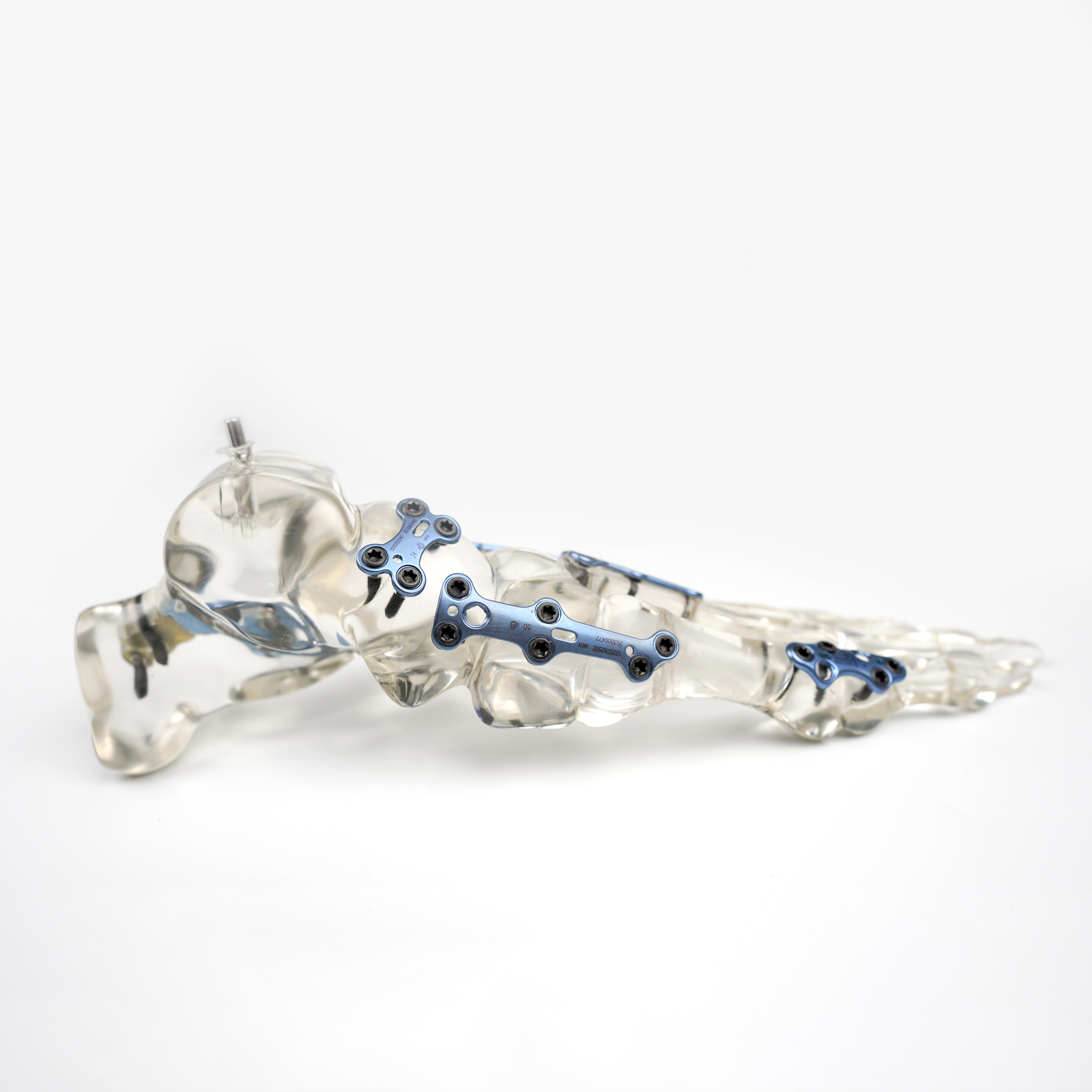
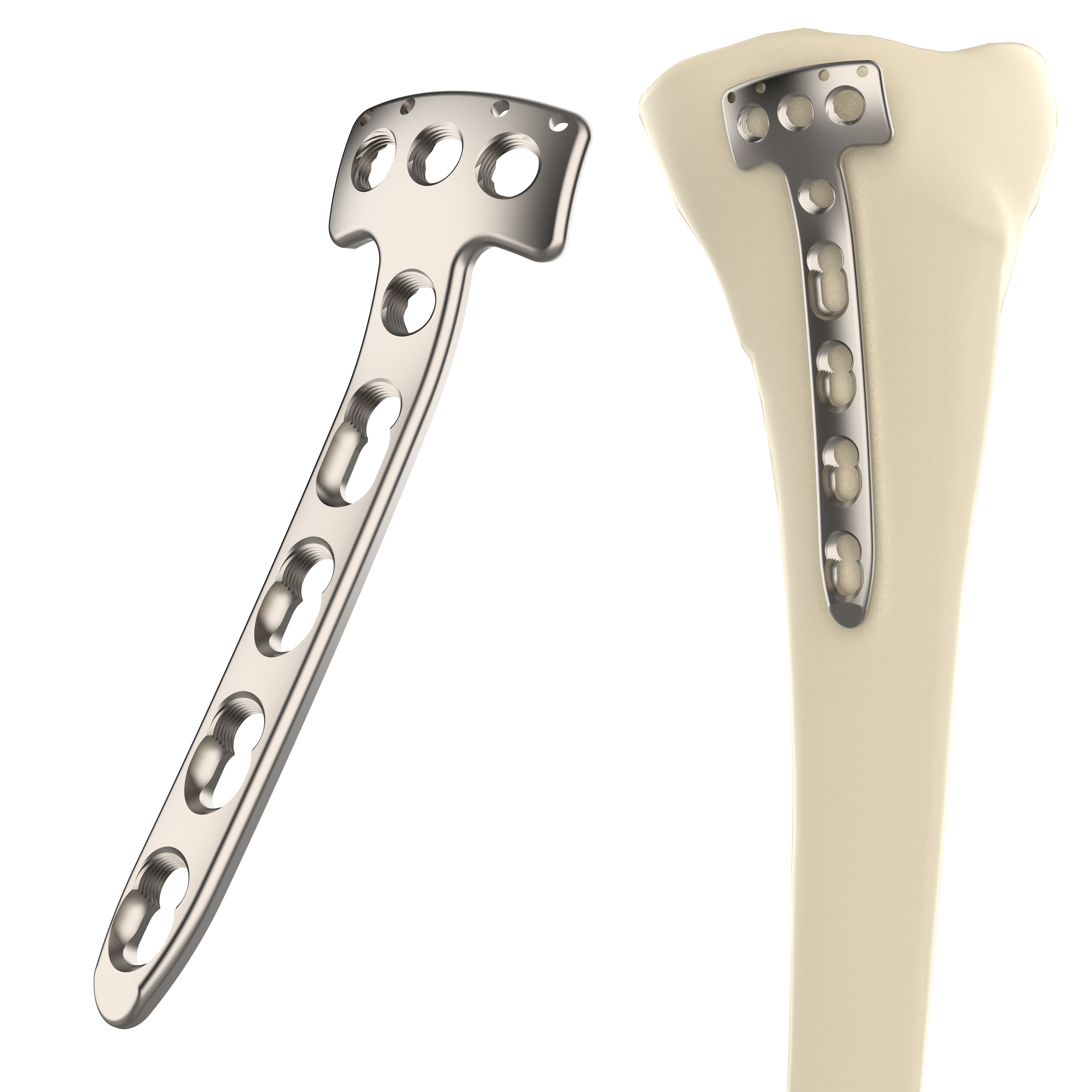
Features a combi-hole construct with thread-locking technology allowing +/- 15° off-axis screw insertion. Surpass fixed-angle limitations by enabling trajectory alignment targeting complex intra-articular fracture fragments.
Type II Electrochemical Anodization
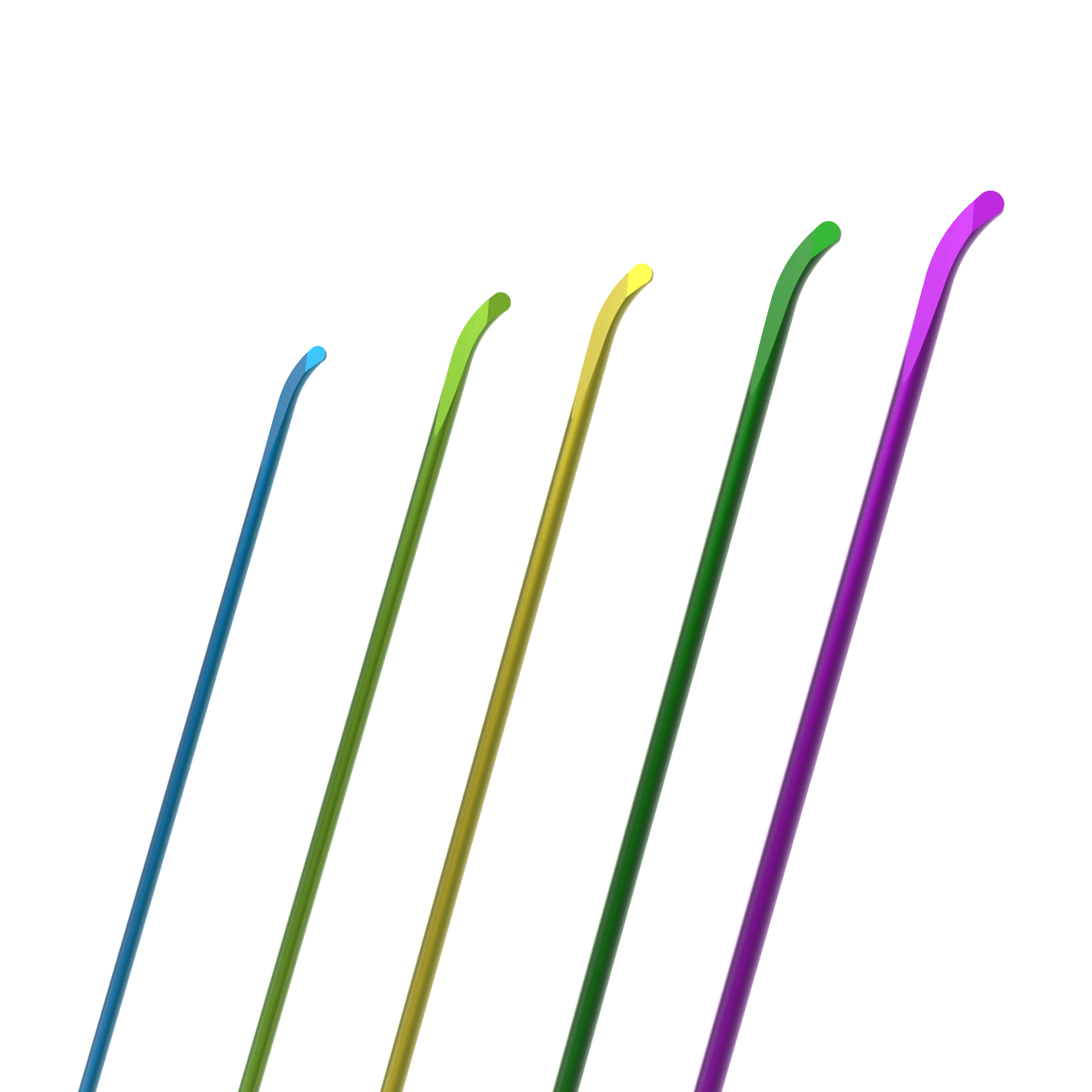
Surface modification creating a dense titanium oxide passivation layer. Improves surface hardness, eliminates micro-fretting corrosion between screw head and plate hole, and provides distinctive optical color-coding for surgical speed.
Biomechanical Comparison: Fixed-Angle vs. Variable-Angle Locking Plates
Understanding the mechanical behavior of locking plate systems is essential for OEM procurement teams configuring tender submittals. The table below details critical mechanical and clinical metrics evaluated in testing laboratories following ASTM F382 (Standard Specification and Test Method for Metallic Bone Plates).
| Mechanical Parameter | Standard Dynamic Compression Plate (DCP) | Fixed-Angle Locking Compression Plate (LCP) | Variable-Angle (VA) Locking Plate System |
|---|---|---|---|
| Fixation Mechanism | Friction at plate-bone interface via periosteal compression | Threaded rigid engagement between screw head & plate | Polyaxial threaded cone or deformable thread lip locking |
| Periosteal Blood Supply | High disruption due to direct planar contact pressure | Preserved; limited-contact undersurface design | Maximally preserved; elevated anatomical standoff |
| Angular Screw Freedom | 0° trajectory adjustment (standard cortical orientation) | 0° fixed perpendicular alignment | ±15° to ±20° conical trajectory flexibility |
| Fatigue Resistance (Cycles to Failure) | ~500,000 cycles at 250N load (ASTM F382) | >1,000,000 cycles at 350N load | >1,000,000 cycles at 380N load with locked angle |
| Primary Clinical Indication | Simple shaft fractures in good bone quality | Metaphyseal/diaphyseal osteoporotic fractures | Complex intra-articular & comminuted fractures |
Future Procurement Trends in the Global Fracture Fixation Market
Healthcare procurement strategies are undergoing rapid recalibration due to regulatory transformations, geopolitical supply chain realignments, and clinical demands for cost-containment without compromising patient outcomes. B2B buyers seeking long-term OEM contracts with Chinese fracture plate manufacturers must evaluate four emerging macro-trends:
1. Transition from EU MDD to Strict MDR (2017/745) Compliance: The implementation of the EU Medical Device Regulation has raised the barrier to entry significantly. Uncertified suppliers without clinical evaluation reports (CER), Post-Market Clinical Follow-up (PMCF) plans, and Unique Device Identification (UDI) tracking are being eliminated from European procurement channels. Tier-1 facilities like Zhejiang INAR Medical have invested heavily in upgrading technical documentation, establishing seamless EU MDR compliance for distributors.
2. Consolidation of OEM/ODM Private Label Programs: International orthopedic brands are shifting from simple off-the-shelf purchasing toward full turnkey private-label partnerships. This includes custom plate contouring, localized surgical technique manual creation, color-coded anodization schemes matching brand identity, and customized sterilization tray engineering.
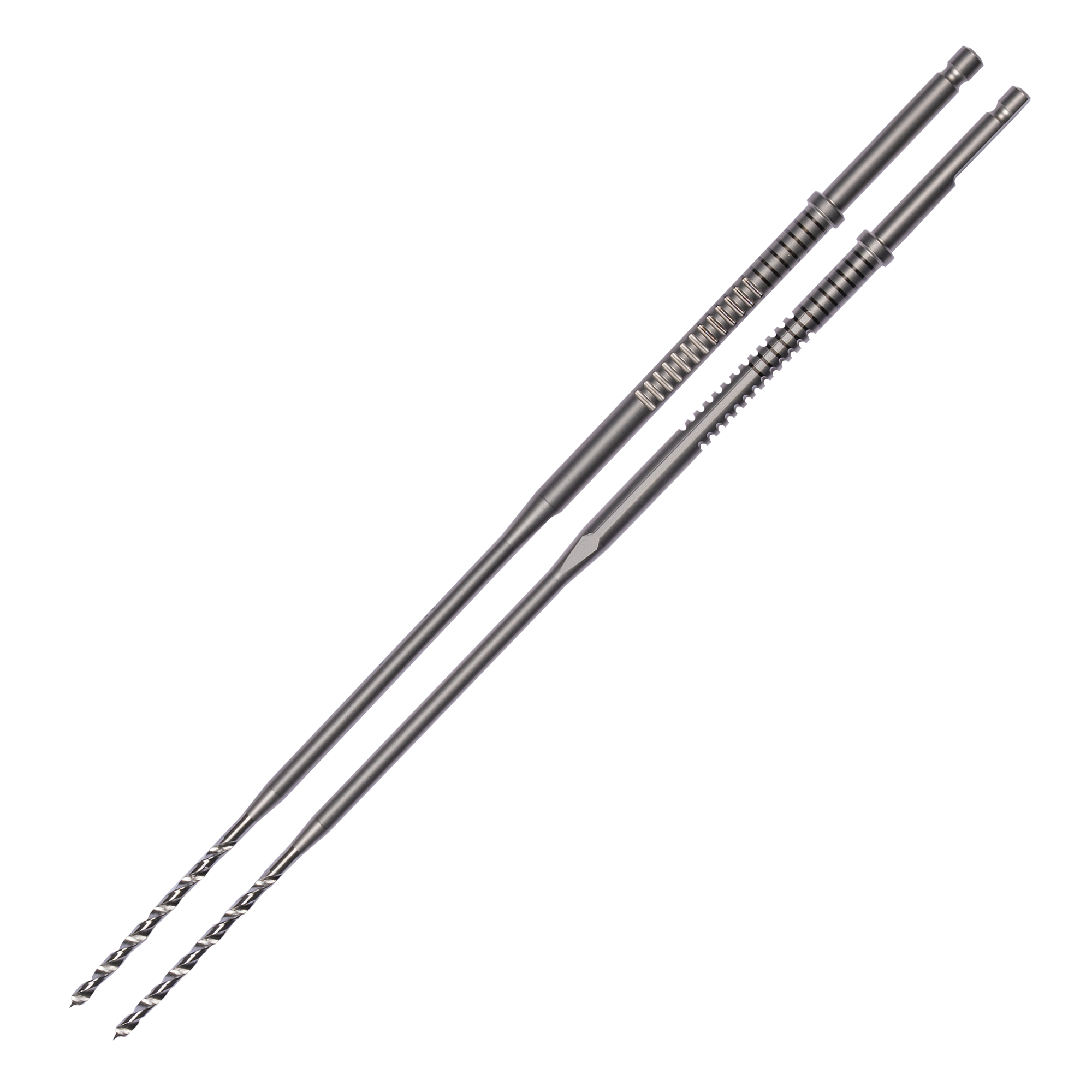
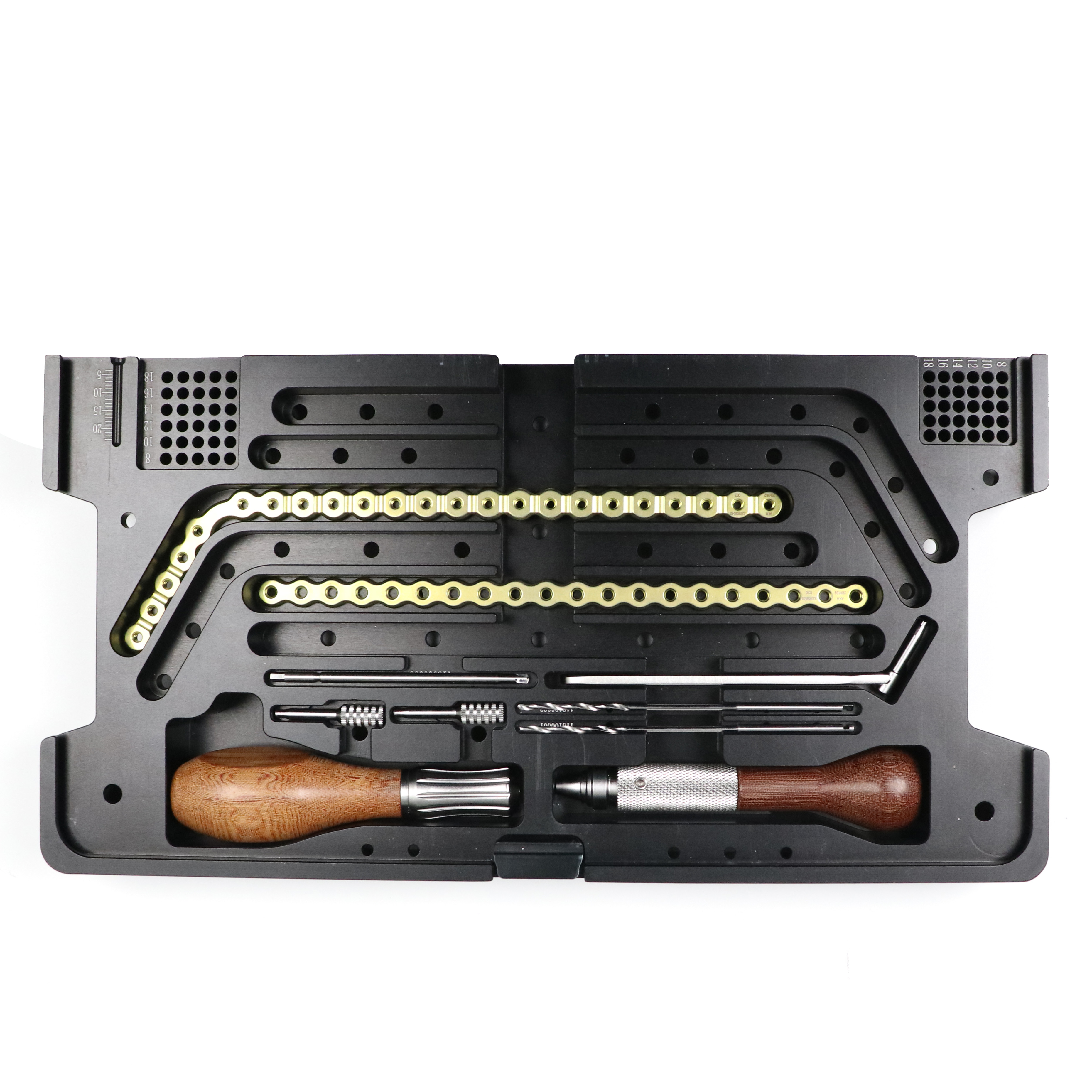
3. Demand for Integrated Surgical Solution Kits: Hospital purchasing departments increasingly reject piecemeal procurement. Modern tenders require complete fracture sets—combining anatomical locking plates, matching cortical and locking screws, color-coded drill bits, quick-coupling handles, and ergonomic bending irons in unified, autoclavable container systems.
4. Cost Optimization via Direct Manufacturer Sourcing: By bypassing middle-tier export trading intermediaries and engaging directly with integrated Chinese production sites (holding 600+ personnel and extensive CNC lathe capacity), global importers achieve cost savings of 30% to 50% while maintaining identical mechanical performance benchmarks verified under ISO and ASTM standards.
Technological Horizon: Next-Generation Fracture Fixation Innovation
As orthopedic surgical techniques advance toward Minimally Invasive Plate Osteosynthesis (MIPO) and biological internal fixation, fracture plate design is witnessing radical technological shifts. Leading Chinese factories are driving R&D initiatives across several key frontiers:
3D Printed Patient-Specific Implants (PSI)
Combining CT volumetric scanning data with Direct Metal Laser Sintering (DMLS) in titanium powder allows the production of customized reconstruction plates for severe oncological reconstructions and complex revision trauma cases.
Bioabsorbable Polymer & Magnesium Matrix
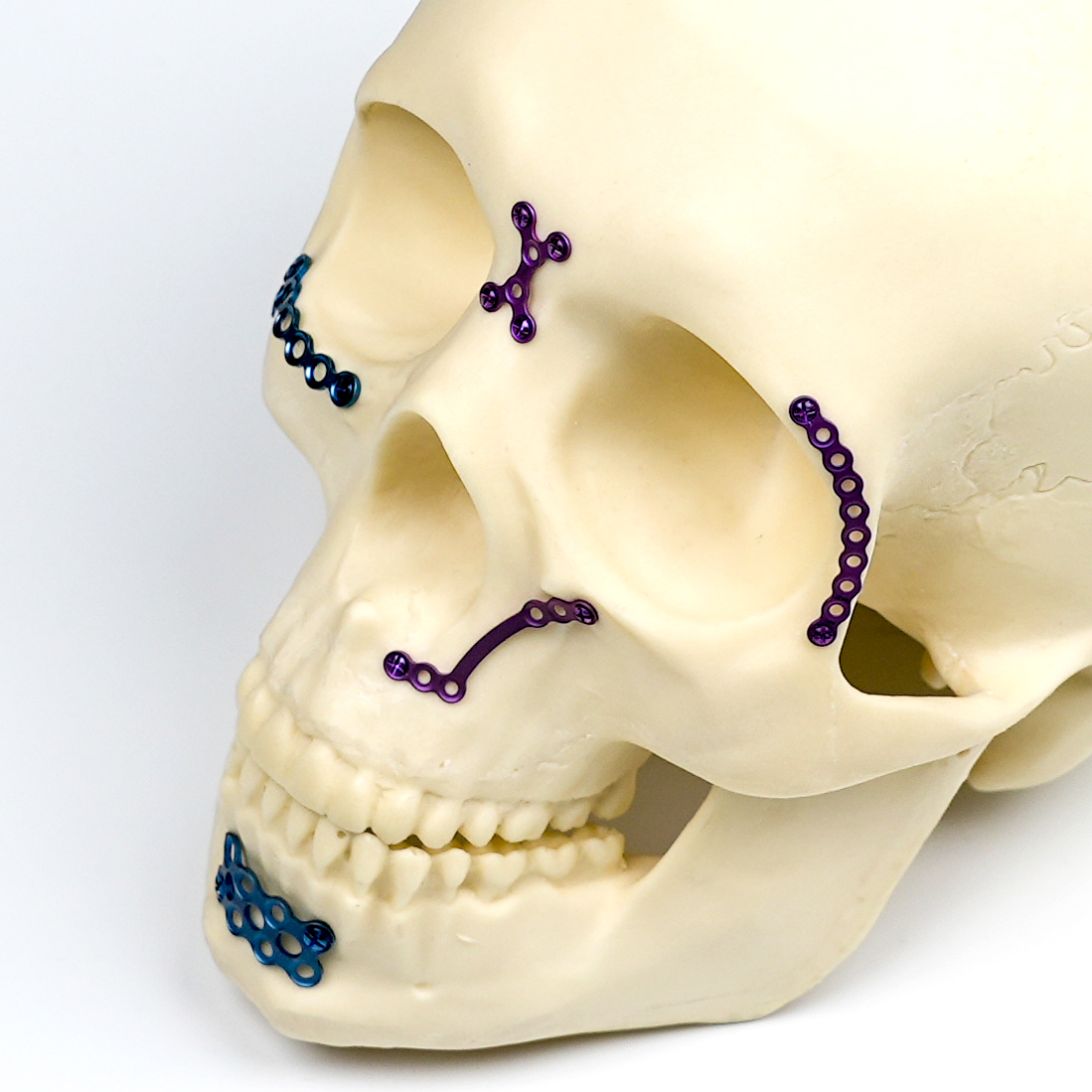
In pediatric orthopedics and craniomaxillofacial (CMF) surgery, bioabsorbable PLGA/PLLA interference screws and resorbable magnesium alloy plates eliminate the clinical need for secondary implant removal procedures.
Micro-Motion Dynamic Locking Screws
Advanced screw geometries featuring elastomeric inserts or sleeve-driven micro-motion mechanics promote controlled interfragmentary movement (~0.2-1.0 mm), accelerating secondary bone healing through robust callus formation.
13-Stage Quality Control Protocol for Fracture Plate Manufacturing
To guarantee zero-defect production in critical load-bearing applications, top-tier Chinese manufacturers implement a continuous 13-stage manufacturing and inspection control chain:
- Raw Material Receipt & Inspection: Spectrographic material verification (TI-6Al-4V ELI certificates per heat lot).
- Longitudinal Precision Bar Cutting: Automated CNC blank preparation with controlled tolerances.
- 5-Axis CNC Machining: Multi-axis milling of anatomical contours, combi-holes, and underside limited-contact grooves.
- Automated Polishing & Deburring: Surface smoothing to eliminate stress-concentration risers.
- Ultrasonic Cleaning Phase I: Solvent degreasing and particulate removal.
- Precision Edge Grinding: Micro-rounding of plate borders to prevent soft-tissue irritation.
- Sand-Blasting & Surface Texturing: Controlled micro-roughness preparation prior to anodization.
- Penetrant Non-Destructive Testing (NDT): Dye penetrant inspection for surface micro-cracks and material voids.
- Electrochemical Anodization (Type II/III): Color-coded oxide layer formation for optical identification and surface hardening.
- Ultrasonic Cleaning Phase II: High-purity deionized water rinse sequence in controlled environment.
- Outgoing Quality Control (OQC): 100% CMM dimensional audit, thread-gauge checks, and optical inspection.
- Cleanroom Aseptic Packaging: Sealing in Tyvek/PE blister pouches inside ISO Class 7 cleanrooms.
- Sterilization & Warehouse Control: EO / Gamma sterilization validation and lot-tracked storage.
Frequently Asked Questions (FAQ) for B2B Importers & Procurement Teams
Which regulatory certifications do Zhejiang INAR / CANWELL fracture plates carry?
Our complete trauma locking plate systems and surgical instruments hold CE mark certification under European Union Medical Device Regulation (EU MDR 2017/745) and Medical Device Directive (93/42/EEC). Additionally, our manufacturing site operates under ISO 13485:2016 quality management standards and has completed full onsite supplier verification audits conducted by SGS Group. Complete Technical Files, Declarations of Conformity (DoC), biocompatibility reports (ISO 10993), and mechanical test summaries are available to qualified distributor partners upon request.
What metallurgical materials are used for your fracture plate production?
We utilize implant-grade Titanium Alloy Ti-6Al-4V ELI (Grade 23) complying strictly with ASTM F136 and ISO 5832-3 standards. For specific regional tender specifications requiring stainless steel, we machine medical-grade 316LVM stainless steel conforming to ASTM F138 / ISO 5832-1. Every production raw material lot undergoes chemical composition verification and mechanical tension testing, with mill test certificates tied to individual batch numbers for 100% traceability.
Do you support full OEM and ODM custom manufacturing?
Yes. As an original factory manufacturer, we provide comprehensive OEM and ODM solutions. Our engineering team can develop custom plate geometries, specialized screw thread profiles, branded laser etching, custom anodization colors, and dedicated surgical instrumentation trays based on your CAD models, physical prototypes, or clinical tender specifications. Custom tooling and fast-track prototyping options are available.
How is fatigue resistance and biomechanical stability verified?
Every plate design undergoes static dynamic four-point bending fatigue testing according to ASTM F382 standards in our advanced biomechanical testing laboratory. Implants are subjected to dynamic cyclic loading up to 1,000,000 stress cycles without structural fracture or locking thread failure. Surface integrity is further inspected via dye penetrant testing to rule out micro-fissures from CNC machining.
What are your typical order Minimum Order Quantities (MOQ) and lead times?
For standard catalog items (e.g., standard distal radius or tibial locking plates), MOQs start at modest levels (e.g., 5-10 units per specification) to facilitate sample evaluation and initial market registration. Custom OEM production runs typically require higher lot sizes depending on CNC setups. Standard delivery lead times range from 15 to 30 days post-order confirmation, backed by secure international express or freight forwarding logistics.
Are implants supplied sterile or non-sterile?
We offer flexible packaging delivery options based on buyer requirements: non-sterile packaging in protective protective bags suitable for localized hospital tray autoclaving, or pre-sterilization in medical-grade Tyvek blister pouches sealed inside our ISO Class 7 aseptic cleanroom, ready for immediate operating room deployment.
Partner with China’s Leading Fracture Plate Manufacturer
Request our complete 2025 Orthopedic Trauma & Surgical Fixation Product Catalog, CE/ISO Certification dossier, or submit your custom OEM/ODM drawing specifications to our engineering directorate.