Featured Orthopedic Internal Fixation Portfolio
Precision-engineered medical-grade titanium alloy and bioabsorbable surgical solutions certified under CE MDR, ISO 13485, and 93/42/EEC specifications.
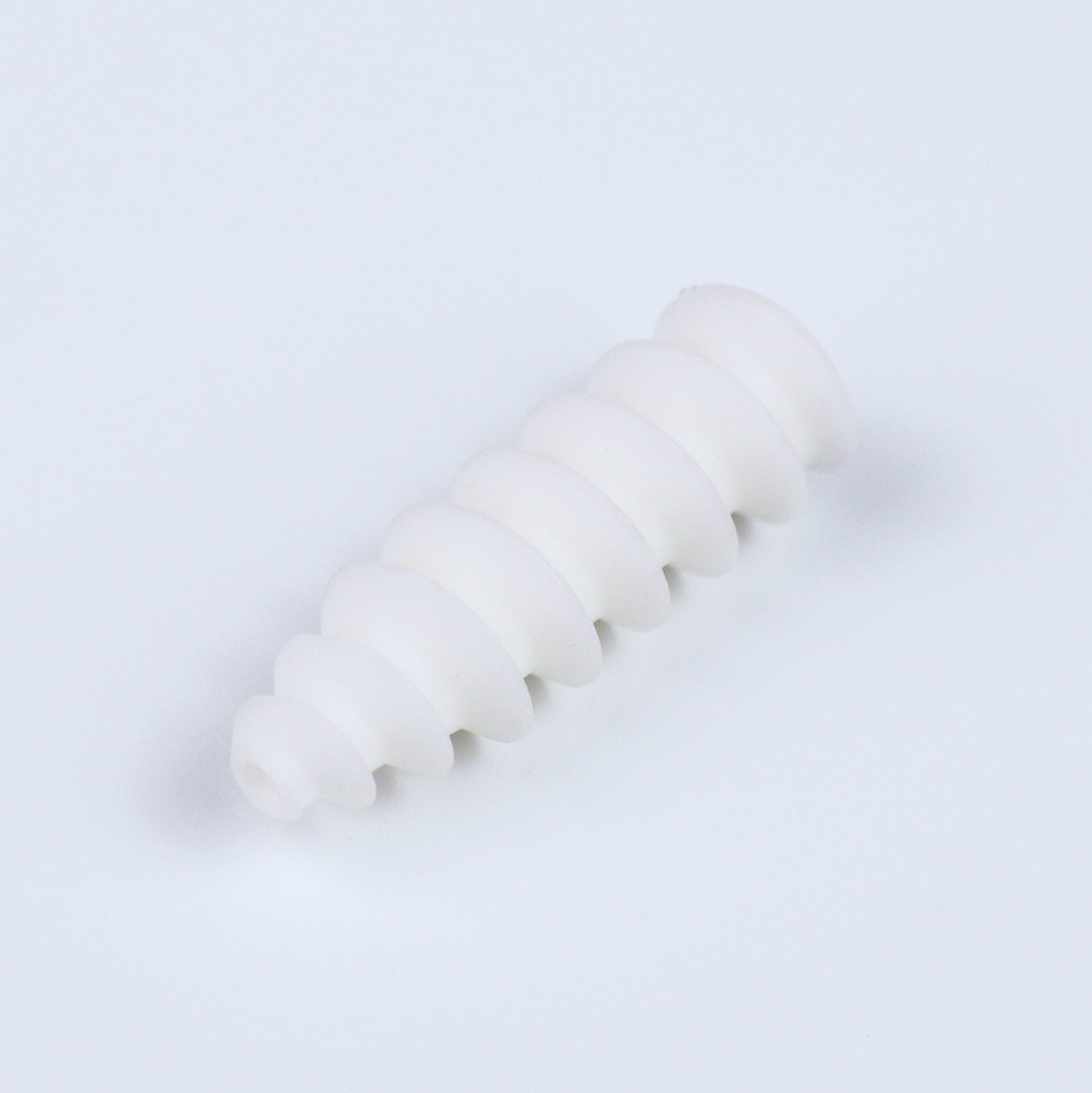
CANWELL Biodegradable ACL Interference Screw PLGA ACL/PCL
Bioabsorbable PLGA construct tailored for soft tissue or bone-tendon-bone graft fixation in arthroscopic knee reconstruction.
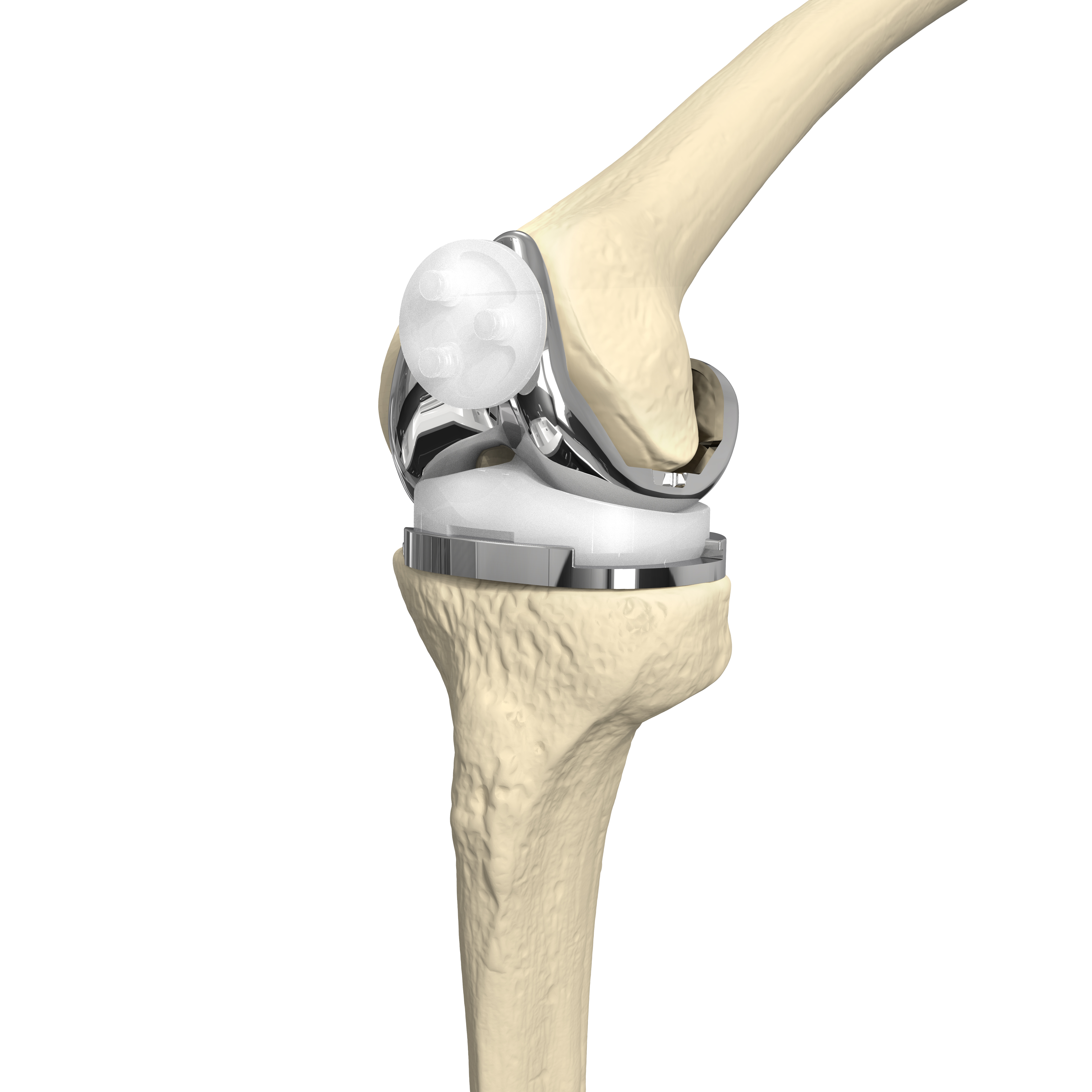
CANWELL Primary Total Knee Replacement System CoCrMo Alloy
CE-marked artificial knee joint prosthetic kit fabricated with high-purity CoCrMo alloy for low wear and optimal anatomical kinematics.
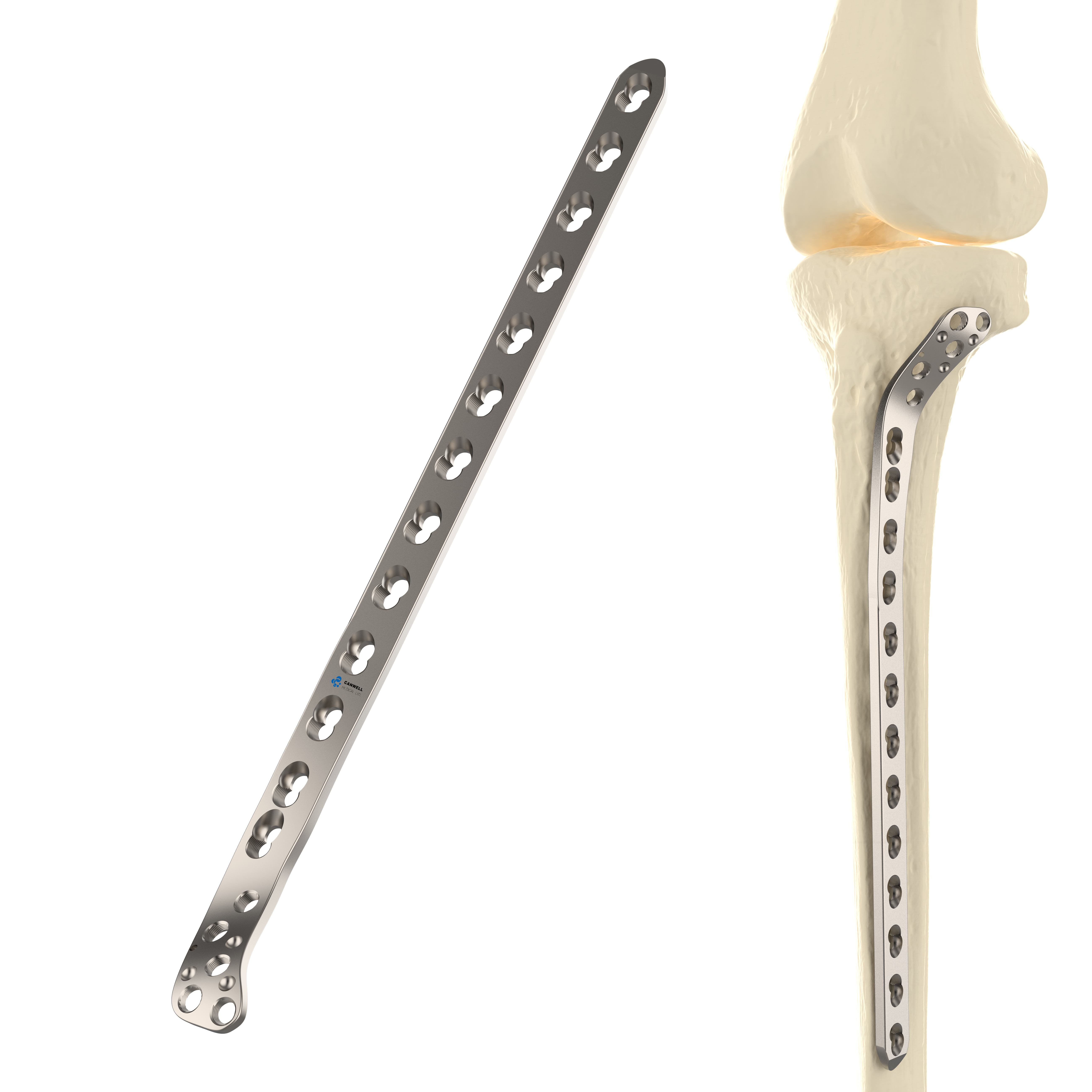
CANWELL Proximal Lateral Tibial Locking Plate System 5.0mm
Anatomically pre-contoured trauma plate engineered for complex proximal tibial fractures, accepting 5.0mm locking screws.
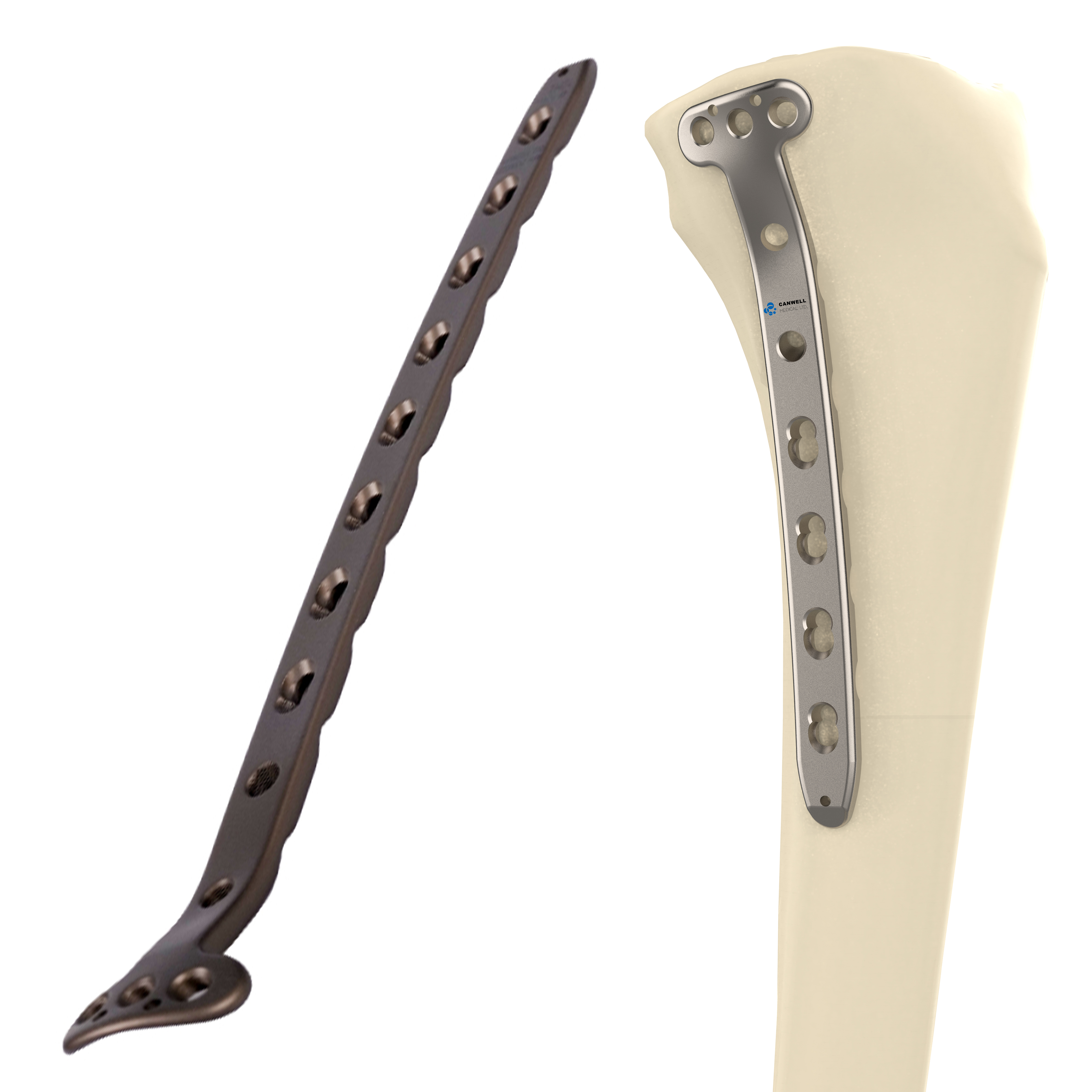
CANWELL Proximal Medial Titanium Tibial Locking Plate
Low-profile titanium implant optimized for tibial plateau metaphyseal and diaphyseal fracture reconstruction.
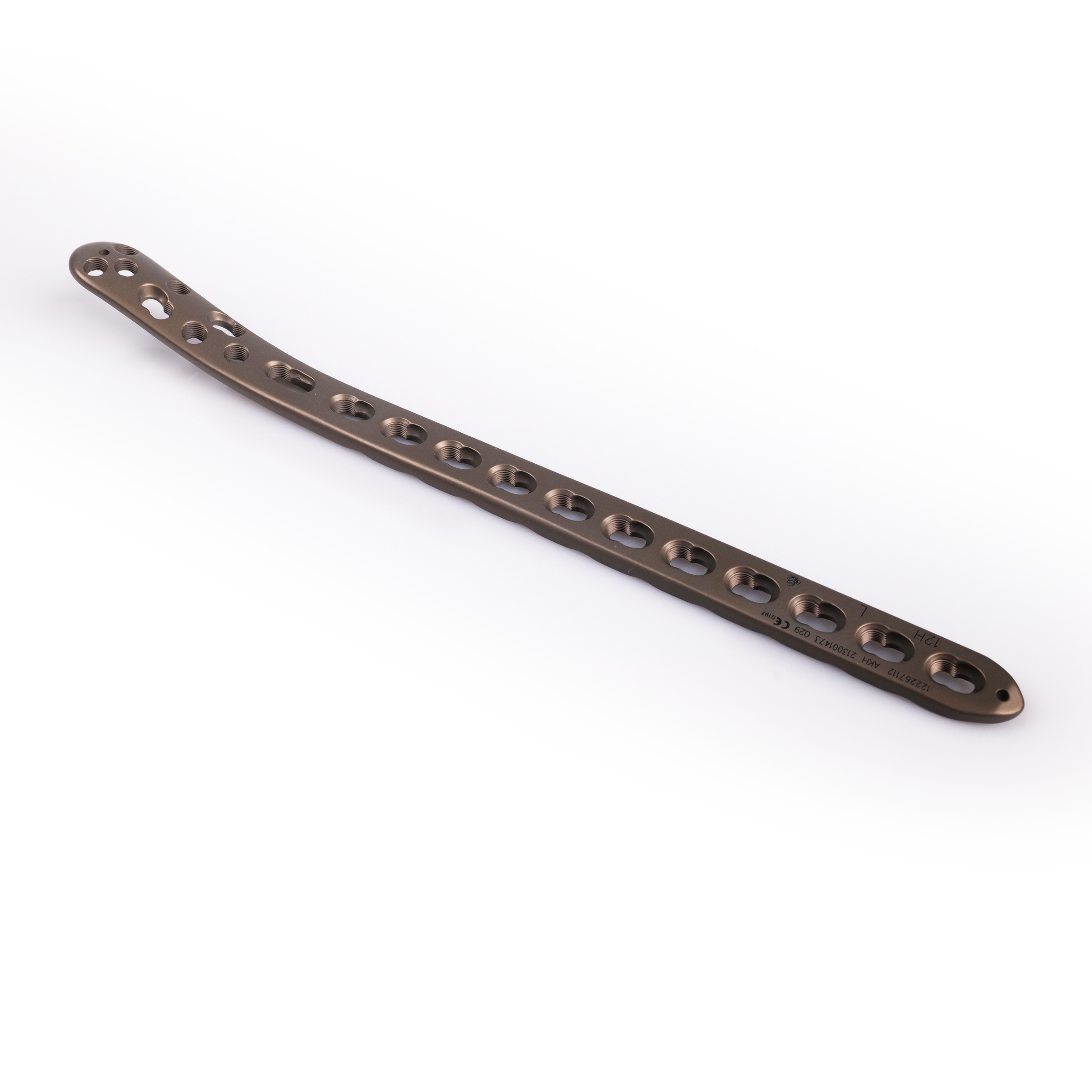
CANWELL Distal Medial Tibial Locking Plate Titanium CE ISO
Pre-contoured distal tibial trauma plate providing rigid internal fixation for periarticular distal leg fractures.
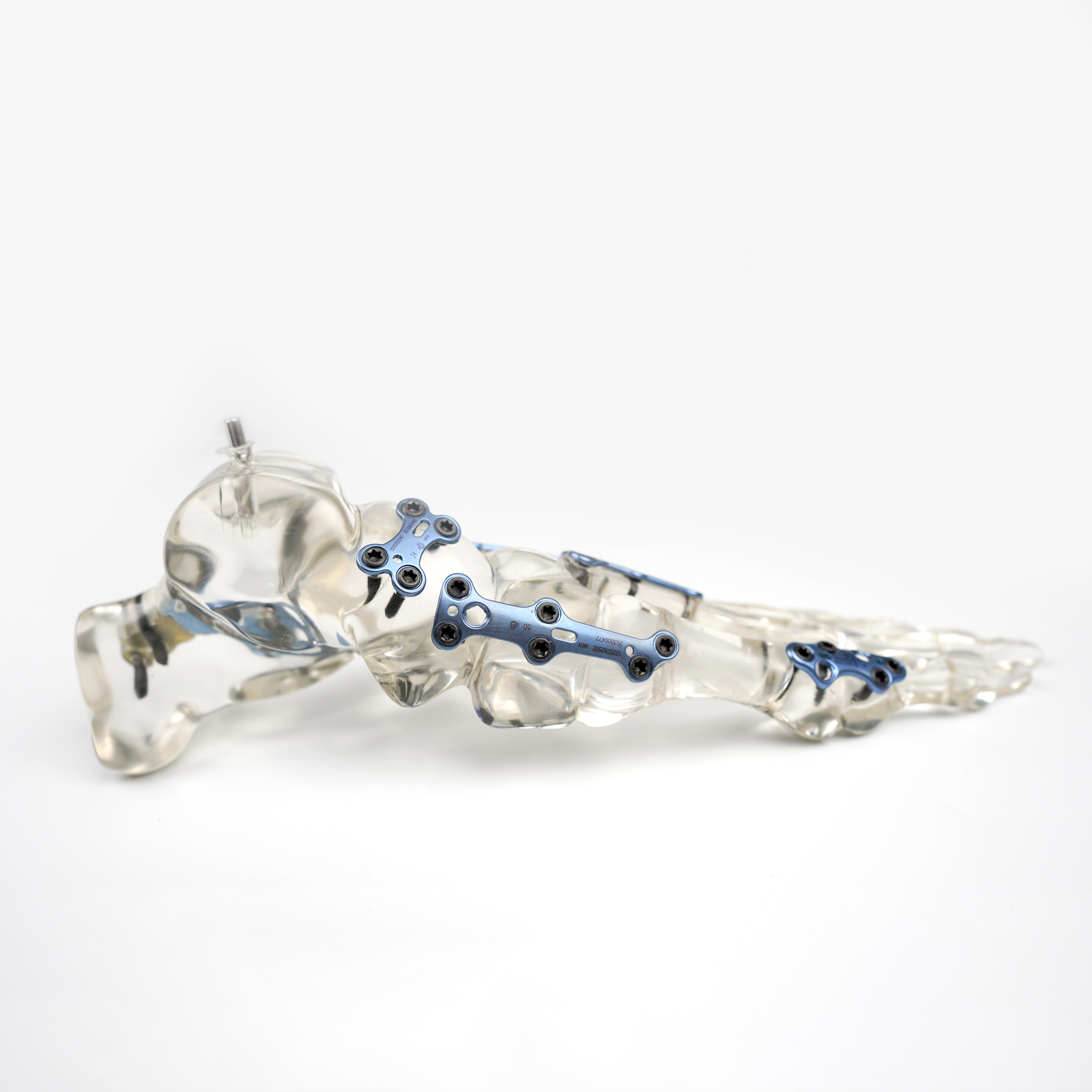
Hindfoot & Ankle Trauma Reconstruction Locking System
Comprehensive micro-fragment and mini-locking plate portfolio for precise hindfoot arthrodesis and trauma repair.
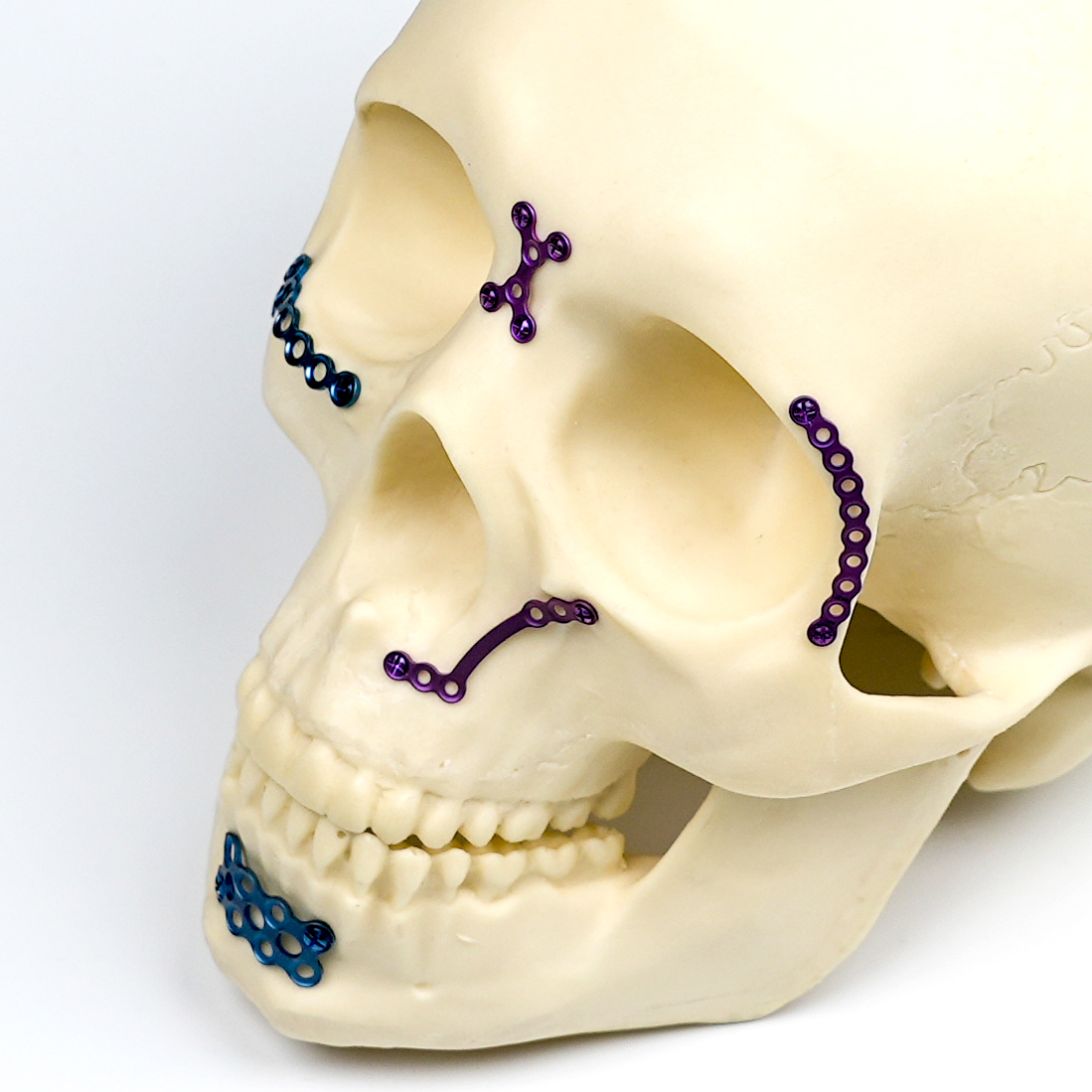
CANWELL CMF Titanium Maxillofacial Plate & Screw System
Ultra-low profile micro-titanium plates designed for craniomaxillofacial orthognathic and trauma reconstructive procedures.
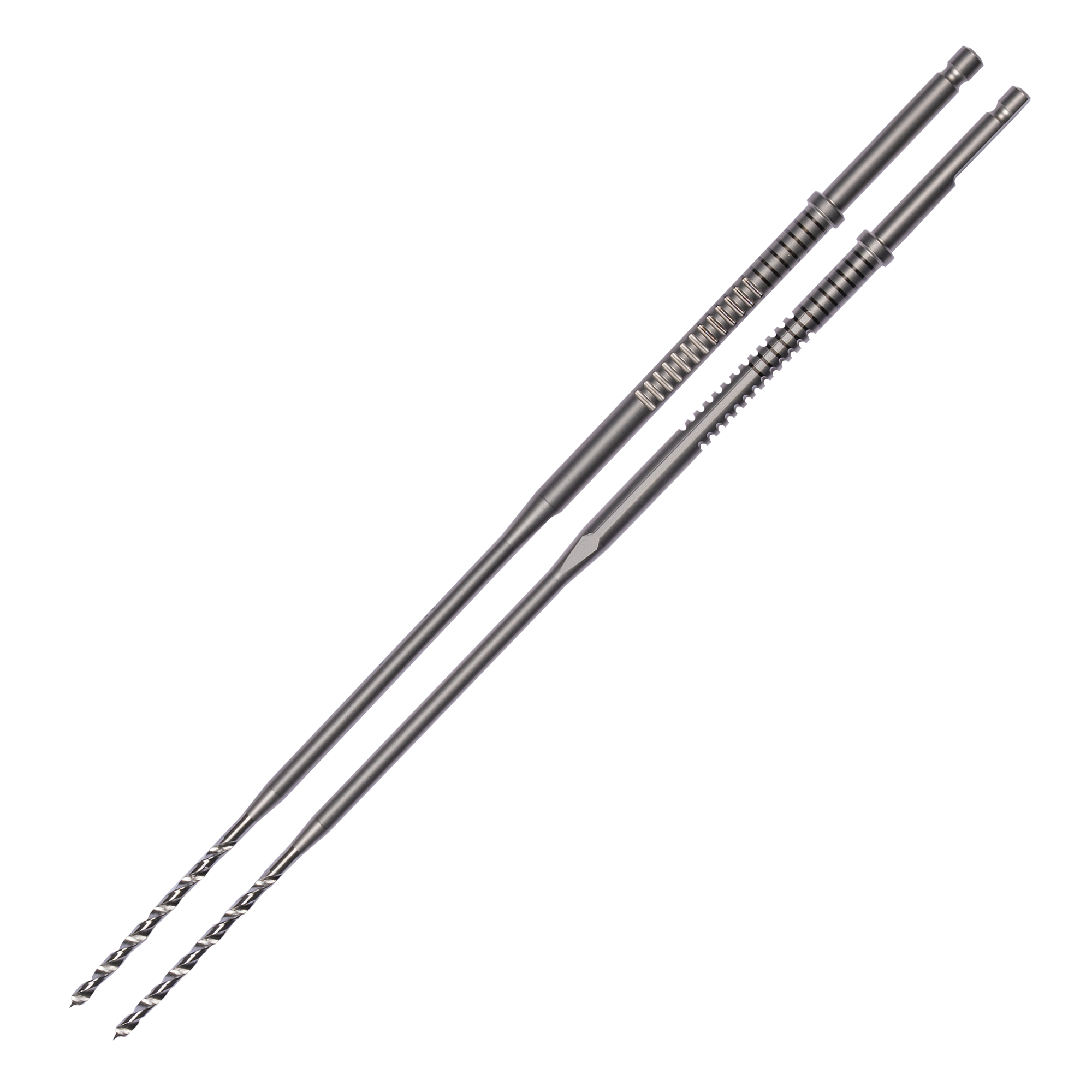
CANWELL Surgical Flexible Bone Drill Bit Quick Coupling AO
High-grade stainless steel flexible surgical drill bits with AO quick-coupling interface for guided trauma drilling.
Enterprise Strengths: Zhejiang INAR / CANWELL Medical Excellence
As one of China's premier orthopedic internal fixation manufacturers and exporters, Zhejiang INAR Medical Co., Ltd. (CANWELL) operates at the nexus of biomedical engineering, metallurgy, and advanced robotic machining. Spanning a 29,523-square-meter modern production park in Jinhua, Zhejiang, our facility integrates the complete product lifecycle from raw titanium bar stock milling to class 10,000 cleanroom primary packaging.
With an experienced team of 632 medical device professionals—including clinical biomechanists, metallurgical engineers, and quality assurance specialists—we manufacture orthopedic trauma, spinal, arthroplasty, CMF, and sports medicine hardware that meets or exceeds stringent international standards (ISO 13485, EU MDR 2017/745, and US FDA performance benchmarks).
13-Stage Precision Workflow
In-house control over longitudinal cutting, 5-axis CNC milling, hand polishing, multi-stage ultrasonic washing, sandblasting, dye penetrant surface flaw testing, electrochemical color anodization, and automated optical inspection.
SGS Onsite Verified Regulatory Compliance
Full compliance with Medical Device Directive 93/42/EEC and transition to EU MDR certification. Complete technical documentation packages (STED), bio-compatibility reports (ISO 10993), and fatigue endurance testing records (ASTM F382 / F1264).
Full OEM / ODM Customization Capabilities
Comprehensive support for global brand owners, including custom plate anatomical contouring, color-coded anodization, localized laser marking, custom surgical instrument tray design, and private-label aseptic packaging.
Orthopedic Internal Fixation Materials & Biomechanical Mechanics
An authoritative evaluation of stress shielding, fatigue endurance limits, surface passivation, and locking screw interface dynamics in modern trauma surgery.
Surgical internal fixation represents a vital domain in orthopedic trauma and reconstructive surgery. The ultimate clinical goal is to maintain absolute or relative stability across fractured osseous fragments, promoting direct primary healing or callus-mediated secondary fracture healing. Selecting an internal fixation supplier requires meticulous scrutiny of metallurgical purity, mechanical fatigue life, and tight dimensional tolerances.
1. Material Science: Titanium Alloy vs. Stainless Steel vs. Bioabsorbables
In modern trauma surgery, Ti-6Al-4V ELI (Extra Low Interstitial, ASTM F136) has largely superseded 316L Stainless Steel for permanent internal implants. The primary mechanical imperative stems from aligning the implant's modulus of elasticity closer to native cortical bone (15–30 GPa):
- Ti-6Al-4V ELI Modulus (~110 GPa): Substantially reduces the phenomenon of stress shielding—where overly rigid steel implants absorb mechanical loads, leaving underlying bone under-stressed, which leads to localized osteopenia, bone resorption, and delayed union.
- Biocompatibility & Corrosion Resistance: Titanium spontaneously forms an inert passivation layer of titanium dioxide ($TiO_2$), minimizing ion leaching, localized inflammation, and foreign-body cellular immune reactions.
- PLGA & PLLA Polymer Kinetics: For soft tissue reattachment (e.g., ACL/PCL ligament reconstruction), biodegradable polymers like Poly(lactic-co-glycolic acid) (PLGA) offer controlled hydrolytic degradation over 12–24 months. This gradual load transfer to nascent native tissue eliminates the requirement for secondary implant retrieval surgeries.
| Material Type | Young's Modulus (GPa) | Tensile Strength (MPa) | Biocompatibility Index | Primary Clinical Application |
|---|---|---|---|---|
| Ti-6Al-4V ELI (ASTM F136) | 110 GPa | ≥ 860 MPa | Exceptional ($TiO_2$ Passivation) | Locking Plates, Intramedullary Nails, Pedicle Screws |
| 316L Stainless Steel (ASTM F138) | 190–200 GPa | ≥ 690 MPa | High (Contains Nickel) | Cost-Effective Small Fragment Plates, External Fixators |
| PEEK (Polyetheretherketone) | 3.5–4.0 GPa | ≥ 170 MPa | Excellent (Radiolucent) | Spinal Interbody Fusion Cages |
| PLGA (75/25 Copolymer) | 2.0–3.0 GPa | ≥ 80 MPa | Bioabsorbable (Hydrolytic) | Sports Medicine Interference Screws, Anchors |
2. Biomechanical Fixation Constructs: Conventional Compression vs. Locking Plates
The biomechanical evolution from dynamic compression plates (DCP) to Locking Compression Plates (LCP) has fundamentally transformed fracture management. Conventional plating relies strictly on friction generated by driving cortical screws through the plate against periosteal bone. This compression frequently compromises local periosteal micro-vascular blood supply, impeding fracture callus formation.
Biomechanics of the Locking Screw Thread-Plate Interface
In contrast, locking plate systems utilize threaded screw heads that engage mechanically with matching female threads inside the plate's combination holes. This transforms the construct into a fixed-angle dynamic frame. Load transfer shifts from bone-plate friction to the structural rigidity of the plate-screw interface. Consequently, periosteal vascularity is preserved, micro-motion is controlled within the optimal 0.2–1.0 mm window necessary to stimulate secondary bone healing, and pull-out strength in osteoporotic bone is increased by over 40%.
Future Technological & R&D Trends in Internal Fixation
Key technological trajectories shaping next-generation orthopedic manufacturing over the coming decade.
Variable-Angle Polyaxial Locking Systems
Traditional monoaxial locking screws constrain insertion to a single trajectory perpendicular to the plate. Advanced polyaxial systems allow surgeons to trajectory-pivot screws up to ±15 degrees off-axis. This flexibility allows precise targeting of specific bone fragments, avoidance of joint capsules or pre-existing hardware, and superior mechanical anchor placement in complex periarticular intra-articular fractures.
3D Printed Trabecular Lattice Constructs
Additive manufacturing (Selective Laser Melting - SLM) allows manufacturers to produce titanium implants with interconnected porous lattice structures mimicking cancellous bone architecture. Pore sizes calibrated to 300–600 μm encourage deep osteointegration and vascular ingrowth, radically transforming interbody fusion cages and custom reconstructive implants.
Micro-Arc Oxidation (MAO) & Antibacterial Coatings
Implant-associated surgical site infections represent a severe post-operative complication. Modern surface engineering incorporates silver nanoparticle doping, hydroxyapatite (HA) plasma spraying, and Micro-Arc Oxidation (MAO) ceramic coatings to promote bone cell adhesion while actively suppressing bacterial colonization (such as S. aureus).
Carbon-PEEK Radiotranslucent Implants
Carbon-Fiber Reinforced Polyetheretherketone (CF-PEEK) provides exceptional mechanical fatigue strength while remaining completely radiolucent under intraoperative fluoroscopy and CT/MRI imaging. This allows oncological and trauma surgeons to clearly evaluate fracture union and tumor margins without metallic imaging artifacts.
Global Sourcing Trends & Importer Risk Mitigation
How international orthopedic distributors and hospital procurement groups are optimizing their supply chains in 2025 and beyond.
The global marketplace for orthopedic devices is undergoing significant structural realignments. Healthcare cost-containment mandates, coupled with tightened regulatory scrutiny in Europe (EU MDR) and Latin America (ANVISA), have transformed procurement strategies. B2B buyers must navigate several evolving dynamics:
1. Navigating EU MDR Compliance & Regulatory Technical Documentation
The transition from the Medical Device Directive (MDD) to the Medical Device Regulation (EU MDR 2017/745) significantly raised clinical evidence thresholds for Class IIb and Class III surgical implants. Global procurement managers now require Chinese suppliers to provide exhaustive technical dossiers, including explicit clinical evaluation reports (CER), post-market clinical follow-up (PMCF) plans, and full raw material melt certifications to ensure seamless market access.
2. Vendor Consolidation: Full-System Portfolio Purchasing
Hospitals and importers are actively consolidating vendor bases to reduce logistical complexity and ensure instrument-implant compatibility. Leading Chinese exporters are expanding beyond standalone trauma plates to offer fully integrated surgical ecosystems: matching intraoperative power tools, AO flexible bone drill bits, targeting guides, color-coded anodized screw racks, and specialized sterilization trays.
3. OEM/ODM Private Label Partnership Models
Rather than distributing third-party brands, major regional importers increasingly leverage Chinese manufacturing capabilities for white-label contract production. This requires flexible factory capabilities including dynamic fiber-laser marking for UDI (Unique Device Identification) compliance, customized plate geometries tuned to local anatomical demographics, and bespoke surgical technique manual generation.
Orthopedic Internal Fixation Procurement FAQ
Direct answers to technical, regulatory, and commercial inquiries from international hospital buyers and device importers.
Which international quality certifications do INAR / CANWELL orthopedic implants possess?
What specific medical-grade raw materials are utilized in your production?
How do you support OEM/ODM contract manufacturing and private labeling?
What quality control and mechanical testing procedures are conducted in-house?
What are the packaging options and sterilisation readiness of your products?
What is the standard lead time for international bulk order shipments?
Partner with China's Premier Internal Fixation Manufacturer
Request our complete product catalog, detailed technical dossiers, or schedule an executive engineering consultation for custom OEM/ODM orthopedic manufacturing.
Inquire Now