Featured Orthopedic Implants & Surgical Systems
Precision-engineered medical devices fully verified under CE MDR and ISO 13485 standards for international medical distributors and hospital procurement.
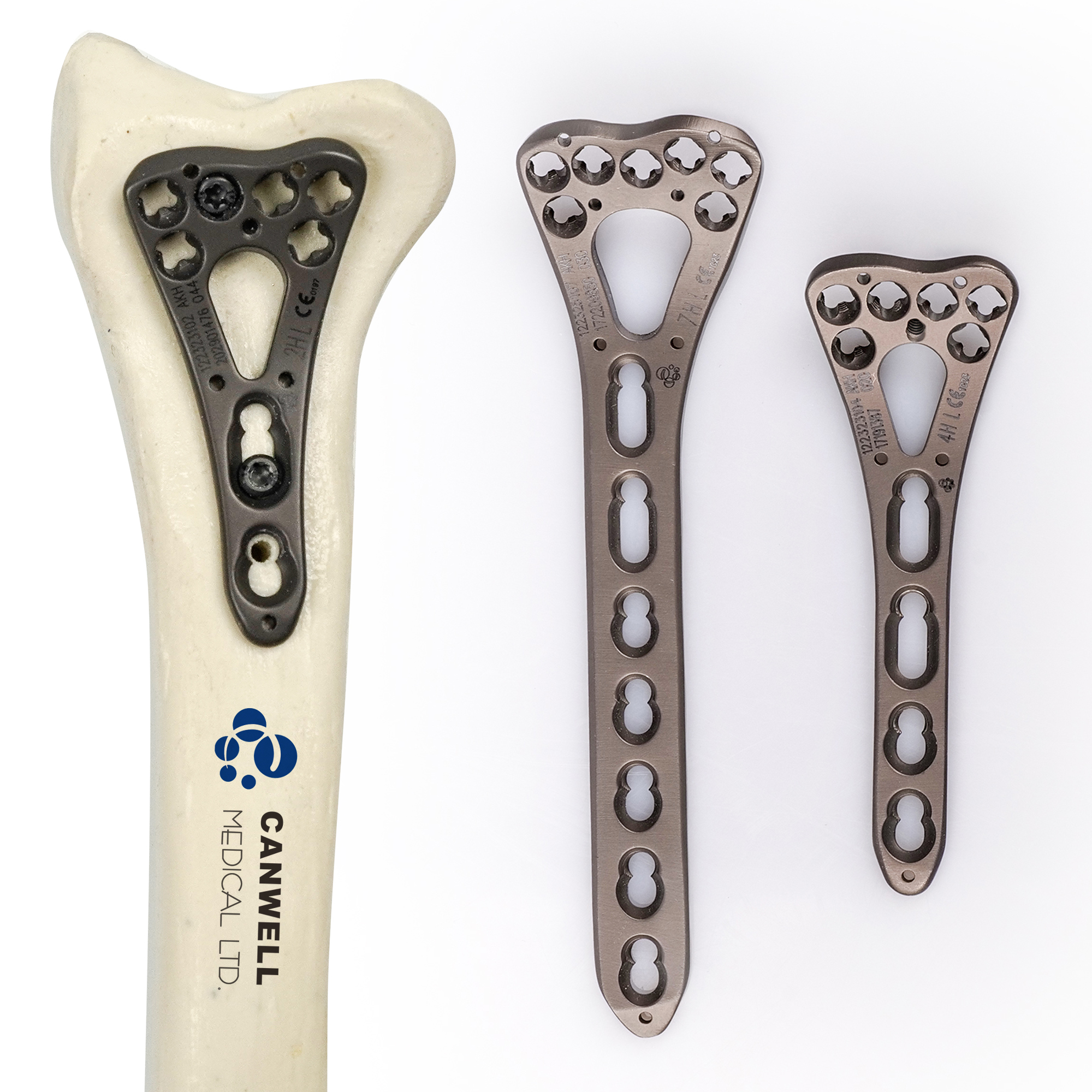
CANWELL 2.4/2.7mm VA Titanium Distal Radius Volar Locking Plate
View Details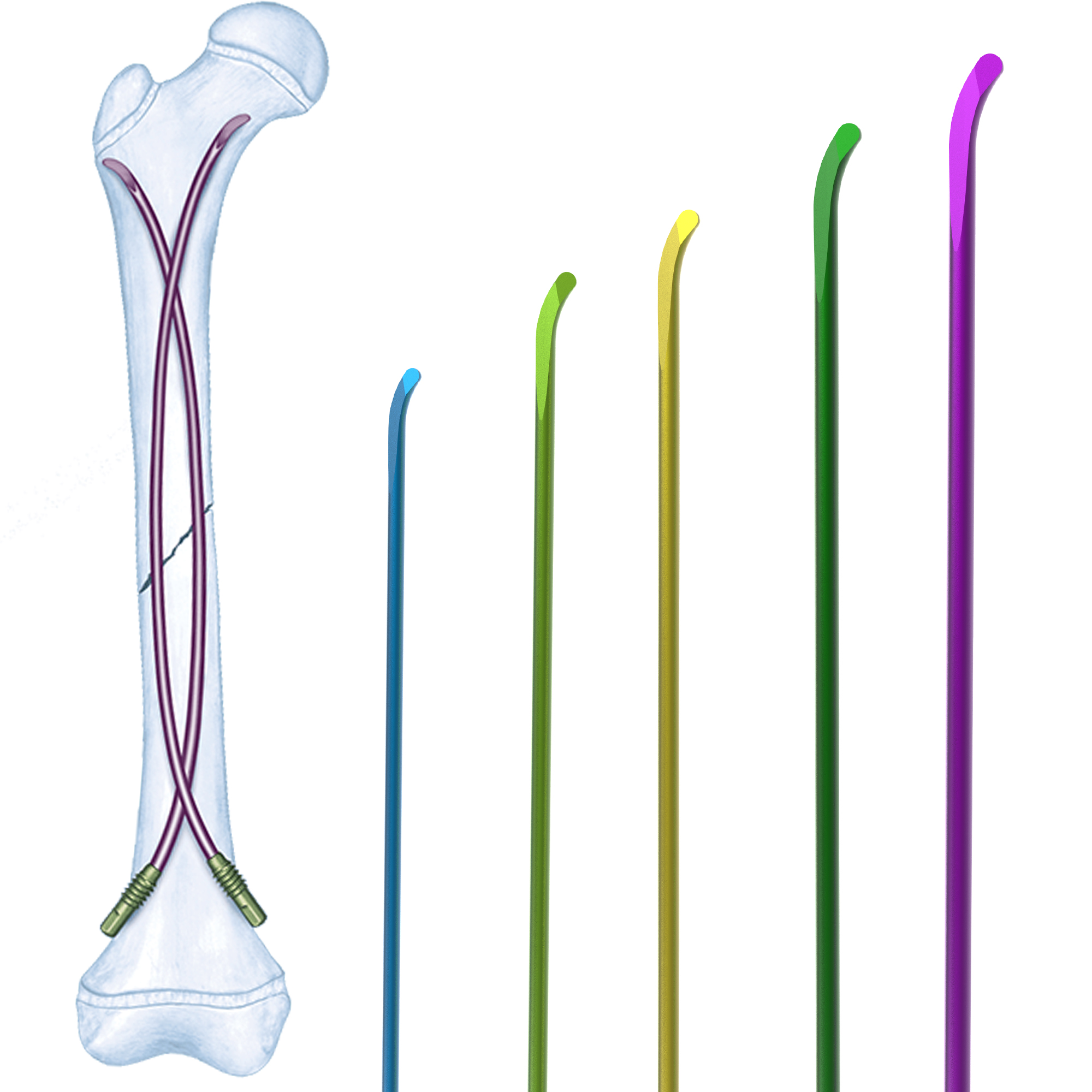
CANWELL Titanium Elastic Stable Intramedullary Nail (TEN) System
View Details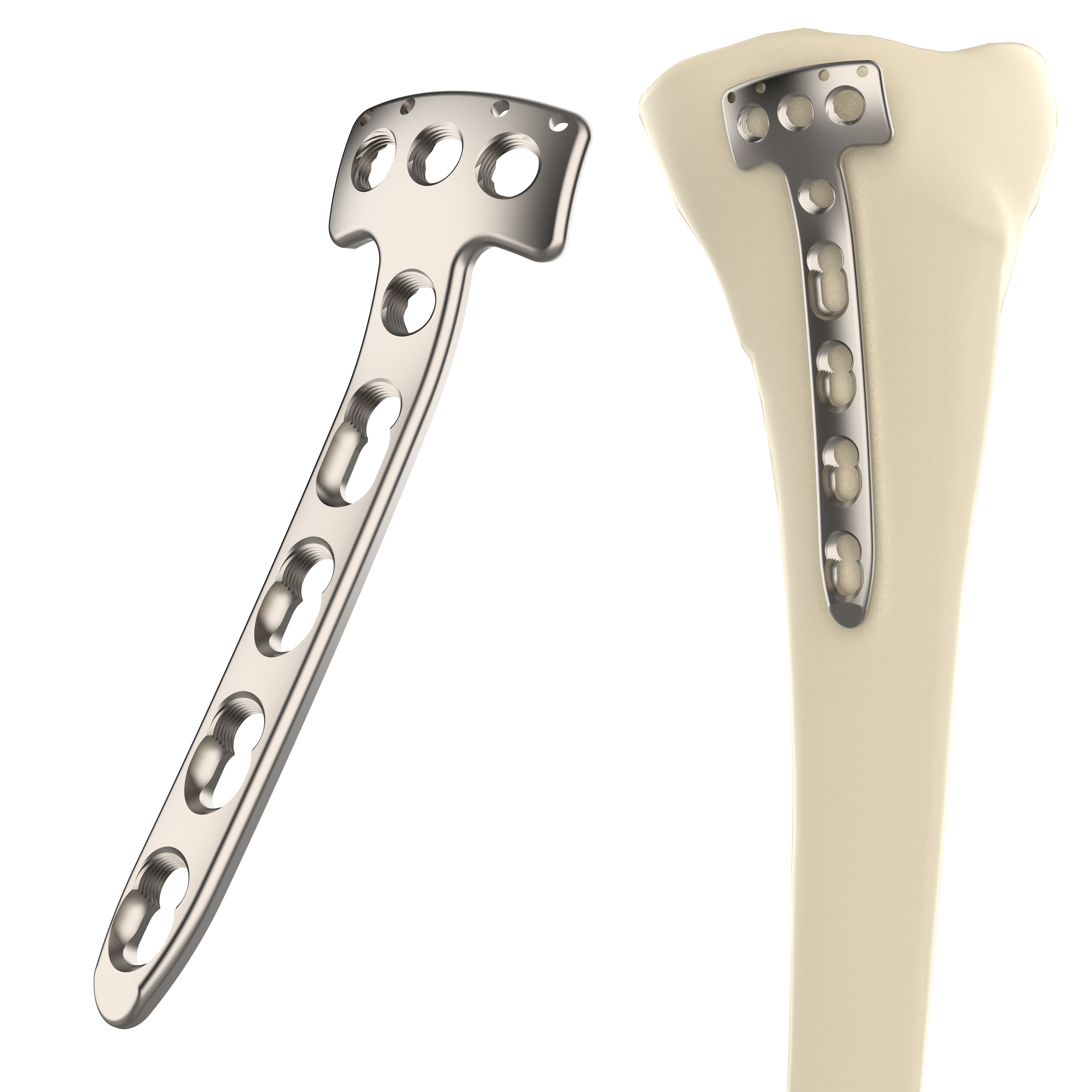
CANWELL Titanium Proximal Middle Tibial Locking Compression Plate
View Details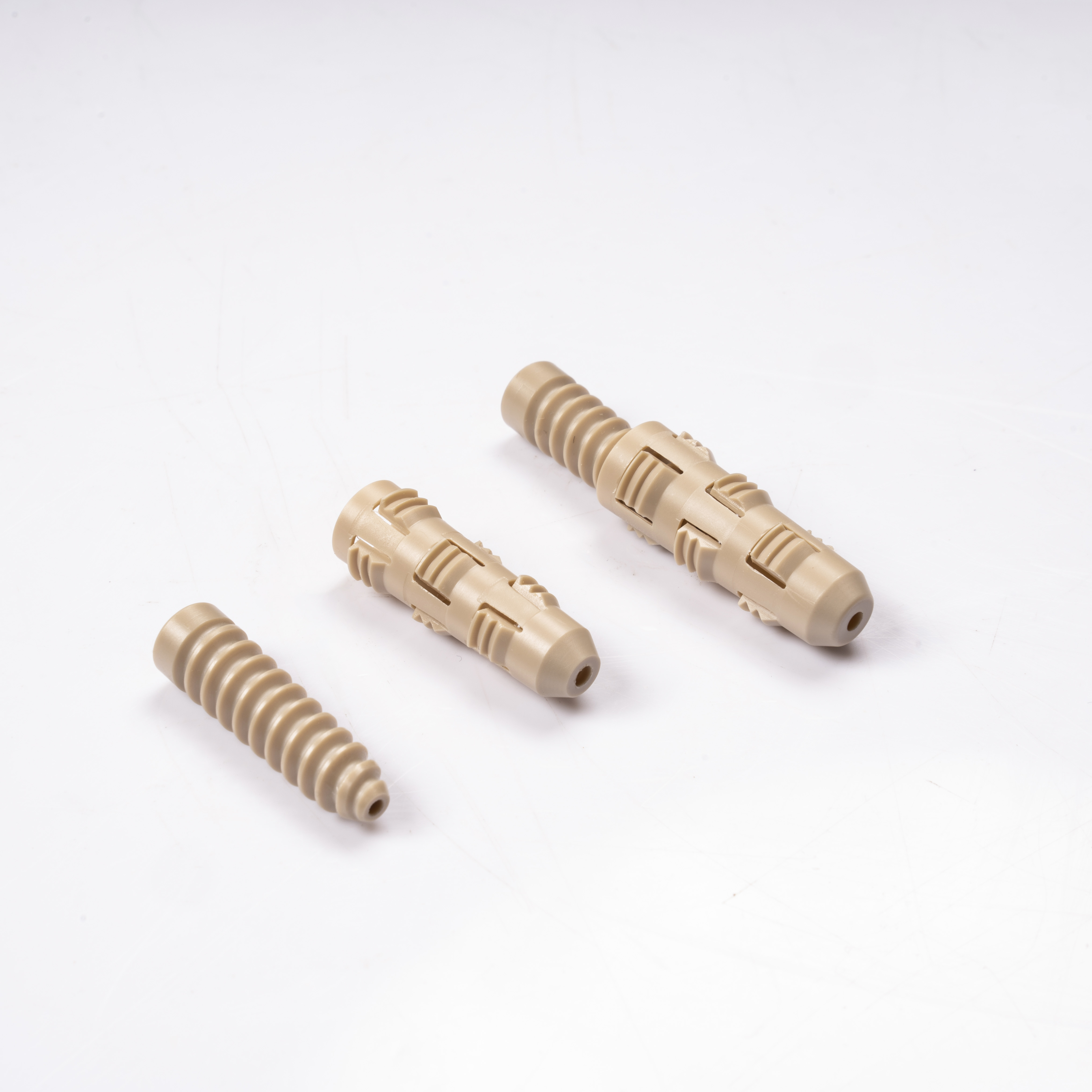
CANWELL PEEK Interference Screw for Sports Medicine Reconstruction
View Details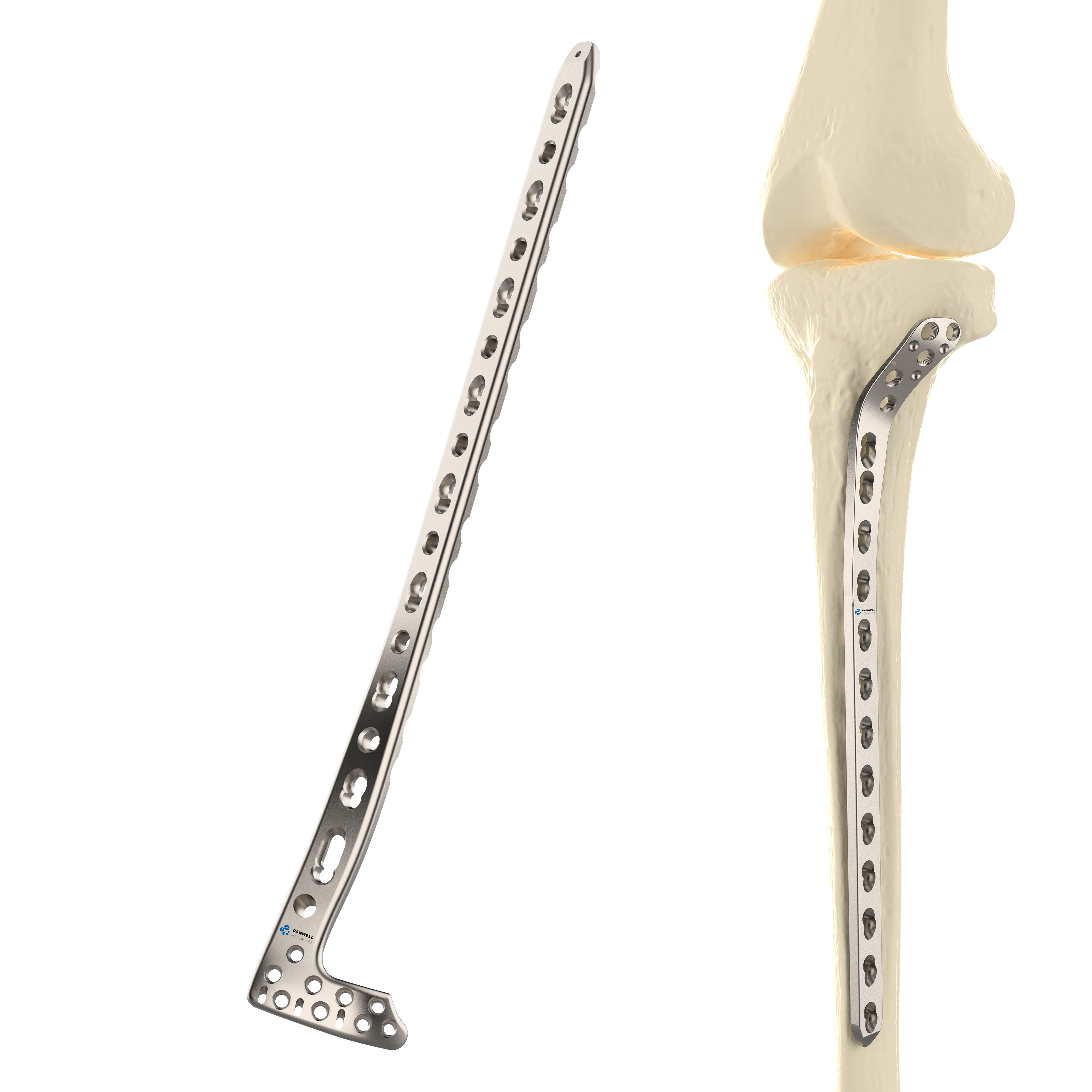
CANWELL Titanium Distal Tibial Low Profile Locking Plate System
View Details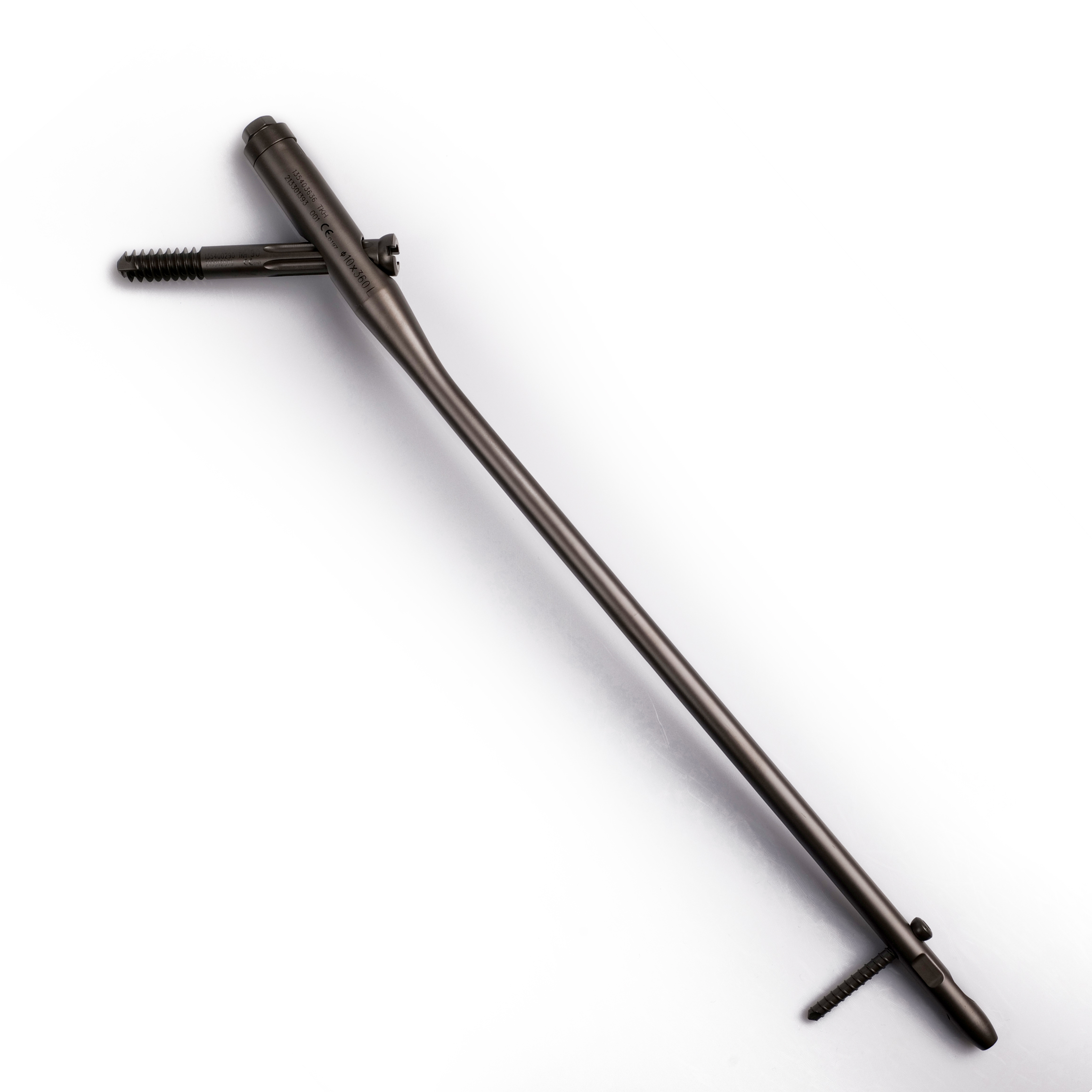
CANWELL Titanium Femoral Interlocking Intramedullary Nail (PFNA)
View Details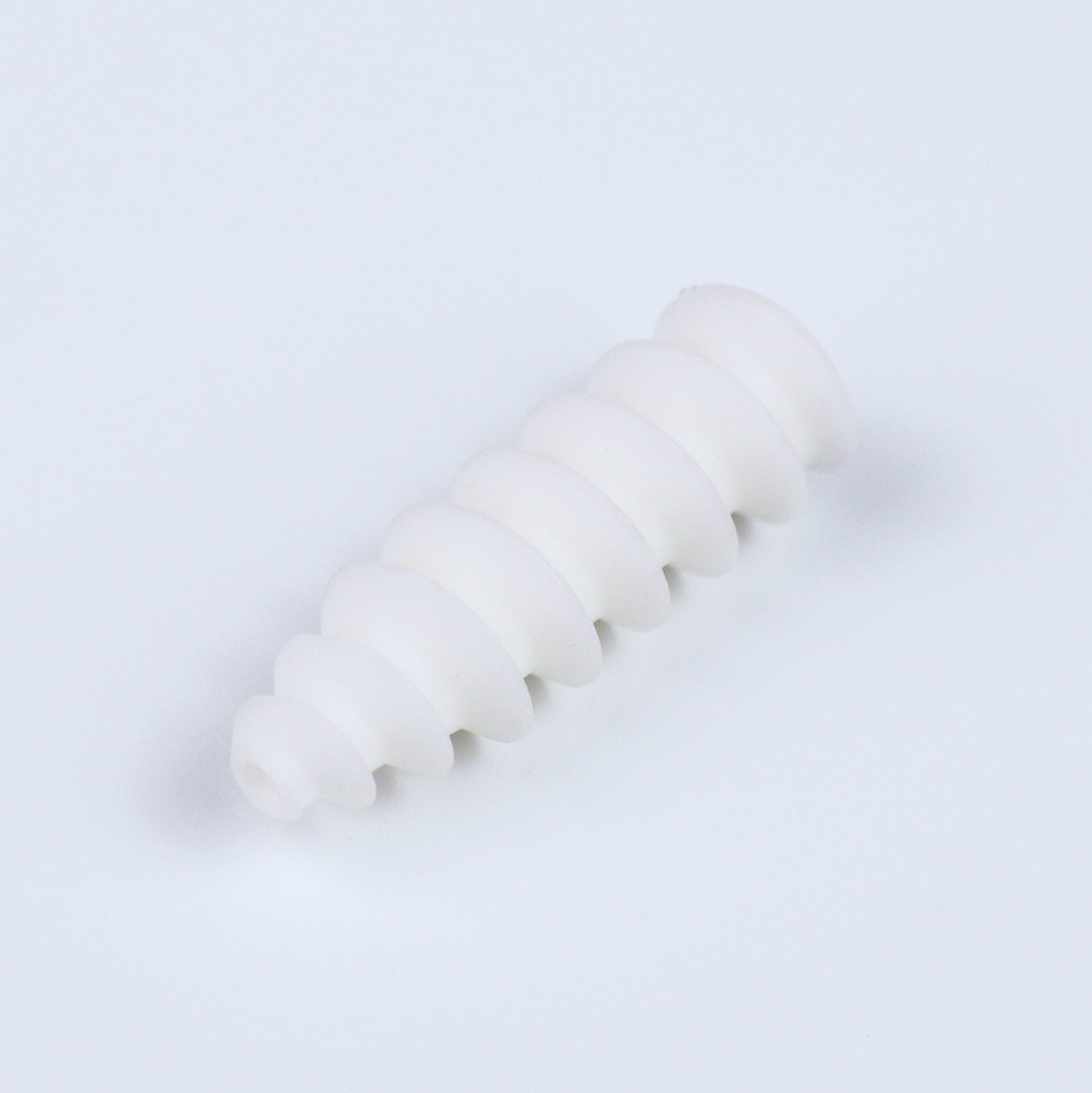
CANWELL Biodegradable PLGA Bioabsorbable Interference Screw
View Details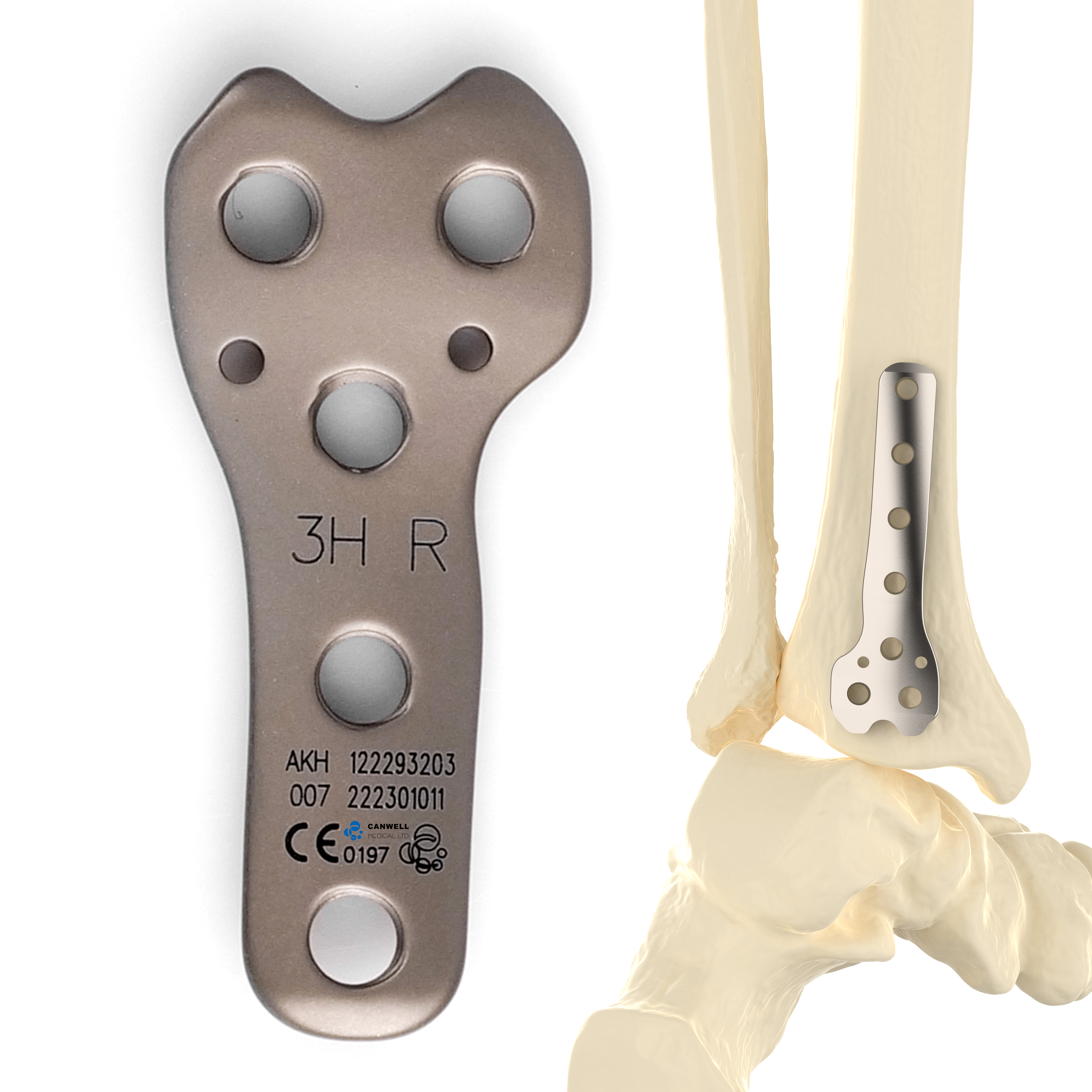
CANWELL Posterior Distal Tibial Titanium Locking Compression Plate
View DetailsExecutive Summary: Evolution of China's Spinal Implant Manufacturing Landscape
The global demand for high-performance spinal interbody fusion devices has surged exponentially over the past decade, driven by an aging global demographic, increasing prevalence of degenerative disc disease (DDD), and significant advancements in minimally invasive spine surgery (MISS). Within this global ecosystem, China has transitioned from a high-volume component manufacturer to a world-class hub of biomedical innovation, precision manufacturing, and advanced materials engineering.
Leading Chinese manufacturing enterprises, epitomized by enterprise infrastructures like Zhejiang INAR Medical Co., Ltd., operate state-of-the-art facilities equipped with multi-axis CNC machining centers, high-precision Swiss-type lathes, class-10,000 cleanrooms, and advanced mechanical testing laboratories. This white paper serves as an authoritative evaluation of China's top lumbar cage factories and export standards, analyzing material science breakthroughs (Polyetheretherketone - PEEK-OPTIMA® vs Titanium 3D lattice structures), biomechanical design criteria (ASTM F2077 and ASTM F2267 standards), surface functionalization, and international compliance requirements under the European Union Medical Device Regulation (EU MDR 2017/745) and US FDA 510(k) frameworks.
Material Physics & Structural Architecture of Lumbar Interbody Cages
The lumbar spine subject to interbody fusion (via Transforaminal - TLIF, Posterior - PLIF, Anterior - ALIF, or Lateral/Oblique - LLIF/OLIF approaches) experiences extreme compressive loads, torsional shears, and flexural forces. Selecting the ideal implant biomaterial directly impacts pseudarthrosis rates, cage subsidence, and radiographical assessment clarity.
Medical-Grade PEEK-OPTIMA®
Polyetheretherketone (PEEK) remains the gold standard for lumbar interbody spacers due to its exceptional biocompatibility, chemical resistance, and modulus of elasticity (~3.6 GPa), which closely mimics native cortical bone (~12-18 GPa) compared to solid metallic alloys.
- Radiolucent Properties: Enables uninhibited X-ray and CT artifact-free visualization of fusion bridging.
- Tantalum Markers: Embedded radiopaque pins allow precise intraoperative fluoroscopic positioning.
- Stress Shielding Mitigation: Minimizes load-sparing phenomena, encouraging natural bone remodeling according to Wolff's Law.
3D-Printed Porous Titanium Alloys
Direct Metal Laser Sintering (DMLS) and Electron Beam Melting (EBM) of Ti-6Al-4V ELI titanium alloy allow Chinese manufacturers to engineer biomimetic porous lattice structures with interconnected pore sizes ranging between 400 μm and 700 μm and porosity levels of 60% to 80%.
- Vascular Osseointegration: Porous scaffold architecture allows rapid capillary and osteoblast migration.
- Enhanced Friction Coefficient: Surface roughness prevents early post-operative cage expulsion or migration.
- Engineered Stiffness: Cellular lattice design reduces bulk modulus to closely match surrounding cancellous bone.
Biomechanical Comparison Matrix
| Biomaterial / Specification | Elastic Modulus (GPa) | Radiolucency (X-Ray/CT) | Subsidence Risk Profile | Primary Fusion Mechanism |
|---|---|---|---|---|
| Human Cortical Bone | 12 - 18 | Natural Tissue | Baseline Reference | Natural Osteogenesis |
| Unfilled PEEK-OPTIMA® | 3.6 | Complete Radiolucency | Very Low (Matches Bone) | Graft Cavity Containment |
| Solid Ti-6Al-4V Titanium | 110 | High Radiopaque Artifacts | Moderate to High | Mechanical Anchoring |
| Porous 3D Ti Lattice | 4.5 - 8.0 | Semi-Permeable Imaging | Low (Osseo-incorporation) | Osteoinduction & Ingrowth |
| Plasma-Sprayed Ti on PEEK | 3.6 (Core) | Clear Core / Visible Edge | Low | Hybrid Mechanical & Ingrowth |
Enterprise Manufacturing Profile: Zhejiang INAR Medical Co., Ltd.
When global medical device distributors, brand owners, and hospital procurement groups evaluate potential Chinese manufacturing partners for spinal and trauma systems, verified enterprise background, technical capacity, and quality control infrastructure form the foundation of vendor selection.
Situated in Jinhua, Zhejiang, Zhejiang INAR Medical Co., Ltd. stands out as a premier benchmark among Chinese orthopedic manufacturers. Backed by over 22 years of dedicated manufacturing experience and a highly specialized workforce of 632 employees, INAR Medical operates an expansive 29,523 m² production facility evaluated directly onsite by the SGS Group.
13-Step Closed-Loop Precision Production Route
To ensure total lot-to-lot consistency, zero defect rates, and absolute micro-dimensional accuracy, every lumbar cage and orthopedic implant produced undergoes an audited 13-stage manufacturing and quality assurance pathway:
Phase A: Raw Material to Precision Machining
- Raw Material Verification: Medical-grade PEEK bars (Invibio) and Titanium billets inspected via spectral analysis.
- Longitudinal Cutting: Precision bar feeding into high-speed automatic cutting stations.
- Multi-Axis CNC Machining: Micron-level milling of complex tooth geometry, graft windows, and insertion threads.
- Surface Polishing: Deburring and micro-smoothing of fluid contact channels.
- Ultrasonic Washing Stage I: Multi-frequency solvent ultrasonic degreasing.
- Fine Grinding & Contouring: Achieving tight anatomical radius tolerances.
Phase B: Functionalization to Aseptic Packaging
- Sand-Blasting Treatment: Controlled grit-blasting for specified biomechanical surface roughness.
- Penetrant Flaw Detection: Non-destructive fluorescent testing for sub-surface micro-cracks.
- Anodizing & Color Coding: Electrochemical oxidation for titanium component sizing identification.
- Ultrasonic Washing Stage II: High-purity pyrogen-free DI water ultrasonic decontamination.
- Outgoing Quality Control (OQC): 100% CMM dimensional audit and optical microscope verification.
- Aseptic Cleanroom Packing: Double-blister sealing in ISO Class 7 cleanrooms.
- Warehouse Storage & Shipping: Climate-controlled batch tracking storage.
Future Procurement & Industry Trends in Lumbar Interbody Fusion (2025–2030)
The medical device industry is undergoing rapid technology transitions, heightened regulatory scrutiny, and shifting economic dynamics. B2B procurement teams must align with forward-looking factories capable of adapting to these four key global trends:
1. Rise of Expandable Interbody Spacers
Static lumbar cages are increasingly yielding market share to expandable cage technology. Expandable cages allow insertion through a minimized surgical corridor (MISS) in a collapsed profile, subsequently expanding intra-operatively in height and lordotic angle. This restores disc space height while reducing nerve root retraction injury. Top Chinese OEMs are investing heavily in micro-gear mechanism machining for titanium and PEEK expandable designs.
2. Stringent Quality Harmonization under EU MDR
The transition from the old MDD 93/42/EEC to the rigorous EU MDR (2017/745) framework has elevated market barrier requirements. Foreign distributors now demand that Chinese export factories possess complete Technical Documentation Files (TDF), clinical evaluation reports (CER), rigorous post-market surveillance (PMS) protocols, and direct supply chain traceability. Manufacturers lacking in-house mechanical testing rigs are rapidly losing competitiveness.
3. 3D Porous & Hydroxyapatite (HA) Composite PEEK
To overcome the bio-inert nature of smooth PEEK, next-generation lumbar cages feature integrated micro-porous surface layers or HA composite blends (e.g., PEEK-OPTIMA™ HA Enhanced). These materials encourage direct bone-to-implant contact (osteoconduction) without compromising radiolucent imaging attributes or bulk fatigue strength under cyclic compression-shear loading.
4. Turnkey OEM/ODM & Private-Label Customization
Regional distributors are moving away from standard off-the-shelf purchasing toward custom brand development. Modern factories must offer comprehensive OEM/ODM customization—including custom lordotic angles (0°, 4°, 8°, 12°, 15°), custom graft window geometry, private laser-etching, custom sterilization tray layout, and region-specific regulatory filing assistance.
Frequently Asked Questions: Lumbar Cage Sourcing & OEM Manufacturing
- ASTM F2077: Test Methods for Interbody Fusion Devices (Static and Dynamic Axial Compression, Static and Dynamic Shear, and Static Torsion).
- ASTM F2267: Standard Test Method for Measuring Load Induced Subsidence of Interbody Fusion Device Under Static Axial Compression.
- Expulsion Testing: Evaluating static push-out resistance forces between the cage teeth and simulated bone endplates.
- Custom anatomical footprint shapes and lordotic angle profiles (PLIF, TLIF, ALIF, OLIF).
- Material selection: Implanted PEEK-OPTIMA®, 3D-printed porous titanium alloy, or titanium plasma spray coating.
- Tantalum radiopaque marker pin positioning and quantity customization.
- Private-label laser marking (logo, lot numbers, dimensional references) and customized graphic anodization for instrument sets.
- Custom surgical instrument kit engineering and ergonomic handle design.
Partner with China's Premier Orthopedic Manufacturer
Expand your product portfolio with CE MDR certified lumbar interbody cages, trauma locking plates, intramedullary nails, and sports medicine implants. Request a technical quote, custom OEM proposal, or factory audit report today.
Send an Inquiry