Featured Orthopedic & Spinal Surgery Systems
Explore our SGS-verified, precision-engineered orthopedic implants and spinal instrumentation kits designed for global hospital tenders and direct medical distribution.
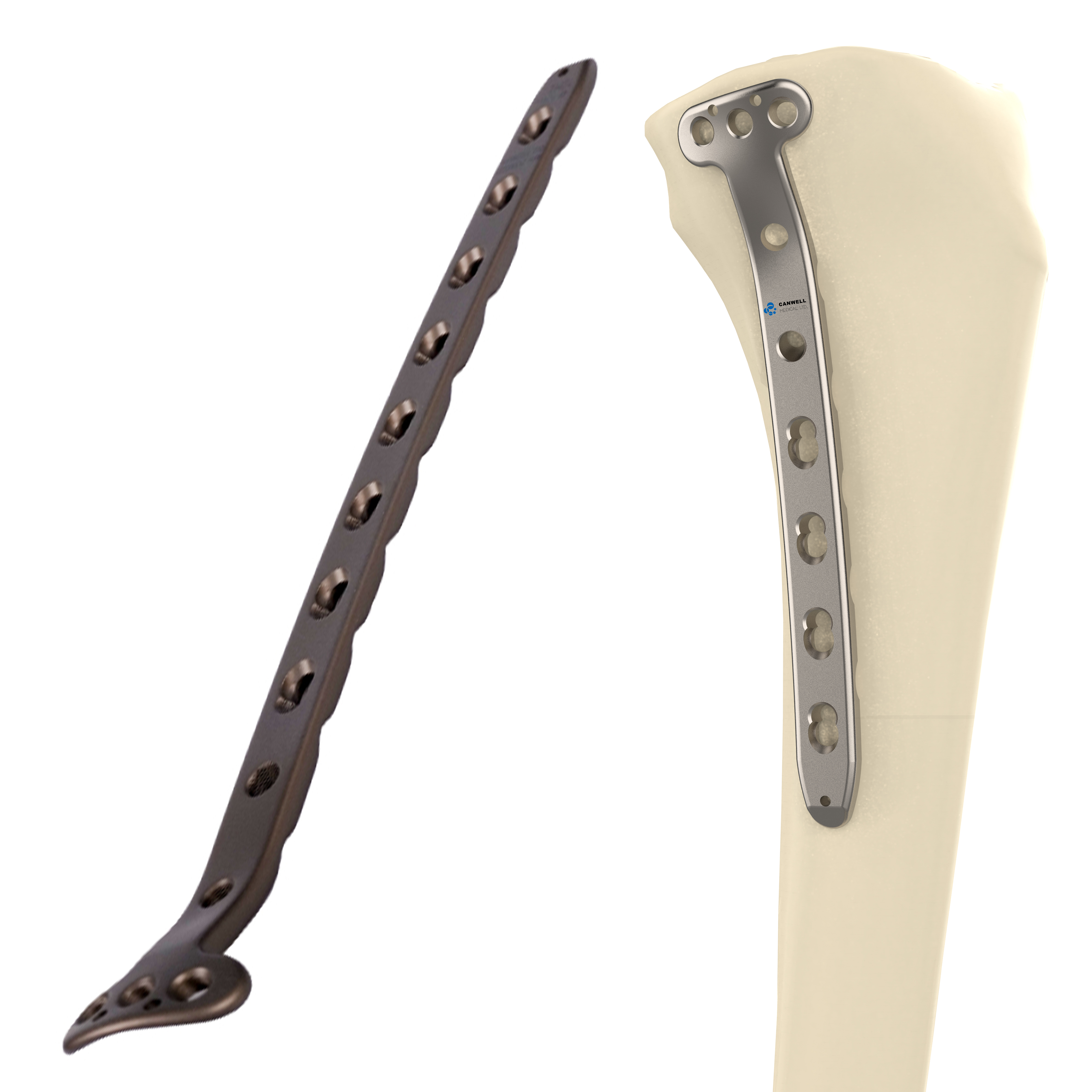
CANWELL Proximal Medial Titanium Tibial Locking Plate
View Details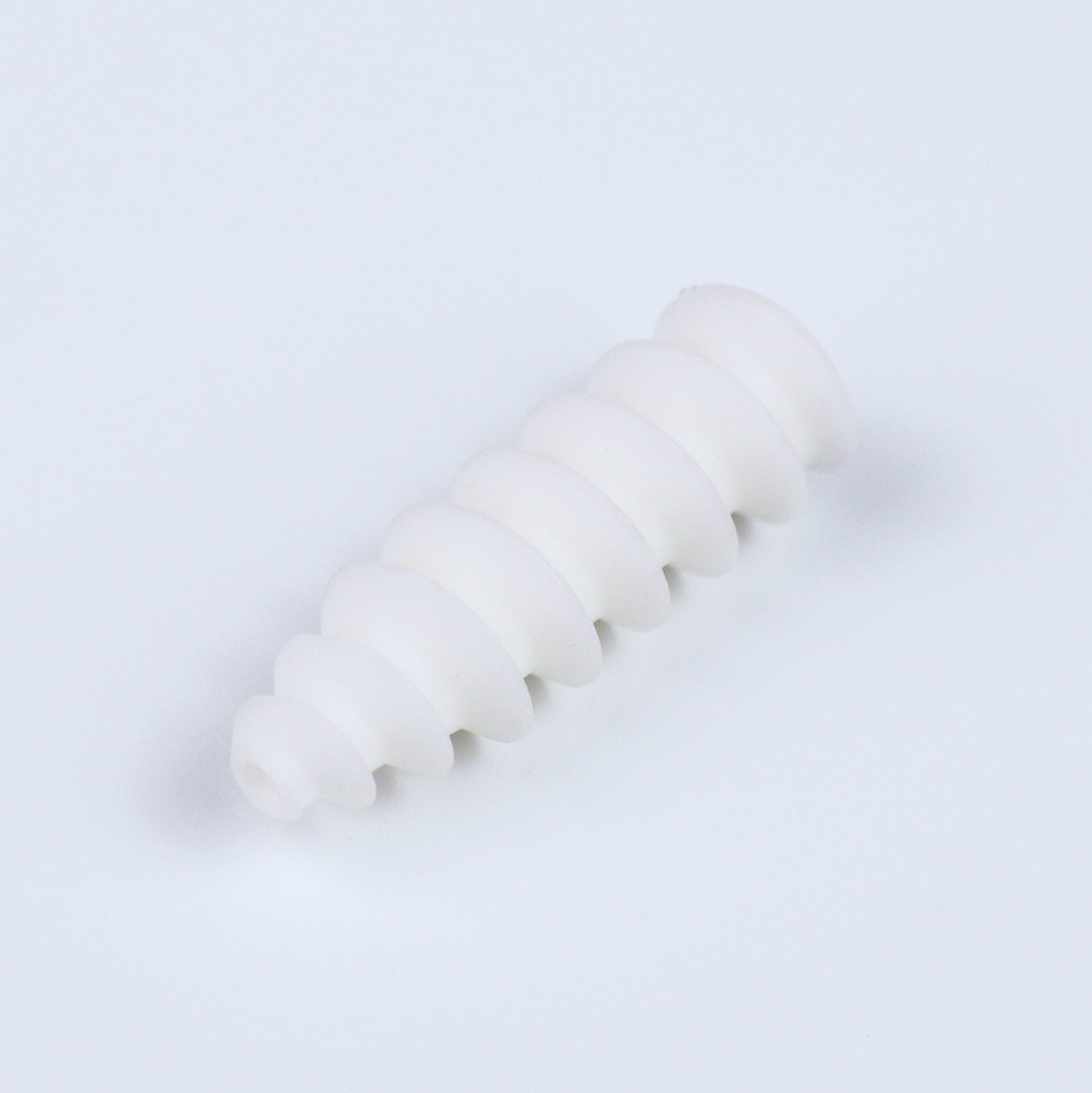
CANWELL Biodegradable PLGA ACL Interference Screw
View Details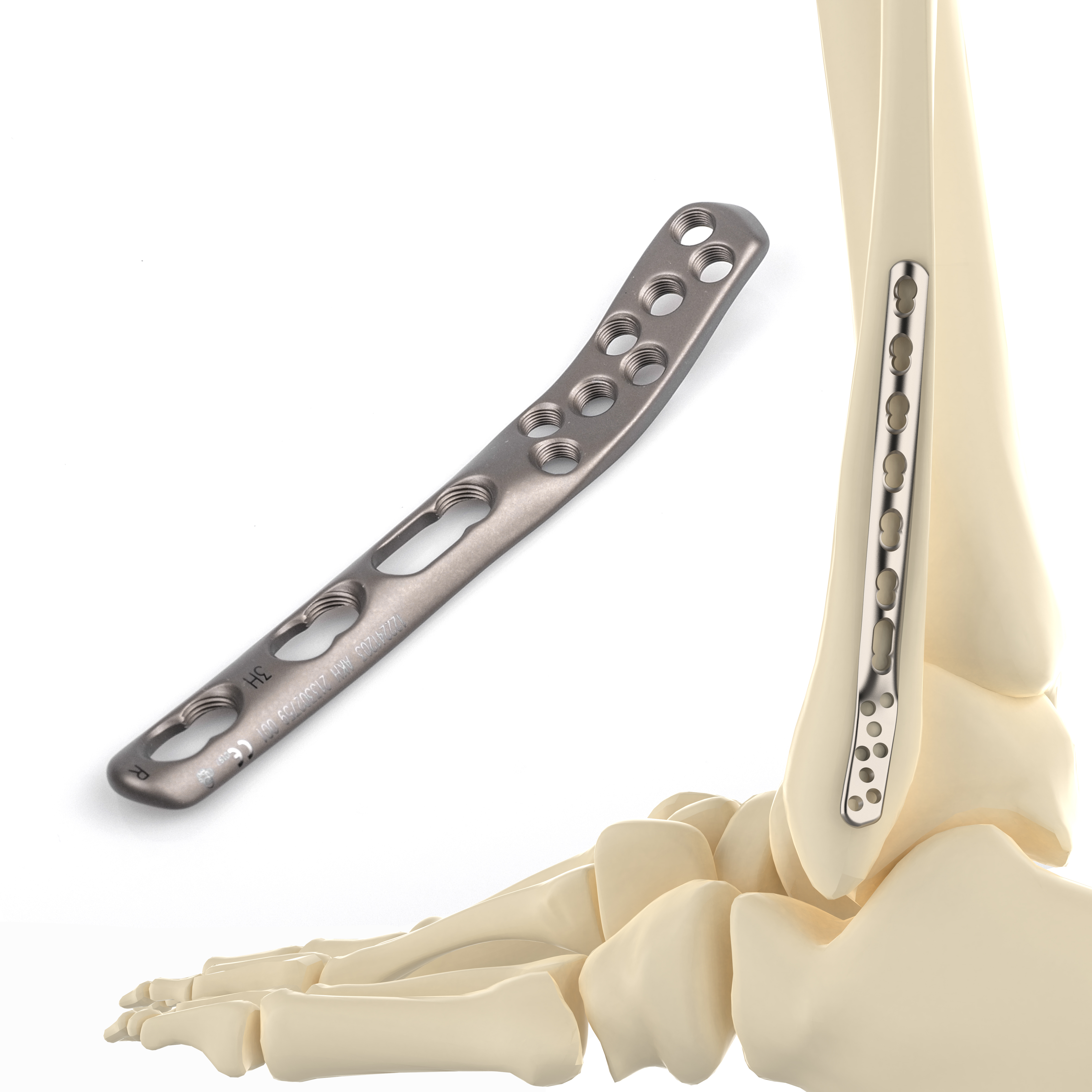
CANWELL Titanium Posterolateral Distal Fibula Locking Plate
View Details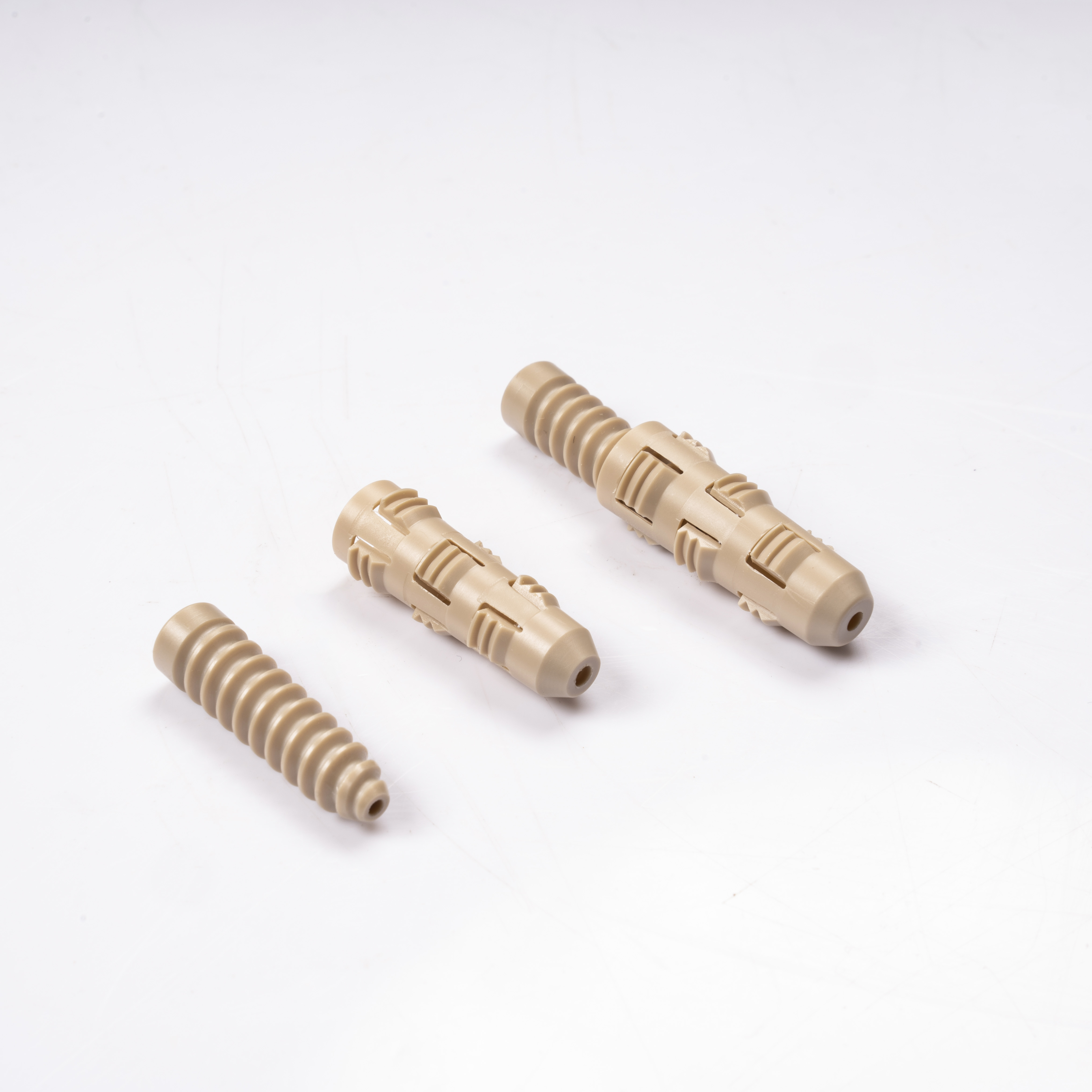
CANWELL Sports Medicine ACL/PCL PEEK Interference Screw
View Details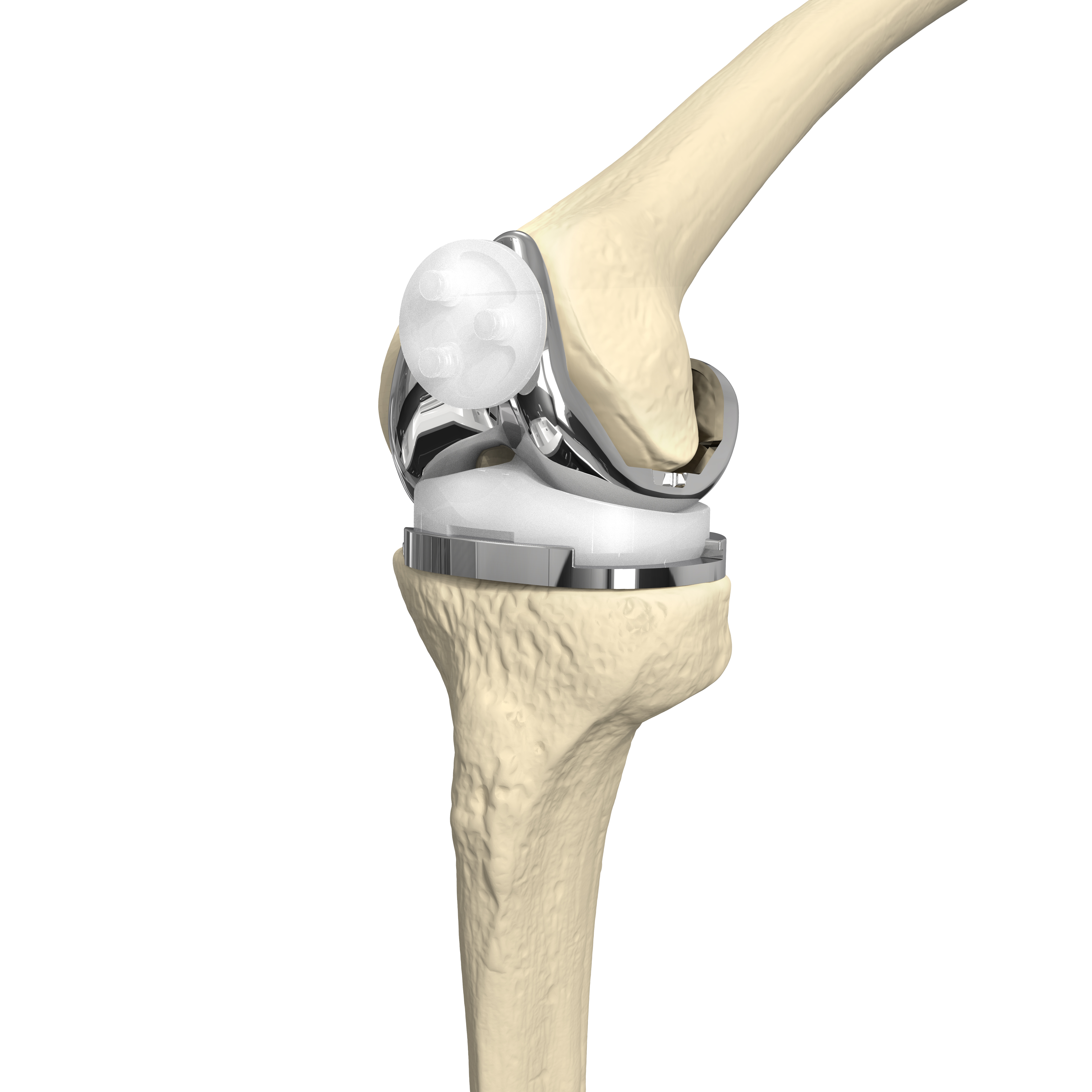
CANWELL Primary Total Knee Replacement Implant Kit
View Details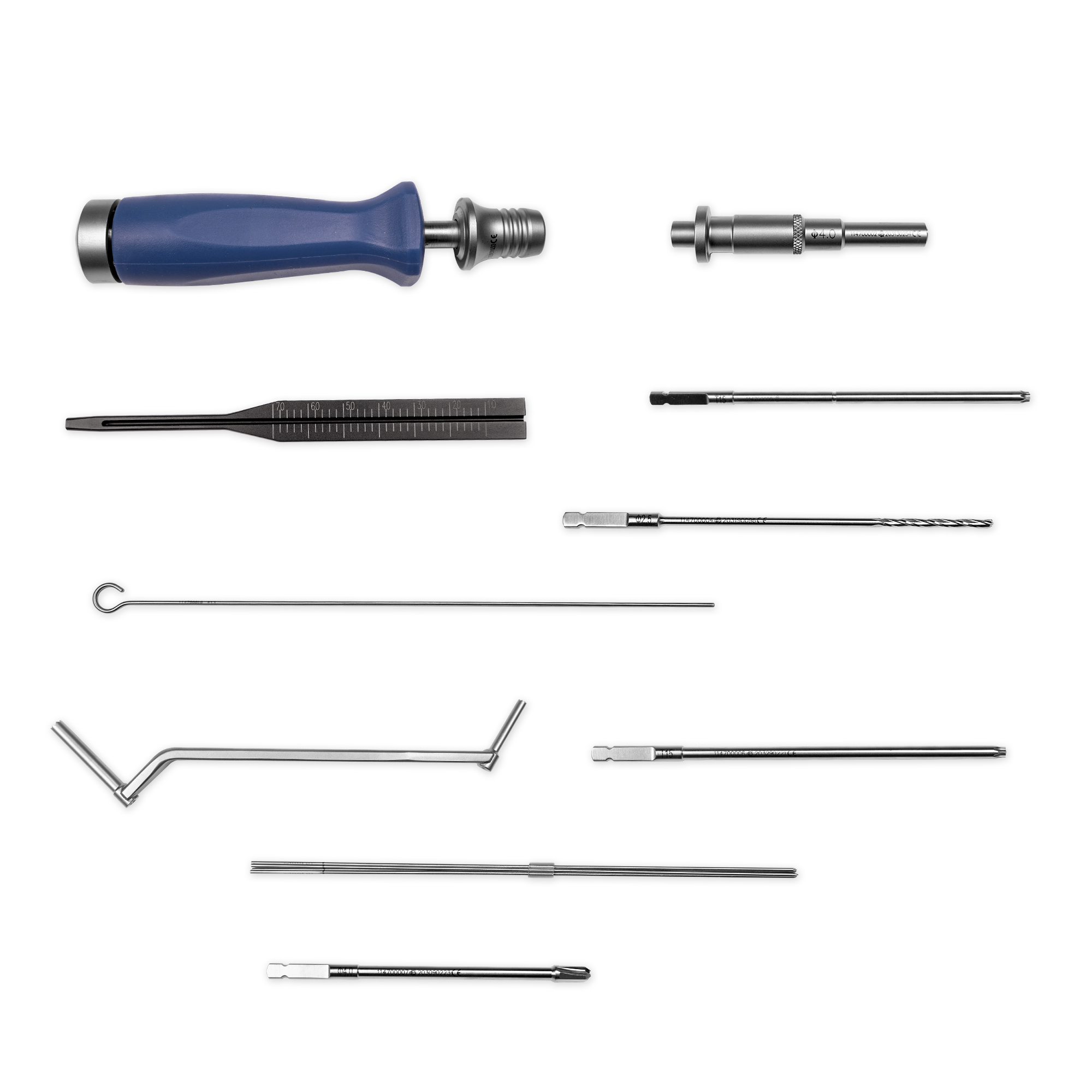
CANWELL Quick Coupling Torque Limiter Ratchet Handle
View Details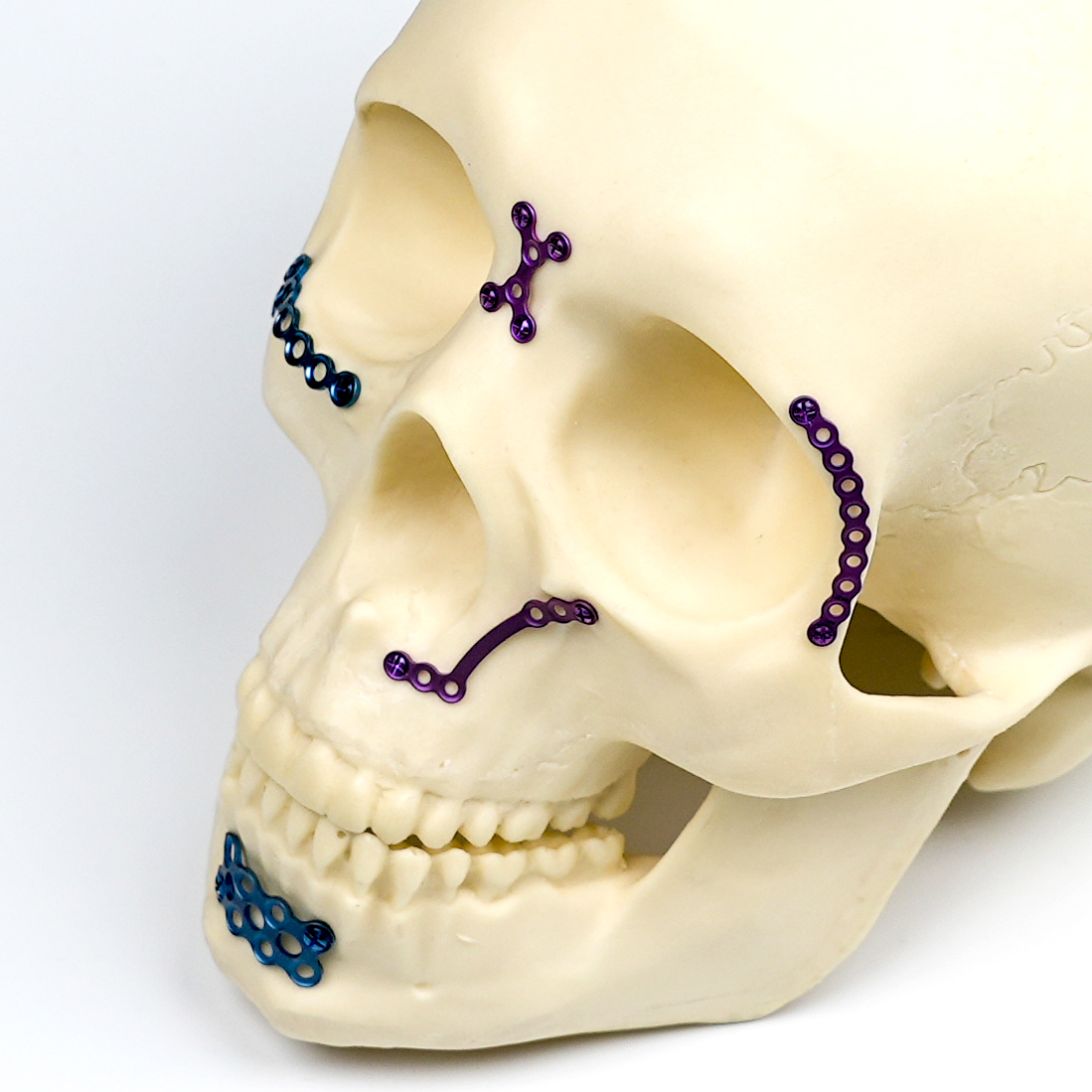
CANWELL Titanium Maxillofacial Plate and Screw System
View Details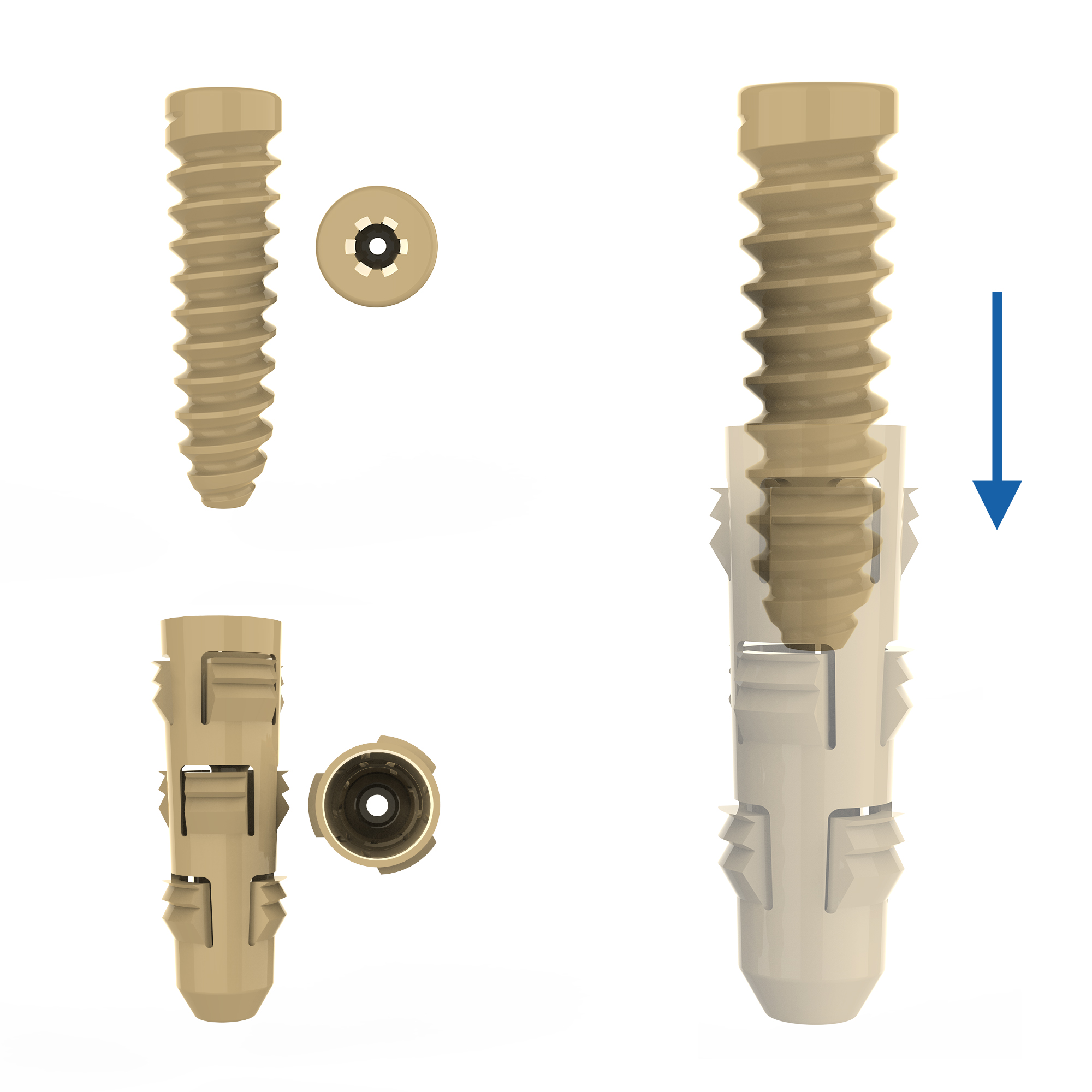
CANWELL Bioabsorbable PEEK Interference Screw System
View Details1. Metallurgical Foundations & Biomechanical Rationale of Spinal Fixation Rods
In modern posterior thoracolumbar stabilization, the spinal rod functions as the structural backbone of the pedicle screw-rod construct. It is engineered to bear severe multi-axial biomechanical loads—including axial compression, sagittal bending, torsional shear, and lateral distraction—while facilitating solid interbody fusion across compromised spinal segments. Choosing the optimum spinal rod specification is a crucial decision for orthopedic surgeons and procurement committees alike, directly dictating clinical fusion rates, fatigue life, and post-operative artifact levels in magnetic resonance imaging (MRI).
1.1 Microstructural Titanium Grade Selection: Ti-6Al-4V ELI vs. Cobalt-Chromium (CoCrMo)
The manufacturing standard for spinal rods centers on high-grade medical alloys compliant with international standards ISO 5832-3 and ASTM F136. Extra Low Interstitial Titanium (Ti-6Al-4V ELI / Grade 23) represents the industry gold standard due to its exceptional strength-to-weight ratio, superior biocompatibility, low modulus of elasticity close to native cortical bone, and reduced magnetic susceptibility during post-operative MRI evaluation.
However, for rigid deformity correction—such as severe Adolescent Idiopathic Scoliosis (AIS) or adult sagittal imbalance reconstructive procedures—Cobalt-Chromium-Molybdenum alloys (Co-28Cr-6Mo per ISO 5832-12 / ASTM F1537) are increasingly utilized. CoCrMo rods provide significantly higher flexural modulus (~210 GPa vs ~110 GPa for Titanium), reducing post-operative loss of lordosis and providing enhanced resistance to intraoperative contouring spring-back.
Engineering Gain: Titanium Ti-6Al-4V ELI rods exhibit an elastic modulus of ~110 GPa, closely matching cortical bone (~18 GPa) to minimize stress shielding at pedicle screw interfaces, whereas CoCrMo rods offer double the flexural rigidity required to maintain coronal plane corrections in heavy deformity cases.
1.2 Notch Sensitivity & Intraoperative Contourability
A primary failure mode of spinal rods in clinical settings is fatigue-induced notch fracture at points of intraoperative bending. When surgical teams utilize French benders or contouring pliers to achieve precise sagittal lordosis, micro-grooves and surface notches are inadvertently created. Under cyclic gait loading (averaging 2 million cycles per year), these surface notch irregularities act as stress concentration sites, dramatically lowering the endurance limit ($K_f$).
Leading Chinese contract manufacturers mitigate this via controlled cold-drawing methods and post-machining Type II Anodization or automated micro-shot peening treatments. Surface compression residual stress layers introduced via shot peening effectively neutralize superficial notch sensitivity, guaranteeing dynamic fatigue endurance exceeding 5,000,000 stress cycles under ASTM F1717 vertebrectomy test protocols.
Material Property Comparison Matrix for Spinal Rod Engineering
The table below provides a rigorous technical comparison of alloy materials utilized across standard 5.5mm and 6.0mm spinal fixation rod constructs manufactured in China facilities:
| Mechanical Property | Ti-6Al-4V ELI (Grade 23) | CoCrMo Alloy (ASTM F1537) | CP Titanium (Grade 4) | Carbon Fiber PEEK (CF-PEEK) |
|---|---|---|---|---|
| Density (g/cm³) | 4.43 | 8.30 | 4.51 | 1.45 |
| Elastic Modulus (GPa) | 110 - 114 | 210 - 230 | 105 | 18 - 22 |
| Yield Strength $R_{p0.2}$ (MPa) | ≥ 860 | ≥ 830 | ≥ 480 | N/A (Anisotropic) |
| Ultimate Tensile Strength (MPa) | ≥ 930 | ≥ 1170 | ≥ 550 | 450 - 550 |
| Fatigue Limit @ $10^6$ Cycles (MPa) | 500 - 620 | 600 - 720 | 260 - 300 | 320 |
| MRI Artifact Rating | Low Artifact | Moderate Artifact | Minimal Artifact | Zero Artifact (Radiolucent) |
| Primary Indication | Degenerative & Trauma Fixation | Deformity / AIS Correction | Cervical Posterior Rods | Oncology / Dynamic Stabilization |
2. Global Procurement Trends for Spinal Rods & Fixation Systems
The global market for spinal fusion hardware is undergoing structural procurement shifts driven by healthcare cost containment, stringent medical device regulations, and regional manufacturing decentralization. Hospital procurement directors, medical device brand owners, and OEM importers must align their supply chains with four dominant procurement trends:
Trend 1: Demand for Anatomically Pre-Bended & Hex-Ended Rod Configurations
Operating room efficiency has become a critical key performance indicator for surgical centers worldwide. Traditional straight spinal rods require extensive manual intraoperative manipulation, increasing surgical time, anesthesia exposure, and risk of material notch fatigue. Procurement managers are increasingly specifying pre-bended lordotic titanium rods (available in 30mm to 120mm pre-contoured lengths) with specialized hex-ended or friction-grip drives. These pre-contoured rods simplify rod-insertion through minimally invasive surgery (MIS) towers while standardizing lordotic curvature restoration.
Trend 2: Rigorous Regulatory Compliance Under EU MDR (2017/745) & Global UDI Compliance
The implementation of European Union Medical Device Regulation (EU MDR 2017/745) has significantly elevated technical documentation standards. Importers can no longer rely on superficial self-declarations. Every batch of spinal rods imported into regulated markets must feature strict material traceability—from raw titanium ingot vacuum double-melting certificated by spectrographic analysis to automated Unique Device Identification (UDI) laser marking on individual non-sterile or pre-sterilized packaging.
Trend 3: Hybrid Rod Systems & Transition Rod Technology
To prevent Adjacent Segment Disease (ASD)—a common long-term complication where rigid fusion accelerates degeneration in adjacent motion segments—the market is rapidly adopting stepped or dual-diameter transition rods (e.g., 5.5mm to 3.5mm or 6.0mm to 5.5mm) and hybrid rigid-flexible constructs. These systems enable rigid arthrodesis across primary pathological vertebrae while providing semi-rigid dynamic transition across adjacent levels.
Trend 4: Consolidation of Direct Direct Contract Manufacturing Partnerships
Western orthopedics brands and regional distributors are migrating away from multi-tiered intermediate supply networks toward long-term contract manufacturing partnerships with verified tier-1 Chinese producers. Direct partnership with SGS-assessed factories offering full vertically integrated CNC Swiss-machining, cleanroom aseptic blister packing, and ISO 17025 certified dynamic fatigue testing labs delivers up to 40% in cost savings without sacrificing mechanical tolerances or clinical efficacy.
3. Technical & Technological Advancements in Spinal Rod Manufacturing
As surgical techniques move towards ultra-minimally invasive and robot-assisted spinal navigation, spinal rod manufacturing technologies are undergoing rapid evolutionary leaps. Leading Chinese exporters are driving innovation across three core technological domains:
3.1 Advanced Surface Modification & Type II AMS 2488 Anodization
Traditional raw or color-anodized titanium surfaces are susceptible to micro-fretting corrosion when locked inside set-screw saddles under heavy cyclic bending moments. Advanced spinal rod production lines now employ AMS 2488 Type II alkali anodization. Type II anodization transforms the outer titanium crystal lattice, creating an anti-galling, hardened titanium oxide layer that substantially reduces friction coefficients, prevents titanium particulate release, and enhances cyclic fatigue strength by up to 25%.
3.2 High-Precision Swiss-Type Multi-Axis CNC Turning
Achieving micron-level dimensional tolerances ($±0.005\text{ mm}$) across long, slender cylindrical structures presents severe manufacturing challenges due to material deflection during turning operations. State-of-the-art facilities utilize 9-axis Swiss-type sliding headstock CNC lathes fitted with synchronized guide bushings and high-pressure oil cooling channels. This ensures perfect cylindrical concentricity, eliminates chatter marks, and yields flawless surface finishes ($Ra < 0.2\ \mu\text{m}$) prior to final polishing.
3.3 Integrated ASTM F1717 Vertebrectomy Fatigue Testing Protocols
To assure uncompromising structural integrity, dynamic biomechanical simulation is built directly into quality assurance workflows. Standardized vertebrectomy blocks designed in accordance with ASTM F1717 subject 5.5mm and 6.0mm rod-screw constructs to 5,000,000 cycles of sinusoidal fatigue loading at a frequency of 5 Hz under liquid submersion. Only production lots demonstrating zero micro-crack propagation under dye penetrant testing are cleared for cleanroom packaging and clinical release.
4. Enterprise Manufacturing Strengths & Quality Infrastructure
Zhejiang INAR Medical Co., Ltd. (operating under the CANWELL brand framework) stands as a top-tier Chinese manufacturer and exporter of orthopedic implants and surgical instruments. With over 22 years of dedicated biomedical engineering experience and an expansive production facility spanning 29,523 square meters in Jinhua, Zhejiang, INAR offers unmatched production scale and rigorous quality oversight.
4.1 Strict 13-Step Zero-Defect Manufacturing Workflow
Every spinal rod and trauma implant produced at our facility undergoes a fully documented 13-stage manufacturing process designed to meet strict regulatory guidelines:
Raw Material
Spectrographic verification of certified Titanium/CoCr bars.
Precision Cutting
Automated longitudinal cutting to exact blank lengths.
Swiss CNC Lathe
Multi-axis high-speed precision turning.
Micro-Polishing
Automated robotic polishing for surface smoothing.
Ultrasonic Wash I
Multi-stage degreasing and contaminant removal.
Grinding Stage
Precision centerless grinding to fine rod tolerances.
Sand-Blasting
Controlled surface texturing where specified.
Penetrant Test
Liquid dye penetrant defect examination.
Anodizing
Type II anti-galling or color anodization.
Ultrasonic Wash II
Final high-purity medical washing stage.
OQC Inspection
100% CMM dimensional & optical verification.
Cleanroom Pack
ISO Class 7 cleanroom aseptic pouch sealing.
Final Logistics
Export packaging with UDI tracking barcode.
4.2 Certifications & Turn-Key OEM/ODM Customization Capabilities
Our production enterprise holds valid CE certificates under both the EU MDR (2017/745) and Medical Device Directive 93/42/EEC, supported by ISO 13485 quality management systems. Onsite supplier assessment reports conducted by SGS Group confirm our physical capacity, equipment inventory, and operational excellence.
For international medical brand owners seeking full OEM or ODM solutions, INAR provides customized laser marking, private-label packaging graphics, anodizing color customization, custom contouring tooltray integration, and rapid prototyping within 15 business days.
5. Frequently Asked Questions (FAQ) for Global Importers & Procurement Teams
Below are technical and commercial responses to common inquiries raised by orthopedic procurement managers, regulatory affairs specialists, and hospital purchasing departments:
What specific titanium and cobalt-chrome material grades are utilized for your spinal rod constructs?
Which European and international certifications cover your spinal rod and trauma product lines?
What spinal rod diameters, lengths, and surface finishes are available for OEM order?
How do you ensure fatigue strength and prevent notch failure on contoured spinal rods?
Can you supply complete regulatory registration dossiers for local market clearance?
What are your typical Lead Times and Minimum Order Quantities (MOQ) for custom OEM orders?
Partner with China's Premier Spinal Implant Manufacturer
Looking for a verified contract manufacturer for spinal fixation rods, pedicle screw systems, PEEK cages, or trauma locking plates? Contact our biomedical engineering team today for technical catalogs, pricing schedules, and OEM project consultation.
Inquire Now