Featured Orthopedic Trauma & Surgical Implant Portfolio
Precision-machined medical implants engineered in accordance with ISO 13485 quality standards, carrying CE MDR compliance for global orthopedic distribution.
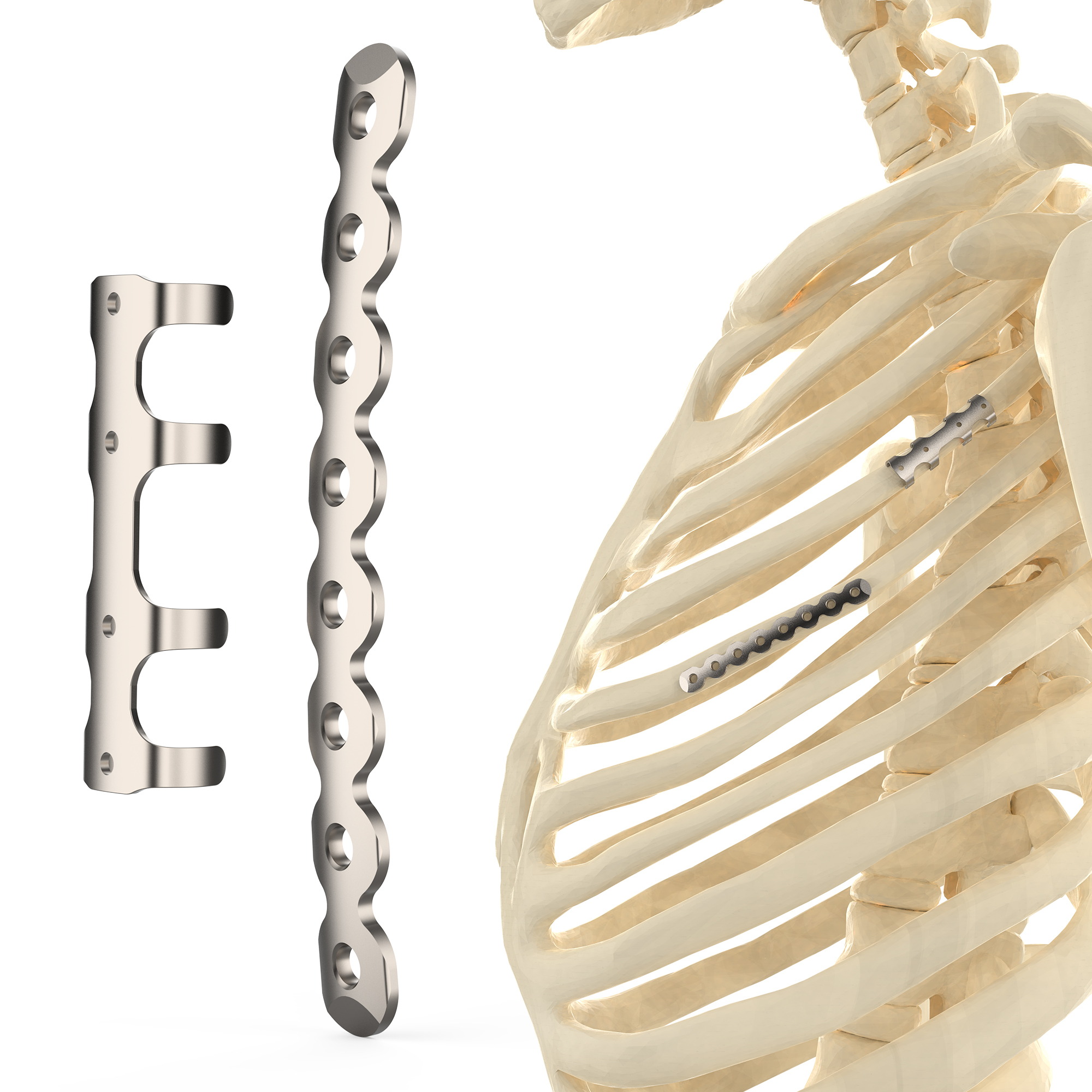
CANWELL Titanium Rib Locking Plate Bone Fixation Orthopedic Trauma Implant
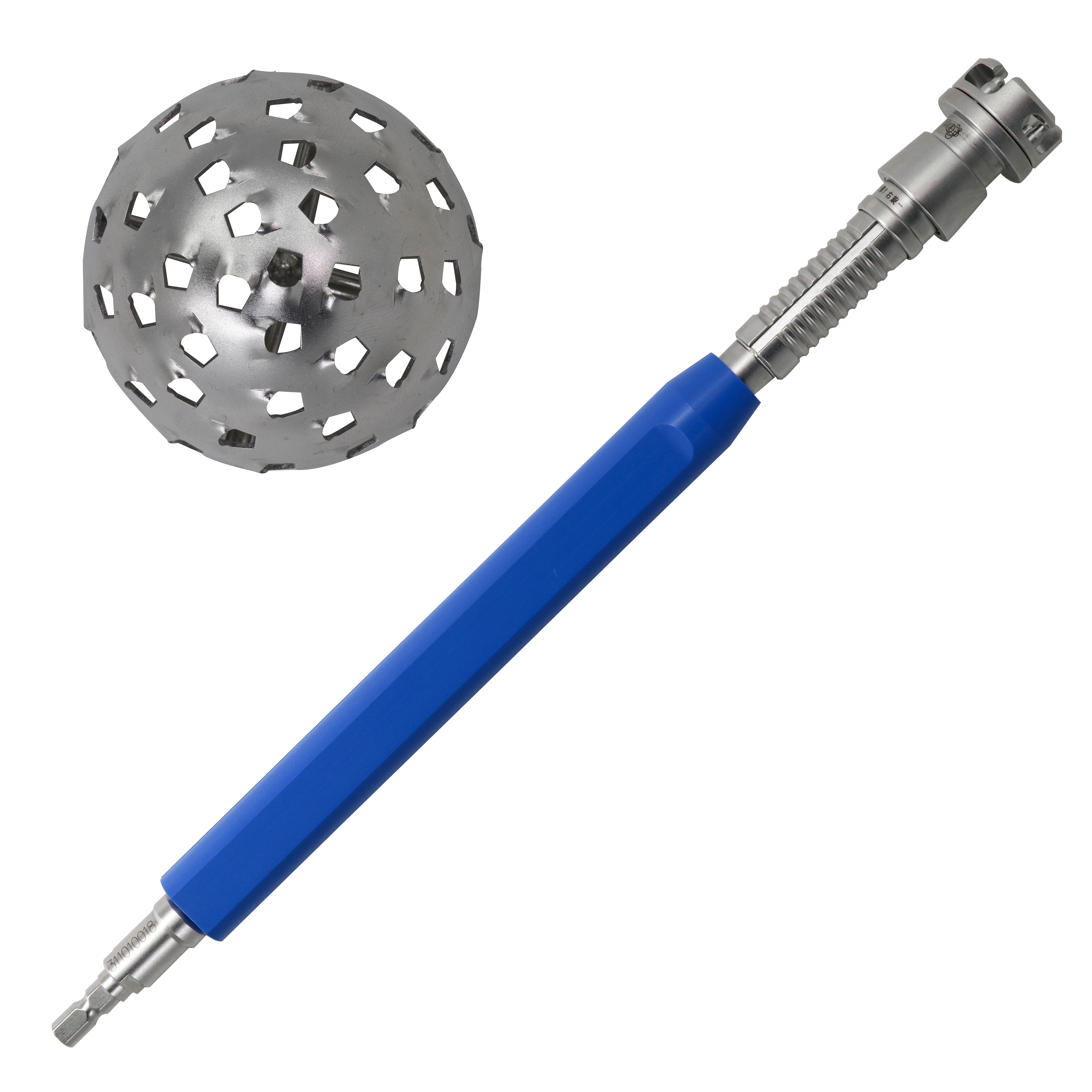
CANWELL Acetabular Reamers High Precision Hip Instrument Set Arthroplasty Tools
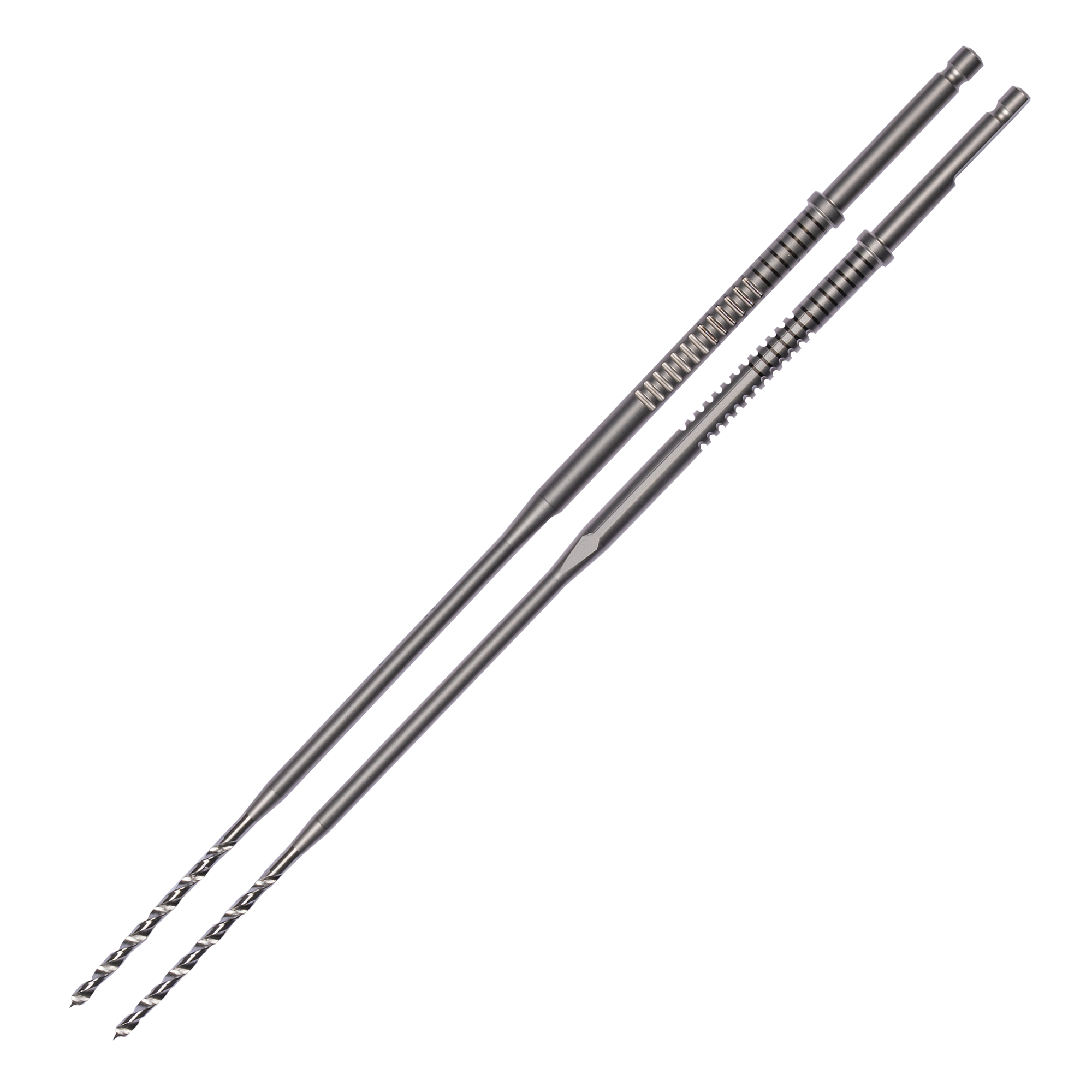
CANWELL Bone Drill Bit Bone Flexible Surgical System Soft AO Quick Coupling
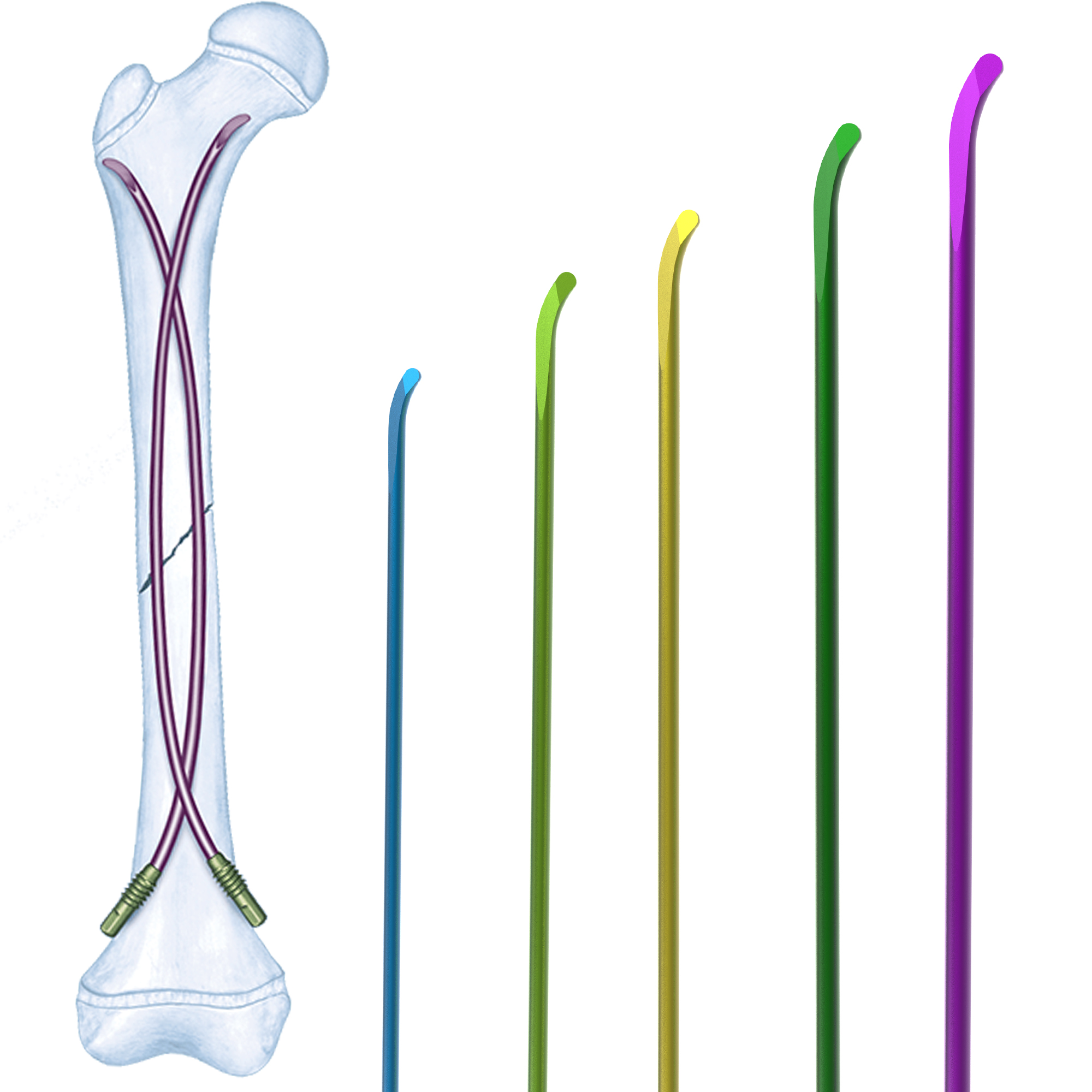
Canwell Titanium Elastic Stable Intramedullary Nail TEN Pediatric Orthopedic Implant
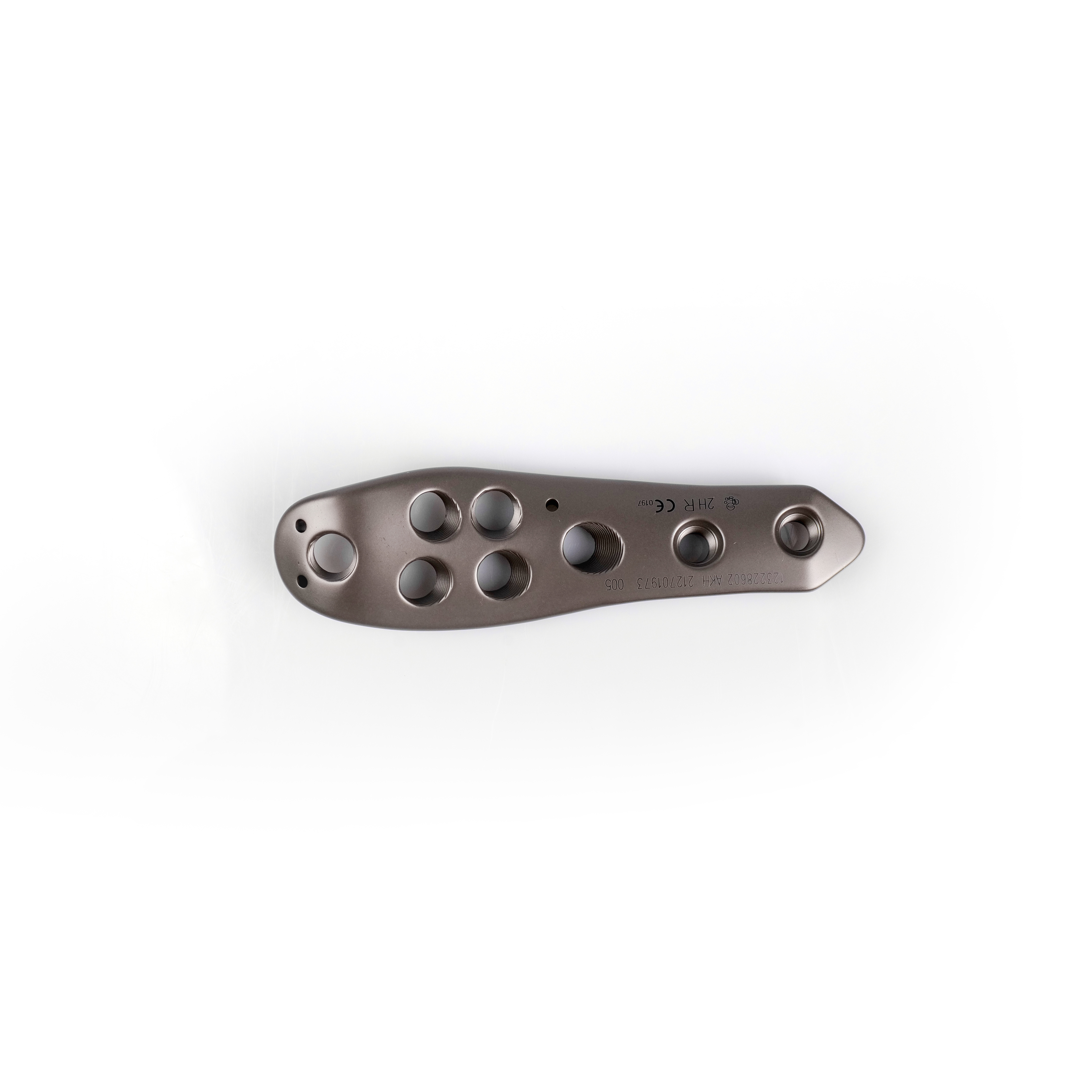
CANWELL Titanium Tibia Locking Plate Price Factory Distal Femur Lateral Implant
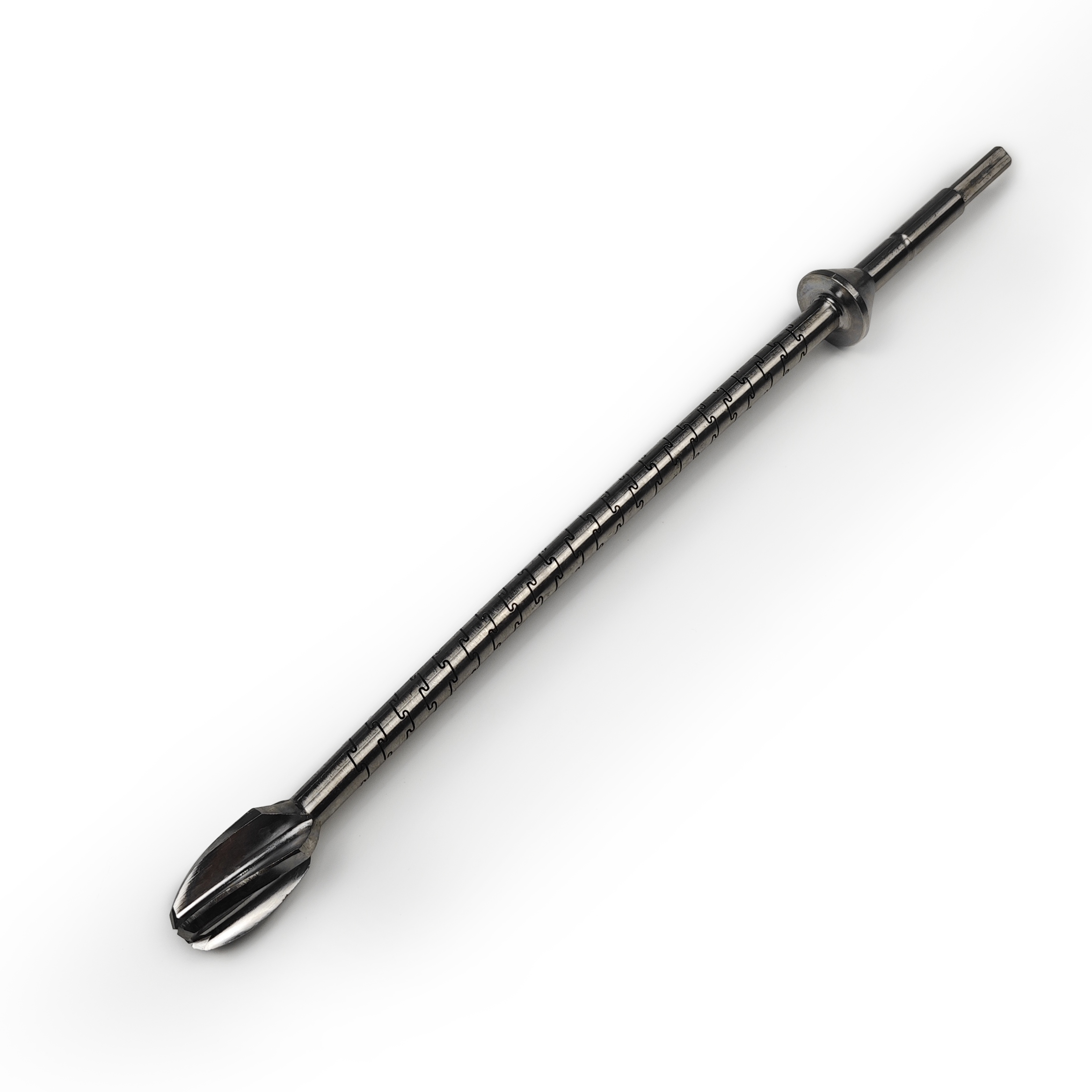
CANWELL Flexible Reamer Sterilization Box Surgical Orthopedic Instrument Case
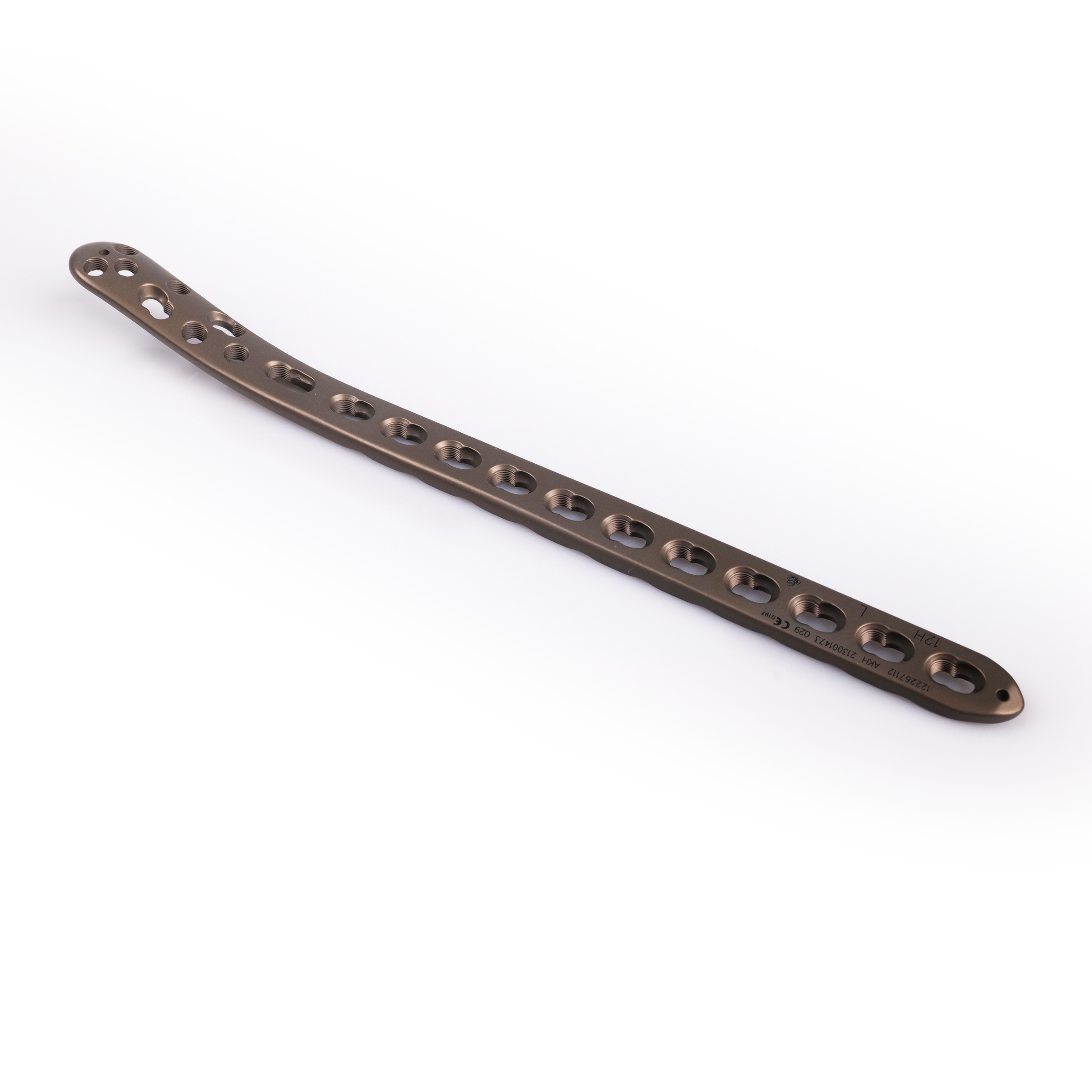
CANWELL Distal Medial Tibial Locking Plate Titanium Orthopedic Trauma Implant
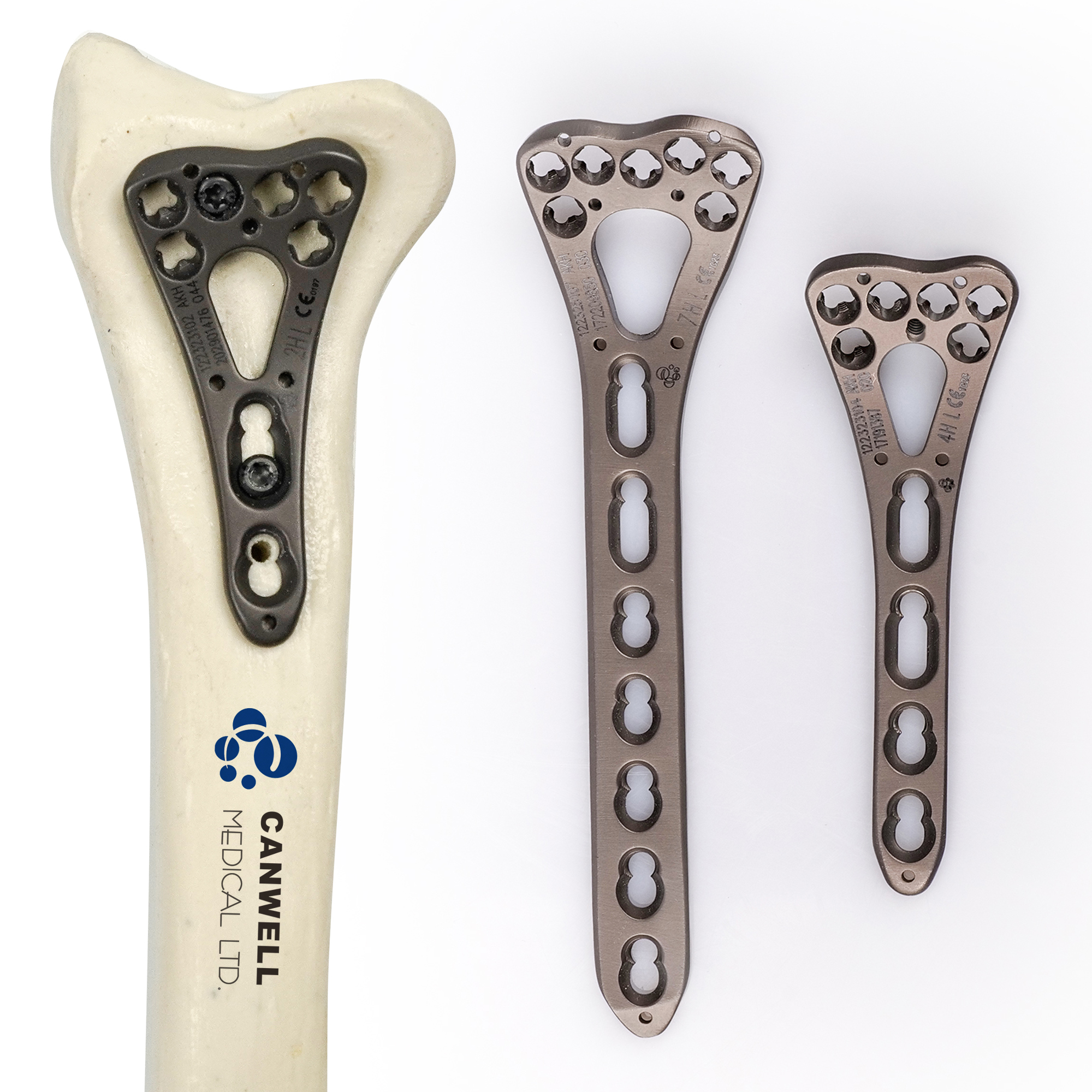
CANWELL 2.4 2.7mm VA Titanium Distal Palmar Radius Locking Plate Volar Wrist System
Industrial Competence & Quality Management
SGS Onsite Assessment Verified
Our manufacturing infrastructure in Jinhua, Zhejiang undergoes rigorous third-party verification by SGS Group. Production workflows, traceability protocols, and testing facilities meet audited B2B supply criteria.
Medical Grade Metallurgy (Ti-6Al-4V ELI)
All distal radius internal fixation plates are machined exclusively from certified medical-grade titanium alloy (ISO 5832-3 / ASTM F136), guaranteeing optimal yield strength, fatigue endurance, and MRI-compatible biocompatibility.
5-Axis High-Precision CNC Milling
Operating high-tier multi-axis Swiss longitudinal cutting and milling centers. Plate contour tolerances are maintained within ±0.005mm to ensure anatomical conformity to the volar Watershed line.
1. Biomechanical Analysis of Distal Radius Volar Locking Systems
Distal radius fractures remain among the most frequent traumatic injuries encountered in orthopedic trauma centers, accounting for approximately 18% of all adult fractures. The transition from dorsal plating and external fixation to anatomically contoured volar locking compression plates (LCP) represents a critical shift in trauma surgery over the past two decades. Volar plating circumvents the common dorsal soft-tissue complications, specifically extensor pollicis longus (EPL) tendon irritation and attrition, while leveraging the robust space of Pronator Quadratus.
To establish fixed-angle stability in osteoporotic bone or complex intra-articular fractures (AO/OTA classification 23-C3), modern distal radius plates utilize threaded plate-hole interfaces. When a variable-angle (VA) locking screw is inserted into a polyaxial plate hole, it forms a rigid structural construct. This mechanism converts shear forces at the fracture line into compressive stresses across the plate, mitigating the risk of secondary loss of reduction, intra-articular screw penetration, and collapse of the subchondral support arch.
Key Engineering Insight: The mechanical integrity of a volar locking plate relies on maintaining the subchondral bone raft. Distal distal radius constructs require dual-tier distal screw rows targeting both the radial styloid and the scaphoid/lunate fossae without violating the joint surface.
1.1 Metallurgical Specifications: Ti-6Al-4V ELI vs. Pure Titanium
As a leading China wholesale OEM/ODM factory, our manufacturing standard mandates Grade 5 Titanium (Ti-6Al-4V Extra Low Interstitial) for trauma plate manufacturing. Compared to commercially pure titanium (CP Ti Grade 4), Ti-6Al-4V ELI exhibits superior mechanical properties vital for thin-profile volar plates:
| Mechanical Property | Ti-6Al-4V ELI (ASTM F136) | CP Titanium Grade 4 (ASTM F67) | Clinical / Manufacturing Impact |
|---|---|---|---|
| Tensile Yield Strength | ≥ 795 MPa | ≥ 483 MPa | Prevents plate deformation under early postoperative loading. |
| Ultimate Tensile Strength | ≥ 860 MPa | ≥ 550 MPa | Ensures construct stability under high-energy impact forces. |
| Fatigue Limit (10⁷ cycles) | ~ 510 MPa | ~ 300 MPa | Resists cyclic micro-motion during non-union healing phases. |
| Modulus of Elasticity | 110 GPa | 105 GPa | Close match to human cortical bone (18-22 GPa) to reduce stress shielding. |
1.2 Anatomic Contour & Volar Watershed Line Mechanics
The anatomical contouring of modern 2.4mm / 2.7mm variable-angle volar distal radius locking plates is specifically optimized to respect the transverse ridge known as the Watershed Line. Placing a plate distal to this biomechanical landmark drastically increases flexor tendon friction, leading to flexor pollicis longus (FPL) tendon tenosynovitis or rupture. Our precision CNC machining process incorporates an ultra-low distal profile (plate edge thickness tapered down to 1.2mm - 1.5mm) with chamfered screw hole margins, providing a smooth surface under the Pronator Quadratus muscle belly.
2. 13-Stage Precision Manufacturing & Quality Control Workflow
At our Zhejiang manufacturing complex (29,523 m², 632 staff), every batch of distal radius locking plates follows an audited 13-step production line. This full-spectrum manufacturing setup guarantees 100% component traceability and zero critical defect delivery.
Future Procurement & Technological Trends in Trauma Implants
Informing hospital procurement officers, medical brand owners, and global B2B distributors on upcoming regulatory, technological, and supply-chain shifts.
Shift Toward Variable-Angle (VA) Locking Technology
Fixed-angle 3.5mm LCPs are rapidly giving way to 2.4mm / 2.7mm polyaxial variable-angle systems. Surgeons demand ±15° cone trajectory flexibility to target small articular fragments without cross-threading. Factory production is now 80% optimized for VA hole geometry.
EU MDR (2017/745) & Global Traceability Mandates
Regulatory compliance has moved from basic CE MDD standards to full EU MDR verification. Importers require complete technical documentation (Technical File, CER, Post-Market Surveillance) and UDI (Unique Device Identification) laser-etched directly on every distal radius plate.
OEM/ODM Private Label Expansion & Custom Tray Kitting
Global orthopedic brands are downsizing internal capital expenditure in manufacturing, shifting toward specialized Chinese contract factories. Wholesalers demand complete turnkey solutions: branded laser etching, custom anodized colors, and ready-to-sterilize tray sets.
Frequently Asked Questions for B2B Importers & Procurement Teams
Detailed technical and commercial answers regarding manufacturing capabilities, regulatory support, OEM customization, and order fulfillment.
1. What material grades are used in your wholesale distal radius locking plates, and are material certificates supplied?
2. How does your factory support OEM and ODM private-label customization for distal radius plates?
3. What international regulatory certifications and quality audits does your manufacturing plant hold?
4. What variable-angle (VA) locking screw options are available for the distal radius volar system?
5. What is the standard minimum order quantity (MOQ) and production lead time for bulk wholesale orders?
6. How do you guarantee the surface quality and cleanroom packaging for orthopedic trauma implants?
7. Can you provide complete surgical instrument sets matching the distal radius volar plates?
8. What fatigue endurance testing is performed on your locking plate structures?
9. How does your facility ensure Unique Device Identification (UDI) compliance for international customs?
10. What is the process for receiving samples for evaluation prior to signing a contract?
Partner with a Certified Orthopedic Implant Manufacturer
Access competitive factory-direct pricing, certified medical-grade titanium quality, and dedicated OEM/ODM engineering support for your market. Contact our technical export division today.