Featured Orthopedic Trauma & Surgical Fixation Systems
SGS-verified, CE-compliant orthopedic trauma implants, intramedullary nails, and precision surgical instrument sets engineered for worldwide hospital supply chains.
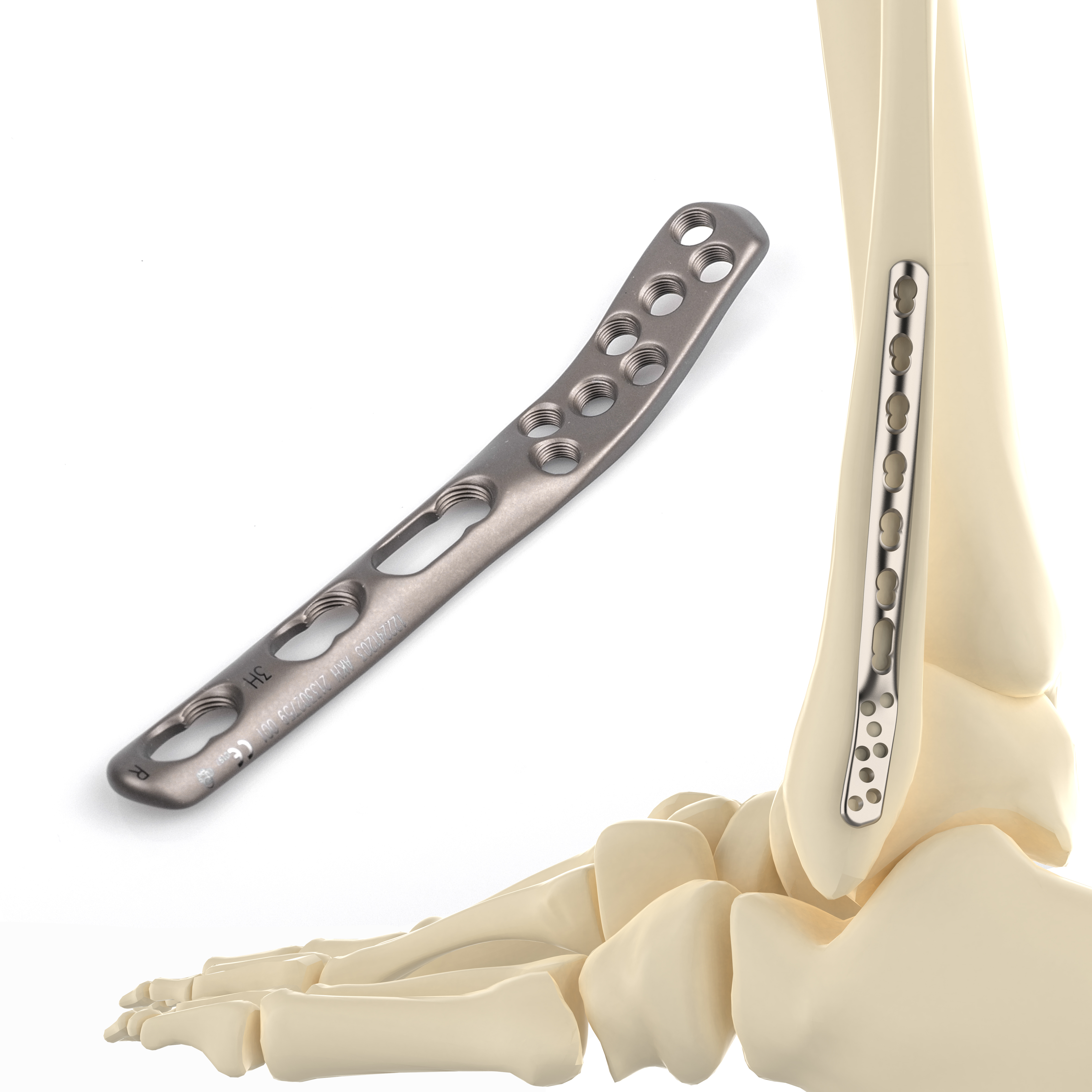
CANWELL Fibula Plate Titanium Posterolateral Distal Fibula Locking Plate System
View Product Details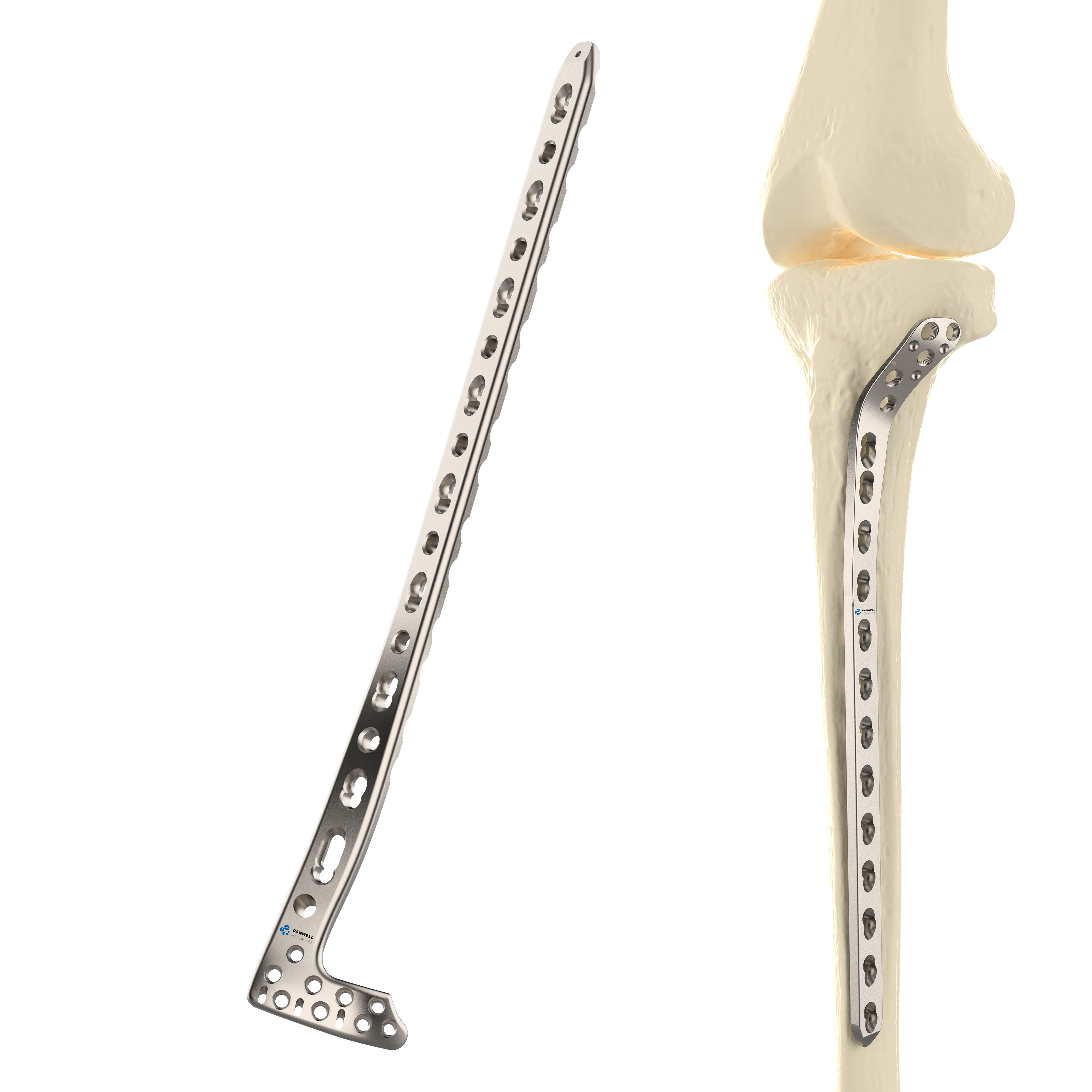
CANWELL Distal Tibial Low Profile Locking Compression Fixation Plate
View Product Details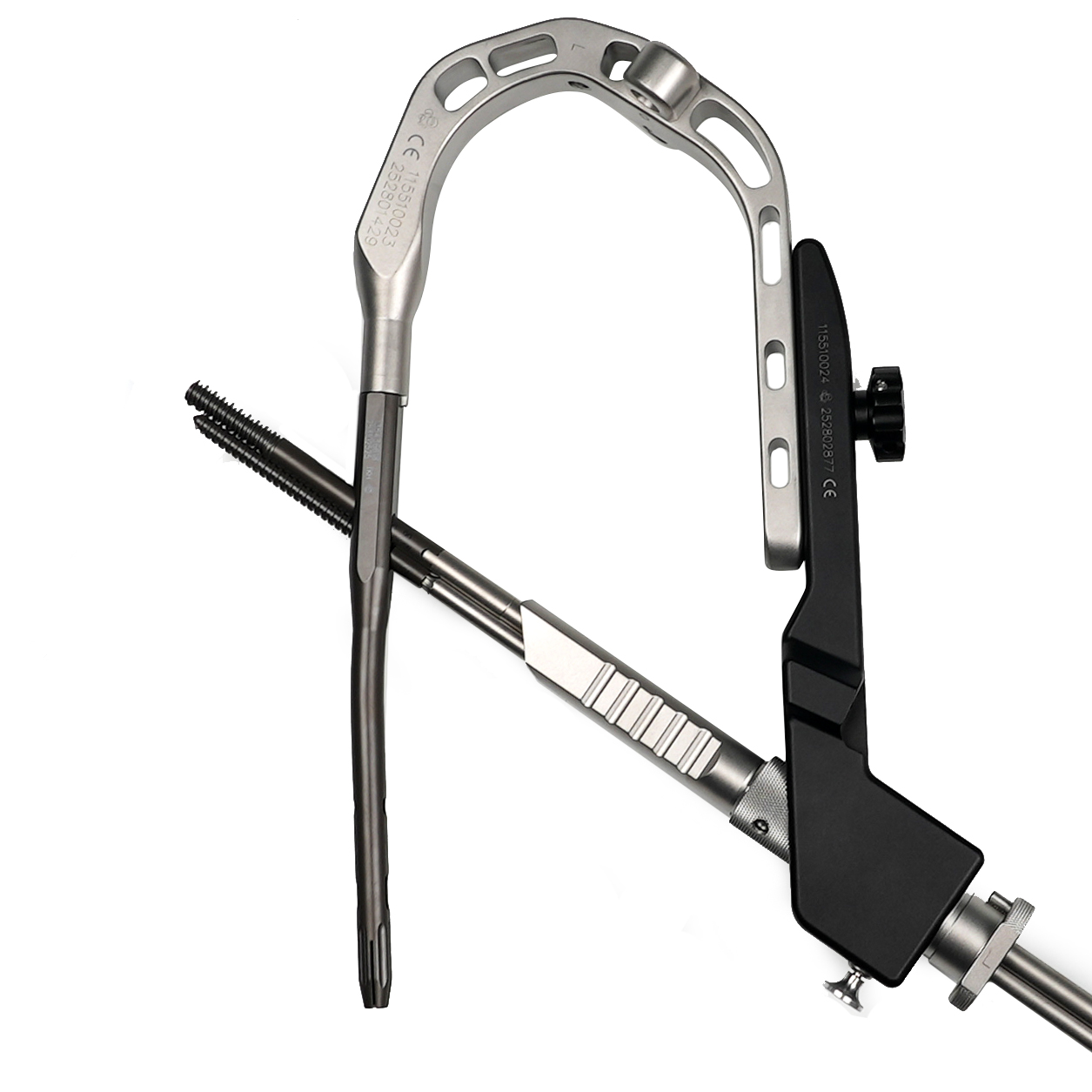
CANWELL Titanium Femoral Interlocking Intramedullary Nails
View Product Details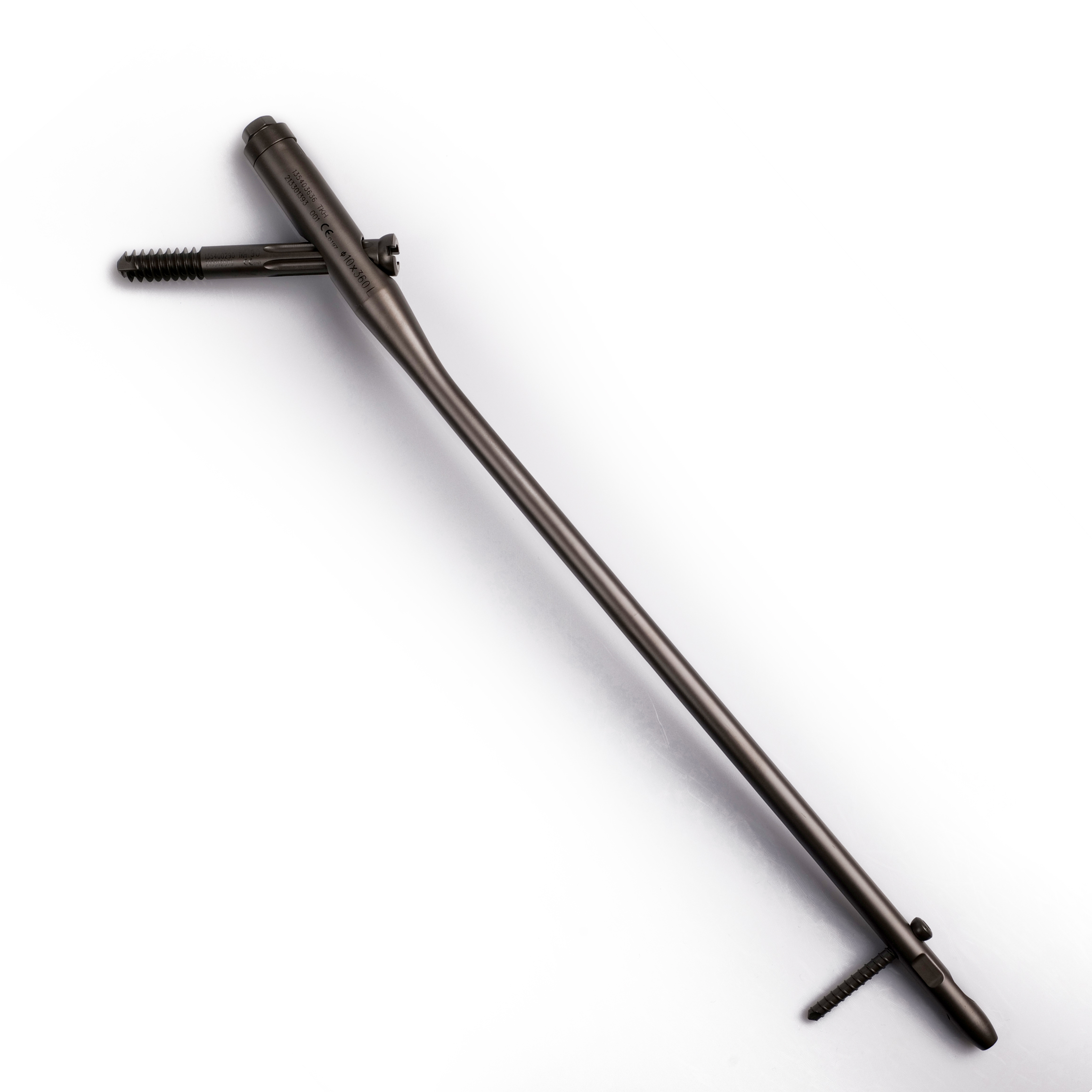
CANWELL Titanium Femoral PFNA Interlocking Intramedullary Nail Implants
View Product Details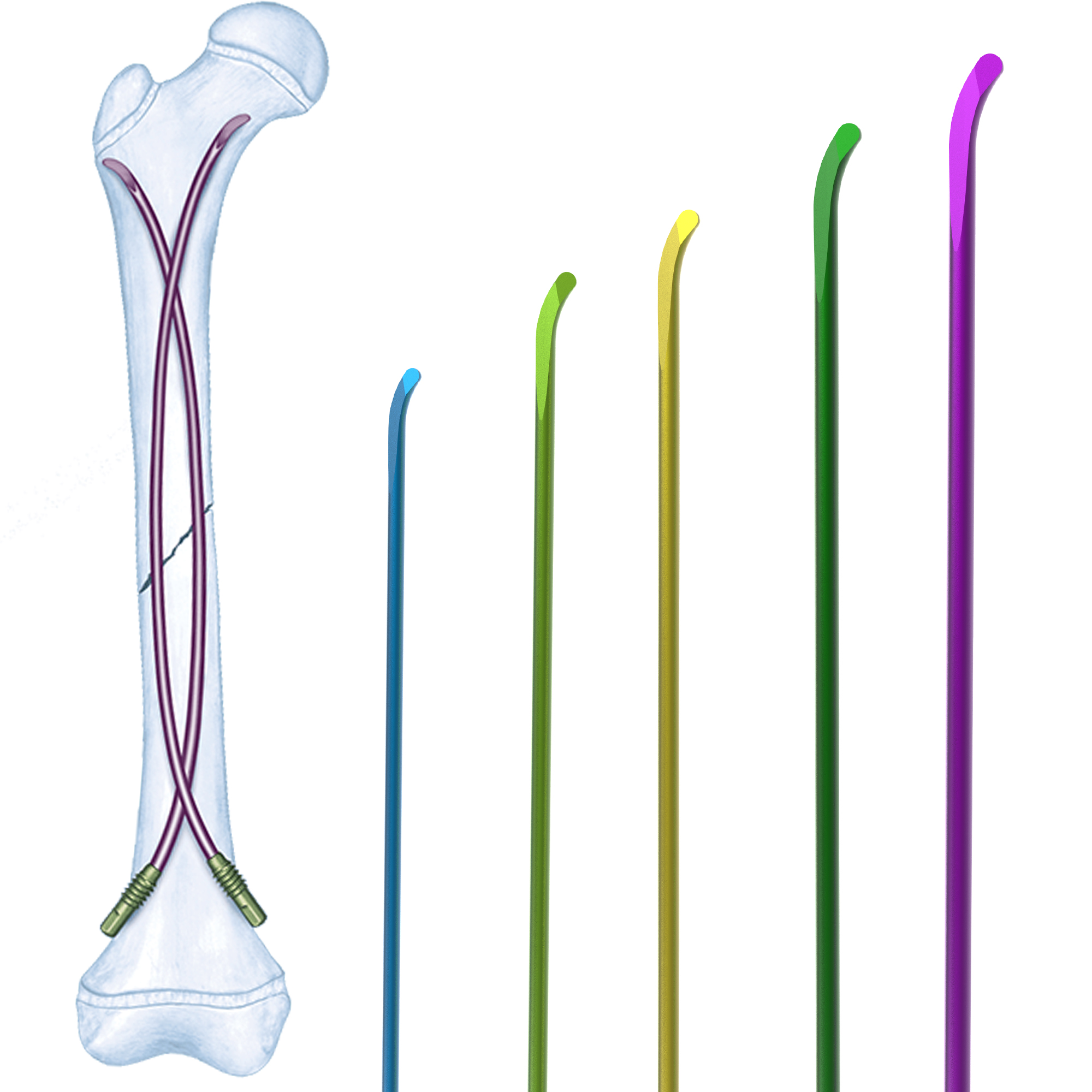
Canwell Titanium Elastic Stable Intramedullary Nail (TEN) Pediatric System
View Product Details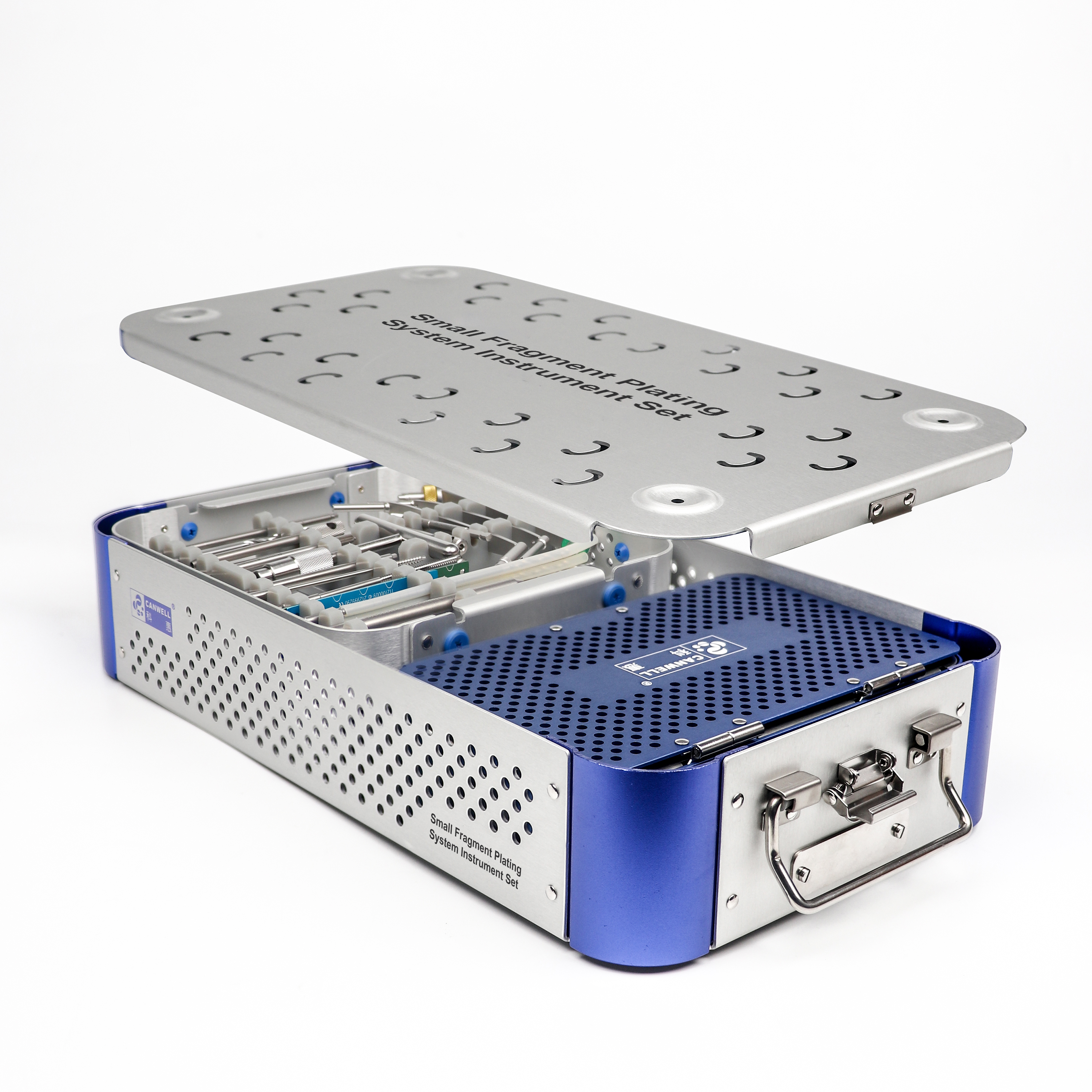
CANWELL Basic Small Fragment Orthopedic Surgical Instrument Set
View Product Details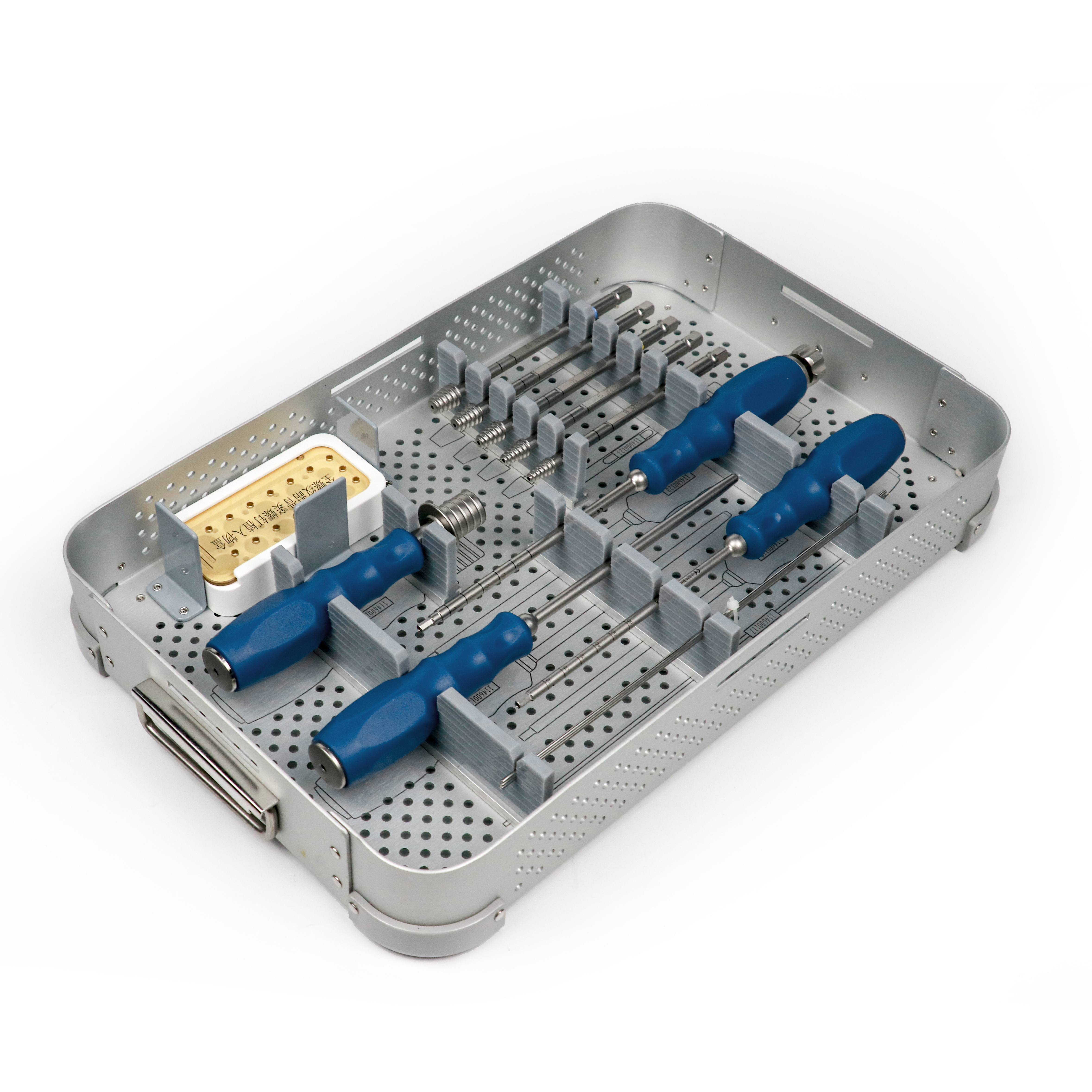
CANWELL Titanium Sinus Tarsal Locking Screw & Ankle Fixation Implant
View Product Details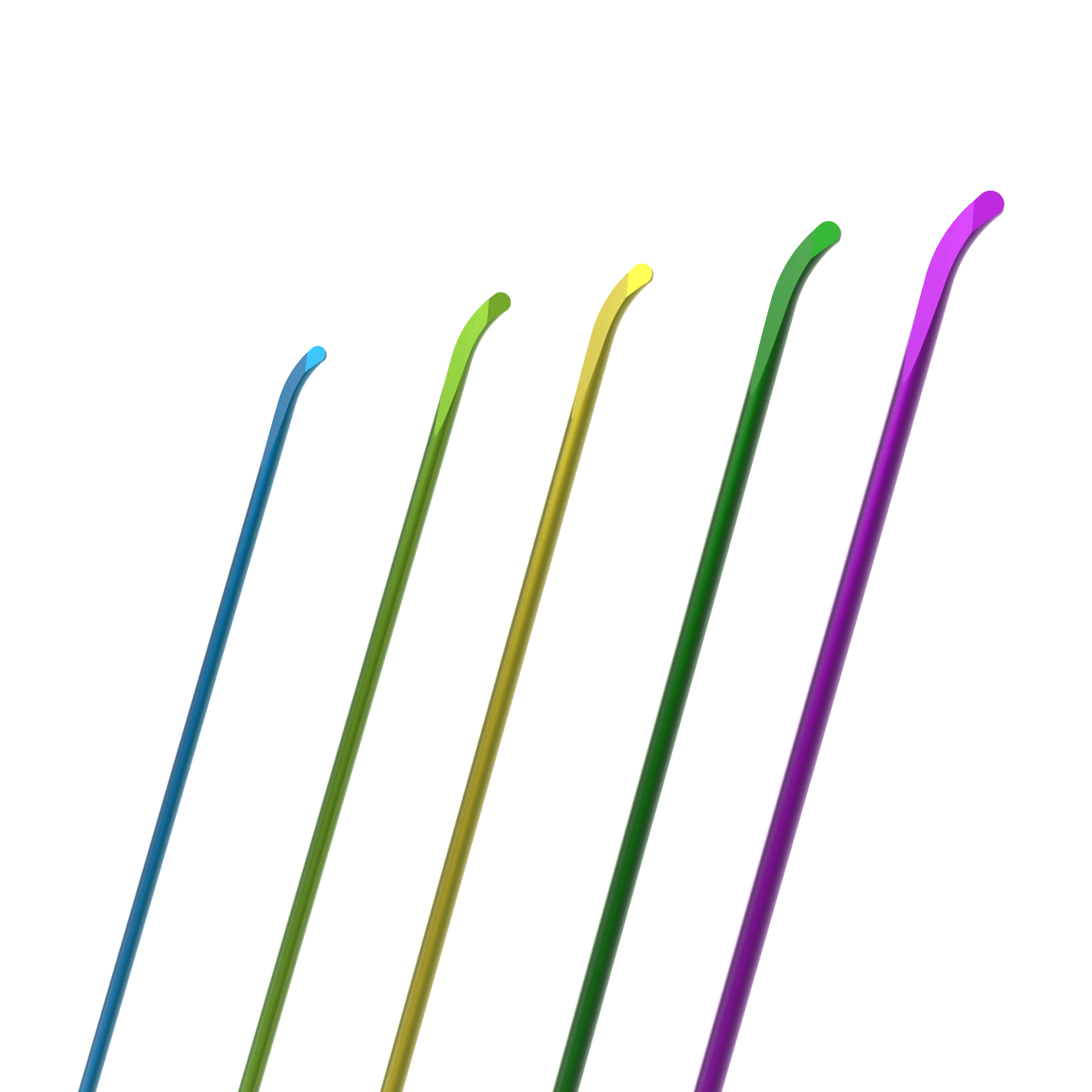
CANWELL Titanium Elastic Nails (TEN) Surgical Instrument Set
View Product DetailsZhejiang INAR Medical: Benchmark OEM/ODM Orthopedic Manufacturing
Operating a state-of-the-art 29,523 m² production center with over 632 medical-grade machining experts, delivering uncompromised quality for hospital groups and B2B distributors worldwide.
CE MDR & ISO 13485 Quality Standards
Every humerus plate and traumatology compression system manufactured at our Jinhua facility complies strictly with EU MDR 2017/745 and ISO 13485:2016 quality management frameworks. Implants undergo rigorous raw material testing, 3D optical dimensional verification, and cleanroom packaging to ensure clinical efficacy and patient safety.
13-Step Closed-Loop Precision Production
From longitudinal cutting of implant grade titanium bars (Ti-6Al-4V ELI) to 5-axis CNC high-speed milling, ultrasonic multi-stage bath degreasing, Type II anodization surface treatment, penetrant flaw testing, and ISO Class 7 aseptic packaging, our end-to-end control minimizes lead time while ensuring exact micro-tolerances.
Biomechanical Superiority of Humerus Locking Compression Plates (LCP)
An engineering and clinical analysis of fracture stabilization across proximal, diaphyseal, and distal humeral segments.
1. Anatomical Pre-Contouring vs. Intraoperative Stress Induction
The humerus presents a complex anatomical geometry characterized by a retroverted proximal head, a helical diaphysis through which the radial nerve courses, and a triangular distal articular segment flanked by medial and lateral epicondyles. Traditional Dynamic Compression Plates (DCP) required manual intraoperative contouring, a process that induced localized residual stress, compromised structural fatigue resistance, and increased surgical duration.
Modern China wholesale humerus plates factories utilize advanced 3D computed tomography (CT) modeling and finite element analysis (FEA) to pre-contour anatomical locking plates. Pre-contoured designs, particularly for Proximal Humerus Internal Locking Systems (such as PHILOS-type configurations) and Distal Humerus Parallel/Orthogonal Plating Systems, closely match bone surface morphology. This anatomical fit reduces intraoperative plate bending, preserves the periosteal blood supply by creating an "internal-external fixator" construct, and distributes biomechanical loads evenly along the bone-implant interface.
2. Fixed-Angle vs. Variable-Angle Polyaxial Locking Mechanics
The core mechanism of locking plate technology relies on threaded plate holes engaging with threaded screw heads, transforming the construct into a single rigid biomechanical unit. In osteoporotic bone or complex multi-fragmentary humeral head fractures, traditional rigid fixed-angle screws can suffer from limited directionality, risking joint penetration or failing to capture small tuberosity fragments.
| Biomechanical Feature | Monoaxial / Fixed-Angle Locking Systems | Polyaxial / Variable-Angle (VA) Systems (±15°) |
|---|---|---|
| Screw Trajectory Freedom | Predetermined vector perpendicular to plate plane. | Cone of rotation (up to 30° total trajectory deviation). |
| Calcar Screw Placement | Requires anatomical plate placement to hit inferior neck. | Independent angular adjustment to target optimal inferomedial bone stock. |
| Pull-Out Resistance in Osteopenia | High construct stiffness; prone to cut-out if unsupported. | Divergent/convergent screw patterns enhance subchondral anchors. |
| Primary Clinical Application | Simple diaphyseal & metaphyseal transverse fractures. | Complex 3-part / 4-part proximal fractures & osteoporotic bone. |
3. Calcar Support & Prevention of Varus Collapse
A crucial factor in proximal humerus fracture fixation is preventing varus collapse of the humeral head following reduction. Biomechanical studies demonstrate that placement of oblique inferomedial screws—commonly termed calcar screws—is the single most decisive factor in resisting primary compressive load and torsional shearing forces. Factory-engineered proximal humerus plates feature dedicated, convergent calcar screw holes engineered specifically to anchor into the dense subchondral bone of the inferior humeral neck.
Future Procurement Trends in Wholesale Orthopedic Implants (2025–2030)
How hospital purchasing groups, regional medical importers, and OEM brand owners can optimize total cost of ownership (TCO) and mitigate supply chain risk.
1. Regulatory Tightening & Factory Traceability
With the transition from EU MDD to EU MDR 2017/745 and stricter medical device registration requirements in LATAM, Southeast Asia, and the Middle East, distributors are shifting away from unverified trading entities toward direct factory partners. Modern sourcing strategies demand full batch-level raw material traceability (e.g., Titanium ISO 5832-3 / ASTM F136 certificates), validated sterilization barrier systems (Tyvek packaging), and complete technical documentation files (STED format) ready for local health authority submission.
2. Modular OEM/ODM Kit Customization
Hospitals increasingly prefer specialized, streamlined traumatology trays over bulky universal sets. Global procurement trends show a 40% increase in demand for customized humerus plate kits that pair specific anatomical plates (proximal, shaft, distal extra-articular) with color-coded self-tapping locking and cortex screws (2.7mm, 3.5mm, 4.0mm) in autoclavable aluminum alloy graphic cases.
3. Shift Toward Low-Profile & MIPO-Compatible Implants
Surgical preference is rapidly leaning toward Minimally Invasive Plate Osteosynthesis (MIPO) techniques to limit soft tissue disruption and preserve radial nerve integrity during humeral diaphyseal procedures. Sourcing channels are prioritizing low-profile plate designs featuring tapered plate ends, smooth anatomical contours, and targeted insertion guide instruments that facilitate percutaneous insertion.
4. TCO Optimization via China Manufacturing Hubs
With western orthopedic brands raising list prices due to inflationary pressures, China-based OEM manufacturing partners like Zhejiang INAR Medical provide a competitive cost framework without sacrificing raw material quality. By utilizing high-throughput Swiss-type CNC lathing and automated surface finishing, high-volume buyers can achieve up to 35-50% cost reductions per unit, vastly improving winning margins in competitive government hospital tenders.
Development Trends in Humerus Fixation System Design
Next-generation metallurgical surface enhancements, bio-interactive coatings, and digital manufacturing integration.
A. Advanced Surface Anodization (Type II Hard Anodizing)
Surface degradation and fretting wear at the screw-plate thread interface remain persistent challenges in heavy load-bearing orthopedic trauma implants. Advanced Chinese manufacturing facilities are implementing Type II Electro-Chemical Anodization. This process yields a dense titanium oxide surface layer that substantially increases surface hardness, drastically lowers micro-motion fretting debris release, improves fatigue strength by over 20%, and prevents cold welding (galling) during intraoperative screw removal.
B. Patient-Specific Contour Adaptability & 3D Titanium Printing
While mass-manufactured pre-contoured humerus plates fit over 92% of standard adult skeletal anatomical distributions, complex revision traumatology and severe bone defect reconstructive procedures require custom solutions. Leading humerus plate factories are integrating Selective Laser Melting (SLM) additive manufacturing to produce patient-specific titanium implants featuring porous lattice structures (porosity 60–70%, pore size 300–500 µm) that stimulate direct osseointegration.
C. Hybrid Biomaterial Fixation: Carbon-PEEK vs. Titanium Alloy
In pathological humerus fractures secondary to bone metastases or severe radiolucency requirements, traditional titanium plates can cause radiopaque artifact interference during postoperative CT/MRI imaging. The industry is currently witnessing early-stage clinical trial deployment of carbon-fiber-reinforced polyetheretherketone (CFR-PEEK) humerus plates, offering elastic modulus values closely matched to native cortical bone (~18 GPa), eliminating stress shielding, and enabling clear artifact-free oncological imaging follow-ups.
Why Source From Zhejiang INAR Medical Co., Ltd.?
In-house manufacturing capabilities, stringent quality assurance labs, and comprehensive export logisitics experience.
In-House Machining & Inspection Fleet
- Swiss High-Precision Lathes: 5-axis CNC machining centers for micro-thread precision on locking holes.
- 3D Optical Coordinate Measuring Machines (CMM): Automated non-contact dimensional inspection for complex plate curvatures.
- Penetrant Flaw Testing (NDT): 100% surface defect inspection following polishing and sand-blasting steps.
- Mechanical Testing Laboratory: Onsite dynamic endurance fatigue testers operating per ASTM F382 standards.
Global Distribution & OEM Service Capabilities
- Private Labeling & Laser Marking: Custom logos, UDI barcode marking, lot numbers, and color-coded size indexing.
- Aseptic Cleanroom Packaging: ISO Class 7 cleanroom sealing in double Tyvek peelable blister packs.
- Regulatory Support Dossiers: Complete CE, ISO 13485, Free Sales Certificates (FSC), and chemical testing reports.
- Export Experience: Over 13 years supplying distributors across Europe, South America, Asia, and Africa.
Frequently Asked Questions (FAQ) for Wholesale Buyers
Key technical, regulatory, and commercial answers for orthopedic importers and hospital procurement teams.
Partner with a Certified Orthopedic Manufacturing Leader
Request product catalogs, surgical technique guides, sample evaluation units, or competitive factory pricing for your regional distribution network.