Precision Engineering in Wholesale Orthopedic Manufacturing
In modern traumatology, Locking Compression Plate (LCP) systems represent the gold standard for stabilizing complex comminuted, periarticular, and osteoporotic fractures. As international hospital procurement groups, medical device brand owners, and OEM distributors seek robust global supply chain resilience, partnering with a fully certified Chinese manufacturing factory offers unparalleled advantages in precision machining, cost efficiencies, and rapid scale.
Operating from our SGS-verified 29,523 m² facility, our enterprise integrates raw material inspection, multi-axis CNC Swiss precision machining, automated electrolytic anodization, dynamic fatigue testing, and ISO Class 7 (Class 100,000) cleanroom aseptic packaging under one roof. By eliminating third-party sub-contracting risks, we ensure that every batch of titanium locking plates adheres strictly to ISO 13485 quality standards and international mechanical testing requirements (ASTM F382 / ISO 14801).
Flagship Trauma & Surgical Implant Systems
Explore our wholesale-ready orthopedic implant portfolio. Every system is fully customizable via private-label OEM/ODM contracts with complete technical documentation for global regulatory registration.
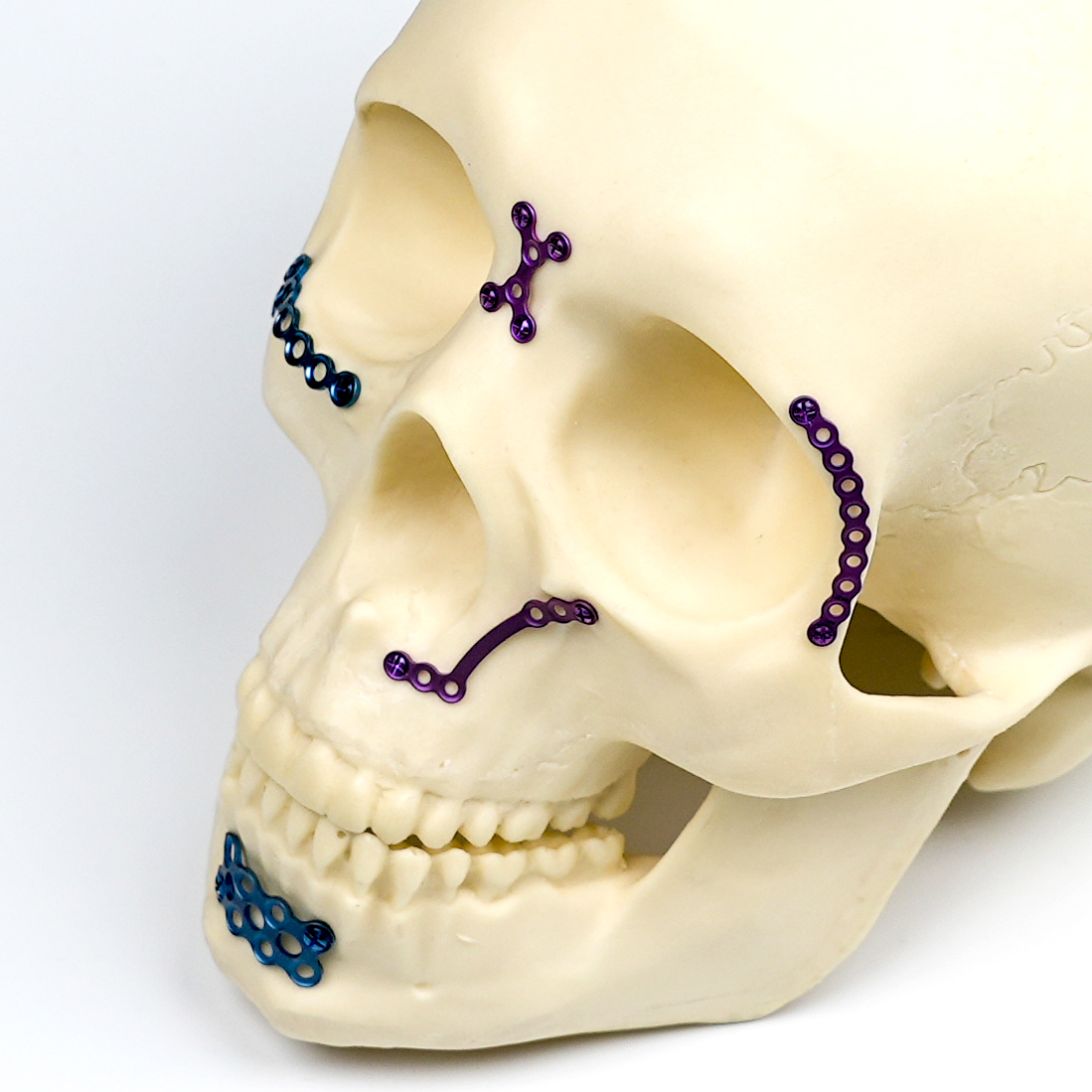
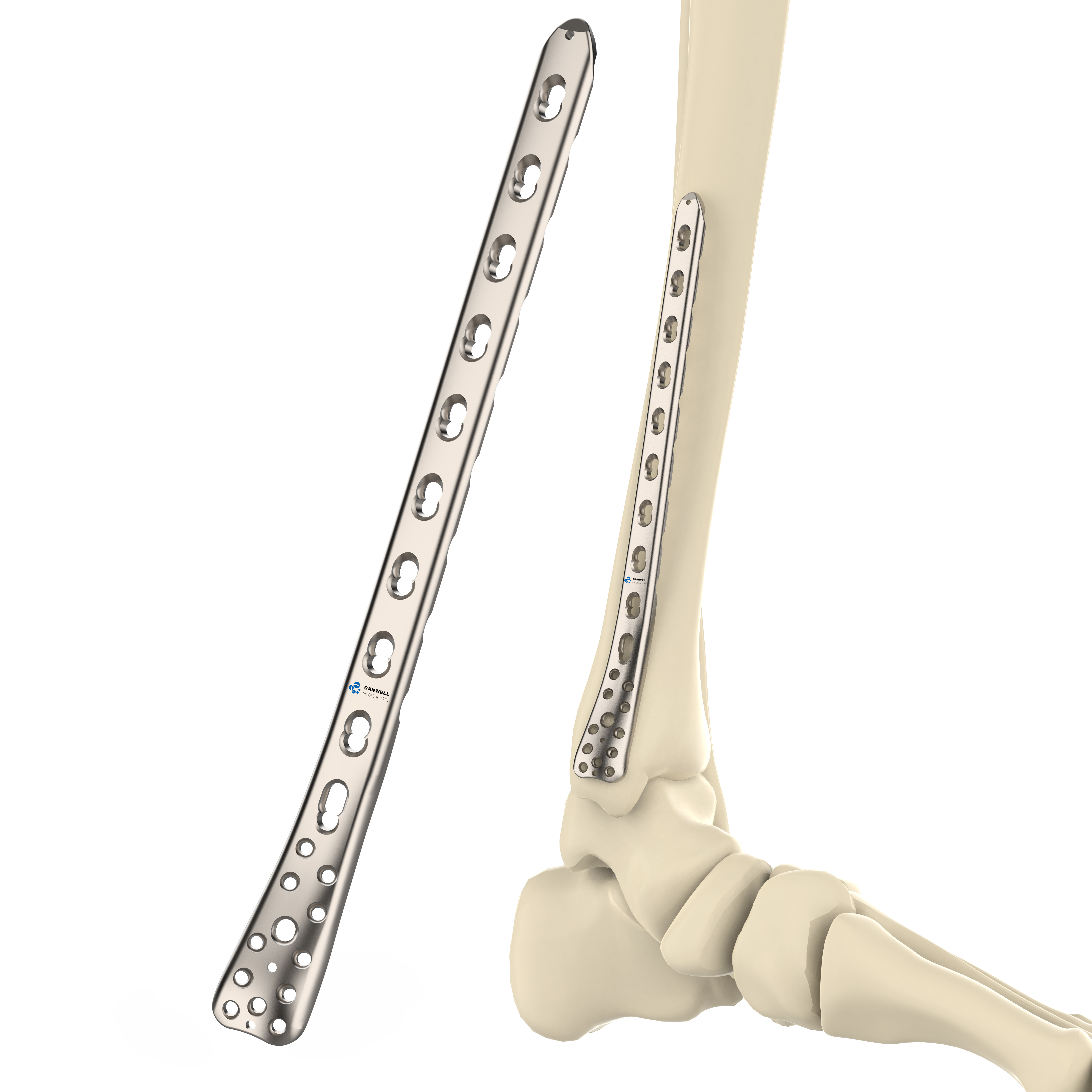
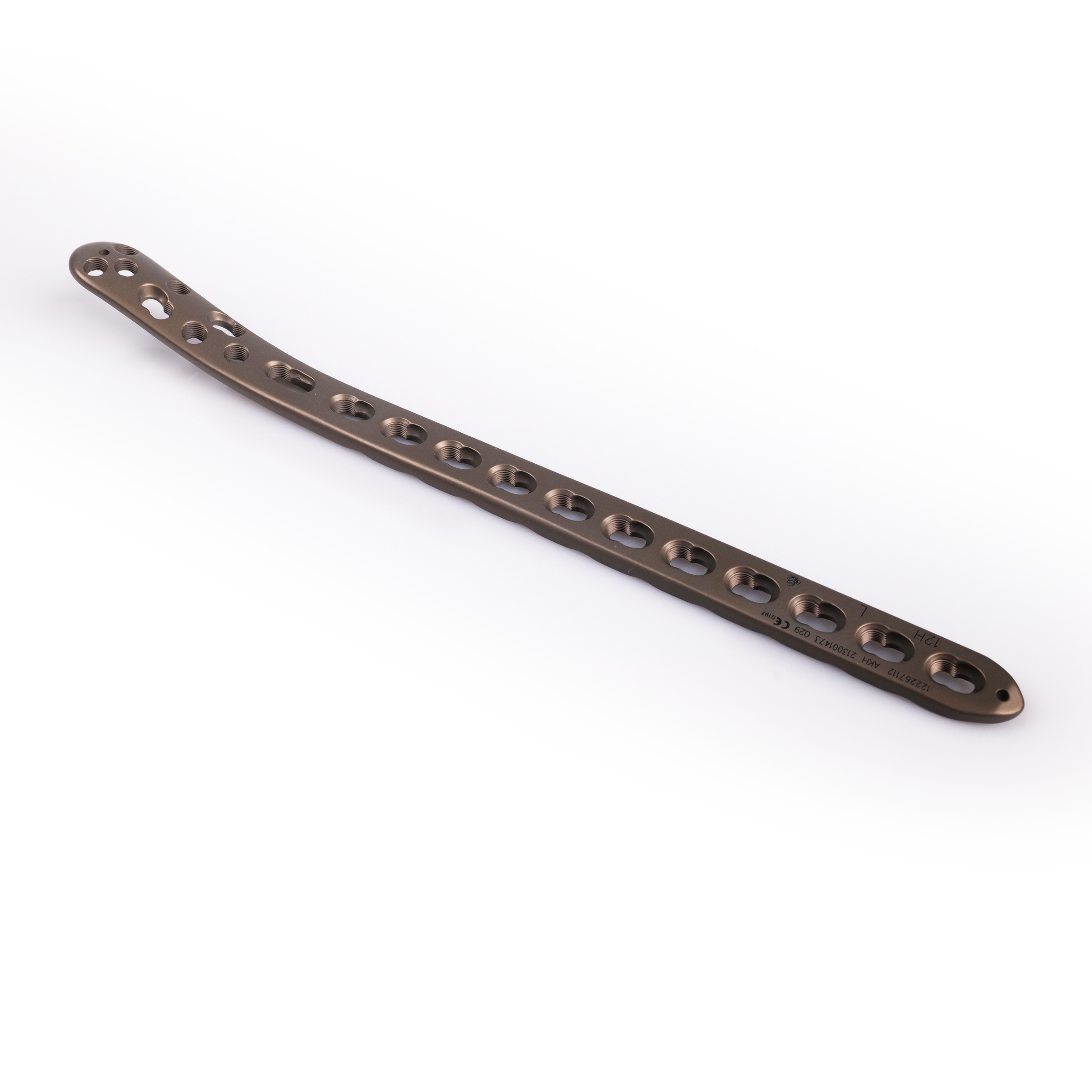
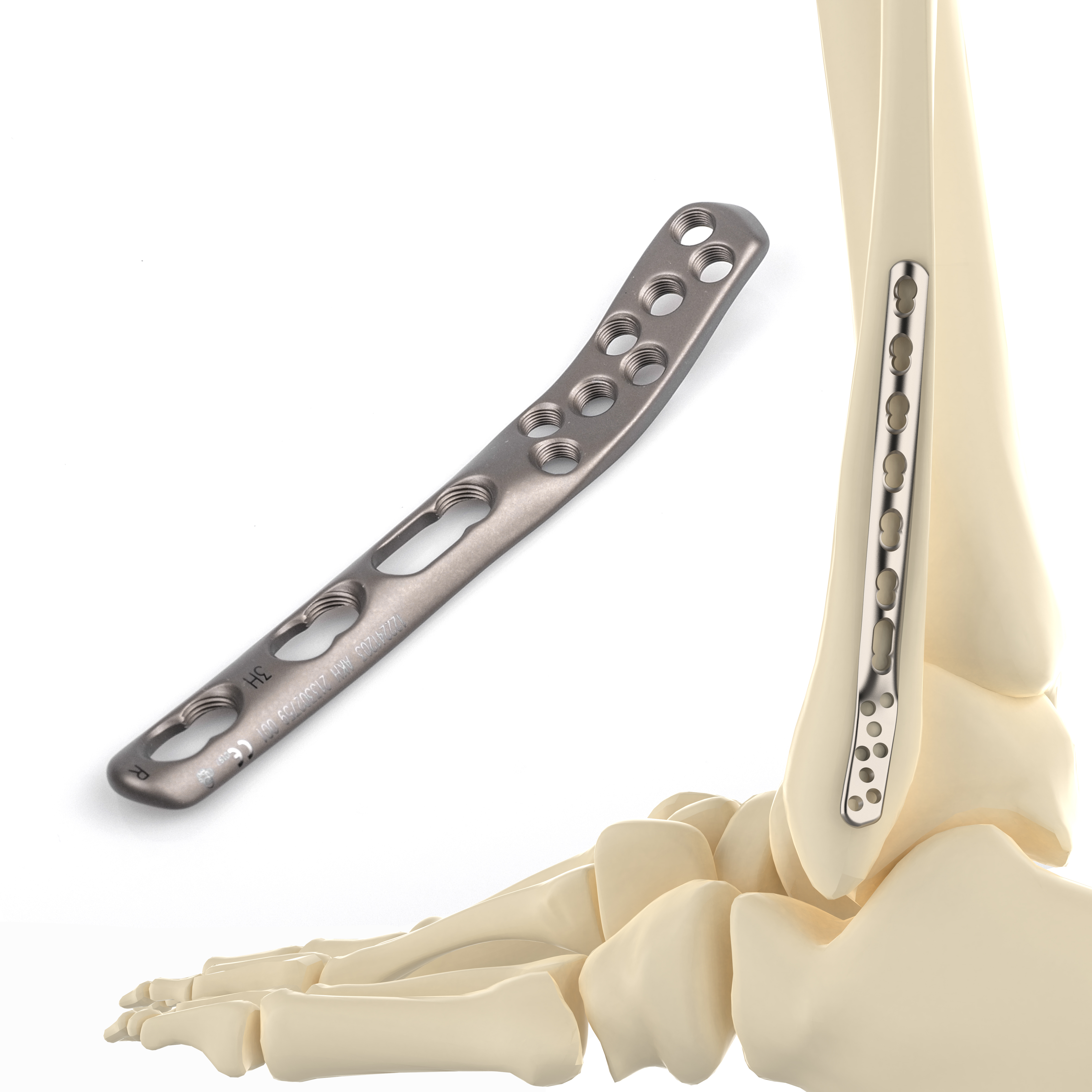
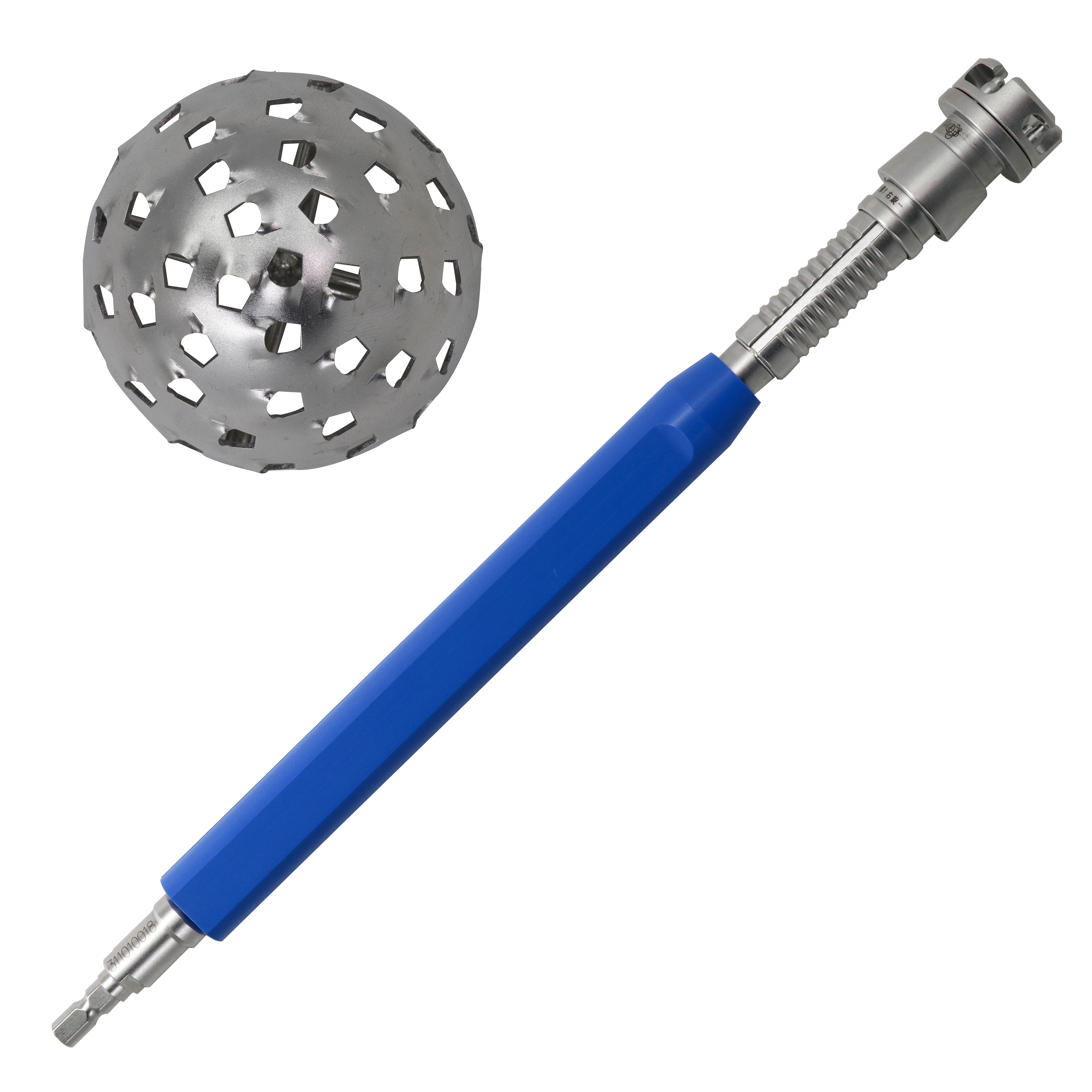
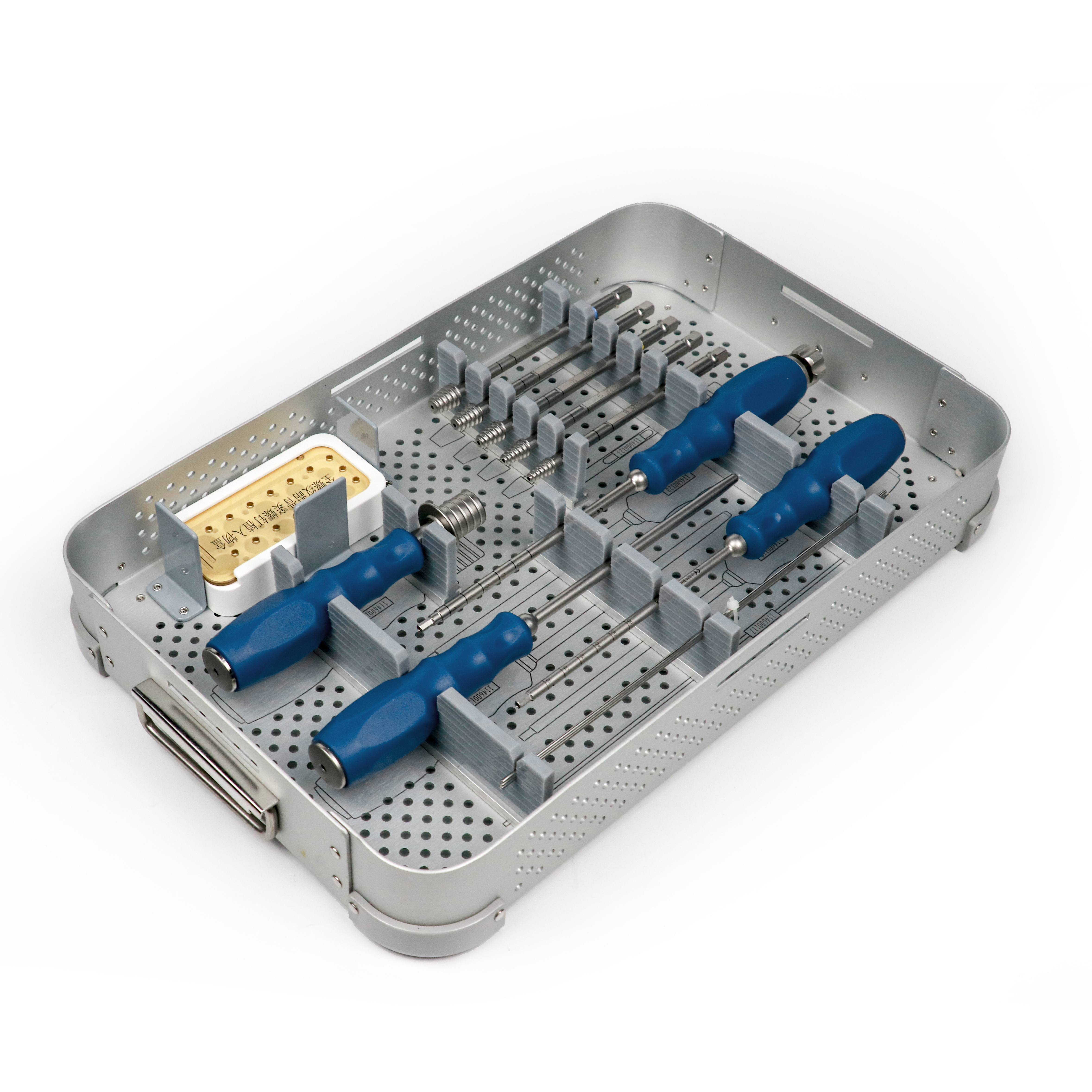
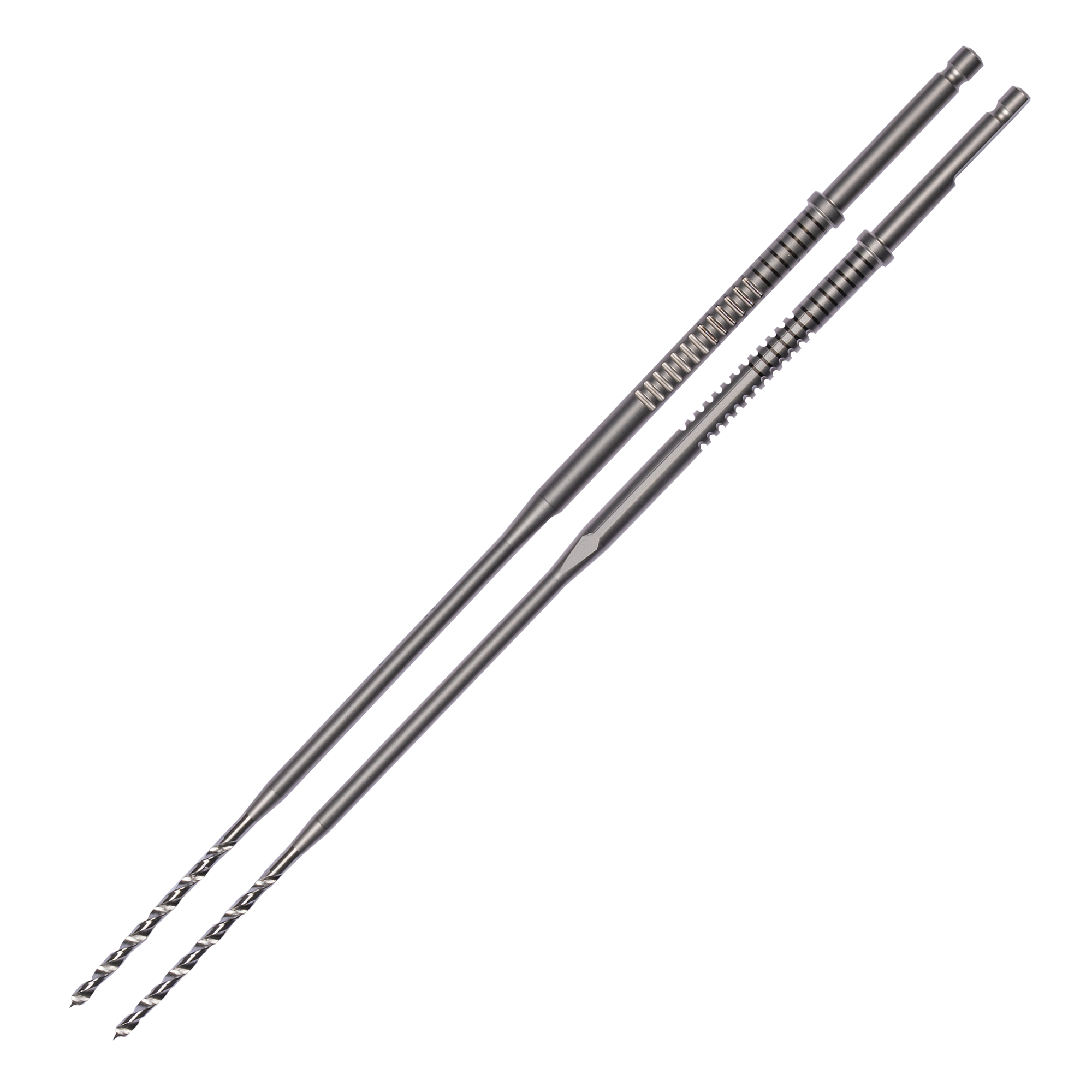
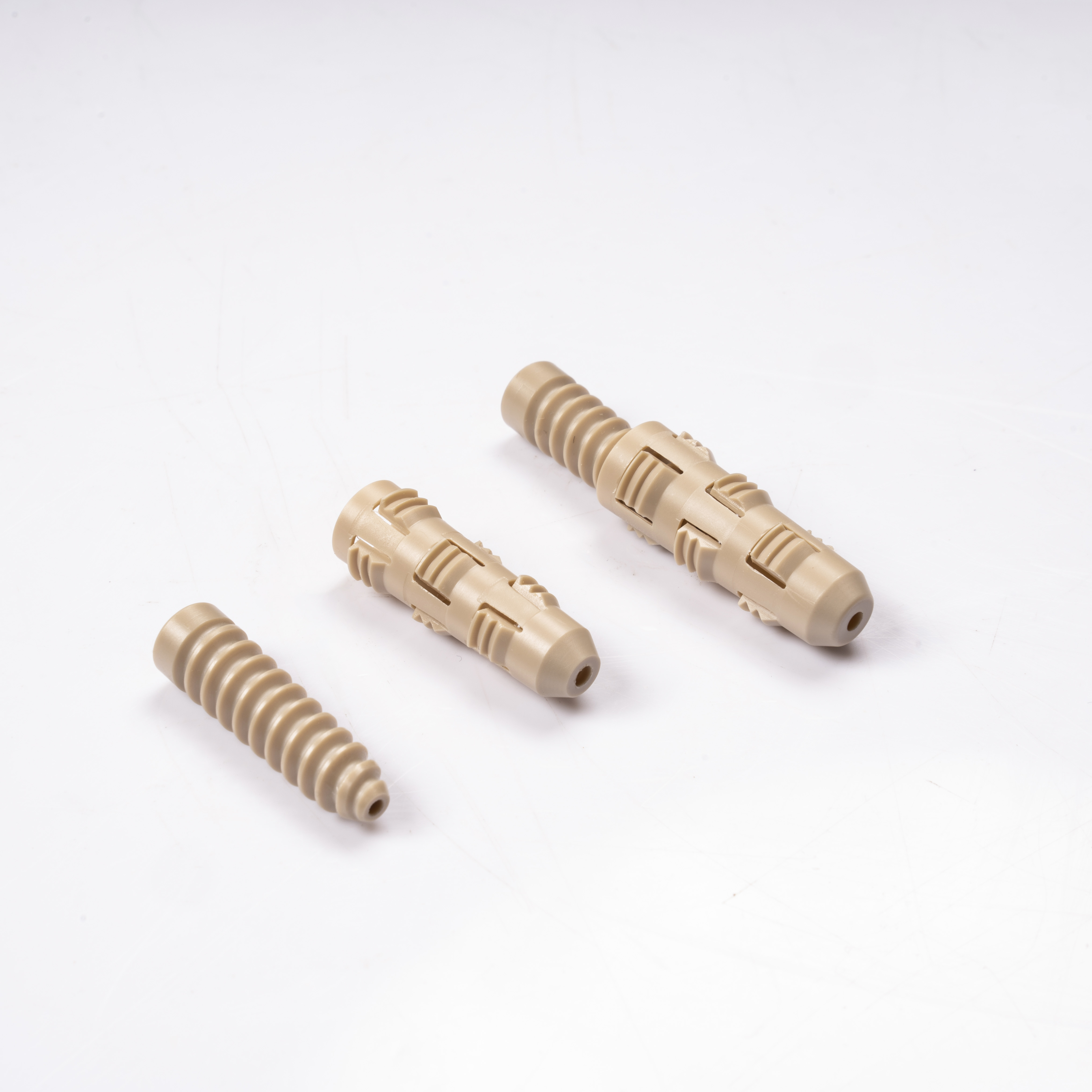
Evolution of Locking Plate Technology: Mechanical Innovations
The transition from conventional dynamic compression plates (DCP) to modern Locking Compression Plates (LCP) has revolutionized fracture management. By creating a fixed-angle construct, locking plates act as external fixators internally, preserving periosteal blood supply and eliminating reliance on plate-to-bone friction.
Monoaxial vs. Polyaxial / Variable-Angle (VA) Locking
Traditional monoaxial locking systems utilize threaded plate holes that force screws along a predetermined trajectory. Modern advances developed by leading Chinese factories feature Polyaxial Variable-Angle (VA) technology. Utilizing hardened Grade 5 Titanium (Ti-6Al-4V ELI), surgeons can trajectory-steer locking screws up to ±15° off-axis, allowing targeted intraarticular fracture fixation without compromising angular stability or thread engagement.
Dynamic Compression Unit (DCU) & Combi-Holes
Advanced wholesale locking plates incorporate the standardized Combination (Combi) Hole architecture. One half of the hole features threaded geometry for locking screws to provide rigid stability, while the adjacent non-threaded dynamic compression ramp accepts standard cortical screws to achieve interfragmentary axial compression prior to final locking construct assembly.
Surface Treatments & Metallurgical Integrity
To prevent cold welding between titanium locking screws and plate threads under severe cyclic load, our factory applies Type II Electrochemical Anodization (AO Standard) and precision surface passivation. This process enhances surface micro-hardness, drastically reduces fretting corrosion, and improves fatigue life by over 35% compared to untreated titanium alloys.
Comparative Matrix: Orthopedic Locking Plate Systems
| Implant System Type | Core Material Standard | Biomechanical Indication | Screw Trajectory Control | Fatigue Limit (ASTM F382) |
|---|---|---|---|---|
| Standard Monoaxial LCP | Ti-6Al-4V ELI (ISO 5832-3) / 316LVM | Diaphyseal & Simple Metaphyseal Fractures | Fixed Trajectory (0° Angular Deviation) | > 1,000,000 Cycles @ 1.2 Nm |
| Variable-Angle Polyaxial LCP | Ti-6Al-4V ELI + Type II Anodization | Complex Periarticular & Comminuted Fractures | Polyaxial Cone (Up to ±15° Trajectory) | > 1,000,000 Cycles @ 1.5 Nm |
| Anatomical Mini-Fragment LCP | Grade 4 Pure Titanium / Grade 5 Alloy | Distal Radius, Fibula, Hand & Foot Trauma | Pre-contoured Anatomical Fit | High Ductility / Contour Matching |
| CMF Maxillofacial Plate System | ASTM F67 Pure Titanium (Grades 1-4) | Midface & Mandibular Reconstructive Surgery | Low-Profile / Micro-Screw Fixation | Optimized Bio-malleability |
Future Procurement Trends for Global B2B Locking Plate Buyers (2025–2030)
Understanding shifting regulatory landscapes, technological convergence, and supply chain dynamics is vital for medical device brand managers, purchasing directors, and tender suppliers.
1. Mandatory Transition to EU MDR (2017/745) & Stringent Clinical Traceability
Global regulatory bodies have significantly raised the compliance bar. Importers are moving away from suppliers offering basic CE certification under legacy 93/42/EEC directives toward accredited manufacturers with EU MDR (2017/745) approval. Future-proof Chinese factories provide comprehensive Technical Documentation Files (TDF), clinical evaluation reports (CER), Unique Device Identification (UDI) laser marking, and complete raw material heat-lot traceability from ingot to final sterile pouch.
2. Preference for Complete Surgical Solution Kits over Standalone Implants
Hospitals and tender boards increasingly reject fragmented sourcing. The market demands integrated procurement where titanium locking plates are delivered alongside fully matched, ergonomic surgical instrument sets (AO quick-coupling drills, torque-limiting screwdrivers, drill guides, and depth gauges) housed in custom anodized sterilization trays.
3. Adoption of Sterile Single-Pack Medical Implants
To prevent cross-contamination and reduce hospital sterilization overheads, global demand is shifting toward factory-sealed Gamma or Ethylene Oxide (EO) sterilized individual packaging. Leading Chinese export suppliers have established ISO Class 7 cleanrooms capable of delivering double-pouch blister packaging with 5-year shelf-life stability validation.
4. Flexible OEM/ODM Customization & Rapid Rapid-Prototyping
As trauma surgery moves toward patient-specific implants (PSI) and anatomical pre-contouring refinements, top-tier factories utilize 3D CAD modeling and automated 5-axis CNC machining centers. This allows international brand owners to order tailored plate geometries, specialized color anodization, and custom laser-etched branding with low Minimum Order Quantities (MOQs).
Frequently Asked Questions: Sourcing Locking Plates from China
Direct answers to critical technical, quality control, and regulatory questions raised by international procurement managers.
We strictly utilize medical-grade raw materials conforming to international implants standards: Titanium Alloy Ti-6Al-4V ELI (ASTM F136 / ISO 5832-3), Commercially Pure Titanium (ASTM F67), and High-N 316LVM Stainless Steel (ASTM F138). Every raw material lot undergoes chemical composition spectrometry and tensile testing prior to CNC machining.
Our manufacturing plant operates under a audited ISO 13485:2016 Quality Management System. Our primary trauma locking plate systems and sports medicine implants hold CE Certification under EU MDR / 93/42/EEC directives, validated through third-party onsite supplier assessments conducted by SGS Group.
Yes. We provide complete OEM/ODM solutions, including custom plate contour design, tailored screw pitch engineering, customized anodization color-coding, laser-etched UDI/logo placement, and graphic sterilization tray production based on customer technical drawings or sample parts.
Plates undergo rigorous 4-point dynamic bending fatigue testing according to ASTM F382 standards in our in-house mechanical testing laboratory. Plates must endure over 1,000,000 cyclic loading stress tests without crack initiation, plastic deformation, or thread stripping.
Standard inventory items ship within 7–10 business days. For customized OEM production orders or large tender quantities, typical lead times range from 30 to 45 days, including CNC machining, surface treatment, quality inspection, cleanroom packing, and export documentation.
Absolutely. We provide authorized distributors with full Dossier Packages, including Certificates of Analysis (CoA), Materials Test Certificates, ISO 13485 certificates, CE Declarations of Conformity (DoC), device master files, and sterilization validation reports required by local Ministries of Health.
Partner with China's Premier Locking Plate Manufacturer
Accelerate your market expansion with certified orthopedic trauma implants, factory-direct OEM pricing, and complete regulatory support. Request our detailed 2025 product catalog and technical specifications today.
Get Catalog