Featured Orthopedic & Surgical Instrument Systems
Factory-direct medical-grade titanium and stainless steel instrumentation sets engineered for trauma, CMF, and spinal reconstruction procedures.
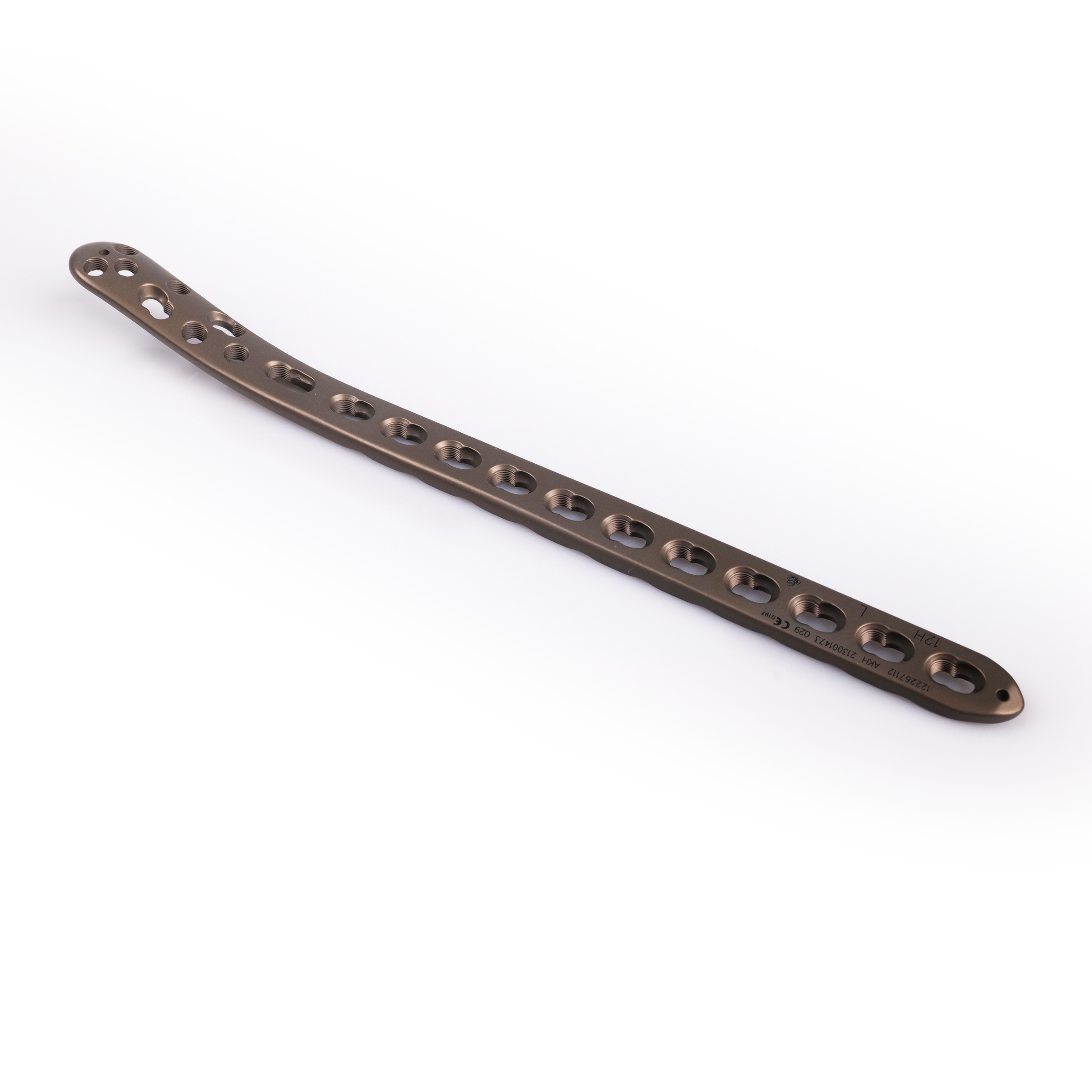
CANWELL Distal Medial Tibial Locking Plate Titanium Orthopedic Trauma Implant for Bone Fracture Fixation CE ISO OEM
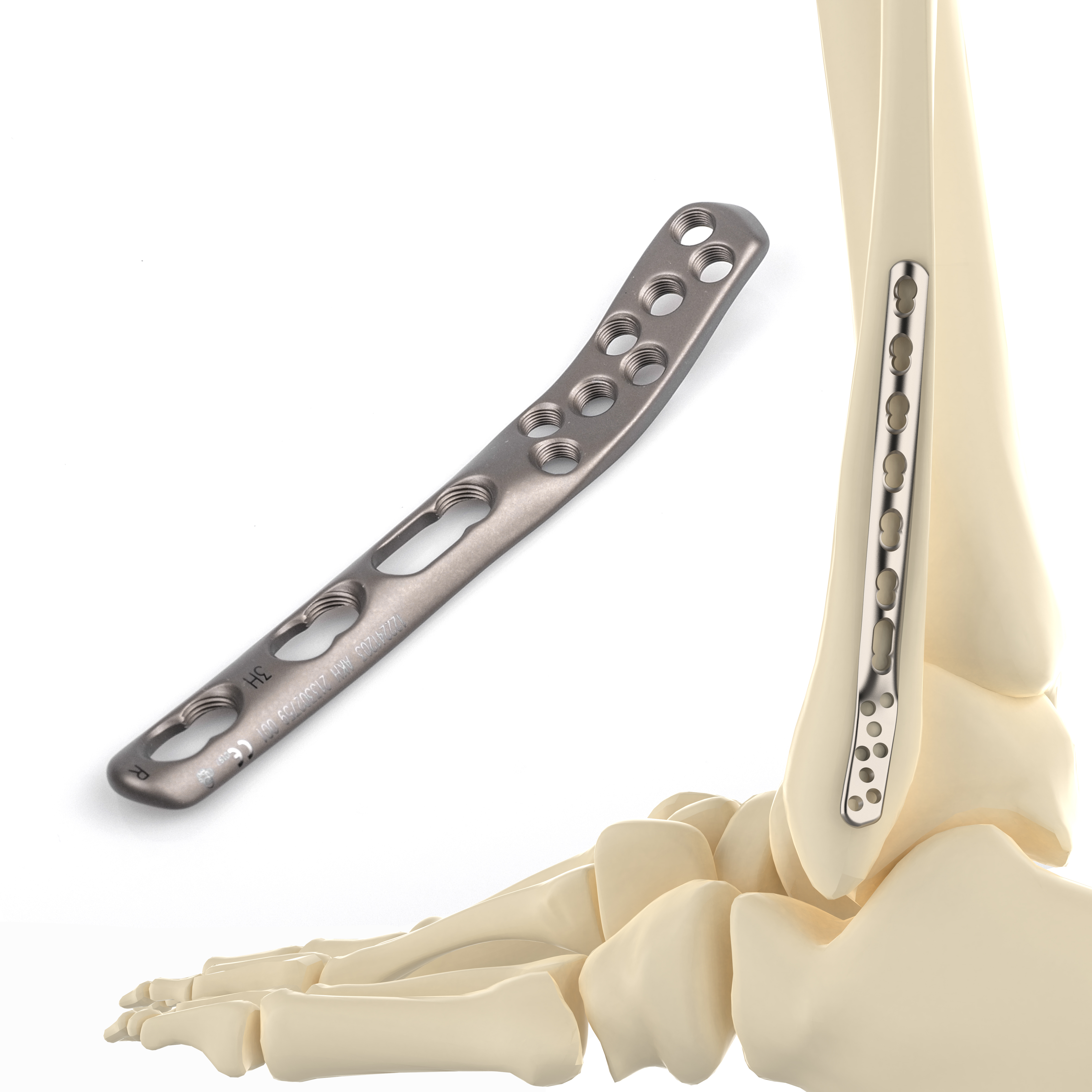
CANWELL Fibula Plate Titanium Posterolateral Distal Fibula Locking Plate 2.7/3.5mm Screw System Orthopedic Implant Manufacturer
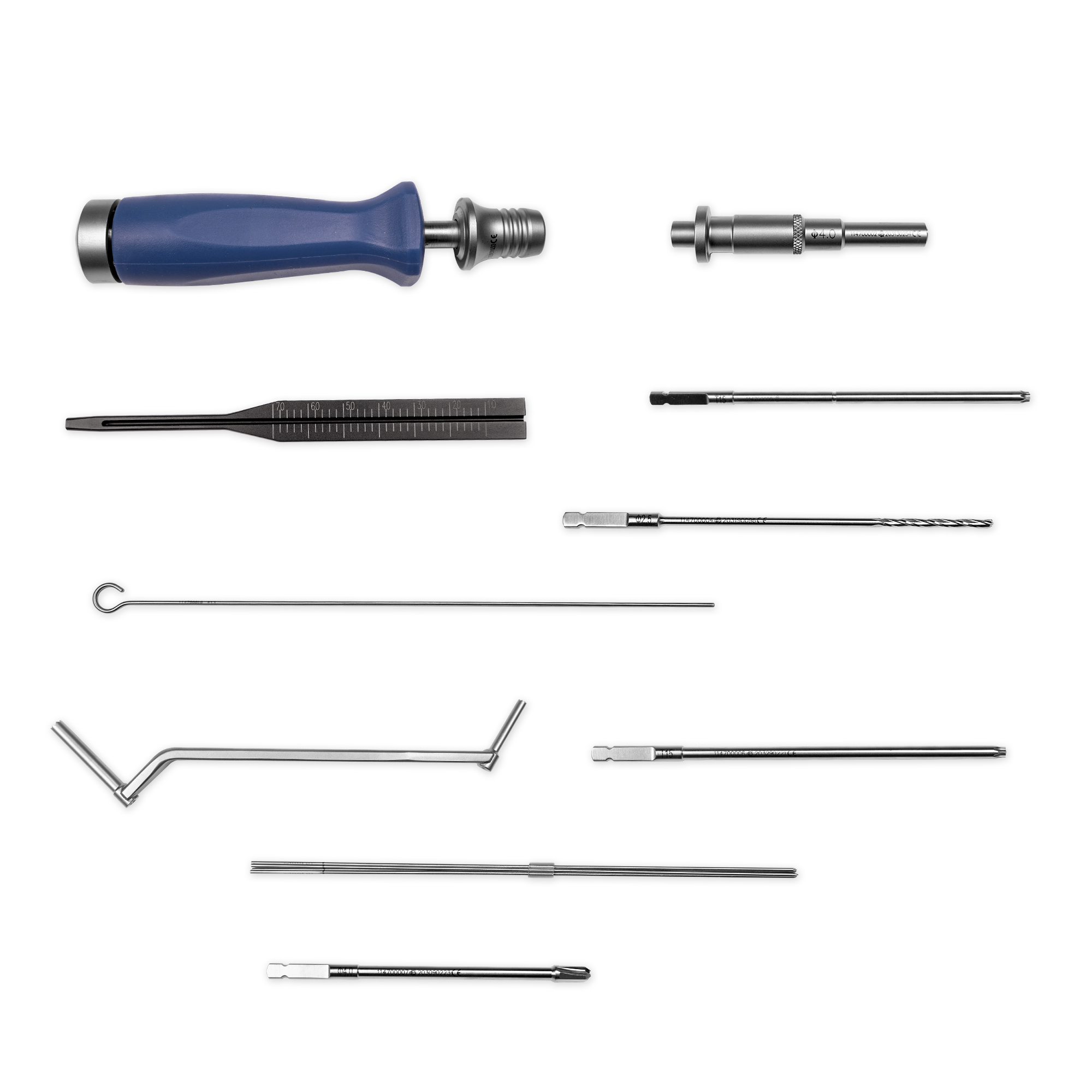
CANWELL Medical Orthopedic Instrument Set Manual Metal Torque Adapter Quick Coupling Handle Torque Limiter Ratchet Handle
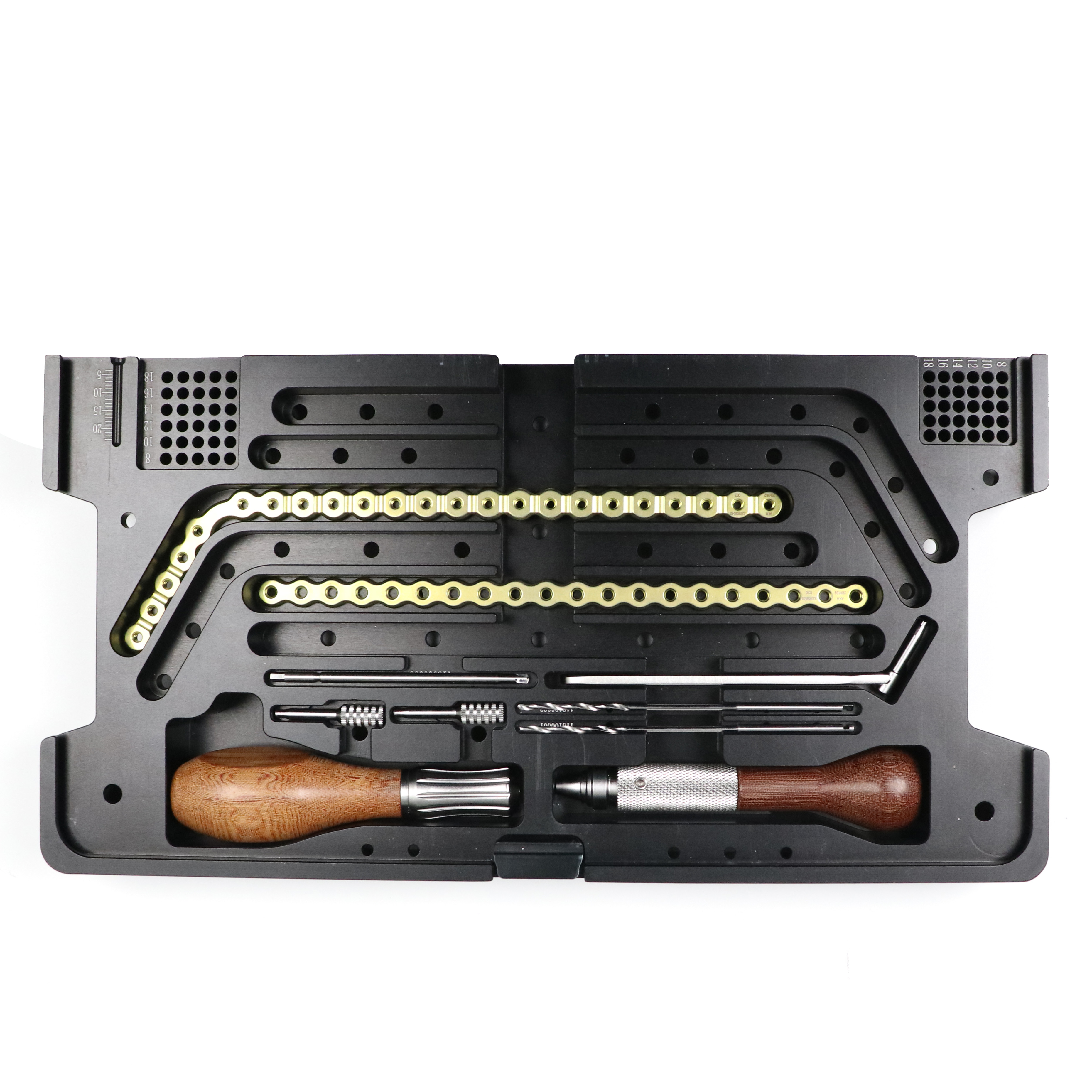
CANWELL Maxillofacial Surgery Instrument Set Maxillofacial Drill Surgery Kit Bone Fixation Screwdriver Titanium Mesh Plate
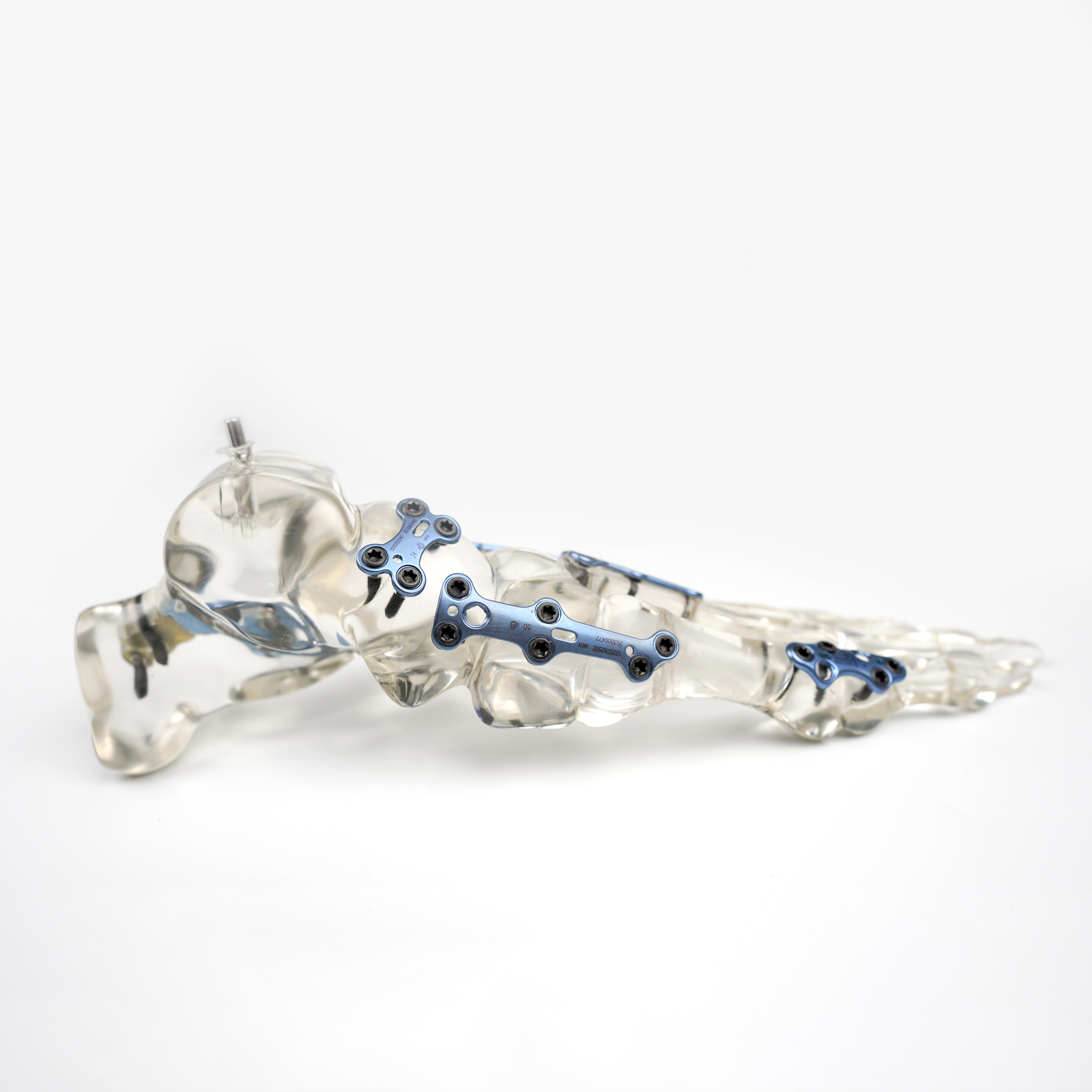
Orthopedic Implants for Foot and Ankle System Hind Foot Reconstruction Trauma Implants Locking Plate
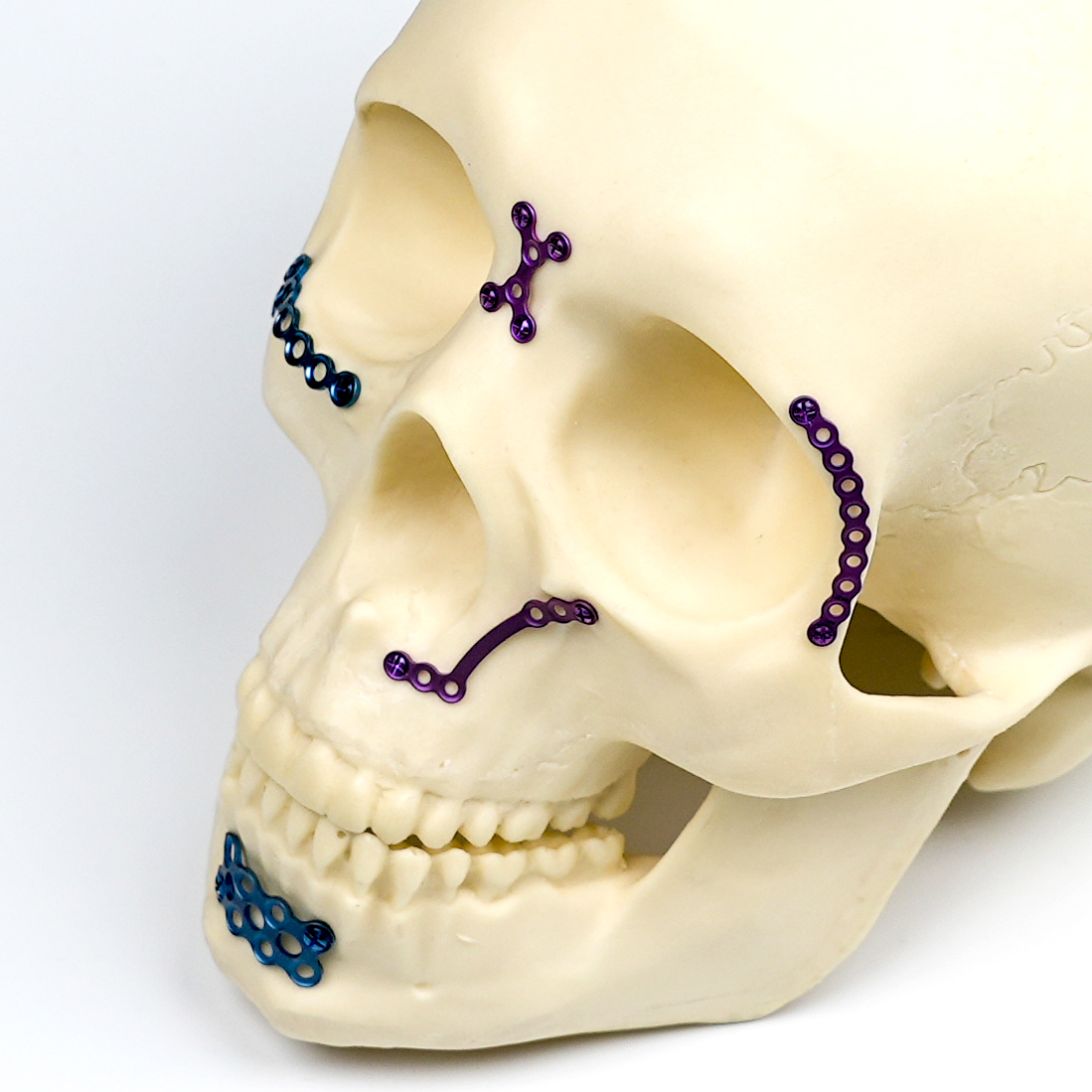
CANWELL CMF Titanium Maxillofacial Plate and Screw System for Facial Fracture Oral and Maxillofacial Surgery OEM Supplier
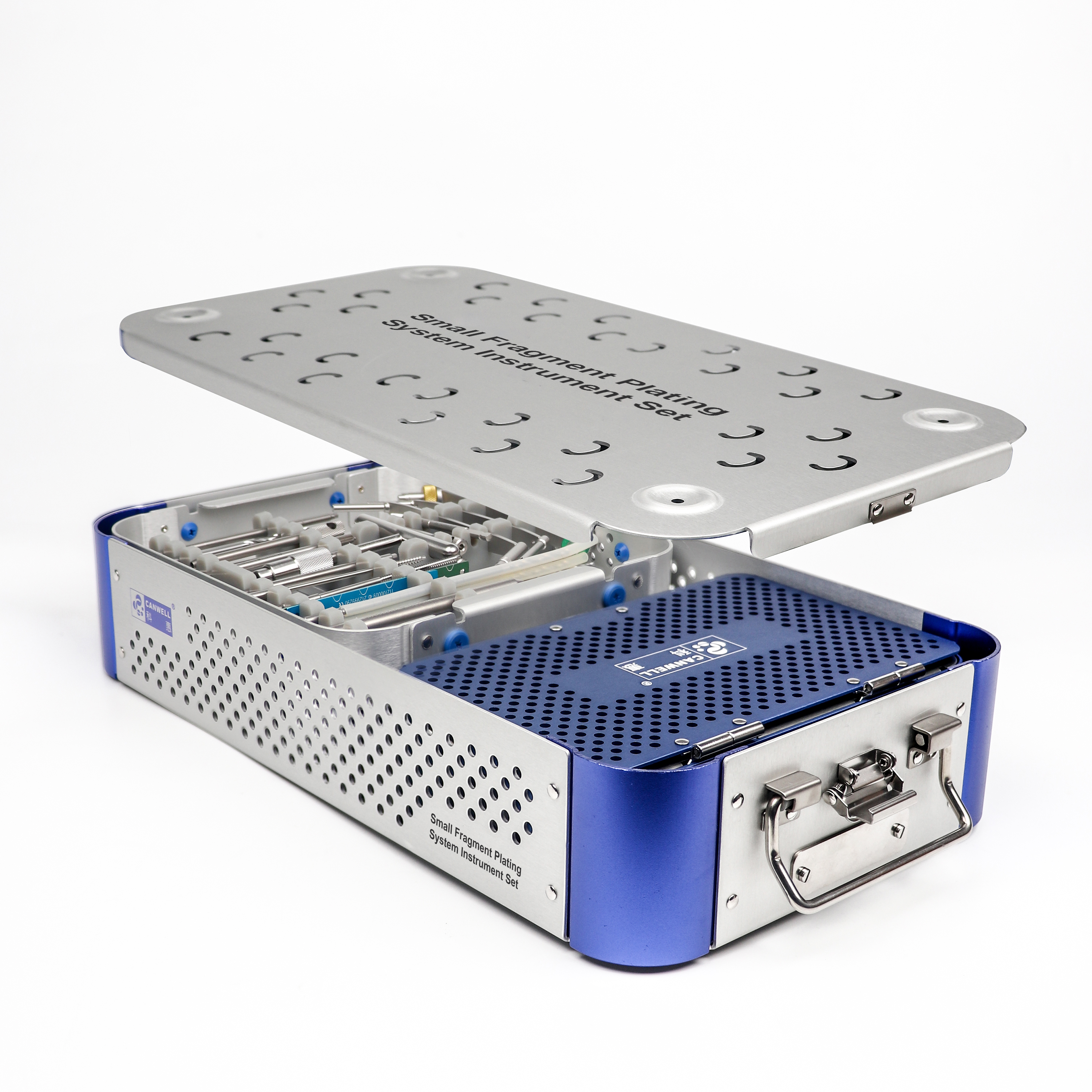
CANWELL Small Fragment Orthopedic Instrument Set Basic Surgical Instruments Traumatology Instruments
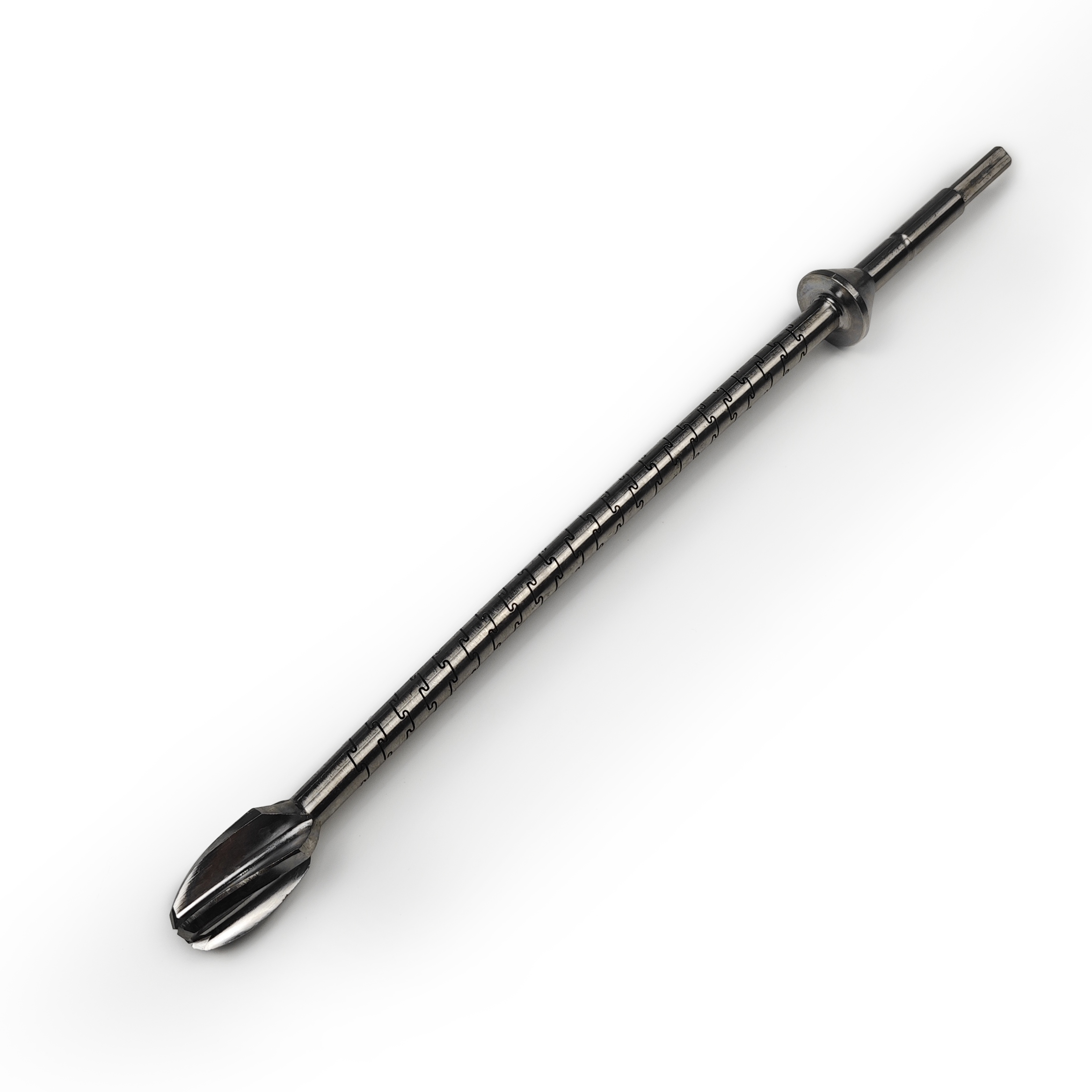
CANWELL Flexible Reamer Sterilization Box Surgical Orthopedic Instrument for Femoral Tibial Humeral Intramedullary Nail Surgery
Engineering Principles & Metallurgy in Modern Spinal Fusion Sourcing
An authoritative technical analysis of manufacturing tolerances, biocompatibility standards, and biomechanical requirements for international B2B purchasers.
1. Metallurgical Excellence & Material Science Standards
In the domain of spinal fusion surgery—encompassing Anterior Cervical Discectomy and Fusion (ACDF), Posterior Lumbar Interbody Fusion (PLIF), Transforaminal Lumbar Interbody Fusion (TLIF), and Minimally Invasive Spine (MIS) surgery—the mechanical performance of surgical instruments and temporary/permanent implants depends strictly on raw material purity. Premium Chinese manufacturers like Zhejiang INAR Medical Co., Ltd. enforce rigorous metallurgical controls aligned with ASTM and ISO clinical specs.
Spinal instrumentation sets demand high yield strength, superior fatigue resistance, and absolute resistance to stress-corrosion cracking during repeated autoclave sterilization cycles. Key materials utilized in manufacturing include:
- Ti-6Al-4V ELI (ASTM F136 / ISO 5832-3): Extra Low Interstitial Titanium alloy used extensively in pedicle screws, spinal rods, and cross-links due to its exceptional strength-to-weight ratio, biological inertness, and modulus of elasticity closer to human cortical bone than stainless steel.
- PEEK OPTIMA (ASTM F2026): Polyetheretherketone polymers used for interbody fusion cages, offering radio-translucency for postoperative fusion monitoring via X-ray and CT, with mechanical stiffness matching cancellous bone.
- Custom 455 / 17-4PH Stainless Steel (ASTM F899): Martensitic precipitation-hardening stainless steels selected for high-torque spinal screwdrivers, rod benders, retractor blades, and torque-limiting handles where extreme torsional rigidity and wear resistance are paramount.
| Material / Grade | Tensile Strength (MPa) | Yield Strength (MPa) | Primary Clinical Application | Sterilization Tolerance |
|---|---|---|---|---|
| Ti-6Al-4V ELI (Grade 23) | ≥ 860 | ≥ 795 | Pedicle Screws, Connectors, Rods | Gamma, ETO, Autoclave (>500 cycles) |
| PEEK-OPTIMA Natural | 90 - 100 | ≥ 110 (Compressive) | Cervical & Lumbar Interbody Cages | Autoclave, Steam, ETO |
| 17-4 PH Stainless Steel | ≥ 1070 | ≥ 1000 | Surgical Retractors, Rod Benders | Autoclave, Chemical Passivation |
| X20Cr13 / German Stainless | ≥ 750 | ≥ 550 | Bone Forceps, Curettes, Chisels | High-Pressure Steam Autoclave |
E-E-A-T Sourcing Metric: Zhejiang INAR Medical Co., Ltd. conducts 100% spectral raw material verification, ultrasonic flaw detection, and penetrant testing prior to CNC machining. Every batch of spinal fusion instruments is fully traceable to its material melt certificate (CoA), guaranteeing regulatory compliance under EU MDR 2017/745 and US FDA 510(k) auditing standards.
2. Technological Trends & Future Innovations in Spinal Instrumentation (2025–2030)
The global spinal fusion market is shifting rapidly from traditional open surgery toward Minimally Invasive Surgical (MIS) techniques and navigation-assisted robotic procedures. Sourcing partners must align with manufacturers investing in these core technological shifts:
A. MIS & Percutaneous Pedicle Screw Instrumentation
Minimally invasive spine procedures require longer, cannulated pedicle screws combined with specialized extended-sleeve towers, percutaneous rod insertion guides, and radiolucent tubular retractors. Modern OEM instrument sets incorporate quick-coupling torque limiters and anti-torque sleeves engineered to prevent construct displacement during final set-screw tightening.
B. 3D Printed Porous Titanium & Hybrid Interbody Implants
Traditional solid PEEK cages are increasingly augmented or replaced by Additive Manufacturing (3D printing) direct-metal laser sintering (DMLS) titanium cages. These implants feature biomimetic trabecular structures with 60-80% porosity that promote rapid osseointegration and bone ingrowth, eliminating the need for extensive autResolved bone grafting.
C. Robotics & Navigation-Ready Geometry
Next-generation spinal fusion instruments are integrated with optical or electromagnetic navigation markers. CNC tolerances for screwdrivers, drills, and taps must meet sub-10-micron precision (±0.005mm) to prevent rotational deflection when picked up by surgical robotic arms during image-guided pedicle preparation.
3. Global Sourcing Trends & Supply Chain Optimization
Overseas medical device distributors, brand owners, and hospital procurement groups are altering their supply chain strategies to maintain margin stability and quality assurance. Sourcing from China wholesale manufacturers has evolved from pure cost-reduction to strategic technological partnership.
Turnkey OEM/ODM Co-Development
Distributors are moving away from stock catalogs toward customized instrument tray layouts, ergonomic silicone handle color-coding, and laser-etched branding tailored to local surgical preferences.
Consolidated Supply Chains
Procurement teams prefer single-source manufacturers like INAR Medical capable of supplying trauma plates, CMF systems, sports medicine, and spinal fusion tools with matching sterilization containers.
Strict MDR Regulatory Support
With EU MDR enforcing stringent clinical evaluation and technical file audits, suppliers must provide full bio-compatibility testing, fatigue data, and cleanroom verification reports.
Why Partner with Zhejiang INAR Medical Co., Ltd.?
SGS-Verified Orthopedic Implant & Instrument Manufacturer in Jinhua, Zhejiang, China.
22+ Years Manufacturing Precision
Operating a modern 29,523 m² production plant with 632 skilled personnel, specialized CNC Swiss-lathes, 5-axis machining centers, and automated passivation lines.
Full Regulatory Certification
Verified onsite by SGS Group. Certified under CE MDR (EU 2017/745), Medical Device Directive 93/42/EEC, and ISO 13485:2016 quality management systems.
13-Step In-House QA Protocol
From raw bar stock cutting to double ultrasonic cleaning, sand-blasting, color anodizing, penetrant defect testing, fatigue testing, and aseptic cleanroom packaging.
Frequently Asked Questions by B2B Buyers
Essential information for medical device distributors, hospital tenders, and OEM brand owners.
QWhich certifications do INAR Medical orthopedic and spinal implants carry?
Our featured trauma, spinal, CMF, and sports medicine product lines carry CE marking under EU MDR and/or Medical Device Directive 93/42/EEC. Production facilities operate under ISO 13485:2016 and have passed rigorous onsite supplier audits by SGS Group.
QCan you support full OEM/ODM custom spinal fusion instrument manufacturing?
Yes. We specialize in custom OEM/ODM production including private-label laser marking, custom anodization color coding, custom torque-limiting handles, specific screw thread geometry, and specialized sterilization trays based on client CAD drawings or clinical samples.
QWhat raw materials are used in your spinal and orthopedic instruments?
We use medical-grade titanium alloys (Ti-6Al-4V ELI / ASTM F136), implant-grade PEEK-OPTIMA (ASTM F2026), and high-tensile stainless steel (17-4PH, 420, 316L). Material test certificates (CoA) accompany every batch delivered.
QHow do you guarantee quality control across high-volume orders?
Every implant and instrument passes through our 13-stage manufacturing process including ultrasonic washing, penetrant flaw testing, coordinate measuring machine (CMM) dimensional checks, 100% Outgoing Quality Control (OQC), and mechanical fatigue testing.
QWhat is the typical lead time for custom surgical instrument sets?
Standard stock orders ship within 7–14 days. Custom OEM/ODM instrument sets or specialized pedicle screw kits typically require 30–45 days depending on tooling requirements, prototype sign-off, and surface treatment specs.
QDo you supply complete sterilization container systems with instrument sets?
Yes, we engineer dynamic, autoclavable aluminum or PPSU sterilization boxes fitted with custom silicone holders designed specifically for spinal fusion kits, intramedullary nails, or trauma sets.