Navigating China's Wholesale Spinal Implant Ecosystem
The global spine surgery sector demands uncompromising precision, biological compatibility, and mechanical integrity. As healthcare systems globally face increasing fiscal scrutiny paired with aging demographic surges, the international procurement landscape for pedicle screw systems, trauma plates, and arthroscopy devices has undergone a structural shift. China’s medical device manufacturing sector—anchored by specialized clusters in Zhejiang and Jiangsu—has evolved from low-cost white-label machining to state-of-the-art OEM/ODM production hubs compliant with stringent international regulatory frameworks including EU MDR (2017/745), US FDA 510(k), and ISO 13485:2016.
For medical device importers, orthopedic distributors, and hospital procurement groups, sourcing directly from verified Chinese pedicle screw factories provides an unprecedented balance between cost efficiency and clinical performance. Premium Chinese exporters utilize Grade 5 Titanium Alloy (Ti6Al4V ELI - Extra Low Interstitial) and ultra-high-molecular-weight polymers, utilizing Swiss multi-axis CNC lathes and automated cleanroom packaging lines to deliver zero-defect spinal fixation architectures.
Featured Surgical Implants & Instrument Systems
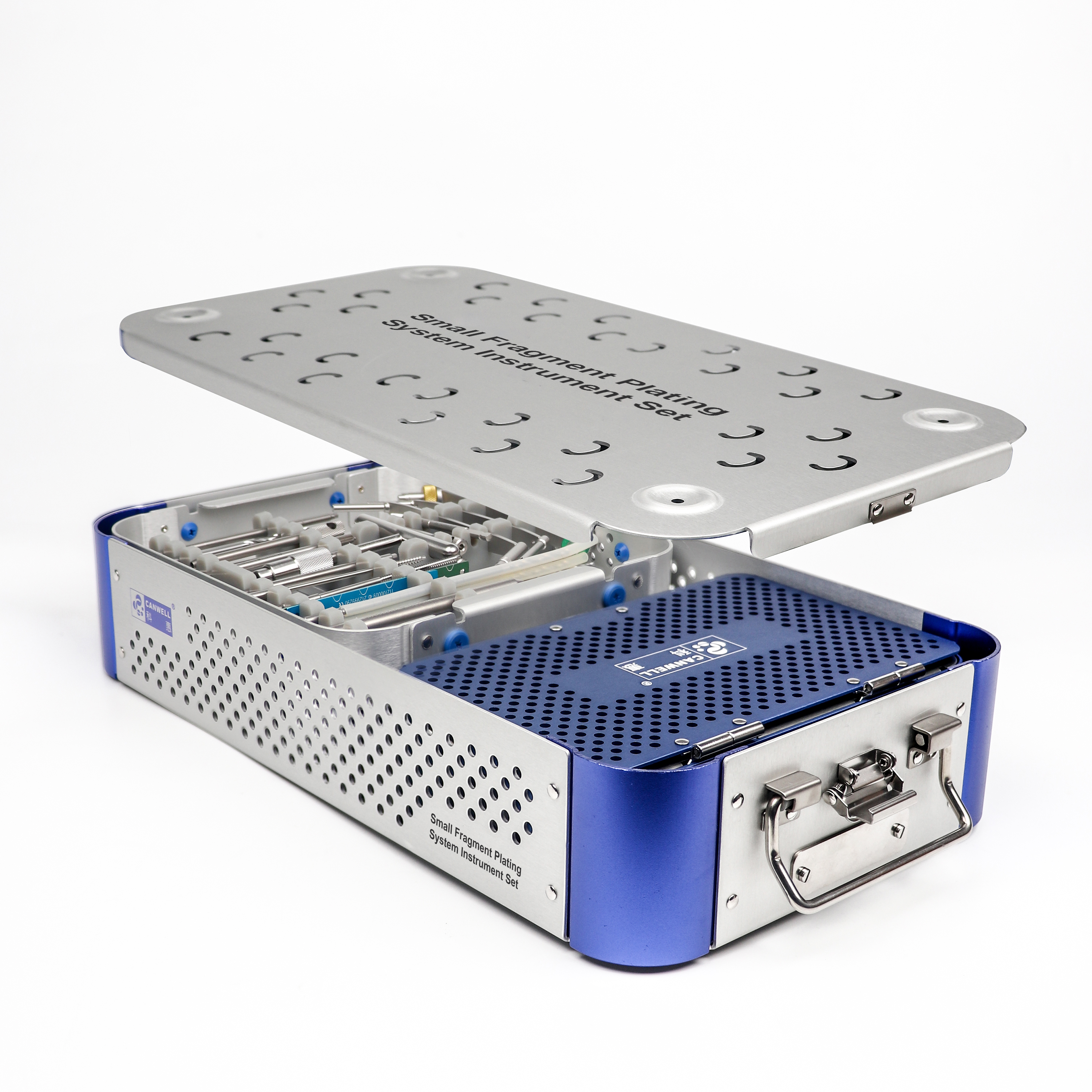
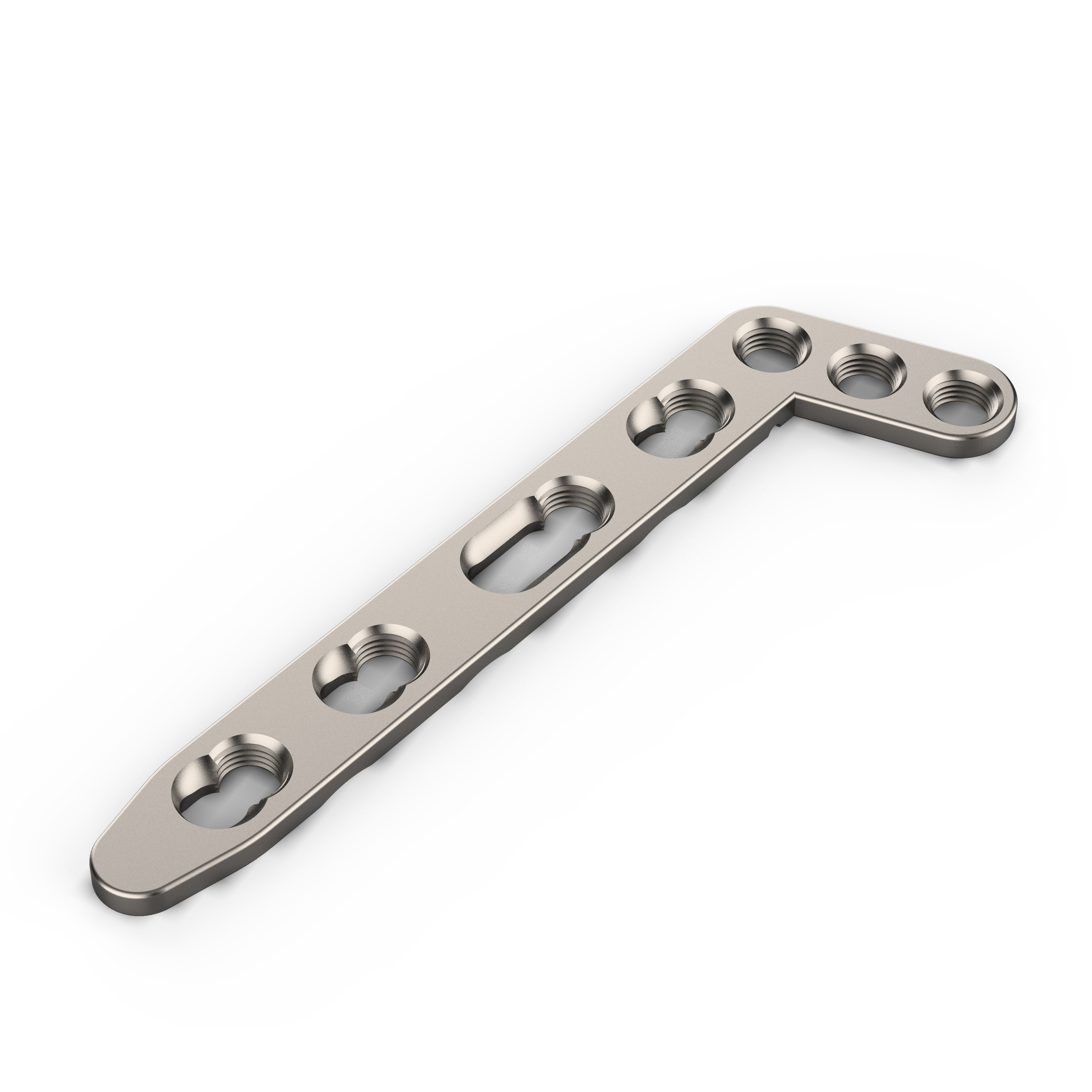
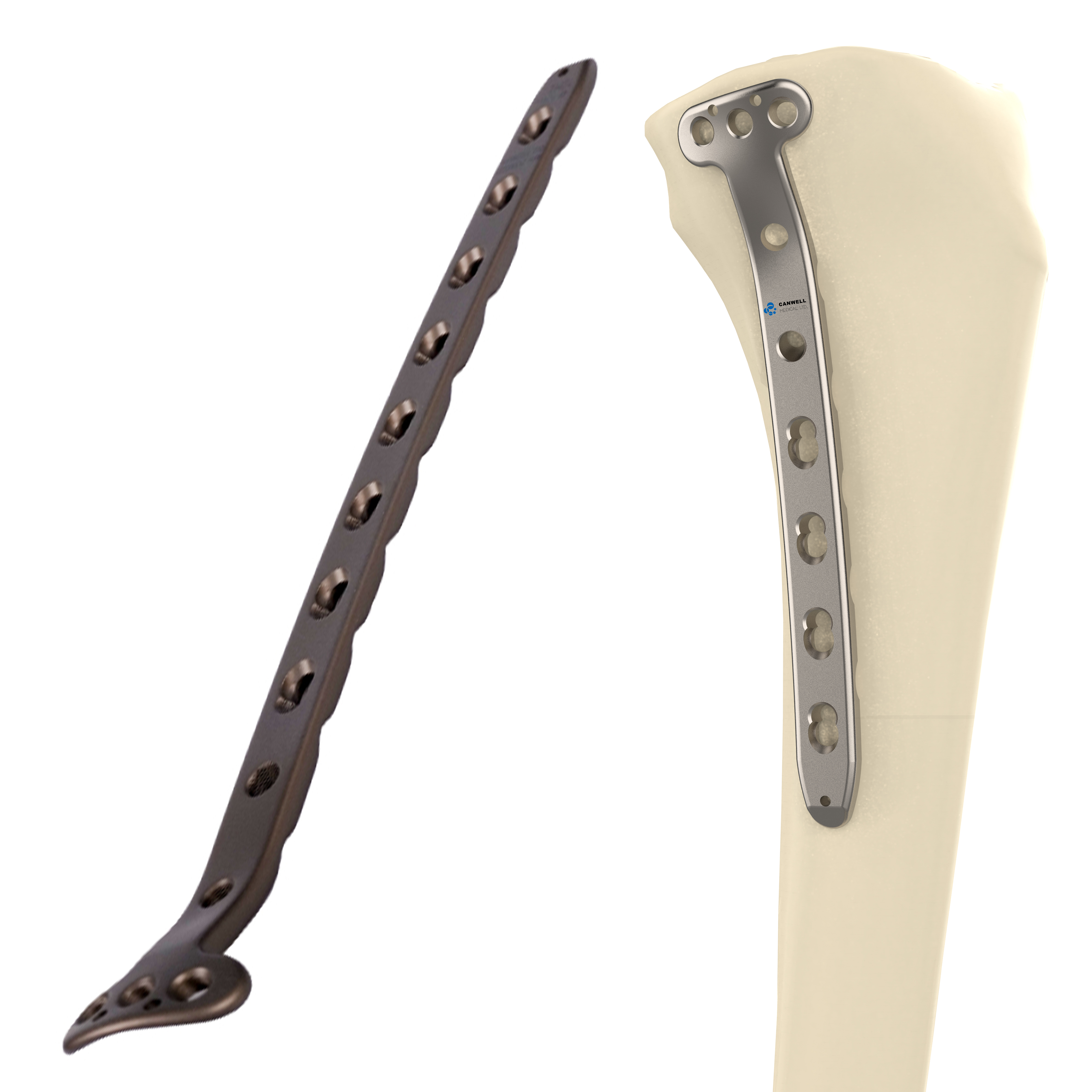
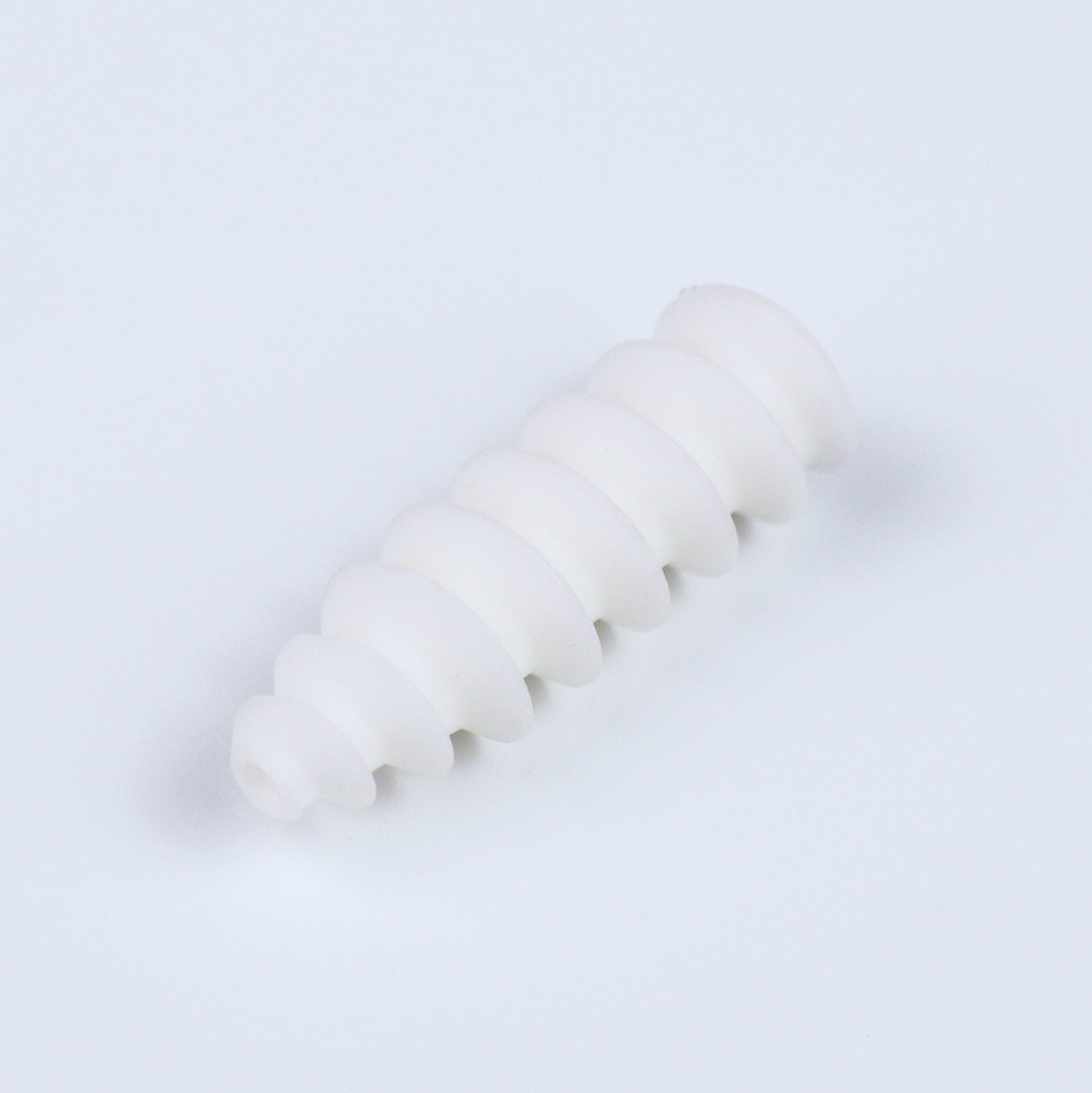
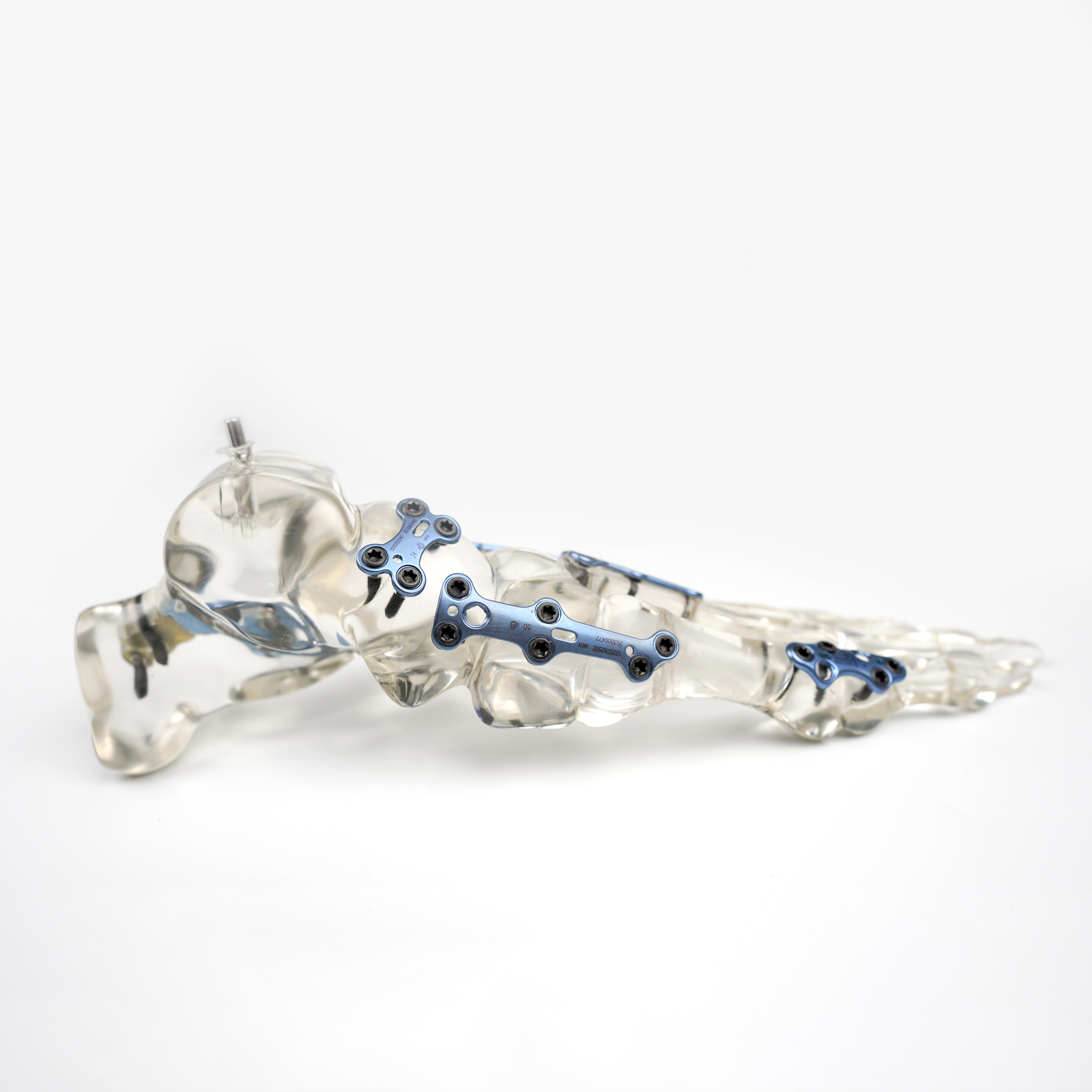
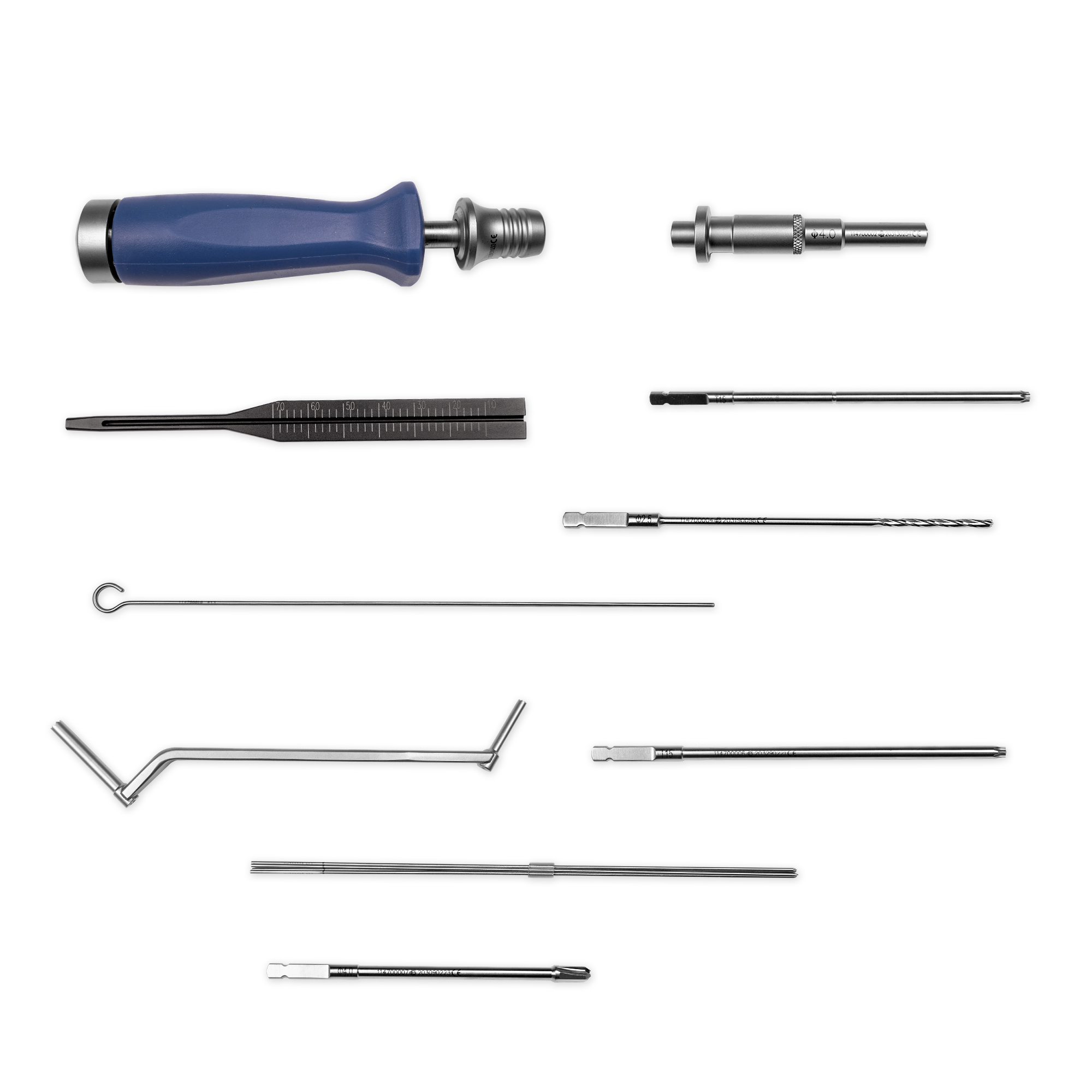
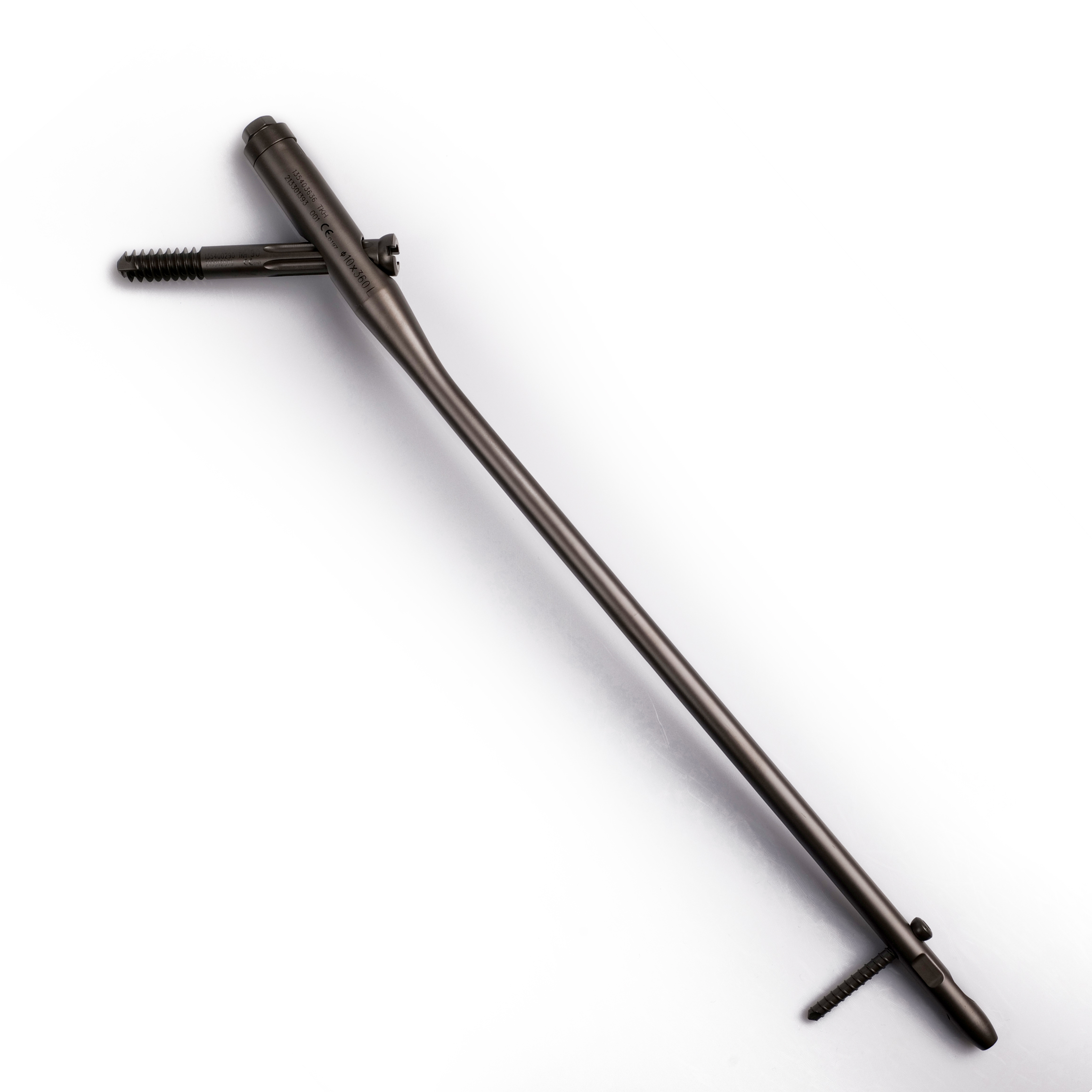
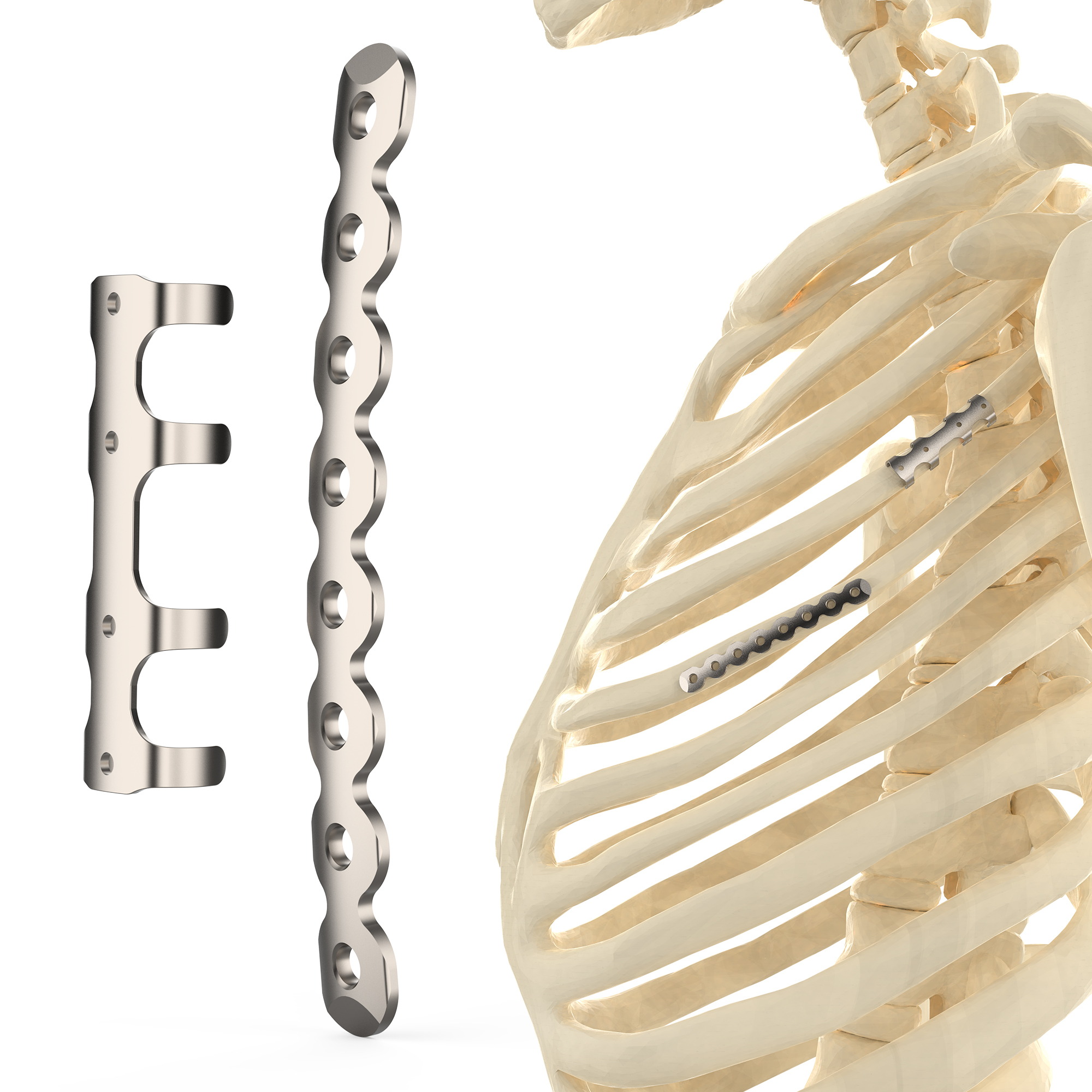
Below are eight high-demand surgical implant lines and precision instrument sets produced in our certified manufacturing facilities, ready for global distribution and OEM/ODM private labeling.
Pedicle Screw Architecture & Biomechanical Performance
Spinal pedicle screw systems represent the primary biomechanical anchor in posterior thoracolumbar stabilization, spondylolisthesis correction, and degenerative spine fusion. Modern Chinese factories have perfected pedicle screw designs to incorporate advanced friction-locking set screws, dual-thread geometries, and polyaxial head articulation up to ±28 degrees, minimizing intraoperative anatomical stress.
Polyaxial vs. Monoaxial Articulation
Polyaxial pedicle screws feature a spherical housing seat allowing multi-directional rod alignment, drastically reducing the need for complex rod contouring during multi-level spine fixations. Conversely, monoaxial screws provide rigid angular stability along the sagittal plane, ideal for traumatic burst fractures and severe scoliosis deformity corrections.
Dual-Thread & Cannulated Geometries
To optimize purchase in osteoporotic bone, state-of-the-art screws employ dual-lead threads transitioning from cortical engagement at the proximal neck to cancellous bite along the distal shaft. Cannulated variants enable K-wire guided placement in Minimally Invasive Surgery (MIS) and allow cement augmentation via fenestrated ports.
| Pedicle Screw Type | Material Standard | Diameter / Length Range | Primary Clinical Application | Biomechanical Feature |
|---|---|---|---|---|
| Standard Polyaxial Screw | Ti6Al4V ELI (ASTM F136) | Ø4.5mm – Ø8.5mm / 25mm – 60mm | Thoracolumbar Degenerative Fusion | ±25° to ±28° Angular deflection, Friction set-screw |
| MIS Long-Arm Extension Screw | Ti6Al4V ELI / Stainless Steel | Ø5.5mm – Ø7.5mm / 35mm – 55mm | Percutaneous Minimally Invasive Fixation | Extended break-away tabs, Integrated rod reduction |
| Fenestrated Cement Augmentation | Ti6Al4V ELI Grade 5 | Ø6.0mm – Ø8.5mm / 35mm – 55mm | Osteoporotic Spine Stabilization | Distal radial discharge ports for PMMA delivery |
| Revision / Reduction Monoaxial Screw | Titanium / CoCr Alloy | Ø6.5mm – Ø9.0mm / 30mm – 65mm | Scoliosis Deformity & Trauma Revision | High pull-out torque, Extended thread pitch |
Why Direct Sourcing from Zhejiang INAR Medical Delivers Strategic Value
Zhejiang INAR Medical Co., Ltd. represents the apex of modern Chinese medical manufacturing. Verified on-site by SGS Group, INAR operates a specialized 29,523 m² facility with 632 dedicated employees. Operating continuously for over 22 years in the orthopedic domain, our plant combines metallurgical science, precision engineering, and rigorous regulatory compliance.
Regulatory Compliance
CE Marked under EU MDR and Medical Device Directive 93/42/EEC, supported by full technical documentation, DoC, and biocompatibility testing.
Precision Manufacturing
High-speed 5-axis Swiss CNC machining centers ensure micro-inch thread consistency and ultra-smooth surface finishes.
In-House QA & Testing
Complete testing suite including penetrant flaw detection, fatigue endurance testers, and optical OQC inspection prior to sterile barrier packaging.
Custom OEM/ODM Capacity
Complete customization capability—from private label laser marking and custom anodizing color codes to custom instrument tray layout design.
Future Procurement Trends in Global Spinal Implants (2025–2030)
Understanding long-term supply chain shifts is crucial for procurement directors planning multi-year tender strategies. The global spinal fusion market is expanding rapidly, driven by rising incidences of degenerative disc diseases, expanded insurance coverage in emerging markets, and technological adoption in ambulatory surgical centers (ASCs).
1. Transition Toward Percutaneous MIS Surgery
Open posterior approaches are increasingly replaced by Minimally Invasive Surgery (MIS) techniques that preserve muscular structures and shorten hospital stays. Consequently, global buyers are shifting orders toward long-arm extension screws, cannulated pedicle systems, and specialized percutaneous rod insertion drivers. Factories capable of bundling implants with ergonomic MIS instrument trays are capturing market share rapidly.
2. Stringent EU MDR Certification Barriers
The enforcement of EU MDR (2017/745) has elevated regulatory hurdles, forcing non-compliant suppliers out of the European market. Sourcing teams now prioritize direct partnerships with audited Chinese factories possessing full MDR technical documentation, Post-Market Clinical Follow-up (PMCF) plans, and established European Authorized Representatives (EC REP).
3. Growth of Cement-Augmented Solutions
With aging populations worldwide, surgeon demand for spinal fixation in osteoporotic bone has escalated. Fenestrated pedicle screws combined with high-viscosity polymethylmethacrylate (PMMA) bone cement offer vastly superior pull-out strength. Procurement pipelines are prioritizing suppliers offering ready-to-use fenestrated screw kits and dedicated cement injection needles.
4. Supply Chain Consolidation & Direct-from-Factory OEM
Middleman brokerage models are being phased out in favor of direct manufacturer contracts. Distributors utilize direct supplier relationships to secure custom anodization color palettes, tailored tray configurations, and predictable batch lead times, enhancing gross margin flexibility in public tender bidding.
Product Development & Technological Evolution Trends
The spine fixation industry is experiencing rapid innovation at the intersection of material science, surface modification, and digital surgical workflow integration. Future pedicle screw generations manufactured in leading Chinese factories are incorporating several key breakthroughs:
3D Printed Porous Titanium Surfaces
Additive manufacturing (EBM/SLM) enables pedicle screw shafts with trabecular-like porous coatings, facilitating direct osseointegration and bone ingrowth along the screw thread interface.
Bio-Resorbable & Antibacterial Coatings
Incorporation of Hydroxyapatite (HA) surface spray coatings and silver-nanoparticle silver-ion antimicrobial coatings to minimize surgical site implant infections and accelerate postoperative healing.
Navigation & Robotic Integration
Redesigning screw drive heads and instrumentation connectors with high-reflectivity optical markers, matching CT-guided navigation systems and surgical robotic arms.
Frequently Asked Questions (FAQ) for Sourcing Spinal Implants
Partner with China's Premier Spinal Screws Exporter
Connect with our technical engineering team to request factory-direct quotations, OEM catalog documentation, or custom prototyping plans tailored to your national healthcare tenders.
Contact Us