Wholesale Medical & Therapy Beds Portfolio
As a premier China OEM/ODM medical bed manufacturer, our complete range of electric ICU beds, manual nursing beds, and clinical stretchers are engineered to comply with strict international regulatory frameworks including FDA, CE, and IEC 60601 standards.
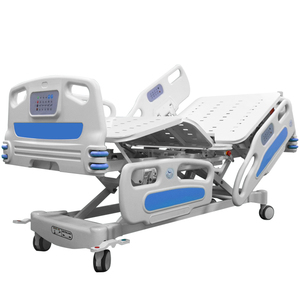
Longermay Factory Medical Hospital Bed Prices
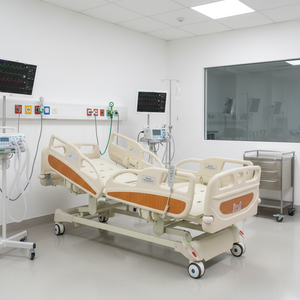
3/5/7 Function Electric Hospital ICU Medical Bed
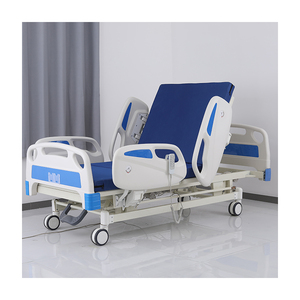
Double-Shaking Stainless Steel Class II Medical ICU Bed
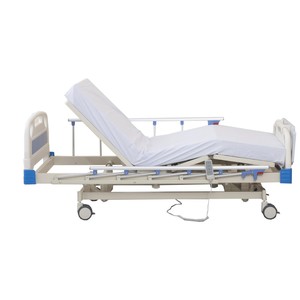
GRACEMED 3-Function Electronic Bed w/ L&K Actuators
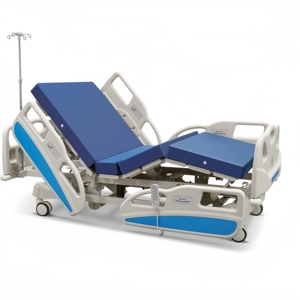
Cama Clinica 5-Function ICU Electric Bed with Mattress
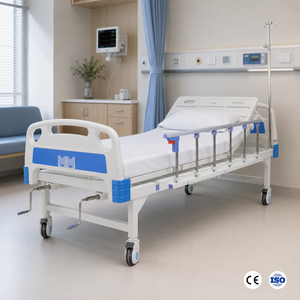
OEM Custom 2-Function Manual Bed w/ ABS Headboard
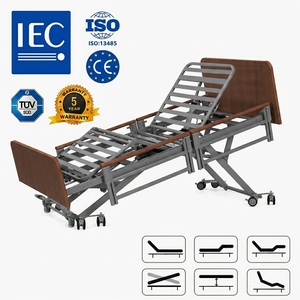
Adjustable Home Care Electric Bed (IEC 60601 Certified)
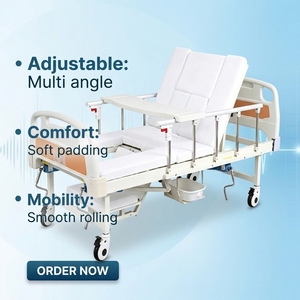
Multifunctional Manual Nursing Bed (Steel Frame)
Why Leading Global Healthcare Networks Partner with Our China Manufacturing Facility
In the rapidly evolving global healthcare ecosystem, selecting a qualified China wholesale therapy bed manufacturer & supplier requires evaluating rigorous compliance frameworks, structural engineering integrity, and long-term supply chain viability. Over the past 25 years, our manufacturing facilities have engineered over 150,000 specialized hospital, therapy, and intensive care beds serving tier-1 medical centers, long-term nursing facilities, and institutional medical distributors across Europe, North America, the Middle East, and Southeast Asia.
Our production philosophy is rooted in strict adherence to medical device quality management standards (ISO 13485), international electrical safety benchmarks (IEC 60601-1), and medical bed specific mechanical safety criteria (IEC 60601-2-52). By maintaining an integrated supply chain that spans robot-welded structural steel fabrication, automated powder coating lines, precision motor actuation calibration, and 100% full-load cycle testing, we provide institutional purchasers with unparalleled reliability, customizable configurations, and direct factory pricing.
Multi-National Certification
Fully compliant with EU MDR 2017/745, US FDA Class II registration, CE marking, and ISO 13485 Quality Management Systems.
Advanced Actuators & Control
Integrated with world-class linear actuators (LINAK, Dewert, L&K) providing smooth, whisper-quiet adjustments under heavy duty loads.
Full OEM/ODM Customization
Tailored side rail configurations, bespoke frame dimensions, integrated weight scales, X-ray cassette slots, and white-label branding.
Core Structural Engineering & Safety Mechanics in Modern Therapy Beds
The distinction between standard hospital furniture and specialized therapy or ICU beds lies in ergonomic adaptability, patient pressure management, and structural fatigue resistance. Wholesale procurement buyers must evaluate four critical technical dimensions when selecting equipment for clinical, rehabilitation, or intensive care environments:
1. Frame Metallurgy & Safe Working Load (SWL)
Our therapy beds utilize high-tensile cold-rolled steel (Q235B specification) treated through a multi-stage robotic MIG welding process. The chassis is finished with an electrostatic anti-microbial epoxy powder coating that withstands aggressive hospital disinfectant regimes (such as sodium hypochlorite and hydrogen peroxide vapor). Frames are stress-tested to exceed a Safe Working Load (SWL) of 250 kg (550 lbs) up to 330 kg (726 lbs) for bariatric rehabilitation models, meeting IEC 60601-2-52 structural stability criteria.
2. Entrapment Prevention & Side Rail Architecture
Patient safety regulations prioritize the elimination of head, neck, and torso entrapment zones. Our 4-piece ergonomic split side rails strictly comply with the dimensional guidelines defined by the HBSW (Hospital Bed Safety Workgroup) and IEC 60601-2-52. Rail gaps are engineered under 60mm, while damper-assisted drop mechanisms allow single-handed caregiver operation with zero clearance collision against bedside equipment.
3. Microprocessor Drive & Duty-Cycle Performance
The electrical system employs IPX4 or IPX6 water-resistant control units paired with heavy-duty linear motors. Systems operate on a low-voltage 24V DC architecture featuring thermal overload protection, integrated emergency battery back-ups capable of executing up to 50 full-cycle adjustments during power outages, and intuitive dual-sided caregiver control panels with auto-lockout security features.
4. Therapeutic Clinical Positioning
Therapeutic recovery requires versatile anatomical articulation. Modern beds integrate standard motor functions for backrest elevation (0° to 75°), knee-rest flex (0° to 45°), height adjustment (390mm to 800mm), and key clinical modes including Trendelenburg & Reverse Trendelenburg (±16°), Cardiac Chair (Auto-Chair), and one-touch CPR emergency mechanical leveling levers on both head sides.
Future B2B Procurement Trends: What Global Buyers Must Plan For (2025–2030)
As healthcare systems transition toward digitalized patient care, decentralized rehabilitation, and value-based care outcomes, wholesale procurement strategies for medical beds are undergoing a structural shift. Buying managers, hospital procurement directors, and medical equipment importers must anticipate key technological and market developments over the next decade:
1. IoT & Telemetry Integration
Next-generation therapy beds are increasingly specified with continuous weight monitoring sensors, out-of-bed pressure pads, and Bluetooth/Wi-Fi telemetry modules. These systems feed real-time patient mobility and weight metrics directly into Hospital Information Systems (HIS) and Electronic Health Records (EHR), reducing nurse workload and facilitating early pressure ulcer intervention.
2. Hospital-to-Home Transitional Care
With insurance models encouraging shorter hospital stays, the demand for transitional home-care electric beds is surging globally. Procurement buyers are shifting focus toward foldable, modular electric beds that deliver hospital-level clinical safety (such as trendelenburg positioning and removable side rails) while featuring aesthetic wooden finishes suitable for residential home care environments.
3. Green Manufacturing & MDR Compliance
Environmental regulations in the EU and North America are mandating VOC-free powder coatings, recyclable thermoplastic ABS components, and energy-efficient standby motor controllers. Furthermore, stricter enforcement under EU MDR 2017/745 requires comprehensive post-market surveillance (PMS) and complete raw material traceability from medical equipment suppliers.
Global Industry Development Trends Driving Wholesale Demand
The global market for medical beds and therapeutic patient support surfaces is projected to expand at a compound annual growth rate (CAGR) of over 6.2% through 2030. Three primary structural macro trends underpin this sustained growth trajectory:
A. Demographic Aging & Chronic Care Expansion
By 2030, the global population aged 60 and older will increase by over 34%, creating unprecedented strain on geriatric care centers, physical therapy clinics, and specialized nursing homes. This demographic shift drives massive bulk orders for durable, easy-to-clean, multi-functional electric care beds that minimize caregiver physical strain during daily transfer routines.
B. Modernization of ICU Infrastructure in Emerging Markets
Governments across Latin America, Southeast Asia, and the MEA region are investing aggressively in upgrading critical care hospital beds. Importers are seeking cost-effective China original equipment manufacturers who can deliver high-spec ICU beds equipped with radio-translucent backrests for inline X-ray imaging, built-in weight scales, and central braking systems at a fraction of Western OEM pricing.
C. Ergonomic Caregiver Protection & Risk Mitigation
Workplace injury claims among nursing personnel stemming from manual patient lifting have prompted strict occupational health mandates. Electric therapy beds featuring powered height adjustment, automatic backrest decompression, and 5th-wheel directional steering stretchers reduce physical strain, helping healthcare facilities maintain lower operational liability insurance costs.
Step-by-Step Quality Assurance Checklist for Sourcing China Wholesale Therapy Beds
When requesting quotations or conducting factory audits for therapy and medical beds in China, institutional purchasing teams should follow this systematic verification protocol to guarantee product longevity, compliance, and post-sale satisfaction:
Step 1: Certificate Validation & Test Report Audit
Verify that ISO 13485 scope specifically includes "Design and Manufacture of Medical Beds". Demand full third-party test reports for IEC 60601-1 (Electrical Safety), IEC 60601-1-2 (Electromagnetic Compatibility), and IEC 60601-2-52 (Particular requirements for basic safety and essential performance of medical beds).
Step 2: Actuator & Electrical Control Integrity Check
Inquire about actuator branding and warranty coverage. High-reliability linear motors (such as LINAK, Dewert, or high-tier domestic certified motors like L&K) should feature push/pull load ratings exceeding 6000N for backrest/height adjustments and possess IPX4+ ingress protection against liquid spills.
Step 3: Mechanical Tolerance & Welding Inspection
Inspect weld seam consistency (seamless robotic MIG welds are preferred over manual spot welds). Ensure that steel tubing wall thickness measures at least 1.5mm to 2.0mm in load-bearing frame sections, preventing structural sag over years of continuous patient transfers.
Step 4: Spare Parts Supply Chain & After-Sales Commitment
Confirm OEM spare parts availability for 5 to 10 years post-production. A reputable China supplier will offer replacement control boxes, handsets, castor wheels, and gas springs alongside clear technical service manuals and video maintenance documentation.
Frequently Asked Questions by Institutional Buyers & Distributors
Below are expert answers to critical technical, regulatory, and commercial questions encountered during the bulk procurement of medical and therapy beds from China manufacturers.
Q1 What is the standard minimum order quantity (MOQ) for wholesale medical bed orders?
For standard production models (such as 2-function or 3-function electric beds), our standard MOQ starts at 10 to 20 units (or 1x20GP container holding approx. 30-45 beds depending on knock-down packaging). For custom OEM design projects requiring custom colors, customized side rails, or specific motor configurations, MOQs are negotiable based on tooling requirements.
Q2 How do your therapy beds comply with IEC 60601-2-52 safety standards?
Our beds undergo comprehensive testing covering 15 structural safety parameters. These include anti-entrapment dimensional testing for side rails, dynamic lateral load testing to ensure stability during patient ingress/egress, electrical insulation testing, electromagnetic immunity testing, and drop tests for head/footboards.
Q3 What linear actuator motors are installed, and what is their lifespan?
We offer multiple tier options tailored to market requirements. Options include world-leading Danish LINAK or German Dewert actuators, as well as high-performance CE/UL certified L&K motors. All motor options carry a design life of over 20,000 continuous motion cycles with noise operating levels maintained under 48 decibels.
Q4 Can you supply beds fitted with integrated digital weight scales and X-ray cassette slots?
Yes. Our premium ICU series (such as model ES-19HD and ES-12DW) feature high-precision strain gauge weight scale sensors embedded within the frame structure, enabling continuous digital weight monitoring without disturbing the patient. Additionally, radio-translucent backrest panels with under-bed X-ray cassette slider trays are available for instant radiodiagnostics.
Q5 What is the typical lead time for sea freight shipping of bulk bed orders?
Standard manufacturing lead times range from 25 to 35 days following deposit receipt and artwork approval for branding/packaging. Express sample orders or urgent hospital contract fulfillment can be expedited through our raw material buffer stock program within 15 to 20 days.
Q6 How are your hospital beds packaged to optimize container loading and prevent transit damage?
Beds can be shipped fully assembled in heavy-duty 7-ply corrugated export cartons reinforced with corner edge protectors and moisture-proof polyethylene wrapping. Alternatively, we offer SKD (Semi-Knocked Down) packaging, which increases 40HQ container capacity by up to 40%, significantly reducing per-unit ocean freight costs for international distributors.
Q7 What warranty coverage and spare parts replacement policies do you offer?
We provide a 5-year structural warranty on steel frame weldments, and a 2 to 3-year warranty on electrical actuators, control boxes, and handsets. As part of bulk container shipments, we supply a complimentary 1% spare parts kit (including hand controllers, actuators cables, castor locks, and side rail release pins) to ensure rapid localized maintenance support.
Q8 Do you offer white-label OEM manufacturing for established medical brands?
Yes. We routinely provide white-label manufacturing services for global medical equipment brands. OEM options include custom powder coat colors (RAL color matching), silk-screened brand logos on headboards and side rails, customized outer carton printing, custom language hand controller overlays, and localized user instruction manuals.
Partner with a Certified China Wholesale Therapy Bed Manufacturer
Request factory-direct pricing, technical datasheets, full product catalogs, or consult with our senior medical engineering team for custom OEM tender requirements.