Featured Medical Implants & Titanium Rod Components
Engineered from ASTM F136 / ISO 5832-3 Medical Grade Titanium & Advanced Polymers
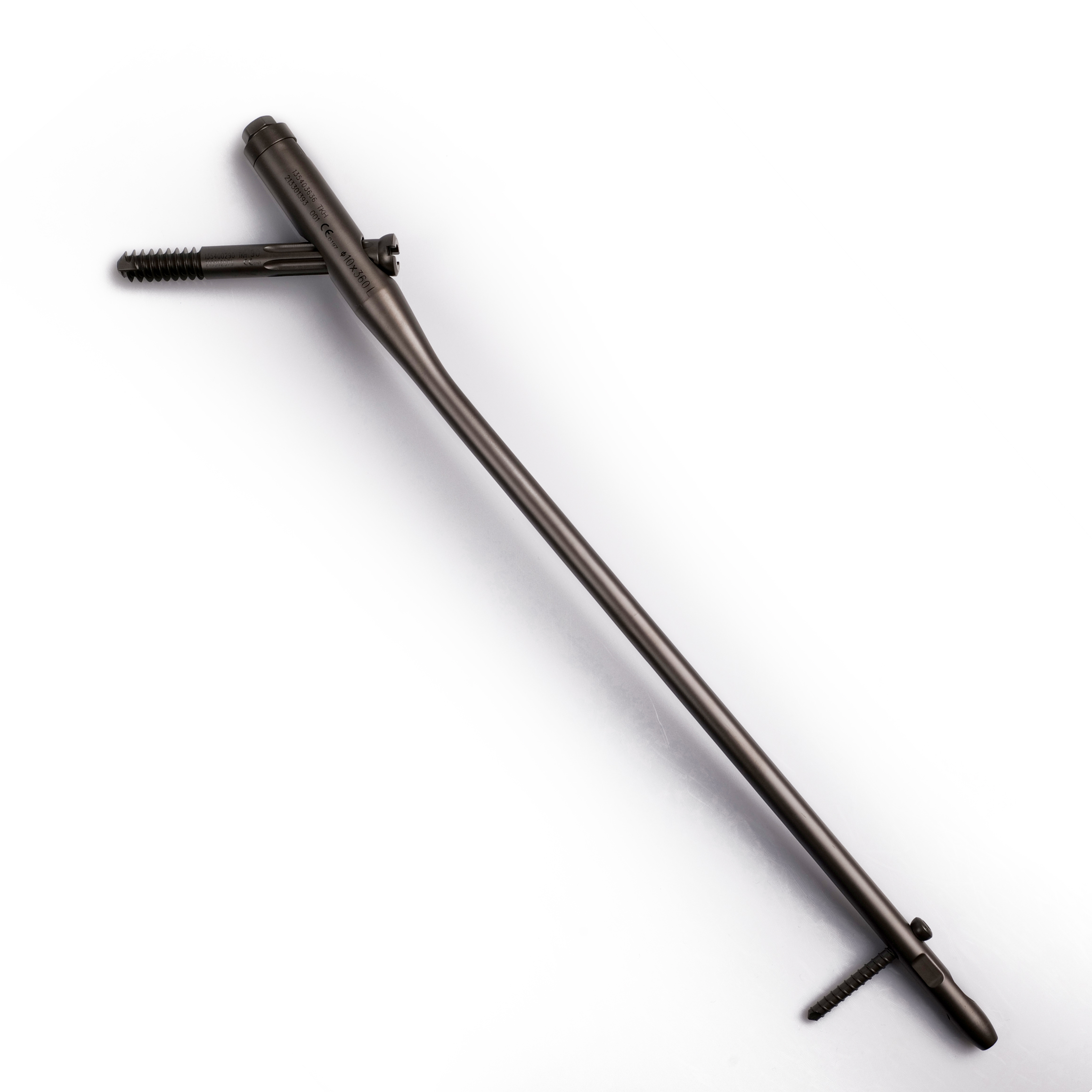
CANWELL Titanium Femoral Intramedullary Nails Interlocking Nail Femur PFNA Orthopedic Trauma Implants Bone Fracture
View Product Details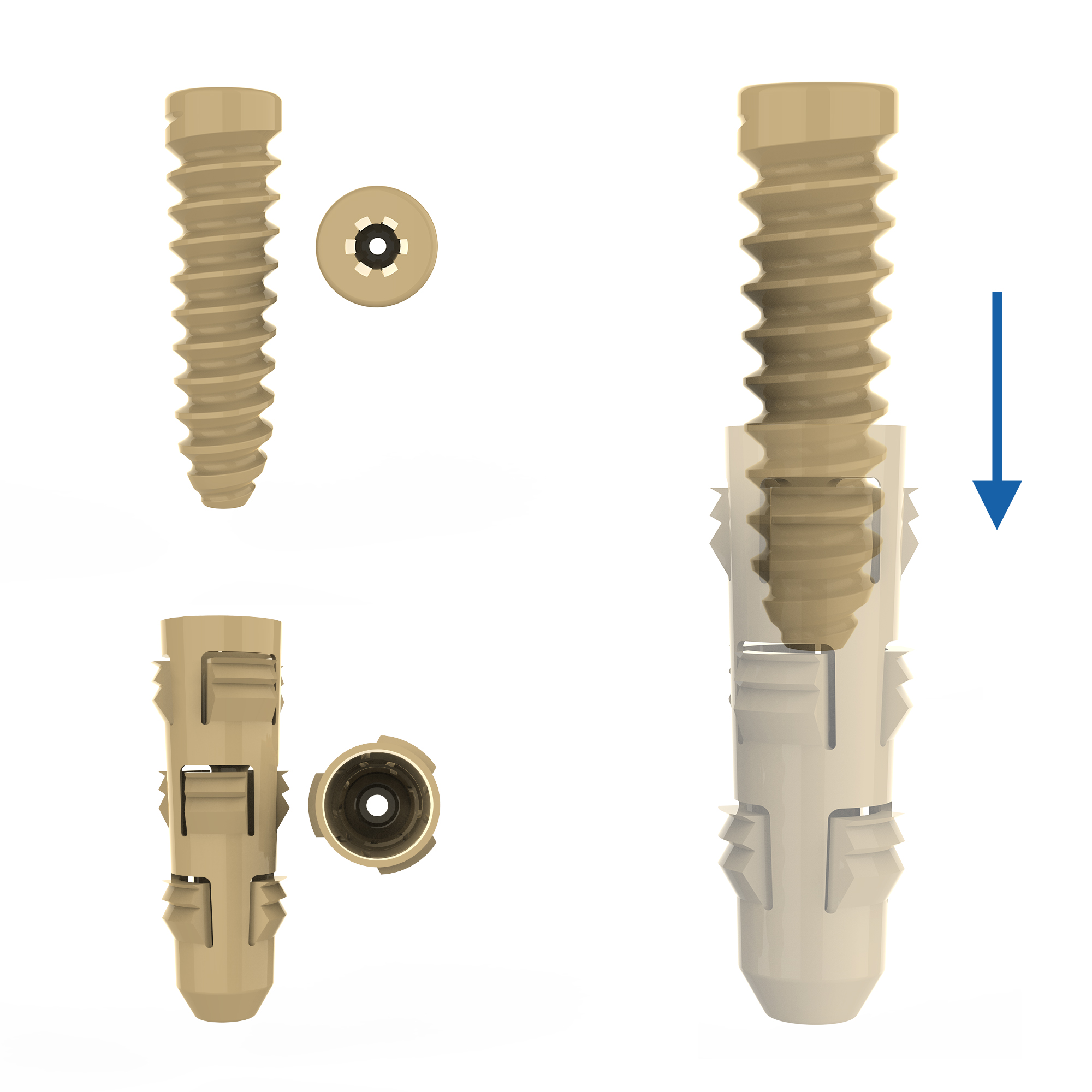
CANWELL Sports Medicine ACL Reconstruction ACL PCL Bioabsorbable Arthroscopy Surgery Peek Interference Screw
View Product Details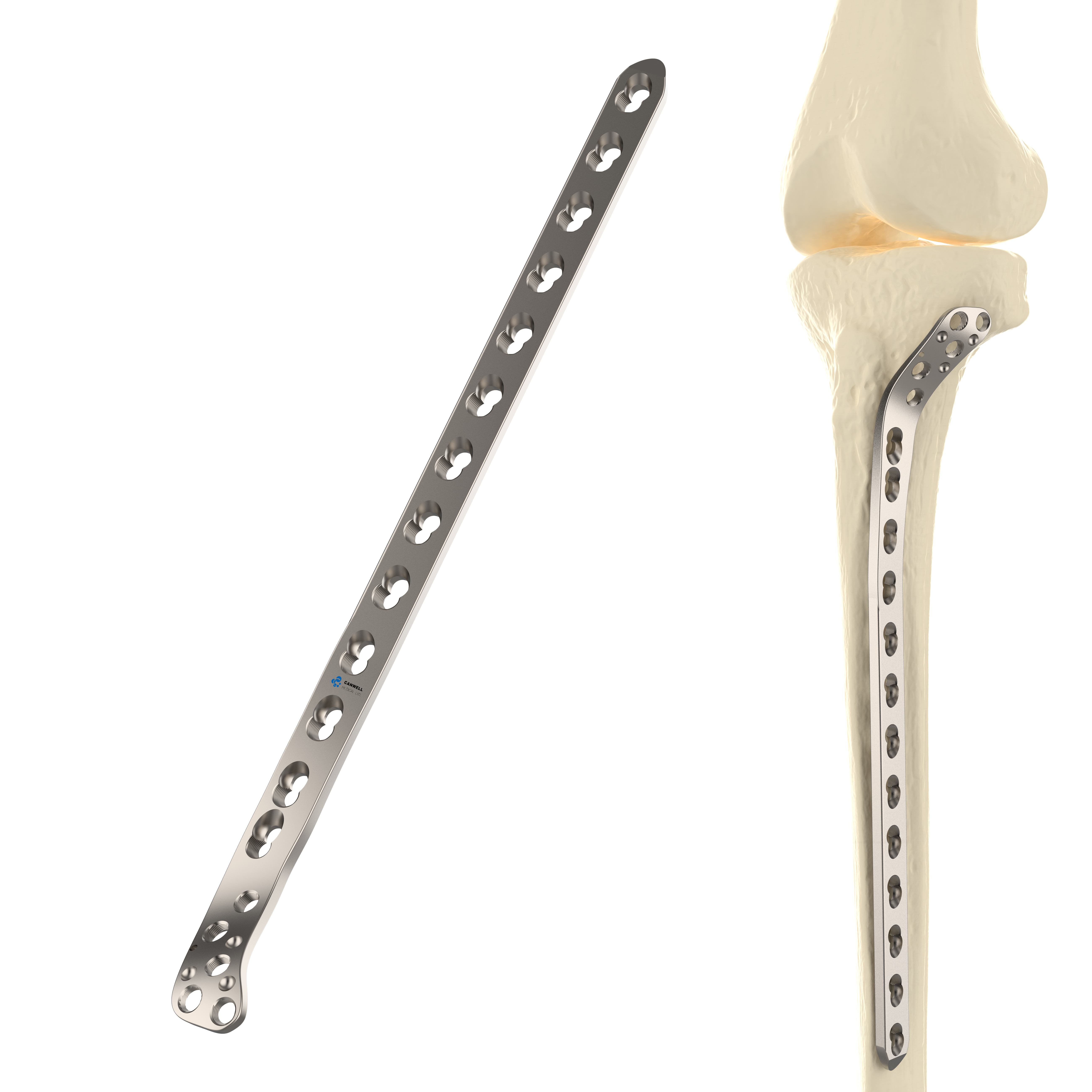
CANWELL Proximal Lateral Tibial Locking Plate Orthopedic Trauma Implant Hospital Bone Plate 5.0mm Screw Orthopedic Manufacturer
View Product Details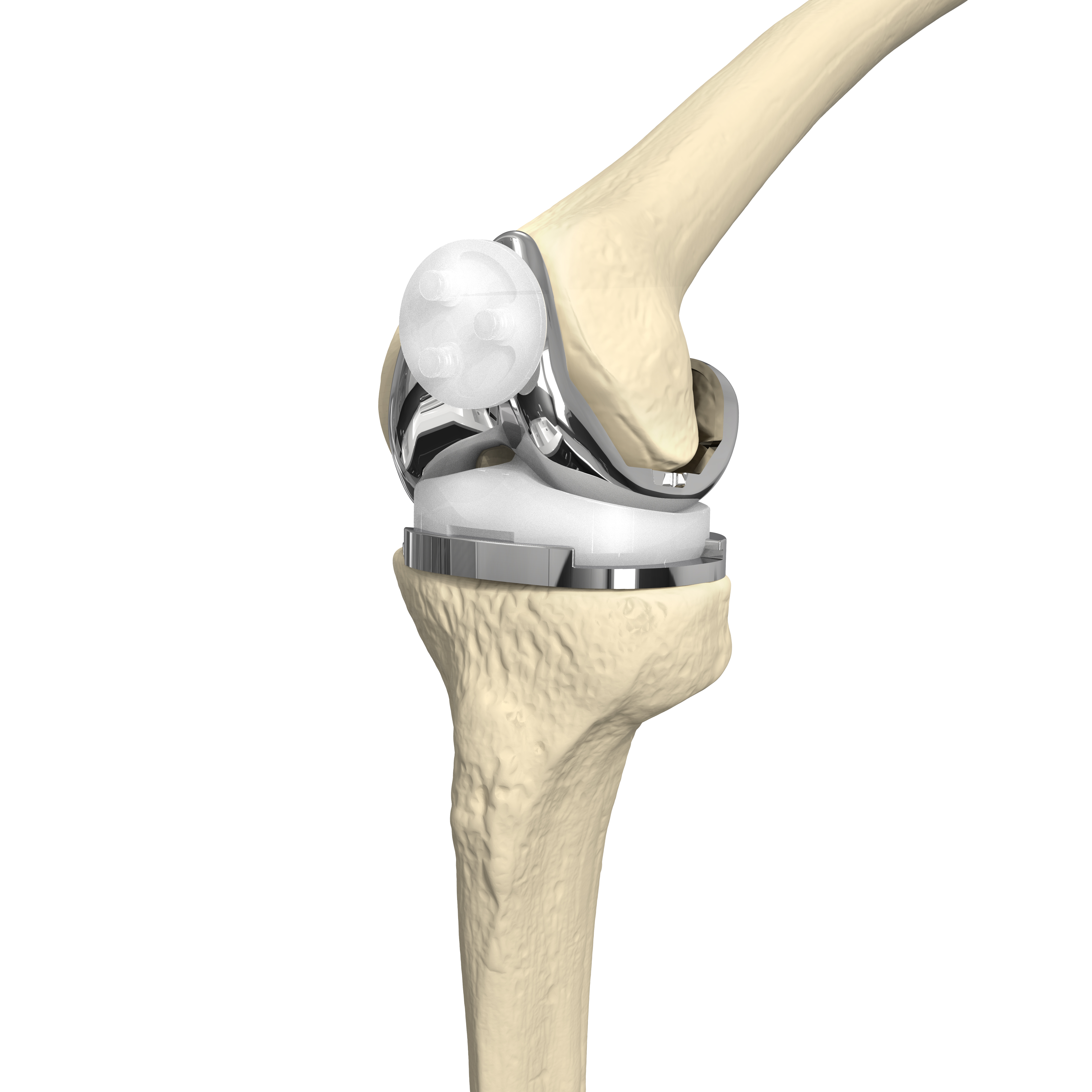
CANWELL CE Certified Arthroplasty Artificial Knee Joint CoCrMo Alloy Orthopedic Implants Primary Total Knee Replacement Kit
View Product Details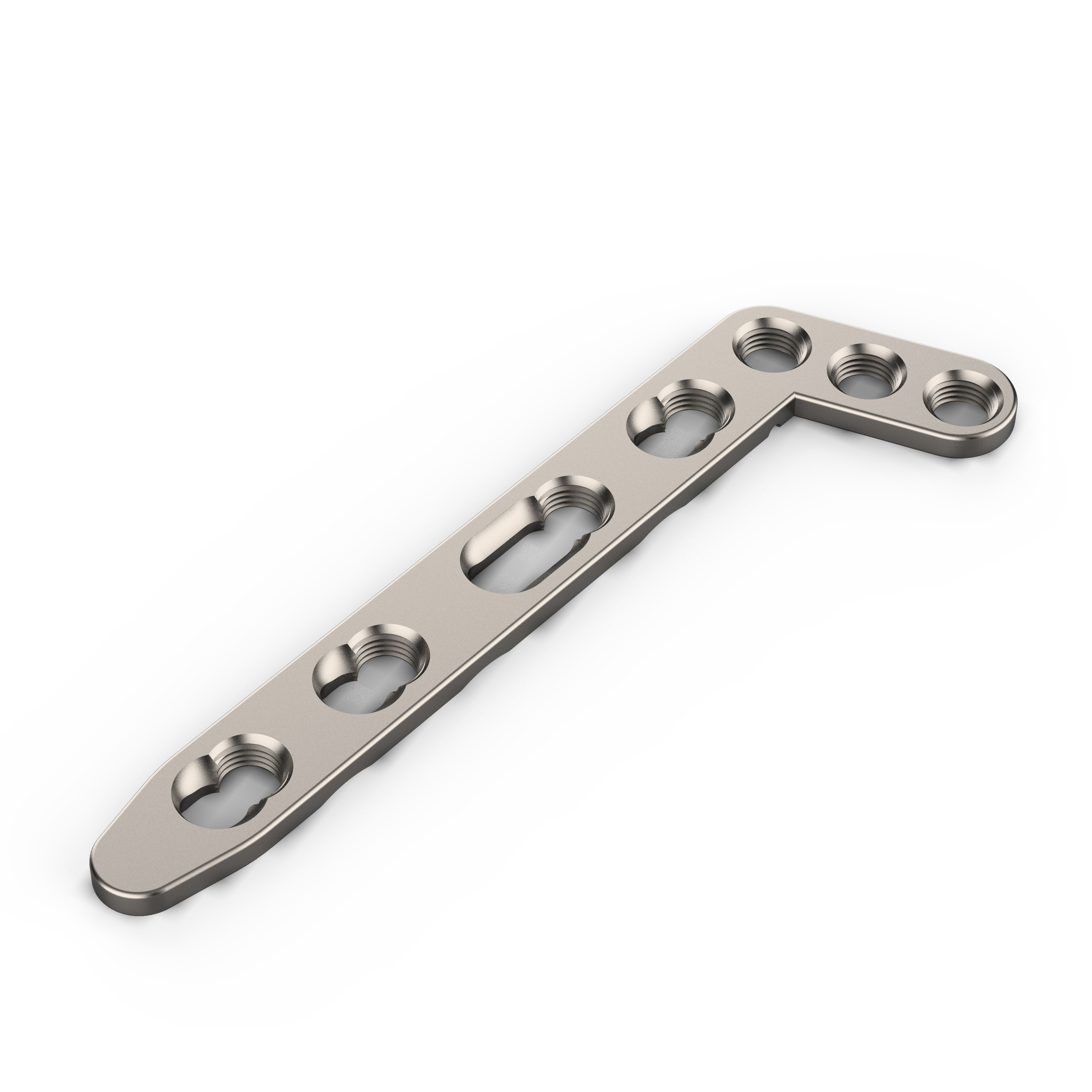
CANWELL Distal Radius Dorsal Titanium Locking Plate 3 Holes Oblique Volar Wrist Orthopedic Trauma Implant Bone Fracture Class
View Product Details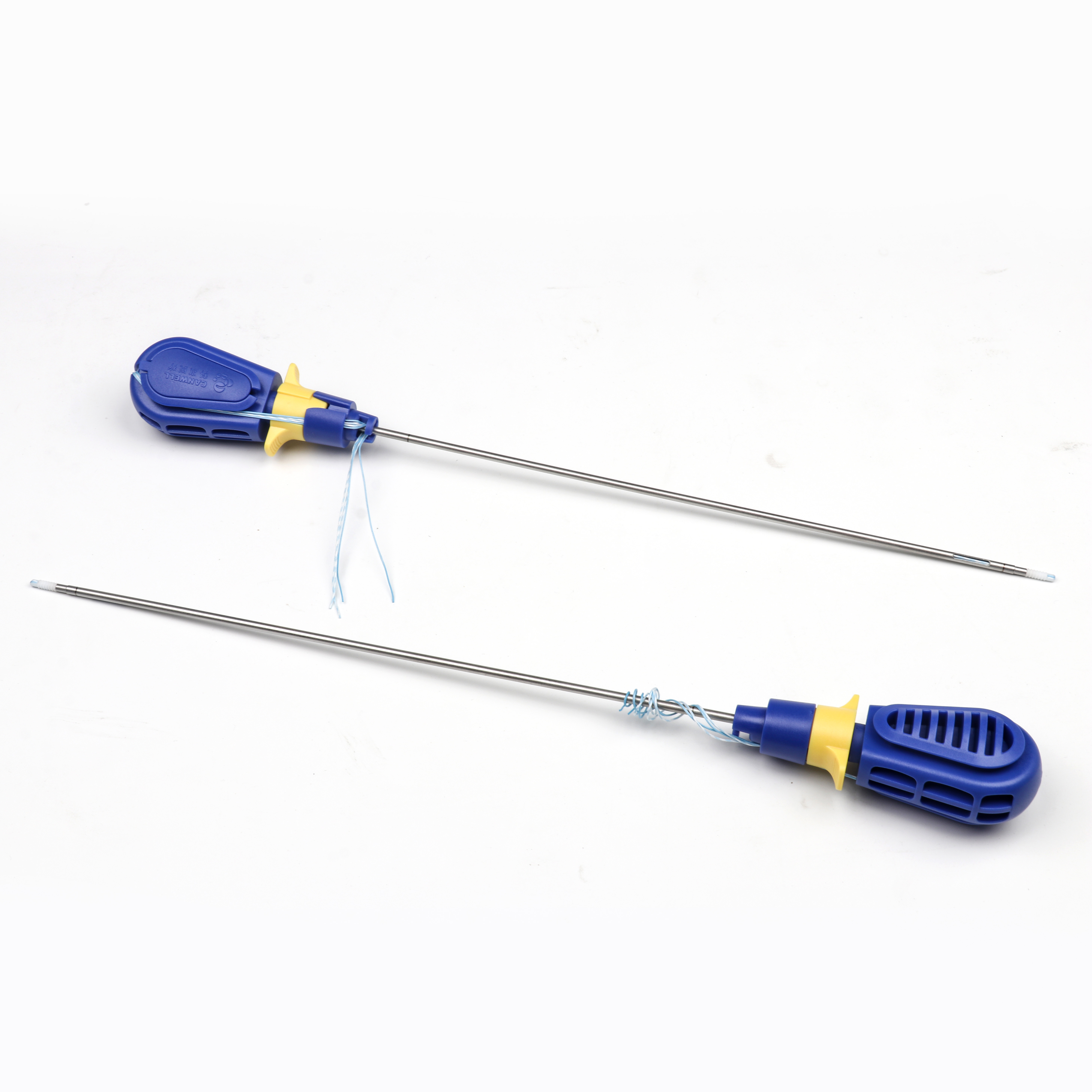
CANWELL Bioabsorbable Suture Anchor Knotless PLGA Arthroscopic Shoulder Rotator Cuff Repair SwiveLock
View Product Details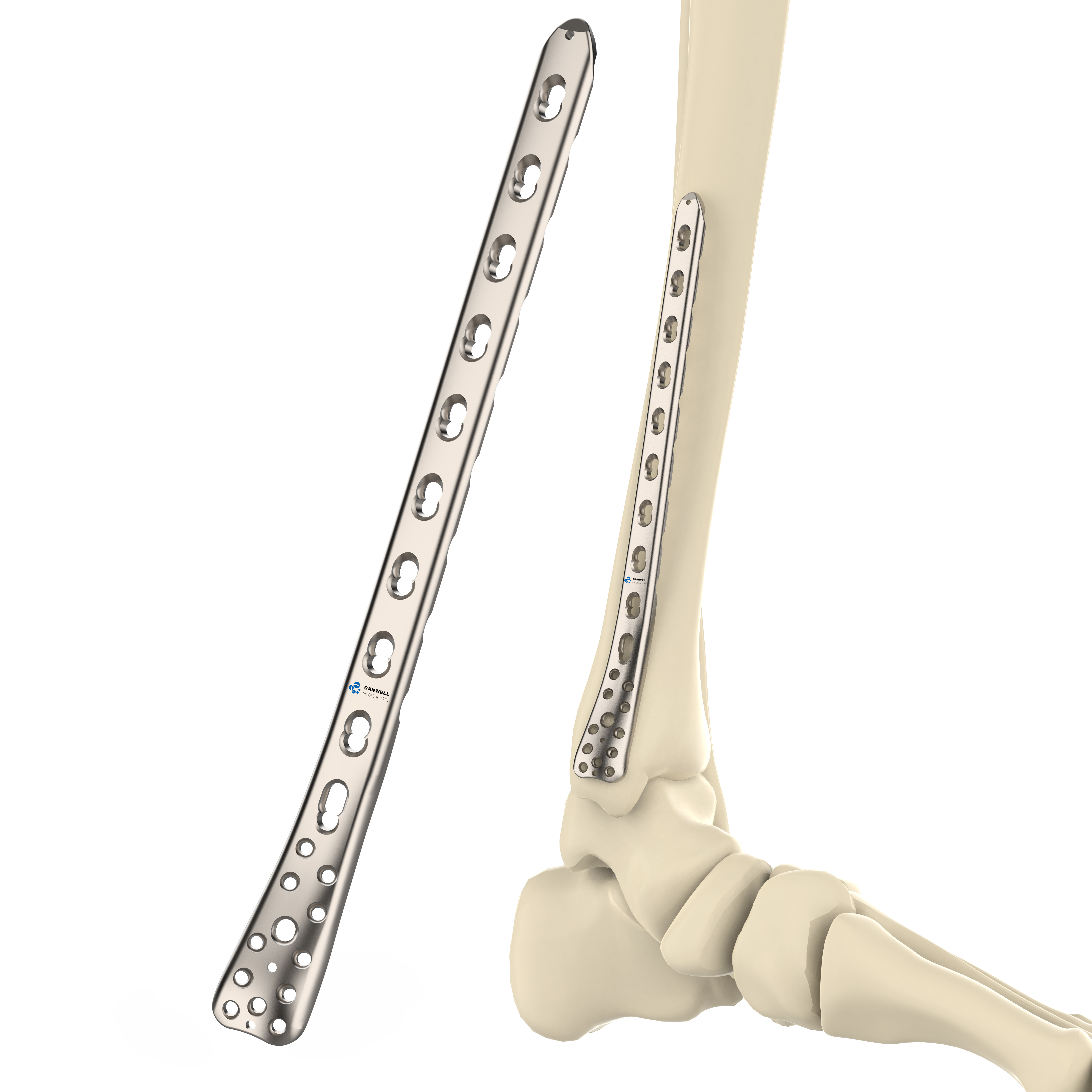
CANWELL Distal Tibial Locking Plate Titanium Metaphyseal Compression Fixation System Orthopedic Trauma Class
View Product Details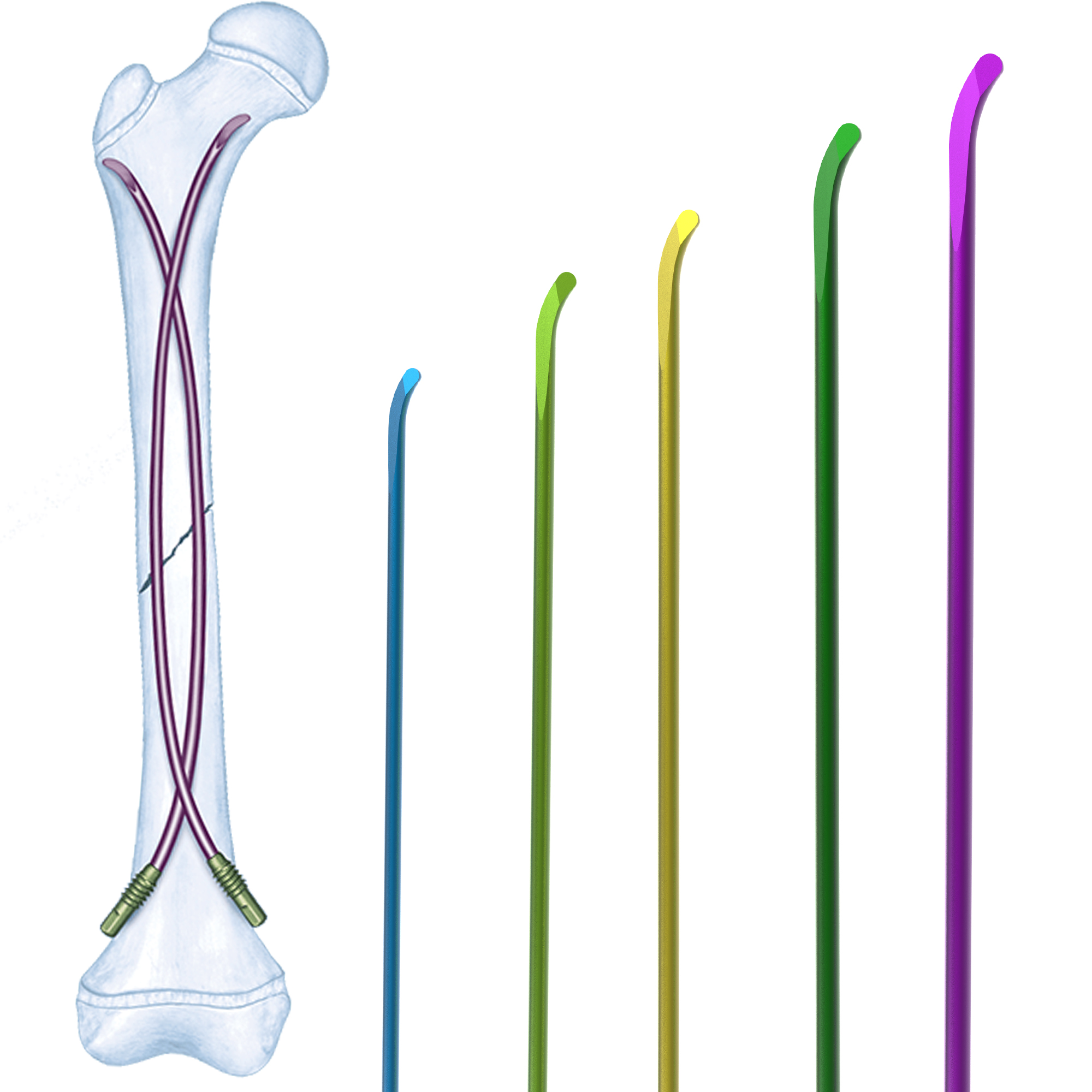
Canwell Titanium Elastic Stable Intramedullary Nail TEN Pediatric Orthopedic Implant Children Long Bone Fracture Fixation
View Product DetailsIndustry Whitepaper: Metallurgical Standards in Wholesale Titanium Rod Manufacturing
In the domain of high-precision manufacturing, titanium bars and rods serve as foundational raw materials for critical applications spanning medical orthopedic implants, aerospace structural components, chemical processing equipment, and marine systems. As a leading China Wholesale Titanium Rods Factory & Exporter, Zhejiang INAR Medical Co., Ltd. (operating in alignment with CANWELL manufacturing standards) operates at the nexus of metallurgical science and ultra-precision machining. Our facility manufactures medical-grade titanium rods, titanium alloy bars, and pre-machined implant blanks engineered to exceed rigorous international specifications including ASTM F136, ISO 5832-3, ASTM B348, and AMS 4928.
Information Gain Key Takeaway: Titanium rod performance is not determined purely by chemical composition; it relies heavily on microstructural phase distribution (alpha-beta grain boundary optimization), interstitial gas control (H, O, N, C levels), and centerless grinding tolerances down to h6 accuracy to prevent premature fatigue failure in load-bearing environments.
1. Comprehensive Metallurgical Comparison: Grade 5 ELI vs. CP Titanium vs. Ti-6Al-7Nb
Procurement officers and biomedical engineers must match specific titanium grades to clinical and mechanical requirements. Below is an expert-level technical matrix detailing the mechanical properties, biocompatibility indices, and microstructural characteristics of primary titanium rod stocks produced at our Zhejiang manufacturing hub:
| Titanium Alloy Grade | Standard Compliance | Tensile Strength (MPa) | Yield Strength (MPa) | Elongation (%) | Primary Industrial / Clinical Application |
|---|---|---|---|---|---|
| ASTM F136 / ISO 5832-3 | ≥ 860 | ≥ 795 | ≥ 10 | Intramedullary nails, bone plates, pedicle screws, load-bearing implants | |
| ASTM B348 / AMS 4928 | ≥ 895 | ≥ 828 | ≥ 10 | Aerospace fasteners, surgical instruments, defense & high-stress turnings | |
| ISO 5832-11 / ASTM F1295 | ≥ 900 | ≥ 800 | ≥ 10 | Permanent joint prostheses, femoral stems, advanced bio-implants | |
| ASTM B348 / ASTM F67 | ≥ 345 | 275 - 450 | ≥ 20 | Chemical processing vessels, maxillofacial plates, dental fixtures | |
| ASTM F67 / ISO 5832-2 | ≥ 680 | ≥ 520 | ≥ 15 | High-strength pure titanium applications, spinal clips, trauma staples |
2. Processing Technology & Microstructure Engineering
The manufacturing process of medical-grade titanium rods involves far more than simple hot rolling. At our SGS-verified 29,523 m² facility, raw titanium ingots undergo vacuum consumable arc melting (VAR) up to three times to eliminate inclusions and gas porosity. The subsequent forging and hot rolling processes are monitored using real-time pyrometric sensors to ensure working temperatures remain strictly within the beta-transus thermal window.
Subsequent cold drawing and centerless grinding yield dimensional tolerances conforming to h6, h7, and h8 specifications, with surface roughness values reaching Ra < 0.2 µm. These smooth surface finishes eliminate micro-notches, drastically increasing the fatigue strength limit during high-cycle loading inside the human body or high-vibration aerospace assemblies.
3x Vacuum Arc Remelting (VAR)
Eliminates high-density nitrides and low-density inclusions, securing high purity and uniform chemical distribution throughout the entire titanium rod mass.
Precision Centerless Grinding
Achieves sub-micron dimensional tolerances (h6/h7) and ultra-smooth surface finishes (Ra < 0.2µm), preventing stress concentration points.
100% NDT Flaw Inspection
Ultrasonic flaw detection per ASTM E2375 and liquid penetrant testing verify internal structural integrity without damaging raw rod stock.
Future Sourcing Trends in Wholesale Titanium Rods & Bar Stock
Global demand for high-purity titanium rods is undergoing a structural shift driven by advanced surgical techniques, additive manufacturing (3D printing feedstock), and stringent regulatory frameworks. Strategic buyers should account for four primary procurement trends over the next 3 to 5 years:
A. Escalating Preference for Extra Low Interstitial (ELI) Grades
In orthopedics and traumatology, Grade 5 ELI (Ti-6Al-4V ELI / ASTM F136) is fast becoming the global standard over standard Grade 5. The reduction of interstitial elements (oxygen, nitrogen, and carbon) significantly improves fracture toughness and ductility at sub-zero and physiological temperatures, mitigating long-term fatigue cracking risks in implants such as intramedullary nails and hip stems.
B. Integration of Near-Net-Shape Rod Stock for CNC Efficiency
With high-speed multi-axis Swiss CNC lathes taking over implant machining workshops, distributors and OEMs prefer pre-contoured, centerless-ground titanium rods delivered in strict straightness tolerances (≤ 0.5 mm/m). This reduces raw material scrap rates, minimizes tooling wear, and speeds up cycle times for cannulated screws and complex locking plates.
C. Full Traceability and Supply Chain Transparency
Regulatory authorities, including the US FDA, EU MDR 2017/745, and NMPA, now enforce strict raw-material-to-implant digital traceability. Global buyers demand Mill Test Certificates (MTC) conforming to EN 10204 3.1 detailing chemical analysis, tensile testing, grain size determination, and ultrasonic test results tied to single melt heat numbers.
D. Closed-Loop Recycling and Sustainable Titanium Production
Environmental standards are driving major suppliers to adopt vacuum-compatible recycling systems for clean titanium turnings. Closed-loop scrap recovery lowers the carbon footprint of primary titanium sponge reduction without sacrificing metallurgical purity in industrial rod production.
Product Development Trends & Metallurgical Innovations
Innovations in titanium rod manufacturing focus on surface modifications, specialized alloying, and biomechanical matching:
1. Type II and Type III Anodizing (Color Coding & Anti-Galling): Electrochemical anodization modifies the oxide layer thickness on titanium rod surfaces. Type II anodizing enhances surface hardness and wear resistance to reduce fretting corrosion in interlocking nail interfaces. Type III anodizing generates distinct color-coded identification (blue, green, gold, pink) for quick operational differentiation during trauma surgery.
2. Low-Modulus Beta Titanium Alloys: Research into non-toxic, nickel-free, and vanadium-free beta titanium alloys (such as Ti-15Mo, Ti-13Nb-13Zr, and Ti-35Nb-7Zr-5Ta) aims to lower the elastic modulus of titanium rods from 110 GPa down toward 40-55 GPa. Matching the elastic modulus of human cortical bone drastically reduces the "stress shielding" effect, promoting faster bone healing around spinal cages and intramedullary implants.
3. Bio-Active Surface Functionalization: Beyond mechanical smoothness, future medical titanium rods feature nano-structured surface treatments (hydroxyapatite plasma spraying, micro-arc oxidation, and SLA surface etching) that encourage osteoblast adhesion and osseointegration directly onto the metal boundary.
Enterprise Advantages: Zhejiang INAR / CANWELL Manufacturing Strengths
When selecting a reliable Chinese titanium rods factory and medical device exporter, procurement teams require audited proof of manufacturing capacity, compliance, and quality control. Zhejiang INAR Medical Co., Ltd. delivers distinct operational advantages:
SGS Onsite Verification
Fully audited production lines, trade capacity, and management systems verified independently by SGS Group.
22+ Years Manufacturing
Over two decades of metallurgical research, orthopedic implant production, and surgical instrument engineering.
29,523 m² Facility
Integrated workshop equipped with precision Swiss CNC lathes, longitudinal cutters, grinding, and automated anodizing lines.
Aseptic Cleanroom Packaging
Class 10,000 cleanroom facilities ensure sterile and non-sterile packaging lines meet international regulatory standards.
Our workforce of 632 dedicated employees includes 45 senior metallurgical engineers and quality control specialists. Every lot of titanium rods and finished orthopedic implants passes through 13 standardized inspection checkpoints: from incoming titanium sponge verification to ultrasonic flaw detection, penetrant testing, 3D coordinate measurement (CMM), endurance fatigue testing, and final aseptic packaging validation.
Procurement FAQ: Wholesale Titanium Rods & Implants
Technical and Commercial Solutions for Global Distributors, Importers, and Hospitals
Which certifications do INAR / CANWELL titanium products and implants carry? +
What are the minimum order quantities (MOQ) and lead times for wholesale titanium rods? +
Do you provide complete OEM and ODM customization for titanium implants and instruments? +
How is internal material flaw control guaranteed for critical titanium rod orders? +
What surface finishes and post-processing treatments can be applied? +
How do you support international regulatory submissions for local market registration? +
Partner with China's Premier Titanium Rods & Implants Manufacturer
Looking for reliable wholesale pricing, certified raw materials, or direct OEM manufacturing? Contact our senior engineering team today to receive a tailored quotation, complete technical specifications, or material samples.
Get a Quote