Precision Orthopedic Trauma Product Recommendations
Explore our SGS-verified, CE-marked trauma implants and surgical instrumentation systems engineered for international distributors, orthopedic hospitals, and private label procurement partners.
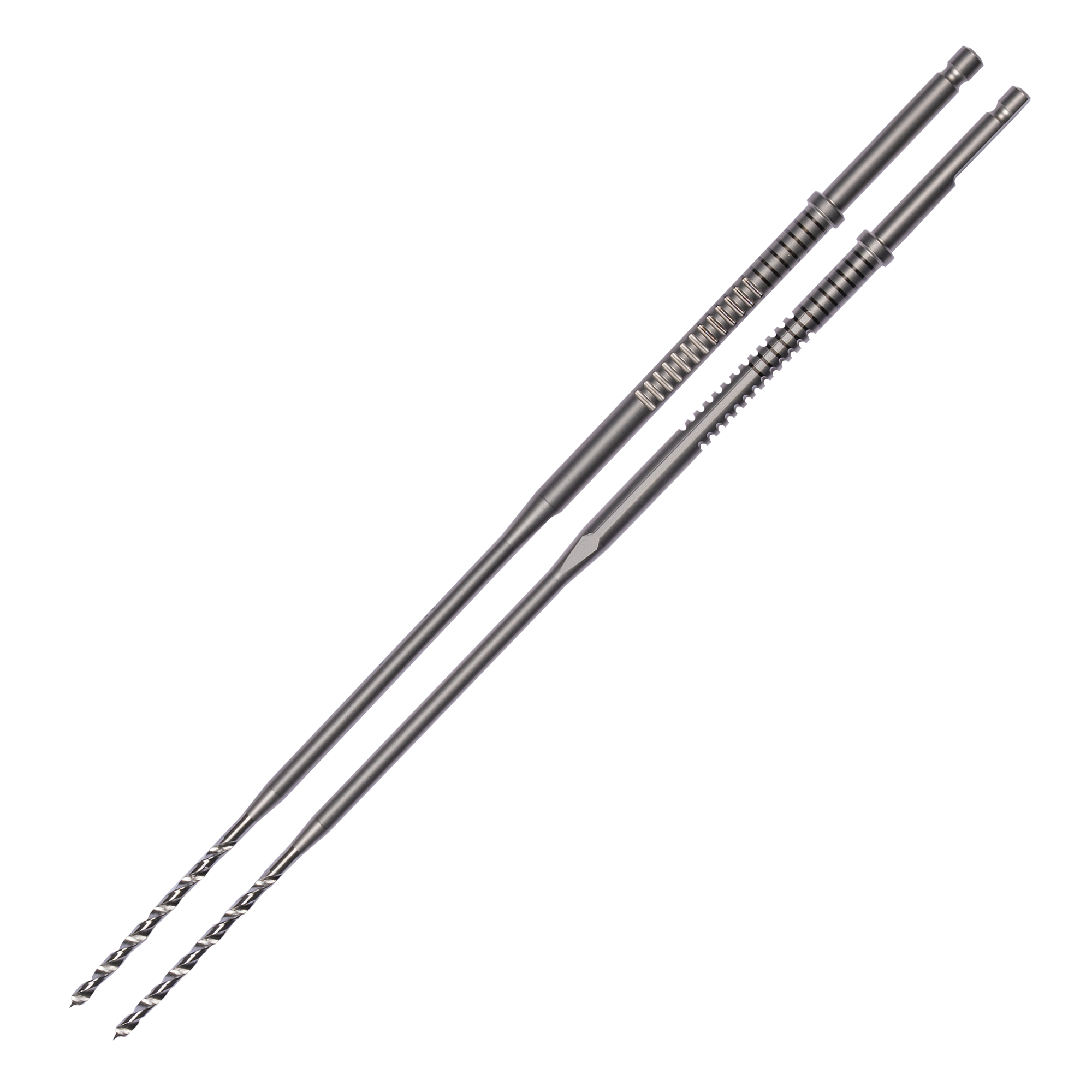
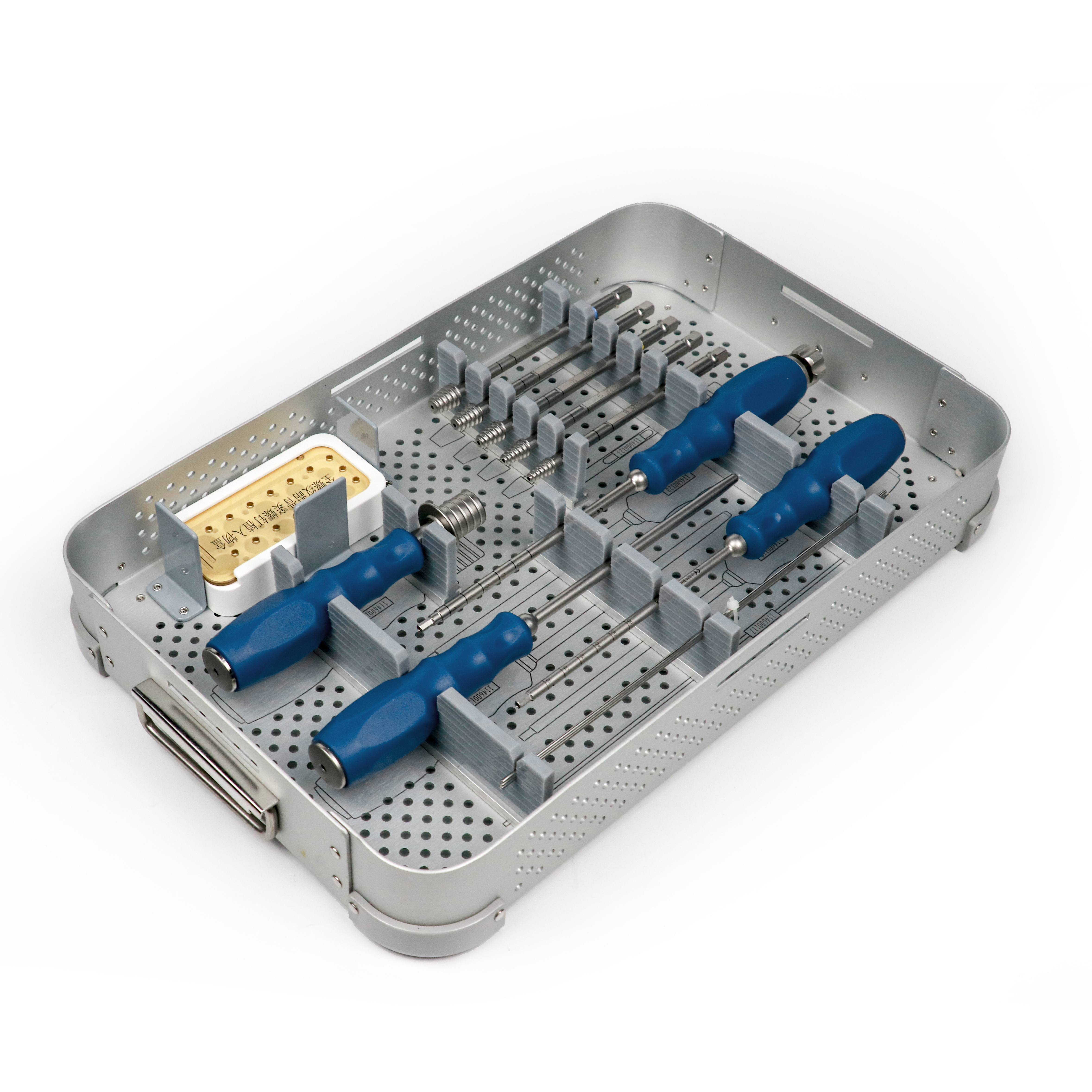
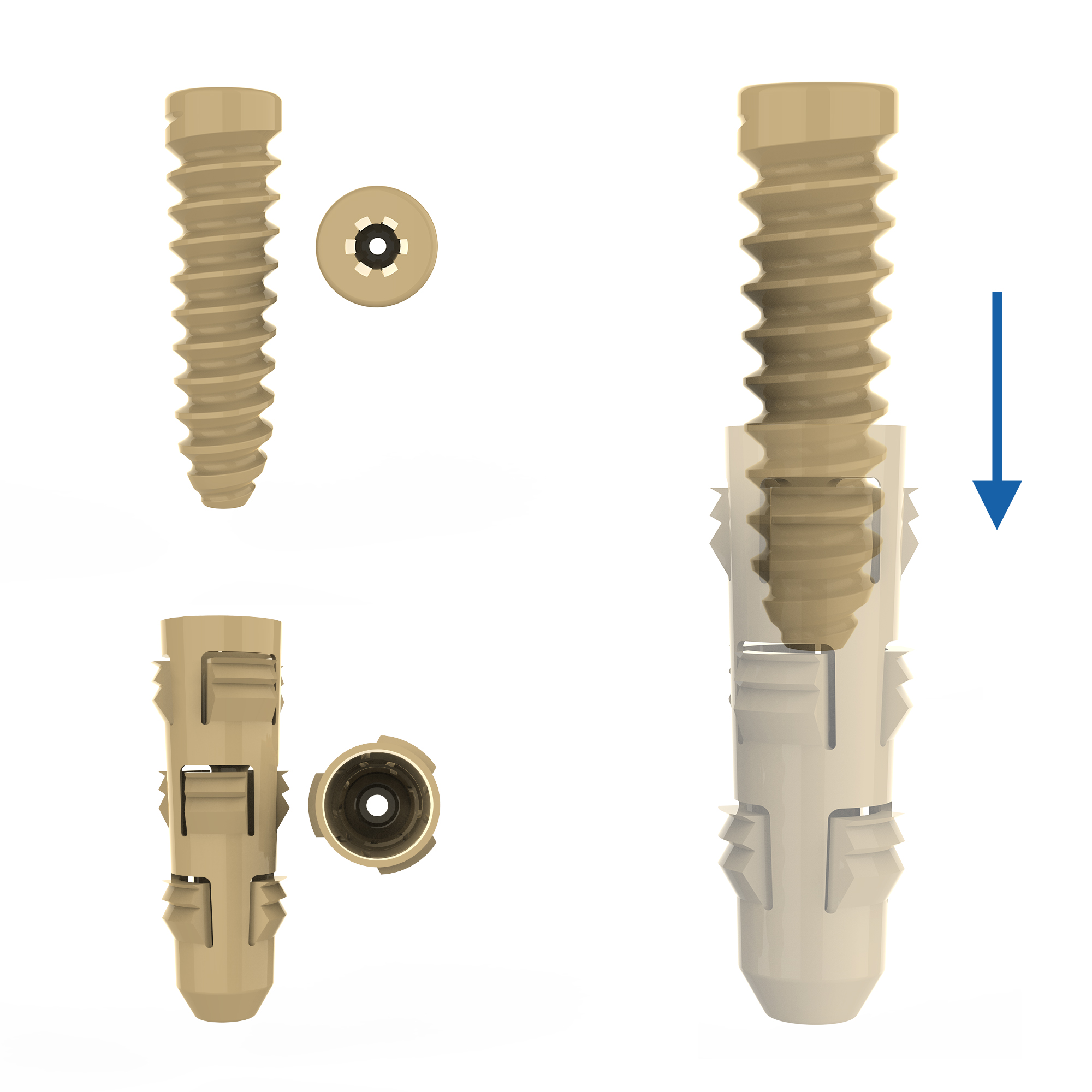
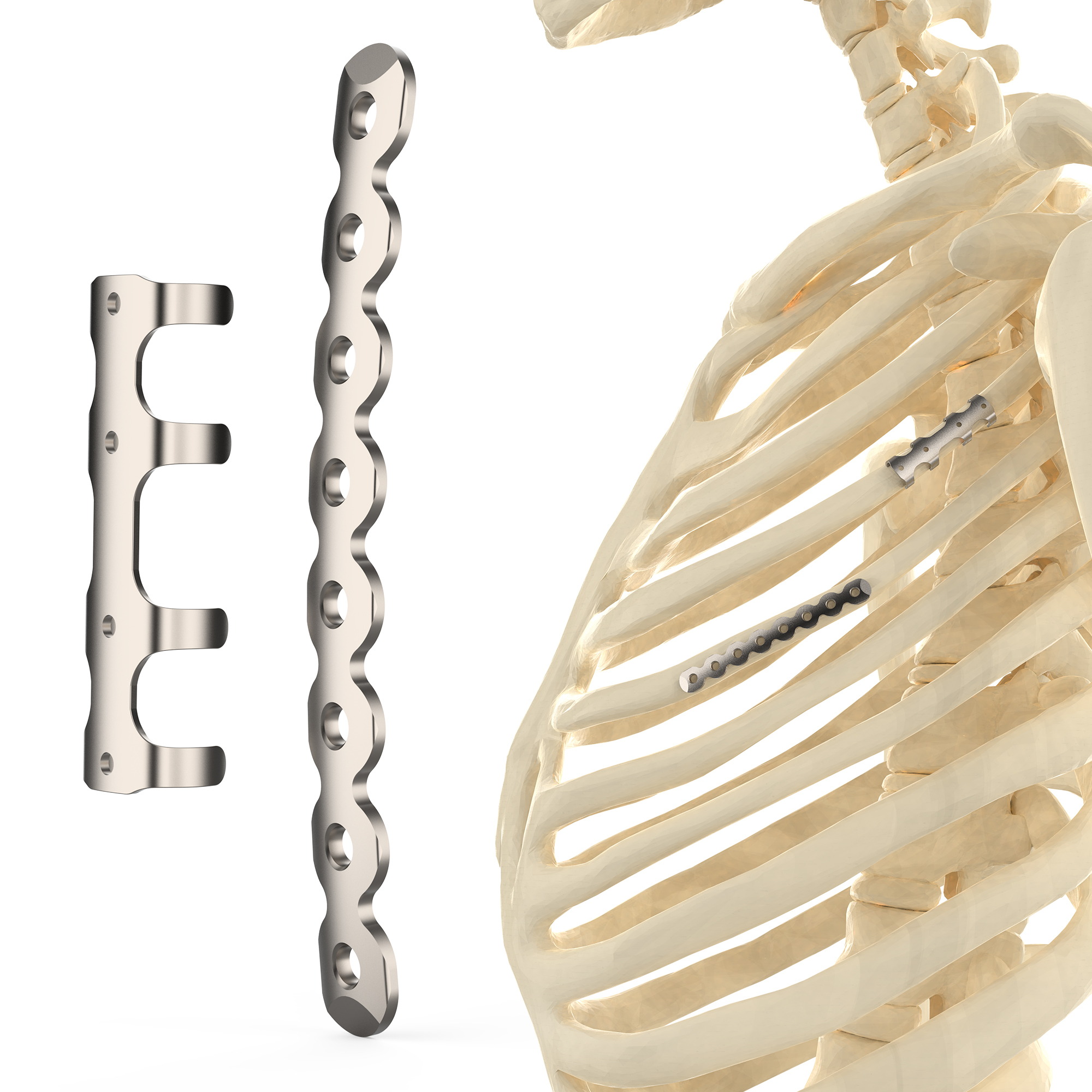
Manufacturing Excellence & Metallurgical Mastery from China
Zhejiang INAR Medical Co., Ltd. (operating under the clinical brand CANWELL Medical) stands at the forefront of medical device engineering in East Asia. As an SGS-verified manufacturer boasting over 22 years of specialized development in orthopedic trauma implants and surgical instrumentation, our operation bridges advanced biomechanical engineering with scalable, cost-efficient bulk production.
Operating a state-of-the-art 29,523 m² manufacturing campus staffed by 632 dedicated personnel, our facilities feature multi-axis CNC Swiss-type turning centers, high-precision vertical milling units, automated surface electrochemical anodization plants, and ISO Class 7 cleanrooms for aseptic primary packaging. We empower global medical distributors, tender suppliers, and OEM brand owners to navigate competitive healthcare procurement with absolute clinical confidence.
Enterprise Verification Matrix
| Operational Metric | Verified Enterprise Capability |
|---|---|
| Industry Experience | 22+ Years Continuous R&D and Manufacturing |
| Total Workforce | 632 Employees (Incl. 45 QC Engineers & Technical R&D) |
| Plant Scale | 29,523 m² Fully Integrated Production Base |
| Machining Precision | Sub-micron tolerances on 5-Axis German CNC Machining Centers |
| Core Materials | Ti-6Al-4V ELI (ASTM F136), 316L (ASTM F138), PEEK-OPTIMA, PLGA |
| Certifications | CE MDR Approved, ISO 13485, SGS Onsite Verified Supplier |
| Export History | 13+ Years Serving 60+ Nations across Europe, LATAM, & Asia |
Trauma Implants System Architecture & Material Science
A comprehensive whitepaper breakdown of clinical classification, mechanical load-bearing characteristics, and structural design standards for B2B orthopedic buyers.
Anatomical Locking Compression Plates (LCP)
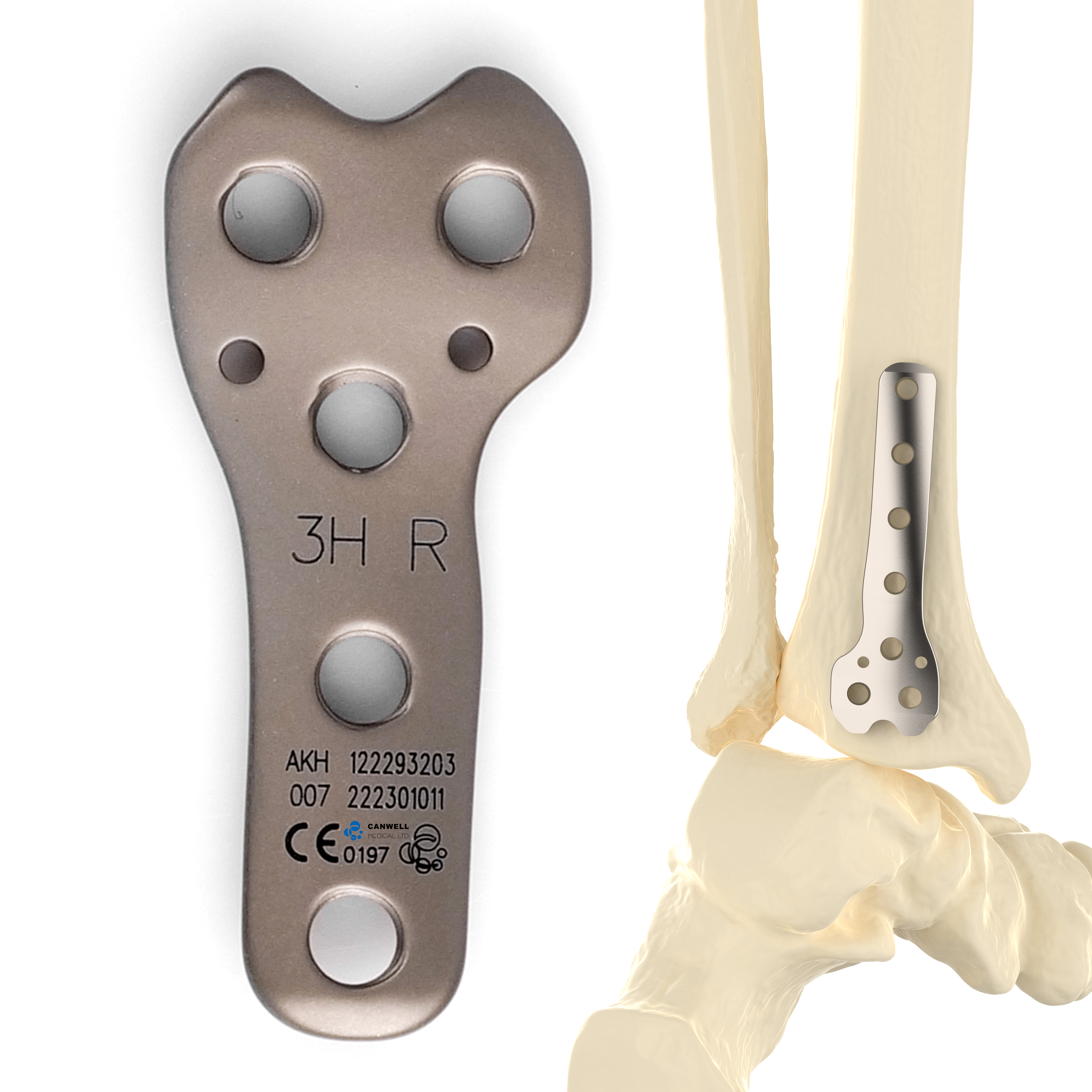
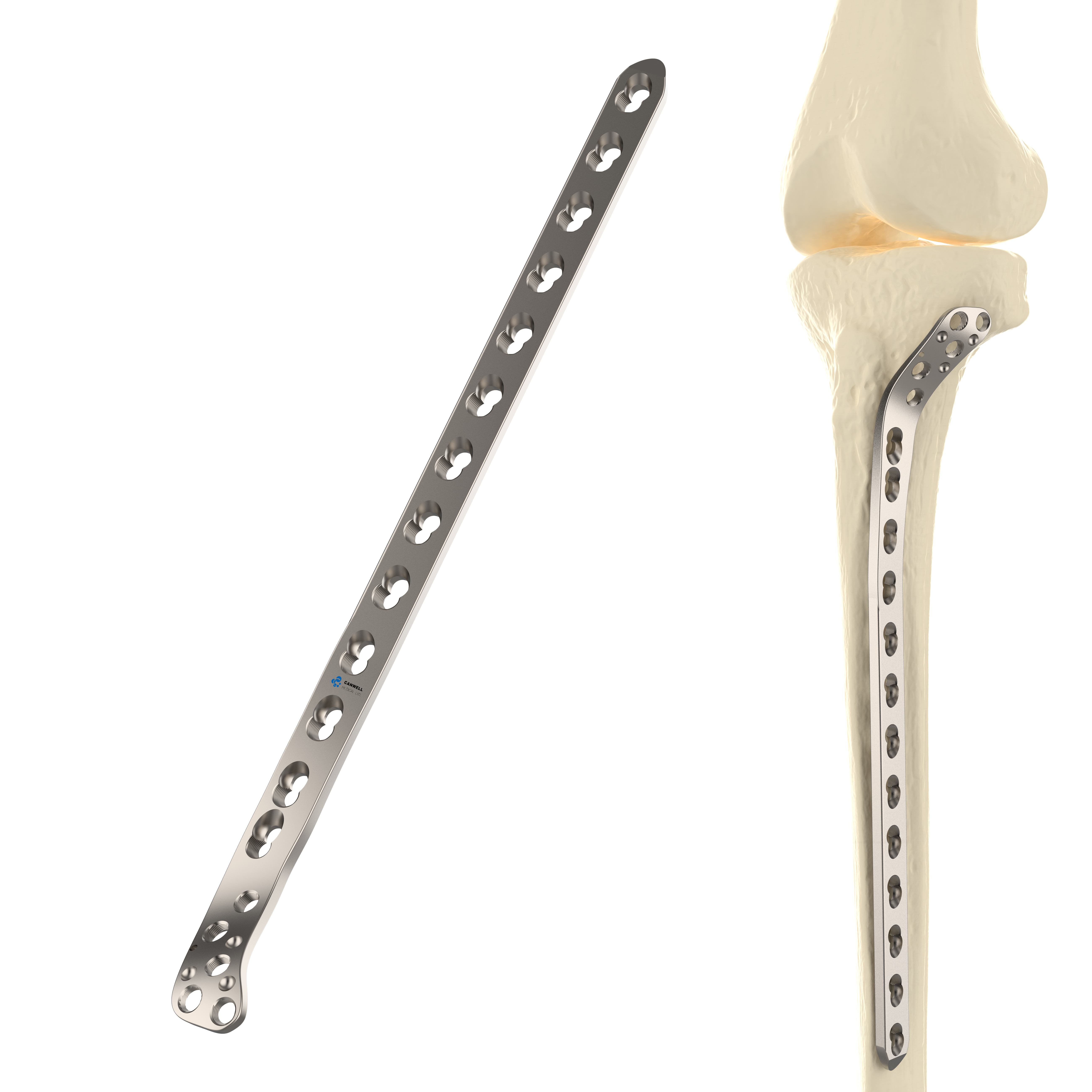
Designed with pre-contoured anatomical geometry to closely mirror bone surface morphology, reducing the need for intraoperative plate bending. Utilizing combi-holes, our LCP systems allow surgeons to choose between conventional compression and angularly stable locking fixation.
Manufactured from Grade 23 Ti-6Al-4V ELI (Extra Low Interstitial) alloy, these plates provide superior fatigue strength and reduced elastic modulus compared to standard titanium, drastically minimizing stress shielding while accelerating callus formation.
Interlocking Intramedullary Nailing Systems
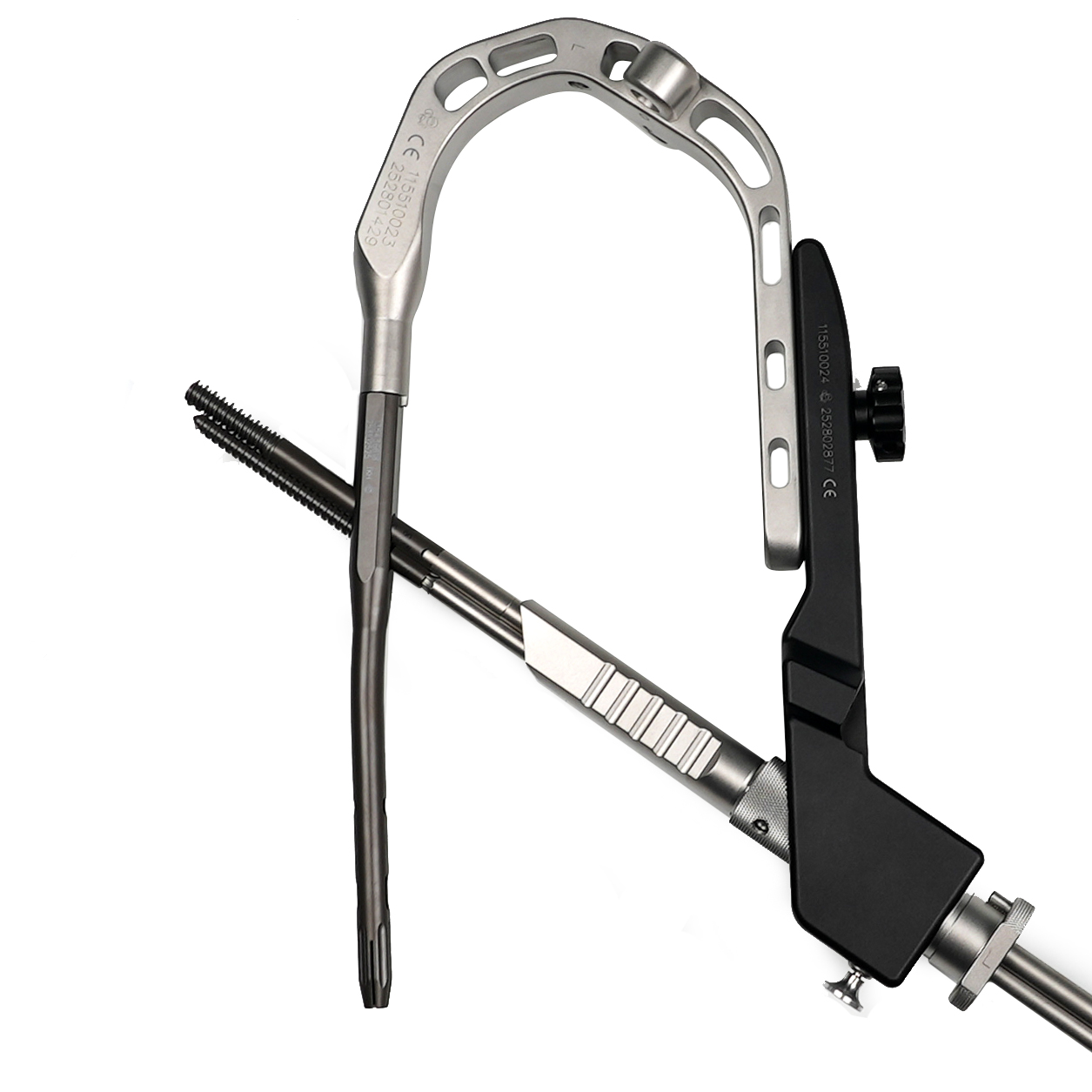
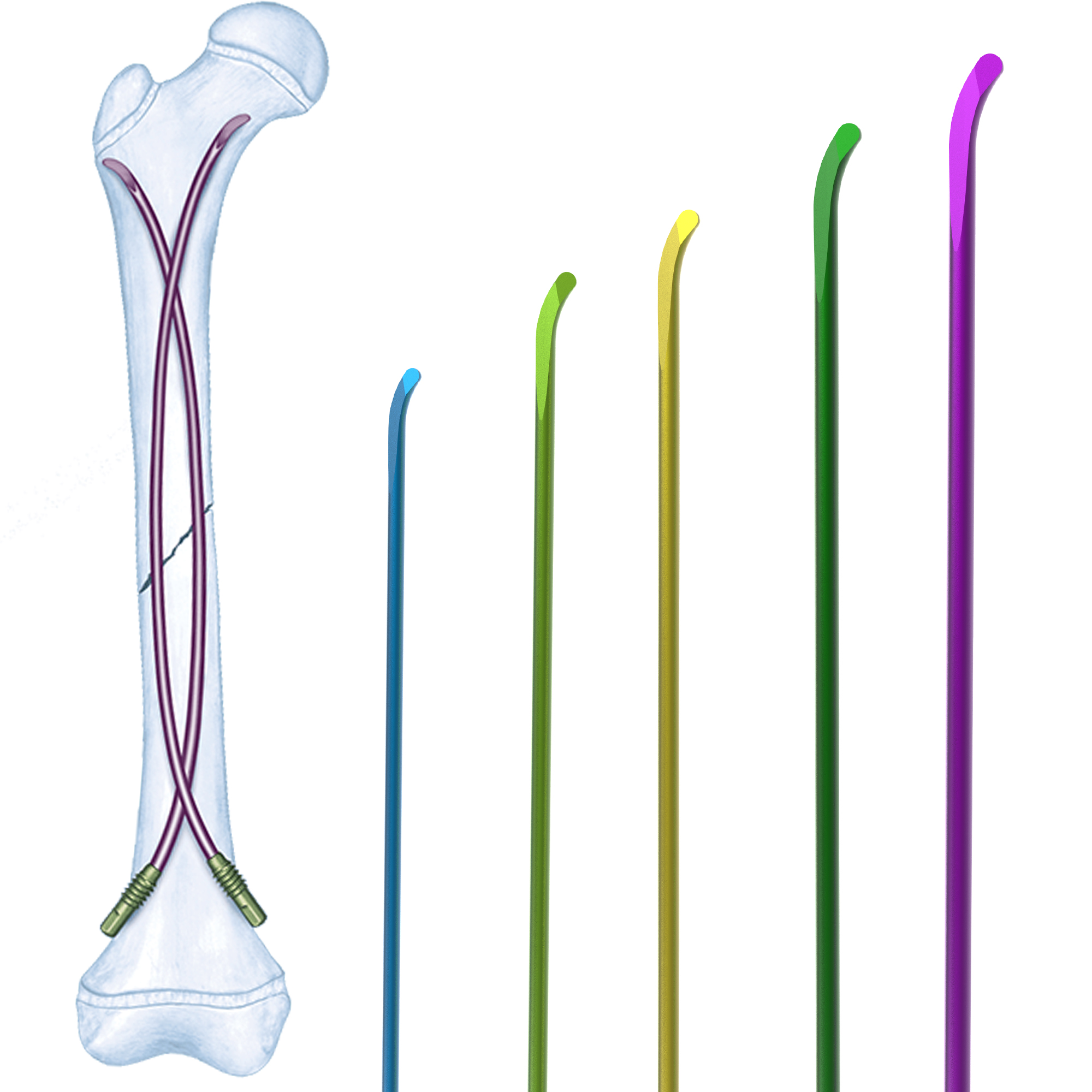
Engineered for load-sharing internal fixation of long bone fractures (femur, tibia, and humerus). Featuring cannulated shafts for insertion over guide wires and multi-planar proximal and distal locking options to preserve axial alignment and rotational stability.
Our flagship Suprapatellar Tibial Nailing System facilitates instrument passage with the knee extended, protecting the articular cartilage of the patellofemoral joint and streamlining operative workflow in complex proximal and distal segmental fractures.
Bioabsorbable & PEEK Arthroscopy Implants
Surgical devices engineered for sports medicine soft tissue reconstruction (ACL/PCL ligament anchors, meniscus suture repair systems, and AC joint buttons). Utilizing medical-grade PLGA (Poly(lactic-co-glycolic acid)) matrix composites for controlled bioabsorption without secondary inflammation.
For permanent non-absorbable indications, radiolucent PEEK-OPTIMA polymer constructs feature high biocompatibility and radiolucency, permitting uninhibited CT and MRI artifact-free postoperative assessment.
Industry & Product Development Trends in Orthopedic Trauma
Key technological transformations shaping global demand, clinical efficiency, and bulk procurement criteria for wholesale importers.
1. Transition to Variable-Angle (VA) Locking Technology
Traditional fixed-axis locking compression plates are increasingly yielding market share to Variable-Angle (VA) Locking Systems. By allowing up to 15 degrees of off-axis screw trajectory around the central axis of the plate hole, VA technology provides surgeons with crucial intraoperative flexibility to target specific bone fragments, reconstruct periarticular fractures, and avoid joint penetration or existing hardware.
For distributors, stocking VA titanium locking plate systems drastically consolidates stock-keeping units (SKUs) while matching top-tier multinational clinical standards.
2. Minimally Invasive Percutaneous Osteosynthesis (MIPO)
Modern surgical protocols emphasize soft tissue envelope preservation to enhance fracture hematoma biology and accelerate primary union. Implants engineered for MIPO procedures—featuring tapered plate ends, sub-muscular insertion handles, and percutaneous targeting guides—are experiencing heightened procurement demand worldwide.
CANWELL Medical's low-profile distal tibial and femoral locking plate lines are optimized with rounded contours and smooth transitional tapers specifically tailored for MIPO execution.
3. Advanced Surface Electrochemical Modifications
Surface finishing is no longer merely aesthetic; it is a mechanical and biological performance parameter. Advanced Type II Electrochemical Anodization alters the surface titanium oxide layer, yielding a dense, compact micro-structure that drastically increases fatigue resistance, reduces galling between screw threads and plate holes, and minimizes nickel or metal ion leaching.
Color-coded anodization across distinct screw diameters (e.g., 2.4mm, 2.7mm, 3.5mm, 5.0mm) reduces intraoperative scrub nurse selection errors and enhances surgical flow.
4. Bioabsorbable Polymers & Hybrid Composite Anchors
In sports medicine and pediatric trauma, avoiding secondary hardware removal operations is a top clinical mandate. The integration of PLGA bioabsorbable polymers blended with beta-tricalcium phosphate (β-TCP) promotes osteoconductive bone ingrowth as the implant gradually degrades, safely transferring load back to native bone tissue over 12 to 24 months.
This biological evolution allows wholesale importers to capture high-margin hospital tenders in sports medicine and pediatric orthopedics.
Global Procurement Trends: What Wholesalers Must Plan For (2025–2030)
Strategic purchasing recommendations for healthcare importers, medical device agents, and government tender bidders navigating a changing global supply chain.
1. EU MDR Regulatory Compliance Bottlenecks
As the transition period for the European Union Medical Device Regulation (EU MDR 2017/745) tightens, non-compliant manufacturers are being excluded from international markets. Global procurement officers must prioritize Chinese suppliers who possess robust Technical Documentation (STED files), clinical evaluation reports, and active CE MDR certificates issued by accredited Notified Bodies.
2. Turnkey OEM/ODM Customization Demand
Wholesalers are moving away from buying unbranded commodity products toward establishing proprietary medical device brands. Suppliers must provide full-service private labeling, bespoke laser marking, customized instrument tray layout configuration, and tailored packaging solutions (including sterile double-blister barrier systems with customized language labeling).
3. Total Cost of Ownership (TCO) Optimization
Leading buyers look beyond FOB unit prices. TCO incorporates instrument set longevity, reusable sterilization container compatibility, defect exchange rates, and regulatory submission assistance. Partnering directly with an established manufacturer like Zhejiang INAR eliminates intermediary trading markups while securing reliable post-market surveillance support.
End-to-End Quality Assurance: Our 13-Step Production Route
From raw titanium bar stock to sterile shelf-ready delivery, every CANWELL implant follows a documented quality verification sequence.
Raw Material Audit
Spectrometric testing and chemical composition verification of certified Ti-6Al-4V ELI bar stock.
Longitudinal Cutting
High-speed precision saw blanking under automated fluid coolant controls.
5-Axis CNC Milling
Multi-axis contour machining of anatomical plate curves, combi-holes, and screw threads.
Surface Polishing
Automated drag polishing and hand-finishing to remove micro-burrs and stress concentrators.
Ultrasonic Clean I
Multi-stage detergent washing to eliminate cutting fluids, oils, and particulate matter.
Precision Grinding
Dimensional fine-grinding ensuring micron-level fitting of quick-coupling drive connectors.
Sand-Blasting
Controlled glass-bead micro-blasting to achieve uniform matte anti-glare surgical surface finish.
Dye Penetrant Test
100% surface defect inspection under fluorescent ultraviolet light detection cleanroom booths.
Type II Anodization
Electrochemical color-coding anodization for anti-galling thread hardening and size identification.
Ultrasonic Clean II
Final pyrogen-free purified water ultrasonic rinsing prior to cleanroom transfer.
OQC Visual & CMM
Coordinate Measuring Machine (CMM) dimensional verification against 3D CAD master files.
Aseptic Packing
ISO Class 7 cleanroom primary double-blister sealing with Tyvek sterile packaging barriers.
Box & Warehousing
Lot-numbered box labeling with UDI (Unique Device Identification) barcode printing.
Frequently Asked Procurement Questions (FAQ)
Essential guidance for orthopedic importers, purchasing managers, and regulatory affairs specialists.