High-Performance Clinic & Hospital Medical Beds
Explore our certified range of electric ICU beds, multi-function manual nursing beds, and clinical ward systems engineered for safety, durability, and patient comfort.
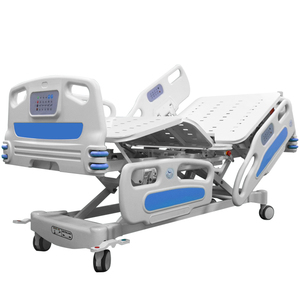
Longermay Factory Medical Hospital Bed
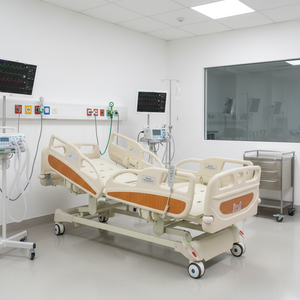
3/5/7 Function Electric ICU Medical Bed
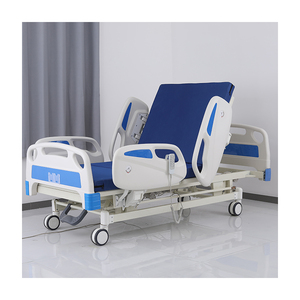
CH-C8 Stainless Steel Double-Crank Medical Bed
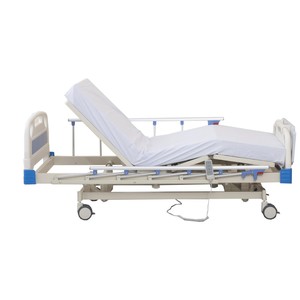
GRACEMED 3-Function Electronic Bed (L&K Motor)
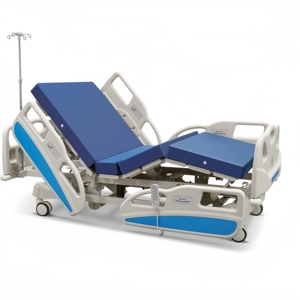
Cama Clinica 5-Function ICU Electric Bed
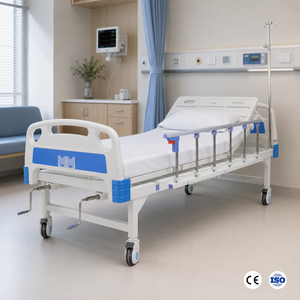
OEM 2-Function Manual Bed with ABS Headboard
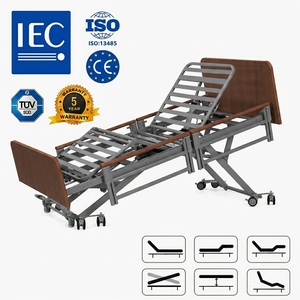
Home Care Adjustable Electric Nursing Bed
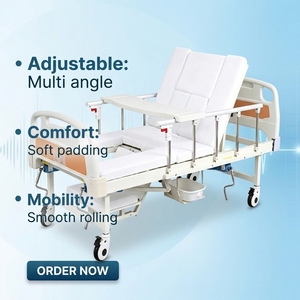
Hospital-Grade Manual Steel Nursing Bed
Industrial Manufacturing & Technology Standards
Our manufacturing infrastructure is tailored for global healthcare distributors, hospital tender contractors, and medical equipment brand owners.
IEC 60601-2-52 Safety Certification
Engineered to eliminate patient entrapment risks with strict compliance to international side rail gap standards, mechanical load tests, and electrical safety isolation protocols.
Robotic Welding & Metallurgy
Constructed using high-tensile cold-rolled steel treated with 11-stage electrostatic powder coating, providing anti-corrosive, anti-bacterial protection against clinical disinfectants.
OEM Motor & Actuator Options
Equipped with industry-leading Linak, Timotion, or L&K medical-grade linear actuators, offering ultra-quiet operations (< 45dB), IPX4 water ingress protection, and smooth adjustment curve.
B2B Executive Whitepaper: Strategic Sourcing & OEM Customization of Medical Clinic Beds
In modern clinical environments, patient beds serve as the core structural nexus of nursing care, diagnostic support, and patient recovery. Sourcing high-quality medical clinic beds requires procurement managers, hospital directors, and OEM brand buyers to evaluate structural integrity, regulatory compliance, ergonomic efficiency, and total cost of ownership (TCO). This comprehensive technical guide presents actionable insight into selecting, customizing, and importing clinic beds from certified global manufacturers.
1. Engineering Benchmarks: Electric vs. Manual Medical Beds
The choice between electric drive systems and manual mechanical crank beds depends on clinical acuity, facility budget, and infrastructure stability. Electric ICU and clinic beds utilize multi-actuator systems (3, 5, or 7-function configurations) to automate patient positioning. These include Backrest adjustment (0–75°), Knee-rest elevation (0–45°), Height adjustment (380mm–780mm), Trendelenburg (-16°), and Reverse Trendelenburg (+16°).
Manual beds remain vital for rural clinics, emergency surge centers, and regions with volatile power distribution. Built with heavy-duty stainless steel or cold-rolled carbon steel, double-shaking manual crank mechanisms feature dual-friction protection devices to prevent mechanical overload and ensure effort-free operation by care staff.
| Feature Parameter | 3-Function Electric Bed | 5-Function ICU Electric Bed | 2-Crank Manual Clinic Bed |
|---|---|---|---|
| Primary Application | General Wards / Step-Down Clinics | ICU / Critical Care Units | Outpatient / General Nursing |
| Safe Working Load (SWL) | 200 kg – 250 kg | 250 kg – 300 kg | 175 kg – 220 kg |
| Actuator / Drive System | L&K / Timotion Actuators | Linak Motor with Battery Backup | Dual Mechanical Steel Cranks |
| Positioning Capability | Back, Leg, High-Low | Back, Leg, High-Low, Trendelenburg | Backrest & Leg Elevation |
| Side Rail Configuration | Collapsible Aluminum Alloy | 4-Piece Tuck-Away ABS Rails | Foldable Stainless Steel Rails |
| Radiographic Capability | Optional Backrest Cassette | Full-Length X-Ray Translucent Deck | Not Applicable |
2. OEM/ODM Customization Matrix for Brand Importers
As a dedicated OEM/ODM clinic bed manufacturer, factory-level customization enables global medical supply brands to meet regional regulatory demands and hospital tender specifications. Key customizable engineering modules include:
- Headboard & Footboard Aesthetics: Custom injection-molded ABS plastics with color-coded anti-collision corner bumpers, timber-finish laminate overlays for nursing homes, or quick-release latch mechanisms for emergency CPR access.
- Control Interface Integration: Embedded side-rail caregiver control panels, patient hand-held pendants, nurse control units (NCU) with lock-out keys, and foot-pedal height adjustment switches.
- Specialized Diagnostic Accessories: Integrated weight scale sensors with digital LCD telemetry, under-bed night lighting, IV pole attachment sockets, and central braking castor systems.
3. Future Procurement & Technology Trends (2025–2030)
The medical bed sector is undergoing rapid evolution driven by smart healthcare technologies, aging demographics, and decentralized clinical care. Procurement strategies are shifting toward three core trends:
A. Smart IoT Integration & Patient Telemetry: Modern ICU beds are transitioning into active monitoring hubs. Sensors embedded within the mattress deck record real-time patient weight variations, body position movement, and bed-exit alerts. Integrations with hospital electronic health record (EHR) networks allow nursing teams to prevent bedsores and fall accidents remotely.
B. Antimicrobial Surface Engineering: Post-pandemic clinical environments demand superior infection control. OEM beds now incorporate silver-ion infused powder coatings and seamless ABS plastic decks that withstand aggressive chemical sanitization, reducing hospital-acquired infection (HAI) transmission risks.
C. Geriatric & Home-Nursing Ergonomics: As care shifts toward outpatient long-term care and home nursing, beds designed with ultra-low deck heights (< 25cm off the floor) and auto-chair positioning are becoming standard. These features enhance patient autonomy during transfers while protecting caregivers from lumbar injuries.
Clinic Bed Sourcing & FAQ
Clear, expert answers to key questions asked by healthcare buyers, importers, and hospital project managers.
Ready to Elevate Your Medical Supply Portfolio?
Connect directly with our factory engineering and international sales team to request custom quotations, tender specification documents, or complete digital catalogs.