Featured Orthopedic Implants & Surgical Instruments
Precision-engineered trauma locking plates, intramedullary reamers, and sports medicine devices manufactured under CE MDR and ISO 13485 standards.
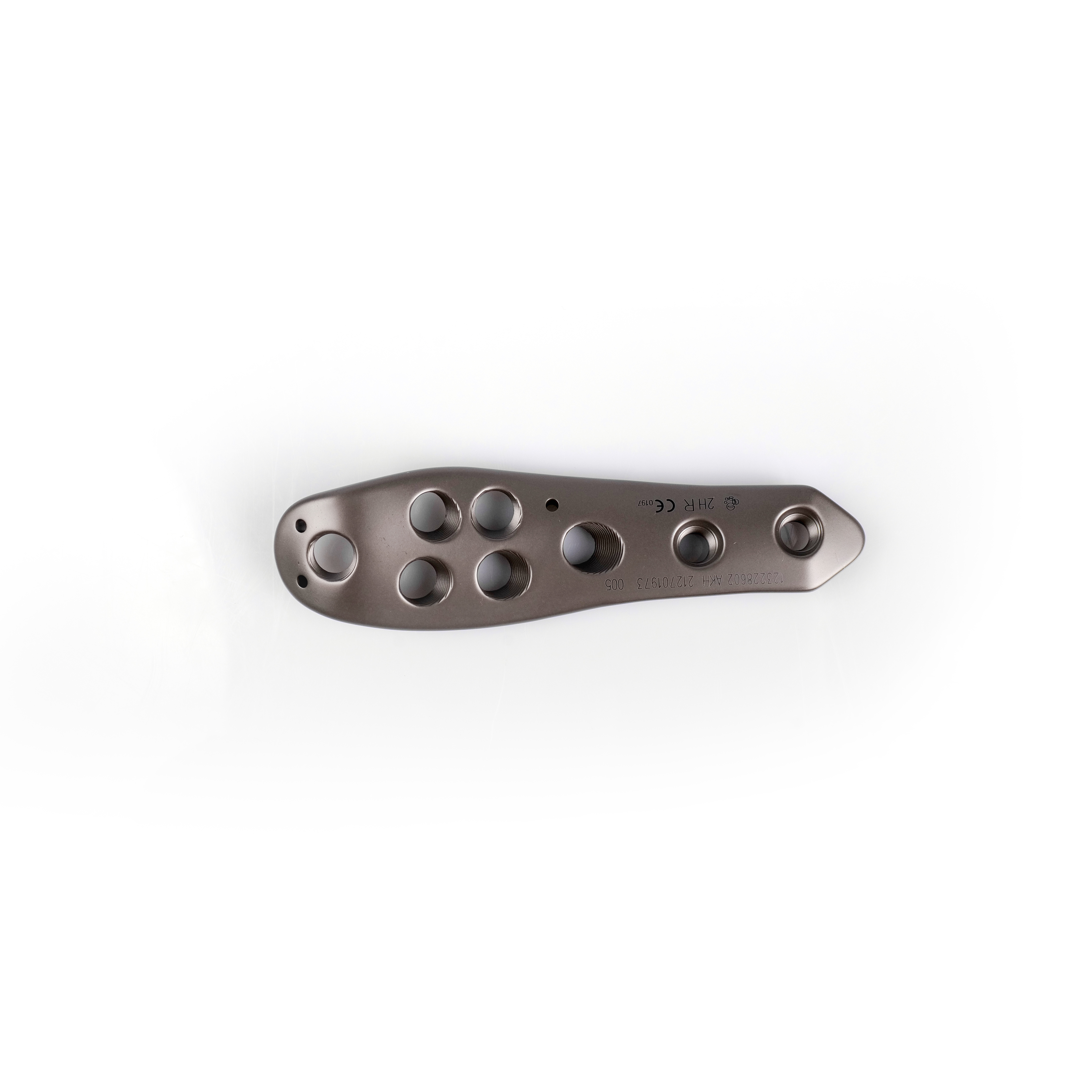
CANWELL Titanium Tibia Locking Plate Price Factory Distal Femur Lateral Distal Femoral Outer Side Orthopedic Implant Lock Plates
View Technical Specs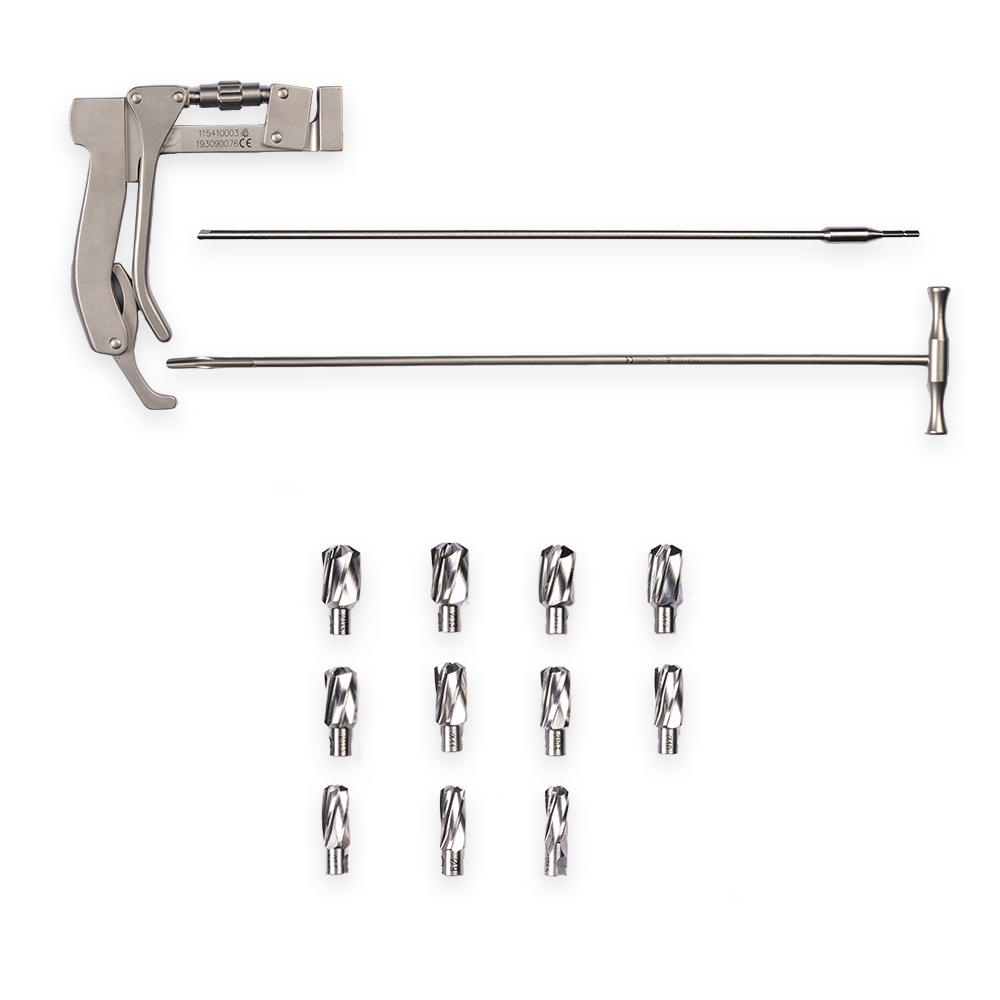
CANWELL Orthopedic Flexible Reamer Set for Intramedullary Nail Surgery with Reamer Heads and Flexible Shaft OEM Supplier
View Technical Specs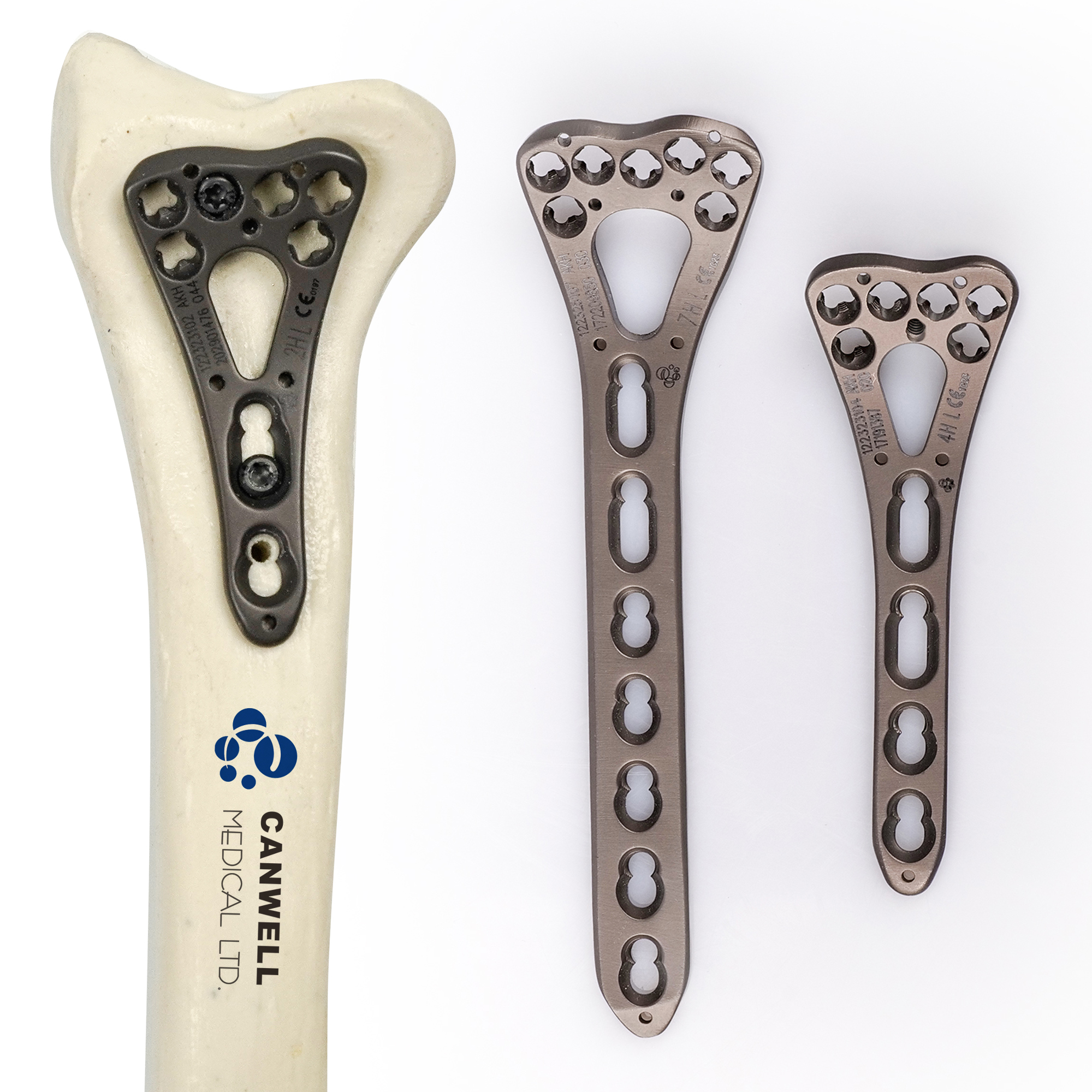
CANWELL 2.4 2.7mm VA Titanium Distal Palmar Radius Locking Plate Volar Wrist Price Bone Fracture Orthopedic Implants CE ISO
View Technical Specs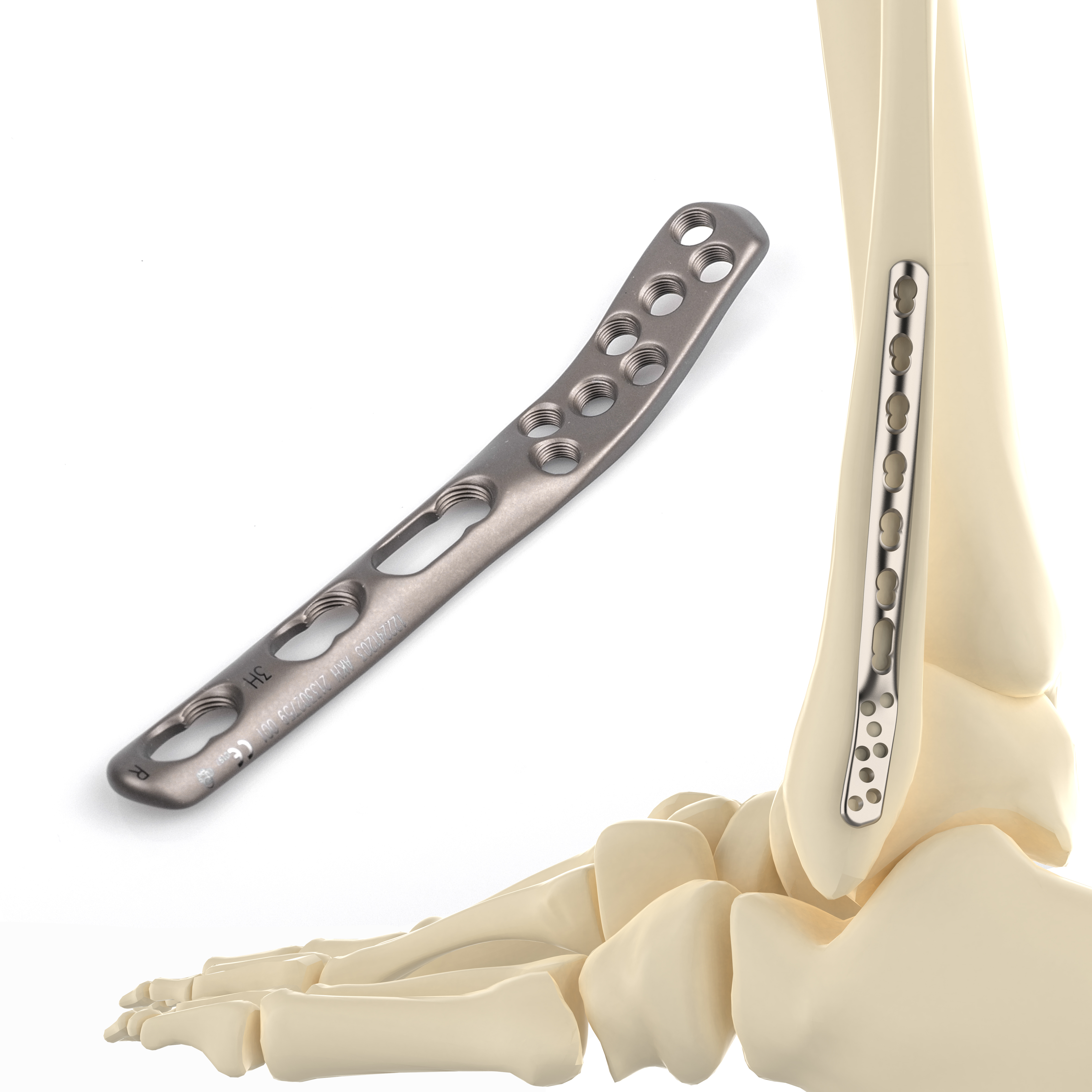
CANWELL Fibula Plate Titanium Posterolateral Distal Fibula Locking Plate 2.7/3.5mm Screw System Orthopedic Implant Manufacturer
View Technical Specs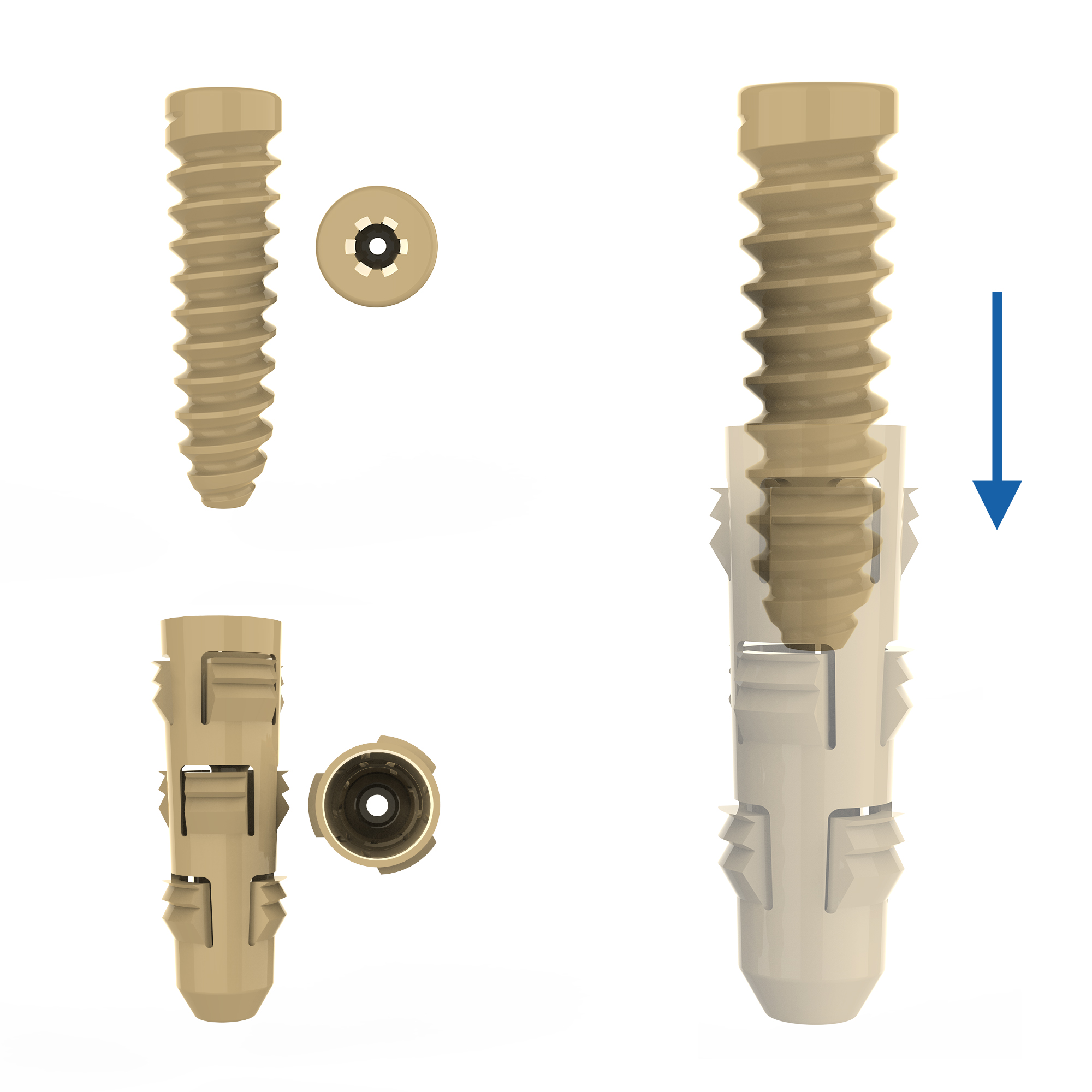
CANWELL Sports Medicine ACL Reconstruction ACL PCL Bioabsorbable Arthroscopy Surgery Peek Interference Screw
View Technical Specs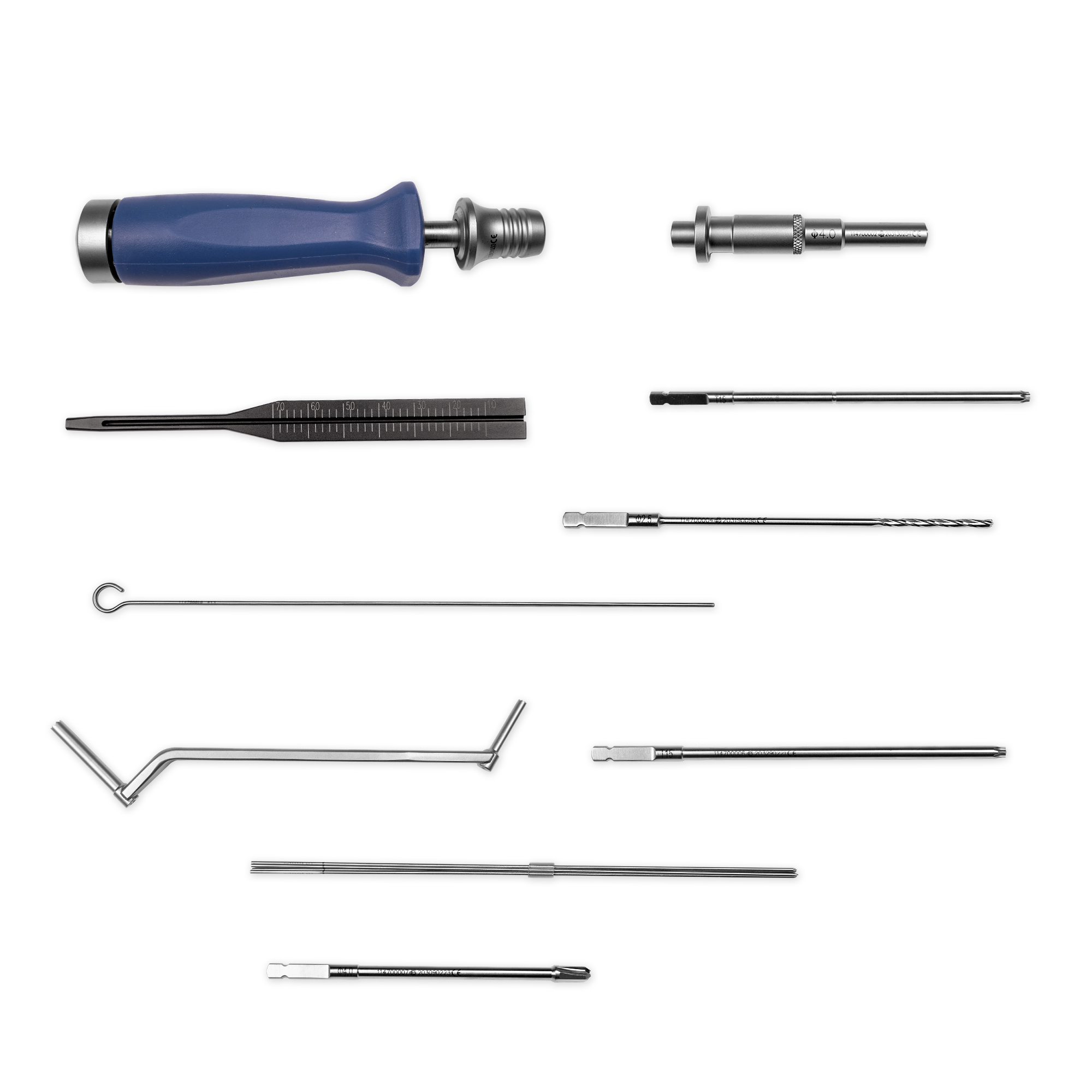
CANWELL Medical Orthopedic Instrument Set Manual Metal Torque Adapter Quick Coupling Handle Torque Limiter Ratchet Handle
View Technical Specs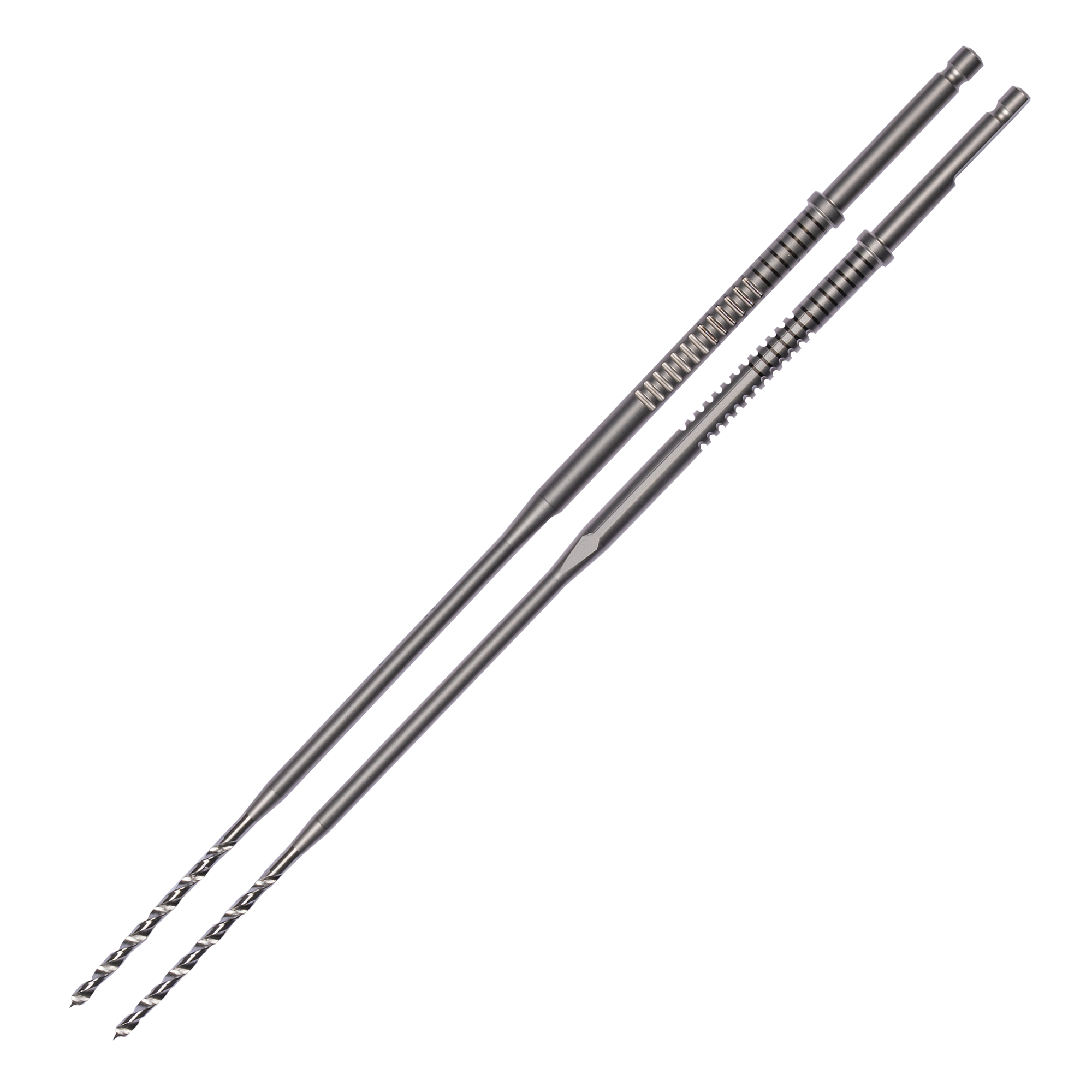
CANWELL Bone Drill Bit Bone Flexible Surgical System Soft AO Normal Type Full Size Quick Coupling for Locking Plate and Screw
View Technical Specs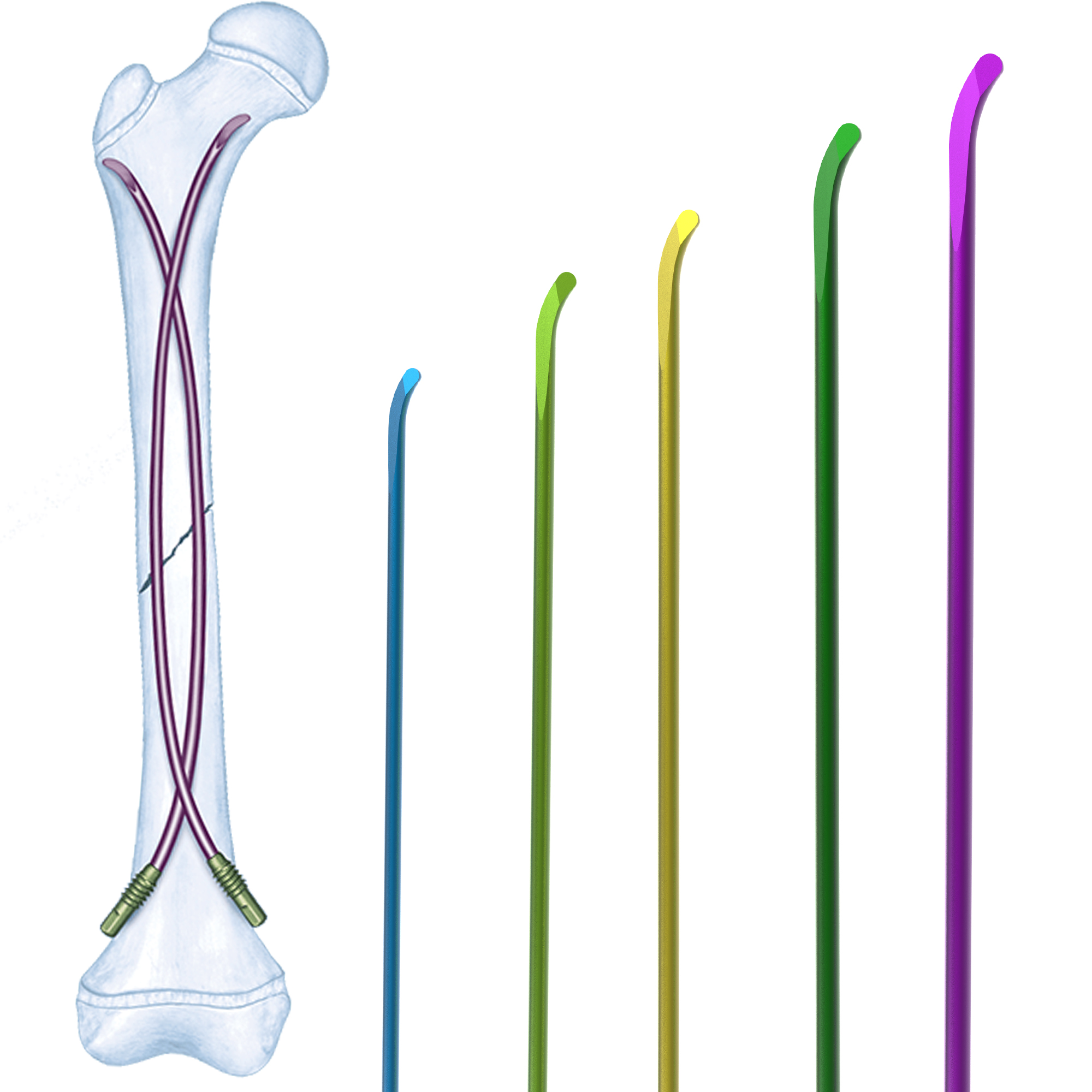
Canwell Titanium Elastic Stable Intramedullary Nail TEN Pediatric Orthopedic Implant Children Long Bone Fracture Fixation
View Technical SpecsEngineering Principles & Biomechanical Innovations in Custom OEM Gamma Nails
Proximal femoral fractures, encompassing intertrochanteric, subtrochanteric, and trochanteric combination fractures, present complex mechanical challenges in orthopedic trauma surgery. Gamma nails—specifically intramedullary trochanteric nails—have transformed clinical management by providing closed, load-sharing internal fixation superior to traditional extramedullary sliding hip screws.
Dedicated continuous development in precision medical implants.
Engineers, metallurgists, and certified Quality Assurance specialists.
Equipped with 5-axis CNC Swiss turning centers and Class 100,000 cleanrooms.
Full lot traceability from raw titanium billet to final sterile barrier.
Anatomic Geometry & Trochanteric Entry Point Optimization
Modern OEM Gamma nail designs utilize a modified trochanteric entry point (lateral to the tip of the greater trochanter) with a valgus bend angle between 4° and 6°. This geometry preserves the gluteus medius tendon attachment and minimizes the risk of iatrogenic femoral shaft fractures during insertion.
As a leading custom exporter, our OEM manufacturing facility customizes the proximal nail diameter (typically 15mm to 17mm) and radius of curvature (ROC from 1.0m to 1.5m) to precisely match ethnic anatomic variations across European, Asian, and American patient cohorts.
Lag Screw vs. Helical Blade Anti-Rotation Mechanics
Rotational stability of the femoral head element is critical to prevent cut-out—the primary cause of mechanical failure in osteoporotic bone. Our custom Gamma nail systems offer interchangeable lag screw and helical blade configurations:
The helical blade system compacts bone tissue during insertion rather than removing it, significantly increasing resistance to rotational torque and axial pull-out. Integrated set-screw mechanisms allow controlled dynamic collapse while locking rotational movement.
Future Procurement & Development Trends in Intramedullary Nailing
Global hospital procurement groups and orthopedic brand owners are shifting purchasing criteria toward modularity, reduced intraoperative radiation, and enhanced material fatigue resistance.
1. Carbon-Fiber Radiolucent Targeting Jigs
Surgeons demand ultra-lightweight, radio-transparent distal targeting arms. Carbon-fiber PEEK composite instrumentation allows unimpeded fluoroscopic visualization, speeding up distal dynamic and static locking while reducing surgical fluoroscopy exposure time by over 35%.
2. Titanium-Niobium (Ti-15Mo) & Anodized Passivation
To further eliminate fretting corrosion and stress shielding, advanced OEM exporters are migrating from Ti-6Al-4V ELI to high-ductility titanium alloys featuring Type II electrochemical anodization. This creates an bio-inert, friction-reducing ceramic-like oxide layer.
3. Micro-Motion Dynamic Distal Locking Sleeves
Next-generation proximal nails incorporate resorbable or PEEK distal sleeves that allow controlled axial micro-motion (0.5mm to 1.5mm) while maintaining full rotational rigidity. This controlled micromotion accelerates secondary callus formation and fracture healing.
4. Custom Anatomic Length & Radius Tailoring
Distributors require versatile length portfolios—from short nails (180mm–240mm) for simple intertrochanteric fractures to long anatomical nails (300mm–460mm) engineered with custom anterior bowing radii to accommodate diverse femoral geometries.
5. EU MDR & Global Regulatory Technical File Standardization
Tender compliance now hinges on full technical documentation under EU MDR 2017/745. Procurement teams prioritize contract manufacturers offering ready-to-submit Notified Body technical dossiers, biocompatibility data (ISO 10993), and dynamic fatigue test validation (ISO 14801 / ASTM F1264).
6. Integrated OEM Packaging & Kitting Solutions
The trend toward turnkey hospital deliveries requires custom private-label laser marking, color-coded anodized sizing, and pre-sterilized double-blister sterile packaging that seamlessly integrates with hospital inventory barcodes.
Zhejiang INAR Medical Co., Ltd. – World-Class OEM/ODM Capabilities
As an SGS-verified manufacturer with over 22 years of industry leadership and 632 dedicated staff members, Zhejiang INAR Medical operates a state-of-the-art 29,523 m² production base in Jinhua, Zhejiang, China.
Raw Bar Stock
Imported medical-grade Titanium Alloy (ASTM F136 / ISO 5832-3) verified via spectral chemical analysis.
Swiss CNC Machining
High-precision 5-axis Swiss-type longitudinal CNC machining for intricate cannulated geometries.
Dye Penetrant Testing
100% surface defect inspection ensuring zero micro-fractures prior to surface finishing.
Type II Anodization
Controlled color-coded anodizing layer improving surface fatigue endurance and aesthetic coding.
Cleanroom Packaging
Class 100,000 ISO-certified cleanroom packaging with automated double-blister pouch sealing.
Frequently Asked Questions by Global Buyers & Distributors
Addressing critical technical, regulatory, and commercial queries for international hospital tenders and private-label partnerships.
Which regulatory certifications do your custom Gamma nails and trauma implants hold? +
What OEM and ODM customization options are available for Gamma nail systems? +
- Custom proximal CCD angle variations (120°, 125°, 130°).
- Anatomic anterior curvature adjustments (Radius of Curvature 1.0m to 1.5m).
- Interchangeable lag screw vs. helical blade internal driver profiles.
- Custom fiber-optic or carbon-fiber radiolucent targeting instrumentation sets.
- Private-label fiber laser marking (logos, lot numbers, UDI barcodes).
- Custom anodization colors and sterile barrier blister packaging.
What biomaterials are utilized for your intramedullary nails and instruments? +
How does your quality control framework ensure zero defect shipments? +
What are the typical lead times and Minimum Order Quantities (MOQ) for OEM orders? +
Do you offer matching surgical instrumentation sets with custom Gamma nails? +
Partner with a Certified OEM Orthopedic Manufacturer
Connect directly with our senior engineering team and export department to request CAD specifications, technical dossiers, sample evaluation kits, or custom pricing schedules.
Send an Inquiry