Featured Orthopedic Implant & Instrument Systems
Explore our CE MDR-approved trauma locking plates, intramedullary nails, and specialized orthopedic instrumentation designed for high-performance clinical outcomes.
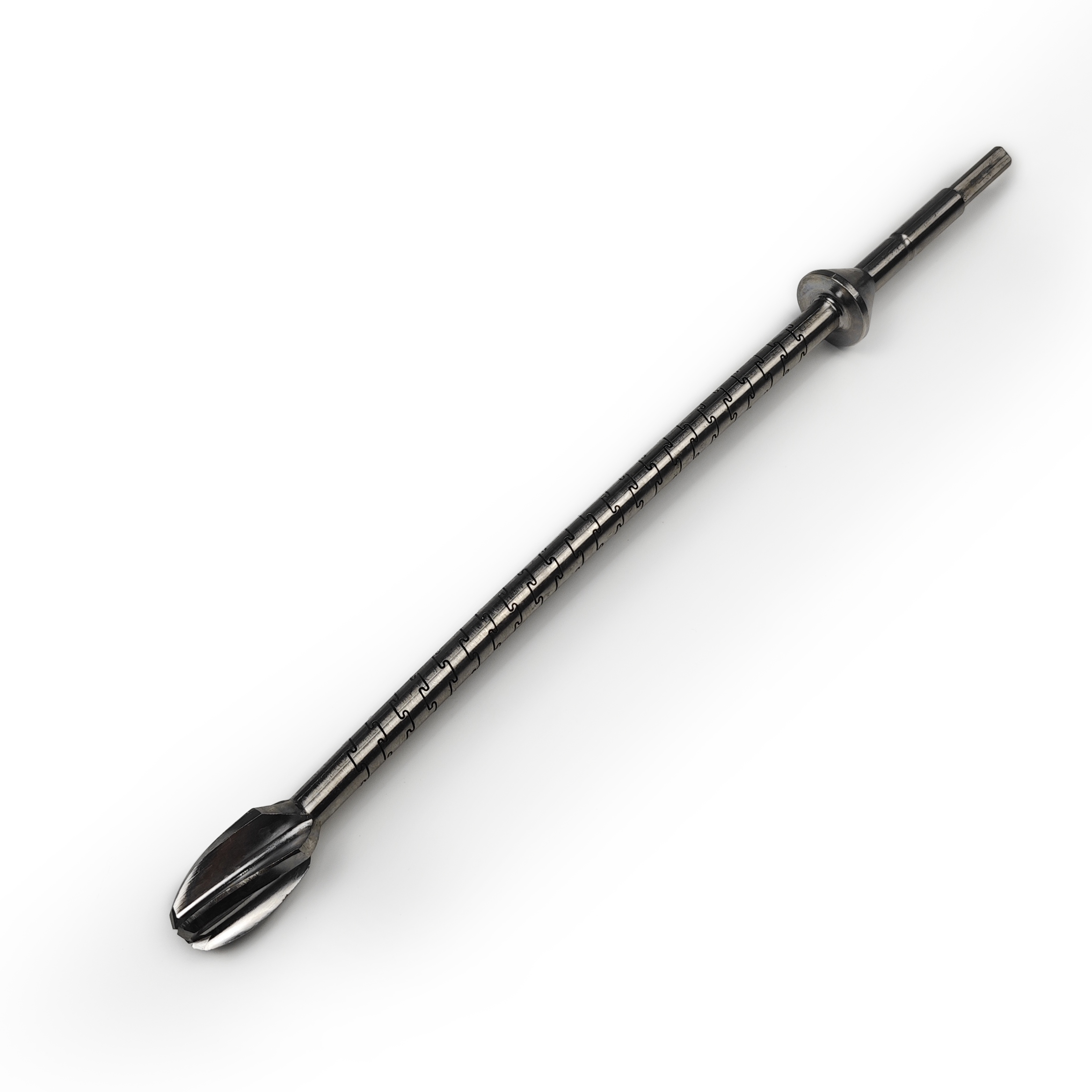
CANWELL Flexible Reamer Sterilization Box Surgical Orthopedic Instrument for Femoral Tibial Humeral Surgery
View Product Specifications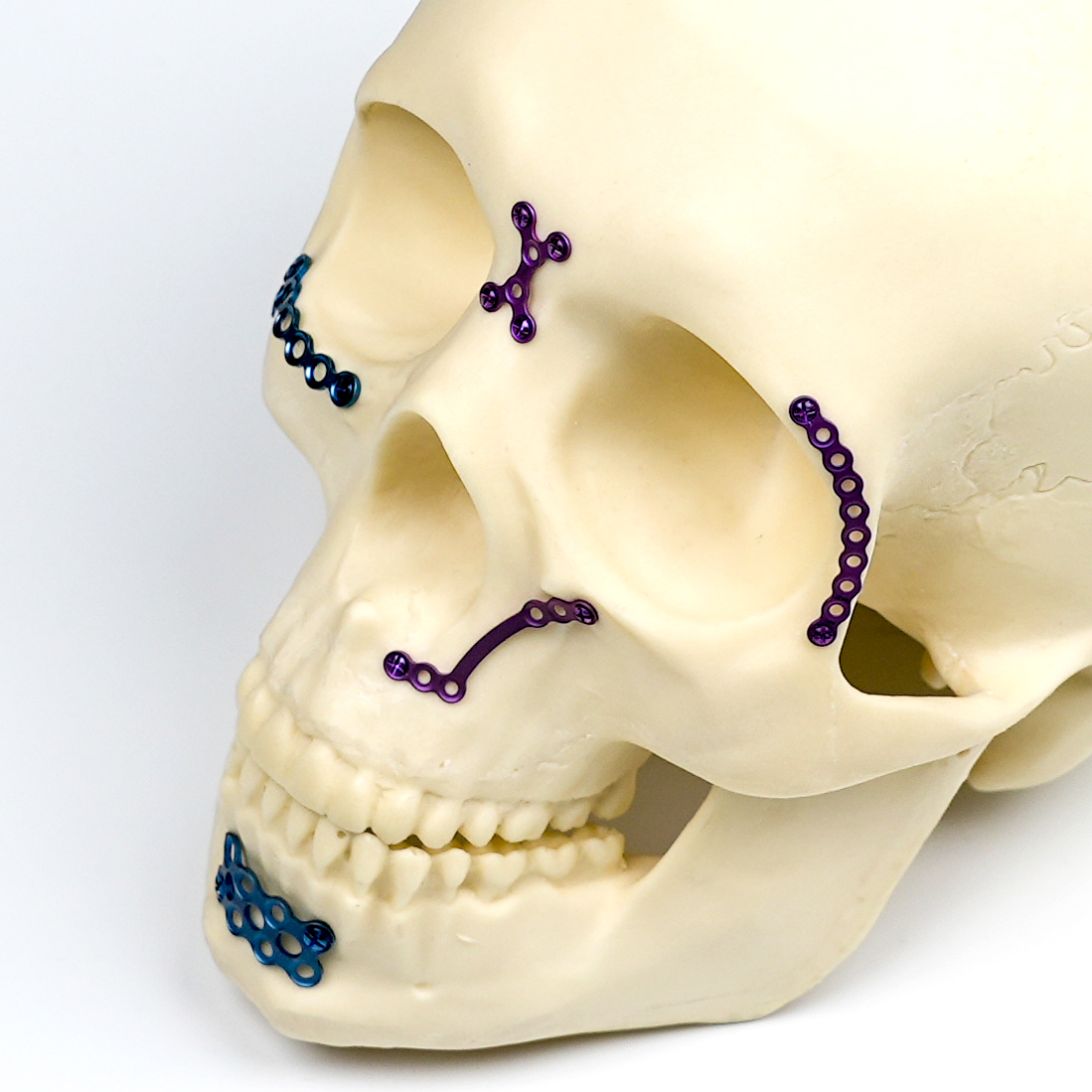
CANWELL CMF Titanium Maxillofacial Plate and Screw System for Facial Fracture Oral Surgery OEM Supplier
View Product Specifications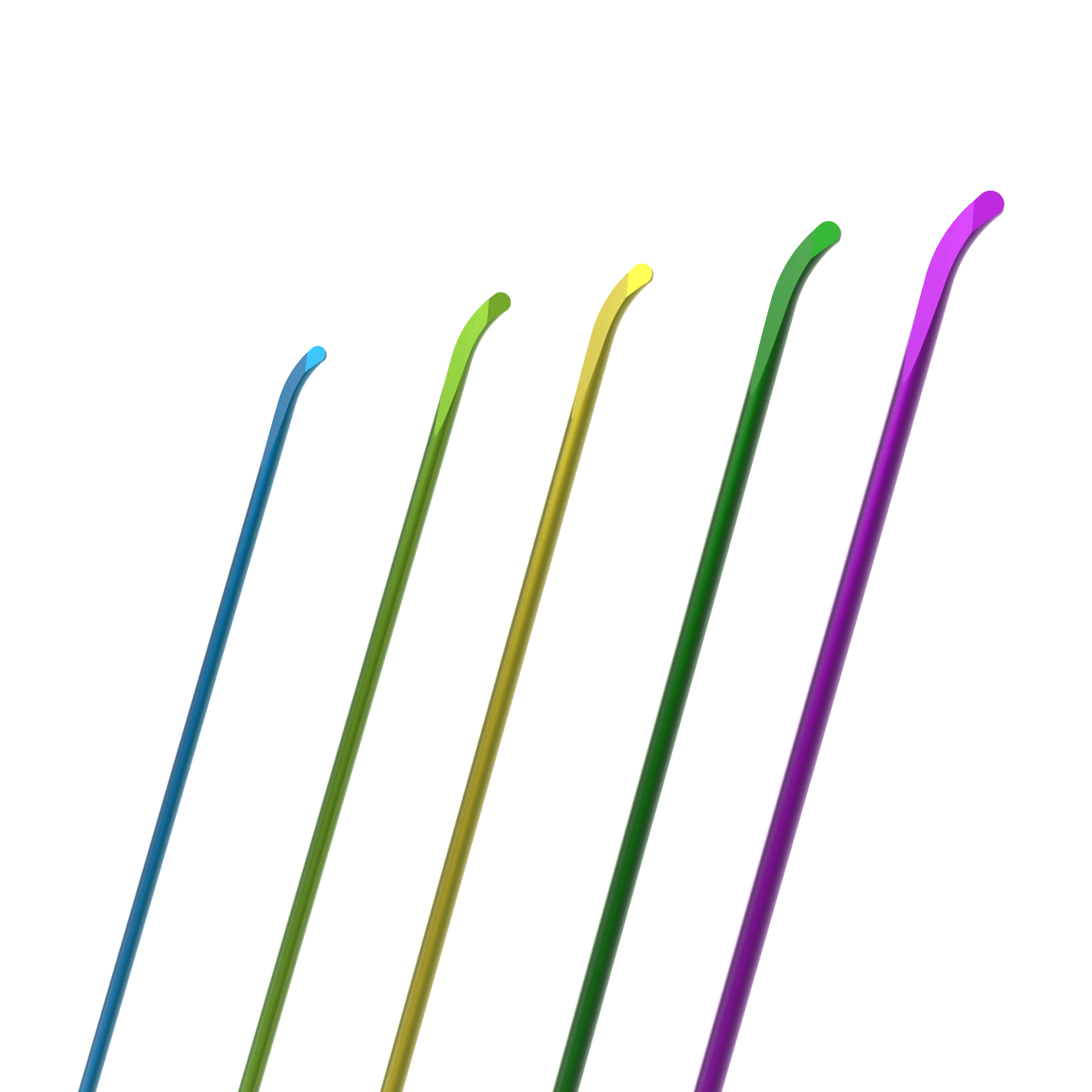
CANWELL Titanium Elastic Nails Instrument Set for Pediatric Fracture Fixation TEN Flexible Nail Orthopedic Trauma
View Product Specifications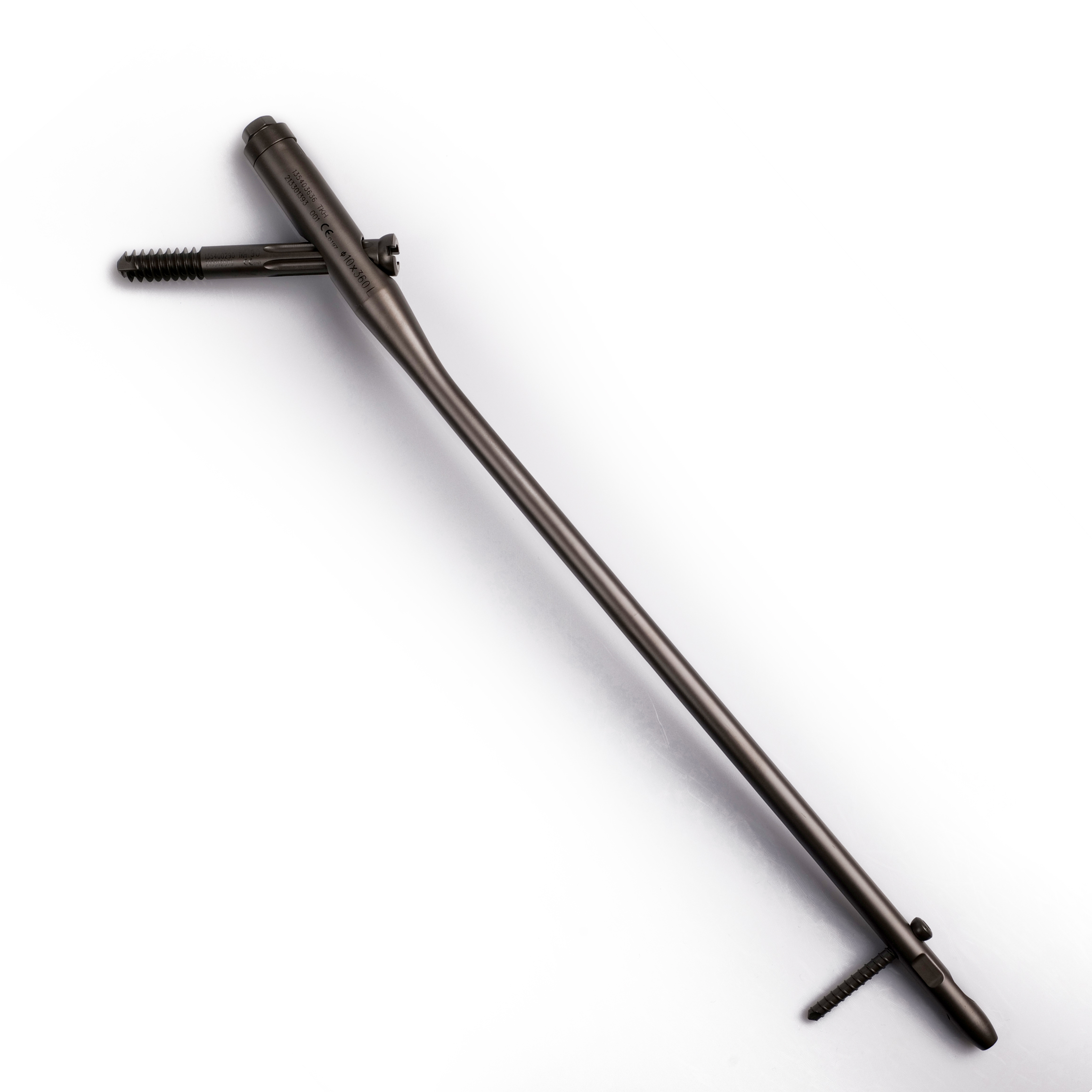
CANWELL Titanium Femoral Intramedullary Nails Interlocking Nail Femur PFNA Orthopedic Trauma Implants
View Product Specifications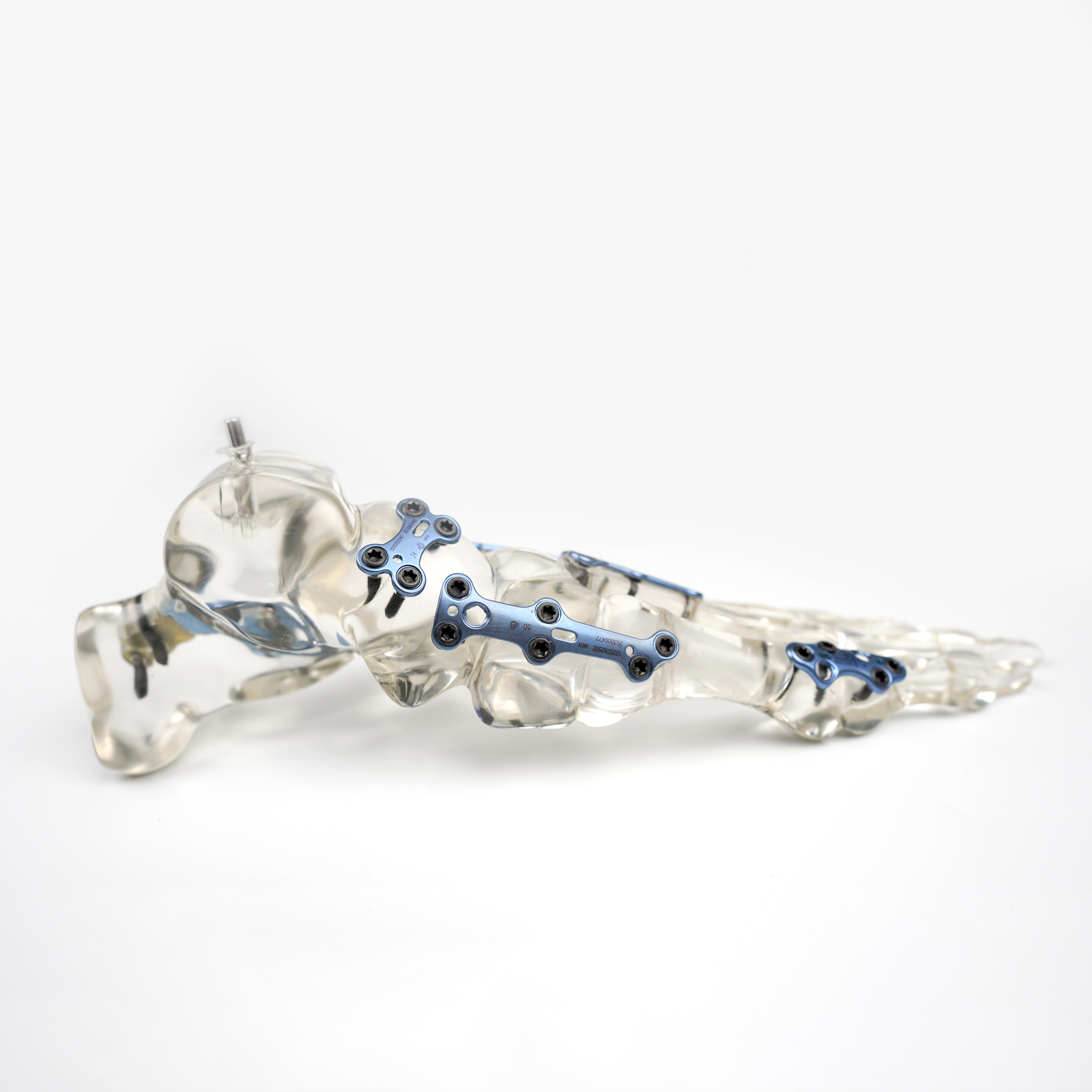
Orthopedic Implants for Foot and Ankle System Hind Foot Reconstruction Trauma Implants Locking Plate
View Product Specifications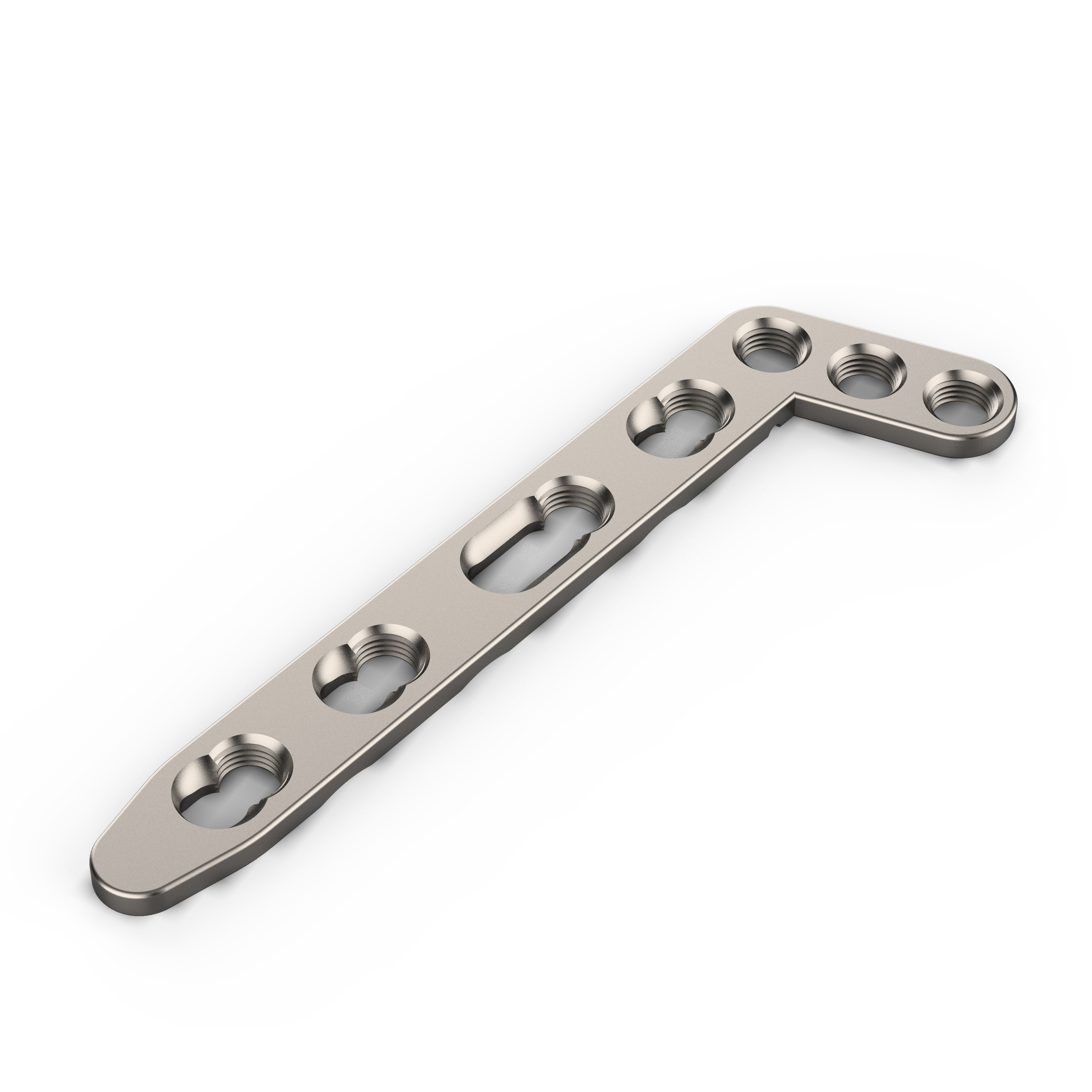
CANWELL Distal Radius Dorsal Titanium Locking Plate 3 Holes Oblique Volar Wrist Orthopedic Trauma Implant
View Product Specifications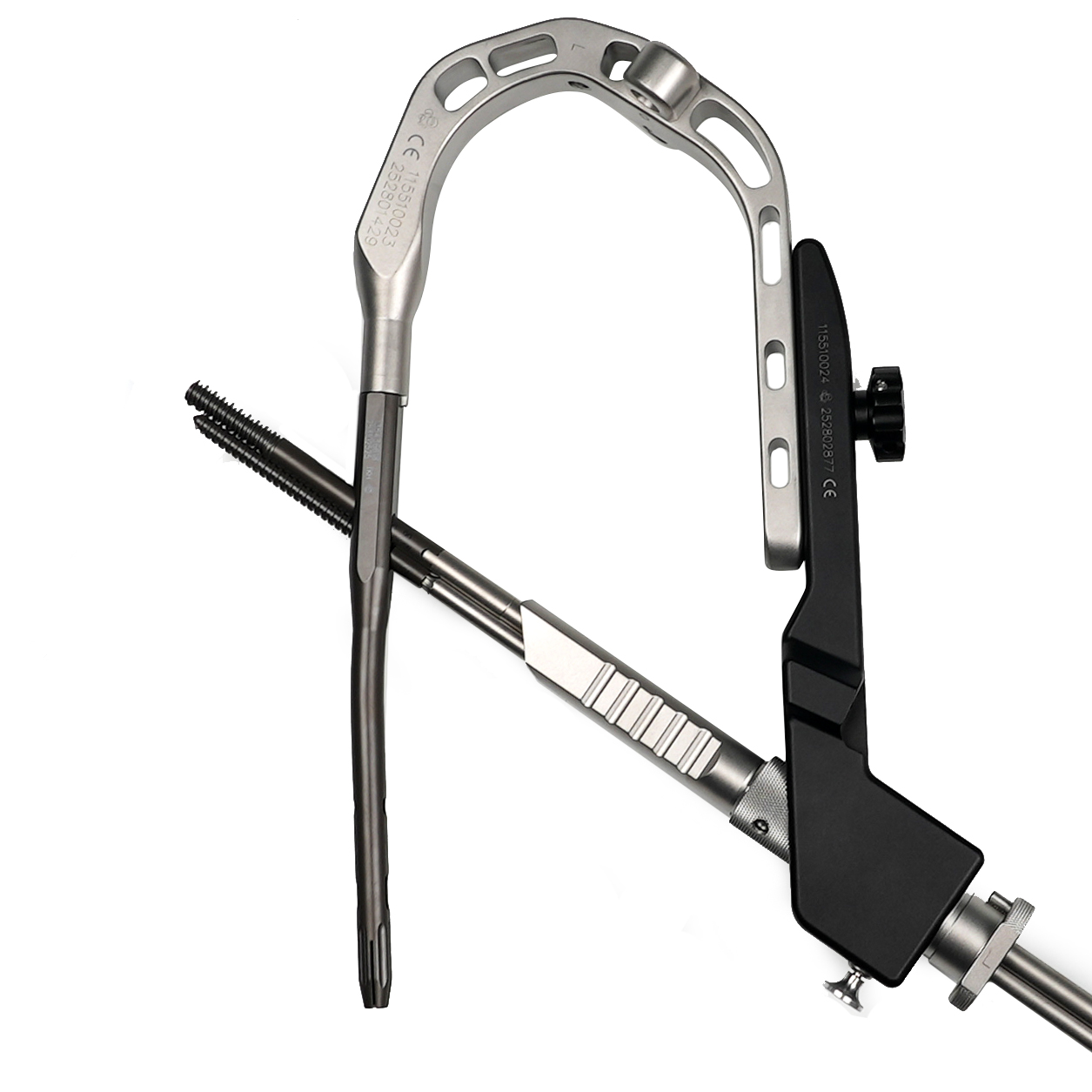
CANWELL Titanium Femoral Intramedullary Nails Interlocking Nail Femur Orthopedic Trauma Implants Bone Fracture
View Product Specifications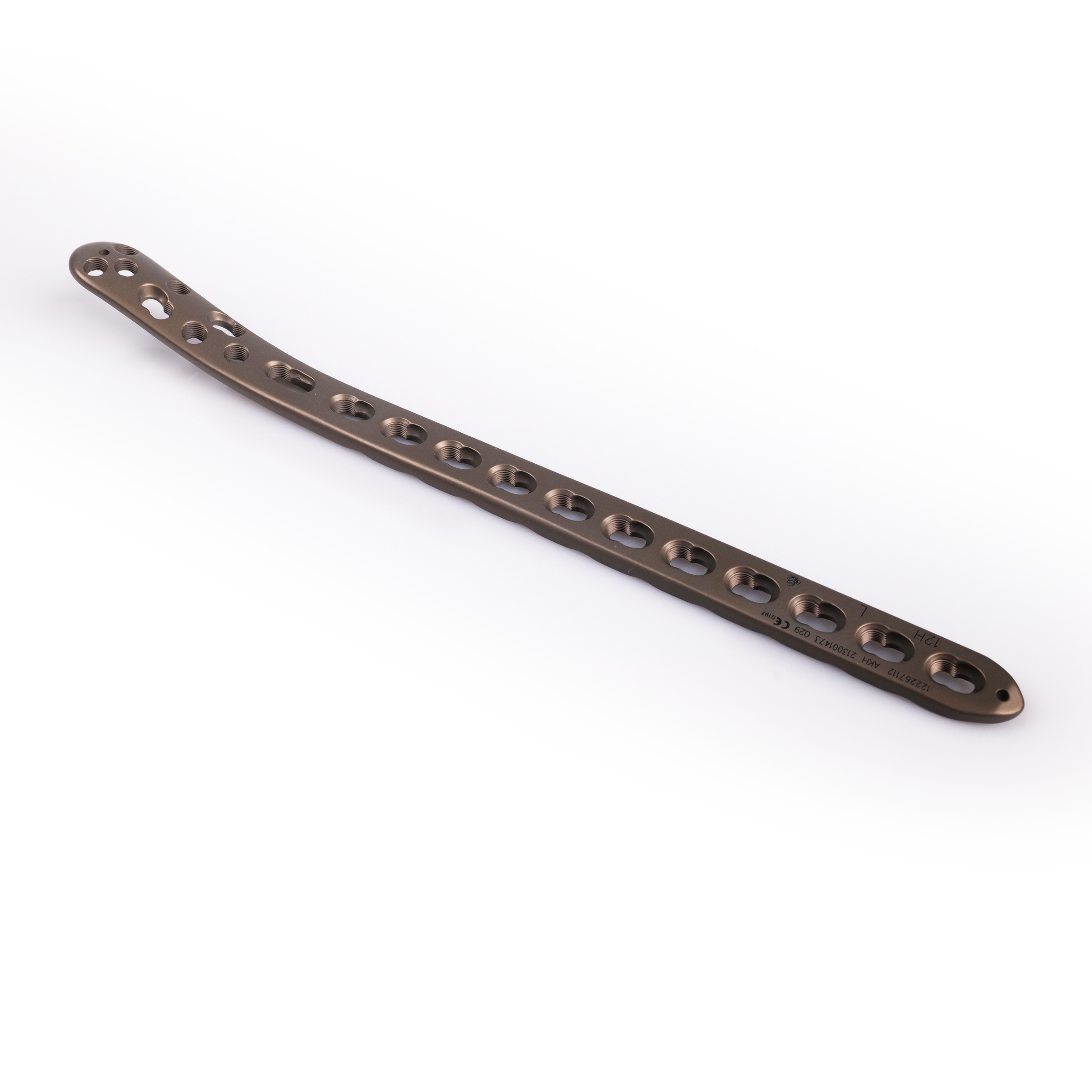
CANWELL Distal Medial Tibial Locking Plate Titanium Orthopedic Trauma Implant for Bone Fracture Fixation CE ISO OEM
View Product SpecificationsEngineering Excellence in Custom OEM Titanium Bone Plate Manufacturing
A comprehensive technical guide for medical device brand owners, hospital procurement officers, and orthopedic contract distributors regarding material science, structural mechanics, and quality assurance protocols.
1. Metallurgical Selection: ASTM F136 vs. ASTM F67
In modern trauma reconstruction, selecting the appropriate raw titanium grade is paramount to mechanical stability and long-term biocompatibility. Ti-6Al-4V ELI (Extra Low Interstitial - ASTM F136) serves as the gold standard material for load-bearing locking compression plates (LCP). Containing precisely controlled limits of oxygen, nitrogen, carbon, and iron, Ti-6Al-4V ELI yields an ultimate tensile strength exceeding 860 MPa and a yield strength over 790 MPa.
For non-load-bearing or malleable applications—such as CMF (Craniomaxillofacial) reconstructions and pediatric elastic nails—Commercially Pure Titanium Grade 4 (ASTM F67) offers supreme ductility, permitting precise intraoperative contouring without inducing stress concentration micro-fractures along the plate margin.
2. Biomechanical Load Sharing & Stress Shielding Mitigation
A primary cause of peri-implant osteopenia and secondary refracture is stress shielding, caused by a modulus mismatch between metallic implants and cortical bone. Stainless steel implants possess a modulus of elasticity around 200 GPa, whereas human cortical bone ranges between 10 to 30 GPa.
Titanium alloys exhibit a significantly lower modulus of approximately 110 GPa. By utilizing limited-contact anatomical plate designs (LC-LCP) crafted from medical-grade titanium, micro-motion at the fracture gap is regulated within the ideal physiologic window (0.2 mm to 1.0 mm). This stimulates robust secondary callus formation while reducing periosteal vascular compression.
| Material Parameter / Metric | ASTM F136 (Ti-6Al-4V ELI) | ASTM F67 (CP Grade 4 Titanium) | 316L Stainless Steel (ASTM F138) |
|---|---|---|---|
| Ultimate Tensile Strength (MPa) | ≥ 860 MPa | ≥ 550 MPa | ≥ 490 - 690 MPa |
| Yield Strength (0.2% Offset) | ≥ 790 MPa | ≥ 480 MPa | ≥ 190 - 310 MPa |
| Modulus of Elasticity (Young's) | 110 GPa (Ideal Flexural Rigidity) | 105 GPa (High Malleability) | 200 GPa (Risk of Stress Shielding) |
| Biocompatibility / MRI Compatibility | Superior (Non-Magnetic, Low Artifact) | Superior (Pure Material State) | Moderate (Ferromagnetic Artifacts) |
| Fatigue Resistance (ASTM F382) | High Cycle (> 1,000,000 cycles) | Moderate Cycle | Moderate to High Cycle |
| Anodization Surface Treatment | Type II (Wear Resistant) / Type III Color | Type III Anodized Color Coding | Passivated Acid Etched |
Zhejiang INAR Medical / CANWELL Manufacturing Supremacy
With over two decades of contract manufacturing history, our vertically integrated plant delivers traceable, high-precision orthopedic solutions engineered to exceed global regulatory benchmarks.
State-of-the-Art Production Base
Our facility spans 29,523 m² equipped with 5-axis DMG MORI CNC milling centers, Citizen Swiss-type multi-axis lathes, and high-precision Wire EDM units. We achieve ultra-tight machining tolerances down to ±0.005 mm for intricate variable-angle locking screw threads.
- Sub-micron CMM dimensional verification
- In-house multi-stage ultrasonic washing
- Class 100,000 cleanroom packaging cleanrooms
SGS-Verified Quality & Regulatory Technical Files
Validated through independent SGS onsite audits, our full product catalog operates under a comprehensive ISO 13485:2016 Quality Management System. Implants are certified under EU MDR (2017/745) and Medical Device Directive 93/42/EEC.
- Complete STED regulatory technical dossiers
- Master Batch Traceability & Material Certificates
- US FDA 510(k) submission support documentation
Complete OEM & ODM Customization
We partner with global medical device brands to convert conceptual CAD designs into clinical realities. Our engineering team of 632 staff oversees reverse engineering, finite element analysis (FEA), surface anodization color-coding, and custom instrument tray tooling.
- Private label fiber laser marking & UDI branding
- Custom plate contouring from CT DICOM datasets
- Modular sterilization box layout design
Technological & Material Trends in Titanium Implant Manufacturing
The global orthopedic implant landscape is rapidly evolving towards personalized, bio-interactive, and minimally invasive trauma solutions.
Trend 1: Variable-Angle Locking & Polyaxial Technology
Traditional monoaxial locking systems constrain screw trajectories to a single rigid axis. Modern trauma surgery demands Variable-Angle Locking Compression Plates (VALCP) that allow surgeons to cone screws up to ±15 degrees off-axis. This flexibility is vital when targeting specific articular bone fragments, avoiding adjacent implants, or securing osteoporotic bone beds.
Manufacturing VALCP systems requires high-precision micro-threading inside the plate holes alongside specialized cobalt-chromium or treated titanium-alloy locking screw heads to ensure galling resistance and bi-metallic stability during polyaxial tightening.
Trend 2: Bioactive & Antimicrobial Surface Functionalization
Periprosthetic joint infection (PJI) and early bacterial colonization remain severe postoperative complications. Advanced titanium plate manufacturing now incorporates Type II micro-arc oxidation (MAO) and PVD sputtering technology to deposit bio-functionalized nanostructured coatings.
Incorporate silver-ion (Ag+) doping, hydroxyapatite (HA) crystalline layers, or osteoinductive strontium coatings onto titanium surfaces dramatically accelerates osteoblast adhesion while suppressing Staphylococcus aureus biofilm formation without altering core mechanical bulk properties.
Trend 3: Hybrid Additive-Subtractive Manufacturing
While CNC subtractive machining remains unmatched for bone screw threading and precise locking interfaces, 3D Electron Beam Melting (EBM) and Selective Laser Melting (SLM) enable the creation of highly porous, trabecular titanium mesh structures (pore size 300–600 µm, porosity 60–80%).
The future of OEM titanium plates lies in hybrid processing: additive 3D printing of biomimetic bone-ingrowth contact faces integrated with 5-axis CNC high-finish milling for screw hole threads and contours.
Trend 4: Patient-Specific Implants (PSI) & CMF Customization
In complex oncological reconstructions, pelvic fractures, and severe craniomaxillofacial deformities, standardized off-the-shelf plates require extensive intraoperative bending, increasing surgery time and implant stress.
Leveraging AI-assisted 3D anatomical segmentation of high-resolution CT scans, contract manufacturers can rapidly prototype, machine, and deliver customized, pre-contoured patient-specific titanium plates (PSI) within an expedited 5 to 10 working day supply window.
Future Procurement Trends for Orthopedic Implants
Key strategic shifts transforming how medical device distributors, group purchasing organizations (GPOs), and hospital networks procure custom titanium plates.
1. EU MDR Regulatory Barriers & Pre-Cleared OEM Platform Sourcing
The transition from MDD to EU MDR (2017/745) has dramatically increased clinical evaluation and post-market surveillance costs. Global distributors increasingly bypass ground-up product development by partnering with established OEM contract manufacturers who possess verified CE technical dossiers, pre-cleared testing reports, and accredited QMS frameworks.
2. Turnkey Single-Use Pre-Sterilized Procedure Kits
Hospitals are shifting away from traditional reusable instrument trays that require expensive, energy-intensive central sterile supply department (CSSD) reprocessing. Future procurement prioritizes pre-packaged, gamma-sterilized procedure kits that include an anatomical titanium plate, corresponding screws, and disposable surgical tools in a single transparent blister pack.
3. GS1 Unique Device Identification (UDI) Traceability
Mandated by the US FDA and EU MDR, global supply chains now mandate direct laser-etched GS1 DataMatrix UDI codes on every titanium plate and screw. Procurement managers require real-time API inventory integration, batch-level material certifications, and digital barcode scanning compatibility from their OEM partners.
Frequently Asked Questions (FAQ) - B2B Sourcing
Direct technical and commercial answers for orthopedic brand procurement teams and medical device importers.
What raw material grades are used for your custom OEM titanium plates?
We primarily utilize medical-grade Ti-6Al-4V ELI titanium alloy (ASTM F136 / ISO 5832-3) for load-bearing trauma locking plates and screws due to its superior tensile strength (≥ 860 MPa) and exceptional fatigue resistance. For malleable or pre-contourable implants such as CMF plates or pediatric elastic nails, we utilize Commercially Pure Titanium Grade 4 (ASTM F67 / ISO 5832-2). All raw titanium bar stock undergoes rigorous chemical composition analysis and ultrasonic flaw detection prior to machining.
What regulatory certifications and technical documentation do you provide for export?
Our production facilities operate strictly under ISO 13485:2016 certification, audited and verified onsite by SGS Group. Our core trauma, spine, and sports medicine implant systems carry CE marking under EU MDR (2017/745) and MDD 93/42/EEC. For OEM clients, we provide full technical dossiers (STED), Declarations of Conformity (DoC), Raw Material Mill Test Certificates (MTR), Mechanical Fatigue Test Reports (ASTM F382 / ASTM F543), Cytotoxicity/Biocompatibility reports (ISO 10993), and Sterilization Validation files.
What is the Minimum Order Quantity (MOQ) and lead time for custom OEM manufacturing?
For standard catalog items with private-label laser etching, our typical MOQ starts at 50 to 100 units per specification. For completely customized OEM/ODM projects requiring custom CNC tooling or specialized plate geometries, initial sampling lead times are typically 3 to 4 weeks following CAD drawing sign-off. Full mass production batch deliveries generally require 30 to 45 calendar days depending on surface treatment (anodization) and cleanroom packaging requirements.
How do you ensure locking thread precision and surface anodization quality?
Locking screw holes are machined using multi-axis Swiss-type turning lathe units to maintain thread pitch consistency within ±0.005 mm tolerances. Every plate undergoes multi-stage automated ultrasonic washing to remove cutting fluids. Surface color coding (Type III anodization) and wear-resistant hard anodizing (Type II) are performed in automated electrochemical lines with continuous pH, voltage, and bath temperature tracking to ensure color consistency and zero oxidation flaking.
Do you offer custom surgical instrument trays and matching drill guides?
Yes. We offer fully integrated system manufacturing. Along with custom titanium plates, we engineer and manufacture matching stainless steel surgical instruments—including threaded drill sleeves, depth gauges, bending irons, torque-limiting screwdrivers, and custom-molded aluminum/silicone sterilization boxes designed for steam autoclave durability.
Can you support private-label laser marking and UDI barcode application?
Absolute transparency and compliance are assured. We offer high-resolution fiber laser engraving directly on implants and instruments. This includes your custom brand logo, product catalog code, lot/batch number, and 2D GS1 DataMatrix UDI barcodes in full accordance with FDA and EU MDR traceability regulations.
How is mechanical fatigue testing conducted on custom plate designs?
Implant mechanical integrity is validated in our specialized testing laboratory using dynamic four-point bending dynamic fatigue testing machines operating according to ASTM F382 (Standard Specification and Test Method for Metallic Bone Plates). Implants must withstand a minimum of 1,000,000 stress cycles without structural micro-fracture or plastic deformation under peak simulated physiological loading.
What packaging options are available for contract medical device buyers?
We supply products in both non-sterile bulk packaging (in protective medical-grade anti-static bags) and pre-sterilized primary packaging. Sterile packaging is conducted inside our certified Class 100,000 cleanroom, utilizing double-layer Tyvek® blister pouches compatible with Gamma radiation or Ethylene Oxide (EtO) sterilization processes per ISO 11607 standards.
Partner with a Trusted Titanium Implant Manufacturer
Streamline your orthopedic product line with SGS-verified manufacturing, CE MDR technical files, and rapid OEM/ODM customization. Contact our engineering team today to request technical catalogs, sample evaluations, or factory audit schedules.
Get Catalog