Precision Trauma Systems
Featured Ankle & Lower Extremity Implants
High-rigidity anatomically contoured locking compression plates, intramedullary nails, and trauma instrumentation engineered for complex metaphyseal and articular reconstruction.
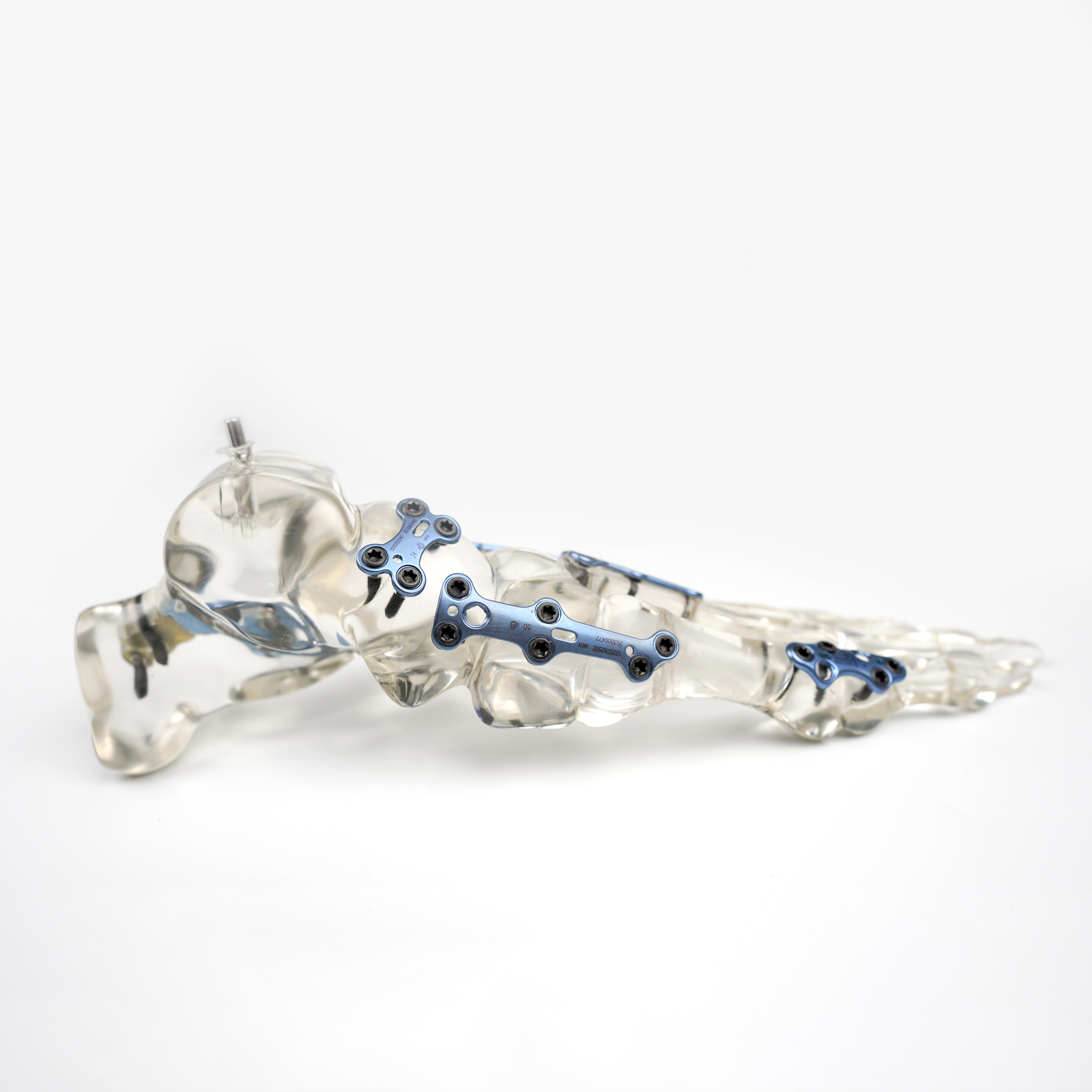
CANWELL Distal Tibial Low Profile Locking Plate Titanium Metaphyseal Fixation System
View System Specifications →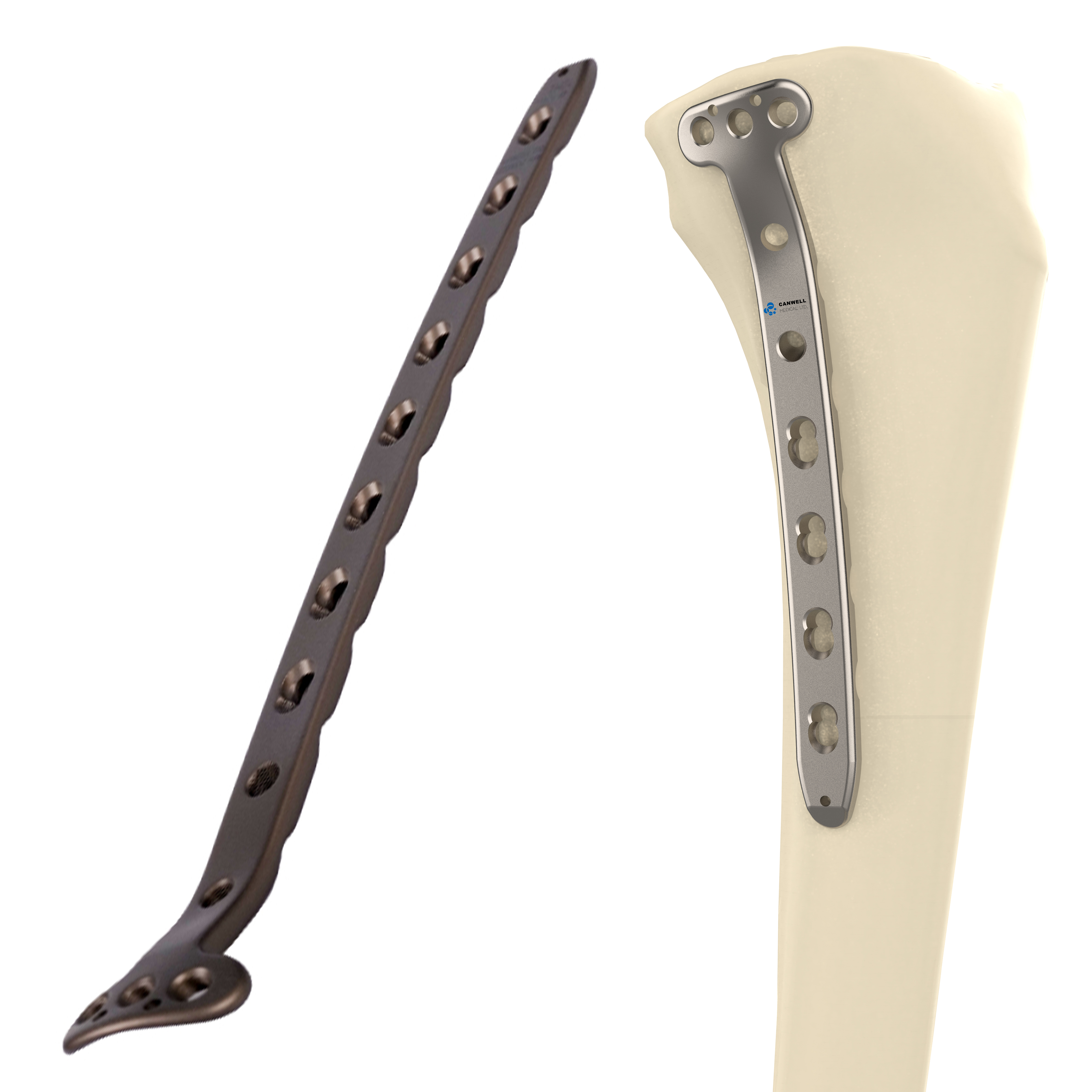
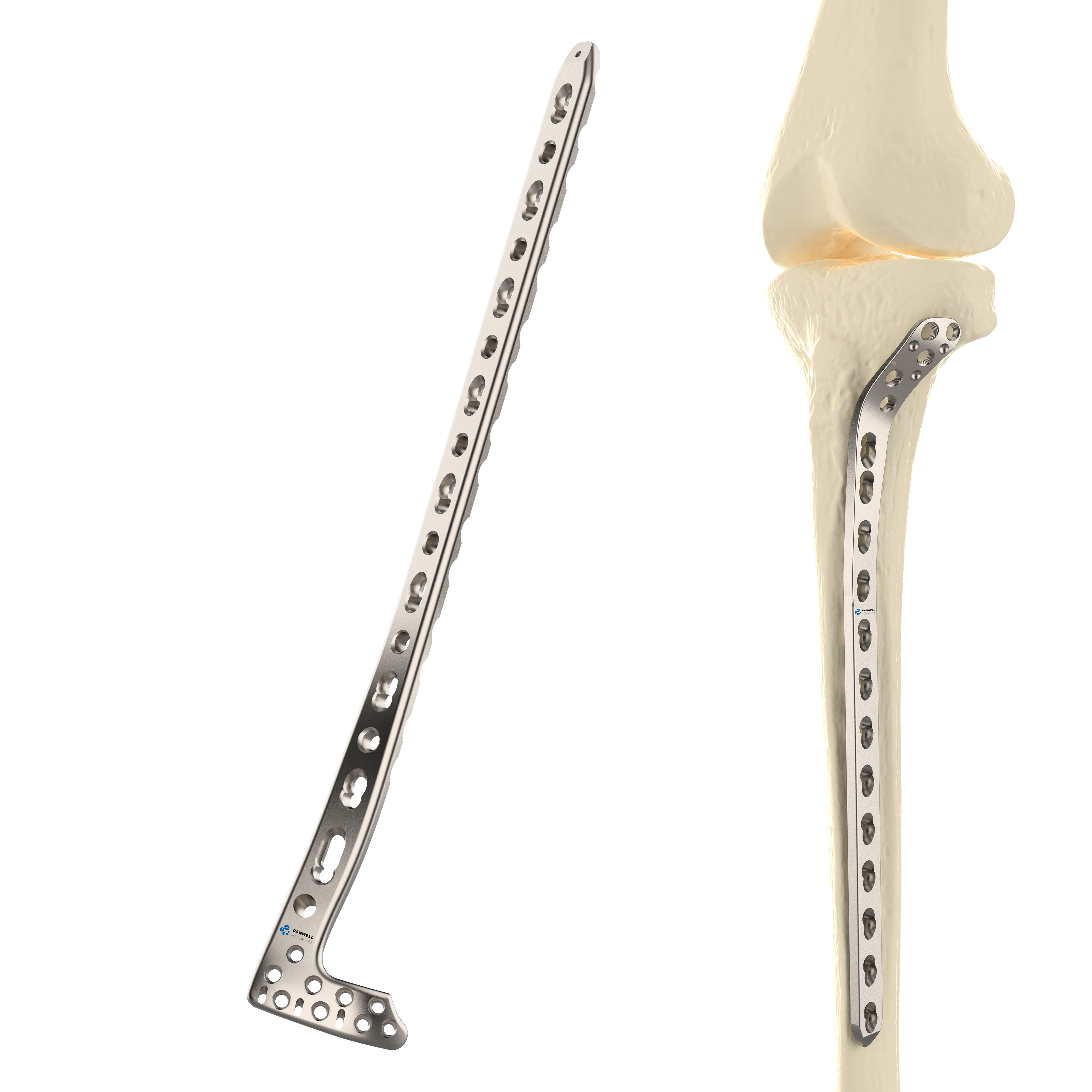
CANWELL Proximal Medial Titanium Tibial Locking Plate Fixation System
View System Specifications →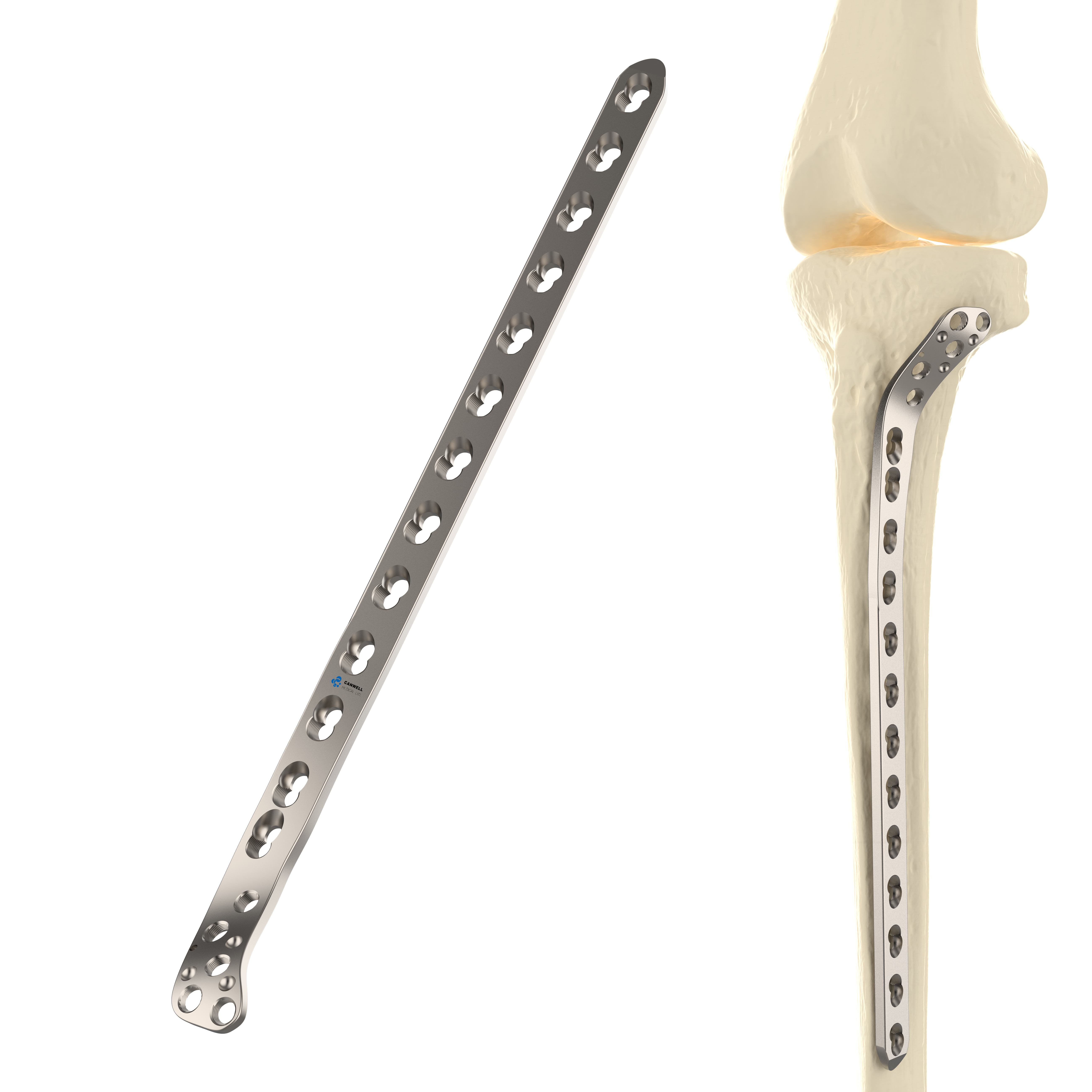
CANWELL Proximal Lateral Tibial Locking Plate System
View System Specifications →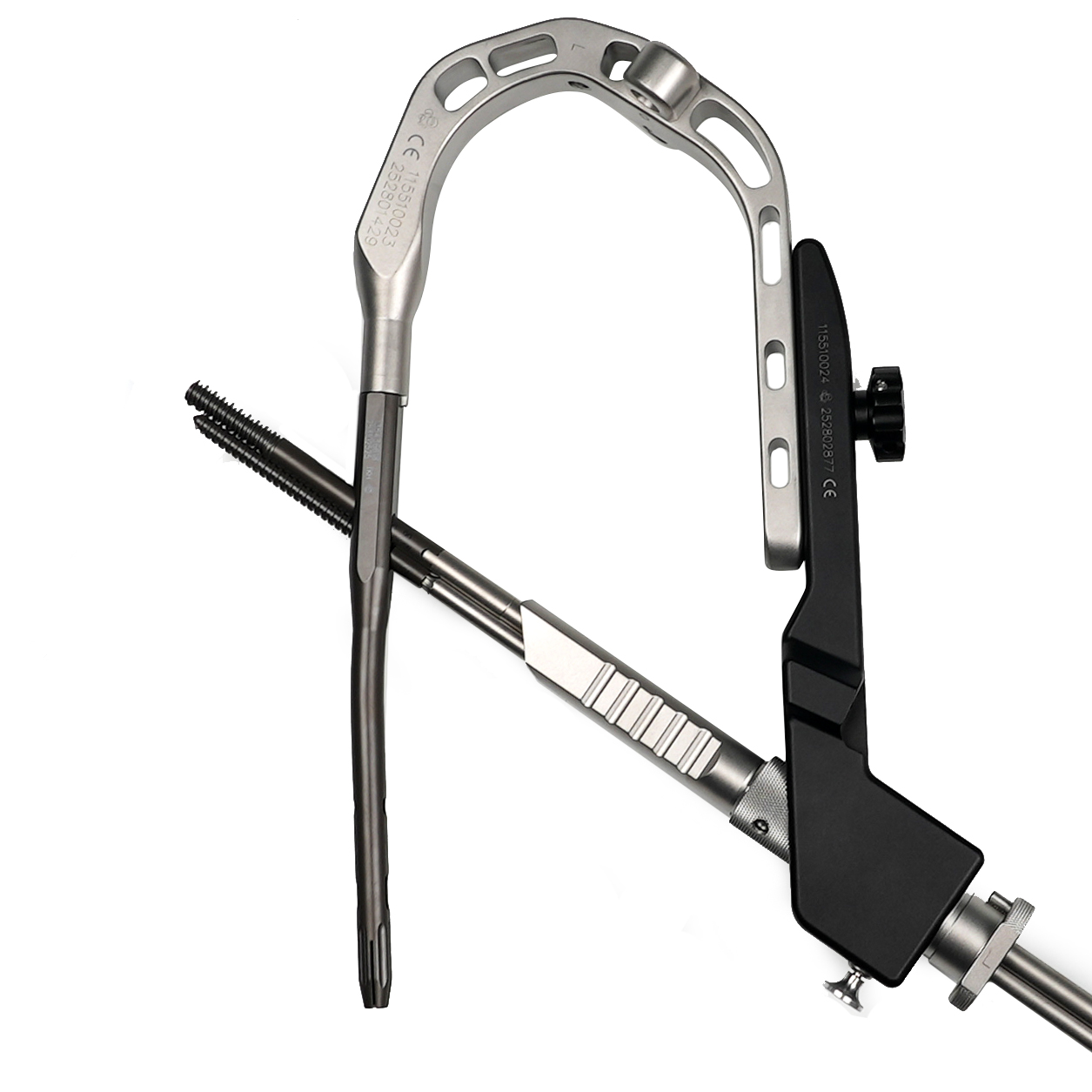
CANWELL Titanium Femoral Interlocking Intramedullary Nail System
View System Specifications →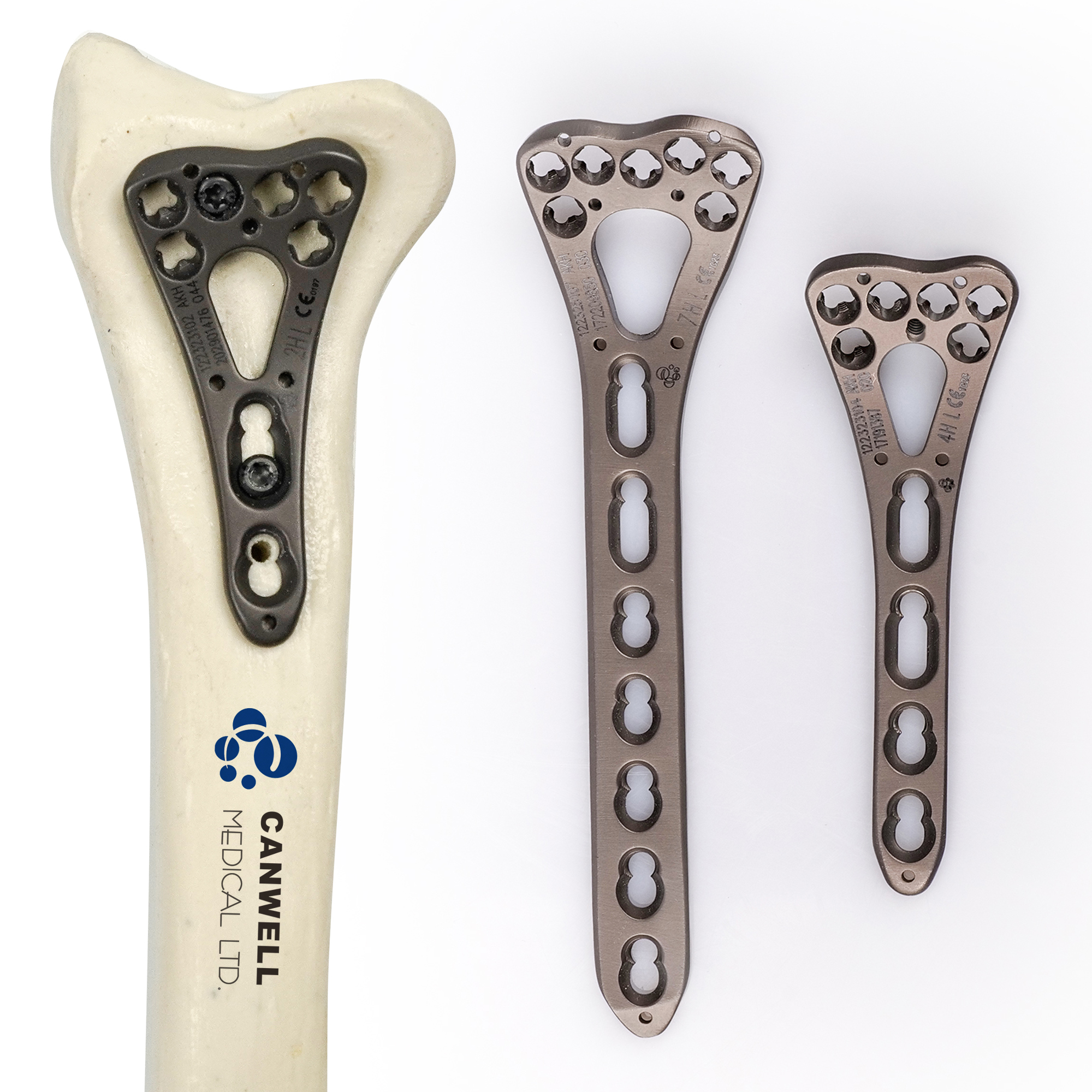
CANWELL 2.4 / 2.7mm VA Titanium Distal Radius Volar Locking Plate
View System Specifications →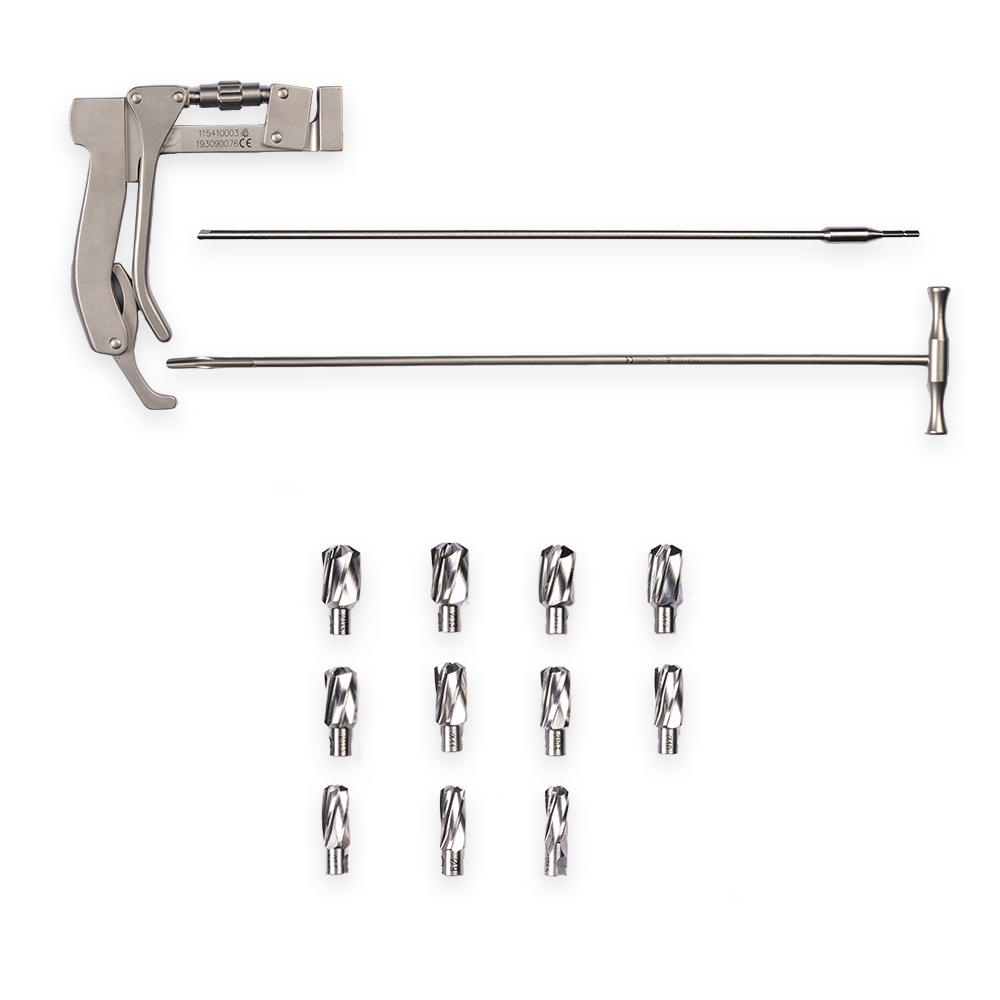
CANWELL Orthopedic Flexible Reamer Set for Intramedullary Surgery
View System Specifications →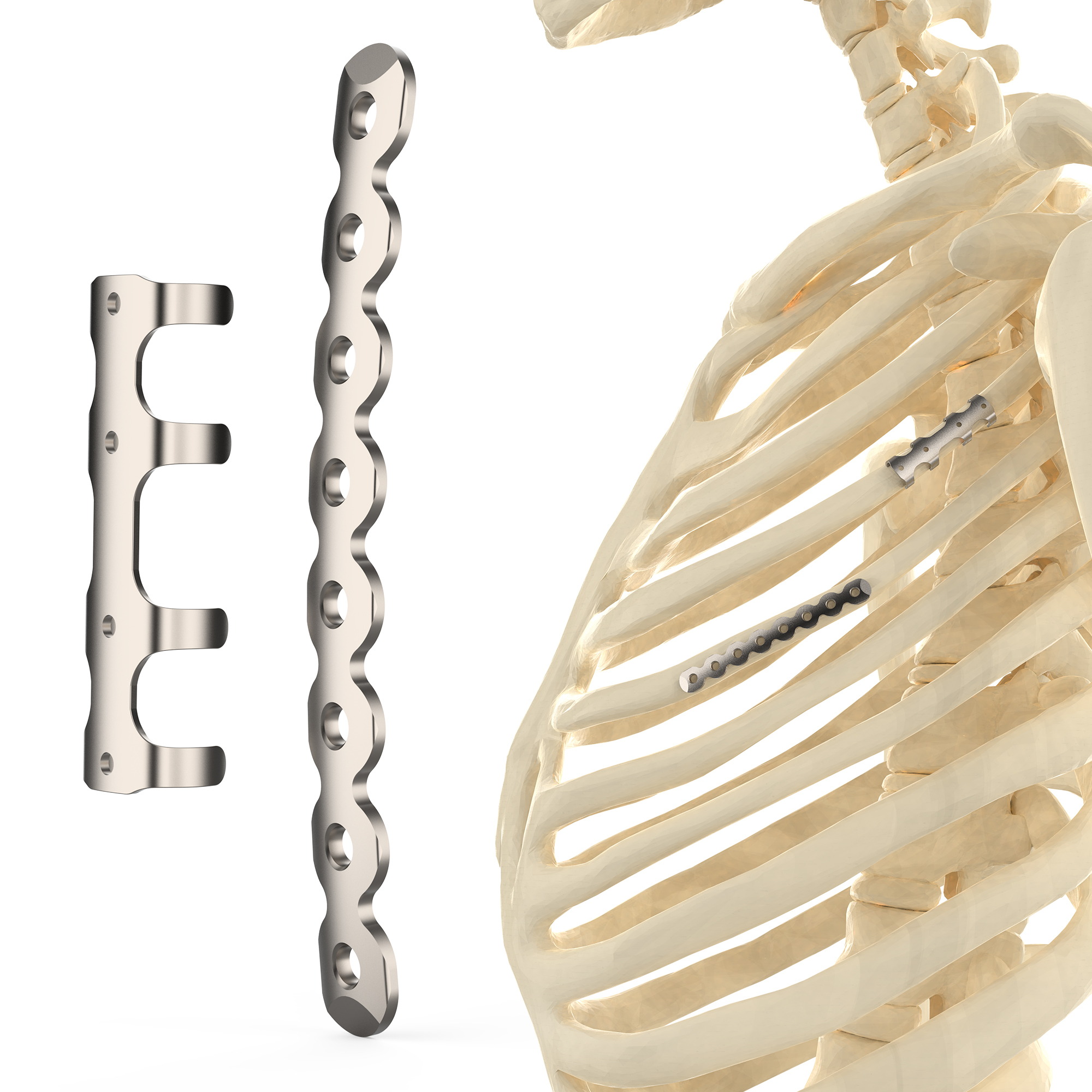
CANWELL Titanium Rib Locking Plate Fracture Fixation System
View System Specifications →
Manufacturer Credentials
State-of-the-Art Production & Scale
Zhejiang INAR Medical Co., Ltd. (CANWELL Brand) operates a vertically integrated medical manufacturing complex dedicated to orthopedic implants and surgical instruments with full contract OEM/ODM capabilities.
Stringent Quality Assurance
Every single batch of ankle locking plates undergoes multi-stage ultrasonic washing, 100% optical optical penetrant testing for surface micro-fissures, and dimensional inspection on high-precision CMM machinery.
- ISO 13485:2016 Certified Quality Management System
- Full raw material heat-lot traceability
Advanced 5-Axis CNC Machining
Our machine park houses Haas, DMG Mori, and Citizen 5-axis Swiss-type automatic lathes capable of machining micro-tolerances (±0.005mm) required for thread pitch consistency and variable-angle locking holes.
- Proprietary Type II Anodic Oxidation surface treatment
- High-speed mirror polishing eliminating stress raisers
Cleanroom Aseptic Packaging
Implant packaging is executed within our certified ISO Class 7 cleanrooms using medical-grade Tyvek pouching and rigid double-blister systems, fully compliant with ISO 11607 sterilization standards.
- Gamma irradiation / EO sterilization readiness
- Custom UDI-compliant barcode label printing
Technical Whitepaper
Biomechanical Engineering & Metallurgical Standards in Ankle Fixation
An in-depth evaluation of anatomical pre-contouring, stress distribution, and titanium alloy fatigue performance for global orthopedic OEM brand managers and hospital procurement directors.
1. Anatomical Fit & Metaphyseal Profile Optimization
Complex fractures of the distal tibia (such as AO/OTA Type 43 pilon fractures) and distal fibula (AO/OTA Type 44 malleolar fractures) present unique soft-tissue challenges. The anteromedial aspect of the distal tibia has minimal subcutaneous soft-tissue envelope. Traditional, thick bone plates frequently lead to soft-tissue irritation, wound dehiscence, and compulsory secondary hardware removal.
Our engineered low-profile distal tibial locking plates utilize anatomical digital modeling derived from over 5,000 multi-ethnic CT scan datasets. By tapering the distal plate shaft down to 1.5mm–2.0mm while reinforcing the metaphyseal cluster area, our plates mirror the delicate cortical contours of the medial malleolus and anterior lip without requiring intraoperative manual bending, thereby preserving structural integrity and reducing operative time.
2. Variable-Angle (VA) Locking Mechanism vs. Fixed-Angle Systems
In peri-articular distal ankle fractures, fragment size and fracture lines vary substantially. Fixed-angle locking plates dictate rigid screw trajectories that may occasionally target non-viable bone or collide with adjacent syndesmotic or subchondral screws.
To overcome this limitation, our OEM/ODM Variable-Angle (VA) Titanium Ankle Locking Plate System incorporates a specialized threaded lock-ring interface in the distal plate cluster:
Polyaxial Screw Trajectory (±15° Cone)
Surgeons can direct 2.4mm or 2.7mm subchondral locking screws within a 30-degree total cone. This allows precise targeting of small articular fragments, posterior malleolus fractures (Volkmann's triangle), and osteochondral debris while locking tightly into the plate.
Cross-Thread Prevention & Cold-Welding Elimination
By employing Type II Anodized titanium on screw threads and differential hardness treatments between screw heads and plate holes, our design mitigates cold-welding risk during hardware explantation while guaranteeing superior pull-out strength under cyclic shear forces.
3. Material Metallurgy: ISO 5832-3 Ti-6Al-4V ELI Alloy
Implants destined for high-load weight-bearing areas like the ankle joint require an optimal balance between ultimate tensile strength and modulus of elasticity. Standard stainless steel (316L) exhibits a elastic modulus (~200 GPa) far higher than cortical bone (~18 GPa), inducing "stress shielding" which impedes secondary callus formation and promotes bone resorption.
We manufacture our ankle fixation plates exclusively from implant-grade Titanium-6Aluminum-4Vanadium Extra Low Interstitial (Ti-6Al-4V ELI) alloy conforming to ISO 5832-3 and ASTM F136 specifications.
| Mechanical / Material Property | Ti-6Al-4V ELI (ISO 5832-3) | Commercially Pure Ti (Grade 4) | 316L Stainless Steel (ISO 5832-1) |
|---|---|---|---|
| Ultimate Tensile Strength (MPa) | ≥ 860 MPa | ≥ 550 MPa | ≥ 690 MPa |
| Yield Strength (0.2% Offset) | ≥ 790 MPa | ≥ 480 MPa | ≥ 310 MPa |
| Modulus of Elasticity (GPa) | 110 GPa (Lower stress shielding) | 105 GPa | 200 GPa (High stress shielding risk) |
| Bending Fatigue Life (Cycles per ASTM F382) | > 1,000,000 cycles @ 75% Yield | ~ 500,000 cycles | ~ 700,000 cycles |
| MRI / CT Imaging Compatibility | Minimal Artifact (Excellence) | Minimal Artifact | Severe Scattering Artifact |
Full Contract Services
Custom OEM/ODM Manufacturing Workflow
From CAD/CAM rapid prototyping to technical file compilation for EU MDR / US FDA 510(k), we offer turnkey manufacturing partnerships for established MedTech brands and regional distributors.
1. Design & Co-Development
Our engineering team assists in optimizing plate geometry, screw hole trajectory, and surface finishes using SolidWorks and FEA (Finite Element Analysis) simulation to ensure fatigue survival before tooling.
2. Prototyping & Tooling
Rapid machining of physical samples within 14 to 21 business days. Complete prototype validation including fit checks on anatomical bone sawbones and mechanical static torque testing.
3. Private Labeling & Branding
High-precision fiber laser marking for customer logo, reference numbers, lot numbers, and UDI matrix codes. Customized anodizing color schemes (Gold, Blue, Magenta, Green) for instant intraoperative identification.
Strategic Procurement Horizon
Future Procurement Trends in Ankle & Foot Implants
Key dynamic forces reshaping global supply chains, hospital purchasing tenders, and regulatory compliance requirements over the next decade.
A. Accelerating Transition to EU MDR (2017/745)
The regulatory sunset of legacy MDD certificates has pushed hospital procurement boards toward manufacturers with comprehensive clinical evaluation reports (CER), post-market clinical follow-up (PMCF) data, and robust technical documentation STED files.
INAR Medical supports OEM partners by maintaining ready-to-submit technical dossiers, minimizing time-to-market barriers in European Union member states and CE-recognizing markets across Latin America, Asia, and the Middle East.
B. Preference for Pre-Contoured Modular Fixation Trays
Operating rooms increasingly demand unified procedure kits containing low-profile anterolateral tibial plates, medial malleolus plates, distal fibula tubular plates, and syndesmotic tight-rope/screw instruments within a single reusable sterilization container.
Modular OEM tray solutions drastically lower hospital inventory holding costs and reduce surgical preparation setup times by over 30%.
C. Rising Demand for Ultra-Low Profile & Bio-Integrative Materials
Surgeons are prioritizing low-profile plates that conform tight to subchondral bone surfaces to prevent impingement against the flexor/extensor tendons. Simultaneously, hybrid systems integrating bioabsorbable interference screws (PLGA) with high-strength titanium plates are setting new standards in joint stabilization.
D. Supply Chain Resilience & Direct-from-Factory Dual Sourcing
Global MedTech brand owners are diversifying away from single-region contract manufacturers. Partnering with a verified, large-scale enterprise equipped with 29,523m² facility and 632 staff provides protection against supply disruptions and guarantees scalable volume production during tender surges.
Procurement Guidance
Frequently Asked Questions for OEM/ODM Buyers
Answers to common commercial, engineering, and regulatory questions from medical device importers, distributors, and contract brand managers.
Which certifications do your OEM/ODM ankle plates hold?
Our trauma locking plates, intramedullary nails, and foot & ankle systems are CE marked under EU MDR (2017/745) and Medical Device Directive 93/42/EEC. Our production plant is ISO 13485:2016 certified and has passed comprehensive onsite supplier audits performed by SGS Group.
What is the typical Minimum Order Quantity (MOQ) and lead time for custom plates?
For standard catalog items with private label laser marking, MOQs start at 20 units per spec. For fully customized ODM plate geometry requiring dedicated CNC programming and tooling, prototype samples are delivered in 3–4 weeks, with mass production batch orders fulfilled in 45 days.
Can you provide technical documentation for local market registration?
Yes. We supply complete Technical Dossiers (STED format), including raw material mill test reports (ISO 5832-3), fatigue test results according to ASTM F382, biocompatibility testing reports (ISO 10993), sterilization validation, and Declaration of Conformity (DoC).
How do you guarantee color anodizing consistency across batches?
We utilize automated, computer-controlled Type II anodic oxidation tanks. Voltage, current density, bath temperature, and immersion duration are digitally monitored to achieve exact color spectrum reproduction (Gold, Royal Blue, Green, Violet) within tight E-scale chromatic tolerances.
Are matching surgical instrument sets included in your OEM scope?
Absolutely. We supply matching stainless steel instrument kits including torque-limiting screwdrivers, drill bits, thread taps, variable-angle drill guides, bending pliers, and custom anodized aluminum graphic trays for sterilization autoclaving.
Do you support sterile cleanroom packaging under customer private labels?
Yes. Implants can be double-blister packed inside our ISO Class 7 cleanrooms with customized Tyvek lids featuring your brand logo, lot numbering, GS1-compliant DataMatrix barcodes, and EO/Gamma sterilization indicators.
Partner with a World-Class OEM/ODM Ankle Plate Factory
Whether you need private-label branding on established distal tibia systems or co-development of next-generation foot and ankle fixation kits, our engineering team is ready to review your technical specifications.