Clinical Examination & Patient Care Solutions
Engineered for durability, ergonomic efficiency, and rigorous international regulatory compliance across medical centers worldwide.
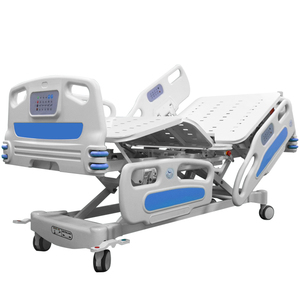
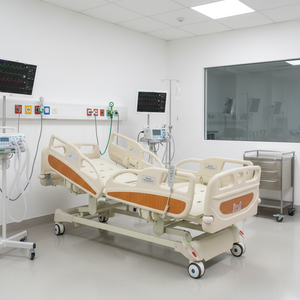
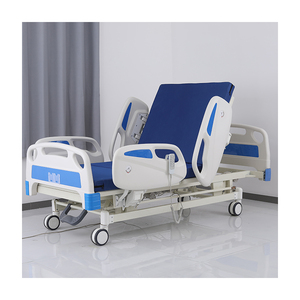
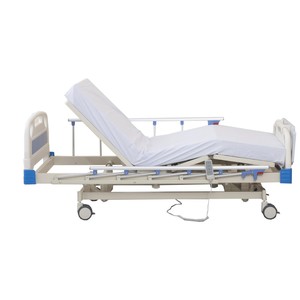
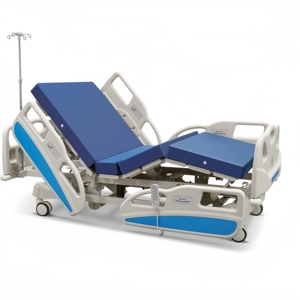
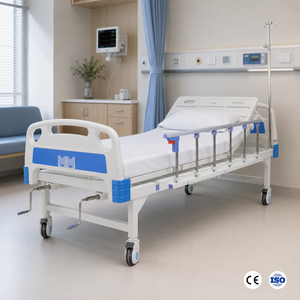
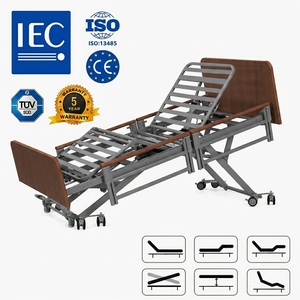
Technical Engineering Architecture of Modern Examination Tables
In modern clinical environments, medical examination tables serve as the primary interface between healthcare providers and patients. As a tier-one OEM/ODM examination table supplier and exporter, our manufacturing philosophy is rooted in biomechanical ergonomics, stringent infection control, and mechanical longevity. Medical examination couches are no longer simple static platforms; they are sophisticated medical devices regulated under international frameworks such as IEC 60601-1, IEC 60601-2-52, and European Medical Device Regulations (EU MDR 2017/745).
1. Core Structural Framework & Materials Science
The structural integrity of an examination table determines its safe working load (SWL) and dynamic stability under continuous clinical use. High-grade OEM tables employ cold-rolled structural steel (Q235B grade or surgical-grade 304/316 stainless steel) with robotically welded joints to prevent micro-fissures over extended operation cycles.
- Electrostatic Powder Coating: Applied at 180°C to 200°C cure temperature, delivering antimicrobial protection, chemical resistance against harsh hospital disinfectant agents (such as sodium hypochlorite and quaternary ammonium compounds), and a minimum corrosion resistance of 500 hours under salt-spray testing (ASTM B117).
- Biocompatible Upholstery: High-density, high-resilience flame-retardant foam (compliant with BS 5852 Crib 5 and CAL 117 standards) encapsulated in medical-grade Polyurethane (PU) or Polyvinyl Chloride (PVC). Upholstery surfaces feature seamless high-frequency welding to eliminate stitch lines where pathogens can harbor.
- Load Rating & Dynamic Weight Capacity: Engineered for standard Safe Working Loads (SWL) ranging from 220 kg (485 lbs) to bariatric-rated capacity of 350 kg (770 lbs), incorporating structural reinforcement gussets at primary pivot hinge points.
2. Linear Actuator Technology & Articulation Controls
Smooth, vibration-free height adjustments and backrest tilting are essential for both clinician ergonomics and patient comfort. Our OEM/ODM production lines incorporate medical-grade linear actuator systems (e.g., Linak or Dewert Okin assemblies) featuring IPX4 or IPX6 liquid ingress protection rating.
| Performance Benchmark | Standard Electric Couch | High-End Hydraulic Table | Advanced Bariatric ODM Table |
|---|---|---|---|
| Safe Working Load (SWL) | 180 kg – 220 kg | 200 kg – 250 kg | 300 kg – 400 kg |
| Actuator Ingress Protection | IPX4 (Splash-proof) | N/A (Sealed Hydraulic) | IPX6 (Wash-down Resistant) |
| Duty Cycle Rating | 10% (2 min ON / 18 min OFF) | Continuous Mechanical | 15% Reinforced Thermal Cutout |
| Frame Material Standard | Powder-Coated Steel Frame | SUS 304 Stainless Frame | Reinforced Structural Alloy Steel |
| Regulatory Standards | IEC 60601-1, CE | ISO 13485, CE | FDA Class II, IEC 60601-2-52, CE |
Why Global Medical Procurement Leaders Choose Us
With over a quarter-century of manufacturing heritage based in Taiwan, Joson-Care / InarMedical delivers uncompromised reliability, precision production, and full turnkey OEM/ODM customization.
Rigorous ISO 13485 QMS & Approvals
Full regulatory compliance with ISO 13485 Medical Device Quality Management System, FDA Registration, CE marking, and European Medical Device Regulations (MDR). Every unit meets strict safety parameters.
30+ Inspections & 15 Stress Tests
Quality assurance is built into every step of assembly. From incoming raw material verification to 30 comprehensive dimensional and electrical checks, plus 15 dynamic load endurance tests.
Global Distribution in 65+ Markets
Trusted by premier hospitals, government tenders, healthcare distributors, and clinical facilities across North America, Europe, Asia-Pacific, and the Middle East for over 25 years.
Human-Centered Ergonomics
Designed in close consultation with clinical practitioners. Features intuitive dual-sided controls, smooth whisper-quiet elevation, low entry heights for elderly care, and zero-gap side rails.
Turnkey OEM & ODM Customization
Complete tailored manufacturing services including 3D CAD modeling, custom frame dimensions, specific actuator motor integration, private-label branding, and bespoke color configurations.
Knock-Down & Efficient Packaging
Optimized packaging designs (CKD / SKD structures) engineered to maximize container loading density, significantly reducing ocean freight logistics costs for international importers.
Industry Development Trends in Examination Table Manufacturing
The global market for medical examination tables and clinical equipment is undergoing a major evolution. Driven by aging demographics, rising patient weights, stringent healthcare-associated infection (HAI) prevention protocols, and the integration of digital health technologies, manufacturers must innovate rapidly. As a forward-thinking examination table exporter, we monitor and shape these critical development vectors:
A. Intelligent Digital Integration & IoT Telemetry
Modern clinical exam tables are evolving into smart diagnostic workstations. Future-ready OEM platforms incorporate embedded weight monitoring scales, patient position logging, and Bluetooth/Wi-Fi telemetry module slots. These systems integrate directly with hospital Electronic Health Records (EHR) via HL7/FHIR protocols, allowing automated patient weight sync during routine consultations without manual transfer.
B. Enhanced Infection Control & Seamless Cleanability
Cross-contamination risks in outpatient clinics and emergency departments have made seamless hygiene a top priority. Emerging trends dictate the elimination of exposed mechanical linkages, open bolt threads, and sewn fabric seams. Modern manufacturing leverages thermoformed ABS underside shrouds, fully enclosed actuator columns, and permanent antimicrobial silver-ion additives embedded within the outer upholstery layers to inhibit bacterial colonization (such as MRSA and E. coli).
C. Ultra-Low Minimum Heights & Enhanced Accessibility
Regulatory guidelines across Europe and North America (such as ADA accessibility compliance in the United States) demand examination couches with ultra-low entry heights—starting as low as 40 cm to 45 cm from the floor. This enables safe, unassisted transfer for wheelchair users, pediatric patients, and elderly individuals, while preserving high maximum lifting clearance (up to 95 cm) for clinician standing posture ergonomics.
D. Sustainable Engineering & Eco-Conscious Materials
Global healthcare procurement tenders increasingly weight environmental sustainability. Leading OEM/ODM suppliers are transitioning to solvent-free polyurethane upholstery, recyclable steel and aluminum alloys, and energy-efficient linear motors that consume under 0.5 Watts in standby mode, aligned with EU RoHS and REACH directives.
Future B2B Procurement Trends & Sourcing Strategies
Sourcing medical devices requires navigating complex trade compliance, quality verification, and total cost of ownership (TCO) dynamics. Distributorships, hospital buying groups, and OEM brand owners must structure their procurement roadmap around the following strategic imperatives:
1. Modular OEM Platform Sourcing
To reduce inventory holding costs and streamline regional SKU variations, global distributors are shifting toward modular examination table architecture. By standardizing a universal base frame and linear actuator system, brand owners can quickly swap functional modules (such as gynaecological leg supports, paper roll holders, side armrests, or specialized headrests) based on local market demands without needing separate regulatory chassis recertifications.
2. Total Cost of Ownership (TCO) vs. Initial Unit Price
Procurement teams are prioritizing long-term durability over initial low purchase costs. Low-cost tables with unbranded motors or thin frame powder coatings frequently suffer from actuator seal failure, surface rust, and cushion tearing within 12 to 18 months. Evaluating lifetime TCO involves assessing warranty replacement rates, spare part availability (such as control boxes and hand pendants), and ease of field serviceability.
3. Navigating Regulatory Harmonization & Factory Audit Requirements
With national regulatory bodies tightening import controls (e.g., US FDA 510(k), European MDR, Saudi FDA, and Brazilian ANVISA), partnering with an experienced exporter that maintains a complete Technical Documentation File (TDF), biocompatibility test reports (ISO 10993), and electrical safety certificates (IEC 60601-1) is critical to avoiding customs port rejections.
Frequently Asked Questions for B2B Buyers
Detailed answers regarding OEM/ODM capabilities, manufacturing timelines, quality testing, and international shipping protocols.
Partner with a Leading OEM/ODM Medical Equipment Manufacturer
Looking to expand your clinical product line with custom-engineered, ISO 13485 certified examination tables and hospital care equipment? Speak directly with our engineering and export team today.
Get a Quote