Featured OEM/ODM Orthopedic Implants & Instruments
Engineered for absolute dimensional stability, superior fatigue resistance, and flawless surgical engagement in trauma, extremity, and CMF reconstructions.
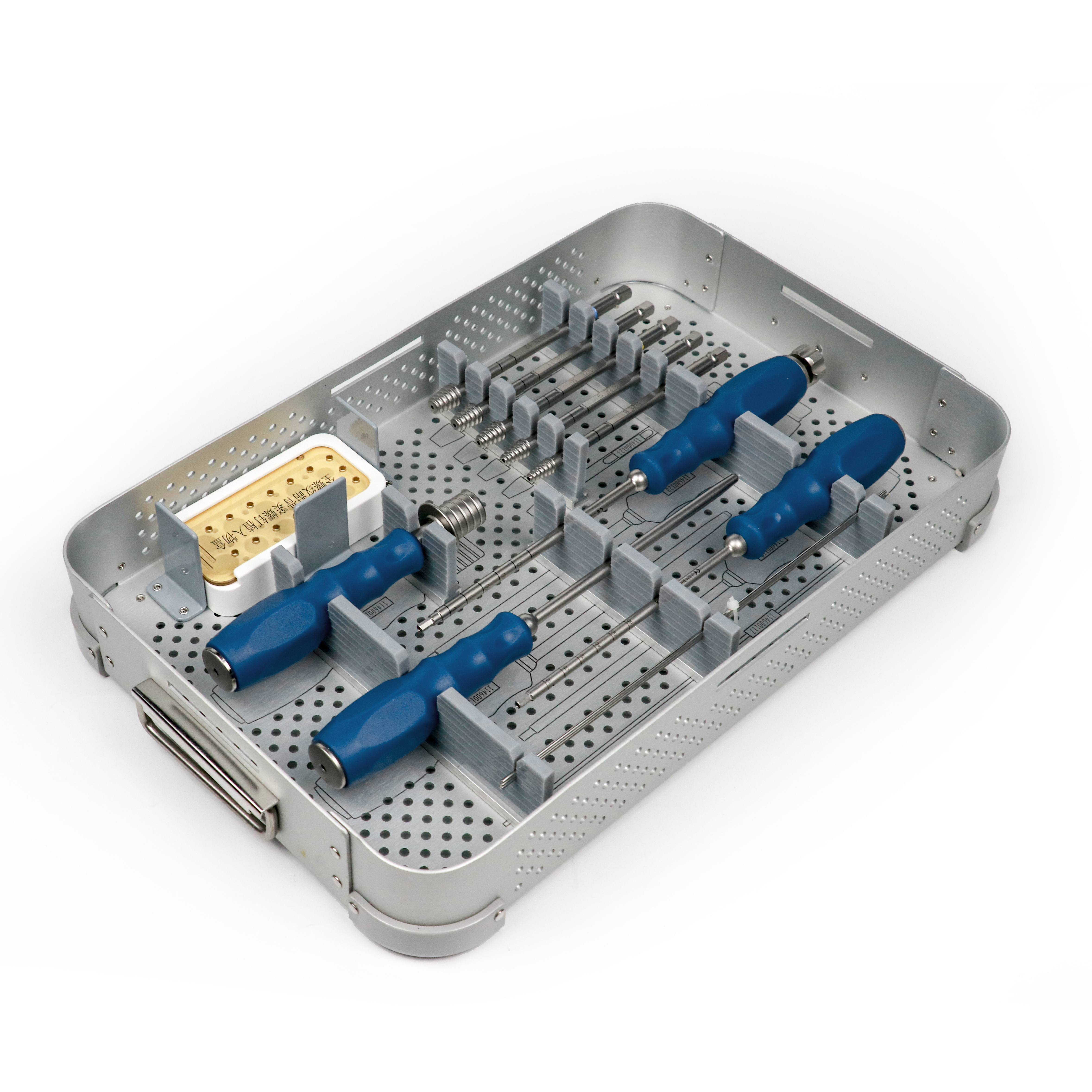
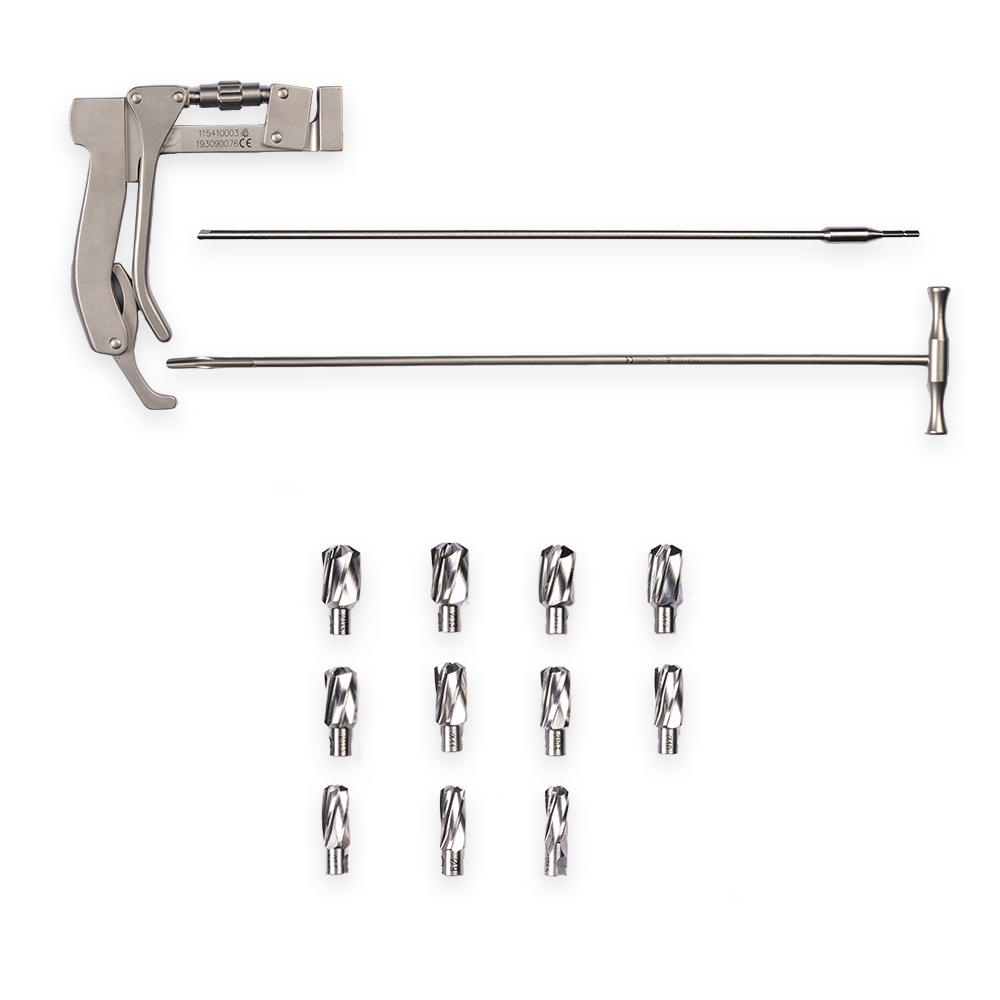
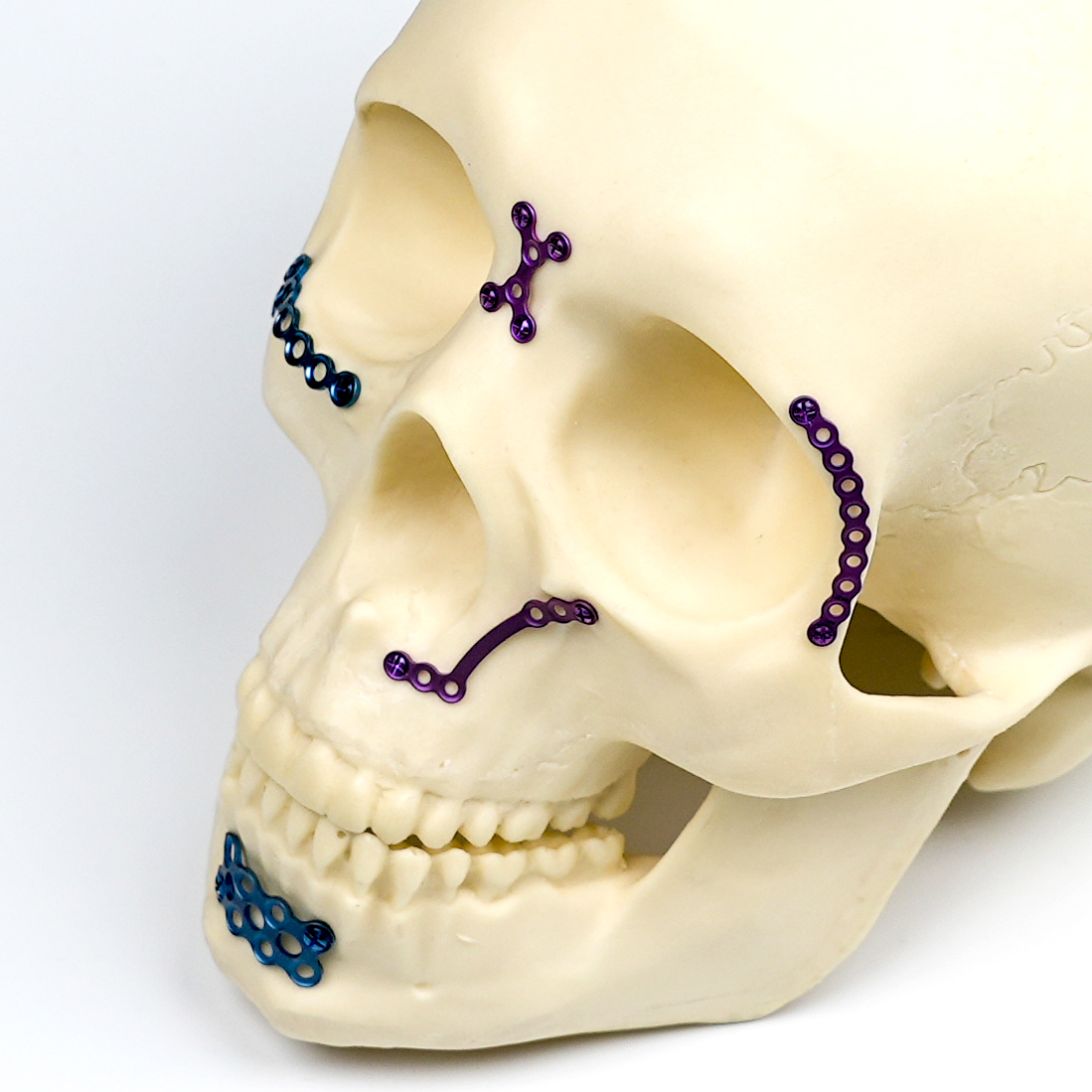
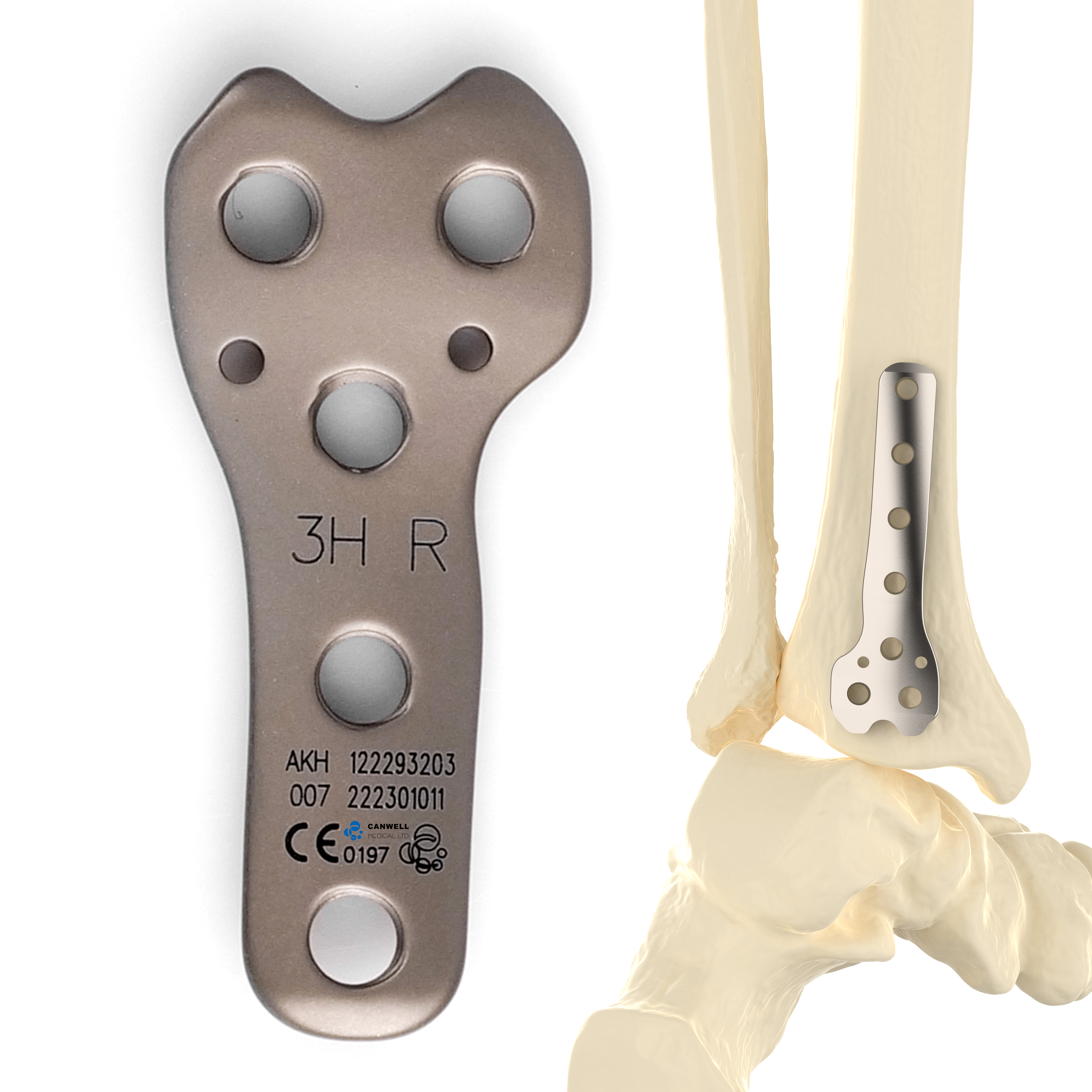

Enterprise Infrastructure & OEM/ODM Manufacturing Mastery
Zhejiang INAR Medical Co., Ltd. operates as a vertically integrated center of excellence for orthopedic implants, offering uncompromised manufacturing integrity.
Full CE MDR Compliance
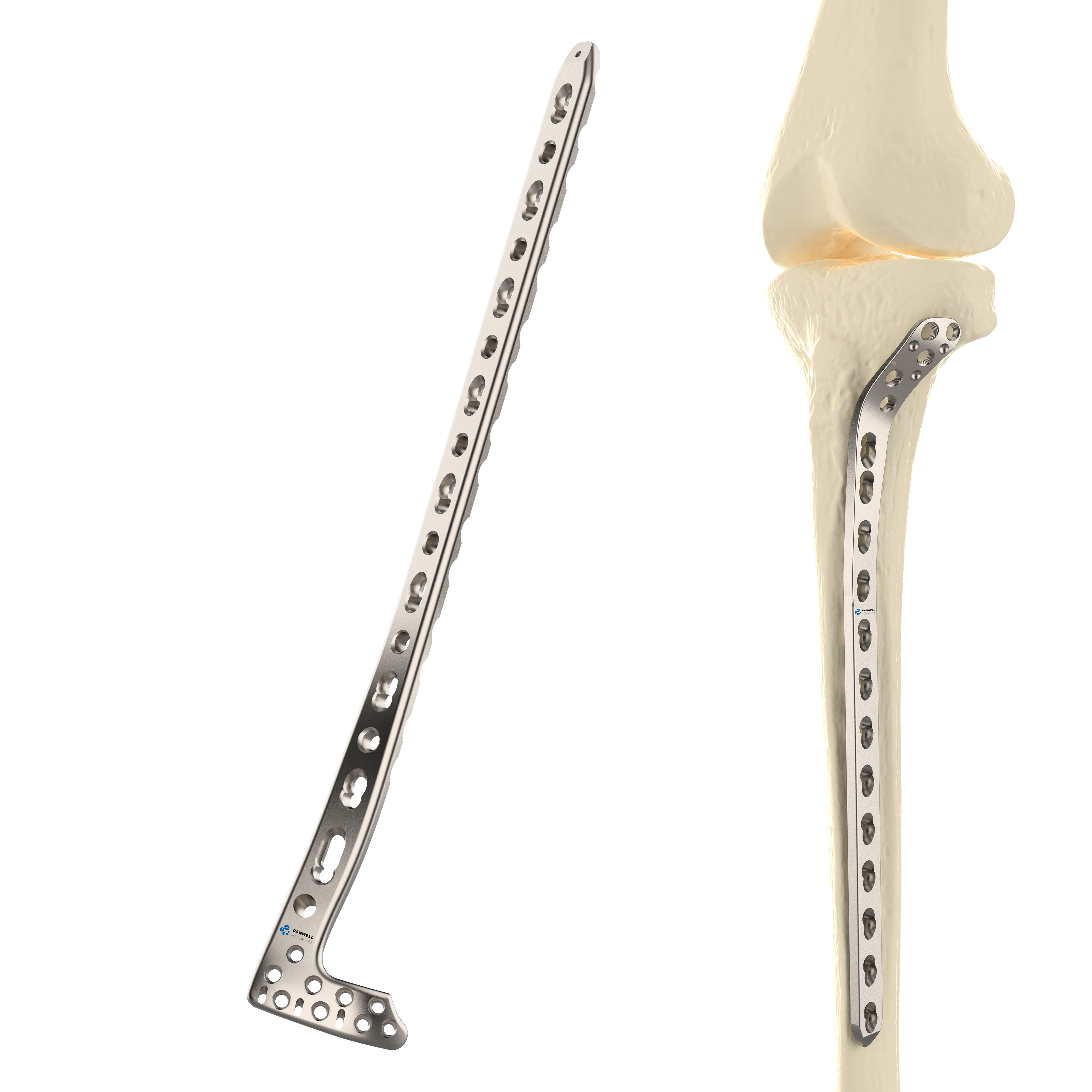
Our trauma locking plates, locking screws, and surgical systems are fully compliant with EU MDR regulations and 93/42/EEC directives. Complete technical files, material traceability, and biological evaluation reports are readily available for seamless market registration.
End-to-End Quality Assurance
Every single locking screw undergoes a 13-stage manufacturing and inspection protocol—from raw bar stock verification to longitudinal Swiss-type CNC turning, ultrasonic washing, penetrant defect testing, Type II anodizing, and final ISO Class 7 cleanroom aseptic packaging.
Custom OEM/ODM Engineering
We provide full customization, including custom thread pitches (cancellous, cortical, variable-angle), head drive geometry (Star/Torx, Hexagonal, Square), laser-etched UDI markings, custom anodized color coding, and tailored surgical tray instrumentation sets.
Biomechanical Engineering & Metallurgy of Locking Screws
In modern orthopedic trauma surgery, the transition from conventional compression screws to locked plating technology represents one of the most vital paradigms in internal fixation. A locking screw differs fundamentally from a traditional cortical or cancellous screw: rather than relying on compression between the anatomical bone fragment and the plate to achieve frictional stability, a locking screw threaded head physically engages with the internal threads of the plate hole. This constructs a fixed-angle stable construct, functioning biomechanically as an internal-external fixator.
1. Metallurgy: Titanium Grade 5 (Ti-6Al-4V ELI) vs. 316L Stainless Steel
The operational lifespan of a locking screw under cyclic bending loads depends directly on material selection. At INAR Medical, we utilize premium medical-grade titanium alloy conforming to ISO 5832-3 / ASTM F136 (Ti-6Al-4V Extra Low Interstitial) and implant-grade stainless steel conforming to ISO 5832-1 / ASTM F138.
| Mechanical / Chemical Property | Ti-6Al-4V ELI (Titanium Grade 5) | 316L Implant Stainless Steel | Clinical Advantage for OEM Clients |
|---|---|---|---|
| Yield Strength (MPa) | ≥ 795 MPa | ≥ 690 MPa | Prevents permanent plastic deformation during heavy loading. |
| Ultimate Tensile Strength (MPa) | ≥ 860 MPa | ≥ 890 MPa | Maintains structural integrity under extreme torsional torque. |
| Modulus of Elasticity (GPa) | 110 GPa (Closer to cortical bone ~18 GPa) | 200 GPa | Dramatically reduces stress shielding and promotes rapid bone callus formation. |
| MRI Compatibility | Non-magnetic (Minimal artifact) | Paramagnetic (Significant artifact) | Allows superior post-operative imaging and MRI diagnostics. |
| Surface Anodization | Type II Electro-chemical Anodizing | Passivation (ASTM A967) | Type II titanium anodizing eliminates risk of cold welding (galling) in plate holes. |
2. Variable Angle (VA) vs. Fixed Angle Thread Mechanics
Modern surgical procedures require flexible screw trajectory without compromising angular stability. Our ODM capabilities cover both classic monoaxial fixed-angle locking screws and state-of-the-art variable-angle (VA) locking screws.
In fixed-angle systems, the screw head features a tapered, fine-pitch external thread matching the receiving thread of the locking plate hole at a strict 90-degree axis. In variable-angle systems, the screw head features spherical crest geometry with reinforced threading, allowing surgeons to angle the screw up to 15 degrees in any direction (30-degree cone of variability) relative to the plate axis. This allows targeted purchase of small bone fragments or avoidance of joint spaces without sacrificing structural load distribution.
Future Procurement Trends in Global Orthopedic Sourcing (2025–2035)
As global healthcare systems shift toward value-based procurement and stringent regulatory frameworks, B2B buyers must adapt their supply chain strategy.
1. Tightening Regulatory Audits (EU MDR & FDA UDI)
Distributors can no longer rely on unverified white-label suppliers. The mandate for unique device identification (UDI), comprehensive post-market surveillance (PMS), and ISO 13485 cleanroom validation means brand owners require certified OEM partners capable of supplying full technical master files.
2. Consolidation & Modular Platform Tooling
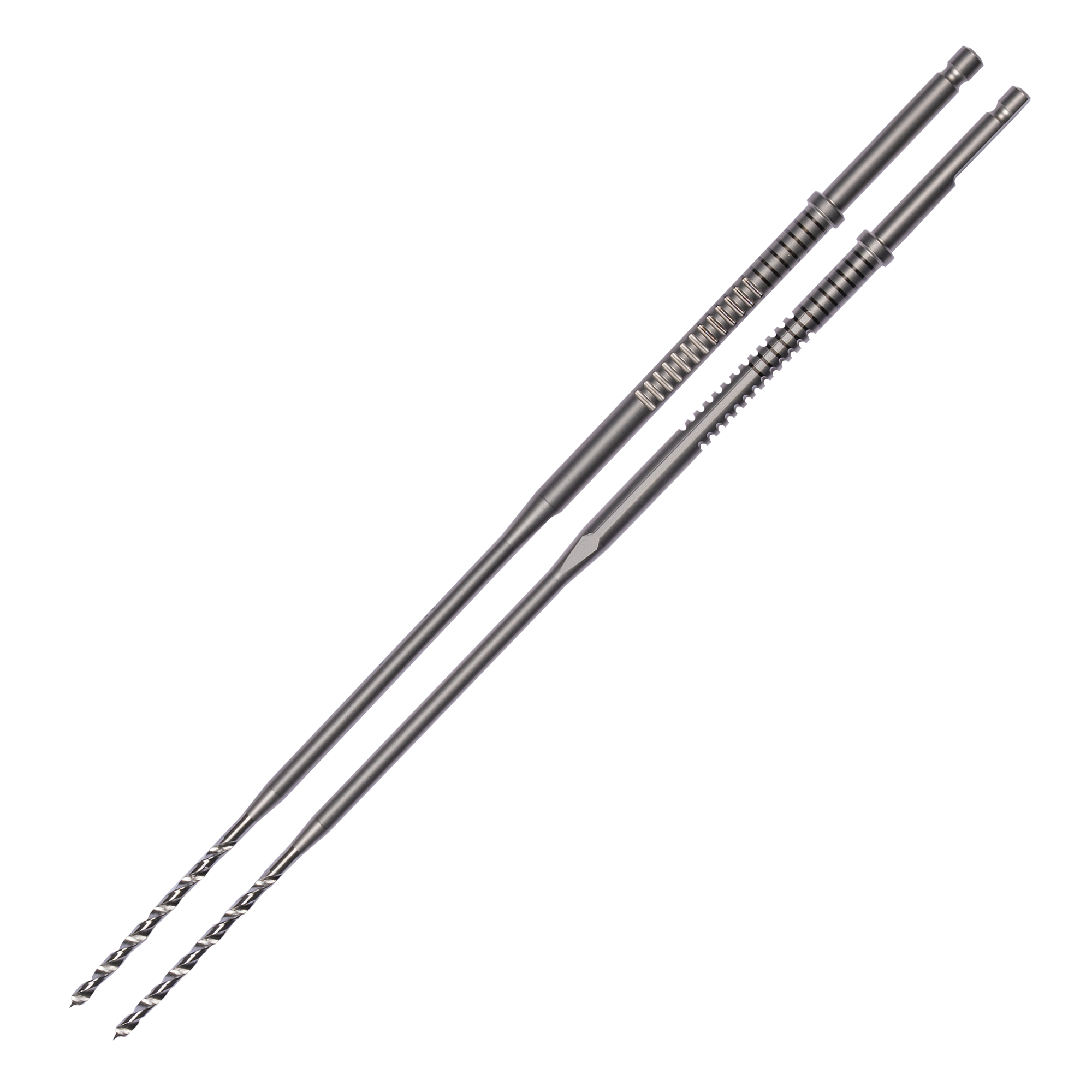
Hospitals are demanding streamlined surgical trays that reduce sterile processing costs. Procurement managers are prioritizing OEM manufacturers who supply universal quick-coupling drill bits, flexible reamers, and standardized Torx-drive locking screws that fit multiple trauma plate profiles.
3. Strategic OEM/ODM Risk Mitigation
To avoid supply chain bottlenecks caused by geopolitical shifts, global brand owners are establishing direct contract-manufacturing relationships with large-scale factories that hold verified floor space (29,000+ m²) and end-to-end internal production capabilities rather than brokers.
Technological & Development Trends in Locking Screw Systems
The manufacturing landscape for orthopedic implants is undergoing rapid technical evolution. Modern contract manufacturers must continuously innovate in surface science, high-precision machining, and smart manufacturing.
1. Torx / Star-Drive Recess Dominance Over Hexagonal Drivers
Traditional internal hex screw drives are susceptible to "cam-out" or stripping when subjected to the elevated insertion torque required for locking plate engagement. The industry standard has definitively shifted to Star Drive (Torx/Hexalobular) recesses (T8, T10, T15, T25). Star drives provide six vertical contact angles, distributing torsional load evenly, dramatically reducing stripping during high-torque insertion and easy removal during implant hardware retrieval.
2. Antibacterial & Osteoinductive Surface Modifications
Surface modification technologies are transforming simple mechanical fasteners into active healing devices. Key technology trends include:
- Type II Anodization: Hard anodizing creating a non-porous titanium oxide layer that increases surface hardness, decreases friction coefficients, and prevents cold welding between screws and titanium plates.
- Silver Nanoparticle / Hydroxyapatite (HA) Coatings: Experimental and cutting-edge ODM developments focus on antimicrobial silver-ion deposition to inhibit surgical site infections (SSI) and HA coatings to accelerate bone-screw integration in compromised trabecular bone.
3. Cannulated Screw Engineering for Minimally Invasive Surgery (MIS)
Precision longitudinal deep-hole drilling allows the production of cannulated locking screws down to 2.4mm outer diameters. Guided by K-wires, these screws enable percutaneous fixation in foot/ankle, scaphoid, and pediatric trauma cases, reducing surgical exposure, soft-tissue disruption, and infection risks.
Frequently Asked Questions (Sourcing & Technical FAQ)
Detailed answers to essential technical, quality, and commercial inquiries for hospital buyers and distributor brand managers.
Our trauma locking screws, locking plates, intramedullary nails, and sports medicine implants carry CE marking under EU MDR and Medical Device Directive 93/42/EEC. Our manufacturing facility in Jinhua, Zhejiang, operates under ISO 13485 quality management systems and has passed rigorous onsite supplier assessments by SGS Group. Full technical documentation, material certifications, and declarations of conformity are provided for qualified buyers.
We offer comprehensive OEM/ODM customization options including custom thread pitch, major/minor core diameters, self-tapping flute configurations, head drive recess styles (Torx, Hex, Square), custom lengths in 1mm increments, color-coded anodizing, laser-etched lot numbers/UDI, and custom surgical tray design tailored to your clinical requirements.
Cold welding or galling occurs when similar titanium alloys bond under friction and pressure. We eliminate this issue through proprietary Type II surface anodizing on all titanium screws and plate threads. This process hardens the surface layer, dramatically lowers the coefficient of friction, and ensures smooth insertion and effortless hardware removal during revision surgery.
We manufacture implants using certified medical-grade Titanium Alloy (Ti-6Al-4V ELI conforming to ISO 5832-3 / ASTM F136), High-Grade Implant Stainless Steel (316L conforming to ISO 5832-1 / ASTM F138), implant-grade PEEK for interbody spine cages, bioabsorbable PLGA for ACL interference screws, and UHMWPE for high-strength surgical sutures.
For standard catalog items, orders ship within 15–20 days. For custom OEM/ODM screw designs requiring specialized tooling or prototype samples, development and initial batch production take approximately 30–45 days. Flexible MOQs are available depending on whether you choose standard catalog designs or proprietary brand engineering.
Our factory utilizes high-precision Swiss-type CNC multi-axis turning centers and optical automated inspection systems. Every batch undergoes 100% dimensional check on critical threads, ultrasonic cleaning, penetrant dye testing for surface micro-cracks, mechanical torque-to-failure testing, axial pull-out force validation, and final outgoing quality control (OQC) prior to aseptic packaging.
Partner with a Certified OEM/ODM Orthopedic Screw Manufacturer
Accelerate your product registration, streamline your supply chain, and enhance surgical performance with SGS-verified, CE-marked titanium and stainless steel locking screws.
Get a Quote