High-Performance Medical Stretchers & Ward Care Beds
Engineered for rigorous critical care, emergency patient transit, and long-term nursing. Certified under ISO 13485, CE, and FDA regulatory frameworks.
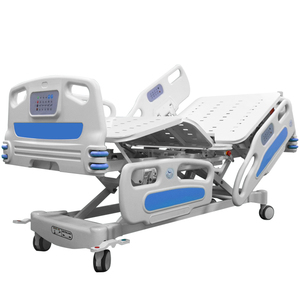
Longermay Factory Medical Hospital Bed Prices
Heavy-duty structural steel frame with ergonomic manual crank adjustments. Optimized for high-volume hospital wards and procurement budget efficiency.
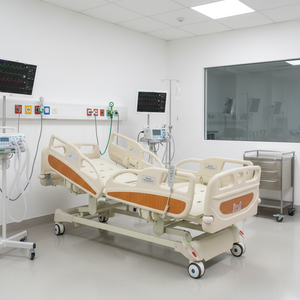
Hospital Furniture Patient Nursing Clinical Medical Bed 3/5/7 Function Electric ICU Bed
Multi-function electric ICU bed featuring auto-chair positioning, Trendelenburg system, and seamless LINAK motor integration for critical patient care.
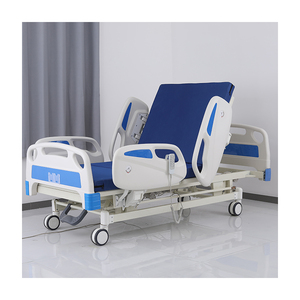
Chenhong CH-C8 Factory Double-Shaking Stainless Steel Class II Medical Bed
Class II medical grade stainless steel chassis with dual-hand crank mechanism, offering anti-corrosive durability and easy sterilization for ward operations.
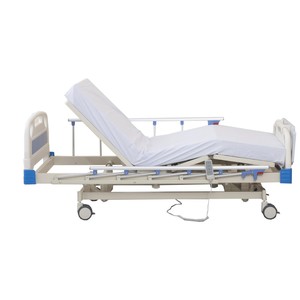
GRACEMED 3-Function Hospital Electronic Medical Bed with L&K Motor
CE-certified 3-function motorized bed with quiet actuators, fold-away tucking side rails, and high SWL rating designed for emergency recovery suites.
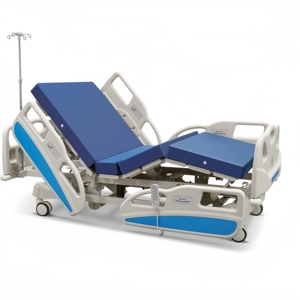
Cama Clinica Medical Patient Bed 5 Function ICU Electric Hospital Bed
Full-featured 5-function clinical bed package with high-density medical foam mattress, centralized braking system, and integrated angle indicators.
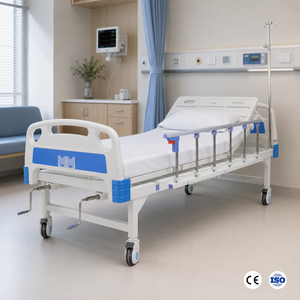
OEM Custom 2-Function Manual Medical Bed with Anti-Collision ABS Headboard
Customizable OEM manual bed equipped with blow-molded anti-impact ABS head/footboards and heavy-duty collapsible aluminum side rails.
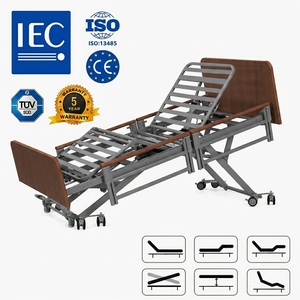
Electric Hospital Bed for Home Use (IEC 60601 Certified with 5-Year Warranty)
Home-care optimized electrical bed strictly adhering to IEC 60601 safety standards, offering low-height security, anti-entrapment guardrails, and quiet motors.
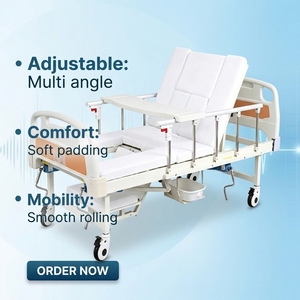
Hospital Grade Multifunctional Manual Nursing Bed with Steel Frame
All-steel cold-rolled chassis with robotic MIG welding. Designed for structural resilience, easy sanitation, and long operational lifespan in high-occupancy clinics.
Why Tier-1 Global Buyers Partner with Our OEM/ODM Ecosystem
Combining Taiwanese precision engineering with certified quality systems to deliver custom emergency medical stretchers and ward management solutions globally.
Custom OEM/ODM Engineering
Full-spectrum custom manufacturing ranging from structural frame dimensions, hydraulic actuator load tuning, custom guardrail latches, to private-label branding and localized control panel interfaces tailored to regional medical regulations.
Strict Quality Assurance Protocol
Every stretcher undergoes 30 rigorous physical inspections and 15 dynamic stress tests—including static safe working load testing (SWL up to 300kg), impact drop resistance, wheel directional lock accuracy, and 10,000-cycle hydraulic jack fatigue testing.
Regulatory Certification Package
Full technical documentation support for international registration. Products fully comply with ISO 13485 Quality Management Systems, EU MDR 2017/745 regulations, FDA 510(k) clearances, and IEC 60601-1 / IEC 60601-2-52 medical electrical device safety standards.
The Evolution of Medical Stretcher Design: 2025–2030 Technical Trends
In-depth analysis of structural metallurgy, smart sensor integration, emergency room workflow ergonomics, and anti-microbial surface engineering.
1. Shift Towards High-Strength Lightweight Alloys & Carbon Fiber Decks
Traditional emergency stretchers relied heavily on standard structural steel, resulting in heavy tare weight that increased caregiver fatigue during rapid patient transport. Modern OEM/ODM manufacturing trends prioritize 6000-series architectural-grade aluminum alloys and high-impact polymer composite decks.
Furthermore, critical care stretchers now incorporate full-length radiolucent carbon fiber backrests. This innovation enables seamless X-ray imaging directly on the stretcher without subjecting trauma patients to painful body transfers, drastically lowering the risk of secondary spinal injury during emergency triage.
2. Advanced Ergonomic Mobility: The 5th Steering Wheel System
Navigating tight hospital corridors, elevators, and crowded emergency departments requires zero-radius turning agility. Leading OEM medical stretcher designs integrate an internal retractable 5th steering wheel mechanism. Controlled via dual foot-pedals located at either end of the stretcher, this system locks direction straight during rapid corridor transit while providing instant 360° swivel maneuverability in tight clinical spaces.
3. Smart Sensor Integration & Real-Time Patient Monitoring
The convergence of Internet of Medical Things (IoMT) and medical furniture has introduced integrated load-cell weight scale systems into hydraulic stretchers and ICU beds. These sensors offer precision patient weight readings (±100g accuracy) directly via digital side-rail displays. Emergency clinicians can instantly calculate exact drug dosages for unconscious trauma patients without delay.
Technical Comparison: Conventional vs. Next-Gen OEM Emergency Stretchers
| Technical Parameter | Conventional Medical Stretcher | Next-Gen OEM/ODM Hydraulic Stretcher |
|---|---|---|
| Chassis Metallurgy | Standard Cold-Rolled Carbon Steel | High-Strength Lightweight 6061-T6 Aluminum Alloy |
| Radiolucency (X-Ray) | Limited / Steel Grid Intervention | Full-Length Radiolucent Carbon Fiber Deck |
| Steering System | Standard 4 Swivel Castors | Center-Mounted Retractable 5th Steering Wheel |
| Safe Working Load (SWL) | 150 kg – 180 kg | 250 kg – 300 kg (Bariatric Rated) |
| Hydraulic Drive | Single-Pedal Pump System | Dual-Sided Synchronized Foot Pedals (Trendelenburg/Reverse) |
| Surface Sanitation | Standard Powder Coating | Nano-Silver Anti-Microbial Electrostatic Coating |
Future Global Procurement Trends in Emergency Medical Stretchers
Strategic purchasing guidelines for hospital procurement directors, regional distributors, and medical equipment importers.
1. Shift Towards Total Cost of Ownership (TCO) Evaluation
Global hospital tenders are moving away from evaluating initial unit purchase cost alone. Procurement bodies now audit Total Cost of Ownership (TCO) over a 7-to-10-year operational lifecycle. Key metrics include maintenance frequency, spare part availability (hydraulic pump seal kits, castor replacement modularity), and frame fatigue life. Buying from ISO 13485 certified OEM exporters guarantees long-term component availability and reduced hospital maintenance downtime.
2. Strict Harmonization of Infection Control Standards
Post-pandemic hospital protocol updates mandate that all patient transfer stretchers feature seamless, liquid-impermeable joint construction. Welded joints must be fully smooth, and plastic components must resist harsh chemical disinfectants (such as 70% isopropyl alcohol, chlorine-releasing agents, and hydrogen peroxide vapor decontamination) without structural degradation or yellowing.
3. OEM Customization for Regional Bariatric Needs
Demographic shifts in North America, Europe, and the Middle East have significantly increased demand for bariatric-rated emergency stretchers. Procuring stretchers with wider patient platforms (750mm–850mm width) and reinforced dual-pillar hydraulic systems capable of supporting 300kg safe working loads has become standard practice for regional emergency fleets.
4. Supply Chain Resilience & Direct Factory Partnership
Distributors and hospital chains are increasingly bypassing non-manufacturing trading intermediaries in favor of direct OEM/ODM factory partnerships. Direct factory collaboration secures technical transparency, customized color coding for hospital wards, expedited regulatory registration dossiers, and direct engineering access for technical modifications.
Frequently Asked Questions: OEM/ODM Medical Stretcher Procurement
Expert answers addressing regulatory compliance, technical engineering parameters, customization options, and international shipping protocols.
Partner with a World-Class OEM/ODM Stretcher Manufacturer
Looking for certified high-performance medical stretchers, ICU beds, or custom hospital ward furniture for your market? Contact our engineering and sales export specialists today for instant quotation and technical dossiers.