
Featured Orthopedic Implant & Instrument Systems
Precision-engineered trauma, sports medicine, and spinal instrumentation manufactured in compliance with international surgical standards.
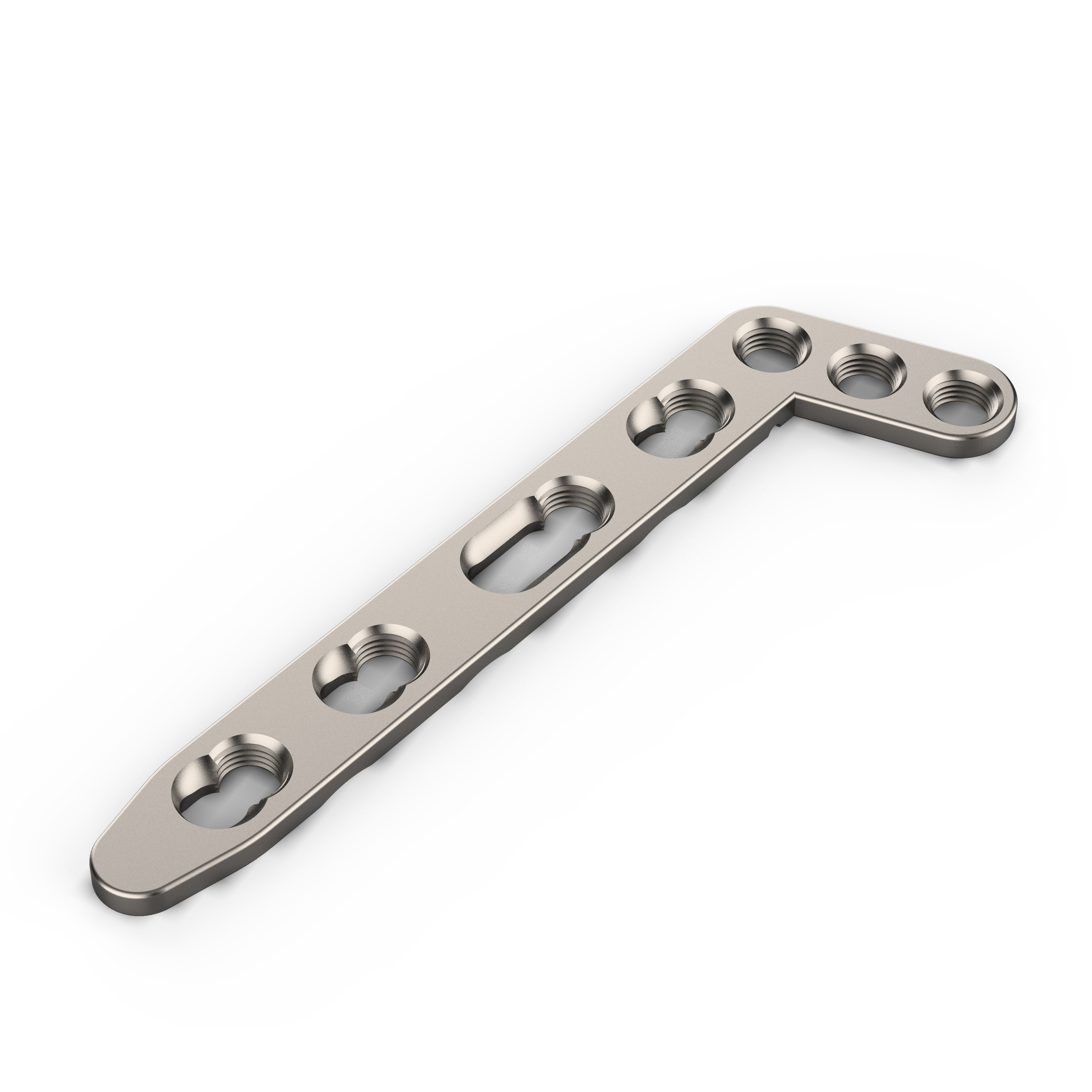
CANWELL Distal Radius Dorsal Titanium Locking Plate Oblique Volar Wrist Trauma System
View Technical Specs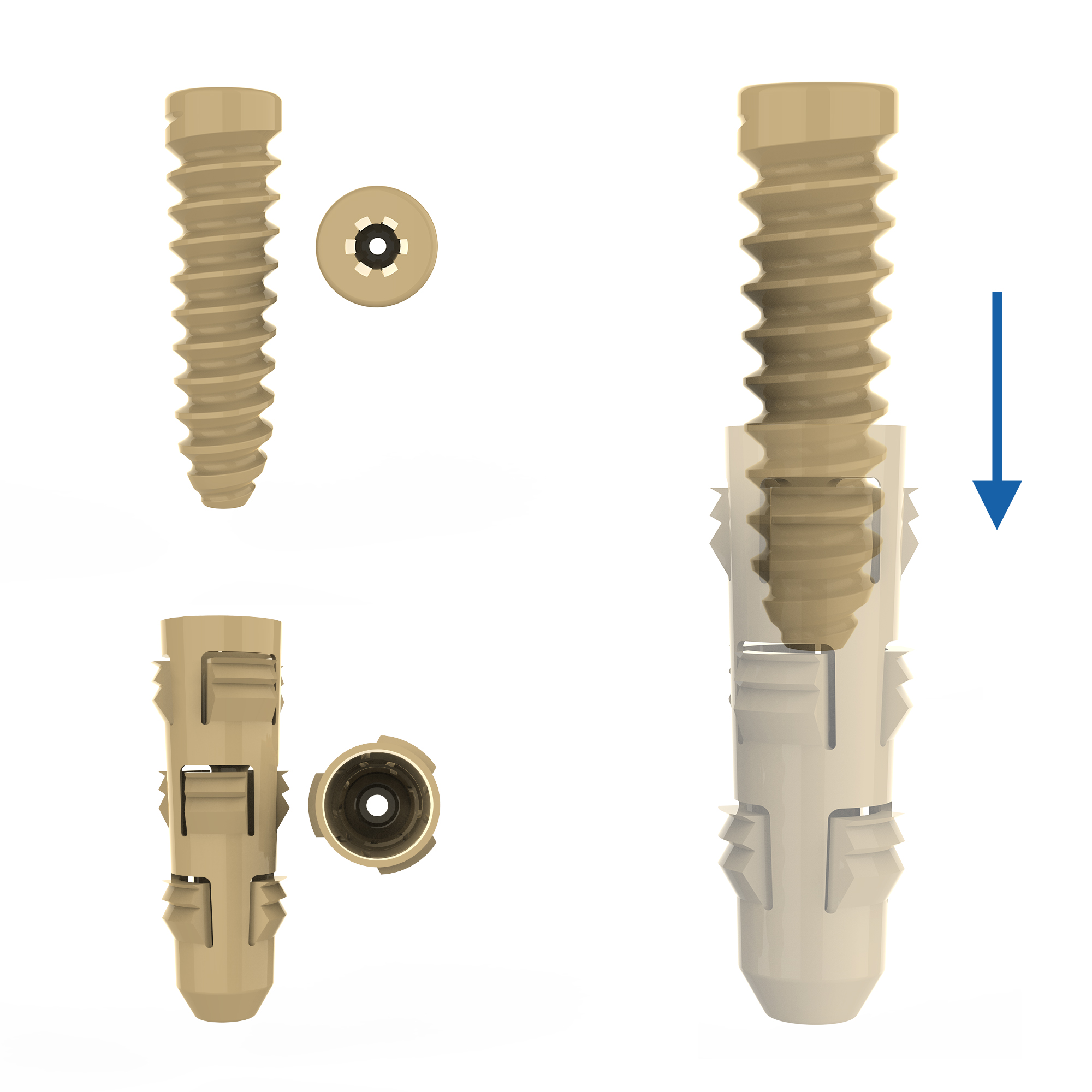
CANWELL Sports Medicine ACL/PCL Reconstruction Bioabsorbable & PEEK Interference Screw
View Technical Specs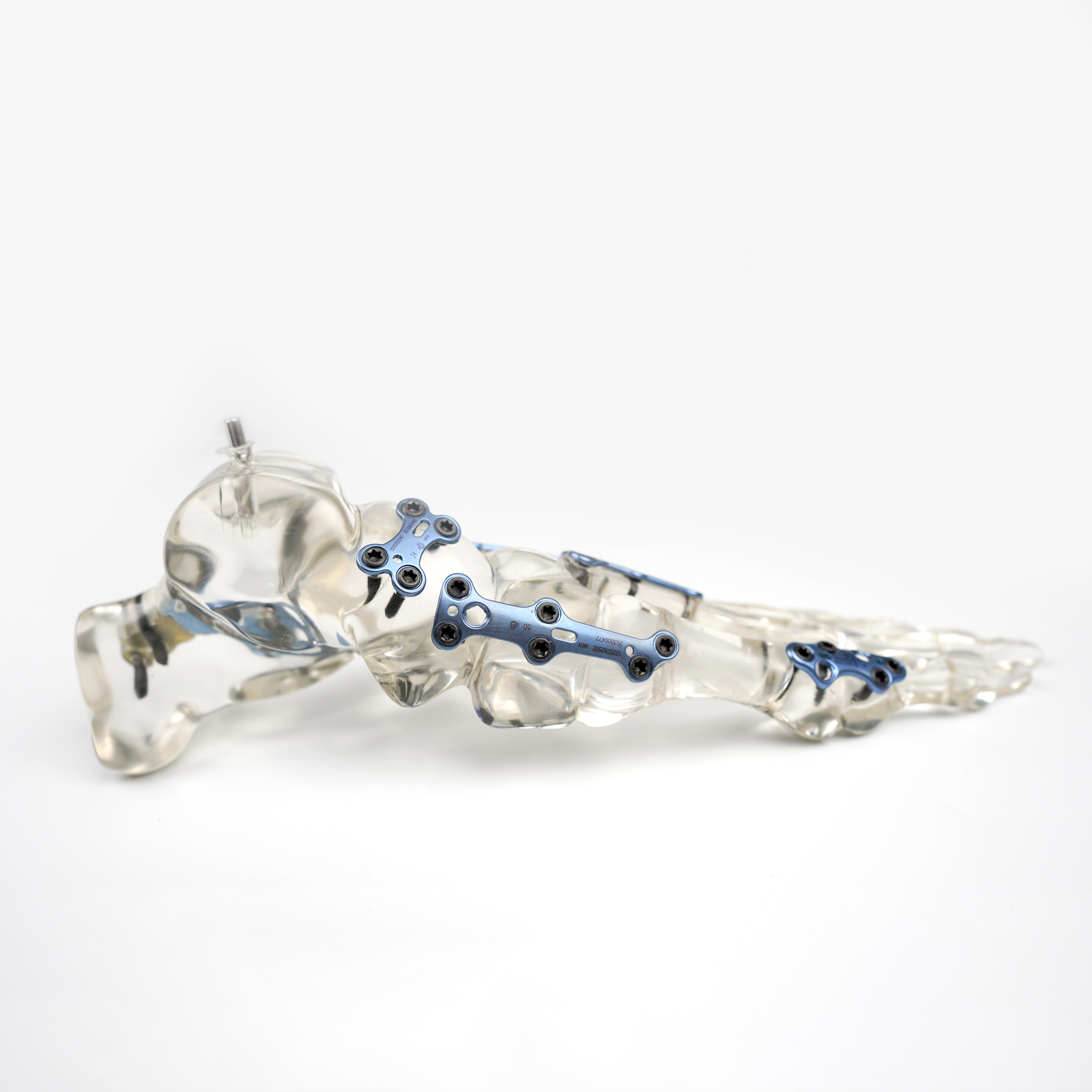
Orthopedic Implants for Foot and Ankle System Hindfoot Reconstruction Trauma Locking Plate
View Technical Specs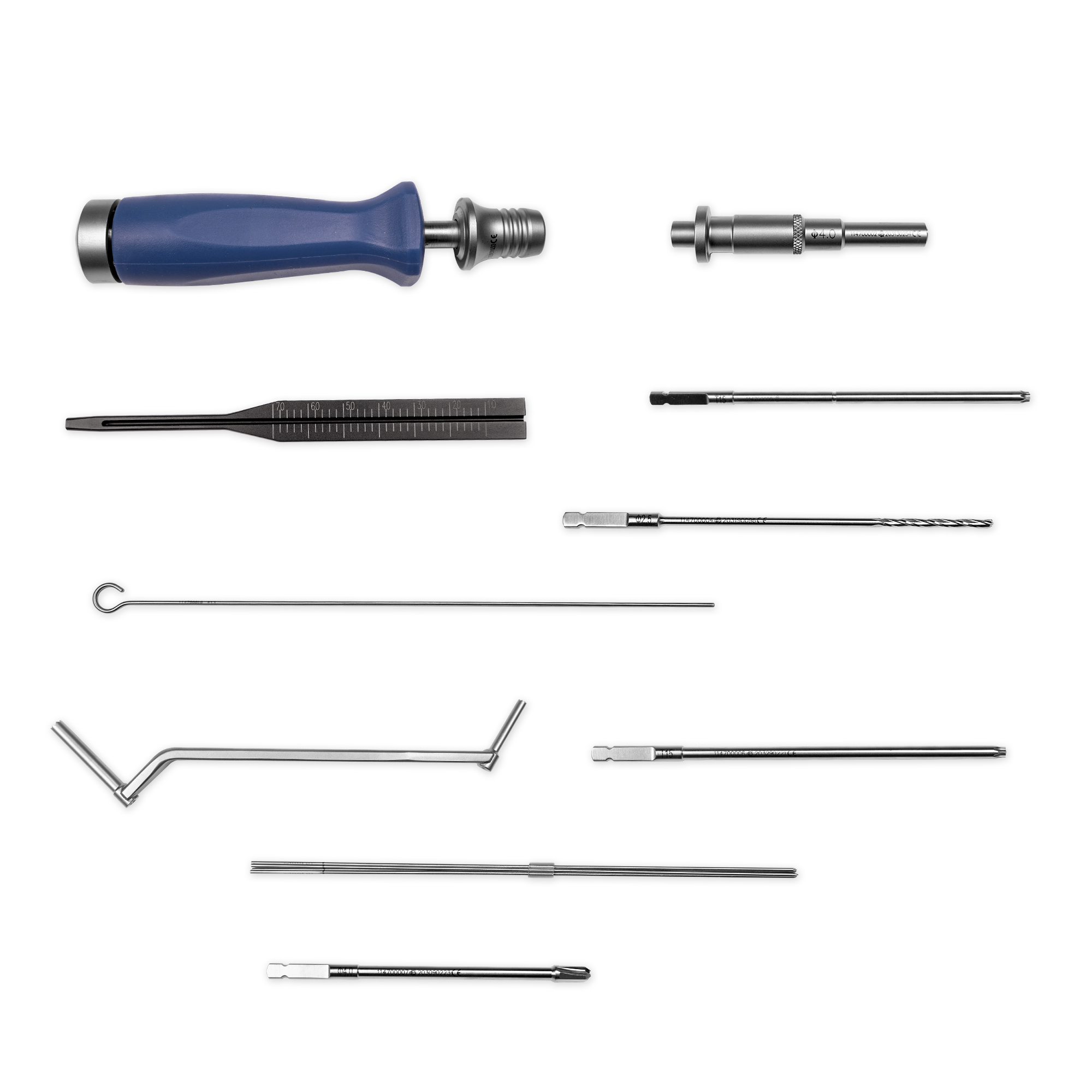
CANWELL Orthopedic Quick Coupling Torque Limiter & Ratchet Driver Instrument Set
View Technical Specs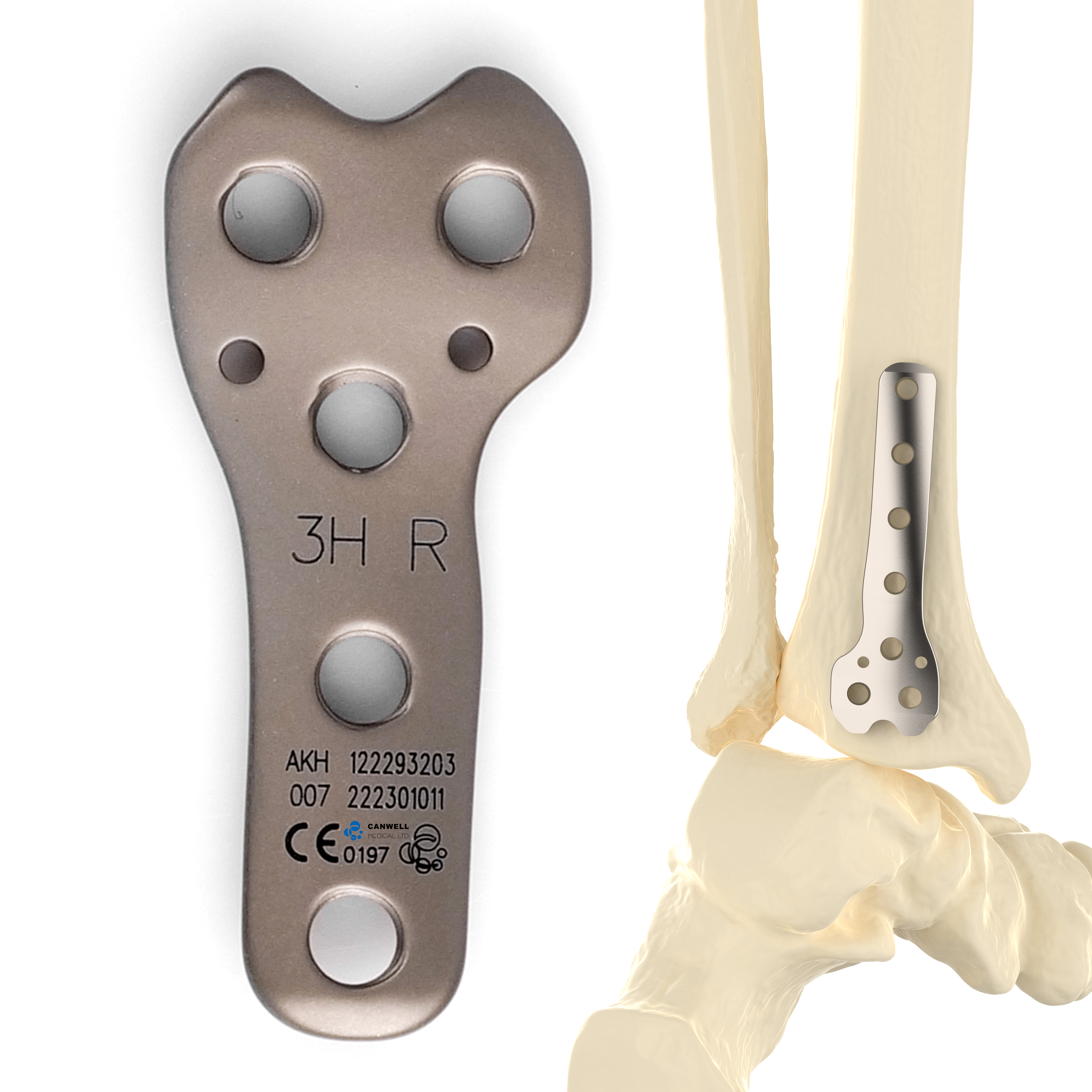
CANWELL Distal Tibial Titanium Locking Compression Plate Posterior Limb System
View Technical Specs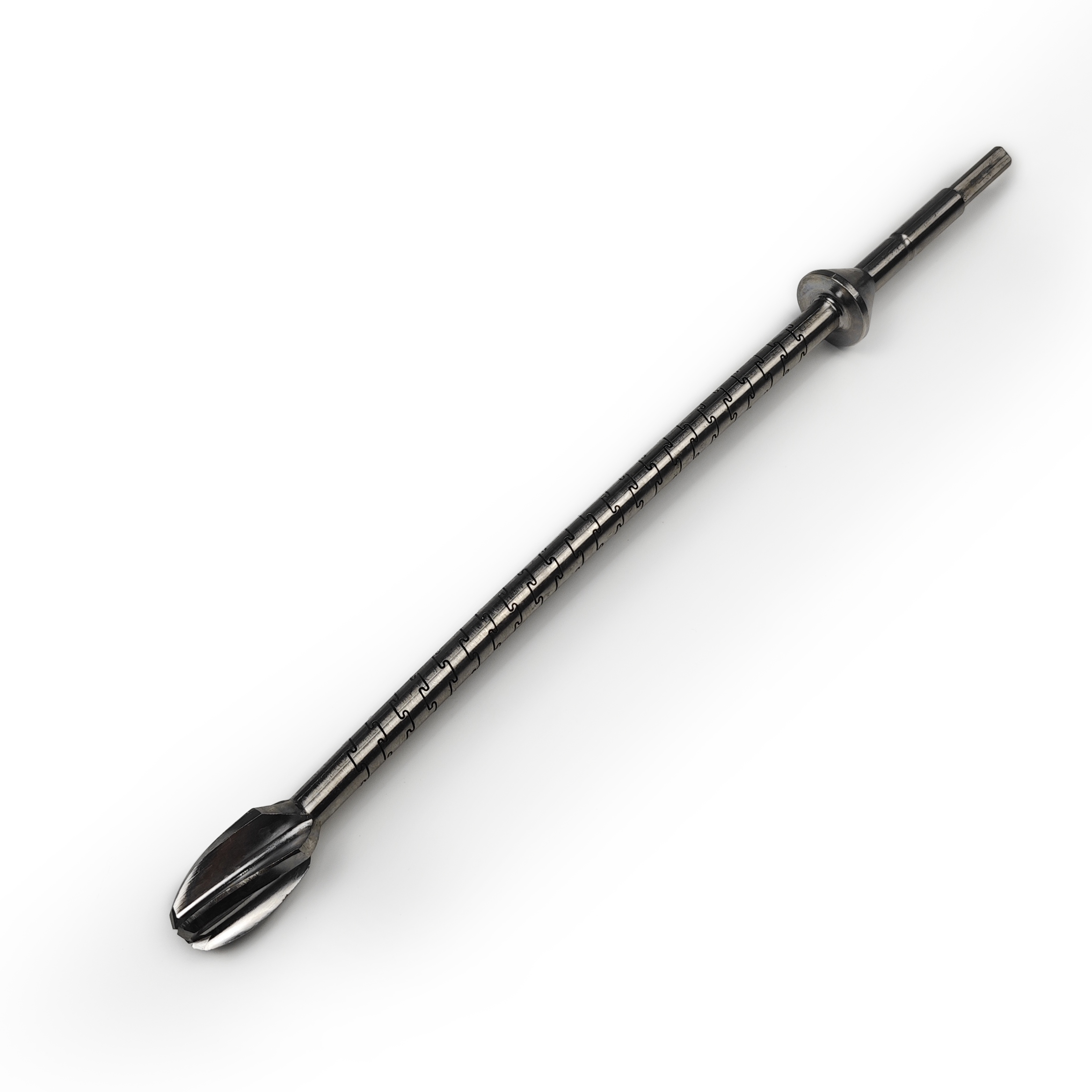
CANWELL Flexible Reamer Sterilization Box for Femoral/Tibial Intramedullary Nailing
View Technical Specs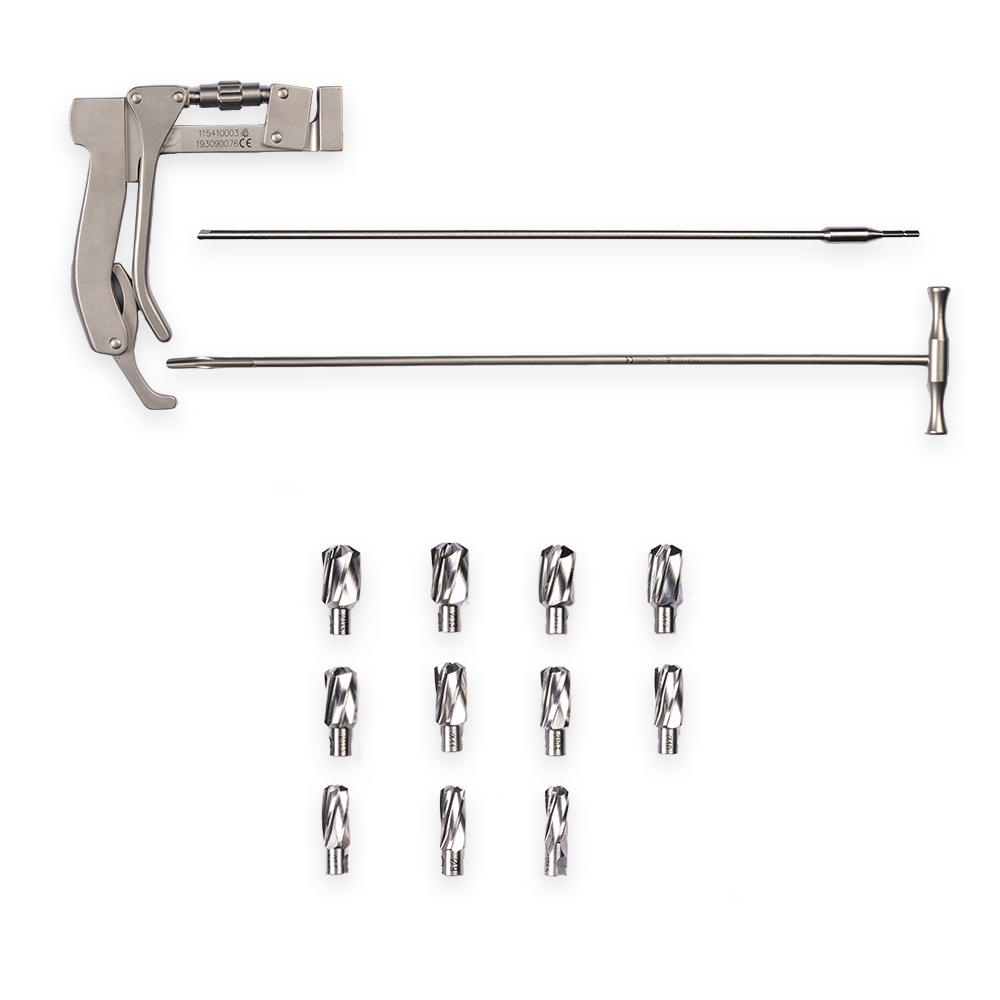
CANWELL Orthopedic Flexible Reamer Set with Quick-Coupling Shafts & Reamer Heads
View Technical Specs22+
Years Industry Experience
Dedicated exclusively to orthopedic manufacturing
632
Skilled Workforce
Engineers, CNC machinists & QC specialists
29,523 m²
Manufacturing Facility
SGS-verified integrated production base
100%
Traceable Quality
Full batch validation & ISO 13485 adherence
Executive Briefing & Factory Overview
Enterprise OEM/ODM Infrastructure & Manufacturing Architecture
In the highly regulated global medical device ecosystem, selecting a reliable contract manufacturer for orthopedic trauma implants, spinal instrumentation, and sports medicine arthroscopy devices requires rigorous technical evaluation. Zhejiang INAR Medical Co., Ltd. (CANWELL) operates a state-of-the-art 29,523 m² manufacturing campus staffed by 632 dedicated personnel. As an SGS-verified manufacturer, our facility bridges high-precision engineering with stringent clinical compliance under ISO 13485:2016 quality management systems.
Our operational framework encompasses end-to-end production vertical integration. Unlike assembly-only suppliers, we execute all core critical processes in-house: high-speed 5-axis CNC Swiss-type machining, longitudinal wire EDM cutting, micro-polishing, ultrasonic washing, Type II/III titanium anodizing, penetrant defect testing, and ISO Class 7 cleanroom packaging. This ensures complete control over dimensional tolerances (±0.005mm) and surface finish metrics (Ra < 0.4 μm) for bone screws, locking plates, intramedullary nails, and PEEK interbody fusion cages.
Quality Assurance Workflow
The 13-Stage Closed-Loop Manufacturing & Inspection Protocol
To satisfy the uncompromising demands of European MDR (EU 2017/745), US FDA 21 CFR Part 820, and international hospital procurement tenders, every single instrument and implant leaving our factory follows a fully documented 13-stage manufacturing and verification route:
01
Raw Material Verification
100% spectral analysis and mechanical testing of medical-grade Titanium (Ti-6Al-4V ELI), PEEK-OPTIMA, and 316L stainless steel bar stock.
02
Longitudinal Precision Cutting
Automated cutting of raw bar stock ensuring zero structural micro-fractures prior to CNC milling.
03
Multi-Axis CNC Machining
Complex anatomical contouring and screw thread milling on DMG MORI 5-axis machining centers.
04
Micro-Deburring & Polishing
Removal of sharp stress concentrators and automated surface smoothing to minimize soft tissue irritation.
05
Primary Ultrasonic Washing
Multi-frequency solvent degreasing to remove machining oils and particulate contaminants.
06
Surface Grinding & Passivation
Controlled chemical acid passivation to build a corrosion-resistant chromium/titanium oxide passive layer.
07
Micro-Sand Blasting
Uniform matte or satin surface texturing to reduce intraoperative light glare for surgeons.
08
Fluorescent Penetrant Testing
Non-destructive surface crack inspection under UV light to guarantee structural integrity.
09
Type II/III Color Anodizing
Biocompatible color coding for intuitive intraoperative instrument and size identification.
10
Secondary Ultrasonic Cleaning
Pyrogen-free pure water rinsing stages inside controlled processing zones.
11
100% Optical CMM Inspection
Automatic Coordinate Measuring Machine (CMM) dimensional verification against CAD models.
12
Aseptic Cleanroom Packaging
Primary double-blister sealing within ISO Class 7 certified environment.
13
Final Warehouse Quarantine & Batch Certification (OQC)
Final Quality Control audit, technical file attachment, and material Certificate of Analysis (CoA) sign-off prior to global dispatch.
Strategic Procurement Analysis
Future Procurement Trends in Global Orthopedic Contract Sourcing
The global market for orthopedic surgical instruments and trauma implants is undergoing a fundamental structural transition. Driven by evolving regulatory frameworks, rising healthcare cost pressures, and rapid advancements in surgical techniques, hospital procurement directors and brand owners are shifting their supply chain strategies. Understanding these macroeconomic and operational trends is critical for orthopedic importers, OEM distributors, and brand holders seeking sustainable competitive advantages.
1. De-Risking the Regulatory Transition: EU MDR & FDA Modernization
The implementation of the European Union Medical Device Regulation (MDR 2017/745) has significantly raised the barrier to entry for orthopedic implants and reusable surgical instruments. Traditional legacy suppliers without comprehensive technical documentation, clinical evaluation reports (CER), and rigorous post-market surveillance (PMS) systems are being displaced from Western hospital tenders. Global procurement teams now prioritize contract manufacturers capable of delivering turnkey regulatory packages, including ISO 10993 biocompatibility testing, ISO 14971 risk management files, and complete manufacturing process validations. Factories offering established CE-marked families under MDR provide immediate supply chain stability and faster time-to-market.
2. Demand for Modular, Ergonomic, and Single-Use Surgical Kits
Operating Room (OR) efficiency metrics and Central Sterile Supply Department (CSSD) turnaround times are driving a shift toward standardized, modular orthopedic instrument trays. Hospital networks are actively seeking torque-limiting handles, quick-coupling ratchet systems, and lightweight aluminum sterilization boxes that streamline surgical workflows and reduce sterilization processing costs. Furthermore, single-use procedure-specific kits—such as sterile-packed pedicle screw insertion sets or disposable ACL reconstruction reamers—are expanding rapidly in ambulatory surgical centers (ASCs) to minimize cross-contamination risks and eliminate reprocessing bottlenecks.
3. Unique Device Identification (UDI) & Digital Supply Chain Traceability
Global regulatory mandates now require direct part marking (DPM) utilizing Unique Device Identification (UDI) GS1 DataMatrix codes on all reusable orthopedic instruments and implantable plates. Advanced OEM factories are incorporating fiber laser UDI marking and automated vision verification directly into their production lines. Modern procurement directors demand fully traceable inventory systems where scanning a single laser-etched QR code reveals the raw material heat number, CNC machining batch, passivation lot, and final sterilization validation data.
4. Cost-Resilient Asian Precision Manufacturing Hubs
While nearshoring gains traction for low-volume specialty devices, high-precision Asian manufacturing hubs—particularly in Zhejiang, China—continue to lead in commercial-scale production. By pairing competitive labor with heavy capital investment in Japanese and German 5-axis CNC machinery, certified suppliers deliver medical-grade titanium locking plates, PEEK cages, and complex arthroscopy tooling at a fraction of Western manufacturing costs without sacrificing micro-dimensional fidelity.
Material Engineering & R&D Insights
Product Development & Technological Trends in Orthopedic Engineering
To stay ahead of competitive market pressures, orthopedic instrument factories are heavily investing in material science breakthroughs, surface modification engineering, and bio-compatible polymer processing. Strategic buyers must align with manufacturing partners actively pioneering these technical vectors:
- Advanced Biocompatible Metallurgy (Ti-6Al-4V ELI & Bio-Metals): Titanium Grade 5 Extra Low Interstitial (ELI) remains the benchmark standard for load-bearing trauma plates, pedicle screws, and flexible intramedullary reamer shafts. Its modulus of elasticity closely matches human cortical bone compared to stainless steel, reducing stress shielding effects and accelerating post-operative osseointegration.
- High-Performance Polymer Polymers (PEEK & Bioabsorbable PLGA/PLLA): Polyetheretherketone (PEEK-OPTIMA) has revolutionized spinal interbody fusion cages and sports medicine anchors due to its radiolucent properties, enabling clear post-operative X-ray and CT imaging. Concurrently, bioabsorbable Poly(L-lactide-co-glycolide) (PLGA) interference screws are setting new standards in ACL/PCL reconstructive arthroscopy, providing robust graft fixation while gradually degrading into harmless natural metabolites over a 12 to 24 month period.
- Anatomically Pre-Contoured Low-Profile Plate Design: Modern trauma systems feature variable-angle locking holes allowing up to 15° to 30° multi-directional screw trajectory freedom. Plates designed specifically for complex dorsal/volar distal radius fractures, calcaneal reconstructions, and distal tibial fractures feature tapered low-profile edges that eliminate soft-tissue impingement and shorten intraoperative contouring time.
- Advanced Surface Engineering & Micro-Arc Oxidation: Modern anodization techniques go far beyond visual color identification. Type II electrochemical anodization increases the surface hardness and fatigue resistance of titanium plates, while porous titanium plasma spraying and Hydroxyapatite (HA) coating enhance direct bone-to-implant mechanical interlocking.
Frequently Asked Questions for Global Procurement
Technical, operational, and quality assurance guidance for orthopedic distributors, importers, and brand holders.
Which regulatory certifications do your orthopedic implants and surgical instruments hold?
+
Our trauma locking plates, intramedullary nails, spinal systems, and sports medicine devices are manufactured under ISO 13485:2016 quality management standards. Featured implant lines carry CE marking under EU MDR (2017/745) and/or Medical Device Directive 93/42/EEC. Furthermore, our manufacturing base has undergone comprehensive onsite audit verification by SGS Group. Full technical files, Declarations of Conformity (DoC), material certificates, and test reports are available to qualified procurement partners.
What custom OEM and ODM manufacturing capabilities do you offer?
+
We provide full contract manufacturing services ranging from custom prototype development to mass production. Capabilities include laser-marking custom logos and UDI DataMatrix codes, customized anodizing color schemes, special anatomical plate contour adjustments, custom instrument tray layouts, and localized language surgical technique manuals. We work directly from customer CAD models, 2D engineering drawings, or physical samples under strict NDA protocols.
What dimensional tolerances and surface roughness standards are maintained in production?
+
Utilizing Swiss-type 5-axis CNC lathes and DMG MORI machining centers, we routinely maintain tight machining tolerances of ±0.005 mm for critical functional dimensions (such as screw threads and quick-coupling connectors). Surface roughness is held to Ra < 0.4 μm for mirror-polished implant contact zones and satin/matte finishes on surgical handles to prevent light reflection during surgery.
What mechanical testing and quality validation protocols are executed on implants?
+
Every batch undergoes stringent mechanical validation in our in-house testing laboratory. This includes dynamic fatigue testing, static bending load testing, torque-to-failure testing for bone screws, pull-out strength testing, and accelerated packaging aging tests. 100% of finished lots pass optical CMM inspection, dye penetrant surface defect testing, and pyrogen-free bioburden validation prior to release.
How are OEM products packaged, and do you support sterile packaging solutions?
+
We offer both non-sterile bulk bulk packaging for hospital sterilization centers and pre-sterilized aseptic double-blister packaging assembled within our certified ISO Class 7 cleanroom. Sterile-packaged implants feature protective Tyvek sealing, sterilization indicator labels, double-layer traceability stickers, and localized box labeling ready for direct distribution.
What are your standard Minimum Order Quantities (MOQ) and production lead times?
+
For standard catalog items, we maintain strategic safety stocks enabling dispatch within 7 to 15 business days. For custom OEM/ODM projects, initial sample prototyping typically requires 20 to 30 days, while mass production batch lead times range from 30 to 45 days depending on tooling complexity, coating requirements, and batch size. Flexible MOQ tier structures are available to support initial trial orders and tender submissions.
Partner with a Verified Orthopedic Manufacturing Leader
Accelerate your hospital tenders, expand your private-label product portfolio, and secure traceable, high-precision orthopedic implant supplies directly from our factory floor.