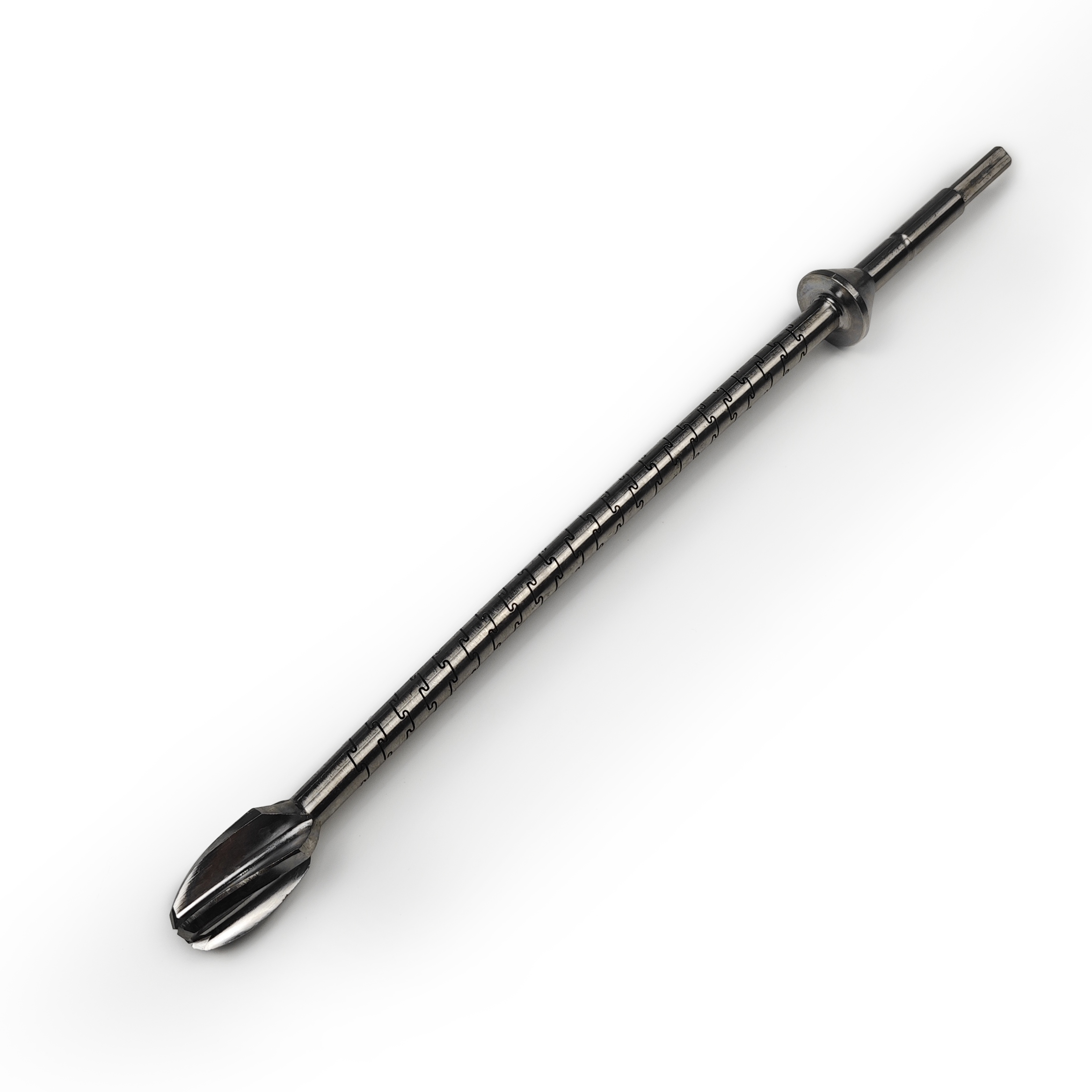
Precision Surgical Portfolio
Featured Orthopedic & Spinal Solutions
Engineered to strict clinical thresholds, our trauma locking systems, intramedullary nails, and precision surgical instrument sets complement our OEM/ODM interbody PEEK manufacturing platform.
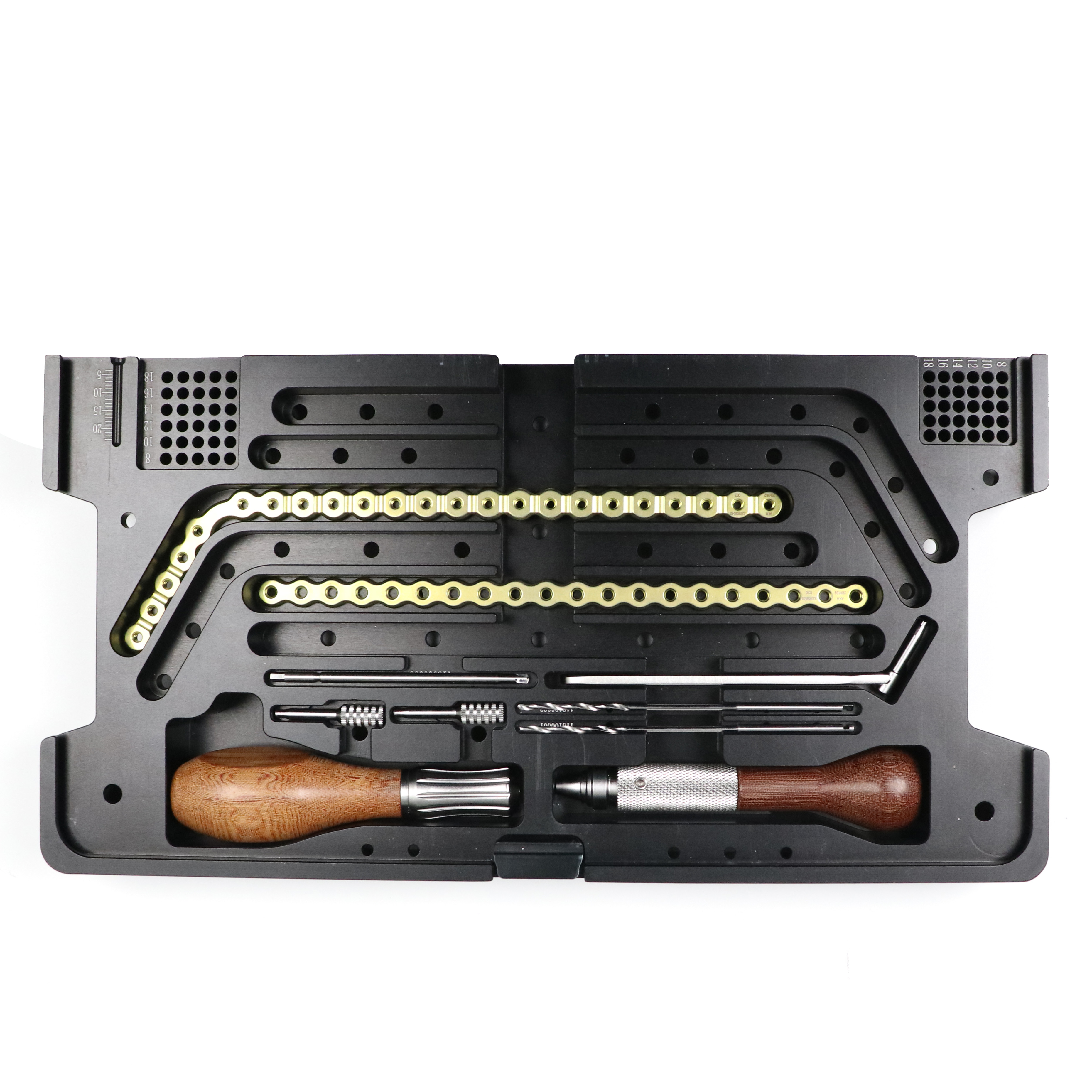
CANWELL Maxillofacial Surgery Instrument Set Maxillofacial Drill Surgery Kit Bone Fixation Screwdriver Titanium Mesh Plate
View Technical Specs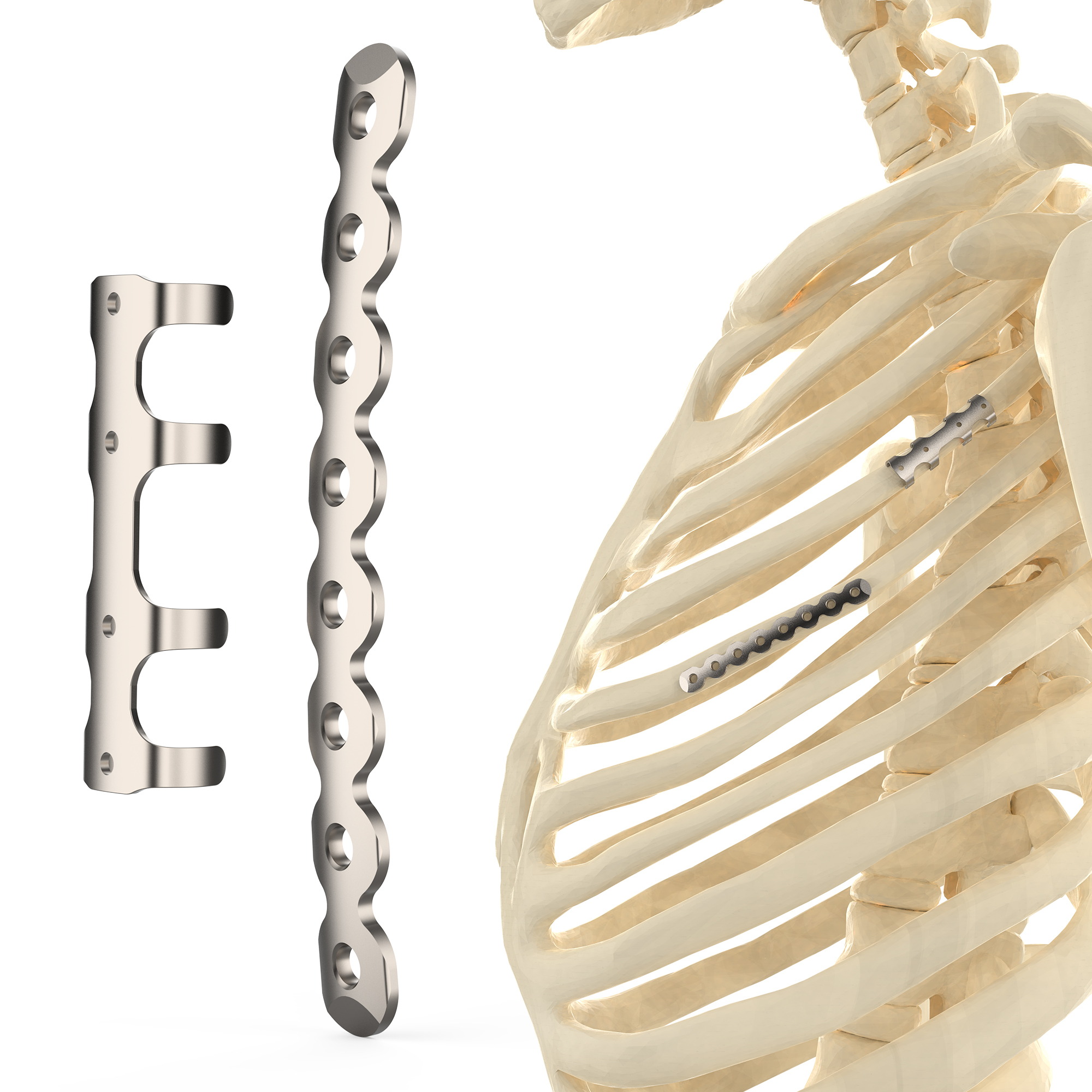
CANWELL Titanium Rib Locking Plate Bone Fixation Orthopedic Trauma Implant for Fracture Surgery CE ISO
View Technical Specs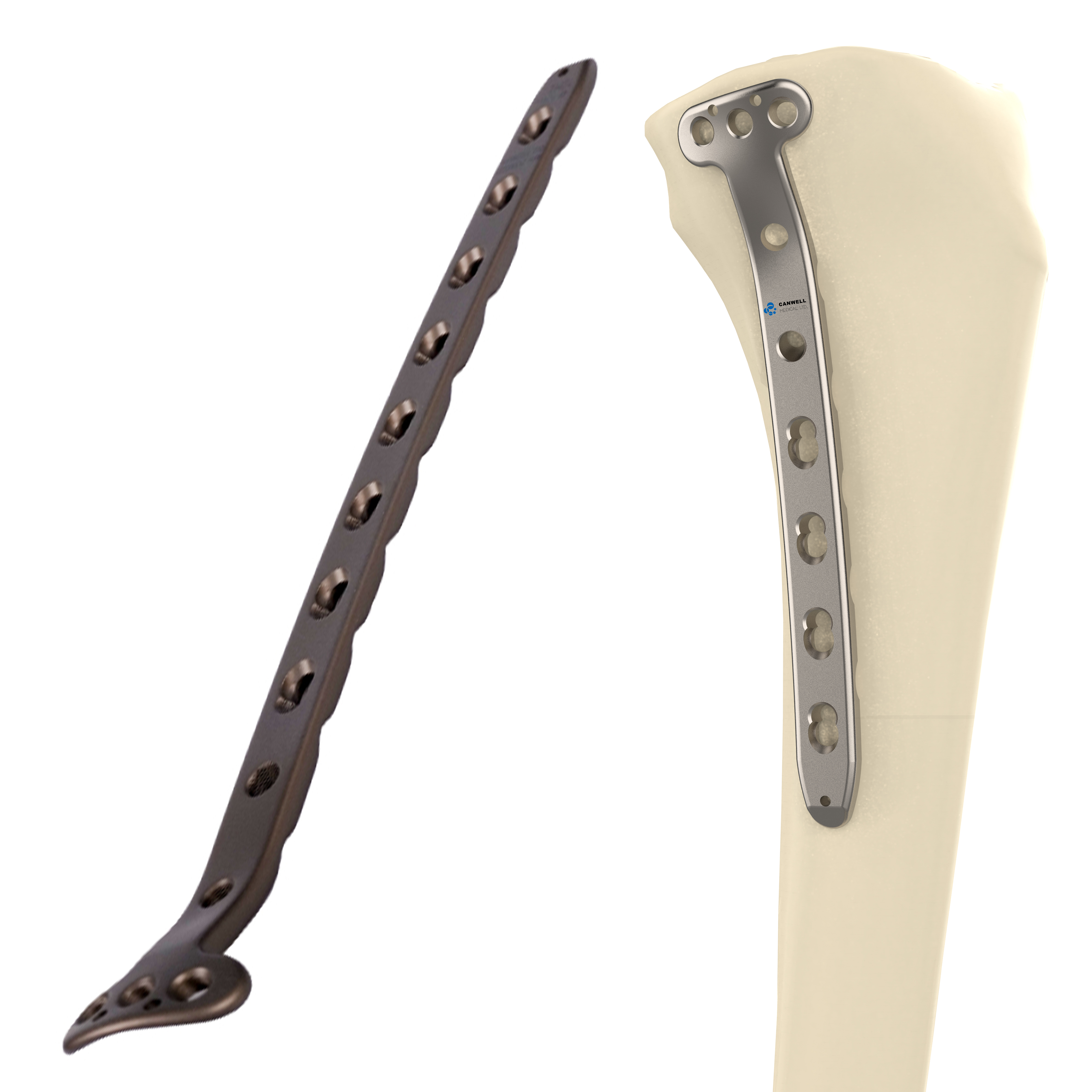
CANWELL Proximal Medial Titanium Tibial Locking Plate for Tibial Plateau Fracture Fixation Knee Trauma Surgery OEM Supplier
View Technical Specs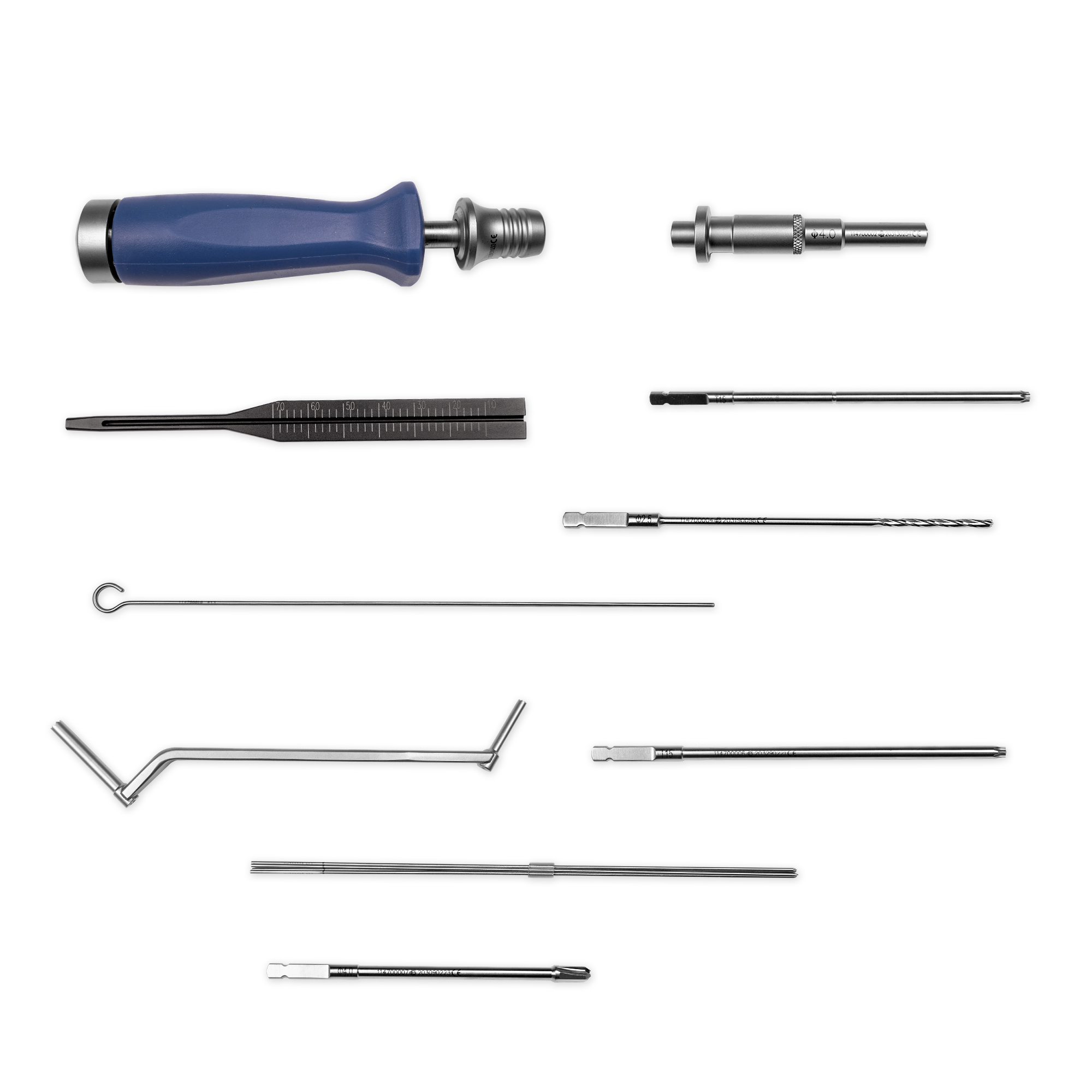
CANWELL Medical Orthopedic Instrument Set Manual Metal Torque Adapter Quick Coupling Handle Torque Limiter Ratchet Handle
View Technical Specs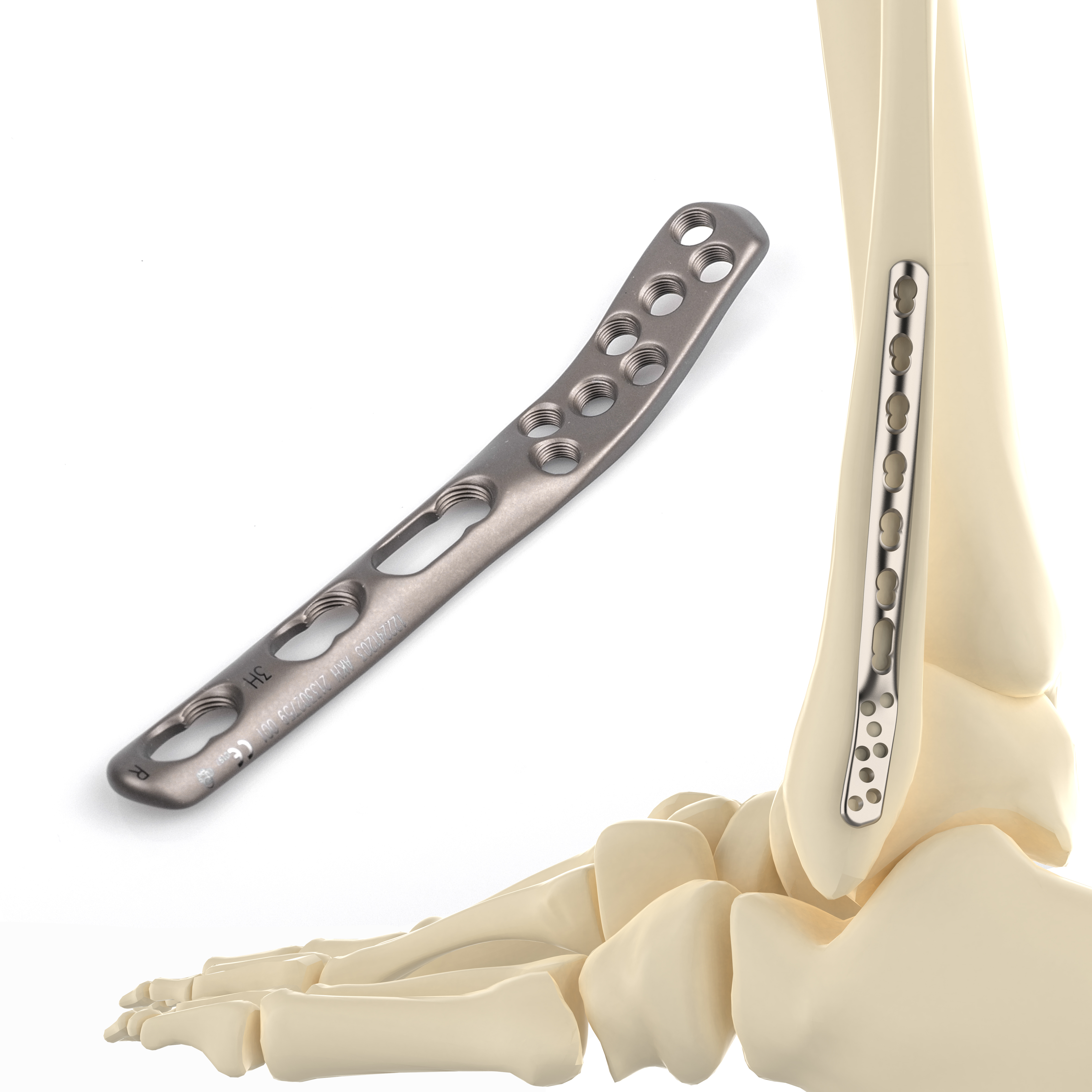
CANWELL Fibula Plate Titanium Posterolateral Distal Fibula Locking Plate 2.7/3.5mm Screw System Orthopedic Implant Manufacturer
View Technical Specs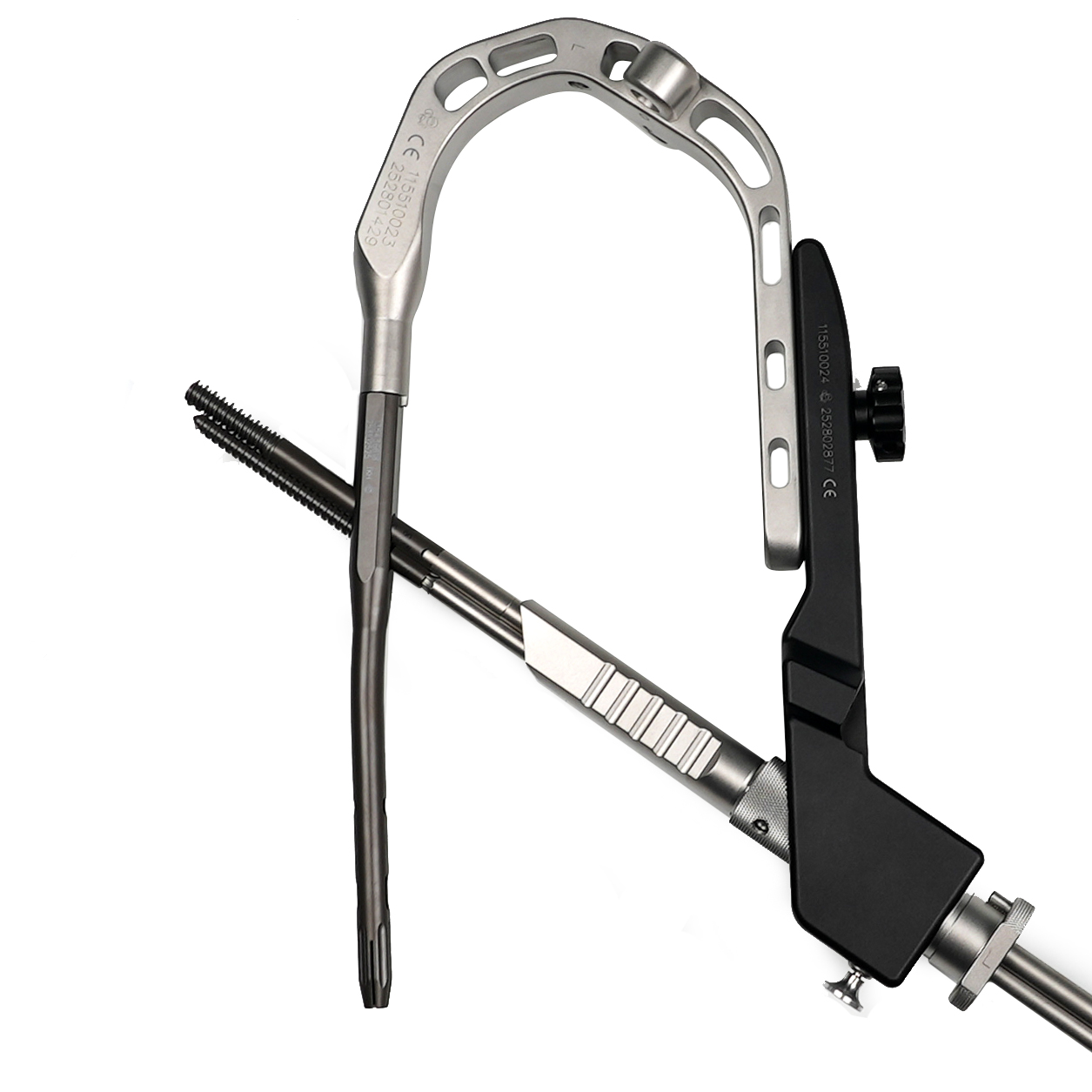
CANWELL Titanium Femoral Intramedullary Nails Interlocking Nail Femur Orthopedic Trauma Implants Bone Fracture
View Technical Specs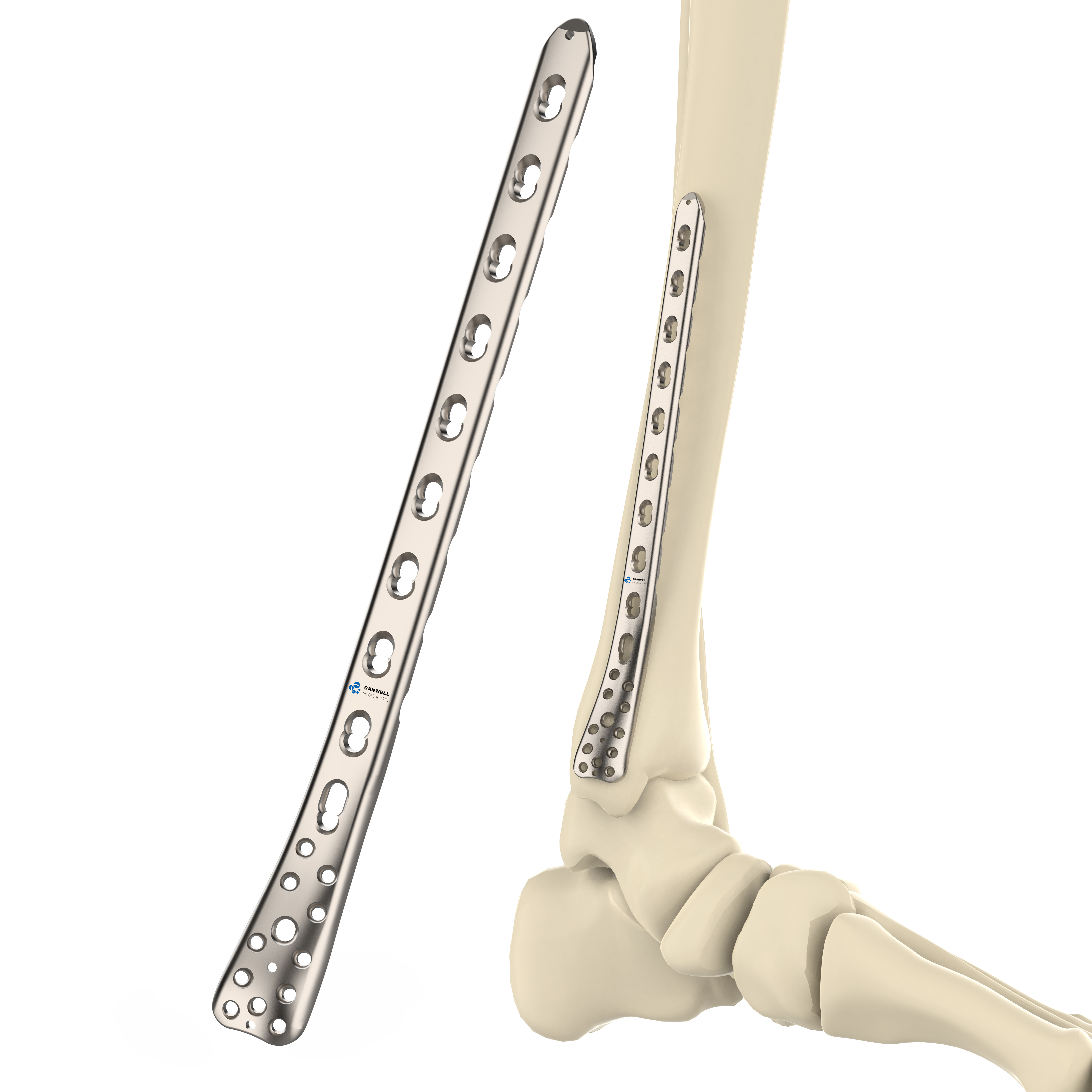
CANWELL Distal Tibial Locking Plate Titanium Metaphyseal Compression Fixation System Orthopedic Trauma Class
View Technical Specs22+
Years Implant Engineering
632
Specialized Personnel
29.5k m²
Advanced Production Base
100%
Batch Traceability & OQC
Manufacturing Rigor
State-of-the-Art OEM/ODM Contract Manufacturing Infrastructure
As an SGS-verified contract manufacturer operating over 29,523 square meters of cleanroom and high-precision CNC machining space, Zhejiang INAR Medical / CANWELL delivers uncompromised spine and trauma devices to hospital procurement groups worldwide.
Medical-Grade PEEK Polymer Processing
We exclusively source implant-grade Polyetheretherketone (PEEK-OPTIMA / ASTM F2026). Our multi-axis 5-axis Swiss-type CNC centers machine complex micro-grooves, aggressive pyramidal teeth, and hollow graft chambers without thermal degradation.
CE MDR & SGS Onsite Certification
Our manufacturing environment complies fully with ISO 13485:2016 quality management frameworks. We maintain valid CE mark approvals under the European Medical Device Regulation (MDR) and 93/42/EEC directive, backed by independent SGS audits.
Full Customization (OEM / ODM)
From custom lordotic angles (0° to 15°) to custom radiopaque Tantalum (Ta) marker configurations, private laser etching, anodized color-coded instrument trays, and sterile barrier packaging, we fulfill tailored contract manufacturing requests.
Integrated 13-Stage Production & Quality Verification Process
01
Raw Material Inspection
FTIR spectral analysis & physical batch validation of PEEK rods.
02
Longitudinal Cutting
Precision blank preparation for automated CNC loading.
03
5-Axis CNC Milling
High-speed machining of bone-engaging teeth & graft chambers.
04
Radiopaque Pin Insertion
Press-fitting pure Tantalum (ASTM F560) markers for X-ray visibility.
05
Deburring & Surface Finishing
Micro-blasting to establish uniform roughness for tissue attachment.
06
Ultrasonic Wash I
Multi-stage aqueous degreasing and particulate removal.
07
Coordinate Measurement
CMM verification of critical footprints, height, and taper tolerances.
08
Penetrant & Defect Testing
Optical fluorescent examination for micro-fractures under UV light.
09
Ultrasonic Wash II
Purified RO water rinse ensuring zero bio-burden residue.
10
Class 100,000 Cleanroom
Aseptic assembly and primary blister heat-sealing.
Industry Whitepaper
The Engineering Science of Interbody PEEK Cages: Biomaterial Biomechanics & Structural Design
Interbody spinal fusion devices have undergone a profound paradigm shift over the past three decades. Early reliance on autogenous bone grafts and metallic implants (such as stainless steel and titanium alloy cages) revealed significant clinical bottlenecks, notably stress shielding, graft subsidence into cancellous endplates, and severe radiopacity that obfuscated postoperative fusion evaluation on Computed Tomography (CT) and Magnetic Resonance Imaging (MRI) scans.
The introduction of implant-grade Polyetheretherketone (PEEK) radically altered spinal biomechanics. Exhibiting an elastic modulus of approximately 3.6 GPa to 4.0 GPa, unreinforced PEEK closely mimics the stiffness of human cortical (12–18 GPa) and cancellous bone (0.5–1.5 GPa) compared to Titanium alloy Ti-6Al-4V (~110 GPa). By sharing mechanical loads harmoniously across the intervertebral space, PEEK cages stimulate functional bone remodeling under Wolff’s Law while minimizing endplate breach.
Biomechanical Comparison Matrix: Implant Materials in Spinal Fusion
| Biomaterial Standard | Young's Modulus (GPa) | Radiolucency (CT/MRI) | Subsidence Risk Profile | Osseointegration Mechanism |
|---|---|---|---|---|
| Unreinforced PEEK (ASTM F2026) | 3.6 - 4.2 GPa | Complete Radiolucency | Low (Modulus-matched) | Mechanical Interlocking / Surface Topography |
| Carbon-Fiber PEEK (CF-PEEK) | 12.0 - 20.0 GPa | Radiolucent (Artifact Free) | Very Low | High Load Bearing Strength |
| Titanium-Coated PEEK (Ti-PEEK) | 4.0 (Core) / 110 (Layer) | Slight Artifact at Interface | Low-Moderate | Direct Osteoblast Attachment |
| Titanium Alloy (Ti-6Al-4V) | 110.0 - 114.0 GPa | High Radiopacity / Scatter | Moderate - High | Direct Osseointegration |
Anatomical Portfolio: Cervical & Lumbar Interbody Configurations
Our OEM/ODM manufacturing facility produces a complete range of interbody fusion devices catering to anterior, posterior, lateral, and transforaminal surgical approaches:
- Anterior Cervical Interbody Fusion (ACIF) Cages: Ergonomically contoured with built-in lordosis (5° to 12°) to restore natural cervical sagittal alignment. Features aggressive anti-expulsion teeth and deep central cavities for bone graft or synthetic osteobiologic packing.
- Posterior Lumbar Interbody Fusion (PLIF) Cages: Designed for bulleted lead-in geometry enabling smooth distraction and insertion through tight neural corridors without nerve root traction.
- Transforaminal Lumbar Interbody Fusion (TLIF) Cages: Crescent and curved footprints optimized for single-portal placement, maximizing endplate contact area along the peripheral dense cortical rim.
- Direct Lateral / Oblique Lumbar (LLIF/OLIF) Cages: Wide-spanning footprints designed to span the bilateral apophyseal ring, providing superior structural resistance against subsidence in osteoporotic bone.
Strategic Outlook
Future Sourcing & Technology Development Trends in PEEK Cages
Hospital tender requirements and orthobiotic innovation are rapidly shifting contract manufacturing demands toward advanced surface science, hybrid materials, and resilient global supply chains.
1. Bio-Active Surface Modifications (HA & Ti Plasma Spray)
While pristine PEEK is chemically inert, the next decade belongs to surface-modified implants. Vacuum Plasma Sprayed (VPS) pure Titanium coatings and Hydroxyapatite (HA) embedded PEEK matrices foster rapid osteoblast differentiation and direct bone-to-implant contact without sacrificing radiolucency.
2. 3D-Printed Porous PEEK Architectures
Moving beyond subtractive CNC milling, additive manufacturing (Fused Deposition Modeling / Selective Laser Sintering of PEEK) allows for interconnected porous networks. These micro-trabecular structures encourage vascularization and cellular in-growth throughout the entire cage core.
3. Supply Chain Localization & Technical File Readiness
Global procurement directors are consolidating vendor pools, favoring OEM factories that supply full regulatory technical dossiers (MDR Annex II/III, ISO 10993 cytotoxicity validation, ASTM F2077 static/dynamic compression test reports) to streamline regional market clearances.
Procurement Guidance
Frequently Asked Technical & Sourcing Questions
Detailed technical specifications, testing protocols, and contract manufacturing details for medical device brand owners and distributor procurement teams.
Which exact grade of PEEK polymer do you use for interbody cage manufacturing? +
We exclusively use implant-grade Polyetheretherketone compliant with ASTM F2026 standards, such as Evonik VESTAKEEP® or Invibio PEEK-OPTIMA®. Every raw material batch is accompanied by raw material certificate of analysis (CoA), FTIR chemical identification testing, and full melt-flow index tracking to ensure absolute biocompatibility and zero industrial contaminants.
How are radiopaque markers secured inside the radiolucent PEEK cage structure? +
Since pure PEEK is radiolucent under X-ray, we incorporate high-purity Tantalum (Ta) pins conforming to ASTM F560 or Titanium alloy pins. These markers are micro-machined and mechanical press-fitted into pre-drilled precision locations (typically anterior and posterior boundaries). This allows surgeons to verify exact cage placement under intraoperative fluoroscopy without visual interference.
What mechanical testing standards must your OEM PEEK cage designs pass? +
Our PEEK interbody devices undergo rigorous mechanical validation in accordance with international spinal implant testing protocols:
1. ASTM F2077: Static and Dynamic Axial Compression, Torsion, and Shear testing (subjected to 5 million cycles without structural yield).
2. ASTM F2267: Standard test method for measuring load-induced subsidence into polyurethane foam block models.
1. ASTM F2077: Static and Dynamic Axial Compression, Torsion, and Shear testing (subjected to 5 million cycles without structural yield).
2. ASTM F2267: Standard test method for measuring load-induced subsidence into polyurethane foam block models.
Do you support full contract manufacturing customization (OEM and ODM)? +
Yes. We offer complete OEM (manufacturing based on your supplied CAD models and engineering drawings) and ODM services (co-developing proprietary geometry, lordosis profiles, surface serration patterns, and customized instrument sets). Custom private-label laser marking and custom packaging configurations are fully supported.
What sterilization options and cleanroom packing standards do you provide? +
We supply implants in both non-sterile bulk bulk packaging (for hospital autoclave sterilization) and pre-sterilized aseptic blister packaging. Aseptic sealing takes place in our Class 100,000 (ISO Class 8) cleanroom environment using medical-grade Tyvek® blisters, compatible with Gamma Radiation or Ethylene Oxide (EtO) sterilization processes.
What is the typical Minimum Order Quantity (MOQ) and lead time for OEM projects? +
For standard existing catalog cage footprints, our MOQ starts as low as 20 to 50 pieces per size. For fully customized ODM projects requiring custom CNC tooling, prototype samples can be delivered within 3 to 4 weeks, with full commercial batch production completed within 6 to 8 weeks following sample sign-off.
How does your quality system prevent surface defects and structural inclusions? +
In addition to CMM dimensional inspection, 100% of machined PEEK cages pass through a specialized non-destructive fluorescent penetrant inspection room. This process exposes micro-cracks, burrs, or stress fractures invisible to the naked eye, guaranteeing that only structurally sound implants progress to ultrasonic washing and final OQC.
Can you manufacture matching surgical insertion instruments and sterilization trays? +
Absolutely. A successful interbody system relies on intuitive instrumentation. We engineer dedicated stainless steel (AISI 630 / 17-4PH, 316L) insertion holders, trial spacers, bone graft tampers, silicon-handled quick-coupling ratchets, and custom anodized aluminum sterilization boxes with fitted silicone inserts.
Partner with a Certified OEM/ODM PEEK Cage Manufacturer
Contact our engineering leadership team today to request complete product catalogs, CAD models, mechanical test data, or a competitive contract manufacturing quote tailored to your market requirements.
Send an Inquiry