Featured Orthopedic & Spinal Implants
Explore our SGS-verified, CE-marked implant inventory and custom OEM/ODM solutions tailored for traumatology, spine surgery, and sports medicine.
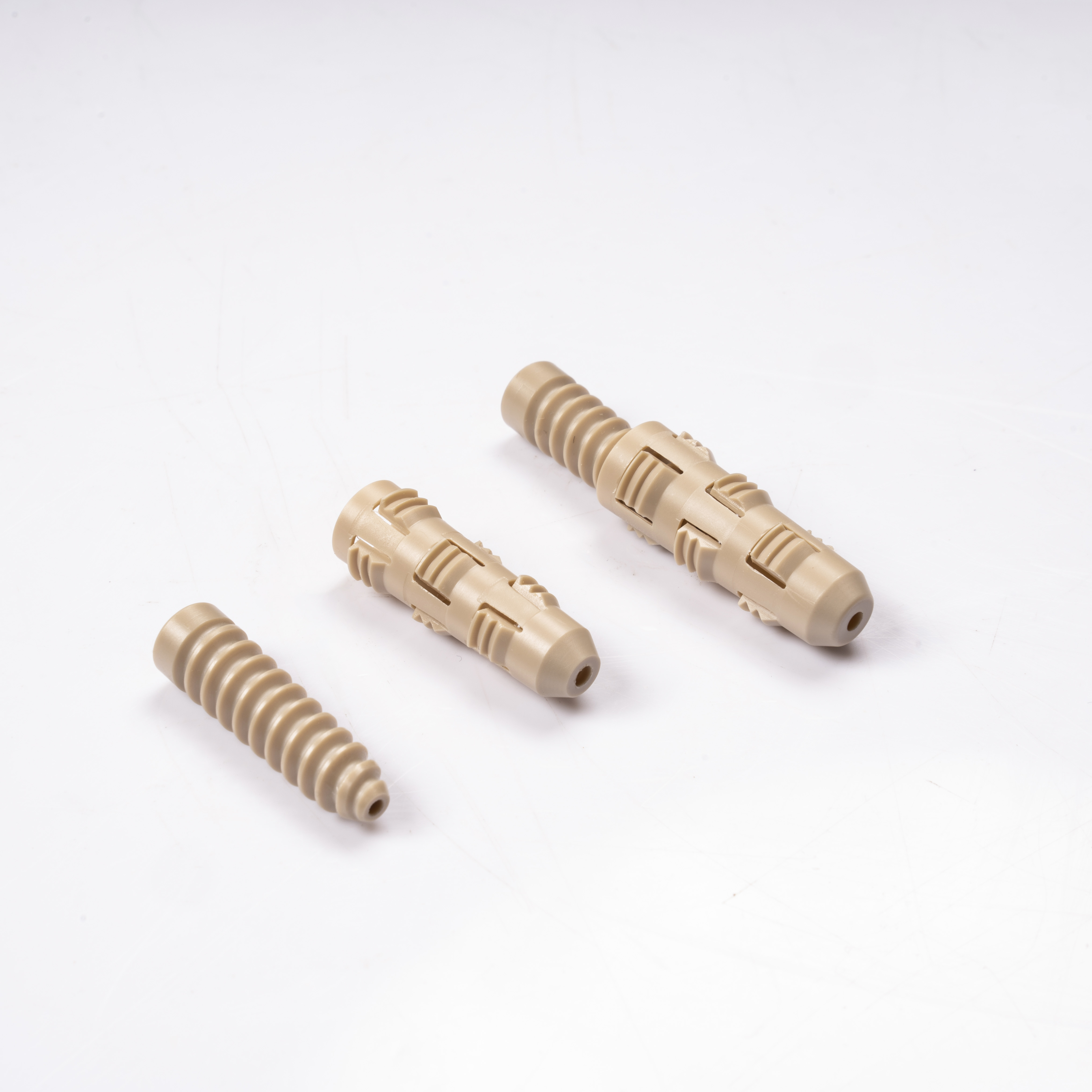
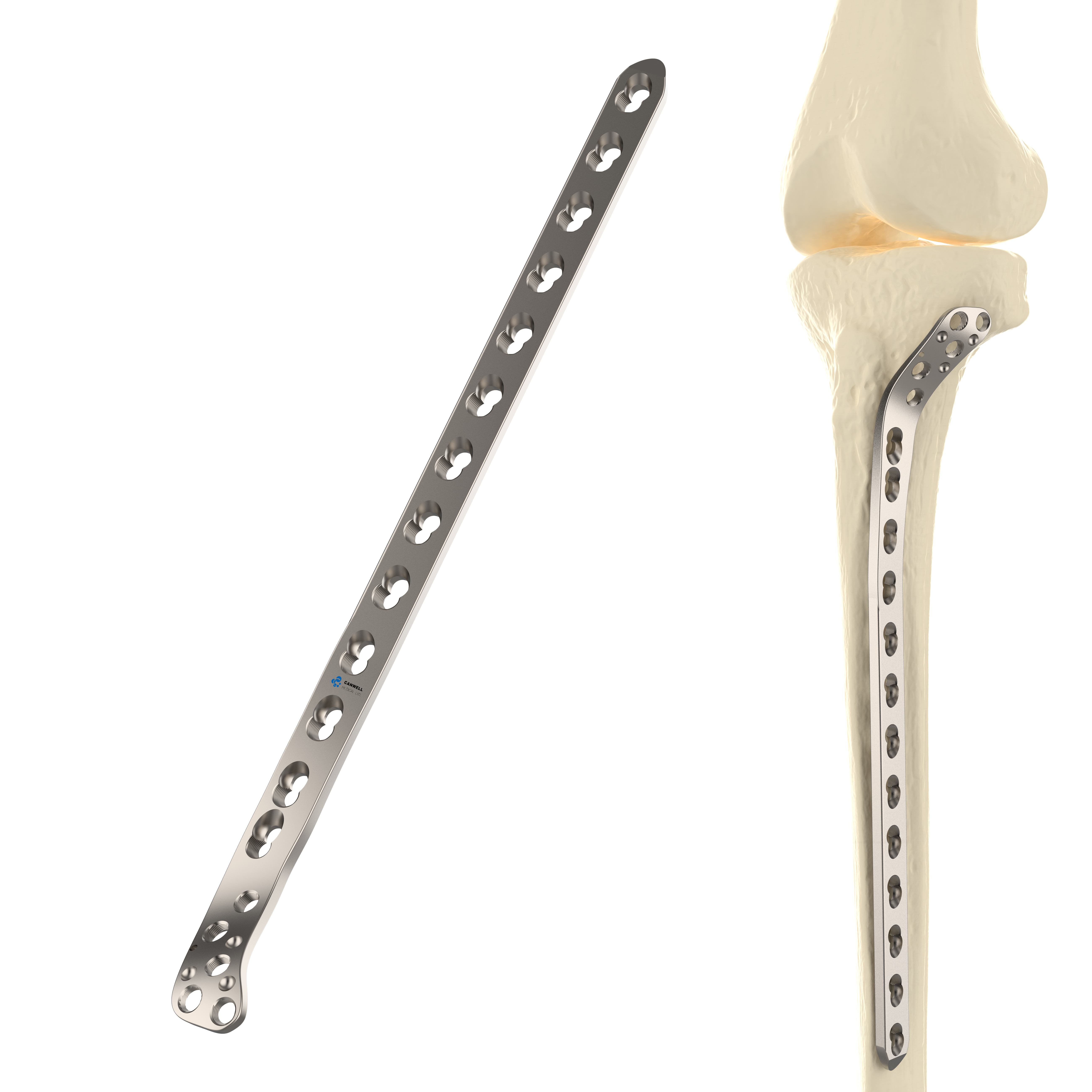
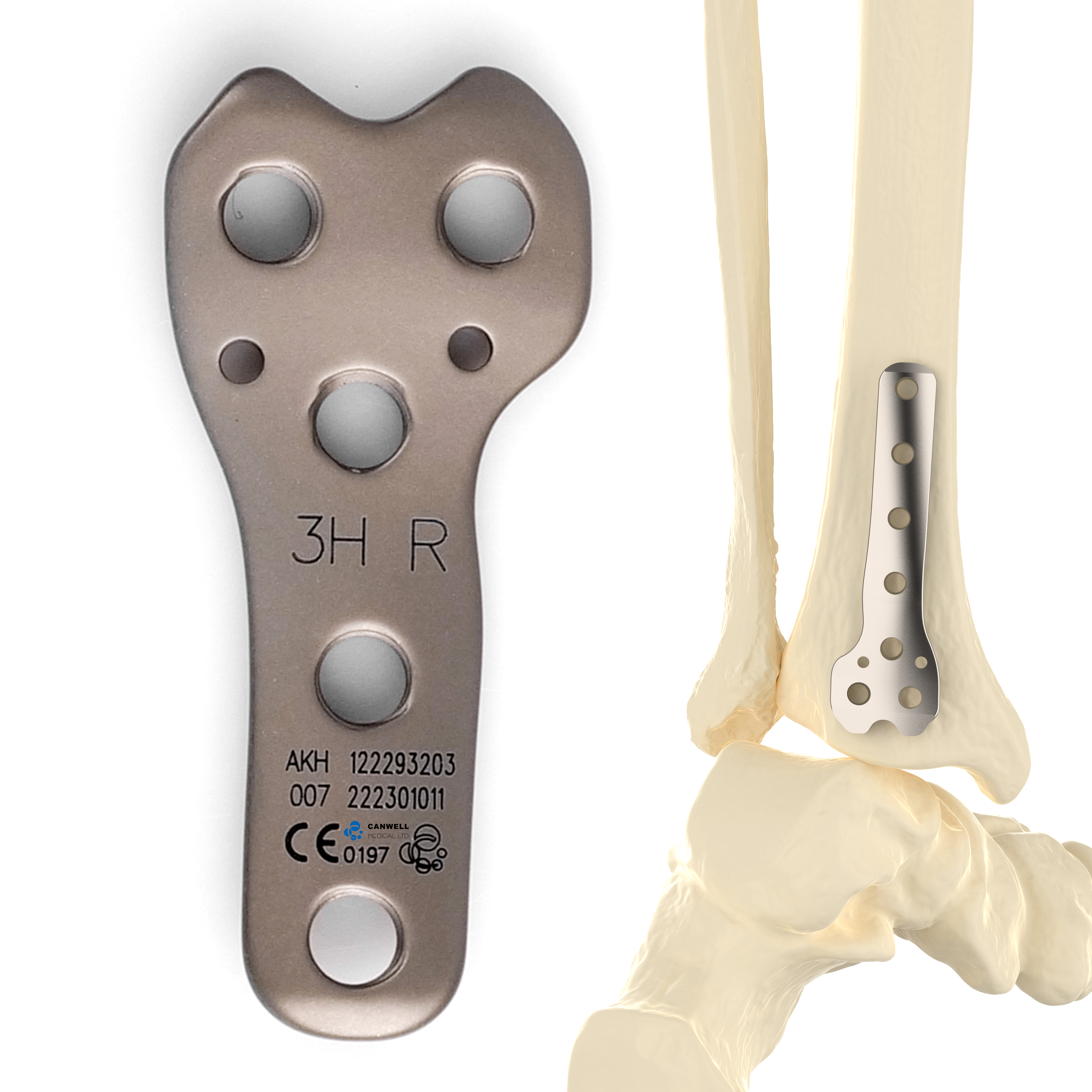
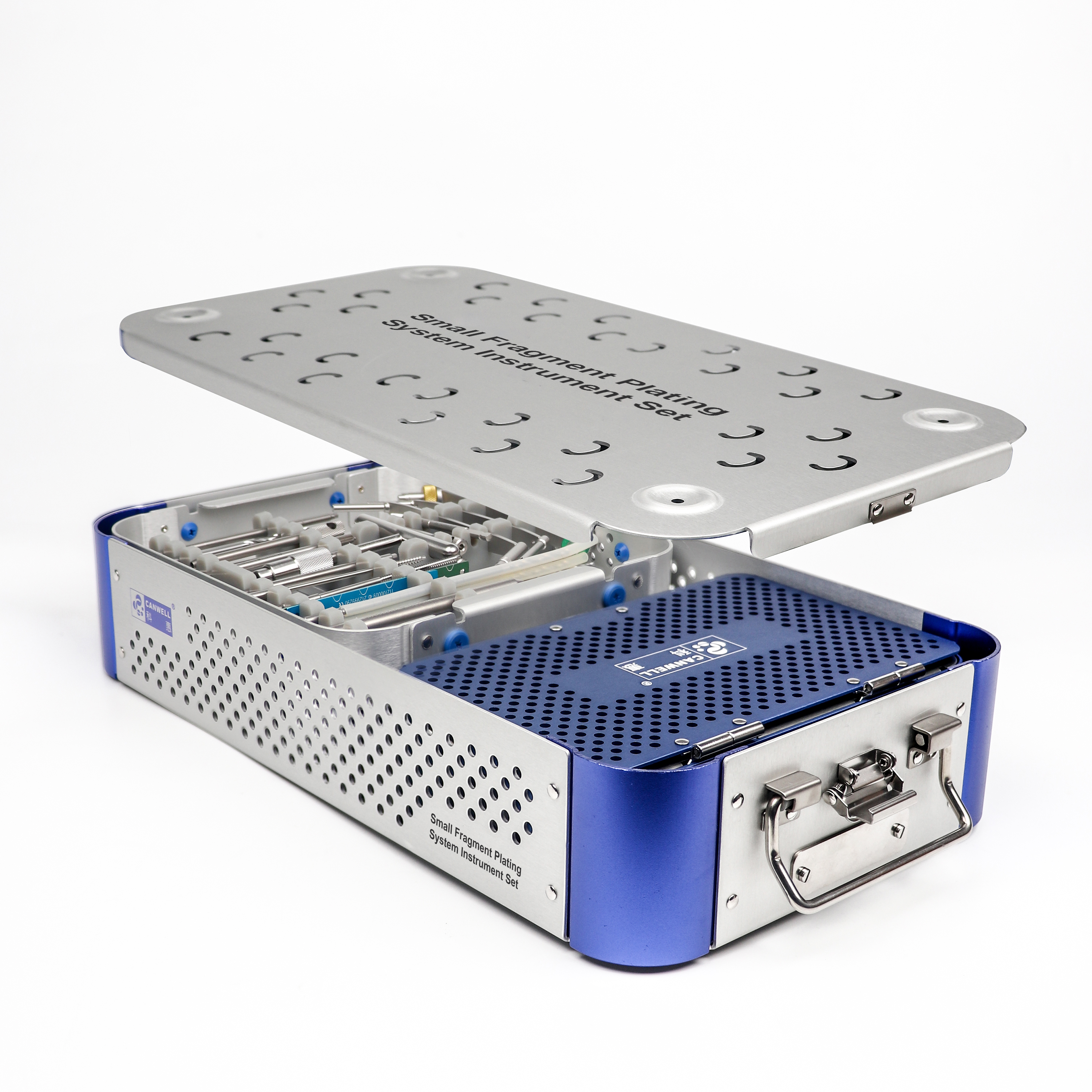
Executive White Paper: Contract Manufacturing & OEM/ODM Engineering in Modern Spinal Surgery
The global spinal implant market demands unprecedented biomechanical reliability, material purity, and regulatory transparency. As surgical techniques transition rapidly toward Minimally Invasive Surgery (MIS), endoscopic spinal decompression, and dynamic motion preservation, original equipment manufacturers (OEMs) and contract original design manufacturers (ODMs) face stringent demands under regulatory frameworks such as the European Union Medical Device Regulation (EU MDR 2017/745) and US FDA 510(k) clearances.
Zhejiang INAR Medical Co., Ltd. stands at the forefront of medical-grade spinal implants and traumatology system contract manufacturing. Operating from a state-of-the-art 29,523 m² manufacturing campus staffed by over 632 skilled technicians, biomedical engineers, and quality assurance personnel, our organization bridges the gap between clinical intent and mass-scale high-precision production. Verified onsite by SGS Group, INAR Medical delivers total lifecycle solutions ranging from raw material sourcing (Ti-6Al-4V ELI titanium alloys, medical PEEK-OPTIMA, and bioabsorbable PLGA polymers) to 5-axis CNC machining, anodizing, surface modification, cleanroom washing, non-destructive penetrant testing, and aseptic packaging.
Enterprise OEM/ODM Manufacturing Advantages
Why Tier-1 Orthopedic Brands and Regional Distributors Partner with INAR Medical for Contract Manufacturing
Our workshop houses high-precision Citizen Swiss-type lathes and DMG MORI 5-axis milling centers capable of maintaining micro-tolerances within ±0.005mm for complex polyaxial pedicle screw heads and intricate PEEK tooth geometry.
Complete regulatory documentation support for regional registration, including CE Certificates (MDR / 93/42/EEC), ISO 13485 certified quality management systems, material safety datasheets (MSDS), and comprehensive technical master files.
We source exclusively certified medical-grade raw materials: ASTM F136 Titanium Alloy (Ti-6Al-4V ELI), Implant-grade PEEK-OPTIMA, and Ultra-High Molecular Weight Polyethylene (UHMWPE), accompanied by original mill test reports.
In-house Class 10,000 (ISO Class 7) aseptic packaging cleanroom, multi-stage ultrasonic washing stations, fluorescent penetrant defect testing, dynamic endurance fatigue testing, and accelerated aging test validation.
Comprehensive Spinal Implant Product Lines & Biomechanical Specifications
As a specialized spine implant manufacturer, INAR Medical engineers complete fixation systems spanning the cervical, thoracic, lumbar, and sacral regions. Our OEM/ODM portfolio encompasses both non-sterile bulk delivery and pre-sterilized single-use blister packaging kits complete with color-coded surgical instrumentation sets.
1. Thoracolumbar Pedicle Screw Systems
Designed to address complex spinal deformities, degenerative disc disease, spondylolisthesis, and spinal trauma. Our pedicle screw architecture includes monoaxial, polyaxial, uniplanar, and long-arm reduction screws designed for Minimally Invasive Surgery (MIS) percutaneous placement.
- Friction Head Technology: Polyaxial screw heads feature controlled friction positioning to simplify rod insertion during long-construct alignment.
- Dual-Thread Pitch Profile: Conical core design with double-lead thread pitch optimizes insertion speed while maximizing pull-out strength in both cortical and cancellous bone structures.
- Self-Tapping Flutes: Engineered cutting flutes facilitate smooth insertion without compromising pedicle wall integrity.
2. Interbody Fusion Cages (PEEK & 3D Porous Titanium)
Covering PLIF (Posterior Lumbar Interbody Fusion), TLIF (Transforaminal Lumbar Interbody Fusion), ALIF (Anterior Lumbar Interbody Fusion), and Cervical Interbody Fusion procedures. Implants are manufactured from radiolucent PEEK material featuring integrated tantalum radiopaque markers for exact radiographic intraoperative placement.
3. Anterior Cervical Plate Systems
Slim-profile cervical plates designed with dynamic locking mechanisms to prevent screw back-out. Pre-contoured anatomical curvature minimizes intraoperative bending while maintaining low profile height to mitigate dysphagia risks.
| Spinal System | Primary Material Specs | Key Features & Indications | Customization (OEM/ODM) Options |
|---|---|---|---|
| Pedicle Screw Fixation System | Ti-6Al-4V ELI (ASTM F136 Grade 5) | Diameter Ø4.5mm - Ø8.5mm; Polyaxial angle ±30°; Dual-thread profile | Color Anodization, Custom Screw Lengths, Laser Marking, Custom Trays |
| TLIF / PLIF PEEK Cages | Unfilled PEEK-OPTIMA + Tantalum Markers | Tooth profile prevents migration; Anatomical lordotic angle (0°-15°); Large graft cavity | Dimension scaling, Graft window redesign, Private label branding |
| Anterior Cervical Plate System | Pure Titanium / Ti-6Al-4V ELI | 1 to 4 Level constructs; Integrated back-out locking spring; Low profile 2.0mm thickness | Pre-bending curvature adjustments, Custom screw diameter pitch |
| MIS Long-Arm Reduction Screws | Titanium Alloy / Stainless Steel 316L | Integrated breakaway extended tabs for percutaneous rod passage | Tab length customization, Laser depth markings, K-wire cannulation |
Strategic Market & Procurement Trends in Spinal Implants (2025–2030)
The global procurement landscape for spinal medical devices is undergoing a structural transition. Hospital purchasing groups, private healthcare networks, and medical device distributors are adjusting their sourcing models to manage cost pressures while upholding stringent regulatory standards. Procurement directors must anticipate the following pivotal market shifts:
1. Migration Toward Integrated Single-Use Sterile Kits
Hospital operating rooms are increasingly replacing traditional multi-tray sterilization workflows with factory-sterilized, ready-to-use implant and instrument packs. Single-use sterile packaging eliminates hospital autoclave overhead, reduces cross-contamination risks, and streamlines surgical room turnaround times. INAR Medical offers OEM partners turn-key blister packing utilizing Tyvek lids inside ISO Class 7 cleanrooms.
2. Rise of Additive Manufactured (3D Printed) Porous Titanium Implants
While machined PEEK cages remain a mainstay due to radiolucency, 3D printed porous titanium cages utilizing Electron Beam Melting (EBM) or Selective Laser Melting (SLM) are growing rapidly. The interconnected porous matrix mimics trabecular bone structure, encouraging osteointegration and bone ingrowth directly into the implant matrix. Strategic OEM buyers are expanding their catalogs to offer hybrid PEEK and 3D porous titanium lines.
3. Regulatory Consolidation under EU MDR
The phase-out of legacy MDD certificates under the EU MDR regime has created supply chain disruptions for distributors whose contract manufacturers lack comprehensive clinical evaluation reports (CER) and post-market surveillance (PMS) infrastructures. Partnering with verified suppliers like Zhejiang INAR Medical, whose facility and quality systems pass SGS audits and maintain verified CE documentation, ensures long-term market access across Europe, the Middle East, and Latin America.
4. Growth of Ambulatory Surgical Centers (ASCs) and MIS Procedures
Outpatient spinal surgeries performed at Ambulatory Surgical Centers require compact instrument kits and streamlined pedicle screw insertion platforms. Procurement strategies must prioritize percutaneous cannulated screw systems and ergonomic, lightweight instrument sets optimized for rapid MIS deployment.
Technology & Biomechanical Material Innovation Trends
The performance of spinal implants is fundamentally dictated by material science and surface engineering. Modern contract manufacturing must adapt to emerging material formulations designed to enhance fusion rates and reduce surgical revision frequencies.
PEEK vs. Titanium Matrix: The Evolution of Interbody Fusion
Polyetheretherketone (PEEK) has historically dominated interbody fusion due to its elastic modulus (3.6 GPa), which closely matches human cortical bone, reducing stress shielding at the adjacent vertebral endplates. However, hydrophobic properties inherent to smooth PEEK can hinder early cellular attachment. To overcome this limitation, INAR Medical’s R&D team implements advanced surface engineering solutions:
- Titanium Plasma Spraying (TPS): Depositing a thin, microporous titanium layer onto PEEK cage surfaces to combine the favorable modulus of PEEK with the bio-conductive qualities of titanium.
- Nanostructured Surface Texturing: Creating sub-micron surface roughness via controlled sand-blasting and acid-etching processes to accelerate osteoblast cell differentiation without altering the core structural integrity of the implant.
Dynamic Motion Preservation vs. Rigid Fusion Constructs
While fusion remains the gold standard for severe spinal instability, dynamic stabilization systems—including flexible posterior rods and pedicle screw constructs with elastomeric dampening elements—are gaining traction for early-stage degenerative disc disease. OEM buyers can work directly with our engineering team to prototype custom dynamic rod systems using cobalt-chromium (CoCr) and high-grade titanium alloys.
INAR Medical Quality Assurance & Manufacturing Workflow
A rigorous 13-stage manufacturing and inspection sequence governs every spinal implant produced in our facility. This end-to-end operational transparency provides OEM partners with total quality assurance from billet stock to final shipment.
Spectrographic chemical analysis and tensile strength testing of titanium bar stock against ASTM F136 standards.
Multi-axis Swiss machining of pedicle screws and plate blanks under continuous flood coolant control.
Automated ultrasonic washing removing machine oils, particulate matter, and sub-micron surface contaminants.
Type II and Type III electrochemical anodization creating durable, color-coded surface layers for surgical identification.
Non-destructive defect testing under ultraviolet light to verify 100% absence of micro-fractures or surface flaws.
Final visual, dimensional, and CMM inspection before heat-sealing in cleanroom blister packaging.
Spine Implant Procurement & OEM Contract FAQ
Answers to common technical, regulatory, and logistics queries from hospital procurement groups and brand owners.
Which certifications do INAR Medical orthopedic implants carry?
Our featured trauma, spine, and sports medicine implants carry CE marking under EU MDR (2017/745) and/or the Medical Device Directive 93/42/EEC. Additionally, our production site operates under ISO 13485 certified quality management systems and has successfully passed comprehensive onsite supplier assessment audits by SGS Group. Complete technical master files, material certs, and certificates of conformity (DoC) are available to qualified buyers upon request.
Do you offer full OEM and ODM customization for spinal implant systems?
Yes. We specialize in contract manufacturing and custom design. OEM/ODM services include private-label laser marking (logo, lot number, serial QR codes), custom anodizing color palettes, customized thread profiles, modified plate contours, bespoke PEEK interbody geometries, and fully customized stainless steel instrument sterilization trays crafted to match your surgical technique manuals.
What raw materials are utilized in your spinal and orthopedic product lines?
We use certified medical-grade raw materials sourced from top-tier alloy manufacturers: Titanium Alloy Ti-6Al-4V ELI (ASTM F136 / ISO 5832-3), Commercially Pure Titanium Grade 2 (ASTM F67), Implant-Grade Polyetheretherketone (PEEK-OPTIMA), Bioabsorbable PLGA polymers for interference screws, Cobalt-Chromium-Molybdenum alloys (CoCrMo), and Medical Grade Stainless Steel (316L / Custom 455) for surgical instruments.
How does INAR Medical validate biomechanical dynamic fatigue and mechanical strength?
All newly designed spinal constructs undergo rigorous mechanical testing in accordance with international standards, including ASTM F1717 (Static and dynamic flexural fatigue testing for spinal implant constructs in a vertebrectomy model), ASTM F2077 (Static and dynamic compression and shear testing of interbody fusion devices), and ISO 12189. Dynamic endurance testing is performed up to 5,000,000 cycles to guarantee long-term fatigue resistance.
What is your typical Minimum Order Quantity (MOQ) and sample lead time for custom OEM projects?
For standard catalogue items, minimum order quantities are flexible to support distributor market sampling. Custom OEM prototyping and sample manufacturing typically require 3 to 5 weeks from initial CAD drawing sign-off, depending on component complexity and specialized tooling requirements. Full production batch lead times generally range between 30 and 45 days.
How are implants packaged and sterilized prior to delivery?
We provide two supply options: (1) Non-sterile bulk packaging in protective protective foam trays designed for hospital terminal sterilization, and (2) Pre-sterilized single-use blister packing sealed with Tyvek covers inside our ISO Class 7 cleanroom. Ethylene Oxide (EtO) or Gamma irradiation sterilization validation protocol files are provided for pre-sterilized orders.
Can INAR Medical assist with regional regulatory registration and dossier filing?
Yes. Our dedicated regulatory affairs department assists global partners with local registration requirements. We provide complete technical dossiers formatted in STED (Summary Technical Documentation), biocompatibility test reports (ISO 10993), pyrogen/endotoxin testing reports, shelf-life packaging validation data, and clinical literature evaluation summaries.
Partner with a Trusted OEM/ODM Spine Implant Manufacturer
Expand your orthopedic portfolio with high-precision, CE-marked spinal fixation systems engineered for superior biomechanical performance. Request technical documentation, sample kits, or a factory audit quotation today.