Featured Titanium Screw & Implant Systems
Precision-machined medical implants engineered to ISO 5832-3 and ASTM F136 specifications for orthopedic trauma, spinal fixation, and maxillofacial surgery.
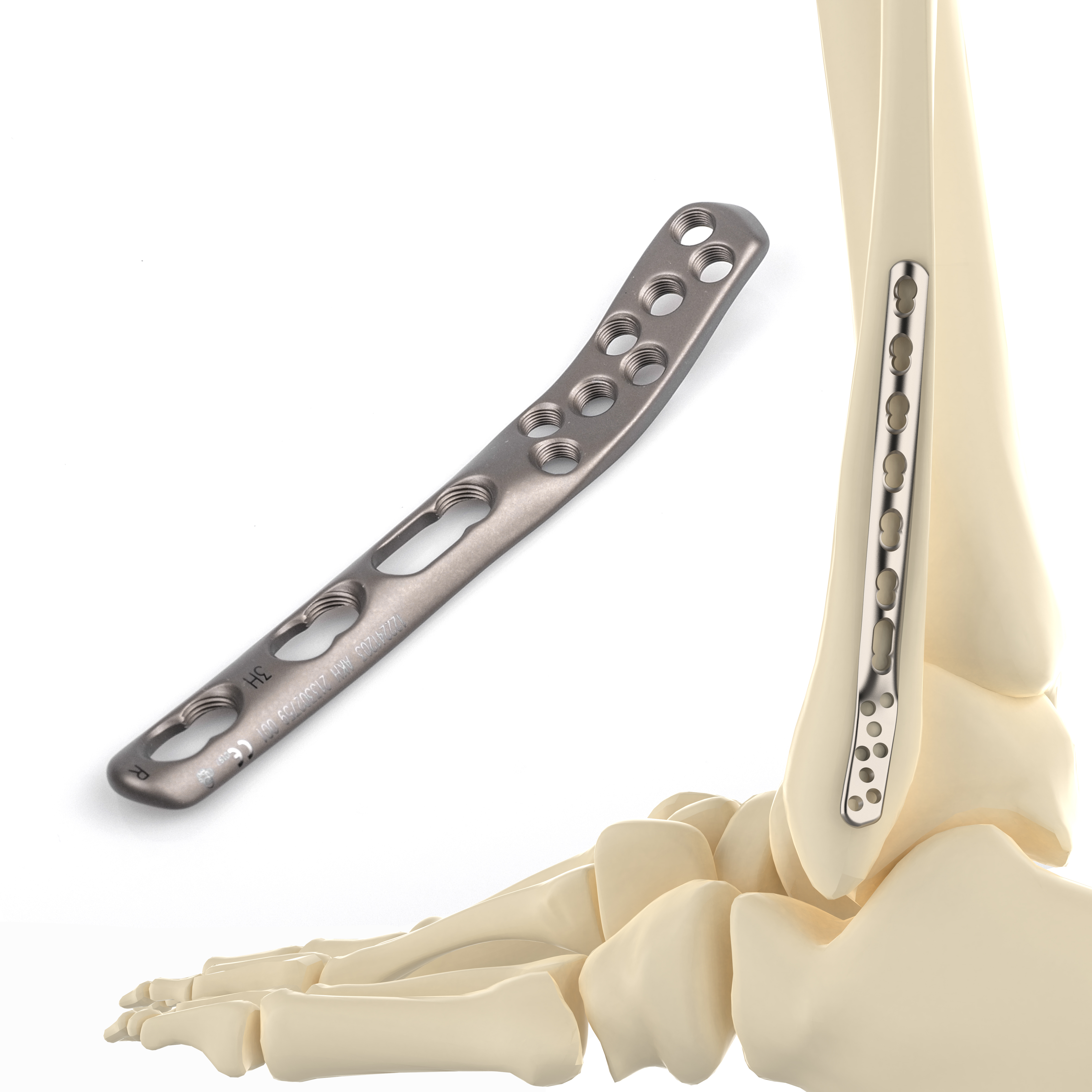
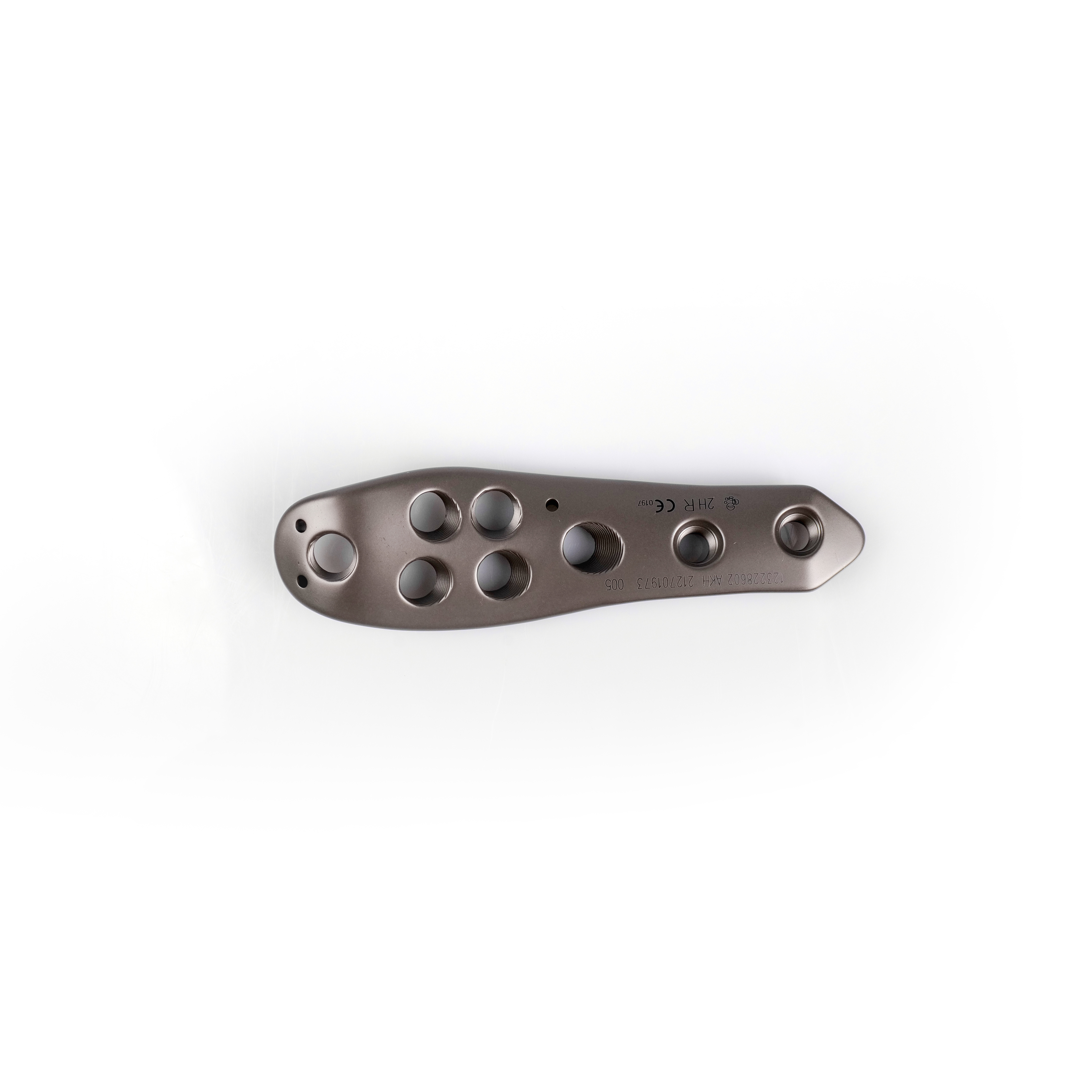
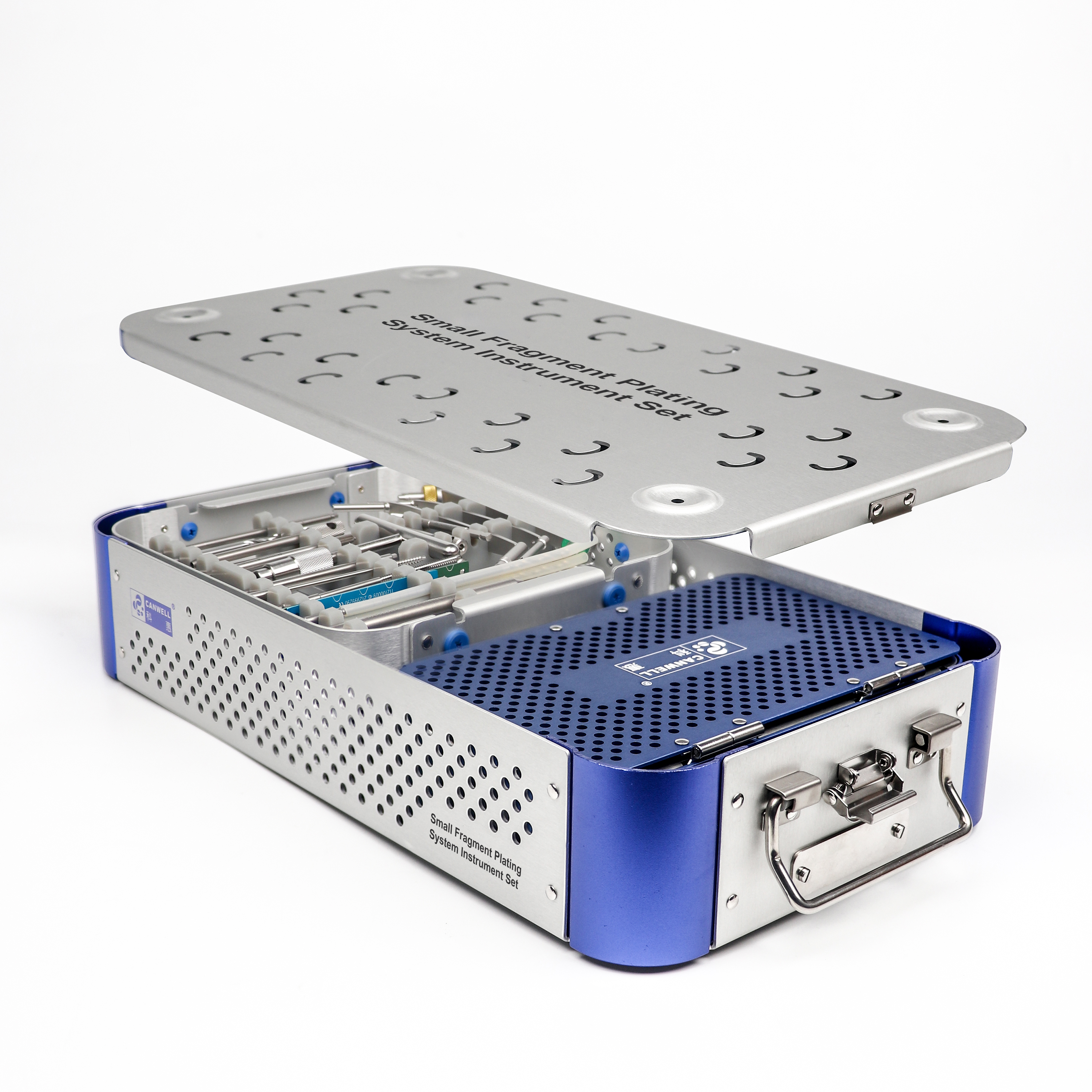
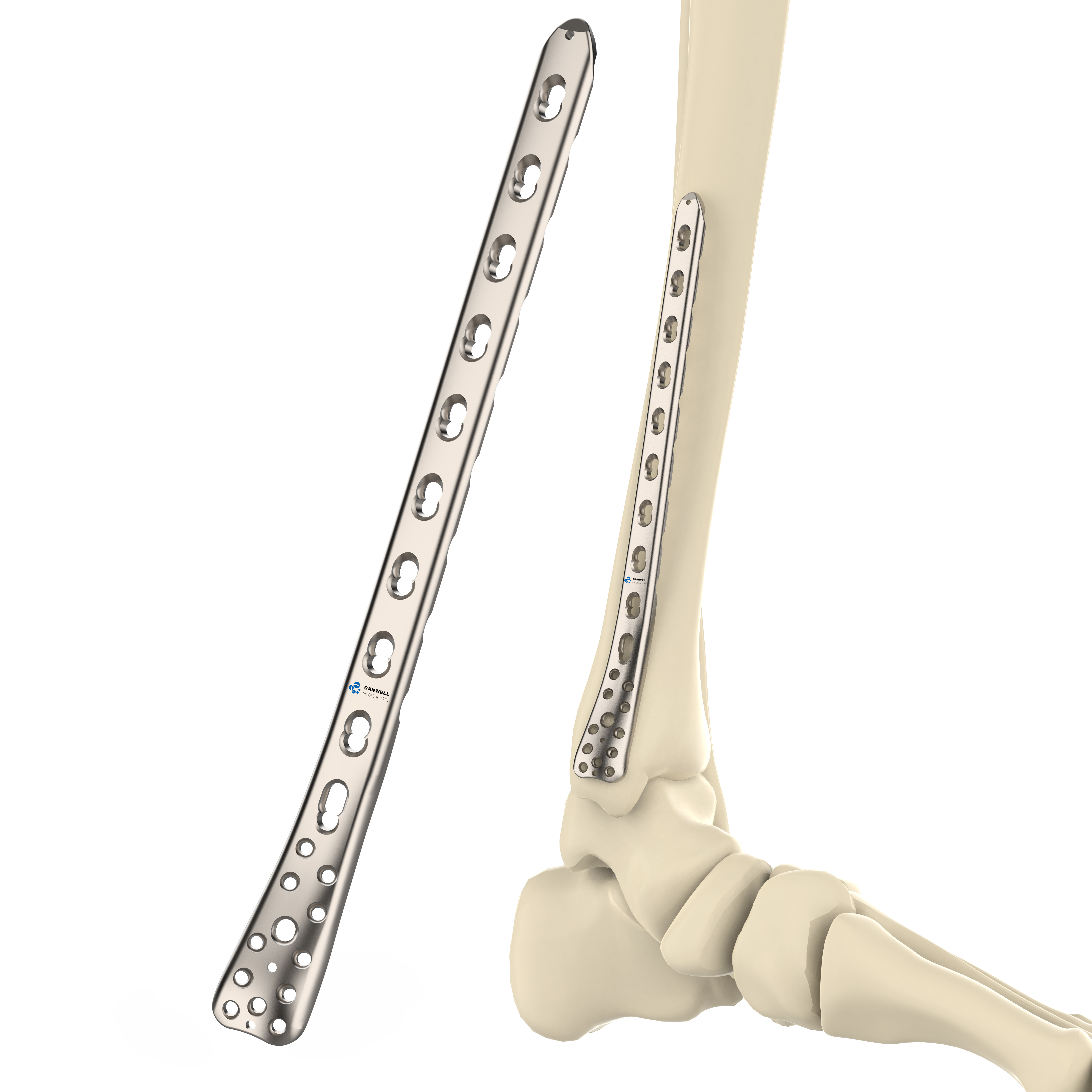
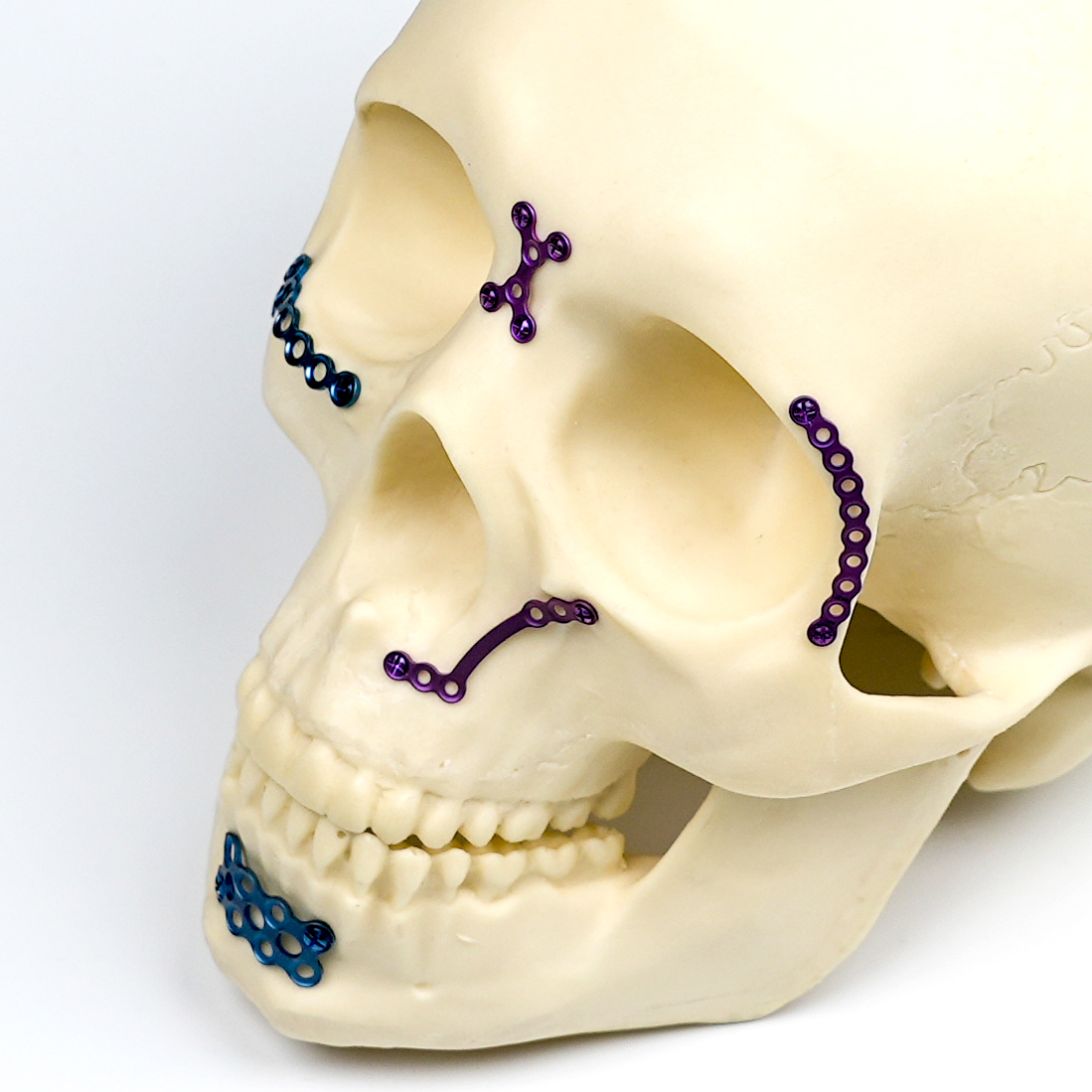
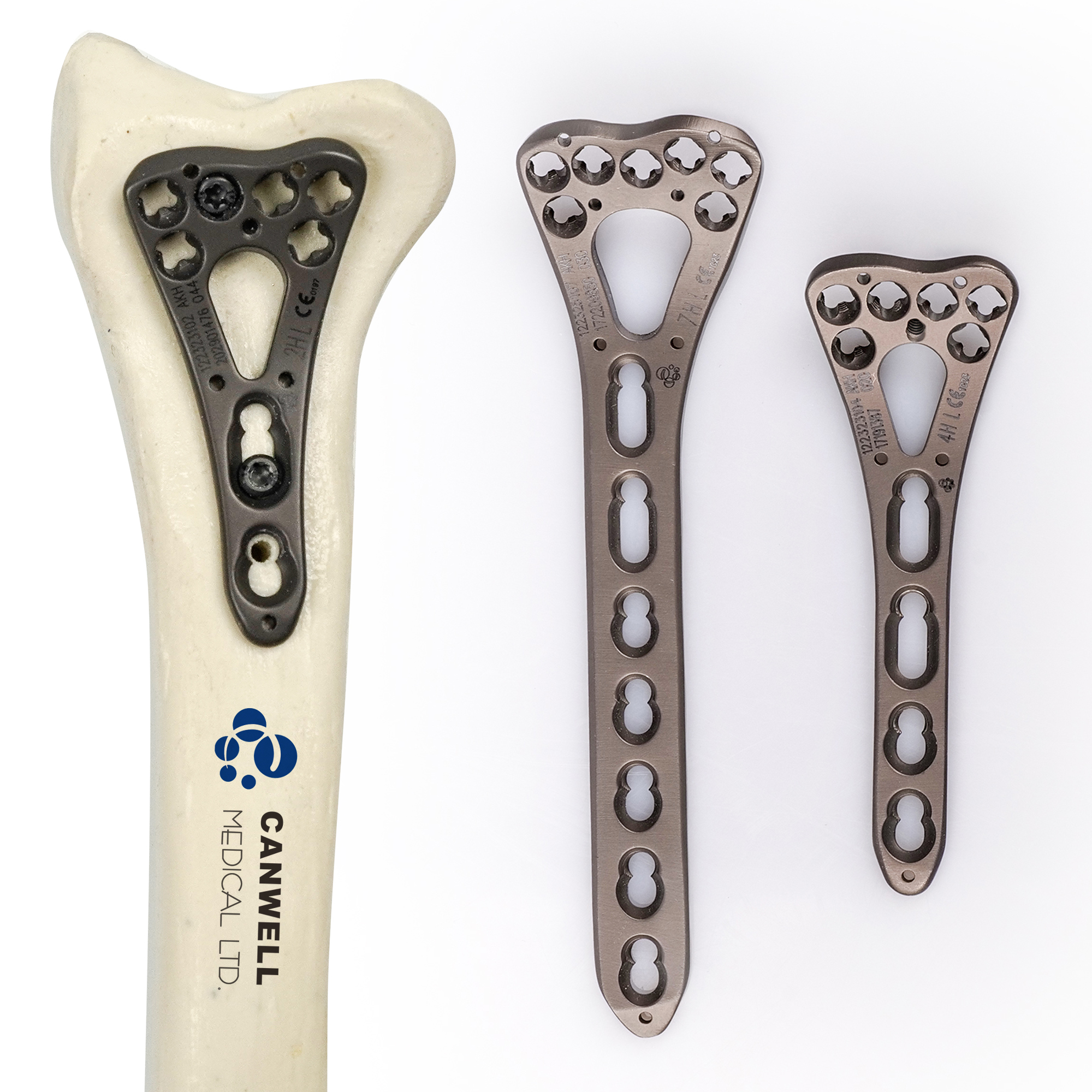
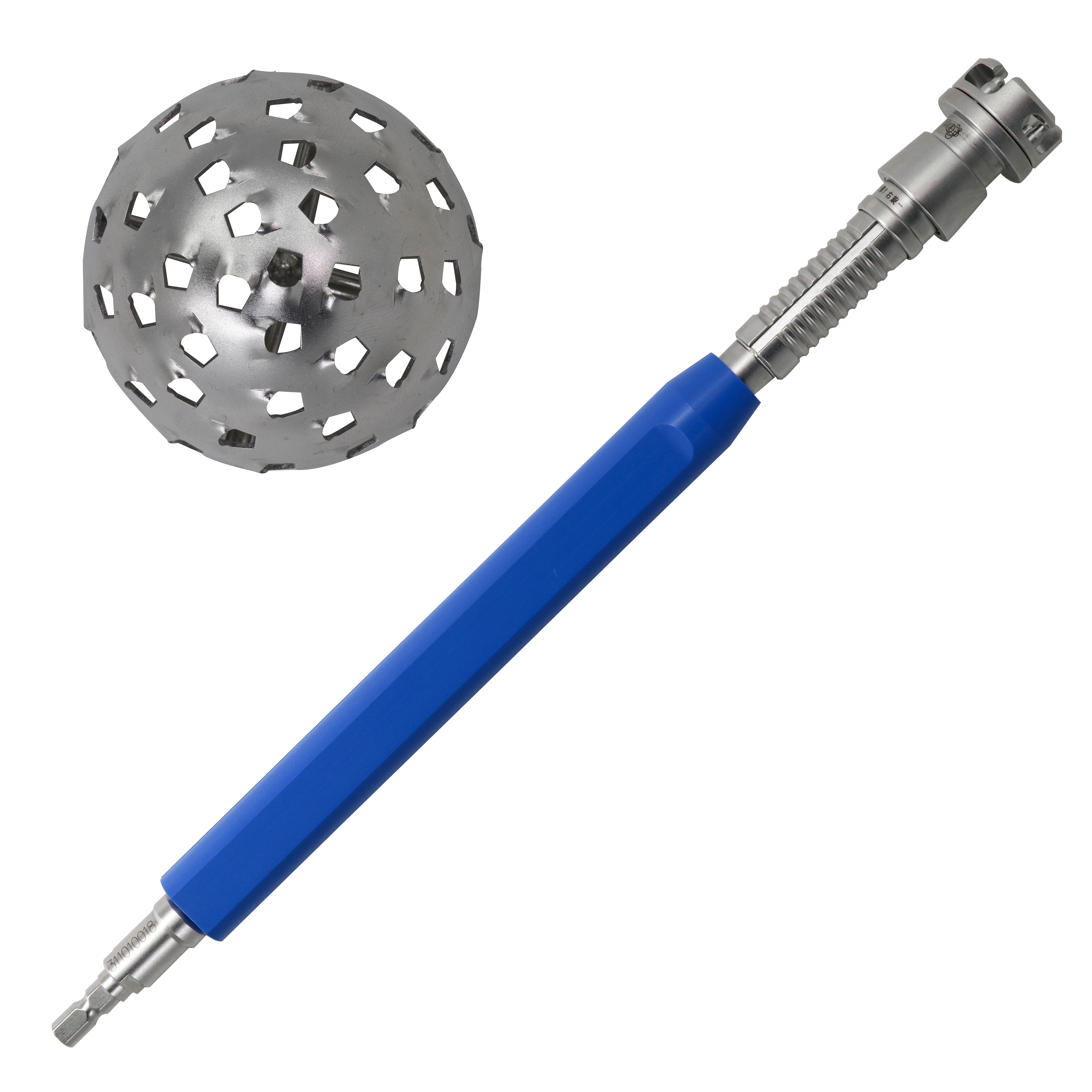
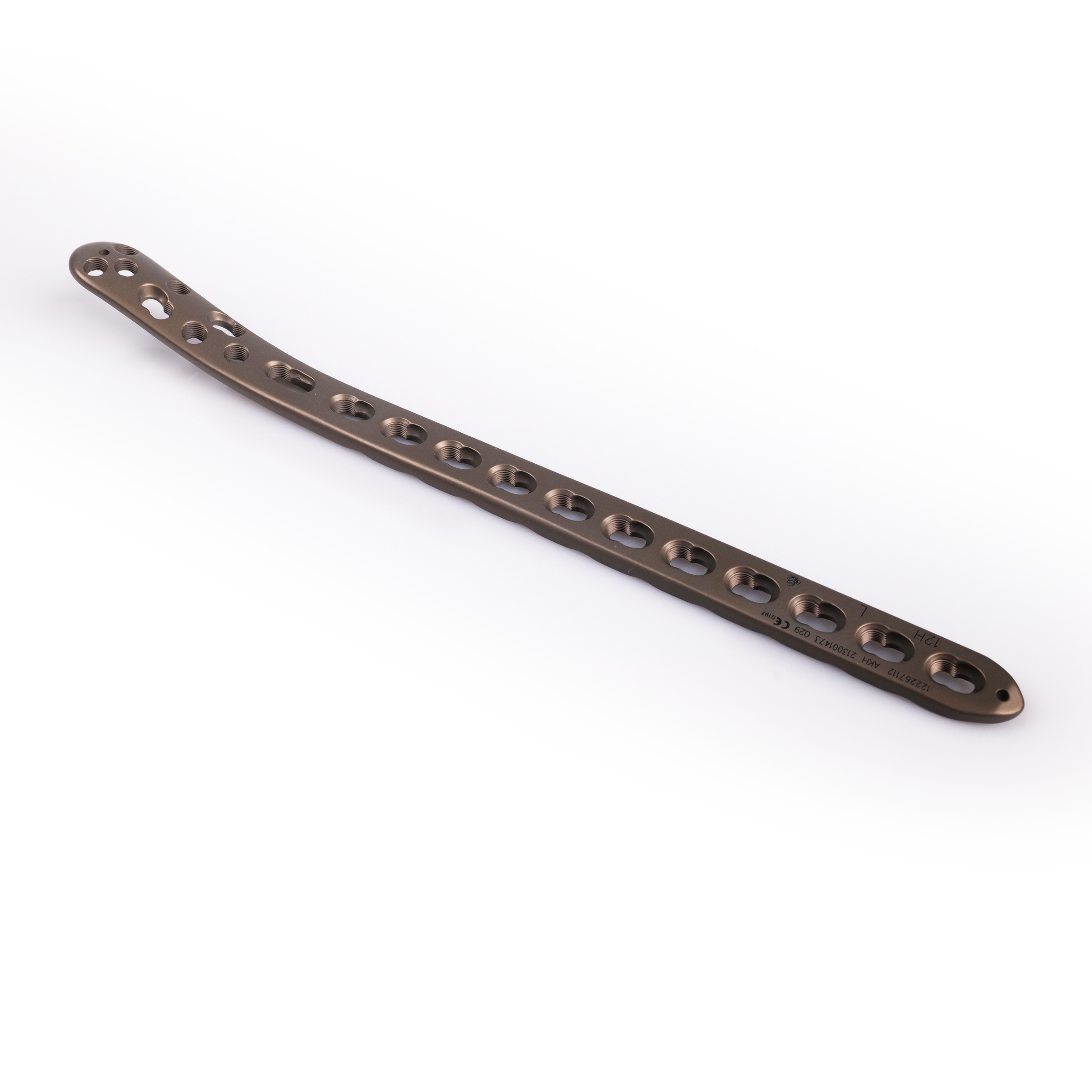
Precision Engineering & Metallurgical Standards in Titanium Screw Manufacturing
An authoritative technical guide for biomedical purchasing agents, orthopedic brand owners, OEM/ODM medical device contract buyers, and industrial precision fastener sourcing managers.
Titanium screws represent the gold standard in modern traumatology, spinal reconstructive surgery, craniomaxillofacial (CMF) stabilization, aerospace engineering, and high-performance industrial applications. The mechanical integrity, fatigue endurance, biological osseointegration, and chemical inertness of titanium fasteners depend directly upon strictly controlled alloy microstructures, high-precision CNC machining tolerances, optimized thread geometries, and validated surface passivation techniques.
While commercially pure titanium (CP-Ti Grade 1 through Grade 4) offers superb corrosion resistance and biological compatibility for non-load-bearing maxillofacial plates, medical implants subjected to high dynamic bending moments—such as trauma locking screws, cortical screws, cannulated compression screws, and spinal pedicle screws—utilize Ti-6Al-4V ELI (Extra Low Interstitial, ASTM F136 / ISO 5832-3). The reduction of interstitial elements (oxygen, nitrogen, carbon, and iron) significantly enhances fracture toughness and fatigue resistance under repetitive physiological loads.
Titanium Material Grades Comparison Matrix
| Material Standard | Material Grade | Tensile Strength (MPa) | Yield Strength (MPa) | Primary Clinical / Industrial Application |
|---|---|---|---|---|
| ASTM F136 / ISO 5832-3 | Ti-6Al-4V ELI Alloy | ≥ 860 MPa | ≥ 795 MPa | Trauma Screws, Pedicle Screws, Locking Plates, Joint Reconstruction |
| ASTM F67 / ISO 5832-2 | CP Titanium Grade 4 | ≥ 550 MPa | ≥ 483 MPa | CMF Screws, Dental Implants, Non-Load-Bearing Trauma Fixation |
| ASTM F67 / ISO 5832-2 | CP Titanium Grade 3 | ≥ 450 MPa | ≥ 380 MPa | Bone Staples, Cranial Mesh Fasteners, Soft Tissue Anchors |
| ASTM B348 / Grade 5 | Standard Ti-6Al-4V | ≥ 895 MPa | ≥ 828 MPa | Aerospace Fasteners, Automotive Racing Components, Marine Screws |
Comprehensive Custom Titanium Screw Manufacturing Portfolio
We specialize in contract manufacturing, private-label production, custom thread pitch development, and precision Swiss-lathe turning for demanding medical and industrial applications.
Orthopedic Trauma & Cortical Screws
Manufactured with self-tapping flutes, precise T-drive (Torx) or Hexagonal recesses, and dual-lead threads. Diameters range from 1.5mm micro screws to 6.5mm cancellous bone screws.
- Variables: 1.5mm, 2.0mm, 2.7mm, 3.5mm, 4.5mm, 6.5mm
- Thread Types: Fully Threaded, Partially Threaded, Self-Drilling
- Surface: Type II Anodized (Pink, Blue, Gold, Green Color Coding)
Cannulated & Headless Compression Screws
Engineered with concentric central lumen bores for guide-wire insertion in minimally invasive surgery (MIS). Variable pitch designs deliver controlled interfragmentary compression.
- Bore Concentricity: Controlled within ≤ 0.02 mm
- Designs: Herbert Screw Profile, Acutrak Type Variable Pitch
- Clinical Use: Scaphoid, Femoral Neck, Osteotomy Fixation
Spinal Pedicle Screws & MIS Long-Arm Fasteners
Monoaxial, Polyaxial, and Extension-Arm Pedicle Screw Systems for thoracolumbar spinal stabilization. Friction-fit tulip heads allow wide angle articulation prior to set-screw locking.
- Tulip Articulation: Up to 50° multi-directional angulation
- Screw Options: Solid, Cannulated for Cement Augmentation
- Thread Form: Buttress or Quad-Lead High-Speed Threads
Future Procurement Trends in Medical & Industrial Titanium Screws
Key technology shifts, regulatory updates under EU MDR 2017/745, and manufacturing advancements shaping the global supply chain through 2030.
1. Additive Manufacturing & Porous Thread Structures
Direct Metal Laser Sintering (DMLS) and Electron Beam Melting (EBM) enable screws with solid structural cores surrounded by porous trabecular titanium threads. This architecture mimics natural cancellous bone elasticity, reducing stress shielding and accelerating osteointegration.
2. Enhanced Bioactive & Antibacterial Coatings
Procurement strategies are shifting toward modified surface topographies. Micro-arc oxidation (MAO) combined with Silver/Copper nanoparticle infusion or Hydroxyapatite (HA) plasma spraying provides localized bactericidal action while promoting rapid bone cell adhesion.
3. Strict Traceability under EU MDR & FDA UDI Guidelines
Global buyers now require laser-etched Unique Device Identification (UDI) Data Matrix codes directly on individual screw heads or shanks. Every batch must feature end-to-end metallurgical bar-stock certificate traceability, cleanroom validation, and dynamic fatigue test data.
State-of-the-Art Factory Infrastructure & Quality Control
Operating a modern 29,523 m² production facility backed by 632 experienced employees, delivering reliable OEM/ODM contract manufacturing to international orthopedic brands and importers.
Precision Swiss-Type CNC Machining
Equipped with high-precision 9-axis multi-spindle Citizen and Star Swiss turning centers, maintaining strict machining tolerances down to ±0.005 mm for ultra-fine thread pitches and complex cannulated lumen geometries.
Controlled Surface Anodization
In-house electrochemical Type II and Type III (hard) anodizing lines allow vibrant color coding for surgical size differentiation while creating a dense passivation layer that eliminates metal ion leaching.
ISO Class 7 Cleanroom Packaging
Final ultrasonic washing, bioburden monitoring, double sterile pouch sealing, and Tyvek packaging are conducted within certified ISO Class 7 (Class 10,000) cleanrooms to guarantee low bioburden prior to sterilization.
Comprehensive Quality Laboratory
Outfitted with Zeiss 3D Coordinate Measuring Machines (CMM), optical shaft measurement equipment, axial pull-out force testers, and multi-axis dynamic screw fatigue testing systems (ASTM F543 compliant).
13-Step Precision Manufacturing & Quality Workflow
Frequently Asked Questions (FAQ)
Essential answers regarding regulatory certificates, custom tooling, minimum order quantities (MOQs), and engineering support.
What certifications and technical documentation accompany your titanium screws? +
Can you manufacture custom titanium screws based on proprietary CAD drawings or samples? +
What are the primary differences between Ti-6Al-4V ELI (Grade 23) and Grade 5 Titanium? +
What surface treatments and color coding options are available for OEM orders? +
What is the typical lead time for custom prototype samples and mass production? +
What are your Minimum Order Quantities (MOQs) for custom OEM orders? +
Partner with a Verified Titanium Screw Manufacturer
Contact our technical engineering team today for immediate DFM (Design for Manufacturability) analysis, competitive direct-factory pricing, and regulatory technical file support.