Featured Orthopedic Trauma Instruments & Implants
CE-Certified, High-Precision Surgical Instrument Kits & Biomechanical Fixation Systems Manufactured to ISO 13485 Standards.
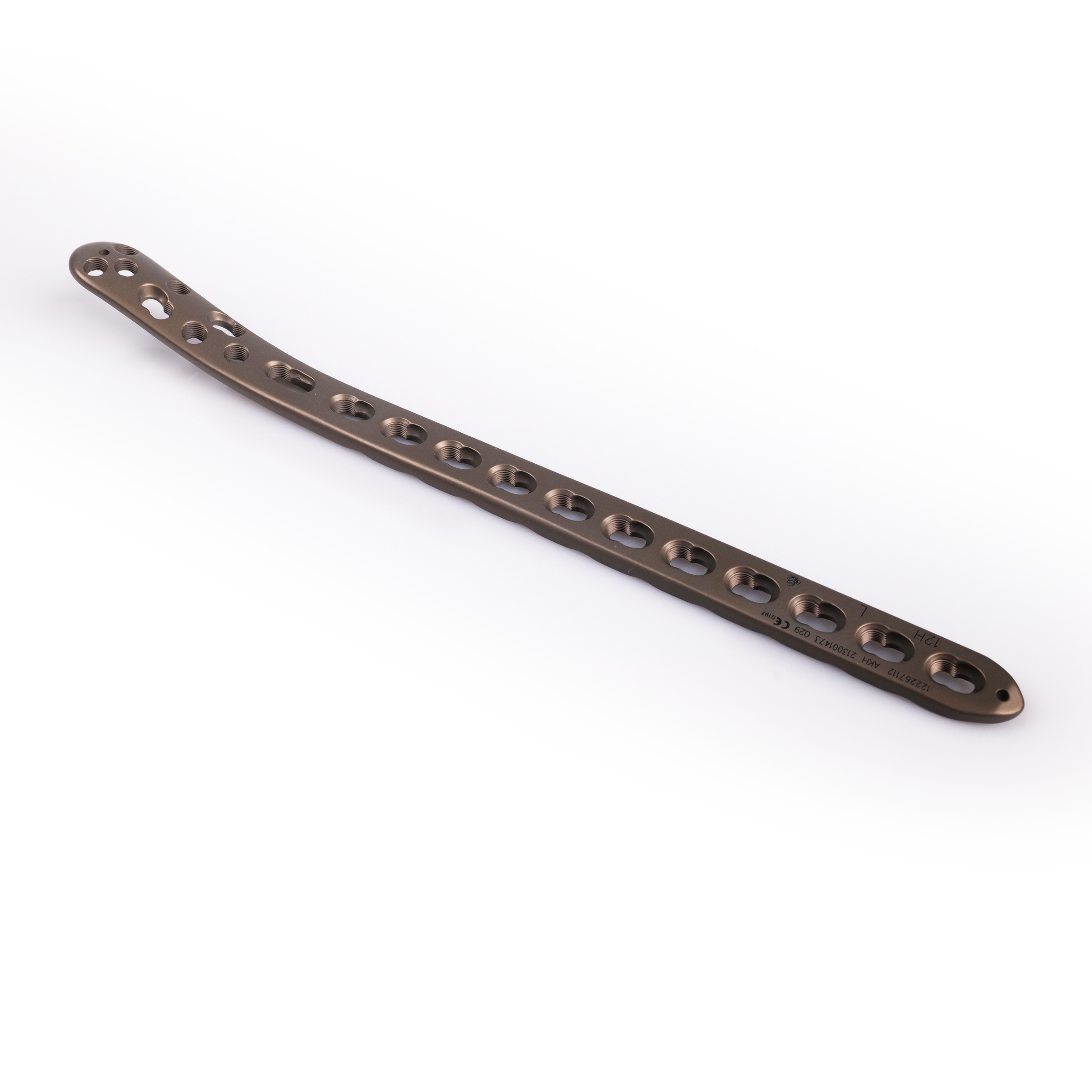
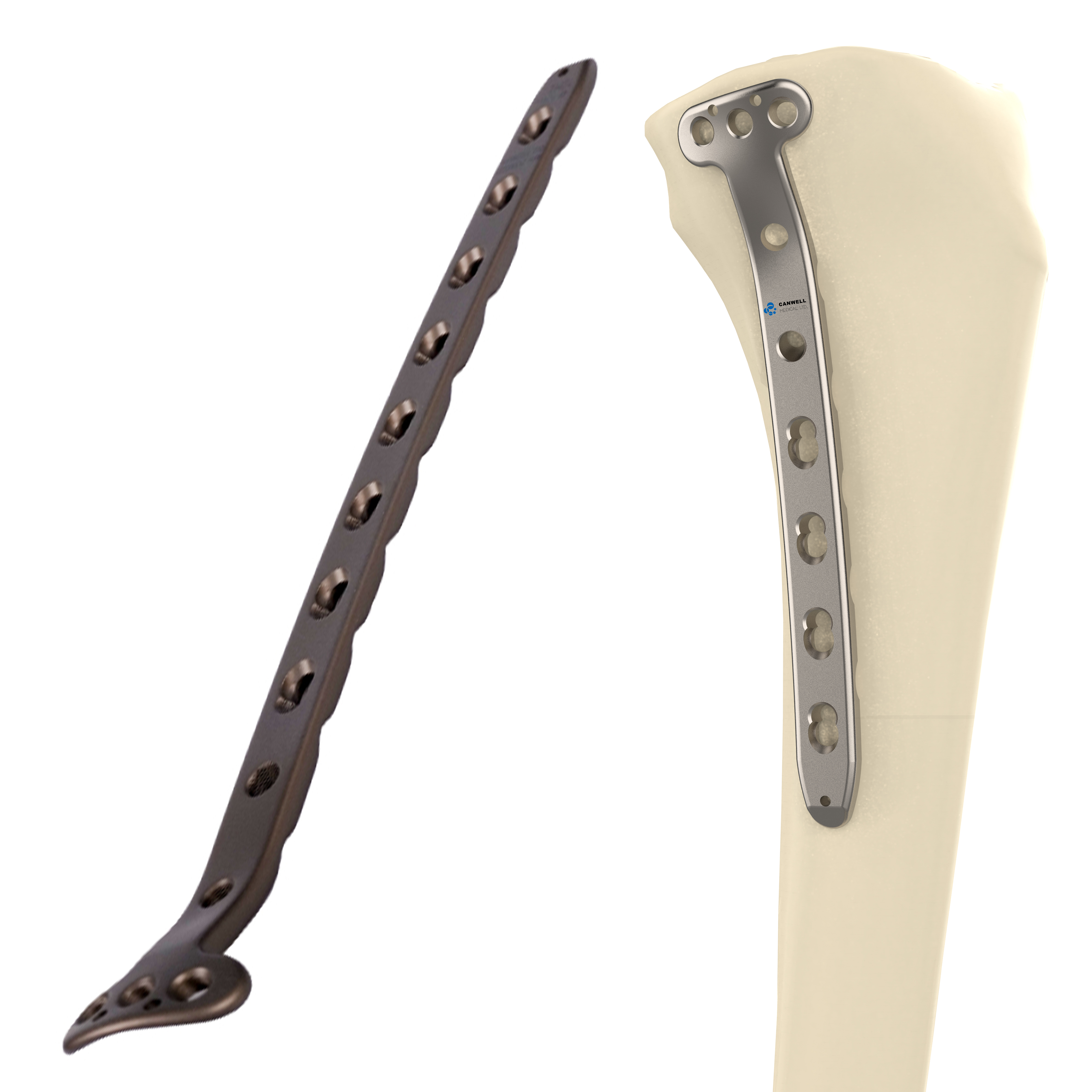
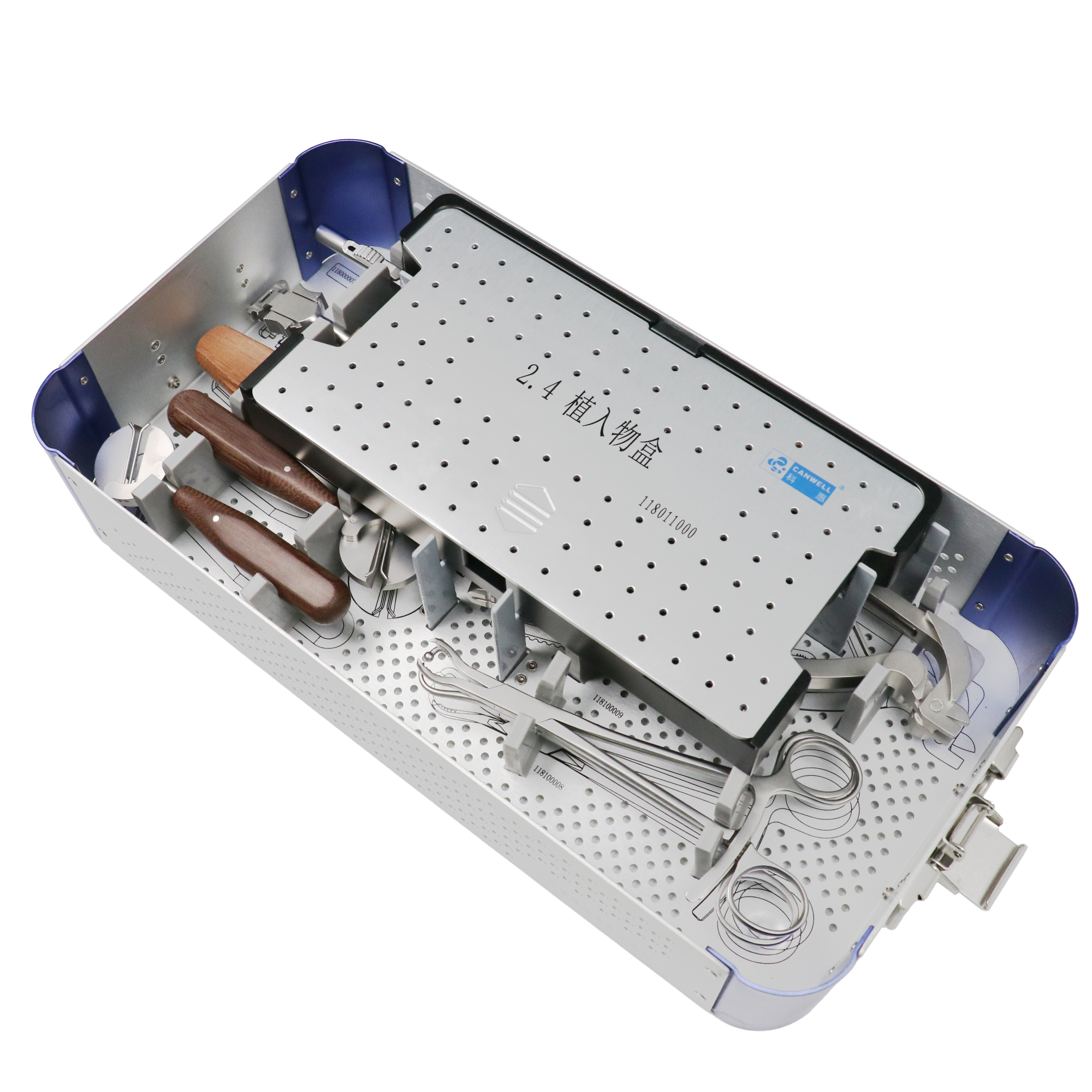
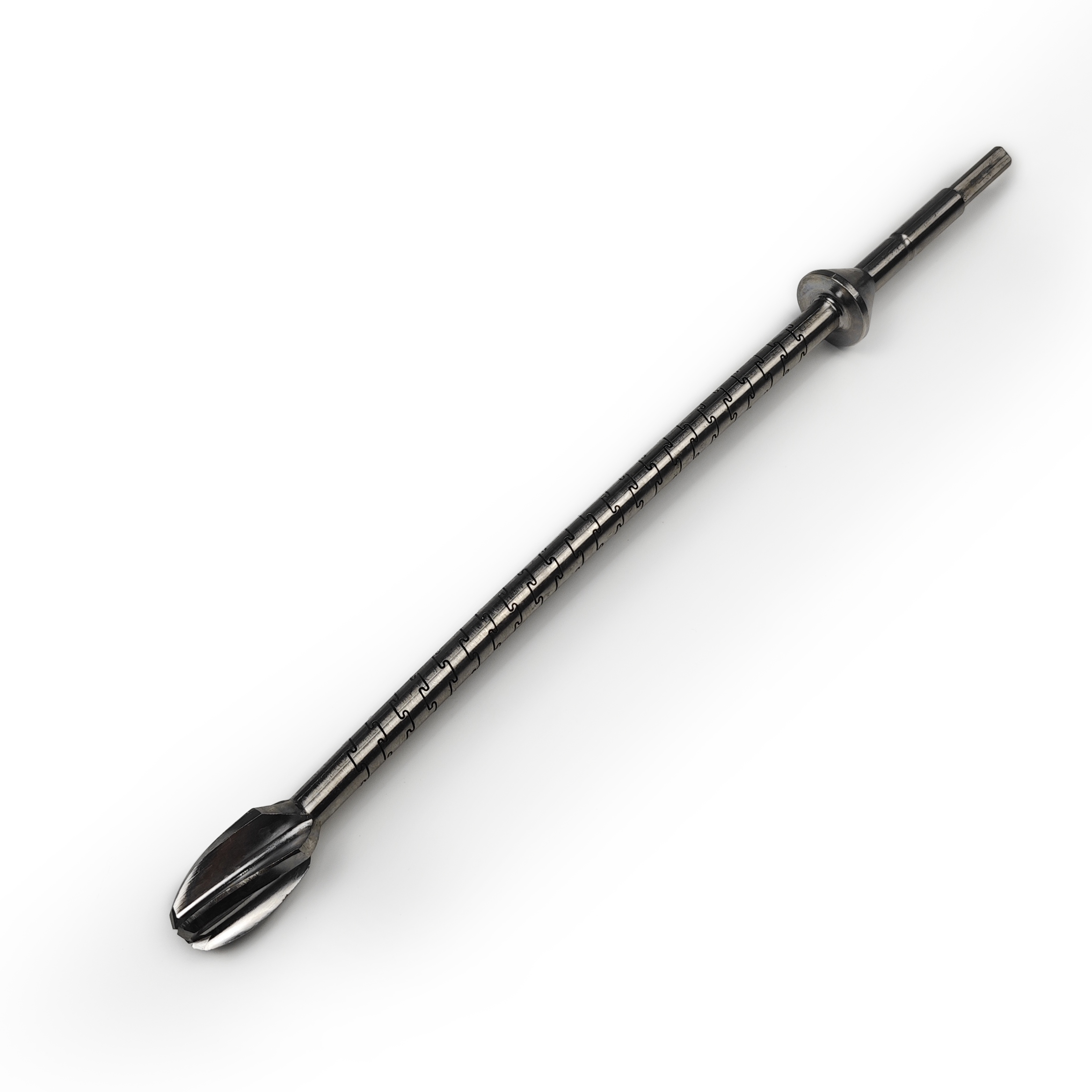
Why Global Healthcare Brands Trust Our OEM/ODM Capabilities
Vertical Integration, Traceable Metallurgical Quality, and Comprehensive Regulatory Dossier Support
Full Regulatory Dossier Support
We provide comprehensive STED technical files, ISO 13485 documentation, CE certificates (MDR and 93/42/EEC), and material certificates required for fast-track registration in global medical device markets.
5-Axis CNC Precision Machining
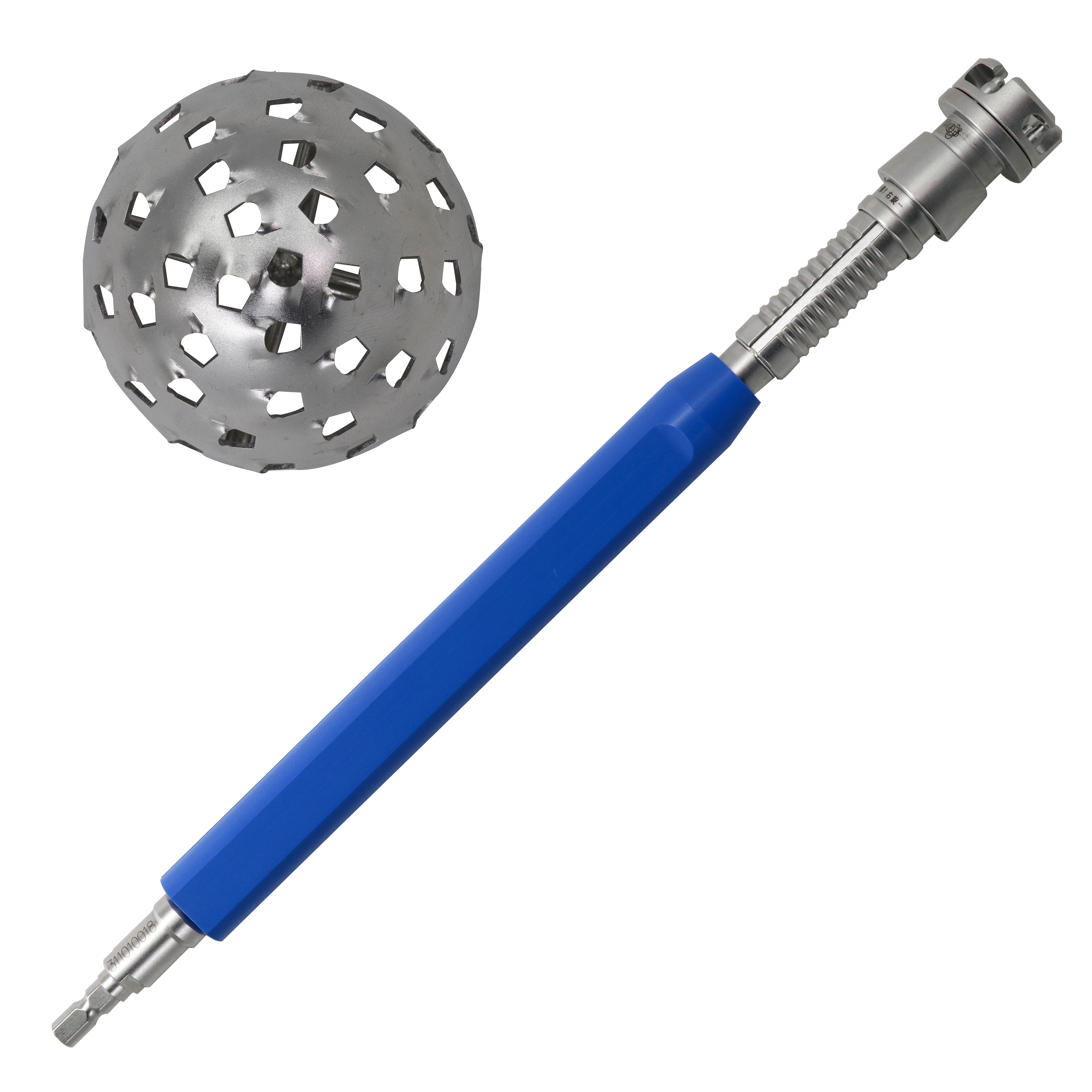
Equipped with high-end German and Swiss multi-axis machining centers, delivering micro-meter tolerances on anatomical locking plates, cannulated compression screws, and complex arthroplasty reamers.
In-House Metallurgical & Fatigue Testing
Every raw material batch undergoes spectrographic alloy analysis. Finished orthopedic implants pass rigorous mechanical endurance, axial pull-out, and dynamic fatigue testing in our onsite laboratory.
ISO Class 7 Cleanroom & Aseptic Packaging
Validated automatic ultrasonic multi-stage cleaning lines paired with Class 100,000 / Class 10,000 cleanrooms ensure non-pyrogenic, sterile-ready or pre-sterilized blister packaging for hospital tenders.
End-to-End OEM & ODM Customization
From custom plate pre-contouring and specialized instrument tray layout design to private-label laser marking and anodized titanium color coding, we turn clinical concepts into commercial products.
SGS Audited & Proven Supply Chain Resilience
Over two decades of verified operational history with 632 dedicated personnel across 29,523 m² facilities guaranteeing scalable volume manufacturing, batch-to-batch consistency, and predictable lead times.
Technical Whitepaper: Strategic OEM/ODM Sourcing & Technological Advancements in Orthopedic Trauma Instrumentation
The global demand for high-performance orthopedic trauma instruments and fixation systems is undergoing a rapid paradigm shift. Driven by aging global demographics, increasing incidence of complex peri-articular fractures, and the expansion of minimally invasive orthopedic procedures (MIS), healthcare organizations and medical device distributors require manufacturing partners who offer far more than simple machine capacity. Modern traumatology demands biomechanical precision, traceable metallurgical purity, absolute sterility assurance, and strict international regulatory alignment.
As a leading SGS-verified orthopedic manufacturer with 22+ years of industry longevity and a 632-member production workforce operating out of a 29,523 m² facility, our enterprise stands at the intersection of clinical insight and industrial precision engineering. This technical document outlines key industry shifts, material engineering paradigms, and best practices for OEM/ODM procurement of trauma locking plates, intramedullary instrumentation, arthroplasty tools, and maxillofacial surgical kits.
1. Metallurgical Selection & Biomechanical Performance Principles
In traumatology, the structural integrity of internal fixation devices directly dictates patient healing rates and hardware success. The selection of medical-grade alloys must strictly balance tensile strength, fatigue endurance, modulus of elasticity, and biocompatibility:
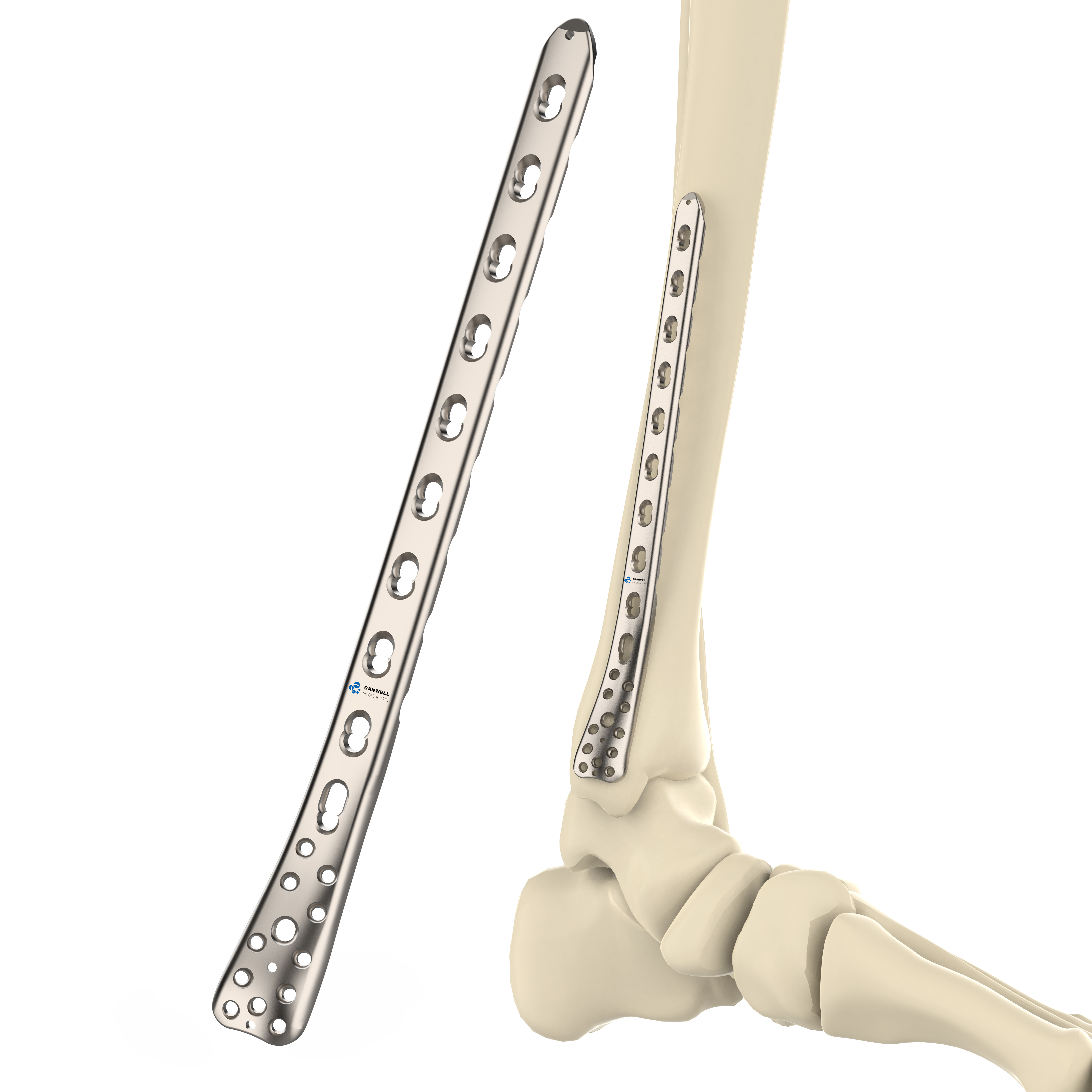
- Titanium Alloy Grade 5 (Ti-6Al-4V ELI / ASTM F136): The benchmark material for modern fracture fixation. Offering an elastic modulus closer to cortical bone than stainless steel, Ti-6Al-4V ELI significantly reduces stress shielding at fracture sites while providing exceptional strength-to-weight ratio and corrosion resistance.
- Medical-Grade Stainless Steel (316LVM / ASTM F138): Frequently selected for heavy-load traumatology instruments, drill bits, reamers, and temporary trial components due to its high hardness, surface wear resistance, and cost-effectiveness in global hospital tenders.
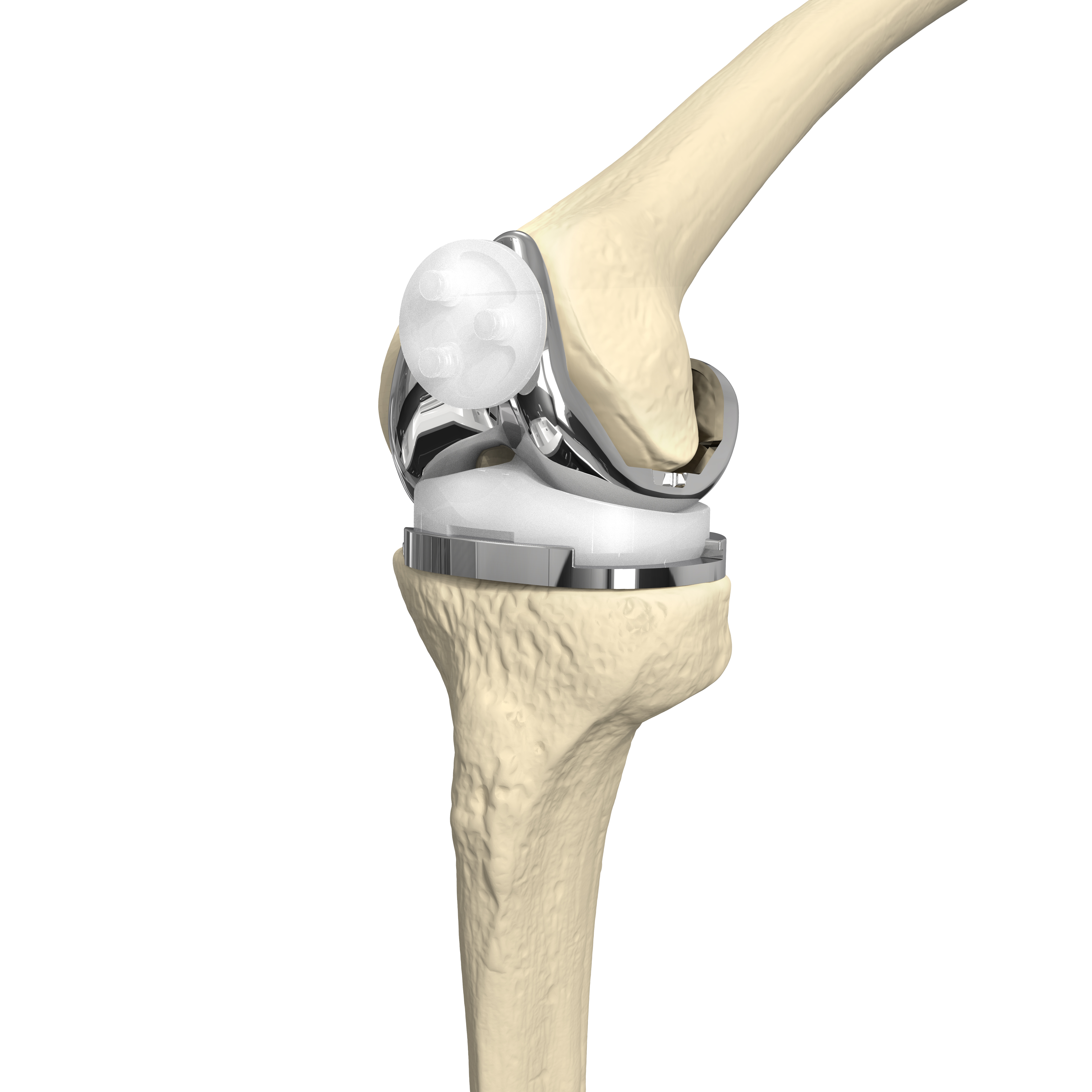
- Cobalt-Chromium-Molybdenum (CoCrMo / ASTM F75): Utilized primarily in arthroplasty components such as primary total knee replacement implants where extreme surface smoothness and tribological performance are required to minimize polyethylene wear against joint surfaces.
- Polyether Ether Ketone (PEEK / ASTM F2026): Widely deployed in spinal interbody cages and specialized radiolucent surgical instruments, ensuring zero artifact interference during intraoperative C-arm fluoroscopy and postoperative MRI imaging.
2. Future Procurement Trends in Trauma & Orthopedic Instrumentation (2025–2030 Analysis)
Global procurement teams in hospital networks and distribution channels are re-engineering their vendor criteria based on five critical industry trends:
A. Shift Toward Polyaxial / Variable-Angle Locking Mechanics: Monoaxial locking plates are increasingly being superseded by variable-angle (polyaxial) locking compression systems. Surgeons require the flexibility to angle locking screws up to ±15 degrees off-axis to avoid existing hardware, target specific bone fragments in complex metaphyseal fractures, or secure peri-prosthetic fractures. OEM partners must demonstrate sub-micron machining tolerances on plate threaded holes and screw head thread profiles to prevent thread stripping under polyaxial torque.
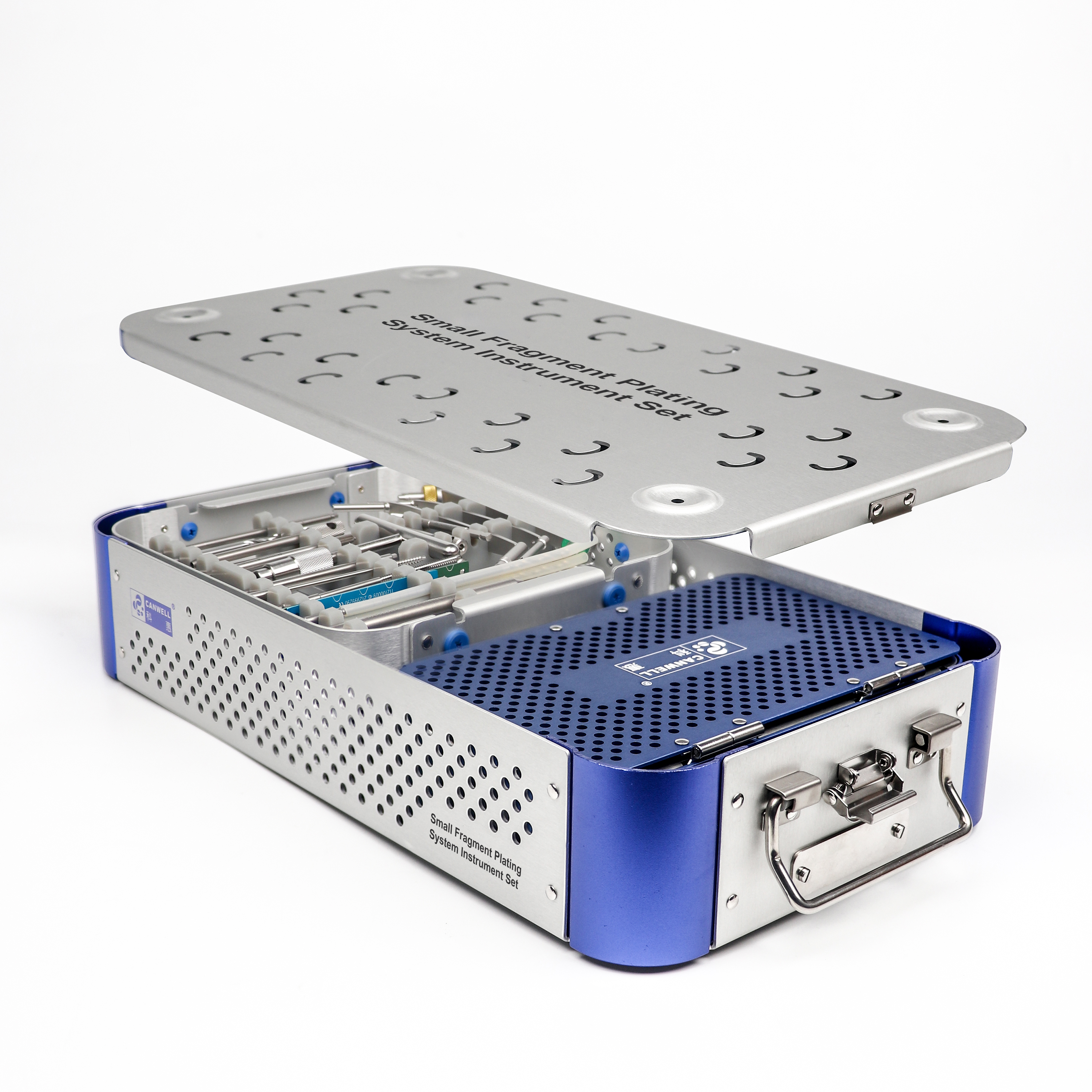
B. Demand for Ergonomic, Lightweight & Color-Coded Instrument Sets: Surgical efficiency directly correlates with reduced operating room time and lower infection risk. Modern traumatology sets—such as small fragment instrument kits, distal tibial systems, and acetabular reamers—utilize anodic color coding (e.g., gold for 3.5mm screws, blue for 2.7mm, green for 4.5mm) paired with lightweight aluminum alloy sterilization trays. This reduces surgical staff learning curves and streamlines instrument identification under stressful trauma scenarios.
C. Growth of Single-Use Procedure Kits vs. Reusable Instrument Trays: While reusable stainless steel instrument trays remain standard, hospital networks are rapidly adopting single-use, pre-sterilized trauma instrument kits for high-volume procedures. This eliminates hospital autoclave bottlenecking, mitigates cross-contamination risks, and provides traceable cost-per-case accounting.
D. EU MDR (2017/745) & Global Harmonization Compliance: The transition from the European Medical Device Directive (93/42/EEC) to the strict Medical Device Regulation (EU MDR) has caused supply chain disruptions worldwide. Qualified OEM/ODM suppliers must maintain fully compliant technical files, clinical evaluation reports (CER), post-market surveillance (PMS) frameworks, and complete raw material heat-lot traceability to protect distributors from regulatory blockades.
E. Minimally Invasive Nailing & Suprapatellar Approaches: Intramedullary nailing systems (femoral, tibial, humeral) are shifting toward suprapatellar entry techniques. This requires specialized flexible reamer systems, curved cannulated drivers, and radiolucent targeting arm instrument sets designed specifically to preserve articular cartilage during insertion.
3. Technological & Manufacturing Trends in Orthopedic Tool Production
To deliver flawless surgical performance, modern instrument manufacturing relies on advanced production technologies:
- Multi-Axis CNC Swiss Machining: High-speed 5-axis turning and milling machines fabricate complex geometry components—such as cannulated screws, flexible reamer shafts, and anatomical bone plates—in a single continuous setup, ensuring concentricity and thread continuity.
- Automated Passivation & Anodizing: Automated chemical passivation removes free iron particles from stainless steel surfaces, creating a passive oxide layer that prevents corrosion during repetitive hospital sterilization cycles. Anodization creates protective, biocompatible color-coded surface layers on titanium implants.
- Penetrant Testing & Non-Destructive Flaw Detection: Fluorescent penetrant inspection (FPI) reveals micro-cracks or surface imperfections down to the sub-micron level before packaging, ensuring zero structural failures in high-stress trauma applications.
- Ultrasonic Multi-Stage Precision Washers: Multi-frequency ultrasonic bath lines combined with reverse osmosis (RO) ultra-pure water rinsing remove all residual machining oils, swarf, and particulates, guaranteeing non-pyrogenic cleanliness prior to cleanroom entry.
4. Strategic Value of Partnering with an Integrated OEM/ODM Manufacturer
For orthopedic brand owners, hospital group buyers, and regional distributors, establishing a direct OEM/ODM relationship with an established factory provides unmatched competitive leverage. By combining complete vertical production—from forging and CNC machining to surface finishing, testing, and private-label blister packaging—distributors eliminate intermediary markups, gain total control over quality specifications, and secure rapid customization capabilities tailored to local tender requirements.
Frequently Asked Questions (FAQ) - Sourcing & Technical Standards
Comprehensive Answers to Critical Questions Raised by Procurement Managers and Biomedical Engineers
Which international quality certifications do your orthopedic implants and trauma instruments carry?
What are your OEM and ODM customization capabilities for custom trauma kits?
What raw materials are utilized in your trauma plates, screws, and instrument sets?
How do you ensure batch-to-batch product quality and mechanical endurance?
What is the typical production lead time for OEM instrument orders and custom tenders?
Do you offer low Minimum Order Quantities (MOQ) for regional distributors testing new markets?
Partner with a Leading Trauma Instruments Factory
Request a custom quote, technical product catalog, or schedule an onsite/virtual factory audit with our biomedical engineering team today.
Inquire Now