Precision-Engineered Medical Bed Solutions
Explore our certified institutional medical beds designed for maximum safe working loads (SWL), caregiver efficiency, and critical care patient ergonomics.
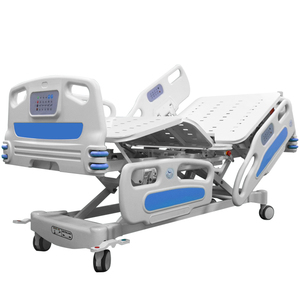
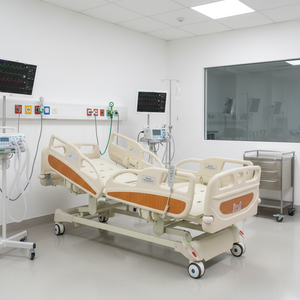
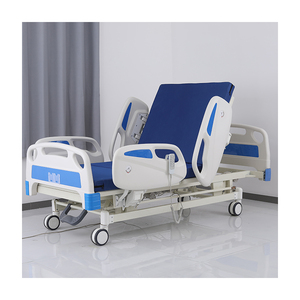
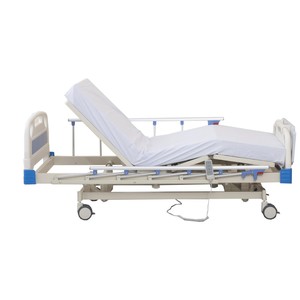
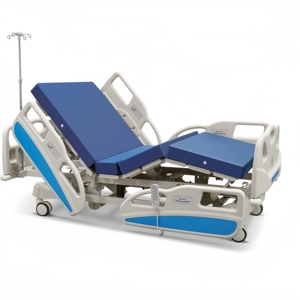
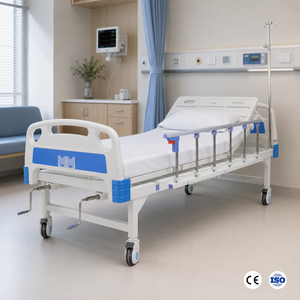
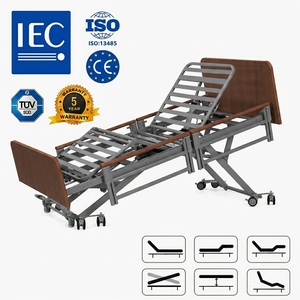
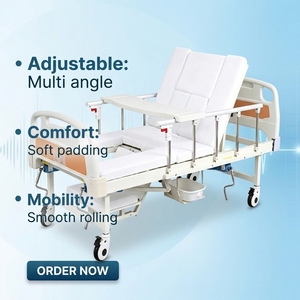
1. Executive Summary & Global Bariatric Care Landscape
The global demand for specialized bariatric medical beds has experienced an unprecedented surge driven by rising global obesity rates, an aging demographic, and heightened clinical awareness regarding caregiver safety and patient dignity. According to epidemiological data from the World Health Organization (WHO), global obesity has more than tripled since 1975, necessitating substantial infrastructure upgrades across Intensive Care Units (ICUs), general medical-surgical wards, post-acute care facilities, and long-term home nursing environments.
Bariatric patients present unique clinical complexities that standard hospital beds (typically rated for safe working loads of 170kg to 220kg) cannot accommodate. When forced onto standard clinical surfaces, bariatric patients face elevated risks of pressure ulcers (tissue ischemia caused by immobility), lateral tipping during egress, skin shears, and respiratory impairment due to inadequate pulmonary elevation. Simultaneously, healthcare professionals face acute musculoskeletal injury risks during patient repositioning, transfers, and hygiene maintenance.
Clinical Insight: Modern institutional procurement requires bariatric beds to integrate minimum Safe Working Loads (SWL) of 300kg to 500kg (660 lbs to 1100 lbs), expandable deck widths (from 36 to 48 or 54 inches), multi-axis electric articulation, and smart load-cell telemetry compliant with IEC 60601-2-52 standards.
Selecting a top-tier bariatric bed factory and supplier is not merely a commercial decision; it is a critical clinical risk management protocol. Hospital procurement directors, medical equipment distributors, and biomedical engineers must systematically evaluate manufacturing infrastructure, structural metallurgy, motor torque tolerances, quality management systems (ISO 13485), and global regulatory registrations (FDA, CE MDR).
2. Engineering & Sourcing Standards for Bariatric Bed Factories
To establish a definitive ranking of the Top 10 Bariatric Bed Factories & Suppliers, institutional buyers must move beyond superficial price metrics and evaluate manufacturers against five core engineering and operational indicators:
1. Structural Integrity & Metallurgy
Frame structures must utilize heavy-gauge, cold-rolled steel tubing with robotically welded stress points. The frame design must withstand concentrated dynamic center loading and off-center shear forces during patient transfers without structural deflection or fatigue.
2. High-Torque Linear Actuators
Medical-grade DC linear actuators (e.g., Linak, Timotion, or proprietary heavy-duty motors) must provide synchronized push forces up to 10,000N per actuator, equipped with low-noise gearboxes and IPX4 or IPX6 water-ingress protection for thermal cleaning and disinfection.
3. Electrical Safety (IEC 60601-2-52)
Full compliance with IEC 60601-1 (General Safety) and IEC 60601-2-52 (Particular requirements for the basic safety and essential performance of medical beds) is mandatory, ensuring electromagnetic compatibility, zero entrapment zones, and fail-safe dual backup batteries.
4. Clinical Ergonomics & Articulation
Essential functions include backrest elevation (0–75°), knee-break adjustment (0–45°), Trendelenburg / Reverse Trendelenburg (±16°), cardiac chair positioning, and one-touch CPR emergency mechanical release handles on both sides.
5. Quality Management Systems
Leading factories operate certified ISO 13485 medical device quality lines, executing 30+ physical quality inspections and 15 destructive/endurance load tests on every production batch prior to international shipment.
6. Modular Width & Length Decking
Tool-less deck expansion systems allowing seamless widening from standard 36-inch platforms to 42, 48, or 54 inches, paired with integrated mattress retainers to maintain pressure redistribute integrity across all width settings.
3. Technical Specification Matrix: Standard vs. Bariatric Medical Beds
Understanding the engineering variances between general hospital ward beds and specialized bariatric beds is essential for biomedical engineering teams during technical tender drafting.
| Specification Parameter | Standard Ward / ICU Bed | Heavy-Duty Bariatric Bed (Factory Grade) |
|---|---|---|
| Safe Working Load (SWL) | 170 kg – 250 kg (375 – 550 lbs) | 350 kg – 500 kg (770 – 1100 lbs) |
| Sleep Deck Width | 85 cm – 90 cm (33 – 35 inches) | 100 cm – 137 cm (39 – 54 inches expandable) |
| Actuator Thrust Capacity | 3,000 N – 6,000 N per actuator | 8,000 N – 12,000 N reinforced actuators |
| Castor & Braking System | 125mm Dual-wheel / Central brake | 150mm – 200mm Heavy-Duty twin castors / Central pedal brake |
| Side Rail Reinforcement | Standard ABS fold-down / Split rail | High-impact steel-reinforced tuck-away or drop rails |
| Weight Scale Sensor Integration | Optional (Class III Accuracy) | Integrated 4-corner load cell transducers with memory log |
| Emergency CPR Release | Manual damper / Electric CPR | Dual manual mechanical quick-release handles + Electric CPR |
4. Future Procurement Trends in Bariatric Patient Care Equipment (2025–2030)
As healthcare systems transition toward smart hospital ecosystems and value-based care models, procurement strategies for heavy-duty patient care beds are evolving rapidly. Suppliers and OEMs must align with four key technology vectors:
A. IoT Telemetry & Continuous Patient Monitoring
Next-generation bariatric beds are becoming central data hubs within critical care units. Embedded piezoelectric and load-cell sensors provide real-time weight logging, continuous heart rate and respiration monitoring without skin contact, and out-of-bed migration alarms. Wireless telemetry modules connect directly to Hospital Information Systems (HIS) and Electronic Health Records (EHR) via HL7/FHIR protocols, reducing caregiver documentation burden and mitigating patient fall risks.
B. Automated Lateral Rotation & Pulmonary Therapy
Pulmonary complications, such as atelectasis and ventilator-assisted pneumonia (VAP), represent severe clinical hazards for immobilized bariatric patients. Advanced bariatric ICU beds now incorporate automated continuous lateral rotation therapy (CLRT) up to 30 degrees. Programmed micro-turns gently shift body mass at regular intervals, facilitating postural lung drainage, improving oxygenation, and preventing deep pressure ulcer formation without requiring manual repositioning by multiple nursing staff.
C. Powered Drive Systems & Ergonomic Mobility Assistance
Transporting a 400kg patient across hospital corridors or onto elevators poses immense physical strain on hospital transport teams. Leading bariatric bed manufacturers are standardizing motorized 5th-wheel drive systems. Controlled via intuitive strain-gauge handles on the headboard, these motorized drive systems allow a single caregiver to maneuver heavy-duty beds effortlessly around sharp corners and inclines with zero physical strain.
D. Sustainable Materials & Eco-Designed Actuation
Global healthcare sustainability mandates demand eco-designed medical furniture. Top factories are incorporating recycled high-grade aluminum alloys, lead-free powder coating processes, low-standby-power electronics (< 0.5W power consumption), and halogen-free flame-retardant thermoplastics to meet EU RoHS and REACH environmental directives.
5. Product Development Trends: Breakthroughs in Bariatric Bed Engineering
The engineering matrix of modern bariatric hospital beds relies on continuous innovation across kinematics, structural physics, and surface technology:
Ultra-Low Deck Height Mechanisms
Historically, heavy-duty scissor lift mechanisms prevented beds from lowering close to the floor. Modern dual-column hydraulic/electric lifting towers enable ultra-low deck heights of under 35cm (13.7 inches), significantly reducing the severity of accidental patient falls while facilitating safer unassisted ambulation for recovering patients.
Multi-Zone Dynamic Pressure Redistribution
Factory integration of specialized bariatric foam and alternating-pressure air mattress systems is now standard. Advanced mattresses feature real-time sensor feedback that automatically adjusts cell inflation pressures based on the patient's weight distribution, body mass index (BMI), and bed articulation angle.
Radiolucent X-Ray Decks & C-Arm Compatibility
To eliminate unsafe patient transfers to radiology tables, high-end bariatric ICU beds incorporate full-length radiolucent phenolic backrest decks with integrated X-ray cassette slots, allowing seamless bedside chest radiography and fluoroscopy procedures.
6. Comprehensive Bariatric Bed Sourcing & Procurement FAQ
Biomedical engineering teams, hospital purchasing managers, and medical distributors frequently encounter technical and commercial questions when evaluating bariatric bed factories:
7. Strategic Manufacturing Infrastructure & Factory Capabilities
When partnering with our manufacturing matrix, healthcare organizations and global distributors gain access to over a quarter-century of medical bed engineering excellence:
- 25+ Years of Dedicated Expertise: Established track record in designing, engineering, and mass-producing electric hospital beds, ICU beds, and specialized bariatric platforms.
- ISO 13485, FDA & CE Certified Facilities: Operating fully audited medical device manufacturing lines compliant with international regulatory protocols.
- 30+ Inspection & 15 Destructive Test Protocols: Every batch undergoes rigorous quality assurance including weld ultrasonic testing, motor load cycle testing, environmental chamber thermal stress tests, and dynamic drop tests.
- Global Service Footprint across 65+ Countries: Trusted by tier-1 hospital networks, healthcare ministries, and medical equipment distributors across North America, Europe, Asia-Pacific, and the Middle East.
- Flexible OEM & ODM Capabilities: Full in-house R&D engineering teams capable of modifying structural geometry, software controls, and mechanical specifications to meet specialized hospital tender requirements.
Seeking technical specifications, institutional pricing, or OEM manufacturing partnership?
Inquire Now