Featured Orthopedic Implants & Screw Systems
Directly manufactured, SGS-verified orthopedic implants engineered from medical-grade Titanium Alloy (Ti-6Al-4V ELI) and Stainless Steel (316L VM) following strict ISO 13485 quality protocols.
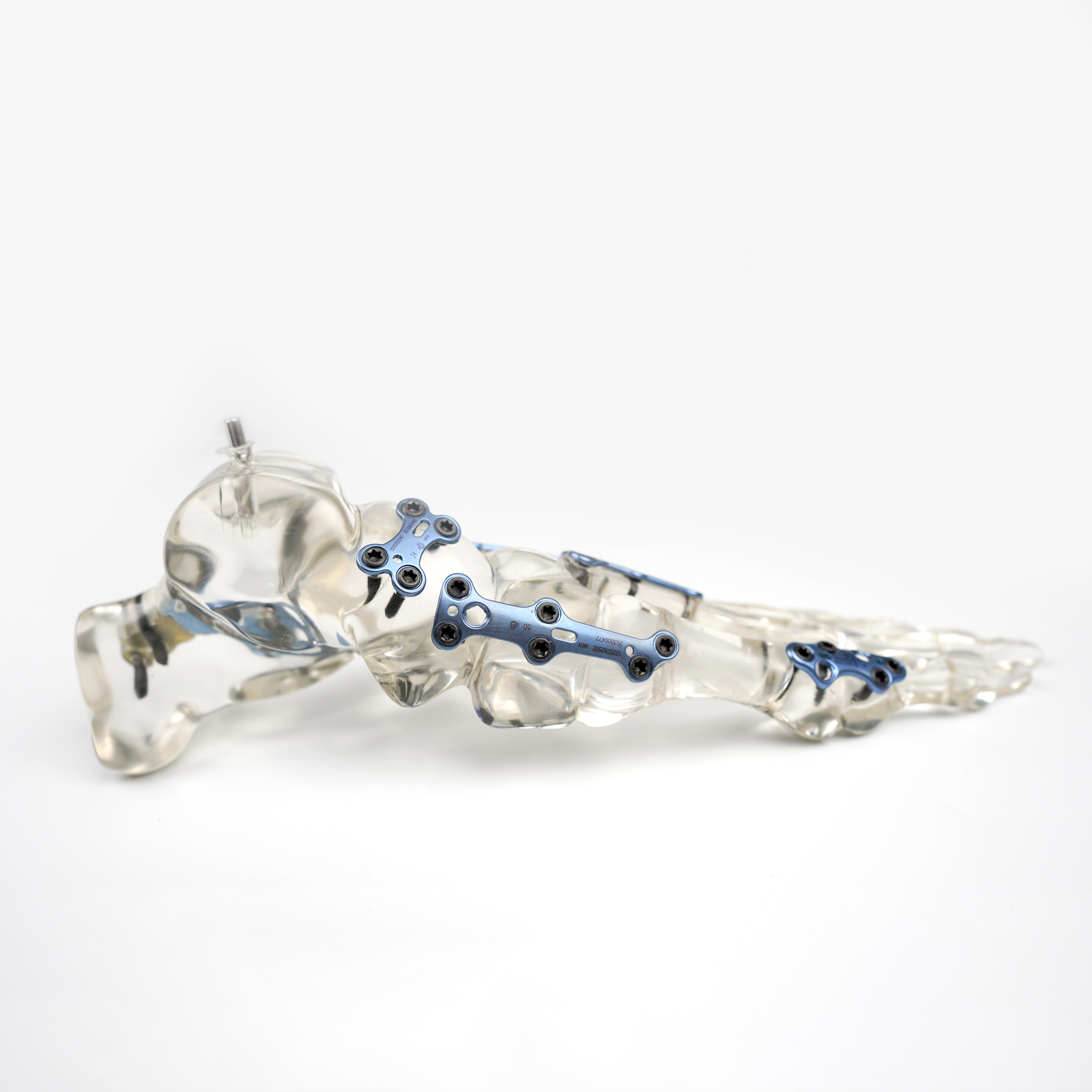
Orthopedic Implants for Foot and Ankle System Hind Foot Reconstruction
Anatomically pre-contoured locking plates integrated with targeted deep-thread cancellous fixation screws for maximum structural stability in calcaneal and talar trauma.
View Product Details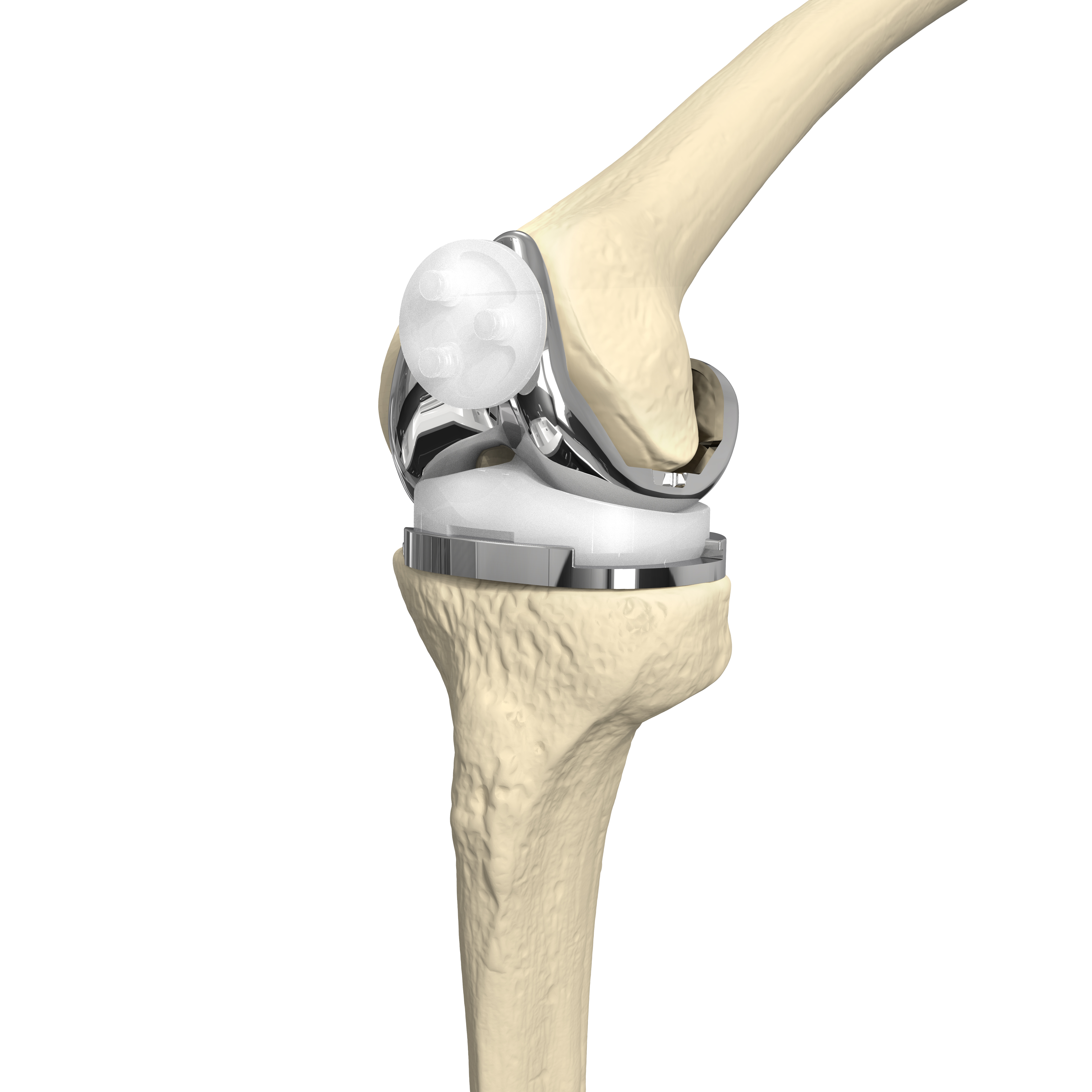
CANWELL CE Certified Arthroplasty Artificial Knee Joint Implant Kit
Precision Cobalt-Chromium-Molybdenum (CoCrMo) alloy total knee arthroplasty kit with ultra-high molecular weight polyethylene (UHMWPE) articular inserts.
View Product Details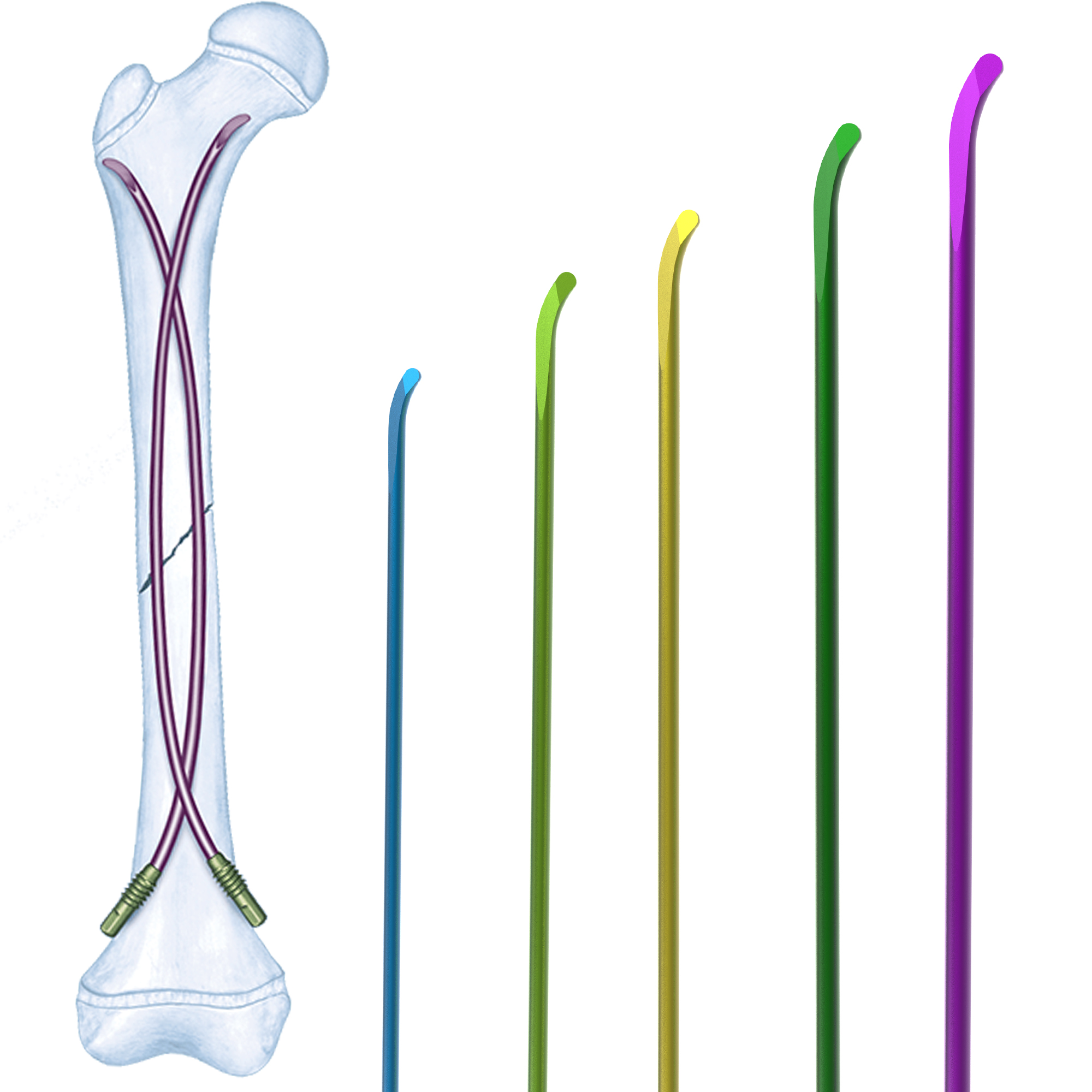
Titanium Elastic Stable Intramedullary Nail (TEN) Pediatric System
High-elasticity Ti-6Al-4V intramedullary nails engineered specifically for pediatric long-bone fracture stabilization and minimal soft-tissue disruption.
View Product Details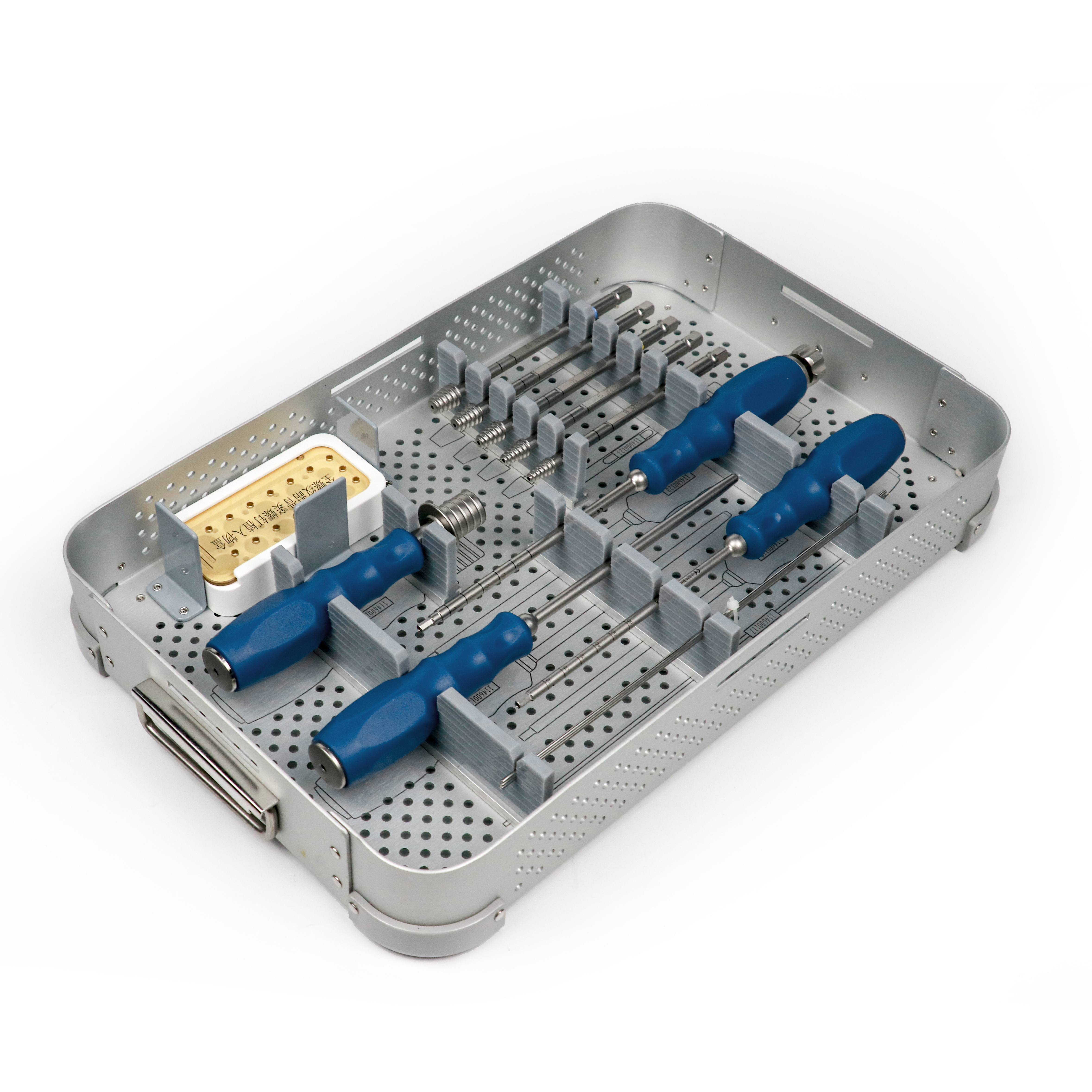
CANWELL Titanium Sinus Tarsal Locking Screw Implant (2.4/2.7mm)
Micro-pitch titanium locking screw designed for delicate tarsal reconstruction, exhibiting superior shear resistance and osseointegration profiles.
View Product Details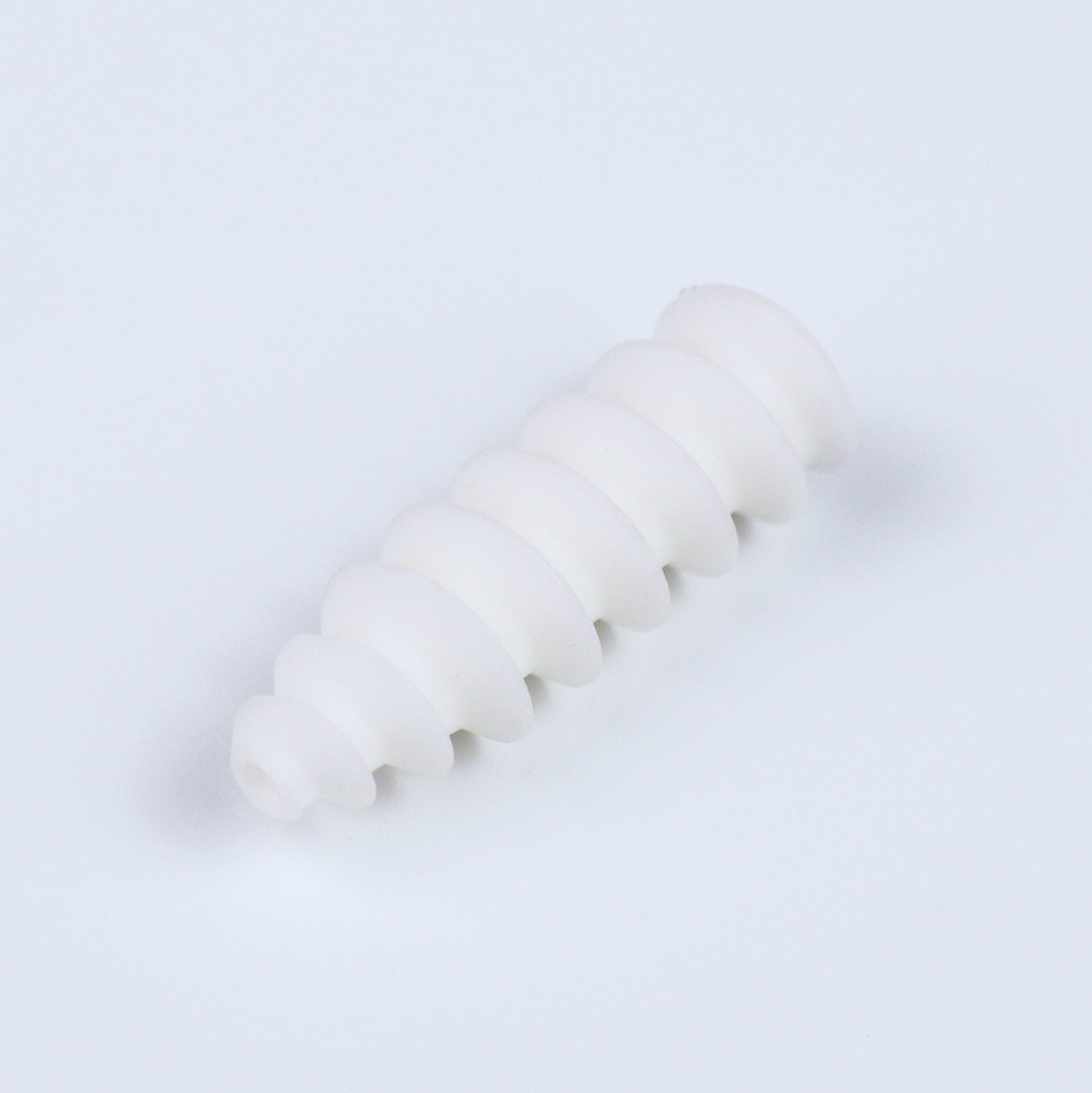
CANWELL Biodegradable PLGA ACL/PCL Reconstruction Interference Screw
Bioabsorbable Poly(lactic-co-glycolic acid) interference screws providing optimal graft tension while gradually degrading into non-toxic metabolic byproducts.
View Product Details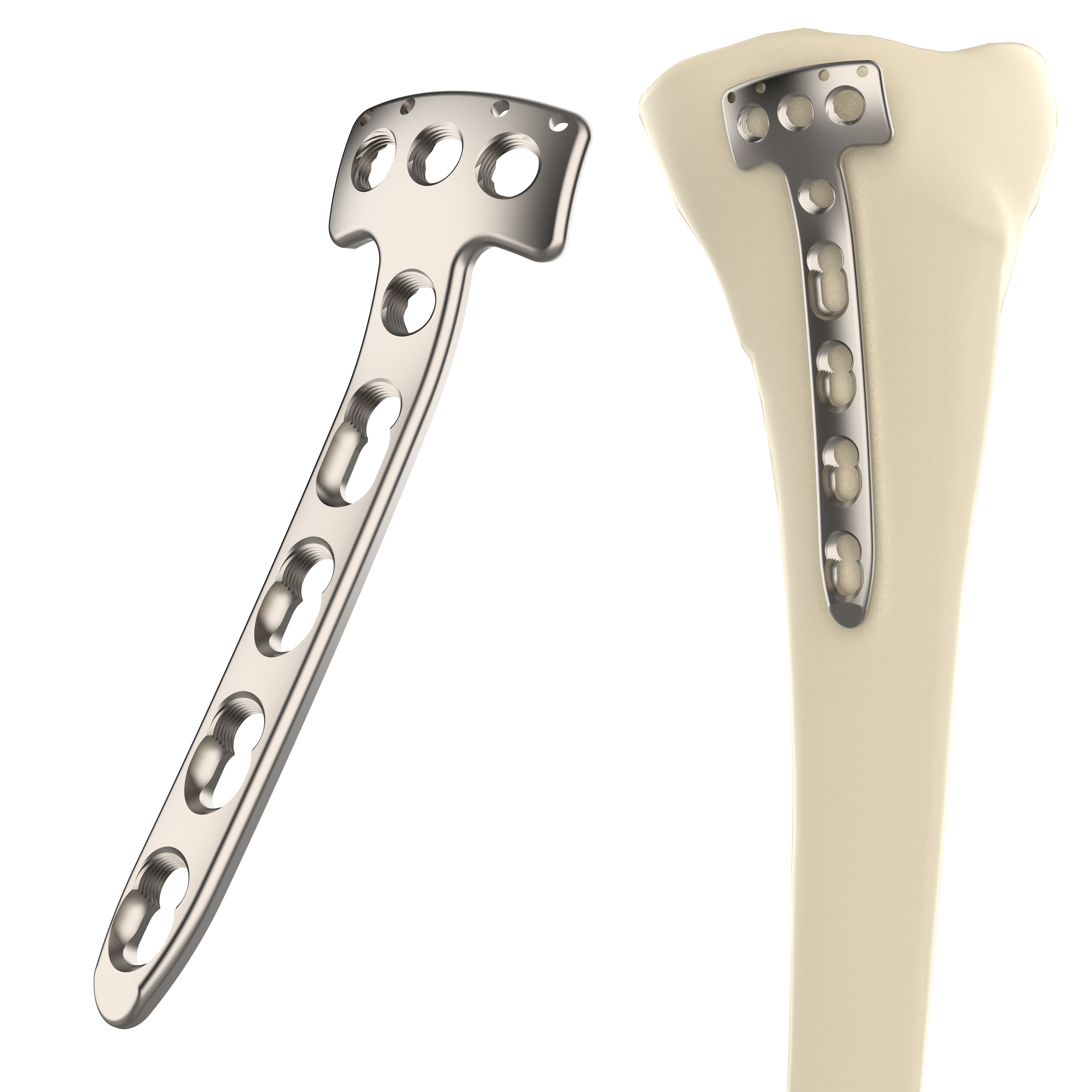
Titanium Proximal Middle Tibial Locking Plate for Tibial Plateau ORIF
Heavy-duty anatomical locking compression plate system featuring combi-holes accepting both cortical screws and deep-threaded cancellous screws.
View Product Details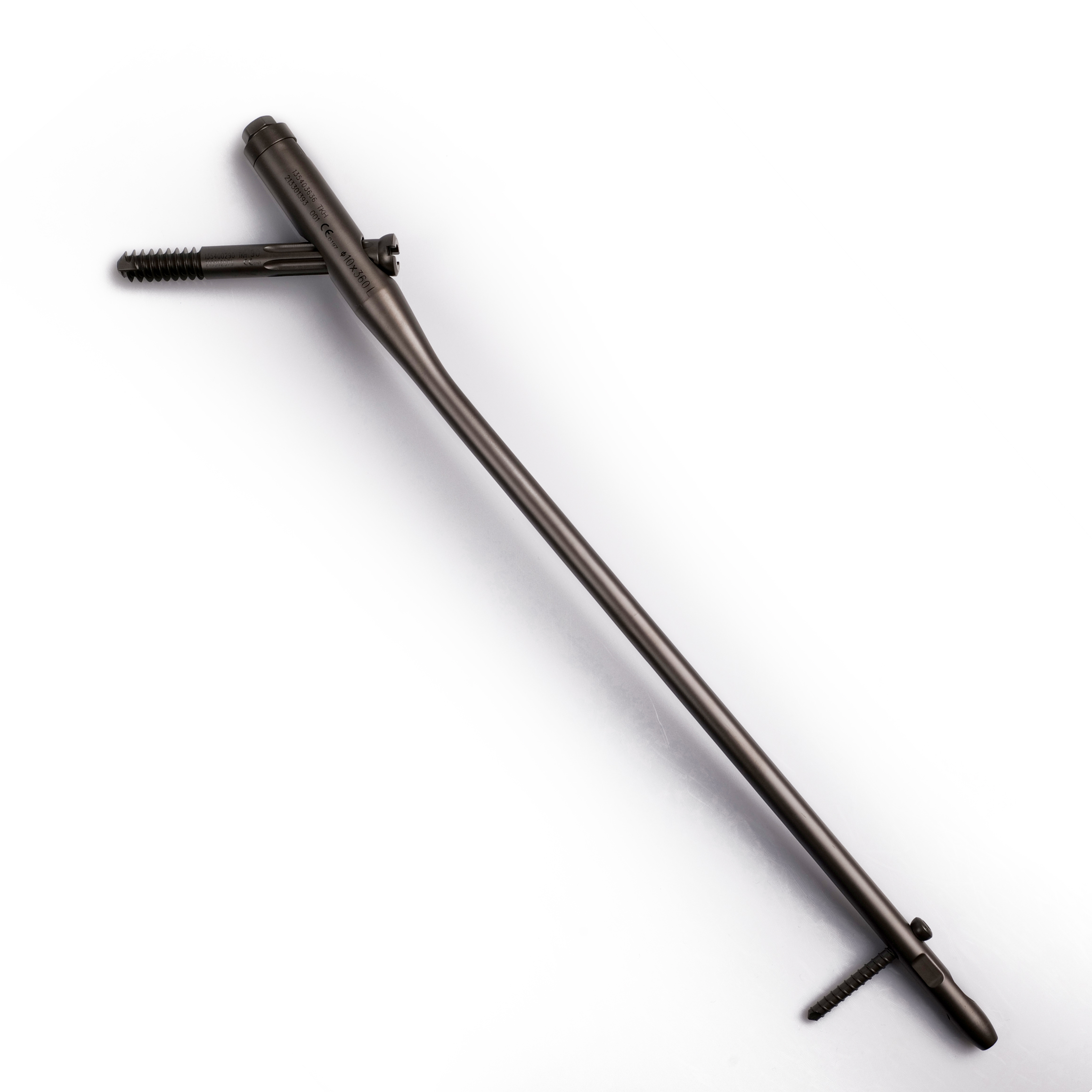
Titanium Femoral Intramedullary Nails PFNA Interlocking System
Advanced proximal femoral nail antirotation system engineered for complex trochanteric fractures, reinforced with cross-locking cancellous bone anchors.
View Product Details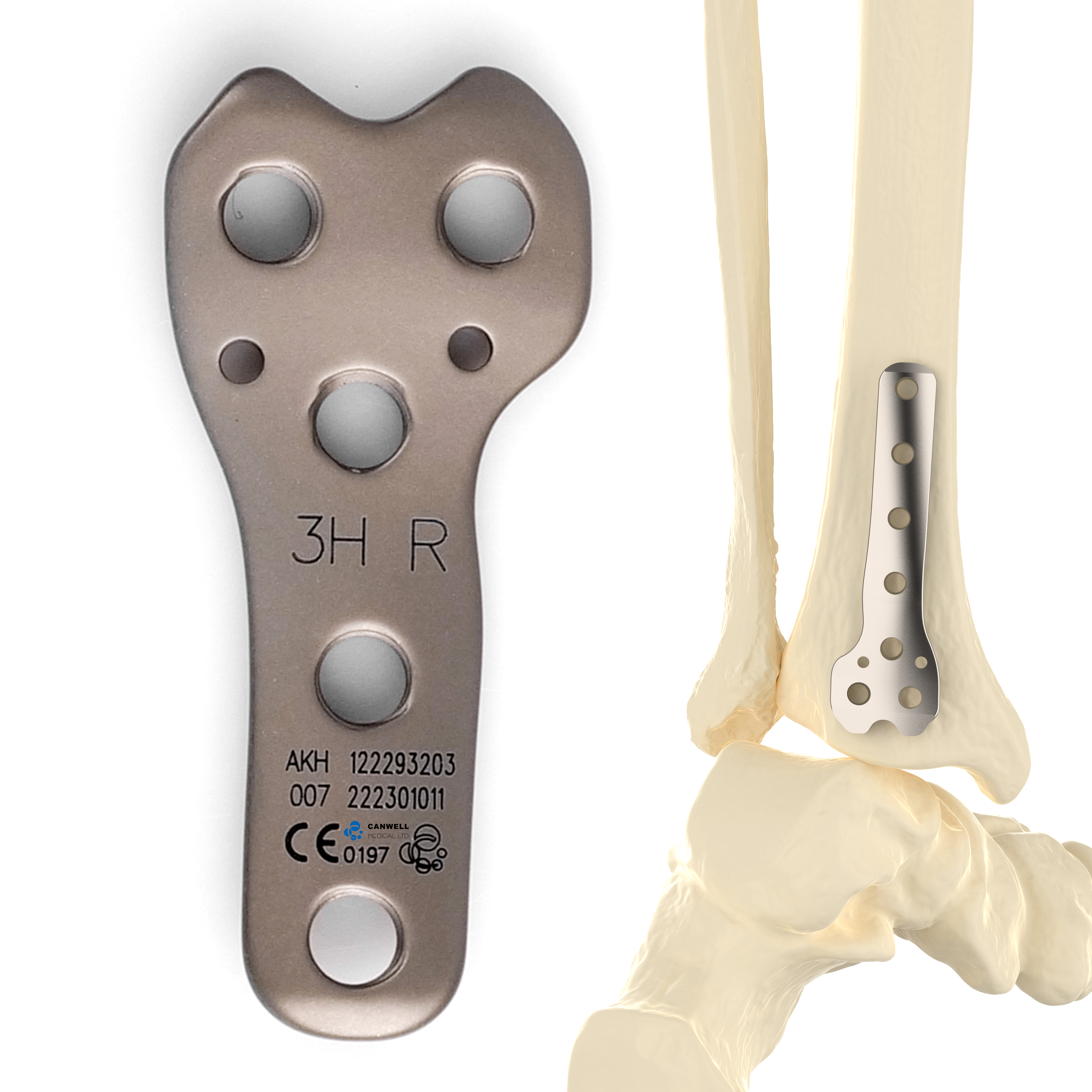
CANWELL Distal Tibial Titanium Locking Plate Posterior Compression
Low-profile titanium fracture fixation construct ensuring minimal skin tension while maximizing periarticular cancellous screw fixation strength.
View Product DetailsExecutive Whitepaper: Technical Benchmarking of Global Cancellous Screws Manufacturers
In modern orthopedic trauma surgery and joint reconstruction, cancellous bone screws represent a critical class of mechanical fixation devices. Unlike cortical screws—which are engineered with fine threads and a smaller pitch-to-diameter ratio for dense outer bone—cancellous screws feature deep threads, wide pitches, and optimized core diameters designed specifically to purchase into porous, spongy trabecular bone structure. Achieving primary stability in metapehyseal and epiphyseal bone tissue requires exceptional mechanical design, biocompatible metallurgy, and ultra-precise manufacturing tolerances.
This industry report evaluates the leading global manufacturers and exporters of cancellous screws, detailing metallurgical standards, biomechanical dynamics, quality management frameworks, and the shifting procurement landscape facing hospital purchasing boards and orthopedic distributors worldwide.
Enterprise Infrastructure & Manufacturing Capability (Zhejiang INAR Medical / CANWELL)
Zhejiang INAR Medical Co., Ltd. (incorporating CANWELL product lines) stands out among global orthopedic OEMs due to its vertically integrated manufacturing infrastructure and rigorous Quality Management System (QMS). Assessed onsite by SGS Group, INAR Medical operates one of the most technologically sophisticated orthopedic production centers in Asia.
From initial titanium alloy bar stock cutting to 5-axis CNC Swiss longitudinal turning, automatic surface polishing, ultrasonic washing, penetrant defect testing, and Class 100,000 aseptic cleanroom packaging, every single batch of cancellous screws undergoes a rigorous 13-stage manufacturing and inspection protocol.
Biomechanical Engineering Matrix: Cancellous Screw Parameters
To assist clinical procurement committees in evaluating screw specifications, the matrix below outlines standard engineering parameters across primary cancellous screw categories manufactured by top-tier suppliers:
| Screw Diameter Range | Thread Type & Profile | Core Diameter Ratio | Primary Clinical Indication | Material Specification |
|---|---|---|---|---|
| 3.5mm - 4.0mm (Small Fragment) | Partial / Full Thread, Deep Cut (1.75mm Pitch) | 0.55 - 0.60 | Ankle, Medial Malleolus, Navicular, Radial Head | Ti-6Al-4V ELI (ASTM F136) / 316L VM |
| 4.5mm - 5.0mm (Medium Fragment) | Cannulated / Solid, Asymmetric Pitch | 0.52 - 0.58 | Tibial Plateau, Femoral Condyle, Calcaneus | Ti-6Al-4V ELI / ISO 5832-3 Titanium |
| 6.5mm - 7.3mm (Large Fragment) | Cannulated Self-Tapping (2.75mm Pitch) | 0.48 - 0.52 | Femoral Neck, Subtrochanteric, Sacroiliac Joint | High-Strength Titanium / 316L Stainless |
| Bioabsorbable (2.0 - 6.0mm) | Tapered Interference Thread | N/A (Solid Polymer) | ACL / PCL Ligament Graft Soft-Tissue Fixation | PLGA (Poly-L-lactide-co-glycolide) |
Methodology: Criteria Defining the Top 10 Global Manufacturers & Exporters
When shortlisting world-class suppliers for hospital tenders and international distributor networks, strategic sourcing directors evaluate candidates against four key operational pillars:
Development & Technological Trends in Cancellous Screw Design
The field of osteosynthesis hardware is undergoing rapid innovation focused on accelerating bone healing, reducing surgical invasiveness, and preventing bacterial colonization. Prominent R&D trajectories include:
A. Cannulated Wire-Guided Systems: Modern cancellous screws, particularly in 6.5mm and 7.3mm sizes used for femoral neck fixation, are increasingly manufactured as hollow cannulated devices. This allows precise percutaneous insertion over a Kirschner wire (K-wire) under fluoroscopic guidance, minimizing surgical trauma and operative duration.
B. Dual-Thread and Variable-Pitch Mechanics: Advanced compression screws utilize differential pitch designs between the proximal head and distal shaft. As the screw advances, the thread pitch variation creates dynamic interfragmentary compression across the fracture line without requiring a traditional countersunk screw head.
C. Bioresorbable PLGA/PLLA Materials: In sports medicine and pediatric trauma, bioabsorbable interference screws made of Poly(lactic-co-glycolic acid) (PLGA) are replacing permanent metallic hardware. These polymer matrices provide structural fixation for 6-12 months before safely hydrolyzing into lactic acid and glycolic acid, eliminated naturally by human metabolic pathways.
D. Surface Modifications & Antibacterial Anodization: Electrochemical Type II anodization of titanium constructs alters the surface oxide layer, enhancing fatigue limit under cyclic load while lowering surface roughness ($Ra$) to minimize biofilm formation and surgical site infection (SSI) risks.
Future Procurement Trends for Global B2B Importers & Hospitals (2025–2030)
As global healthcare systems focus on cost-containment without compromising patient safety, purchasing dynamics among medical device importers and distributor networks are undergoing key shifts:
- Consolidation of Supply Chains: Hospital chains prefer single-source OEM suppliers capable of bundling trauma plates, intramedullary nails, pedicle screws, and cancellous screws with complete, reusable surgical instrument trays.
- Growth of Private-Label OEM/ODM Customization: Regional brand owners in Europe, Latin America, and the Middle East are partnering directly with accredited manufacturers like INAR Medical to produce laser-marked, custom-contoured implants under localized brand registration.
- Enhanced Traceability via UDI (Unique Device Identification): Global regulatory agencies now mandate barcode/laser-etched UDI markings directly onto screw heads for real-time surgical inventory tracking and intraoperative supply verification.
Why Global Brands Partner with Zhejiang INAR Medical Co., Ltd.
With over two decades of dedicated manufacturing excellence, Zhejiang INAR Medical has established itself as an authoritative partner for international medical procurement teams. Key enterprise strengths include:
Frequently Asked Questions (FAQ) for Global Importers & Procurement Officers
Request a Customized OEM Quotation & Technical Dossier
Partner with an SGS-verified orthopedic manufacturer. Get direct access to factory pricing, regulatory certification kits, surgical instrument sets, and custom OEM product samples.