Primary Orthopedic & Trauma Systems
Precision-engineered locking plates, intramedullary nails, and surgical instrument kits manufactured in ISO 13485 cleanroom facilities.
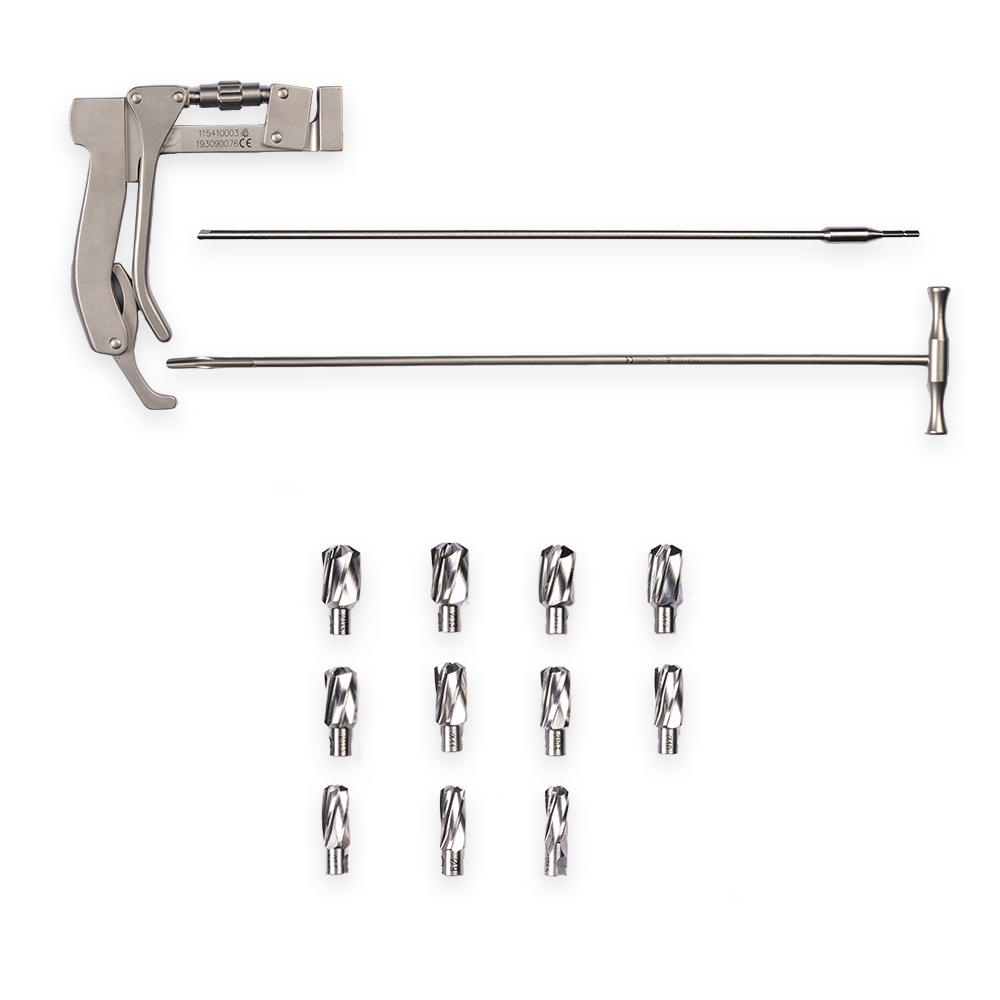
CANWELL Flexible Reamer Set for Intramedullary Surgery
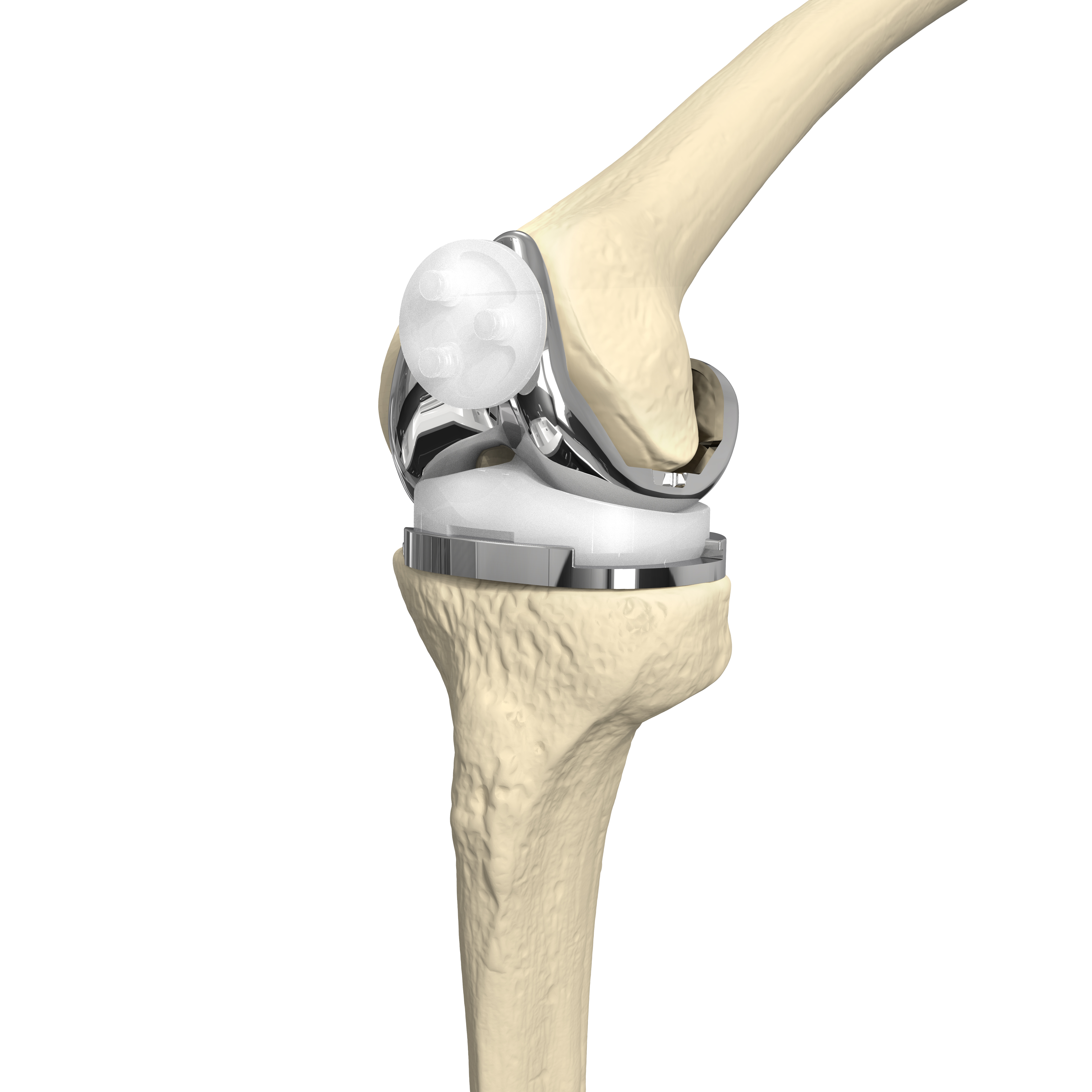
CANWELL Primary Total Knee Replacement Kit
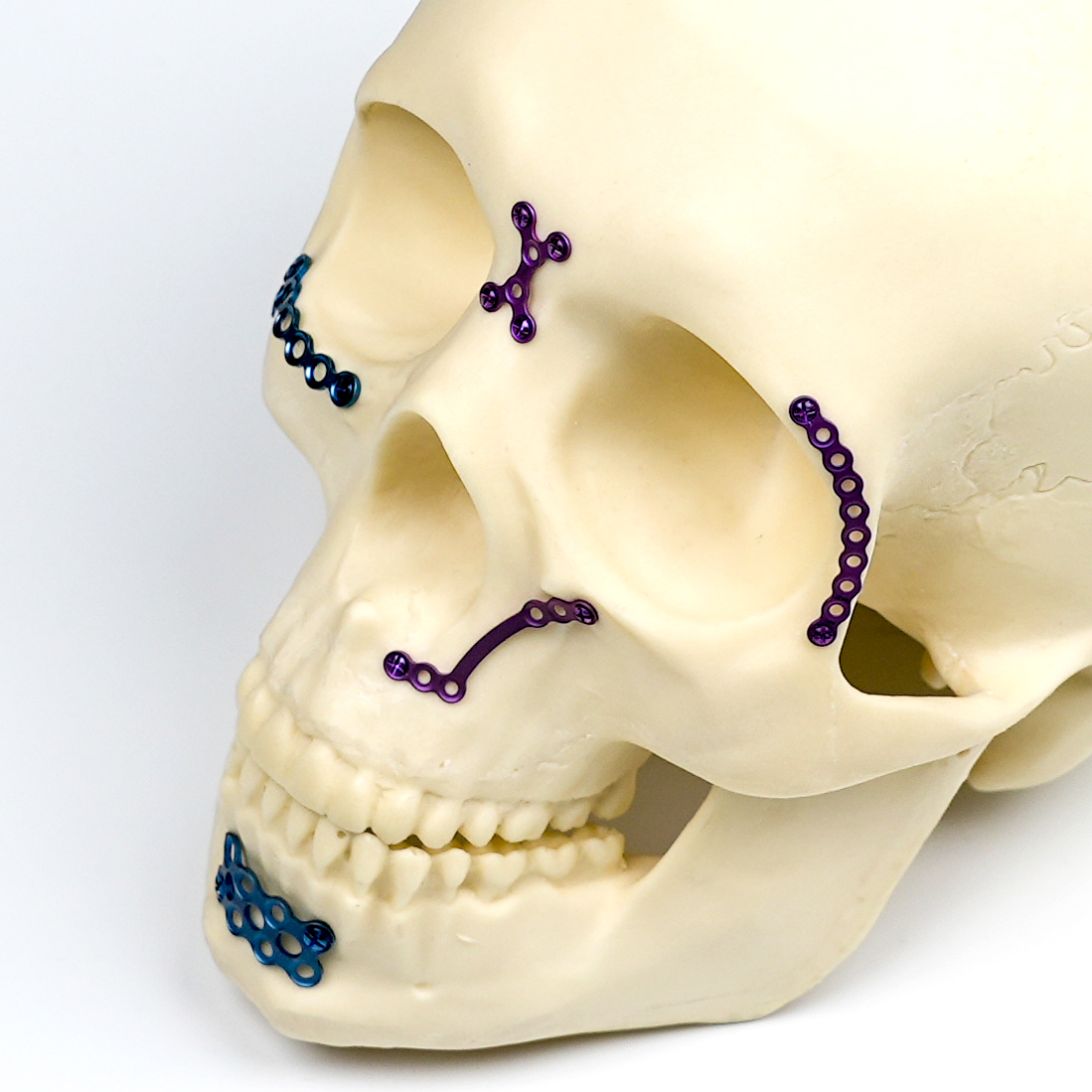
CANWELL CMF Titanium Maxillofacial System
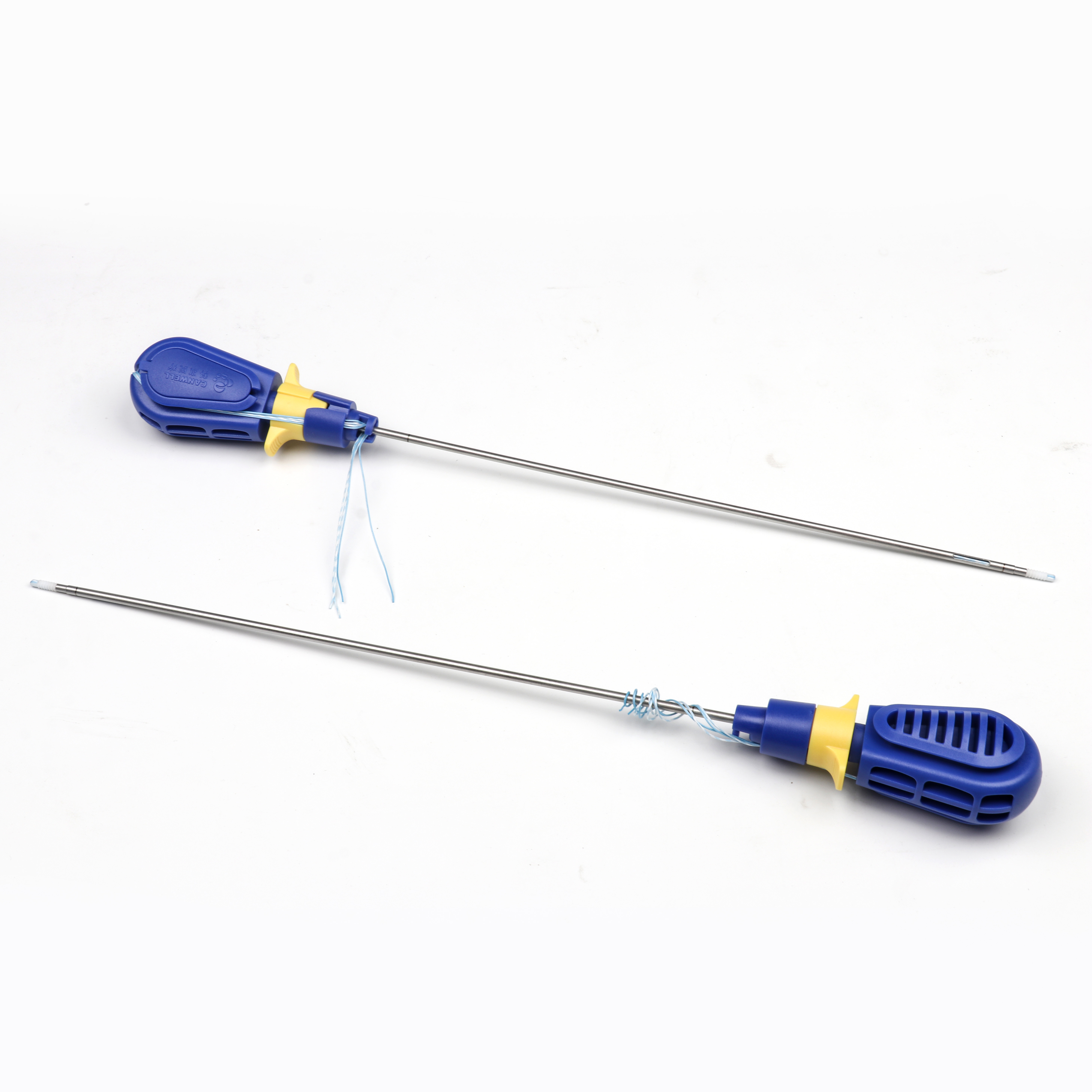
CANWELL Knotless Bioabsorbable PLGA Suture Anchor
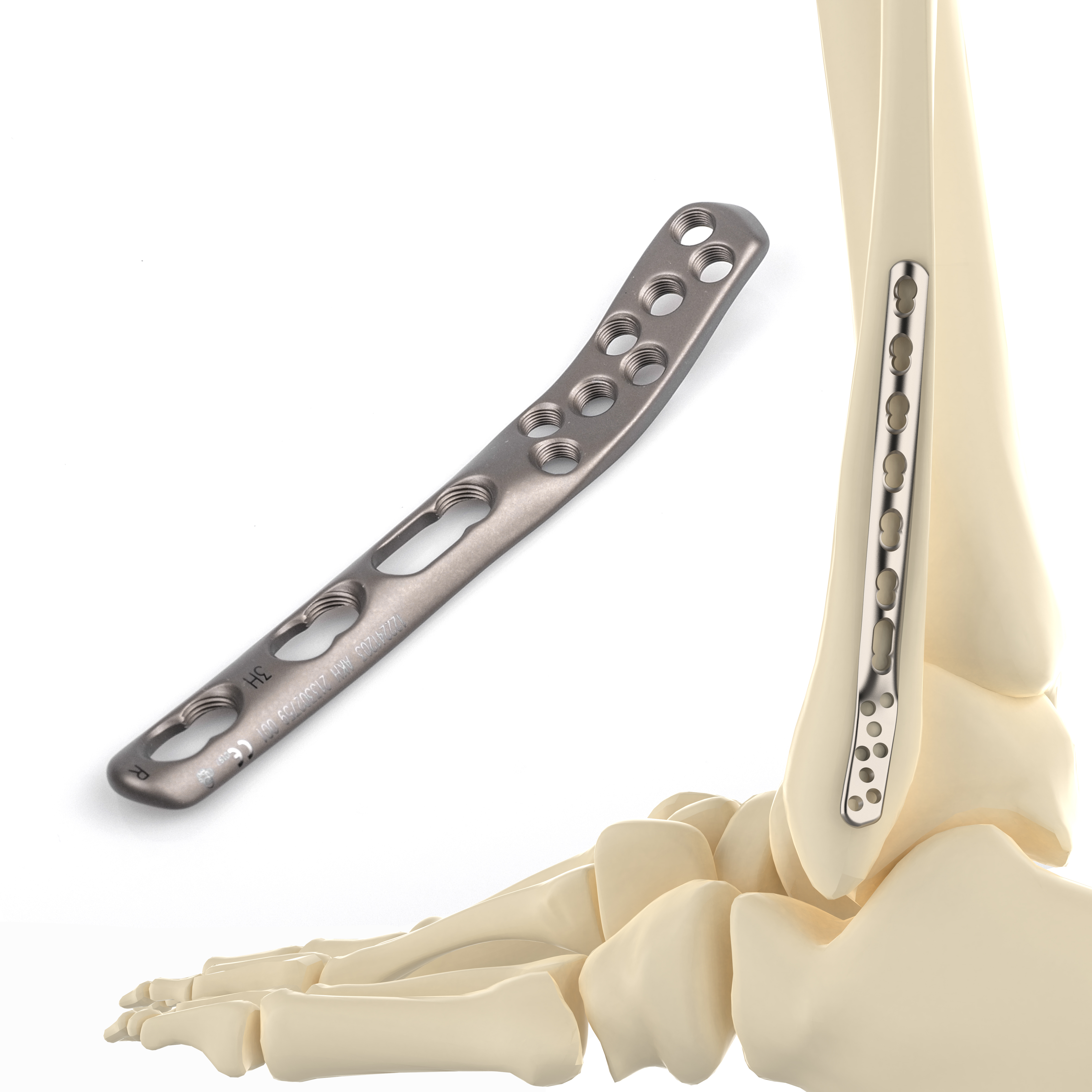
Titanium Posterolateral Distal Fibula Locking Plate
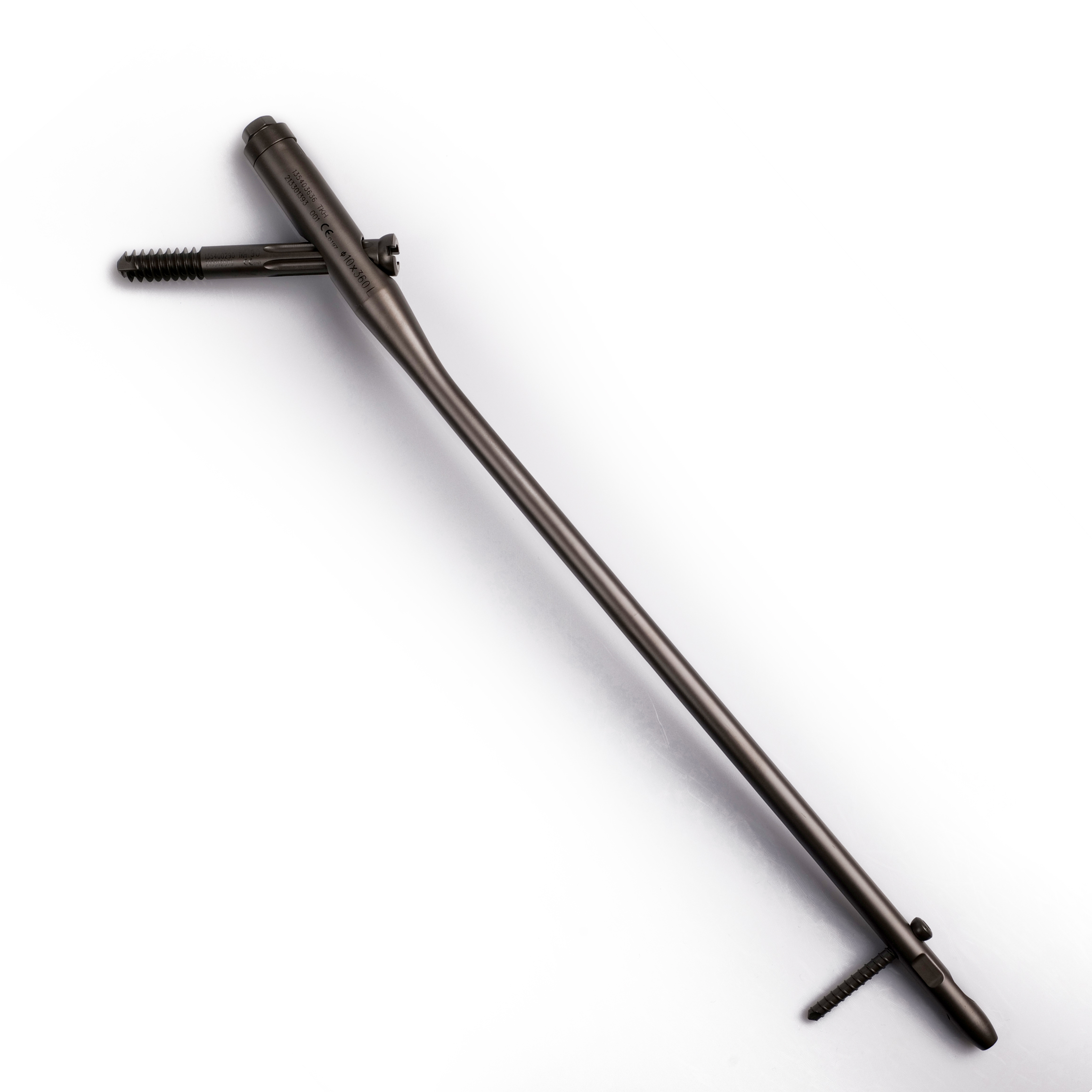
CANWELL Titanium Femoral Intramedullary Nail (PFNA)
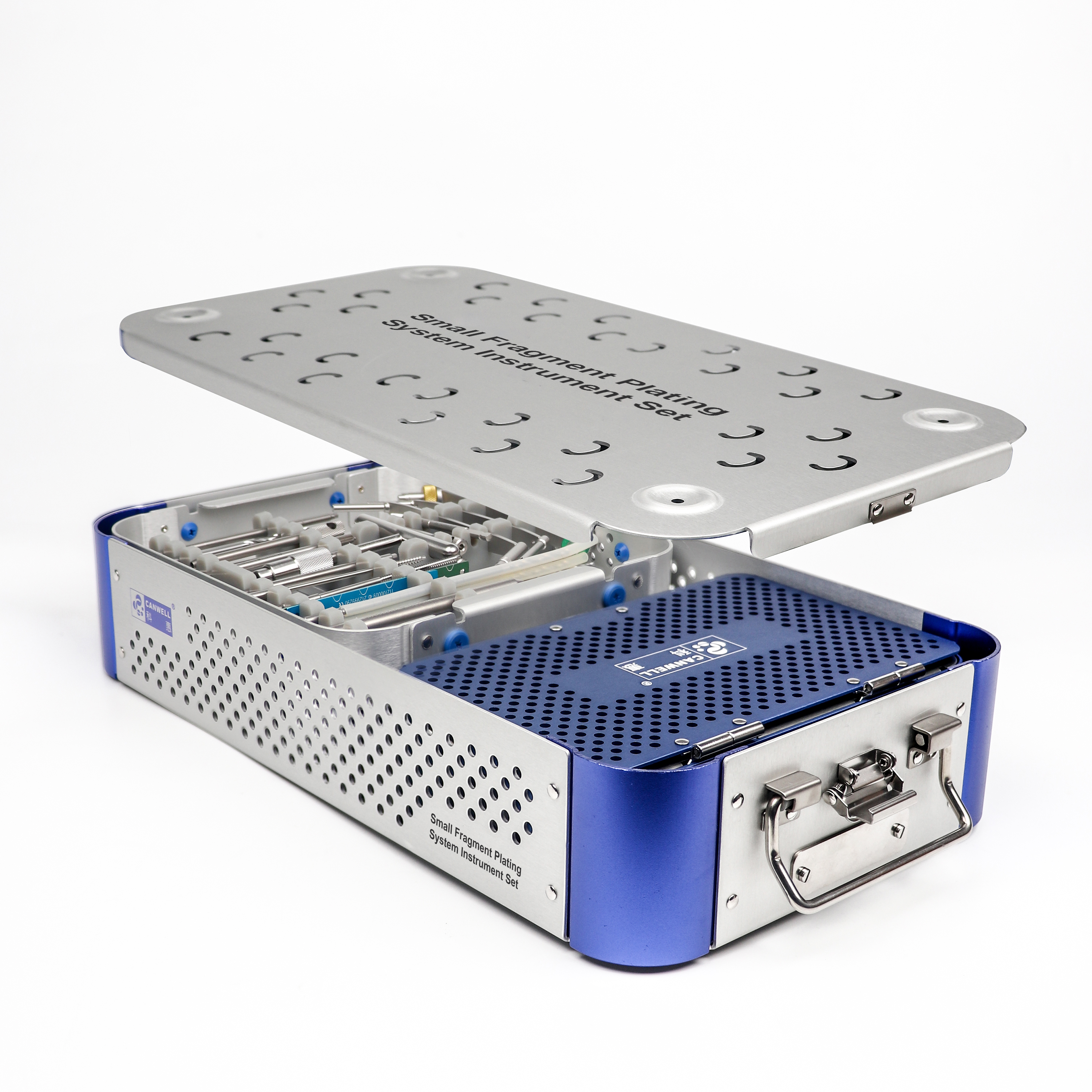
CANWELL Small Fragment Surgical Instrument Set
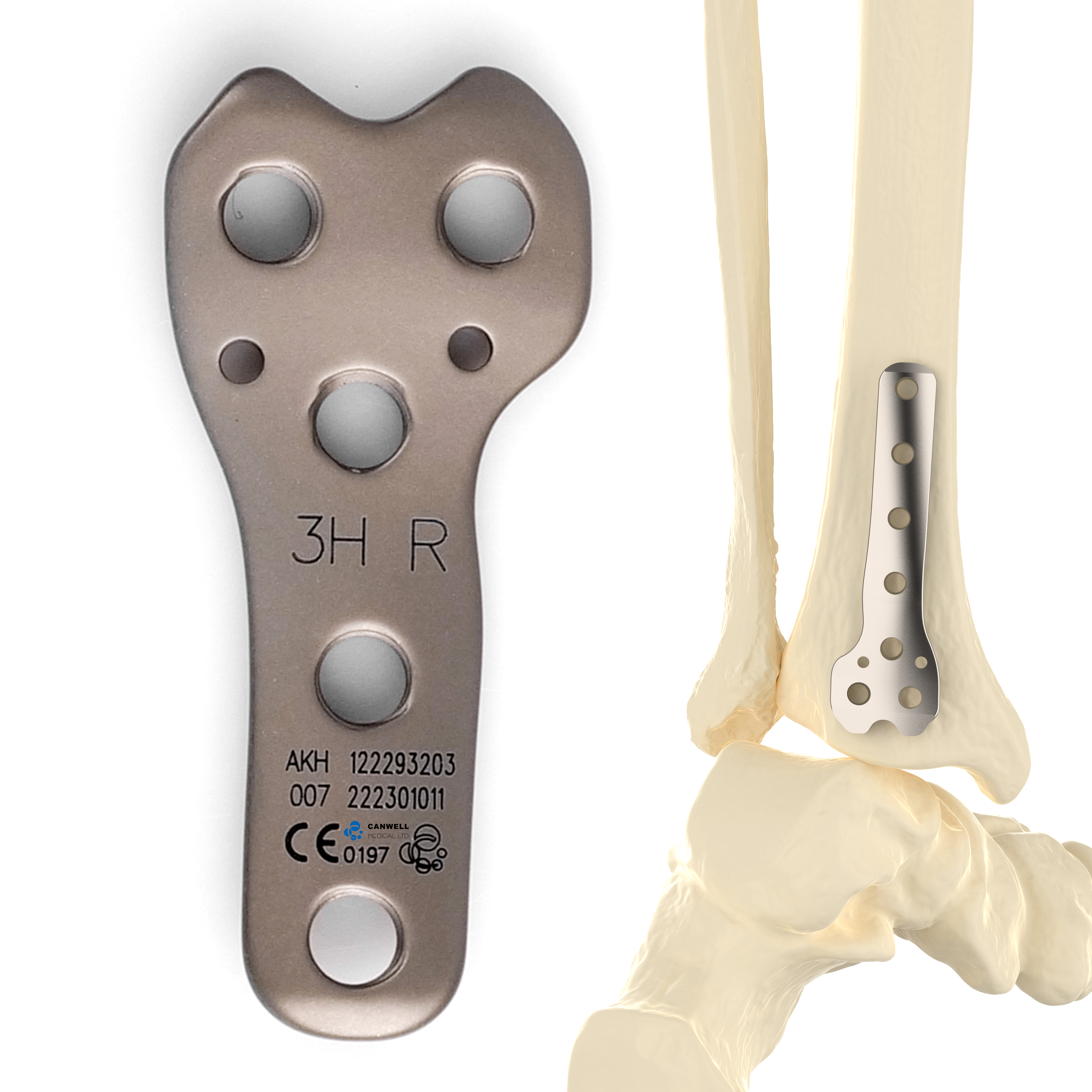
Distal Tibial Posterior Titanium Locking Compression Plate
Biomechanical Mechanics of Modern Femoral Fracture Fixation
Evaluating internal stabilization strategies, structural fatigue behavior, and material selection criteria for global hospital procurement.
The femur represents the largest, longest, and strongest load-bearing bone in the human body. Consequently, traumatic fractures of the femoral shaft, proximal neck, subtrochanteric zone, and distal condyles present extreme mechanical demands on internal fixation devices. Modern orthopedic traumatology relies heavily on Anatomical Titanium Locking Compression Plates (LCP) to establish structural stability, promote secondary callus formation, and allow early physiological weight-bearing.
Over the past decade, the paradigm in surgical fracture management has evolved from rigid structural compression to biological elastic stabilization. Advanced locking plate constructs act as internal extramedullary fixators, bridging complex comminuted fracture zones (AO/OTA Type 32 and Type 33 fractures) while maintaining localized axial micro-motion. This micro-motion triggers intermembranous bone healing without risking mechanical fatigue failure of the implant construct.
Proximal Femoral Zone (AO 31)
Trochanteric and subtrochanteric fractures endure severe bending moments and torsional forces. Dynamic Hip Screw (DHS) systems and Proximal Femoral Locking Plates require high-tensile Ti-6Al-4V ELI alloy to prevent screw cut-out and implant breakage.
Femoral Shaft Segment (AO 32)
High-energy diaphysis fractures require long bridging plates with combi-holes. The mechanical objective is achieving optimal working length while avoiding stress risers that lead to delayed non-union or secondary hardware loosening.
Distal Condylar Radius (AO 33)
Intra-articular supracondylar fractures necessitate multi-planar variable-angle locking screws. Anatomically pre-shaped lateral distal femur plates preserve knee joint alignment and articular congruity during weight-bearing restoration.
Metallurgical Specifications & Engineering Standards
Comparing implant metallurgy, fatigue life parameters, and screw thread locking physics for institutional tendering.
When hospital procurement committees evaluate leading femur plate exporters, material purity and fatigue endurance parameters dictate long-term surgical success. Medical-grade titanium alloy (Ti-6Al-4V ELI / ASTM F136) offers a significantly lower modulus of elasticity (approx. 110 GPa) compared to 316L stainless steel (approx. 200 GPa). This closer proximity to cortical bone density (18-22 GPa) reduces "stress shielding" effects and accelerates peri-implant cortical remodelling.
| Performance Parameter | Ti-6Al-4V ELI Alloy (Grade 5) | 316LVM Surgical Stainless Steel | Clinical / B2B Impact |
|---|---|---|---|
| Ultimate Tensile Strength (MPa) | ≥ 860 MPa | ≥ 690 MPa | Higher resistance to plastic deformation under dynamic load. |
| Fatigue Endurance Limit (ASTM F382) | 1,000,000 Cycles @ 75% Yield | 1,000,000 Cycles @ 50% Yield | Prevents fatigue fracture in non-union/delayed union cases. |
| Modulus of Elasticity (GPa) | 110 GPa | 193 GPa | Reduced stress shielding; preserves physiological bone strain. |
| Biocompatibility & MRI Safety | Non-magnetic, minimal artifact | Slight artifact potential | Superior post-operative radiological evaluation via CT/MRI. |
| Locking Mechanism Interface | Cold-welding thread engagement | Friction fit / standard thread | Eliminates screw back-out and loss of reduction under load. |
Variable-Angle vs. Fixed-Angle Locking Systems
First-generation locking compression plates featured mono-axial fixed-angle screw holes. While structurally robust, rigid directionality limited surgical options when managing complex articular fractures or poor bone stock in osteoporotic patients. Modern titanium femur locking plate systems utilize Polyaxial / Variable-Angle Locking Technology. This design allows surgeons to angle screws within a 30-degree cone prior to locking, facilitating targeted trajectory around joint surfaces, prosthesis stems, or existing osteosynthesis hardware.
Top 10 Femur Plates Manufacturers & Exporters Analysis
An evaluation of market leaders, OEM supply capabilities, regulatory depth, and manufacturing scale across North America, Europe, and Asia-Pacific.
Selecting an OEM/ODM manufacturing partner for orthopedic implants requires evaluating operational history, regulatory approvals (EU MDR 2017/745, US FDA 510k), production capacity, and batch-to-batch consistency. Below is a structural analysis of the top global femur plate manufacturing hubs:
1. DePuy Synthes (Johnson & Johnson)
Headquarters: USA / Switzerland | Focus: LCP Distal Femur, VA-LCP Systems
Recognized for pioneer research in AO/ASIF fracture management. Premium market pricing with extensive global clinical presence, targeting tier-1 academic research hospitals.
2. Stryker Corporation
Headquarters: USA | Focus: AxSOS 3 Titanium Locking System
Industry leader in trauma hardware and power tools. Offers advanced anatomically contoured condylar plates with monoaxial and polyaxial options.
3. Zimmer Biomet
Headquarters: USA | Focus: NCB (Non-Contact Bridging) Femur System
Pioneered polyaxial locking plates that allow tactile feel prior to locking. Strong emphasis on complex revision trauma and joint reconstruction.
4. Smith & Nephew
Headquarters: United Kingdom | Focus: PERI-LOC Periarticular Locked Plating
Specializes in low-profile titanium plates designed to minimize soft tissue irritation in distal femoral and proximal tibial applications.
5. Zhejiang INAR Medical Co., Ltd. (CANWELL)
Headquarters: China | Focus: Complete OEM/ODM Femur Locking Plates & PFNA Systems
SGS-verified premier manufacturer featuring 22+ years experience, 632 staff, and 29,523 m² facility. Delivers CE MDR compliant titanium locking plates, interlocking nails, and custom instrument kits at competitive export prices.
6. Arthrex Orthopedics
Headquarters: USA | Focus: Minimally Invasive Supracondylar Plates
Renowned for sports medicine innovation and minimally invasive plate insertion technique (MIPO) instrumentation.
7. B. Braun (Aesculap)
Headquarters: Germany | Focus: Targo-SYS Osteosynthesis
High precision German engineering focusing on premium stainless steel and titanium trauma osteosynthesis implants for European hospital networks.
8. Globus Medical
Headquarters: USA | Focus: Anthem Trauma Plating Systems
Rapidly expanding trauma division offering streamlined, anatomical locking compression plates designed for speed of surgical application.
9. Medartis AG
Headquarters: Switzerland | Focus: APTUS TriLock Technology
Swiss specialized manufacturer known for high-precision multi-directional locking systems with smooth intraoperative alignment options.
10. Orthofix Medical
Headquarters: USA / Italy | Focus: Hybrid Internal/External Femoral Fixation
Integrates internal osteosynthesis plates with pediatric and adult dynamic limb lengthening fixators for specialized reconstructive surgery.
Why Global Importers Partner with INAR / CANWELL Medical
Over 22 years of precision engineering, full vertical integration, and rigorous SGS-verified quality management.
Dedicated research & manufacturing in orthopedic implants since 2003.
Skilled machinists, biomedical engineers, and international regulatory experts.
State-of-the-art CNC machining, anodizing, and cleanroom facilities in Zhejiang.
Compliant with EU MDR 2017/745 & Directive 93/42/EEC with SGS audit clearance.
End-to-End 13-Step Precision Manufacturing Process
Every femur plate and locking screw manufactured at our site undergoes a rigorous, traceable 13-stage manufacturing and inspection protocol to guarantee zero surface defects and total mechanical reliability.
Raw Material Inspection
Certified Grade 5 Titanium bar stock (Ti-6Al-4V ELI) subjected to spectral composition analysis.
Longitudinal Cutting
High-speed precision saw cutting of metal blanks according to plate thickness specifications.
Multi-Axis CNC Machining
Swiss-type 5-axis CNC machining centers contour anatomical curvature and execute combi-holes.
Surface Polishing
Automated and manual edge deburring to eliminate sharp transitions and prevent soft tissue snagging.
Ultrasonic Washing I
Multi-stage detergent washing cycles removing cutting fluids and microscopic particulates.
Precision Grinding
Micro-grinding of plate surfaces to achieve exact dimensional tolerance and uniform thickness.
Sand-Blasting Treatment
Controlled aluminum oxide media blasting for consistent matte satin surface finish.
Penetrant Testing
Fluorescent dye penetrant inspection under UV light detecting micro-fissures or stress cracks.
Anodizing & Color Coding
Electrochemical Type II anodization forming protective oxide layers and color coding by screw diameter.
Ultrasonic Washing II
Final pass ultrapure pyrogen-free deionized water rinsing before cleanroom transfer.
100% OQC Inspection
Coordinate Measuring Machine (CMM) verification of thread pitch, hole alignment, and plate contour.
Aseptic Cleanroom Packing
ISO Class 7 cleanroom sealing into double-peel Tyvek pouches ready for Gamma/EtO sterilization.
Future Procurement & Technological Trends in Femoral Osteosynthesis
Key shifts impacting orthopedic tender specifications, supply chain resilience, and regulatory barriers over the next decade.
1. Patient-Specific 3D Contouring
Standard off-the-shelf plates often require intraoperative bending, which induces stress concentrations. High-end procurement tenders are increasingly demanding pre-contoured plates based on regional CT database morphometrics, minimizing operative time and metal fatigue.
2. Bio-Resorbable Composite Augmentation
Integrating absorbable PLGA or magnesium-based bone graft anchors with traditional titanium plates is gaining traction in osteoporotic fracture repair. This hybrid approach provides initial rigid fixation followed by gradual load transfer as bone density regenerates.
3. Heightened EU MDR & FDA Regulatory Barriers
With the sunsetting of MDD 93/42/EEC, medical device distributors face stringent clinical evaluation requirements under EU MDR 2017/745. Importers are consolidating supply chains toward accredited OEM manufacturers capable of delivering full technical documentation and batch traceability.
Frequently Asked Procurement Questions (FAQ)
Direct technical and commercial answers for orthopedic distributors, hospital procurement leads, and tender officers.
Which regulatory certifications accompany INAR / CANWELL femur plates for global tenders?
What OEM and ODM custom options are available for trauma locking plate orders?
Why is Titanium Alloy (Ti-6Al-4V ELI) preferred over Stainless Steel for distal femur plates?
How are dynamic fatigue limits validated for long bone locking plates?
What are the standard lead times, MOQs, and shipping terms for international distributor orders?
Partner with a Certified Orthopedic Implant Manufacturer
Request complete product catalogs, surgical technique guides, MDR compliance documentation, and competitive OEM/ODM pricing for your market tenders.