Featured Interlocking Screws & Intramedullary Solutions
Explore CE MDR and ISO 13485 certified trauma fixation systems engineered for optimal load transfer, angle-stable locking, and fatigue resistance.
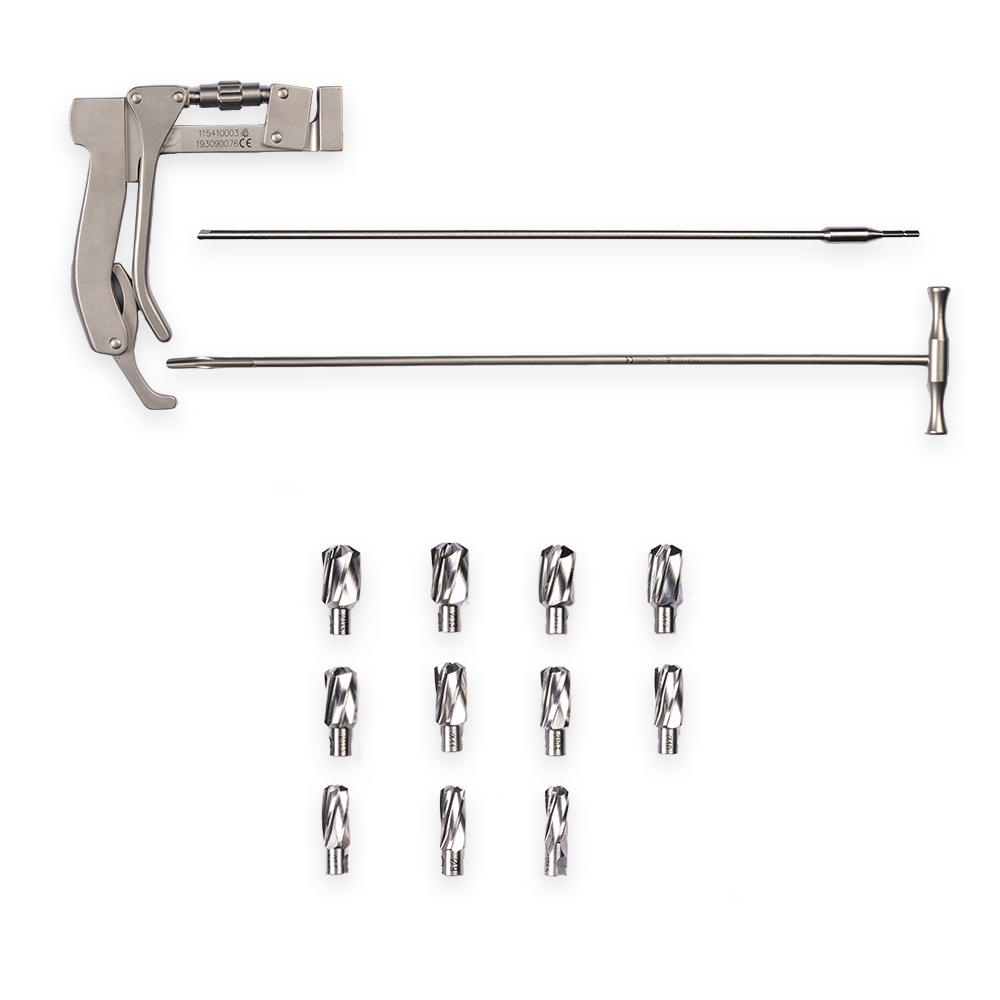
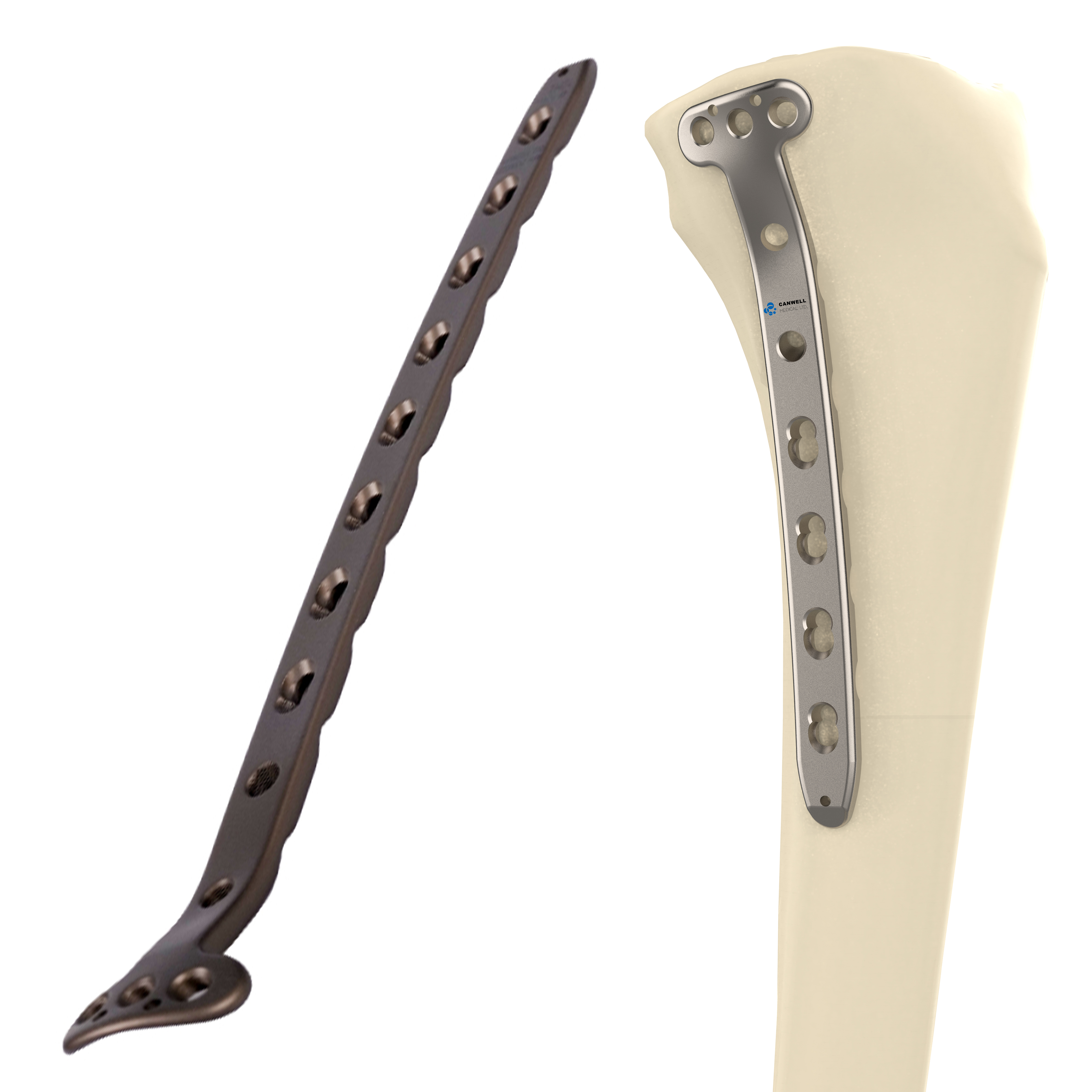
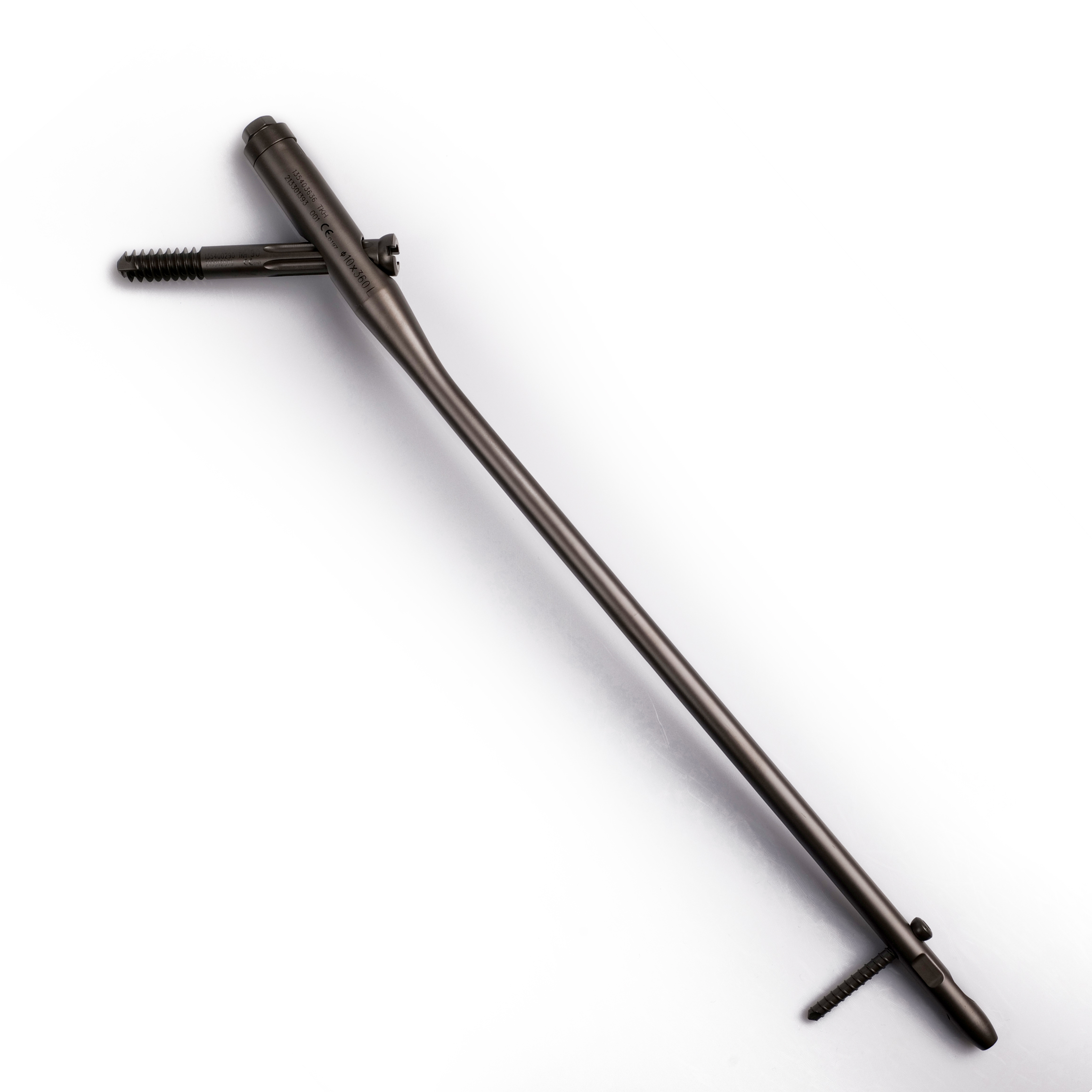
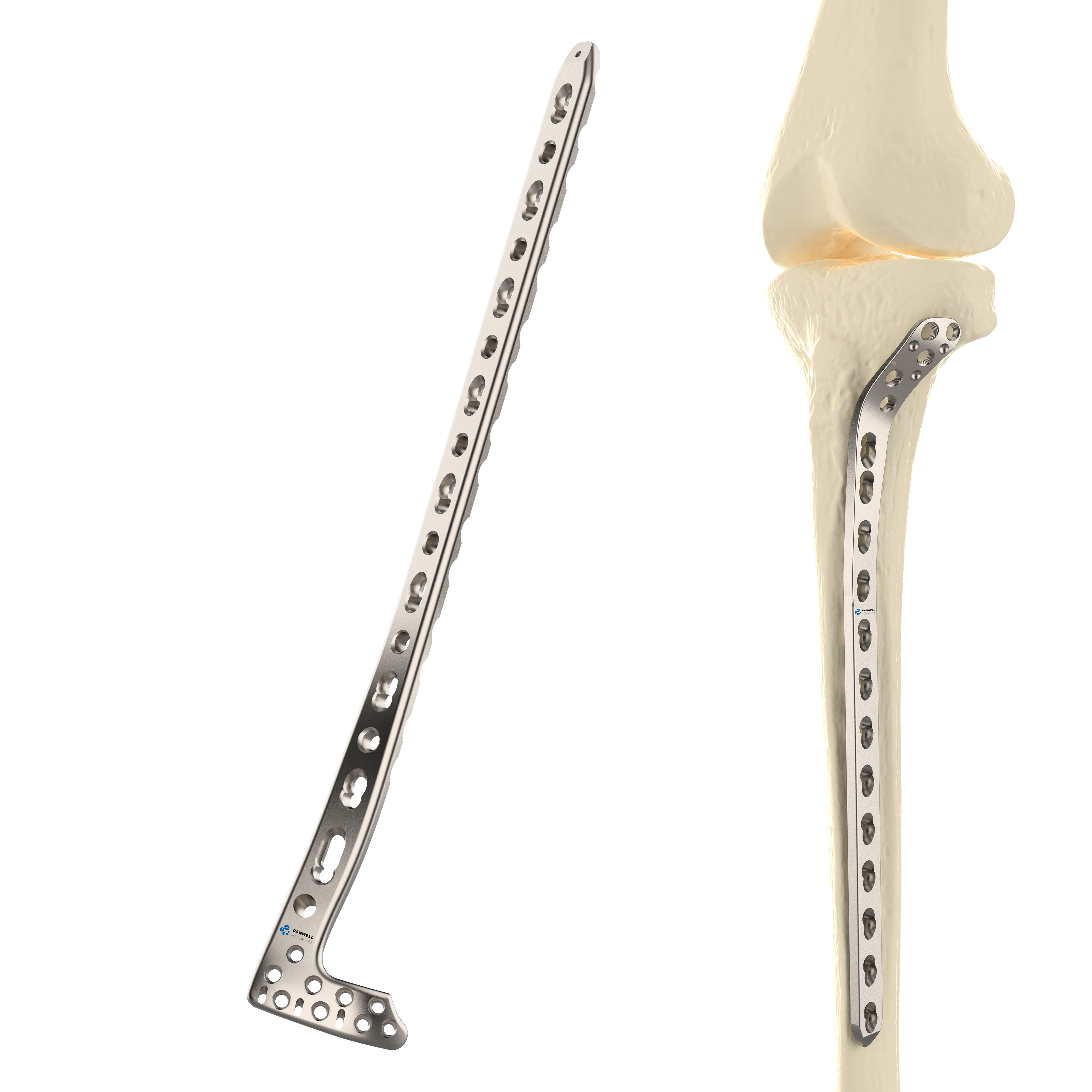
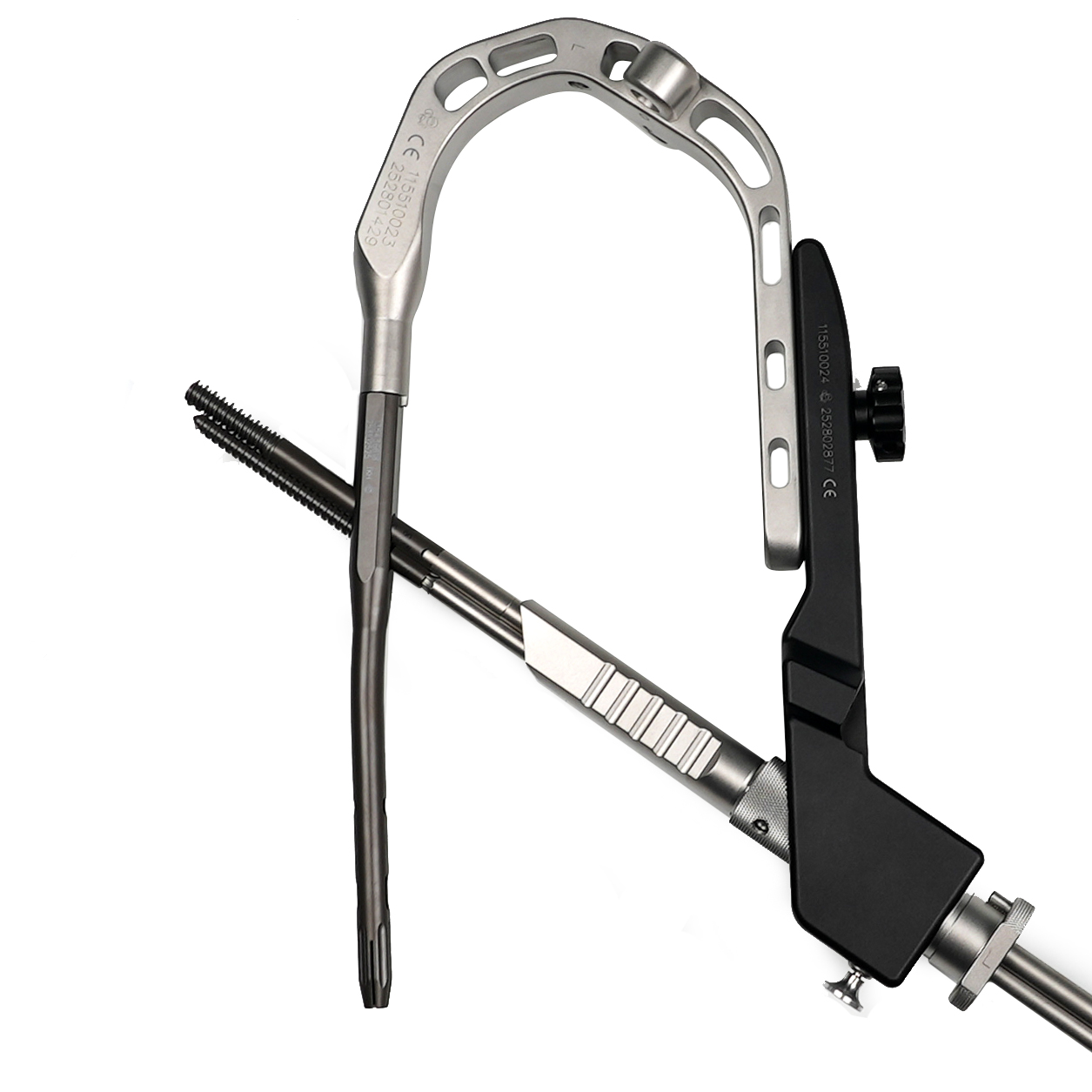
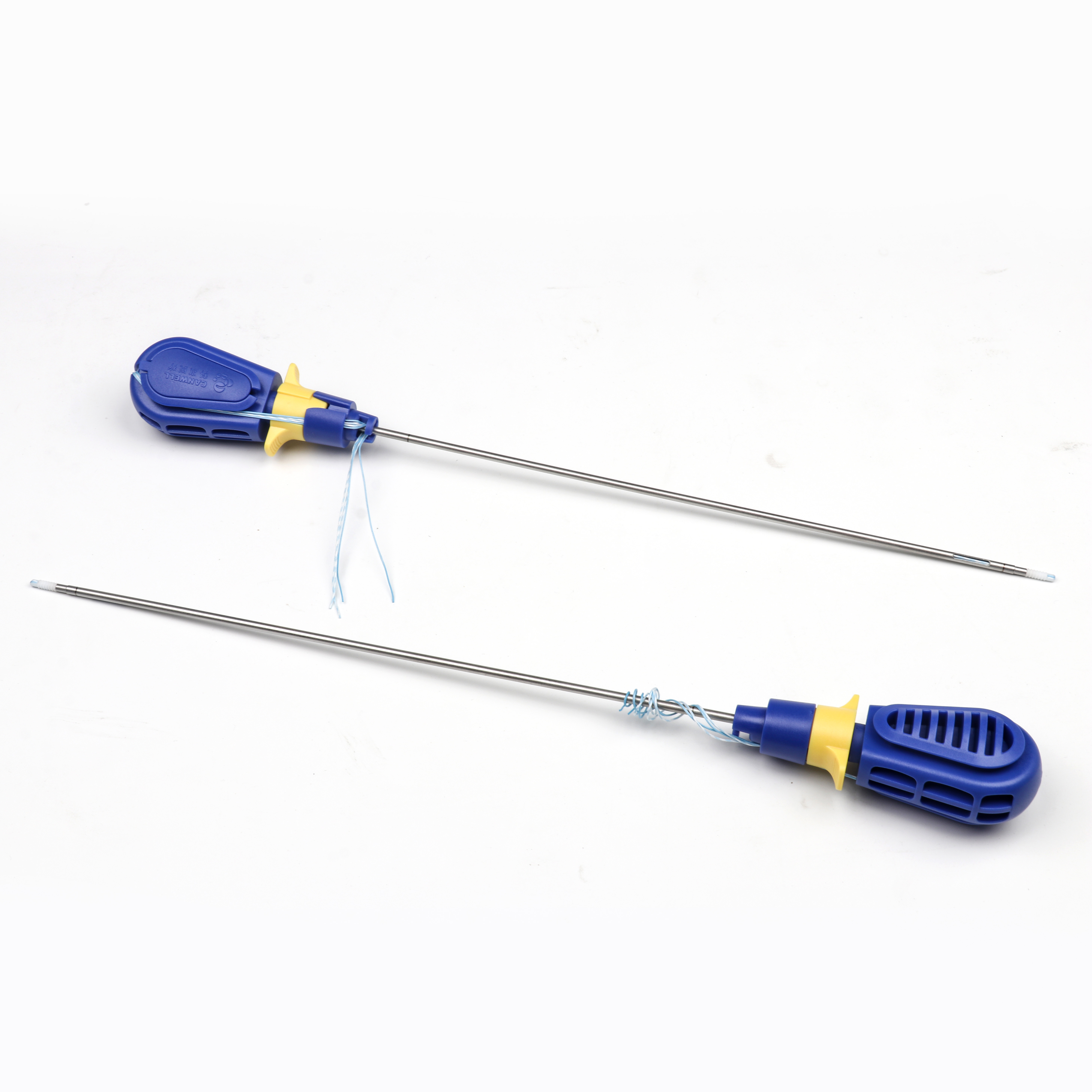
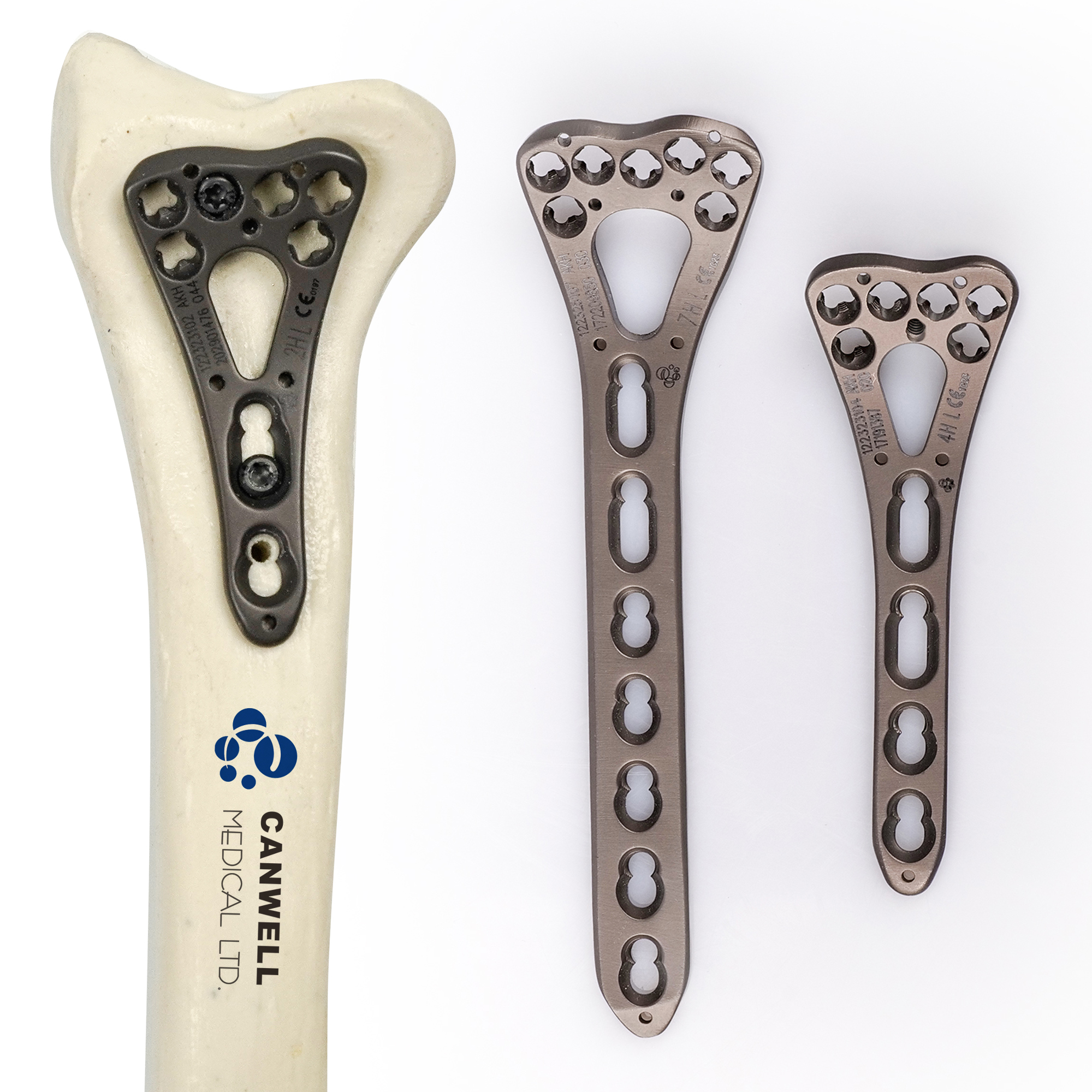
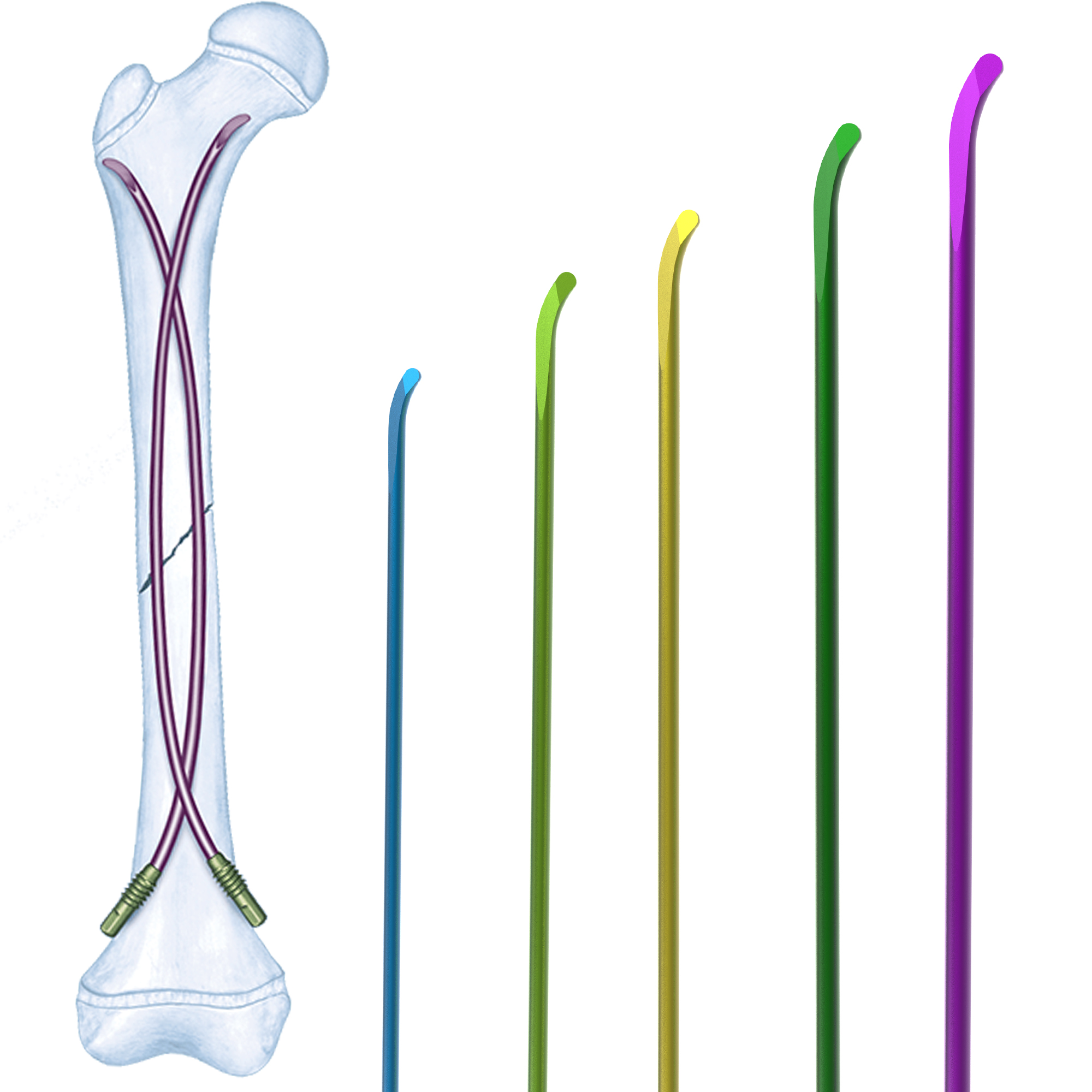
Biomechanical Mechanics & Metallurgical Engineering of Interlocking Screws
Interlocking screws serve as the primary mechanical anchor points in intramedullary nailing and locking compression plate (LCP) systems, converting axial forces into controlled micro-motion conducive to secondary secondary bone healing.
Static vs. Dynamic Interlocking Mechanics
Interlocking screws operate under two distinct load-bearing configurations within long bone fractures (femur, tibia, humerus):
Static Interlocking: Screws are passed through both proximal and distal transverse round holes of the intramedullary nail. This configuration provides absolute torsional stability and prevents rotation and telescoping length loss in comminuted or unstable fractures.
Dynamic Interlocking: Screws are positioned within slotted (oval) dynamization holes. This permits controlled axial micro-compression along the longitudinal axis during weight-bearing, stimulating calluses formation without compromising rotational alignment.
Metallurgical Metallurgy: Ti-6Al-4V ELI vs. Stainless Steel
The fatigue life and bio-compatibility of interlocking screws depend heavily on material grade selection:
- Titanium Alloy Grade 5 (Ti-6Al-4V ELI - ISO 5832-3): Yield strength > 860 MPa, modulus of elasticity (~110 GPa) closer to cortical bone, significantly reducing stress shielding while optimizing fatigue resistance against cyclical bending moments.
- Medical Stainless Steel (316LVM - ISO 5832-1): Exceptional ultimate tensile strength and cost efficiency for acute trauma situations, though exhibiting a higher modulus of elasticity (~200 GPa).
- Type II Anodization: Surface modification creates a hardened titanium oxide barrier layer that improves friction coefficients, reduces galling, and prevents fretting corrosion at the screw-nail interface.
Comparative Biomechanical Matrix: Screw Geometries & Engineering Specs
Selection parameters for medical procurement teams and orthopedic trauma surgeons evaluating interlocking screws:
| Screw Type & Thread Profile | Outer Diameter Range | Core Diameter Range | Shear Force Resistance | Primary Clinical Indication |
|---|---|---|---|---|
| Standard Cortical Interlocking Screw | 3.5 mm – 4.9 mm | 2.7 mm – 3.8 mm | High (3.8 kN – 5.2 kN) | Femoral and Tibial shaft intramedullary locking |
| Angle-Stable Locking Screw | 3.5 mm – 5.0 mm | 2.9 mm – 4.1 mm | Ultra-High (4.5 kN – 6.1 kN) | Metaphyseal plateau & distal compression plates |
| Cannulated Compression Screw | 3.0 mm – 7.3 mm | 2.1 mm – 5.0 mm | Medium-High (2.5 kN – 4.0 kN) | Percutaneous fixation of scaphoid & femoral neck |
| Pediatric TEN Elastic Locking Screw | 1.5 mm – 4.0 mm | Full Solid Core | Flexible Elasticity | Pediatric long bone fracture stabilization |
Future Global Procurement Trends in Orthopedic Trauma Devices
As international healthcare standards tighten and hospital purchasing networks consolidate, global B2B procurement of interlocking screws and intramedullary devices is undergoing key transformations.
1. Regulatory Harmonization & EU MDR Mandates
The full implementation of the European Medical Device Regulation (EU MDR 2017/745) has raised the technical threshold for global exporters. Healthcare authorities now require comprehensive Post-Market Clinical Follow-up (PMCF) data, 100% raw material batch traceability (UDI system integration), and rigorous biocompatibility testing under ISO 10993 standards.
Distributors are shifting away from small-scale traders toward direct source manufacturers with full technical documentation packages, CE certificates, and accredited laboratory testing capabilities.
2. Demand for Pre-Sterilized Ready-to-Use Kits
Hospital operating rooms are increasingly moving away from bulk non-sterile implant trays requiring in-house autoclaving. Procurement departments are requesting single-patient pre-sterilized blister packs containing color-coded interlocking screws and corresponding disposable drill bits.
This trend minimizes cross-contamination risks, drastically reduces operating room setup times, and lowers hospital inventory holding costs.
Technology & Manufacturing Development Trends
The manufacturing landscape for orthopedic implants is rapidly evolving through high-precision Swiss-type CNC machining, advanced surface treatments, and digital workflow integration.
Multi-Axis Swiss CNC Precision Machining
Modern interlocking screw production utilizes 7-axis to 10-axis Swiss sliding-head CNC automatic lathes. This enables single-setup machining of complex screw features: dual-lead self-tapping flutes, hexalobular (Torx) internal drives, and cannulated central bores with sub-micron tolerance control.
Thread rolling is increasingly favored over thread cutting to maintain continuous metal grain flow, boosting thread fatigue limits by up to 30%.
Functional Surface Coatings & Bio-Integrative Materials
To reduce post-operative infection risks and promote osteointegration, manufacturers are introducing advanced surface engineering:
- Hydroxyapatite (HA) Micro-Spraying: Applied to screw threads to accelerate early bone lock in osteoporotic patients.
- Bioabsorbable Polymers (PLGA/PLLA): For specialized interference screws and suture anchors, allowing complete tissue replacement over 12-24 months without requiring hardware removal surgery.
Why Partner with Zhejiang INAR / CANWELL Medical
Combining 22+ years of specialized orthopedic engineering expertise with a massive 29,523 m² modern production facility, Zhejiang INAR Medical is an SGS-verified manufacturer supplying high-tier trauma, spine, and sports medicine systems worldwide.
13-Step In-House Quality Control & Production Flow
Every single interlocking screw and nail undergoes rigorous quality checkpoints before release:
Raw Material Inspection
100% PMI spectrographic verification of Titanium (Ti-6Al-4V ELI) & Stainless Steel bar stock.
Longitudinal Cutting
Automated precision bar feeding and high-speed cutting into optimized blank lengths.
Swiss CNC Machining
High-precision turning, thread rolling, cannulation drilling, and Torx socket broaching.
Deburring & Polishing
Centrifugal barrel finishing and micro-polishing to remove all stress-concentration burrs.
Ultrasonic Cleaning I
Multi-stage automated degreasing and ultrasonic particulate removal.
Precision Grinding
Centerless grinding ensuring exact shaft diameters and tight tolerance fitting.
Surface Sand-Blasting
Controlled glass-bead blasting for uniform matte surface finish where required.
Penetrant Defect Testing
Fluorescent dye penetrant inspection ensuring 0% micro-fractures or surface voids.
Type II Anodizing
Electrochemical color-coding anodization for immediate diameter identification in OR.
Ultrasonic Cleaning II
Final passivated deep cleaning utilizing purified RO water systems.
OQC Dimensional Audit
Optical CMM dimensional verification, thread pitch gauging, and torque testing.
Class 100,000 Cleanroom
Aseptic double-blister primary sealing in ISO Class 7/8 certified cleanroom environment.
Traceability Packaging
Laser marking of UDI barcodes, batch numbers, and protective carton packaging.
Frequently Asked Questions for B2B Sourcing
Key information for hospital buyers, medical device distributors, and OEM private-label partners.
Which certifications do INAR / CANWELL orthopedic implants carry? +
Do you support full OEM/ODM contract manufacturing for customized screw thread profiles? +
What raw materials are utilized for your interlocking screws and intramedullary nails? +
How do you guarantee thread fatigue resistance and torque tolerance? +
What are your typical MOQ requirements and export delivery lead times? +
Request Technical Catalogs & Factory Direct Pricing
Connect with our senior biomedical engineers and export sales team to obtain detailed product dossiers, CE MDR certificates, OEM project estimates, and sample evaluation packages.