Featured Orthopedic & Spinal Systems
Precision-engineered trauma plates, maxillofacial sets, arthroscopic implants, and high-precision surgical tooling manufactured under strict CE MDR & ISO 13485 standards.
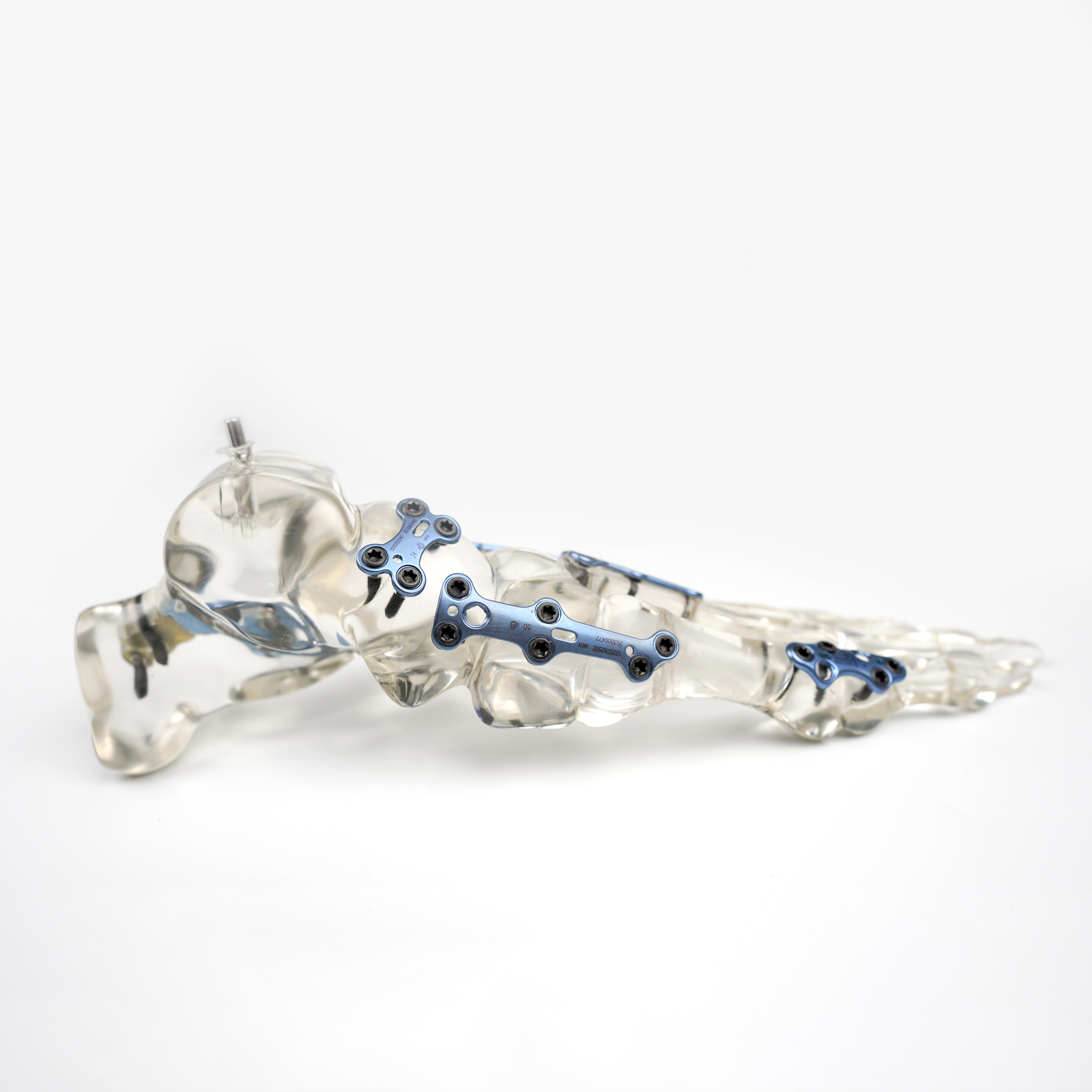
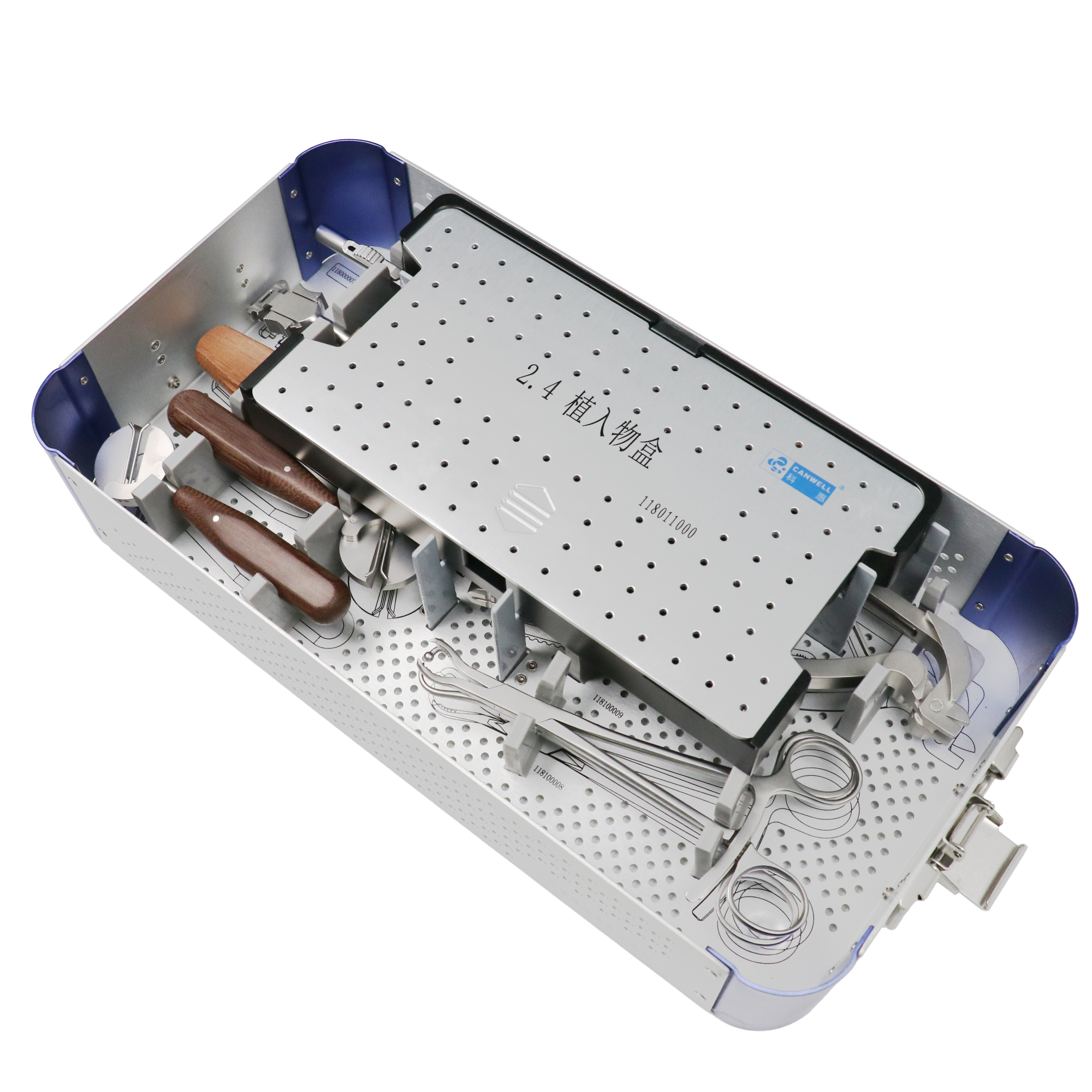
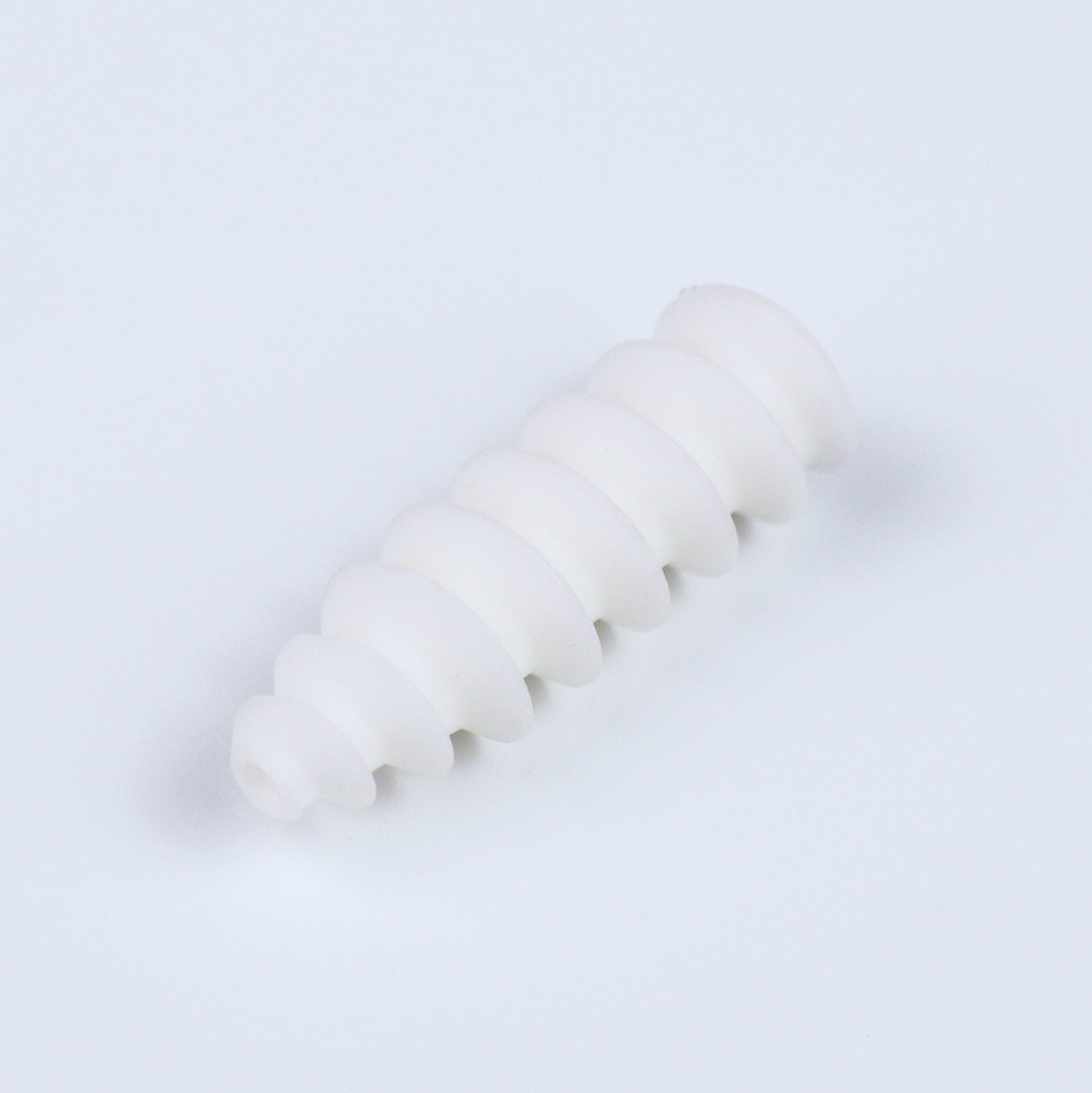
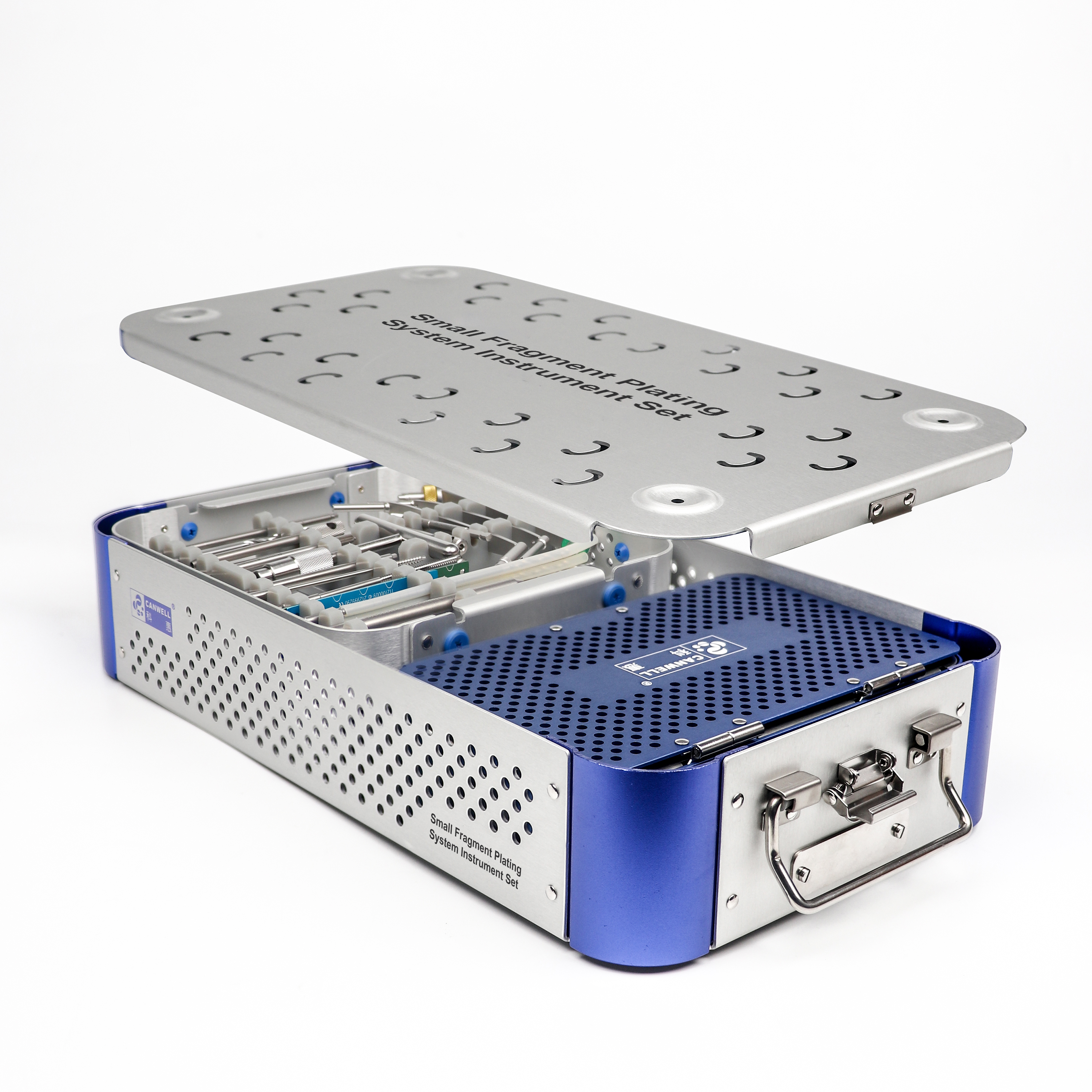
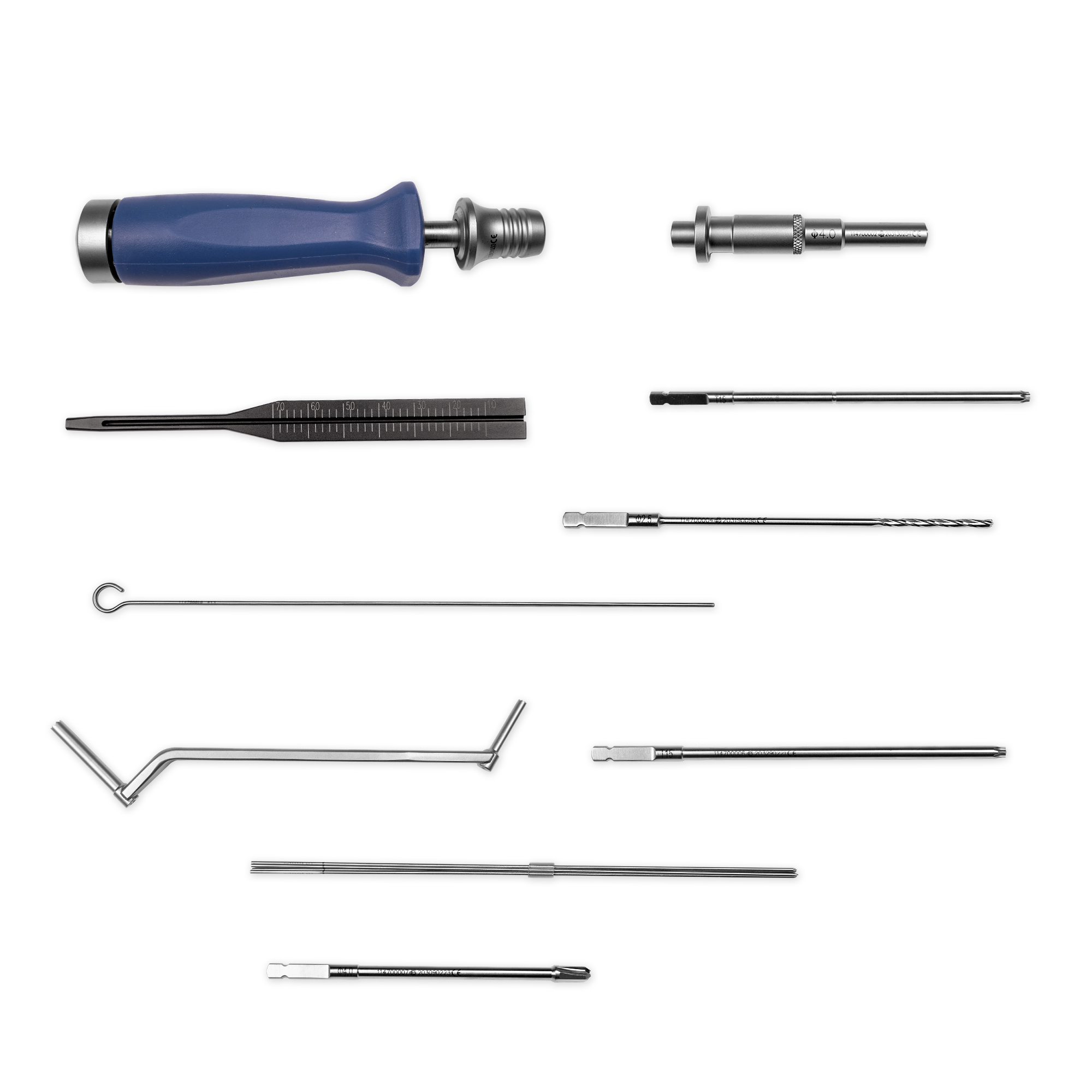
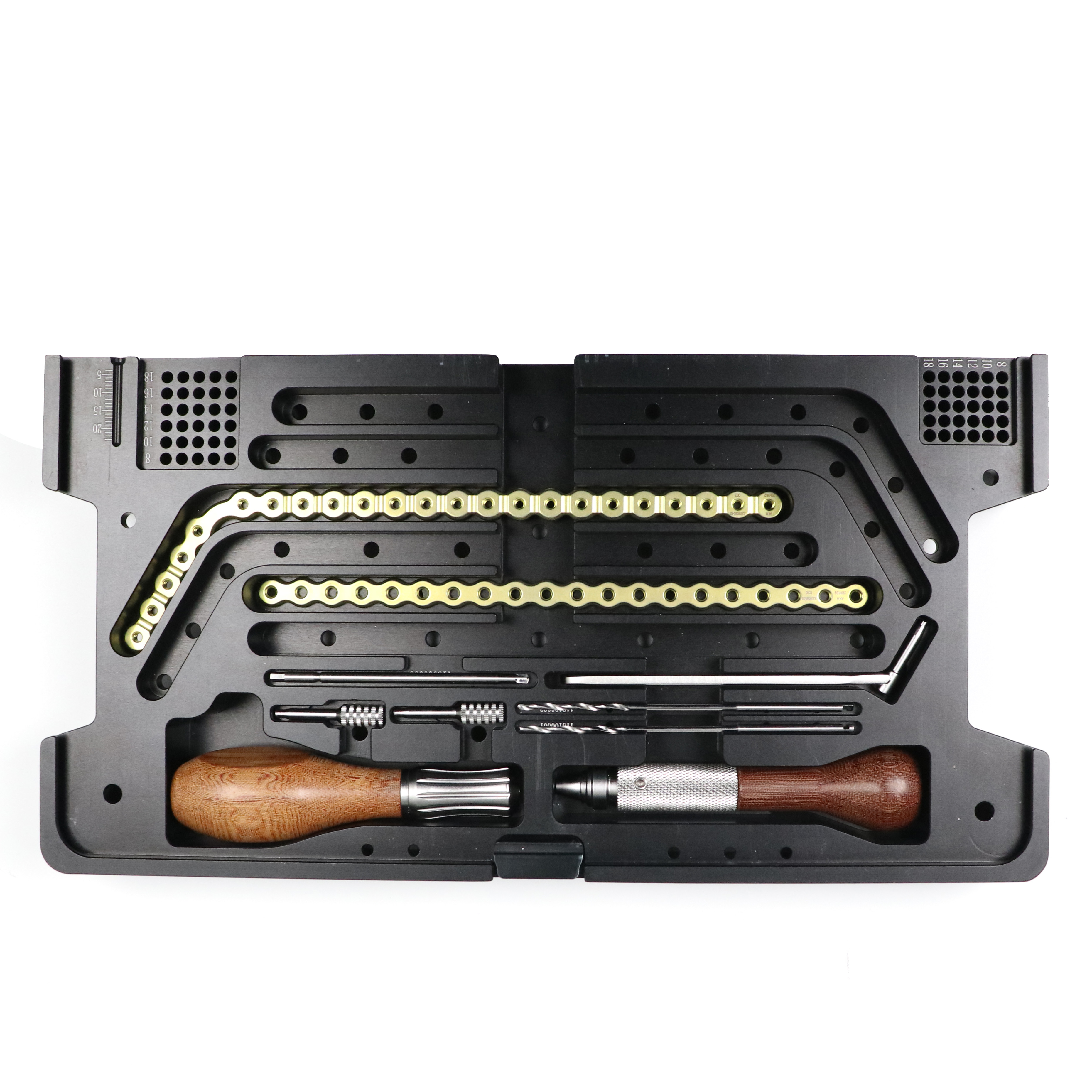
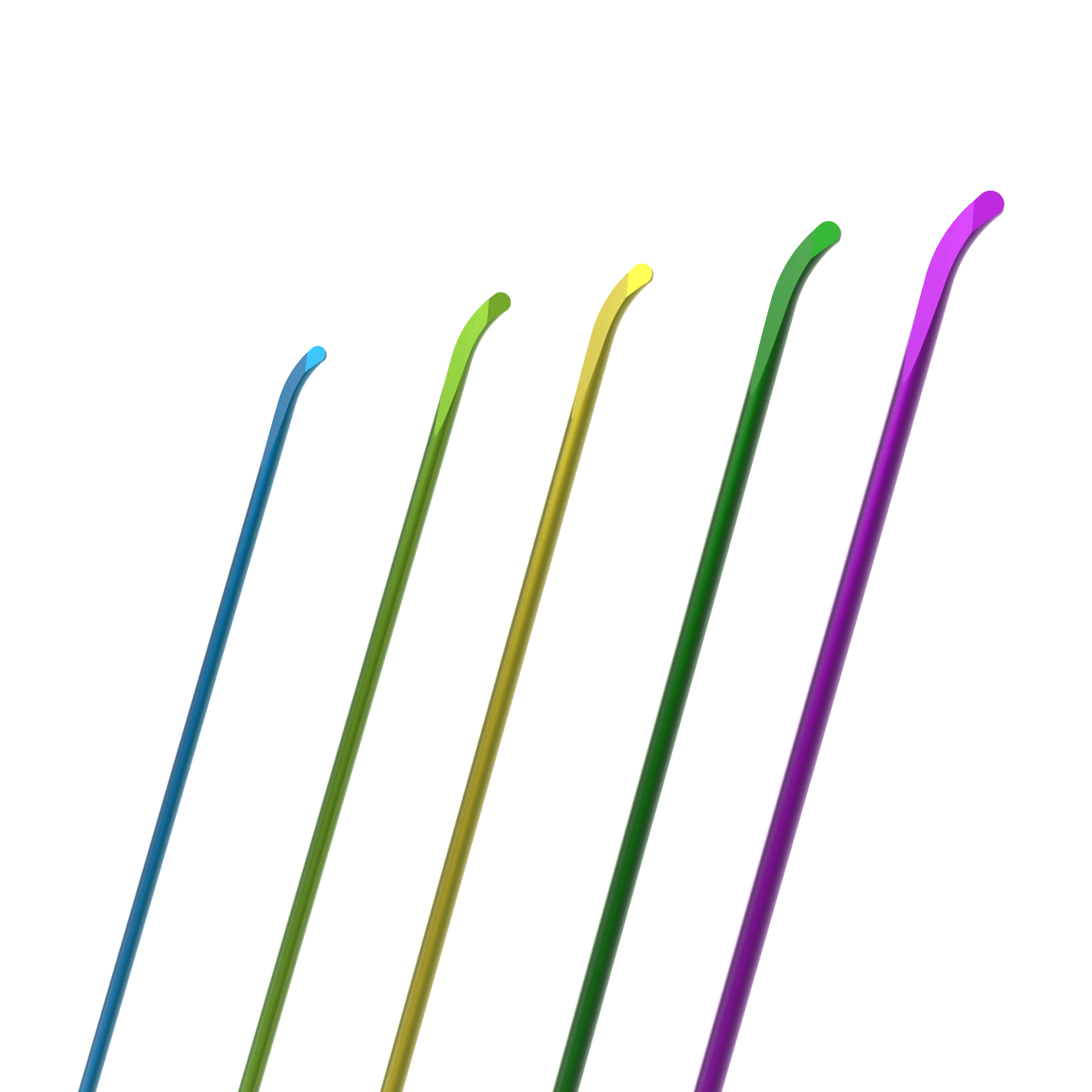
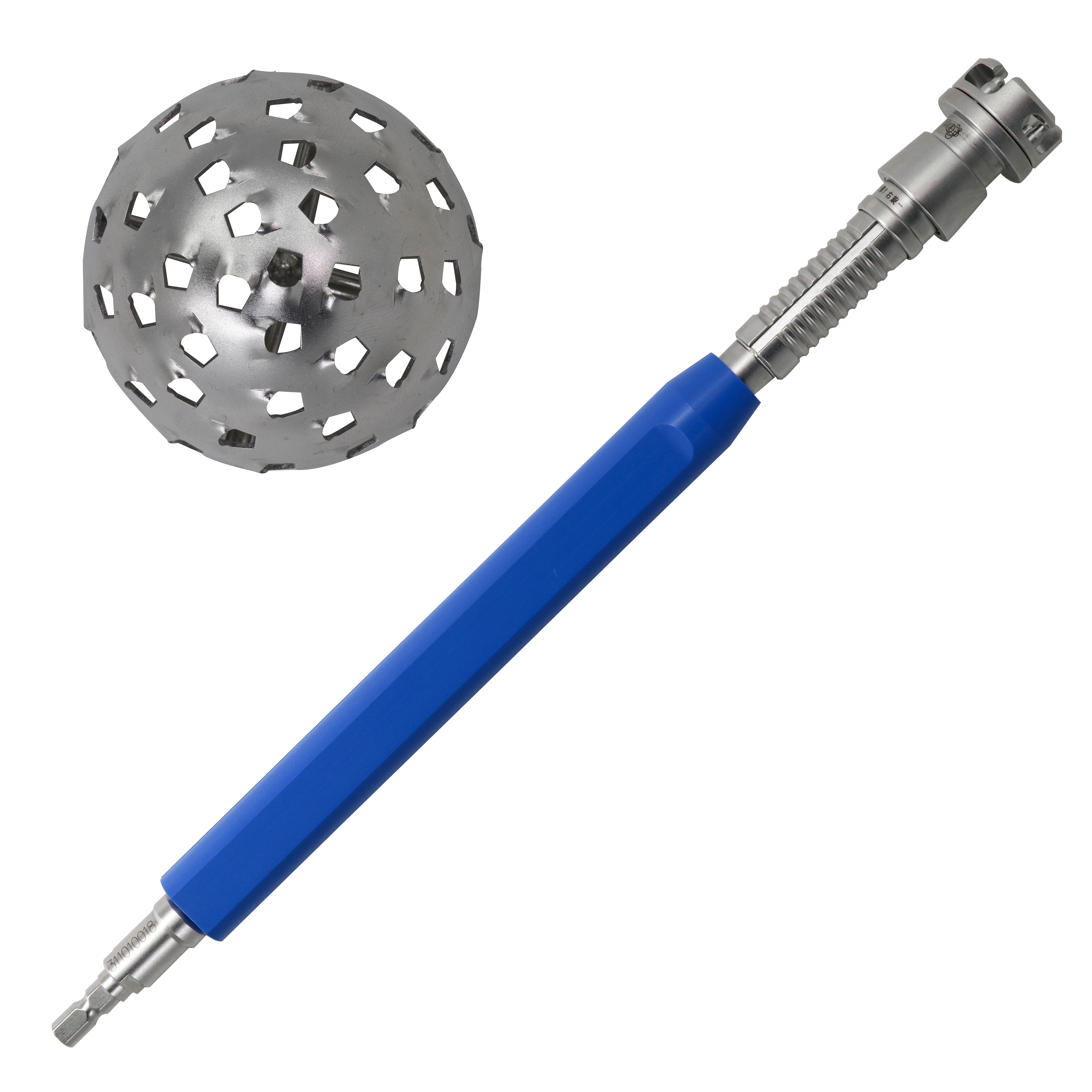
Navigating the Global Spinal Instrumentation Supply Chain
The global market for spinal instrumentation and orthopedic implants is experiencing a structural paradigm shift driven by demographic aging, expanding healthcare infrastructure in emerging economies, and accelerated adoption of minimally invasive spine surgery (MISS). Selecting a tier-1 supplier or manufacturing exporter requires evaluated insights into regulatory risk mitigation, metallurgical purity, CNC machining precision, and long-term mechanical reliability.
Spinal construct failure—whether due to pedicle screw pullout, rod fatigue fracture, or interbody cage subsidence—presents catastrophic clinical consequences. Consequently, procurement officers, OEM brand owners, and hospital tender boards must evaluate prospective manufacturing partners through a stringent, evidence-based quality framework rather than superficial price-per-unit metrics.
Market Valuation & Procurement Metrics Matrix
To assist procurement directors in comparing key international market suppliers, the comparative matrix below outlines key evaluation parameters across leading global exporters and original equipment manufacturers (OEMs).
| Supplier / Exporter Segment | Core Product Focus | Regulatory Certifications | OEM / ODM Flexibility | Quality Assurance Benchmark |
|---|---|---|---|---|
| Zhejiang INAR / Canwell Medical | Spinal Pedicle Screws, PEEK Cages, Trauma Plates, Arthroscopy | CE MDR (EU 2017/745), ISO 13485, SGS Onsite Audited | Full Customization, Private Labeling, Custom Tooling | 100% Penetrant Testing, Ultrasonic Clean, Aseptic Cleanroom |
| Tier-1 Western Multinationals | Complex Deformity Spine, Robotic Navigation Implants | US FDA 510(k), CE MDR, PMDA Japan | Limited (Proprietary Portfolio Focus) | In-House Global Testing Standards (High Cost Structure) |
| High-Volume Asian Exporters | Standard Trauma Screws, Basic Spinal Fixation Kits | ISO 13485, National SFDA / NMPA | High MOQ OEM Only | Batch Sampling Inspection (Variable Tolerance Control) |
| Specialized European Machining Houses | Custom Patient-Specific Implants (3D Titanium) | CE MDR, ISO 13485 | Contract Manufacturing Only | Micro-CMM Dimensional Auditing, High Unit Pricing |
Top 10 Global Spinal Instrumentation Suppliers & Exporters Profiled
When curating an supply chain for spinal systems—including polyaxial pedicle screws, occipitocervical fixation, MIS cannulated screws, and interbody PEEK cages—evaluating supplier competencies is mandatory. Below is a detailed synthesis of the top 10 global suppliers and exporters defining industry standards today:
1. Zhejiang INAR Medical Co., Ltd.
An SGS-verified Chinese powerhouse operating a 29,523 m² production base with 632 specialists. Renowned for CE MDR approved spinal pedicle screw systems, PEEK interbody cages, and trauma plates with full OEM/ODM contract manufacturing capabilities.
2. Medtronic Spine & Biologics
Global market pioneer in complex deformity correction, computer-guided spinal navigation implants, and biological graft matrix containment systems.
3. DePuy Synthes (Johnson & Johnson)
Industry benchmark for trauma and spinal fusion systems, providing standardized instrumentation kits and extensive clinical training networks worldwide.
4. Stryker Spine
Leading innovator in 3D-printed porous titanium interbody implants (Tritanium technology) designed for accelerated bone ingrowth and osseointegration.
5. Globus Medical
Focuses on disruptive robotic technology and expandable interbody fusion devices that allow intraoperative expansion for optimized disc height restoration.
6. Zimmer Biomet
Major exporter offering comprehensive cervical, thoracolumbar, and motion-preservation solutions paired with custom patient-matched instrumentation.
7. Braun Aesculap
German engineering leader recognized for surgical hand instruments, high-grade spinal retractor systems, and precision micro-dissection tools.
8. Orthofix Medical
Specializes in cervical and lumbar fixation constructs alongside bone growth stimulation technologies to enhance post-operative spinal fusion rates.
9. Alphatec Spine (ATEC)
Rapidly growing developer focusing exclusively on clinical approach-specific technologies, particularly lateral and posterior intra-operative solutions.
10. Seaspine (Integrity Implants)
Known for adaptive interbody systems, biological matrices, and cost-effective spinal hardware solutions targeted at surgical centers and health networks.
Future Procurement Trends in Spinal Instrumentation (2025–2030)
Strategic purchasing managers and distributors are shifting away from transactional vendor relationships toward long-term manufacturing partnerships. As healthcare providers demand lower cost-per-case metrics without compromising patient outcomes, five micro-environmental trends define the immediate future of spinal procurement:
- 1. Regulatory Auditability & EU MDR Compliance Bottlenecks: With the sunsetting of MDD 93/42/EEC and full enforcement of EU MDR (2017/745), European and Latin American importers are removing non-certified suppliers. Manufacturers like Zhejiang INAR Medical, which maintain transparent clinical evaluation reports (CERs) and fully documented technical files, are absorbing market share from non-compliant exporters.
- 2. Transition from Sub-Assembly Vendor Networks to Vertical Manufacturing: Traditional suppliers relying on outsourced anodizing, third-party cleaning, or external CNC subcontracting introduce severe batch-to-batch variance. Procurement directors now mandate vertically integrated sites featuring in-house longitudinal cutting, 5-axis CNC machining centers, penetrant flaw detection, and class-10,000 cleanroom packaging.
- 3. Demand for Hybrid Material Constructs (PEEK-OPTIMA & Ti-6Al-4V ELI): Implants combining radiolucent PEEK centers with porous titanium-coated endplates represent the fastest-growing interbody fusion category. Importers require manufacturing facilities equipped with micro-machining and plasma spray surface treatment capabilities.
- 4. Turnkey OEM/ODM Private Labeling: Regional brand owners are bypassing high R&D entry barriers by utilizing validated white-label platforms. Custom laser marking, specialized anodizing color patterns, and pre-sterilized double-blister tray packaging are now standard procurement requisites.
- 5. Supply Chain Resilience and Dual-Sourcing Models: Recent supply chain disruptions have led hospital networks to maintain dual-sourcing strategies—pairing premium Western brands with high-capacity, cost-effective Asian OEM leaders to guarantee tender continuity and hedge inflation.
Product Development & Technological Trends
Engineers and orthopedic specialists are continuously refining spinal fixation hardware to optimize mechanical load distribution, minimize insertion torque, and promote early bone fusion. Key technical advancements include:
MIS Cannulated & Long-Arm Pedicle Screws
Percutaneous minimally invasive surgery (MISS) requires pedicle screws with extended breakaway tabs (long-arm screws) and cannulated shafts for guide-wire insertion, minimizing tissue trauma and operative blood loss.
Variable-Angle & Dual-Thread Pitch Geometries
Modern pedicle screws utilize dual-lead threads to double the insertion speed while enhancing pullout strength in osteoporotic bone. Polyaxial friction heads allow up to 60 degrees of rod articulation for smooth alignment.
Expandable & Patient-Specific Cages
Interbody fusion cages capable of post-insertion expansion allow surgeons to customize lordosis correction in real-time, reducing the risk of endplate damage during impaction.
Enterprise Strengths & Manufacturing Advantages
Combining over two decades of technical mastery with an extensive industrial footprint, Zhejiang INAR Medical delivers unmatched value to orthopedic distributors and OEM partners worldwide.
29,523 m² Modern Facility & 632 Professionals
Our expansive production center in Jinhua, Zhejiang, houses advanced 5-axis CNC machining centers, automated polishing stations, and a workforce of 632 skilled technicians dedicated exclusively to medical-grade manufacturing.
SGS Onsite Assessment & CE MDR Compliance
Verified independently on site by SGS Group, our quality systems meet rigorous international standards. We supply CE marked trauma and spinal implants under EU MDR and 93/42/EEC directives, simplifying product registration for importers.
End-to-End In-House Production Process
From raw titanium bar stock inspection and longitudinal cutting to ultrasonic washing stages, penetrant testing, anodizing, and final aseptic packaging, zero critical steps are outsourced. This guarantees 100% batch traceability.
Full OEM/ODM & Custom Engineering Support
Our engineering team assists global clients with custom plate contouring, proprietary instrument tray design, color-coded anodizing, and custom torque-limiting handles built to precise surgical specifications.
Frequently Asked Questions (FAQ)
Essential guidance for procurement officers, hospital tender boards, and orthopedic distributors considering factory direct sourcing.